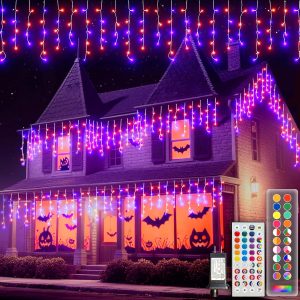
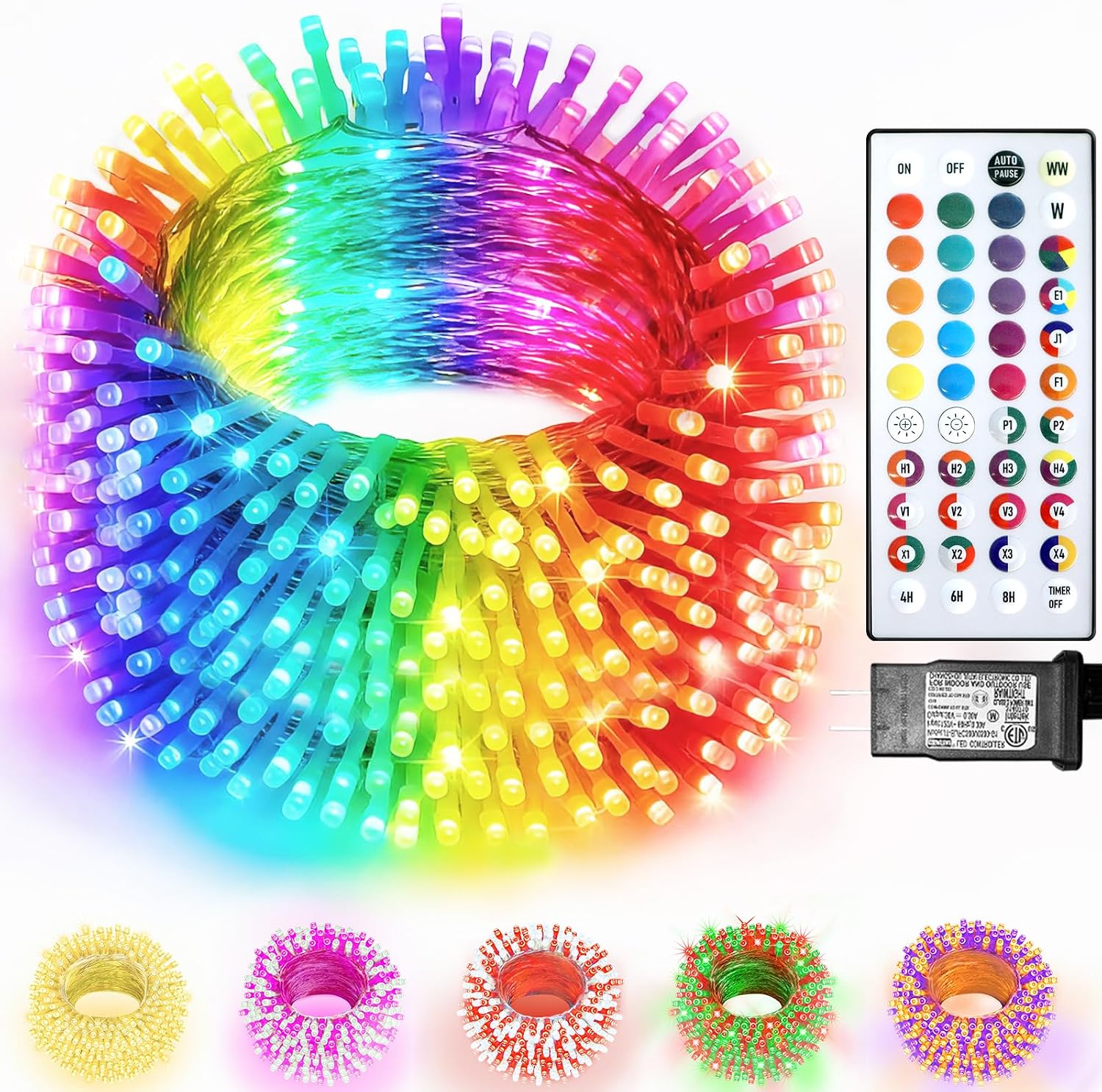
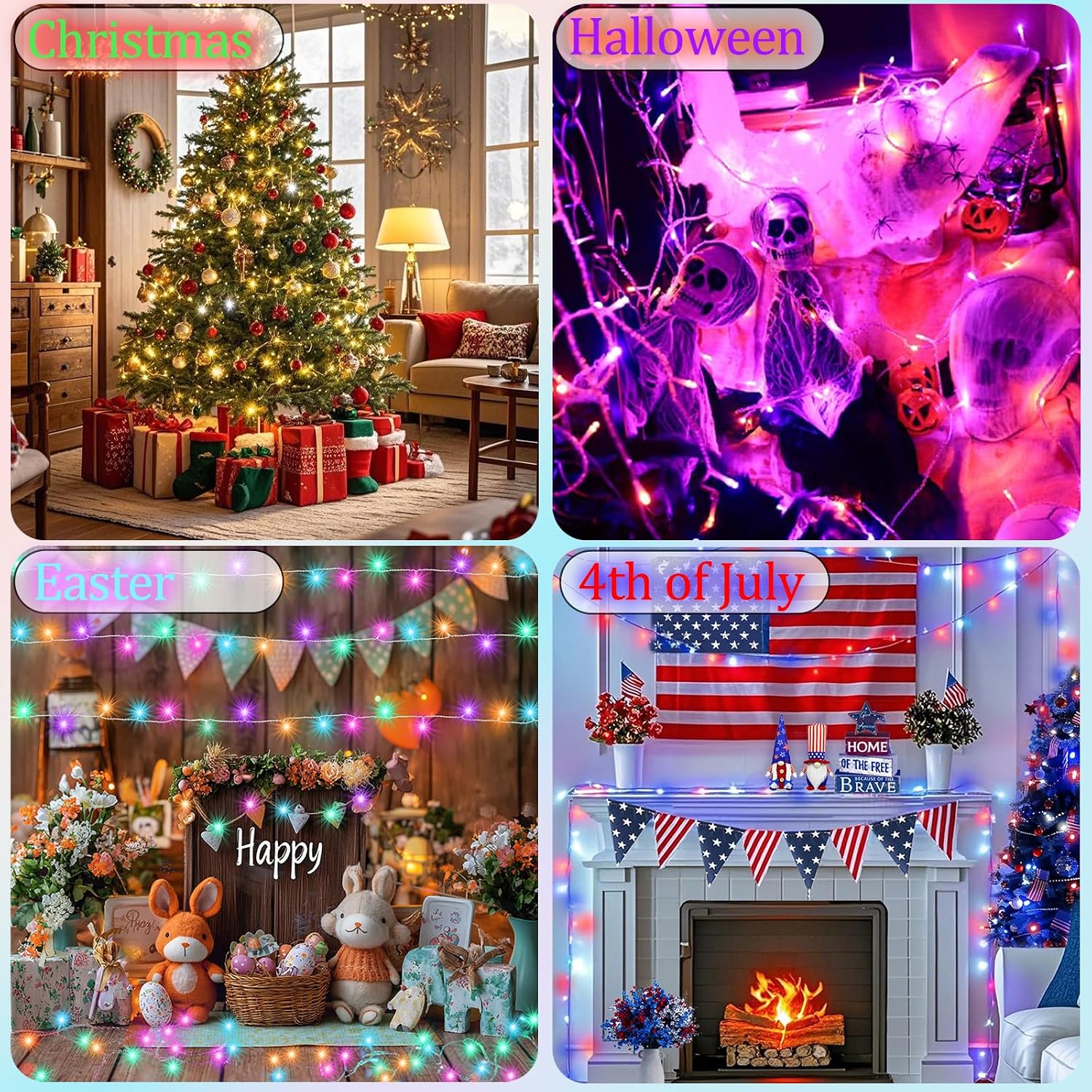
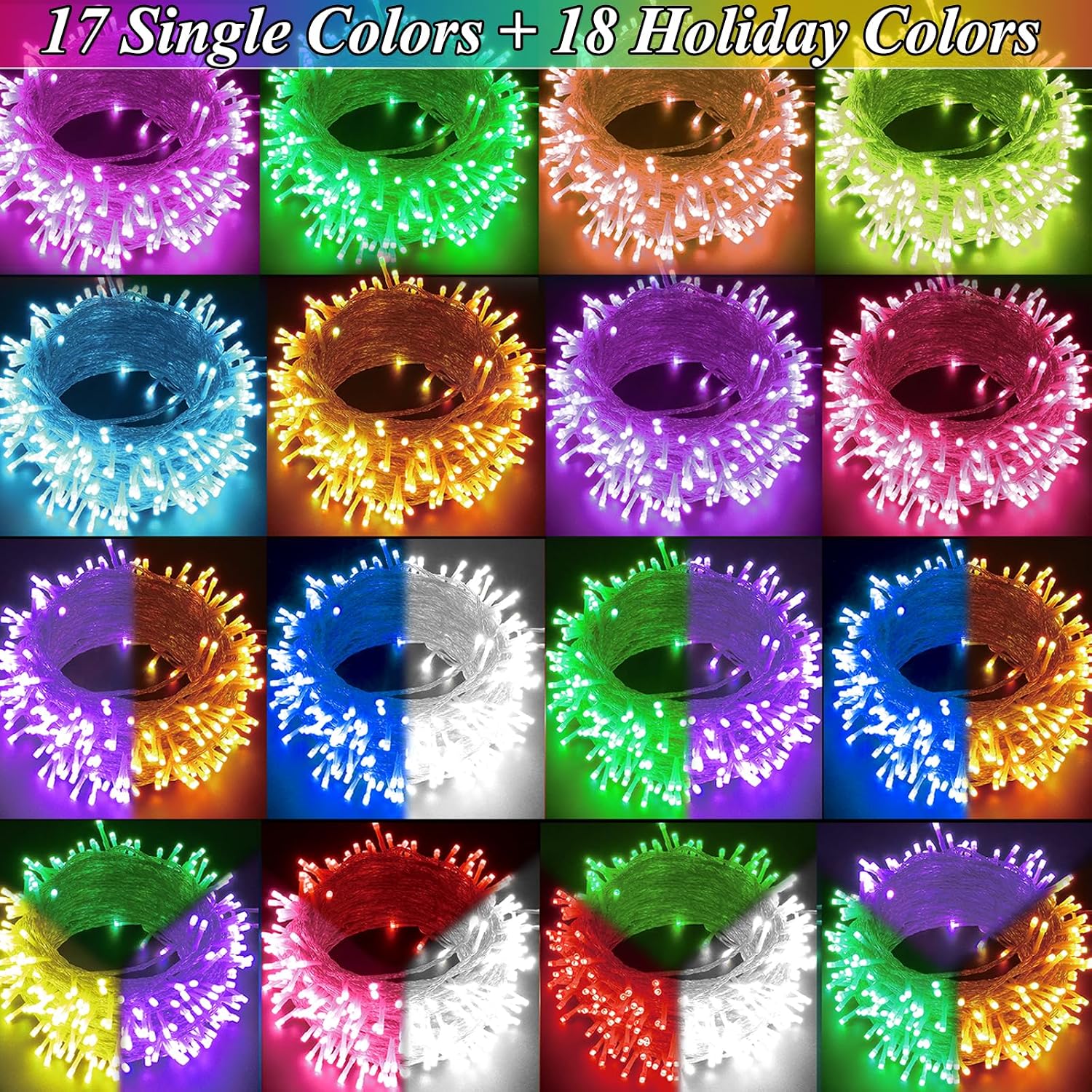
Ditch the Drab: Unpacking the Tech Behind Your Next Color Changing Holiday String Lights
So, you’re on the hunt for holiday string lights that do more than just, well, light up. You want color. You want change. And maybe you’re eyeing those snazzy color changing Christmas lights that promise everything from a fiery Halloween glow to a sophisticated wedding ambiance. This isn’t just about throwing some bulbs on a tree anymore, is it? We’re diving deep into the tech that powers modern LED string lights – the kind that offer 35 colors, remote control, and promise to shine whether it’s indoors or out. This guide is for anyone tired of boring static displays, eager to understand what makes these advanced decorative lights tick, and trying to figure out if the fancy features are truly worth the extra investment.
Quick Answer
Modern color-changing LED string lights with remote and app control offer unparalleled versatility for holiday and event decor, often providing better durability and energy efficiency than older incandescent options. The key advantage lies in their dynamic RGB lighting capabilities, allowing for extensive customization, but a real understanding of connectivity, waterproofing, and animation options is crucial to avoid disappointment.
What to Look For (The Buying Criteria)
Choosing the right holiday string lights can feel like a maze these days. It’s not just “warm white” or “multicolor” anymore; there are layers of tech to sift through. Here’s what actually matters when you’re comparing those enticing color changing Christmas lights.
First off, consider the LED technology itself. We’re talking about light-emitting diodes here, and they’re not all equal. Cheaper strands might use basic LEDs that just cycle through a few pre-set colors, often with a noticeable “step” between hues. Higher-end versions, often dubbed RGBIC lighting or similar, have individual control over each LED or small segments, allowing for much smoother transitions, gradient effects, and truly impressive animated light patterns. This is where the magic really happens, letting your lights chase, twinkle, or even “flow” with different colors. The trade-off? These advanced systems typically come with a heftier price tag. If you just want a solid red or green, a basic RGB strand is fine. But for those mesmerizing effects? You’ll need to step up.
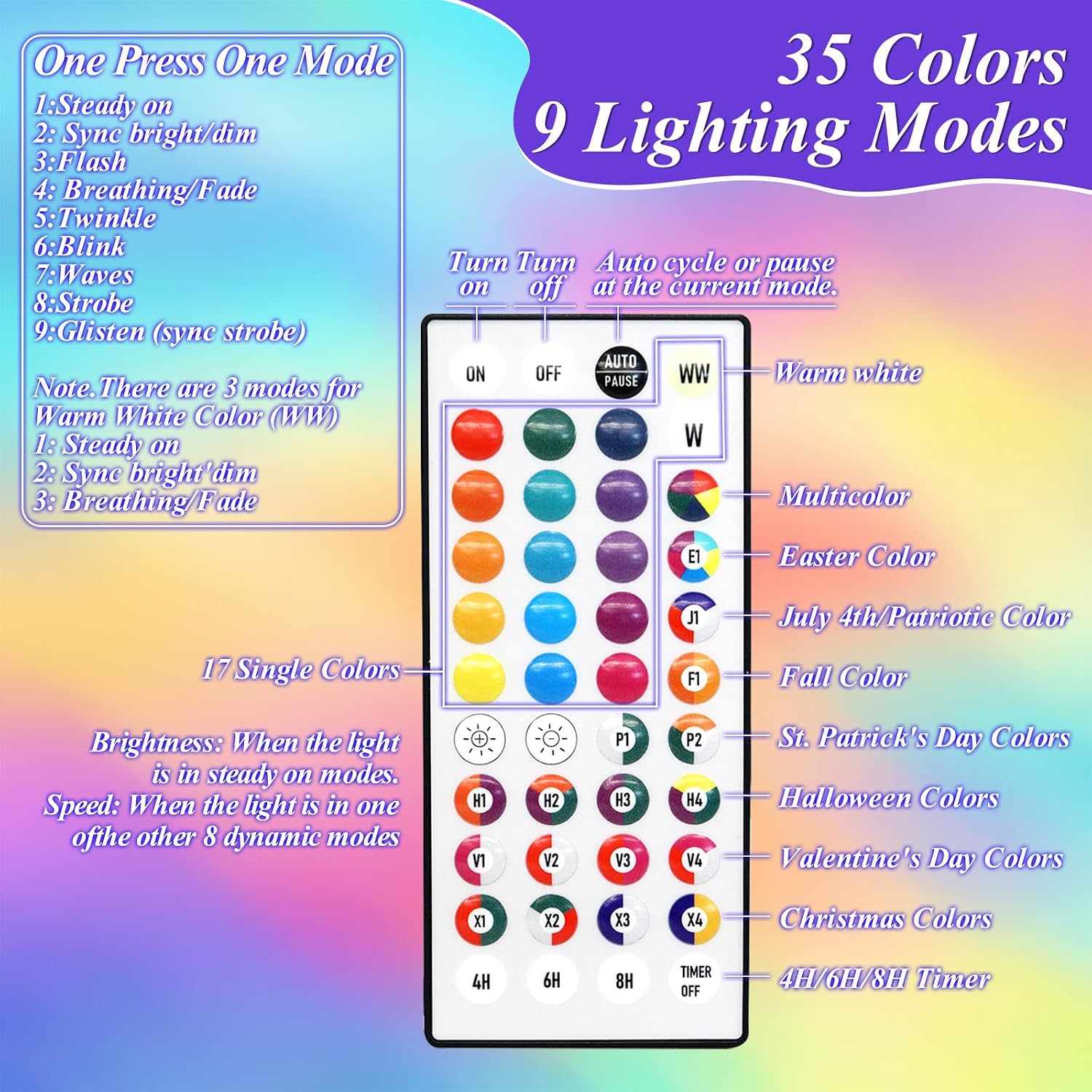
Then there’s color depth and control. The product description might boast “35 colors.” That sounds like a lot, right? But how you access those colors, and how accurately they’re represented, is the real kicker. Are they truly distinct colors, or just slightly different shades of blue? A good system should give you granular control, often through a dedicated remote or, even better, a smartphone app. App control usually offers a color wheel for endless variations and the ability to save custom scenes. Without robust control, those 35 colors can feel like 5 fixed options you can’t really tailor. A limitation here is often the responsiveness of the remote; cheaper ones can be finicky, requiring a direct line of sight.
Durability and weather resistance are non-negotiable, especially for outdoor twinkle lights. Look for an IP rating (e.g., IP44, IP65) that indicates how well the lights can withstand dust and water. Anything used outdoors must be rated for it. Even “indoor/outdoor” claims need scrutiny. Connectors, power bricks, and the individual bulbs themselves should feel robust. A common mistake is assuming “waterproof” means submersible; it rarely does. Most are splash-proof, meaning they can handle rain, but don’t go dunking them in a fountain. And speaking of durability, how thick is the wire? Flimsy wiring spells trouble, especially when strung through trees or across thorny bushes.
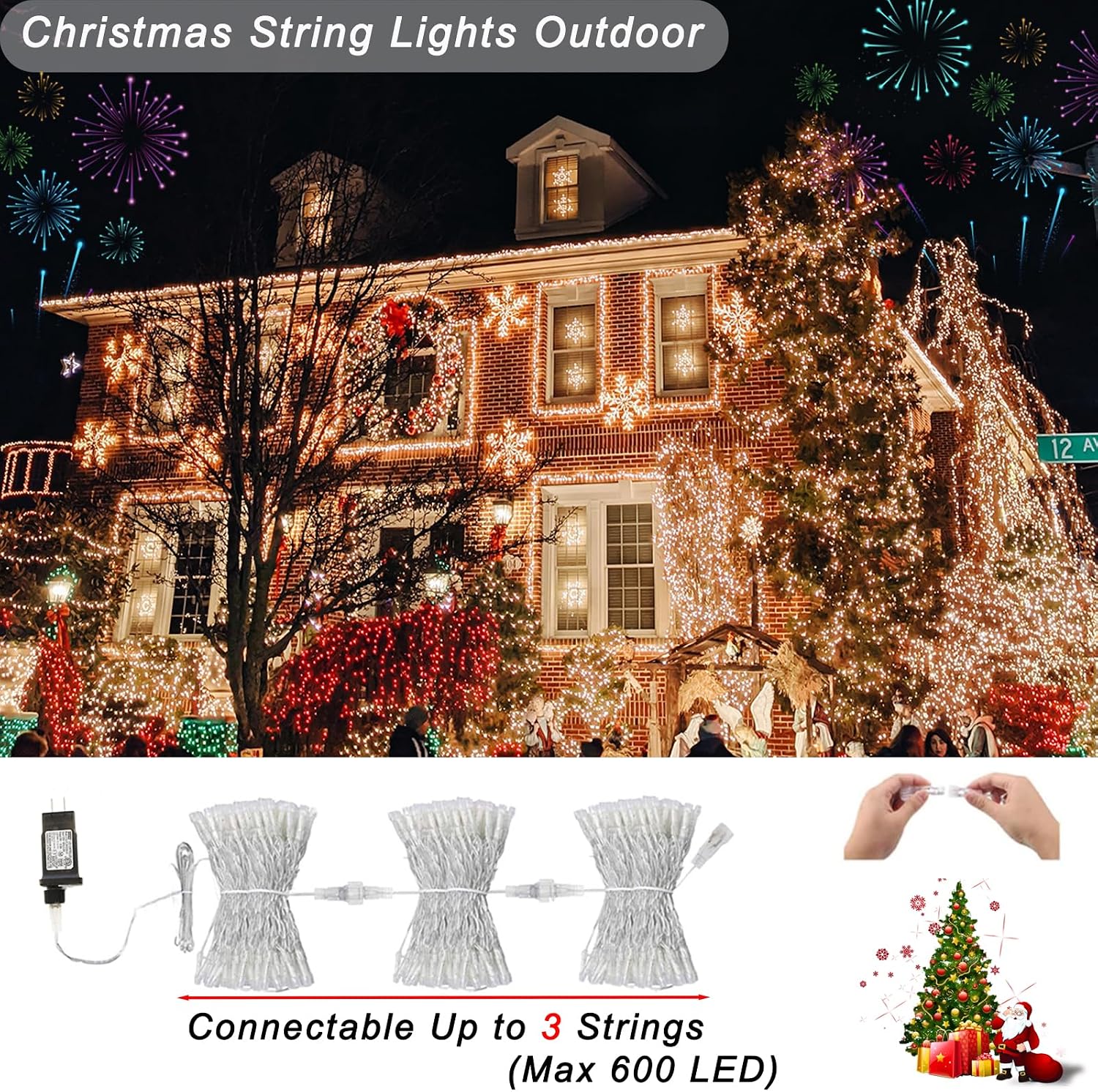
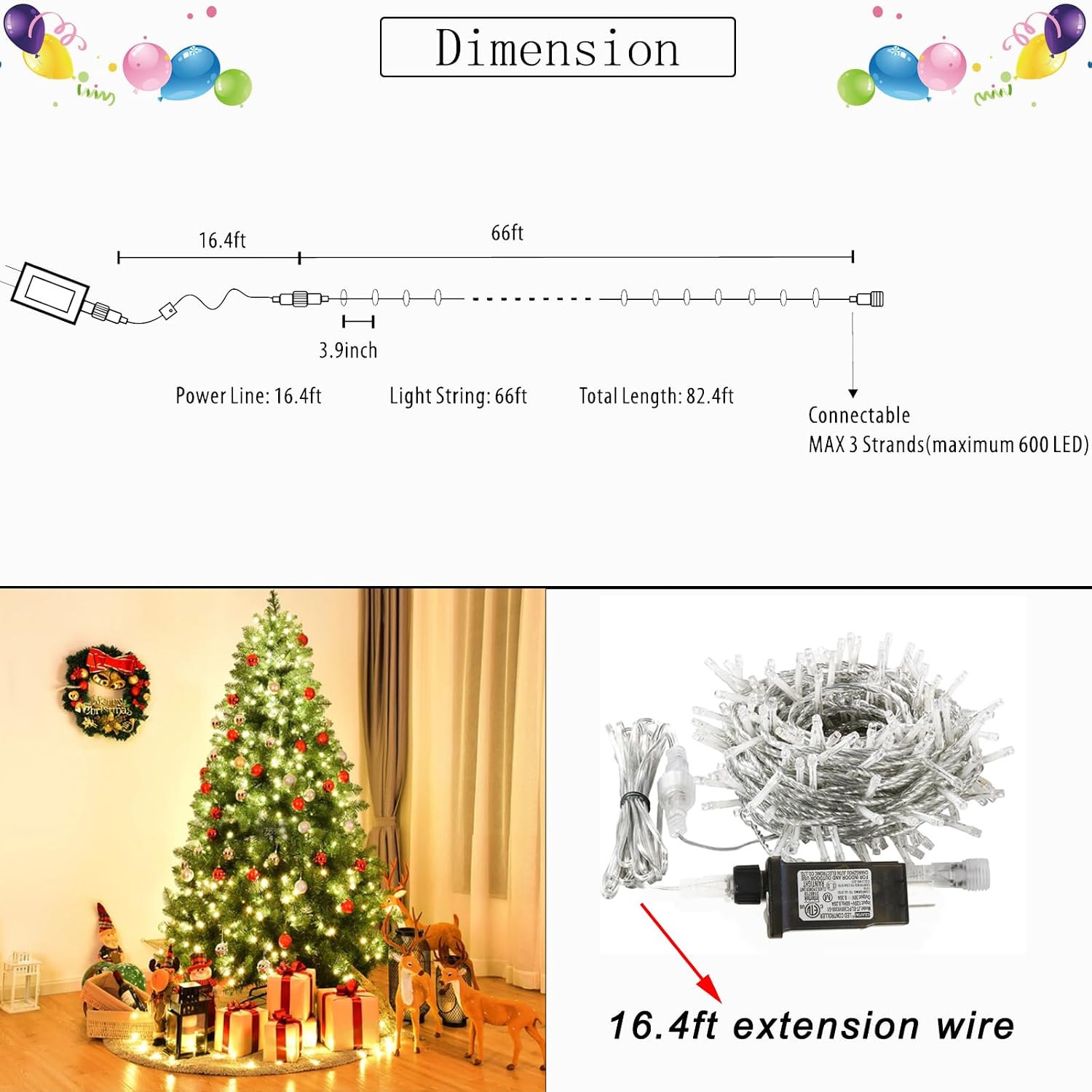
Let’s not forget connectivity and length. Many LED string lights are designed to be connectable, allowing you to link multiple strands together from a single power source. This is a game-changer for larger displays like wrapping a massive oak or outlining a whole house. But pay attention to the maximum connectable length – there’s usually a limit before you start drawing too much power and dimming issues arise. A 66-foot strand is a good start, but for ambitious projects, you’ll definitely need more. Make sure the connectors are secure and also weather-resistant, because a single point of failure can bring down your whole display.
Finally, think about power source and smart features. Most of these are plug-in lights, which means you’ll need an accessible outlet. But do they have a built-in timer? Can they be controlled via a smart home assistant? Modern smart lighting systems integrate with platforms like Google Home or Apple HomeKit, letting you control your decorative lighting with your voice or schedule elaborate scenes. This convenience can be a huge bonus, but it adds complexity and potentially more setup steps. Honestly, I’ve seen people spend way too much on smart features they never use. If you’re only turning them on and off once a season, a simple remote is just fine. Don’t get swept up in the “smart” craze if it’s not actually going to make your life easier.
How to Match the Product to Your Situation
Finding the right holiday string lights isn’t about picking the flashiest option. It’s about matching the tech to your actual use case.
The Casual Decorator (The Set-It-and-Forget-It Type):
You want some festive cheer without a PhD in lighting design. Maybe a few strands for the Christmas tree, or to outline a patio for a summer party. You appreciate the idea of color changing Christmas lights but don’t need to tweak them daily. For you, simplicity is key. Look for plug-in lights that come with a straightforward remote control, offering a decent selection of pre-programmed colors and perhaps a few basic twinkle or fade effects. Waterproof string lights are still important if they’re even sniffing the outdoors. You don’t need app control or advanced animated light patterns; those features would just be overkill. A good quality, basic LED string light set will serve you well.
The Event Planner/Holiday Enthusiast (The Creative & Versatile Type):
You’re hosting parties, decorating for multiple holidays, or just love making a statement. You want your outdoor twinkle lights to transition from spooky Halloween purples to patriotic reds, whites, and blues, then to classic Christmas greens. Versatility is your middle name. You’ll benefit most from connectable light strands and RGB lighting with robust app control. The ability to customize colors, create your own scenes, and perhaps even sync them to music (a feature some higher-end programmable lights offer) will be invaluable. Look for systems that offer good length options and have reliable waterproof ratings for consistent performance across different seasons. The investment in a more sophisticated system will pay off in endless creative possibilities.
The Tech-Savvy Homeowner (The Integrated Smart Home Type):
Every light, every device in your home is part of a larger ecosystem. You want your indoor decor lighting and exterior displays to integrate seamlessly with your smart home hub. Voice control, advanced scheduling, and conditional automation (e.g., “turn on when the sun sets”) are must-haves. You’ll be looking for smart lighting systems that explicitly state compatibility with major smart home platforms. These often come with sophisticated apps that allow for segment control, custom animations, and cloud-based scene management. Expect to pay a premium for this level of integration and advanced functionality. The learning curve might be a bit steeper, but the control and convenience are unmatched.
| Type/Tier | Best For | Price Tier | Key Feature | Watch-Out |
|---|---|---|---|---|
| Basic RGB Strands | Simple holiday cheer, static colors, minor effects | Budget-friendly | Remote control with pre-set colors | Limited customization, less vibrant colors |
| Basic RGB strands are great if you just need to switch between a few solid colors or simple fades without fuss. Their remote controls are often IR, requiring line of sight and offering fewer animation options. | ||||
| App-Controlled Smart RGB | Versatile multi-holiday use, custom scenes | Mid-range | Smartphone app control, custom scenes | Can be finicky with Wi-Fi setup, more expensive initially |
| These lights really open up the color palette, letting you dial in specific hues and create intricate sequences right from your phone, which is a big step up from basic remotes. | ||||
| Advanced RGBIC Systems | Complex animations, gradients, smart home integration | Premium | Individual LED control, dynamic effects | Significant investment, potential compatibility quirks |
| With advanced RGBIC, each segment or even individual LED can display a different color, allowing for breathtaking chasing effects, flowing rainbows, and deeper integration into smart home routines. |
Holiday Lights for Different Scenarios
When you’re dealing with holiday string lights, especially the fancy color changing Christmas lights, how you plan to use them really dictates what you should get.
Temporary Seasonal Displays:
Look, if you’re just putting these up for Halloween and then again for Christmas, you probably don’t need the most robust, heavy-duty solution out there. A good mid-range set of waterproof string lights with a reliable remote will likely do the trick. You want something easy to install, easy to take down, and that stores well. Focus on simple plug-in lights with a decent length that are easy to connectable light strands if you need more coverage. You don’t want to wrestle with complex app setups every time the season changes.
Year-Round Decorative Lighting:
Some folks love their outdoor twinkle lights so much, they keep them up all year. Maybe they outline a pergola, light a deck, or highlight a garden path. For this, durability moves from “important” to “absolutely essential.” You need lights with a genuinely high IP rating that can withstand harsh sun, heavy rain, and even snow without corroding or failing. The wiring should be thicker, the connectors sealed tightly. Investing in smart lighting systems that can be scheduled to change with the seasons or time of day makes a lot of sense here. You’re looking for longevity, so don’t skimp on quality.
Large-Scale Events & Commercial Use:
Think weddings, big parties, or even small business displays. Here, reliability and impact are paramount. You’ll likely be dealing with hundreds of feet of LED string lights. Connectable light strands with robust power capabilities are key. You’ll also want consistent color output across all strands, which isn’t always a given with cheaper models. Many professionals lean towards systems that offer very granular control, often through dedicated DMX controllers or highly advanced apps, to perfectly choreograph animated light patterns. This is where the premium, programmable lights truly shine, offering peace of mind and breathtaking results.
Common Mistakes Buyers Make with Holiday String Lights
It’s easy to get excited about color changing Christmas lights and overlook some critical details. Believe me, I’ve seen some head-scratchers.
First off, underestimating the power requirements and length limitations is a huge one. You see “connectable” and think, “Great, I can connect 100 strands!” Not so fast. Every LED string light system has a maximum allowable run. Exceed it, and you’ll either dim the later sections, trip breakers, or worse, create a fire hazard. Always check the manufacturer’s specified limit for connected strands or total wattage. It’s often much less than you’d hope for.
Another common blunder? Ignoring the IP rating for outdoor use. Just because a box says “indoor/outdoor” doesn’t mean it’s ready for a hurricane. IP44 is often “splash proof,” fine for sheltered areas or light rain. But if it’s exposed to direct downpours, sprinklers, or heavy snow, you likely need IP65 or higher for true peace of mind. Water ingress is the silent killer of many an outdoor light display. Your lights might not even last one season if they’re constantly wet.
And here’s a big one: not thinking about controller placement and line of sight for remote-controlled lights. Many basic remote control lights use infrared (IR) remotes. This means the remote needs a clear path to the tiny sensor on the light strand or power brick. If you hide the power brick behind a bush or inside a tree, guess what? Your remote won’t work. For hassle-free operation, especially with outdoor twinkle lights, look for radio frequency (RF) remotes or smart lighting systems with Wi-Fi/Bluetooth app control. Those don’t need line of sight.
Lastly, failing to consider the color temperature and vibrancy beyond the marketing images. That picture might show vibrant reds and deep blues, but some cheaper RGB lighting can produce washed-out colors or struggle with true white light. If you want a crisp, clean warm white alongside your festive colors, test it out or look for reviews that specifically address the white output. Some lights will look sickly green when trying to render white, which totally kills the mood.
Expert Tips Callout
Pro Tip for Programmers: When choosing color changing LED string lights, especially for complex animated light patterns, look for systems that offer segment control. This means you can program sections of the string independently, rather than the entire 66FT strand having to be one solid color or one continuous animation. It drastically expands your creative possibilities for decorative lighting, allowing for layered effects and truly custom light shows. It’s a premium feature, no doubt, but worth it for those aiming for a high-impact display.
Why/How/What Mini-Section
Why are color changing string lights so popular now?
It’s simple: versatility. Gone are the days of having a separate set of red lights for Valentine’s Day, green for St. Patrick’s, and orange for Halloween. Modern color changing Christmas lights offer dynamic adaptability from a single setup, letting you celebrate any holiday or mood with a flick of a remote or tap on an app. It also means less storage, which is a major win for anyone with limited space.
How do you connect multiple strands safely?
Always use the connectors provided by the manufacturer and stay within the specified maximum length or wattage. These systems are designed with specific power tolerances. Overloading a circuit or using incompatible connectors can lead to shorts, fire hazards, or just a really dim, sad light show. When in doubt, use a separate power outlet for additional strands.
What’s the real difference between RGB and RGBIC lighting?
RGB lights change the color of the entire strand uniformly – all lights are red, then all lights are green, etc. RGBIC lighting, or similar technologies, allows for individual segments or even individual LEDs to display different colors simultaneously. This is what enables those cool “chasing” effects, rainbows, and gradients you see in high-end animated light patterns.
FAQ
Can these holiday string lights really be used year-round outdoors?
Many waterproof string lights are designed for year-round outdoor use, but check the IP rating. For truly exposed areas, you’ll want an IP65 rating or higher for sustained durability against harsh weather.
Do I need a special outlet for these color changing Christmas lights?
Most plug-in lights use a standard household outlet (110-120V). However, ensure the outlet itself is outdoor-rated and has a Ground Fault Circuit Interrupter (GFCI) for safety if used outside.
Are the remotes for LED string lights interchangeable?
Not usually. Most remote control lights use proprietary signals, so a remote from one brand or model likely won’t work with another. It’s a bit annoying, but that’s just how it is.
Can I dim the lights, or is it just full brightness or off?
Most color changing LED string lights, especially those with a remote or app, offer multiple brightness levels. This is a common feature, letting you adjust the intensity for different moods or times of day.
How do I store these connectable light strands after the holidays?
Carefully coil them to prevent tangles, much like any other holiday string lights. Avoid sharp bends in the wire, which can damage the internal components. Keeping them in their original packaging or a dedicated storage container helps protect them from dust and physical damage.
What if my Wi-Fi-enabled smart lighting system loses connection?
Typically, smart lighting systems will revert to their last-known setting or a default program if the Wi-Fi connection drops. You should still be able to control them manually via an inline button on the power supply or, if available, a simple RF remote.
Do these lights consume a lot of electricity?
LED string lights are remarkably energy-efficient compared to old incandescent bulbs. While the number of LEDs can add up, even a long strand of 200 LED 35 Colors String Lights will consume significantly less power, keeping those electricity bills manageable.
Final Recommendation
Deciding on your next set of holiday string lights boils down to a clear understanding of your needs versus the available technology. For most folks looking to simply elevate their seasonal decor with a splash of color and some basic animation, a mid-range, app-controlled smart RGB system hits the sweet spot. It offers ample customization for various holidays through its smartphone interface, providing a good balance of features without breaking the bank. You get vibrant color changing Christmas lights that you can personalize.
However, if you’re aiming for truly breathtaking animated light patterns, or if you want to integrate your decorative lighting seamlessly into a comprehensive smart home, then an advanced RGBIC system is where your money should go. The individual LED control and deep programming capabilities are unmatched. Yes, it’s a premium investment, but for those who value precise control and dynamic effects, it’s the only way to achieve that truly mesmerizing display. Don’t compromise if cutting-edge visual flair is what you’re after.
#Color #Changing #Christmas #Lights #LED #Colors #String #Lights #Indoor #Outdoor #Remote #66FT #Waterproof #Connectable #Twinkle #Lights #Plug #Xmas #Tree #Halloween #Party #Wedding #Room #Decor