

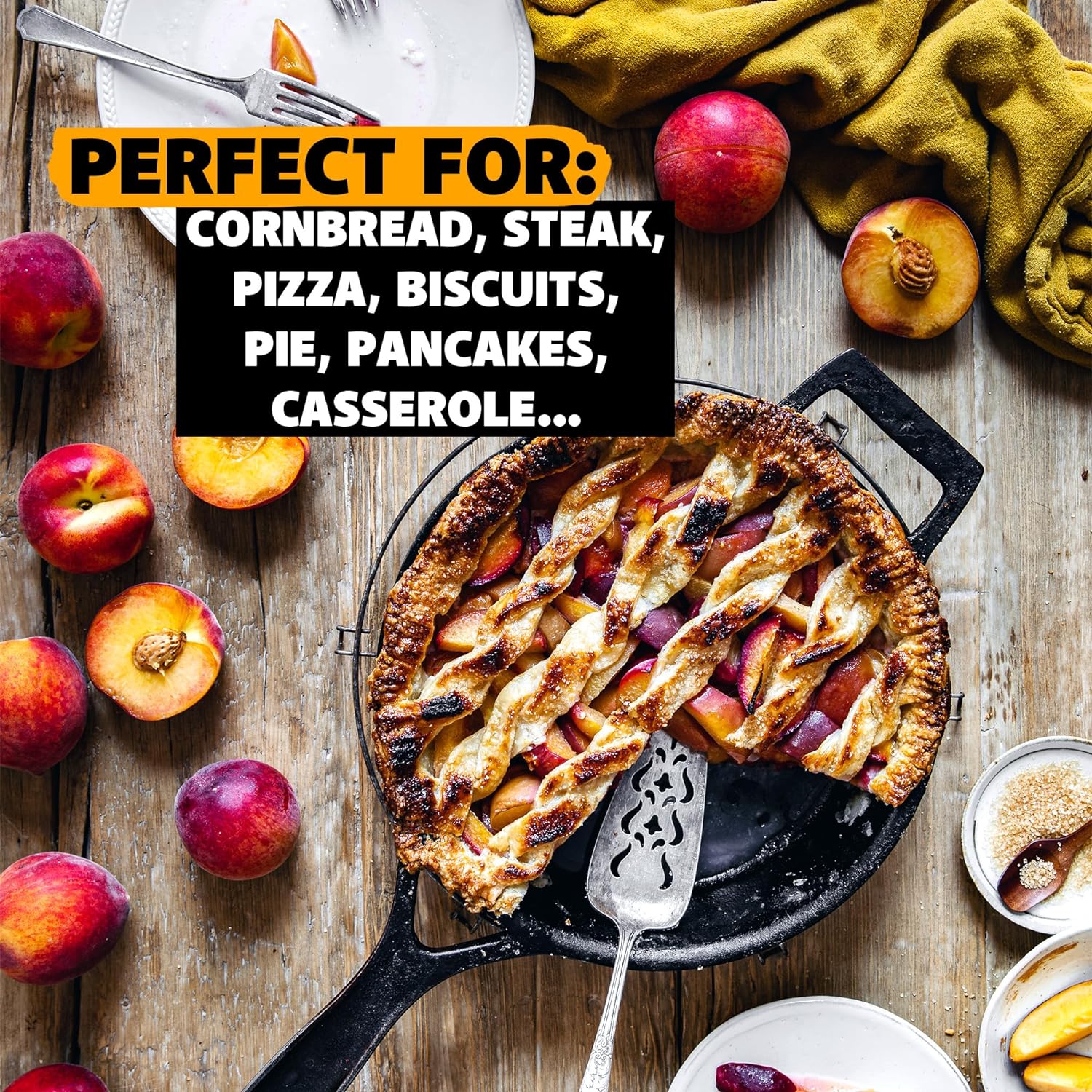
Demystifying the Premium Cast Iron Skillet: Is the Stargazer 10.5-Inch Worth Your Hard-Earned Cash?
Let’s talk about the cast iron skillet. It’s an enduring kitchen workhorse, a staple in countless homes, and honestly, a bit of a mystery for many folks trying to figure out if they need one, or if their existing one is good enough. This guide cuts through the marketing fluff to help you understand what makes a cast iron skillet tick, focusing specifically on whether a premium option, like the Stargazer 10.5-Inch Cast Iron Skillet, truly justifies its higher price tag compared to the ubiquitous, more budget-friendly options out there. We’re digging into the nuances, the trade-offs, and what really matters when you’re searing a steak or baking cornbread.
Quick Answer
For most home cooks, a basic, well-maintained cast iron skillet delivers phenomenal results and is a smart buy. However, a premium option like the Stargazer 10.5-Inch Cast Iron Skillet offers tangible upgrades in user experience, especially its exceptionally smooth cooking surface and thoughtful handle design, which can make a real difference for those who cook with cast iron frequently and appreciate a more refined tool.
What to Look For (The Buying Criteria)
Choosing a cast iron skillet isn’t rocket science, but there are definitely some key factors that separate a lifelong companion from a frustrating kitchen tool. Skip these, and you might end up with something that just collects dust.
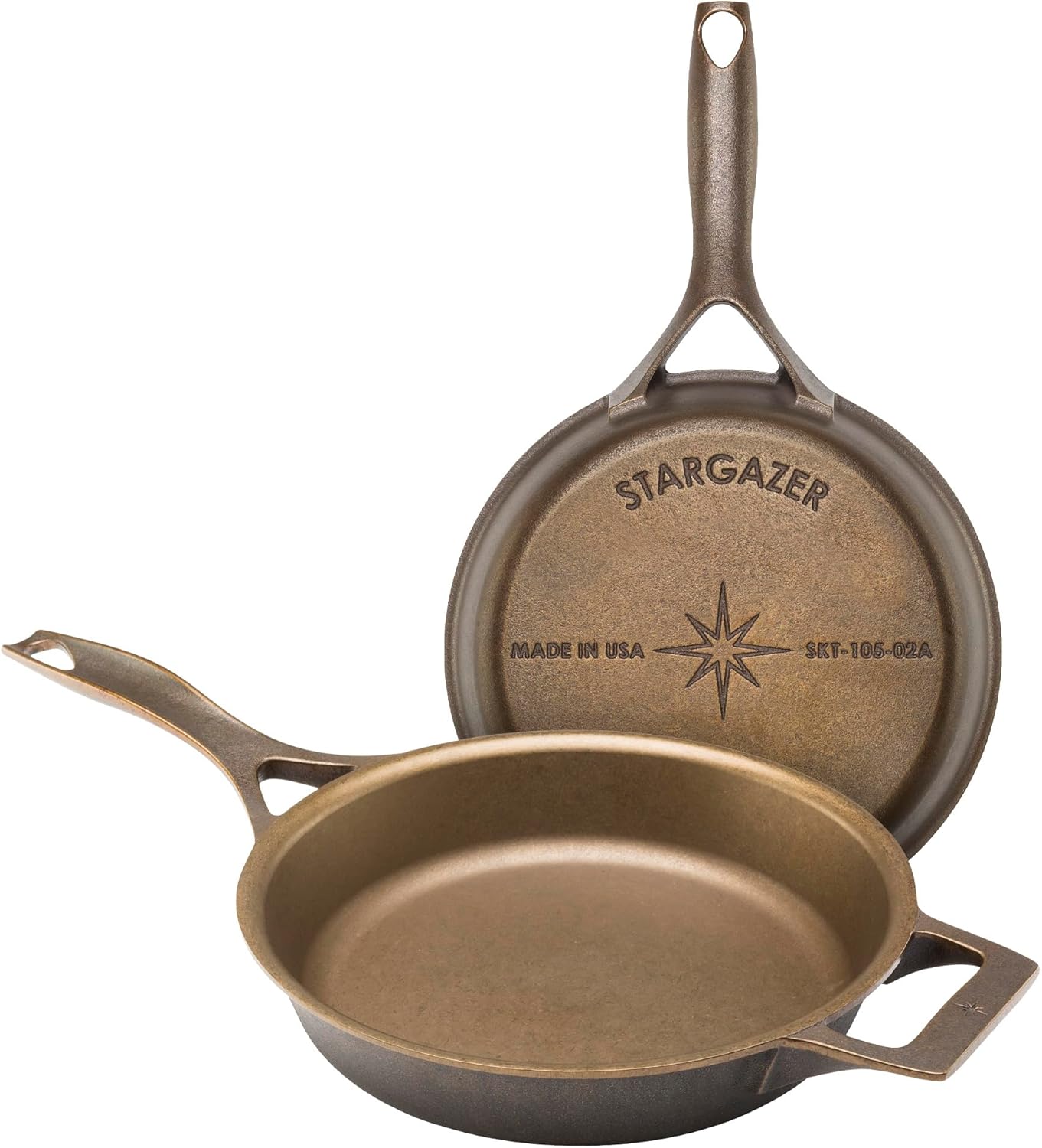
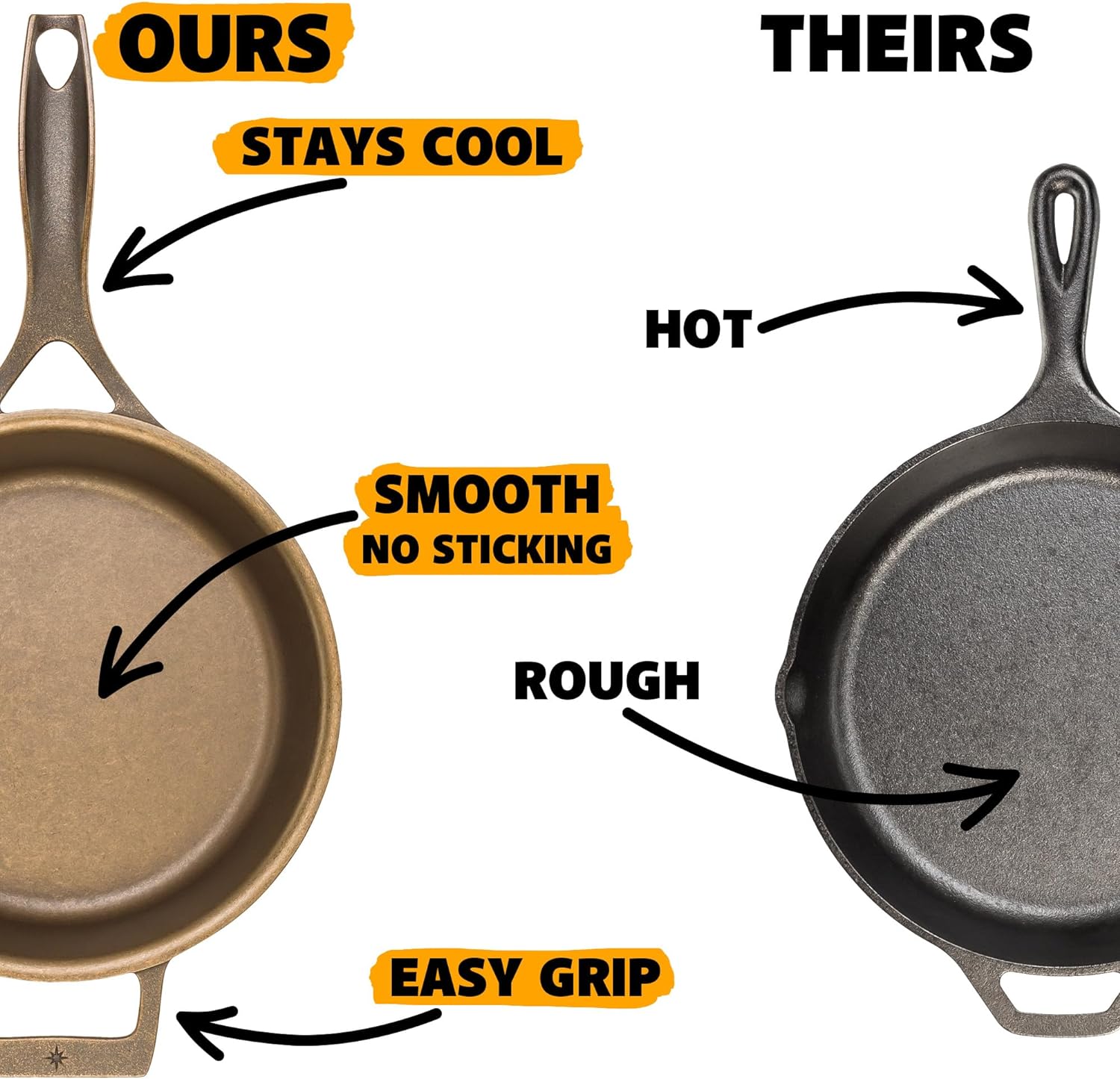
First up, and probably the biggest differentiator for many, is the cooking surface finish. This is where you see the starkest contrast between a traditional, often rough-textured skillet and a premium one. Many common cast iron skillets have a somewhat pebbled, sand-cast texture right out of the box. It’s functional, sure, but it needs time, use, and dedicated seasoning to develop a truly smooth, non-stick-like surface. A Stargazer, by contrast, boasts a remarkably smooth cooking surface from day one. This isn’t just about aesthetics; it means food has fewer nooks and crannies to stick to, and it makes developing that slick, glassy seasoning layer much quicker and easier. Think about cleaning — less texture means less scrubbing for stuck-on bits. Of course, this smoother finish usually comes from extra machining and polishing steps, which adds to the manufacturing cost.
Then there’s the pre-seasoning. Almost every new cast iron skillet today comes pre-seasoned, which is a godsend compared to the old days when you had to strip, oil, and bake it multiple times before its first use. But “pre-seasoned” isn’t a single standard. Some brands apply a thin, almost cosmetic layer that’s really just a head start, requiring you to build up many more layers yourself. Others, like the Stargazer 10.5-Inch model, often come with a more robust, factory-applied seasoning that’s ready for serious cooking right away. You still need to maintain it, mind you, and every bit of cooking helps build it up further, but a good factory seasoning means less babying early on. The downside? Even the best pre-seasoning can get messed up if you don’t follow basic care instructions. It’s not a magic shield against abuse.
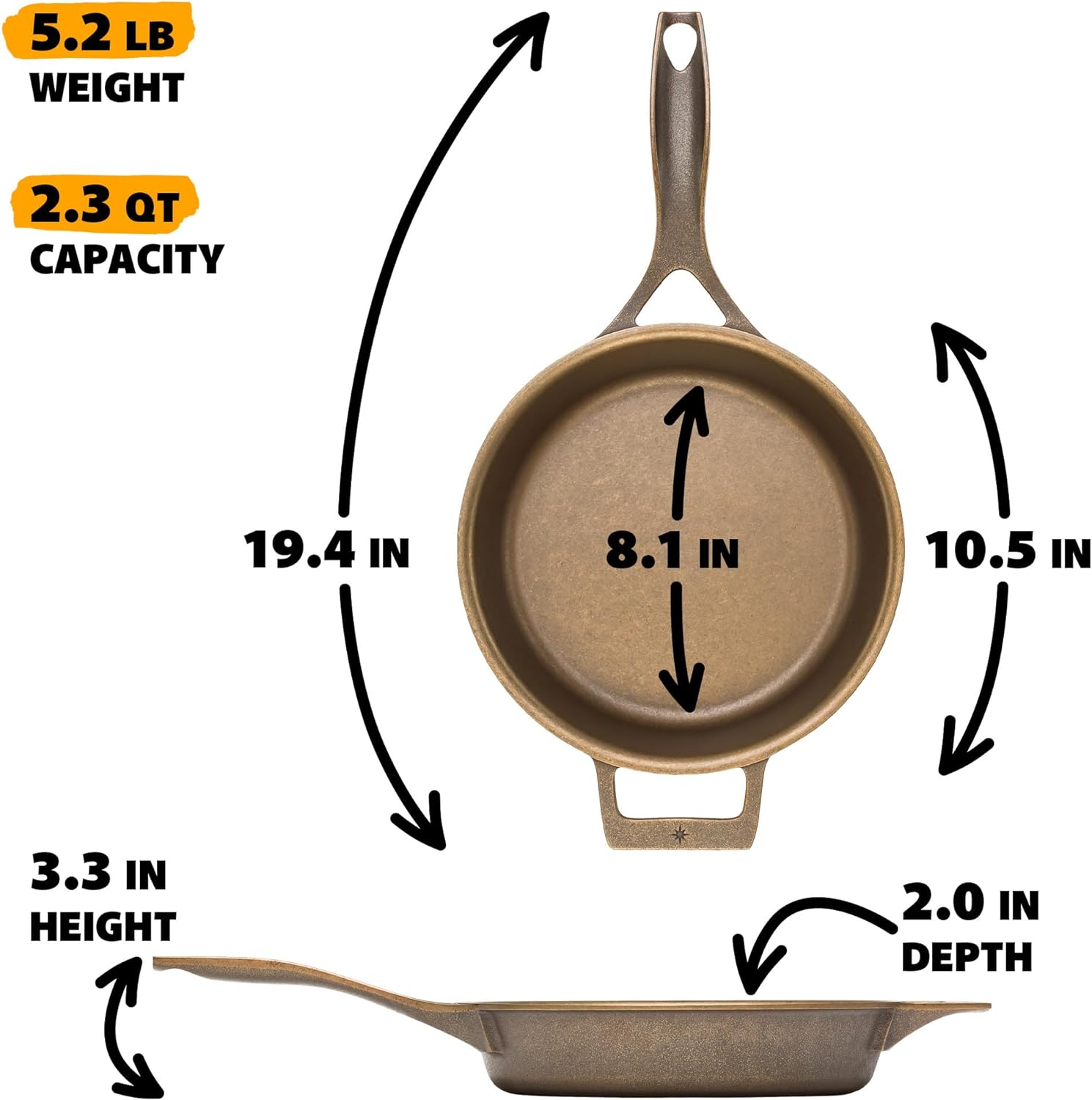
Weight and balance might seem minor, but they significantly impact usability. Cast iron is heavy, no doubt. A 10.5-inch skillet has some heft. But how that weight is distributed matters. A well-designed skillet feels balanced in your hand, making it easier to maneuver from stovetop to oven, or to lift for pouring. Skillets with thicker bases or walls tend to retain heat better, but they also weigh more. A lighter skillet can be easier to handle for some, but it might not hold heat as steadily, especially on a very high burner. The Stargazer, for example, is engineered to balance durability, heat retention, and manageability. You’ll find some skillets feel clunky; others, though heavy, feel like an extension of your arm. It’s a subtle difference, but one you appreciate when flipping pancakes or shaking some roasted vegetables.
Let’s not overlook handle design. This is a huge, sometimes overlooked, factor. Traditional cast iron handles are often short and stubby, or they have a sharp, uncomfortable edge. After a while, they get hot, and you’re fumbling for a towel or a mitt. A really good handle, like the flared handle on the Stargazer, is designed for ergonomics. It allows for a comfortable grip, even with an oven mitt, and some even incorporate features to dissipate heat more effectively, staying cooler for longer (though never cold, it’s still cast iron!). Consider the helper handle too – a small loop opposite the main handle that’s invaluable for lifting a heavy, full skillet. Without one, especially on larger pans, things get awkward, fast.
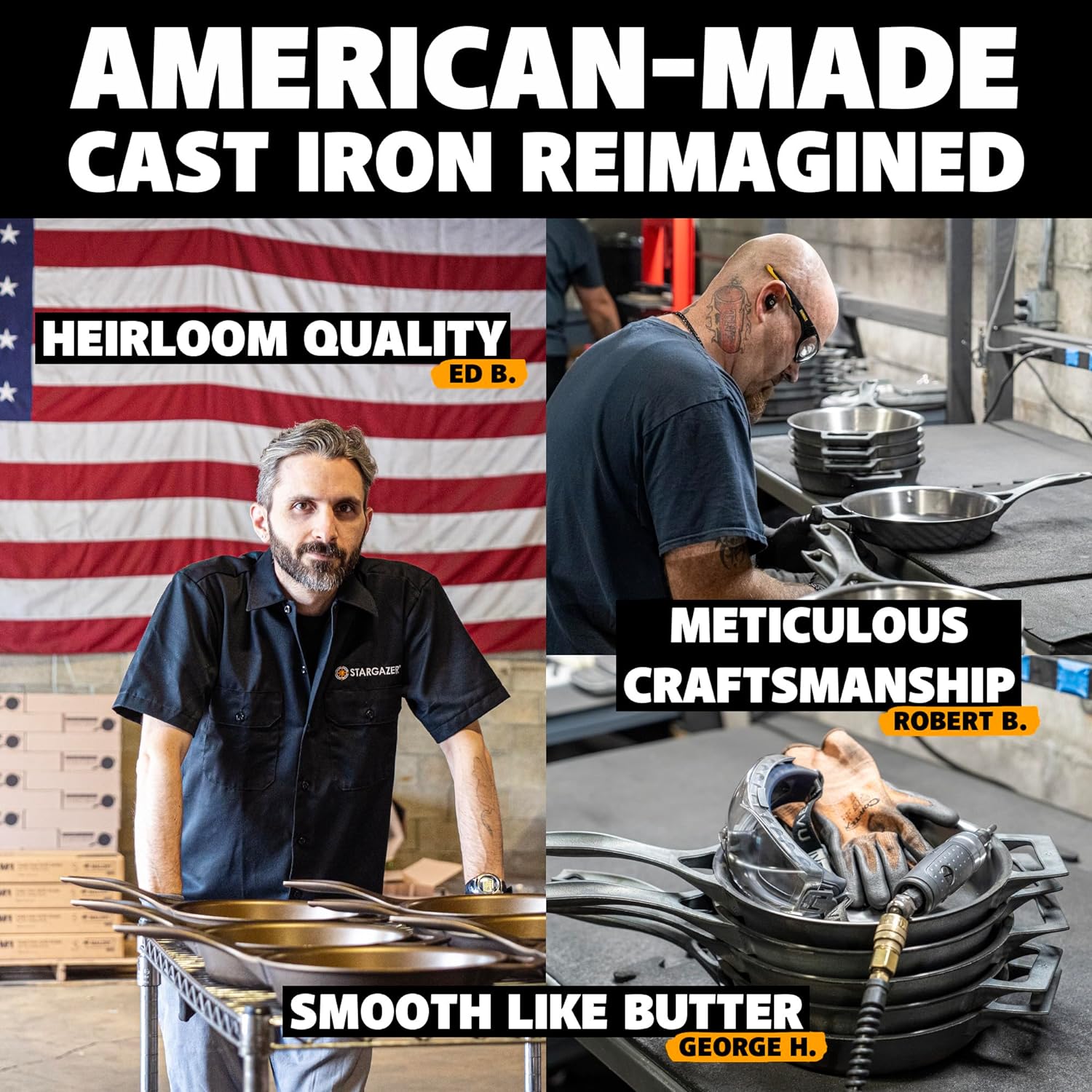
Finally, consider the country of origin and manufacturing quality. The “Made in USA” stamp, often proudly displayed by brands like Stargazer, speaks to certain quality control standards and material sourcing. While there are good cast iron skillets made elsewhere, some cheaper imports can suffer from inconsistent casting, leading to hot spots, rougher finishes, or even minor deformities. Premium manufacturers tend to have tighter tolerances, better material purity, and more meticulous finishing processes. You’re often paying for that consistency and attention to detail. Is it always necessary? Probably not for every single person. But if you value longevity and consistent performance, it’s a factor worth weighing. This isn’t just about patriotism, it’s about predictable quality.
How to Match the Product to Your Situation
Okay, so you’re thinking about a cast iron skillet. But which one? It’s not a one-size-fits-all thing. Your cooking habits and budget really dictate the right choice.
The Everyday Home Cook: This is you if you primarily cook a few times a week, maybe searing a steak, frying some eggs, or baking a skillet cookie now and then. You appreciate good food but aren’t looking to become a professional chef. For you, a solid, mid-range cast iron skillet is likely ideal. It offers decent heat retention, will last forever with proper care, and won’t break the bank. You don’t need the absolute smoothest finish or the most ergonomic handle if you’re only pulling it out a couple of times a week. The slight imperfections add character, right?
The Enthusiastic Culinary Explorer: You love to cook. You experiment with new recipes, perhaps doing a lot of pan-searing, high-heat roasting, or even campfire cooking. You might even have a small collection of cookware already. For you, investing in a premium cast iron skillet, like the Stargazer 10.5-Inch, starts to make a lot of sense. The smoother surface makes those perfect sears easier to achieve, the better heat management means more consistent results, and the refined ergonomics make longer cooking sessions more comfortable. You’ll appreciate the subtleties, and the skillet will feel like a true partner in your kitchen adventures.
The Budget-Conscious Practicalist: You want cast iron for its durability and cooking properties, but every dollar counts. You’re happy to put in a little extra elbow grease or seasoning effort if it means saving some cash. A basic, entry-level cast iron skillet is your friend. You’ll get the same fundamental benefits of cast iron – excellent heat retention, oven-safe versatility – just with a bit more work required on your end to get that seasoning built up. You’ll likely have to contend with a rougher surface initially, but with patience and regular use, even a simple skillet can become a non-stick marvel. Don’t worry about perfect. Just cook.
Comparing Cast Iron Skillet Tiers
| Type/Tier | Best For | Price Tier | Key Feature | Watch-Out |
|---|---|---|---|---|
| Basic (e.g., Lodge) | General everyday cooking, beginners, campfires | Budget-friendly | Unbeatable durability, proven performance | Initial surface can be quite rough, requires more seasoning effort. |
| This tier offers incredible value and is a true workhorse, but expect to put in the time to develop a really slick cooking surface. | ||||
| Mid-Range (e.g., Victoria) | Frequent use, cooks who appreciate better design | Mid-range | Often slightly smoother finish, improved handles | Still might not be as finely finished as premium options. |
| A step up from basic, these skillets often provide a better initial experience with a bit more thought put into handle comfort and finish. | ||||
| Premium (e.g., Stargazer, Finex) | Culinary enthusiasts, high-volume users, gifting | Premium | Exceptionally smooth finish, refined ergonomics | Significant upfront cost, might feel like overkill for occasional cooks. |
| This category focuses on user experience, offering a meticulously crafted product that cooks beautifully and feels great in hand, justifying the higher investment for dedicated users. | ||||
| Enameled (e.g., Le Creuset, Staub) | Stewing, braising, acidic foods, minimal maintenance | Premium | No seasoning required, vibrant colors, easy clean | Cannot achieve the same searing crust, prone to chipping if dropped. |
| While not raw cast iron, enameled skillets offer excellent heat retention without the seasoning hassle, but they’re a different beast entirely in terms of cooking surface. |
Scenario-Specific Cooking
Okay, let’s get down to how different cast iron skillets behave in real-world scenarios.
The Weeknight Dinner Dash: You get home, you’re hungry, and you want food now. For this kind of rapid-fire cooking, where you’re quickly searing chicken breasts or scrambling eggs, a skillet with a well-established, smooth seasoning (either naturally developed or factory-smooth like the Stargazer) really shines. Food releases easily, clean-up is a breeze, and you’re not battling sticky situations after a long day. A rougher, less-seasoned pan can turn a quick meal into a frustrating scrape-fest. No one wants that on a Tuesday.
The Weekend Culinary Project: Maybe you’re spending a lazy Saturday afternoon slow-cooking a whole chicken, baking an elaborate cornbread, or trying a new Dutch baby recipe. Here, heat retention and even cooking are king. All cast iron does well here, but a skillet with a slightly thicker base and uniform casting (a hallmark of quality manufacturing) will perform more consistently in the oven, preventing hot spots that can burn one side of your dish while leaving another undercooked. The Stargazer 10.5-Inch, with its robust build, excels in these longer, more demanding cooking sessions, ensuring consistent results from edge to center.
The Outdoor Adventures (Camping/Grilling): For the rugged outdoors, whether it’s over an open fire or on a grill, durability trumps delicate finishes. A basic, heavy-duty cast iron skillet is your absolute best bet. It can take a beating, get scraped, handle high, uneven heat, and come out fine. The patina you build up over a campfire is a badge of honor. You wouldn’t want to risk scratching the pristine surface of a premium skillet over a rocky fire pit, would you? It’s like taking a luxury sedan off-roading; technically possible, but why would you?
Common Mistakes Buyers Make
So many people jump into cast iron and quickly get discouraged. Don’t be one of them!
- Over-cleaning with harsh soap or scrubbing too aggressively: Yes, you can use a little soap, but power-scrubbing with abrasive pads will strip your hard-earned seasoning. Hot water and a stiff brush (or a chain mail scrubber for really stuck-on bits) are usually all you need. Then dry it immediately and apply a thin coat of oil. Seriously, immediately.
- Not seasoning enough or properly: Even pre-seasoned pans benefit from extra seasoning rounds, especially when new. A thin coat of oil, wiped almost dry, and baked upside down in a hot oven (or heated on the stovetop until smoking), does wonders. Repeat often. This isn’t just maintenance; it’s an enhancement.
- Using too much or too little oil during cooking: This is a Goldilocks problem. Too little oil and everything sticks. Too much, and your food gets greasy. Find that sweet spot. It takes practice, and it varies depending on the food.
- Storing it improperly: Leaving it wet will lead to rust. Stacking other pans directly inside without a paper towel or cloth barrier can scratch the seasoning. Give your cast iron a little respect in the cupboard, too.
- Not preheating adequately: Cast iron takes a while to heat up evenly. Don’t just throw food into a cold pan and expect magic. Give it 5-10 minutes over medium heat. Patience is a virtue here; it’s the key to achieving that non-stick performance and a beautiful crust.
Why/How/What
Why do cast iron skillets get so much hype?
They’re celebrated because of their incredible heat retention and distribution, which means you can get a serious, restaurant-quality sear on meat that other pans just can’t match. Plus, they’re incredibly durable, last for generations, and actually improve with age and use as the seasoning builds up, making them naturally non-stick without chemicals.
How do I care for a newly purchased, pre-seasoned cast iron skillet?
Once you get a new cast iron skillet, even if it’s pre-seasoned, give it a quick wash with hot water and a mild soap, then dry it immediately and completely. After that, rub a very thin layer of high smoke-point oil (like grapeseed or vegetable oil) all over, wipe it almost completely off, and heat it on the stovetop or in the oven until it just barely smokes. This helps reinforce that initial seasoning and gets it ready for its first meal.
What is the difference between cast iron and carbon steel?
While both are iron-based and need seasoning, carbon steel is generally lighter, heats up faster, and cools down quicker due to being thinner. Cast iron, conversely, is thicker, heavier, and takes longer to heat but retains that heat like a champ, making it superior for tasks requiring sustained, even heat like deep frying or searing thick cuts of meat.
FAQ
How do I prevent food from sticking to my cast iron skillet?
To stop food from sticking, make sure your skillet is properly seasoned and thoroughly preheated before adding food. Using enough oil or fat during cooking is also crucial, and avoid overcrowding the pan, which can lower the surface temperature.
Can I really use soap on my cast iron skillet?
Yes, you can use a small amount of mild dish soap when cleaning your cast iron, especially if you’re dealing with stubborn grease. Just make sure to rinse thoroughly, and immediately dry the pan completely, then apply a thin layer of oil to maintain the seasoning.
What kind of oil should I use for seasoning?
For seasoning, choose an oil with a high smoke point, like grapeseed oil, flaxseed oil, vegetable oil, or canola oil. Avoid olive oil for seasoning, as it has a lower smoke point and can become sticky.
How often should I re-season my cast iron skillet?
You don’t need to do a full oven re-seasoning every time you use it. Regular cooking with oil will build up the seasoning naturally. A stovetop re-seasoning (heating with oil until smoking) after every few uses or when the surface looks dull is a good practice.
Is cast iron safe to use on all stovetops, including induction?
Yes, cast iron is safe and effective on all stovetop types, including induction, electric, and gas. Its ferromagnetic properties make it particularly efficient on induction cooktops. Just be careful not to drag heavy cast iron, as it can scratch glass or ceramic surfaces.
My cast iron skillet has rust. Can I fix it?
Absolutely! Rust on cast iron is almost always fixable. Scrub the rusted area with steel wool or a stiff brush until the rust is gone, then wash, dry completely, and apply several rounds of seasoning to restore its finish. It’s remarkably resilient stuff.
Why is a premium cast iron skillet so much more expensive?
The higher cost of premium cast iron, such as the Stargazer 10.5-Inch, typically comes from more meticulous manufacturing processes, including extensive grinding and polishing to achieve a smoother surface, higher quality materials, and often domestic production which entails greater labor costs and environmental standards. These steps result in a more refined product with enhanced user experience.
Final Recommendation
When it comes down to it, deciding on a cast iron skillet means looking honestly at how you cook. If you’re someone who only pulls out a cast iron skillet for the occasional camping trip or a rare steak sear, a budget-friendly, basic model is probably all you need. It’s durable, gets the job done, and you won’t feel bad if it gets a little dinged up. You’ll just need a bit more patience to build up that perfect seasoning layer over time.
However, if you’re a regular cast iron user, someone who truly appreciates good cookware and isn’t afraid to invest in tools that enhance the cooking experience, then a premium option like the Stargazer 10.5-Inch Cast Iron Skillet is absolutely worth considering. The immediately smooth cooking surface, ergonomic handle, and consistent heat distribution make cooking a real pleasure. It takes less effort to achieve a non-stick surface, it’s comfortable to handle, and it performs beautifully from day one. For those who cook with cast iron frequently, these refinements really do add up to a superior and less frustrating experience in the kitchen.
#Stargazer #10.5Inch #Cast #Iron #Skillet #USA #Seasoned #Premium #Frying #Pan #Grilling #Searing #Baking #Durable #Cast #Iron #Smooth #Cooking #Surface
Reviews
There are no reviews yet.