
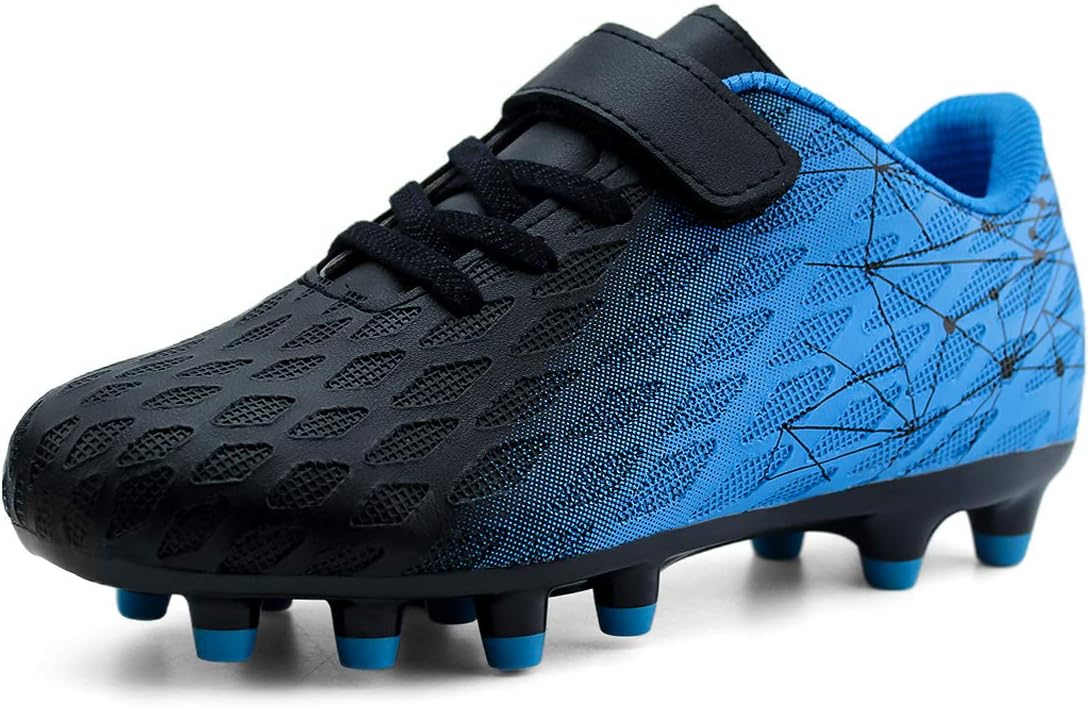
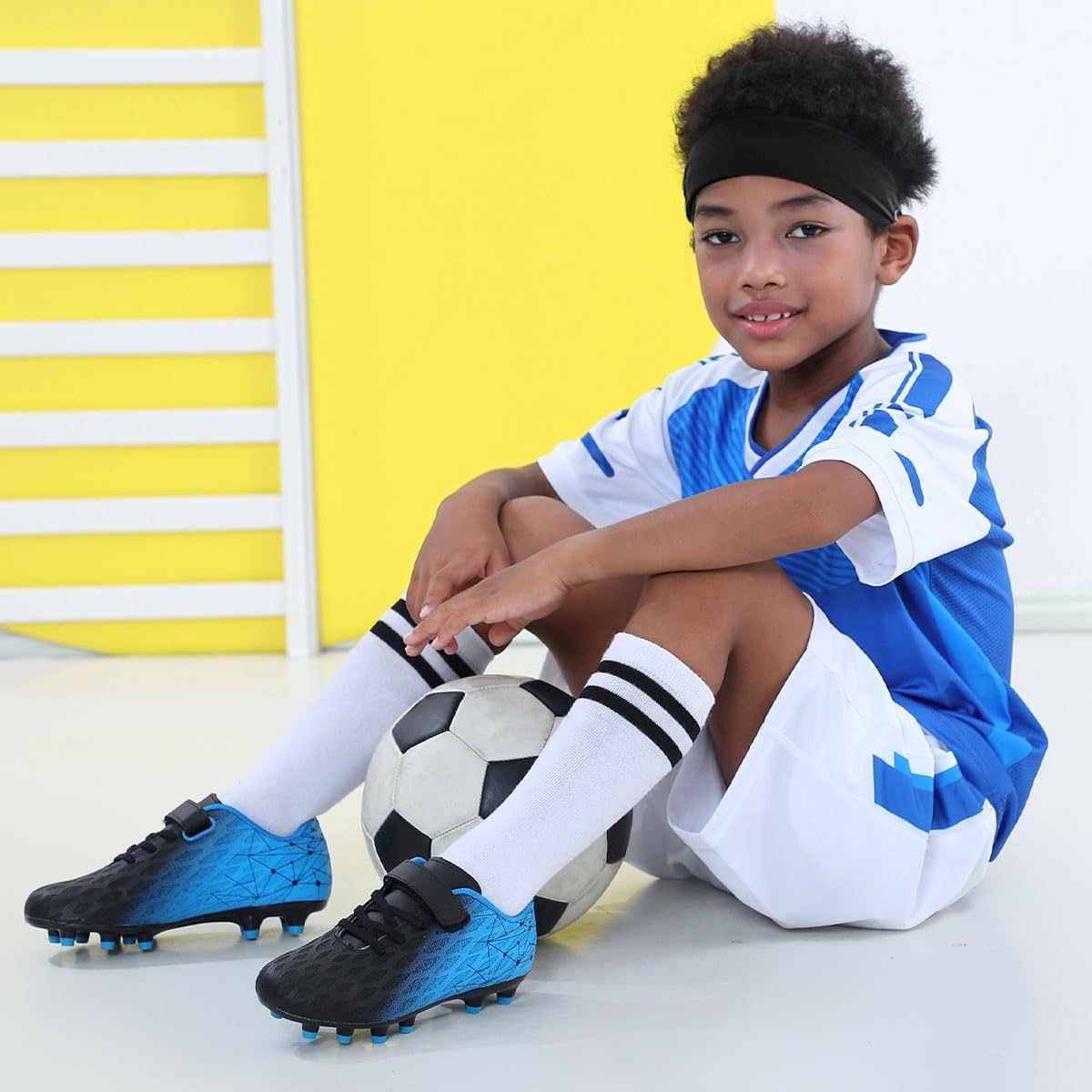
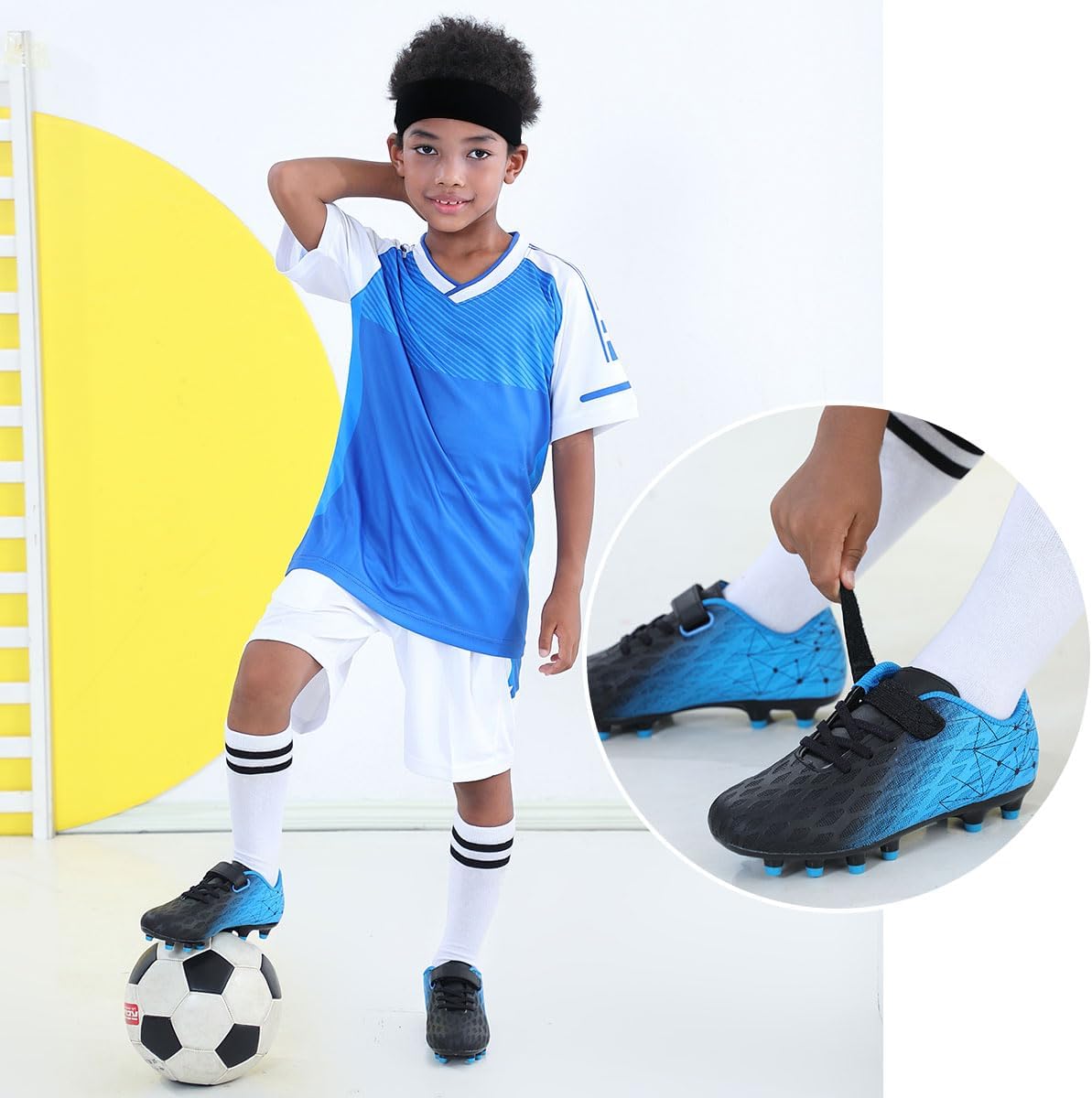
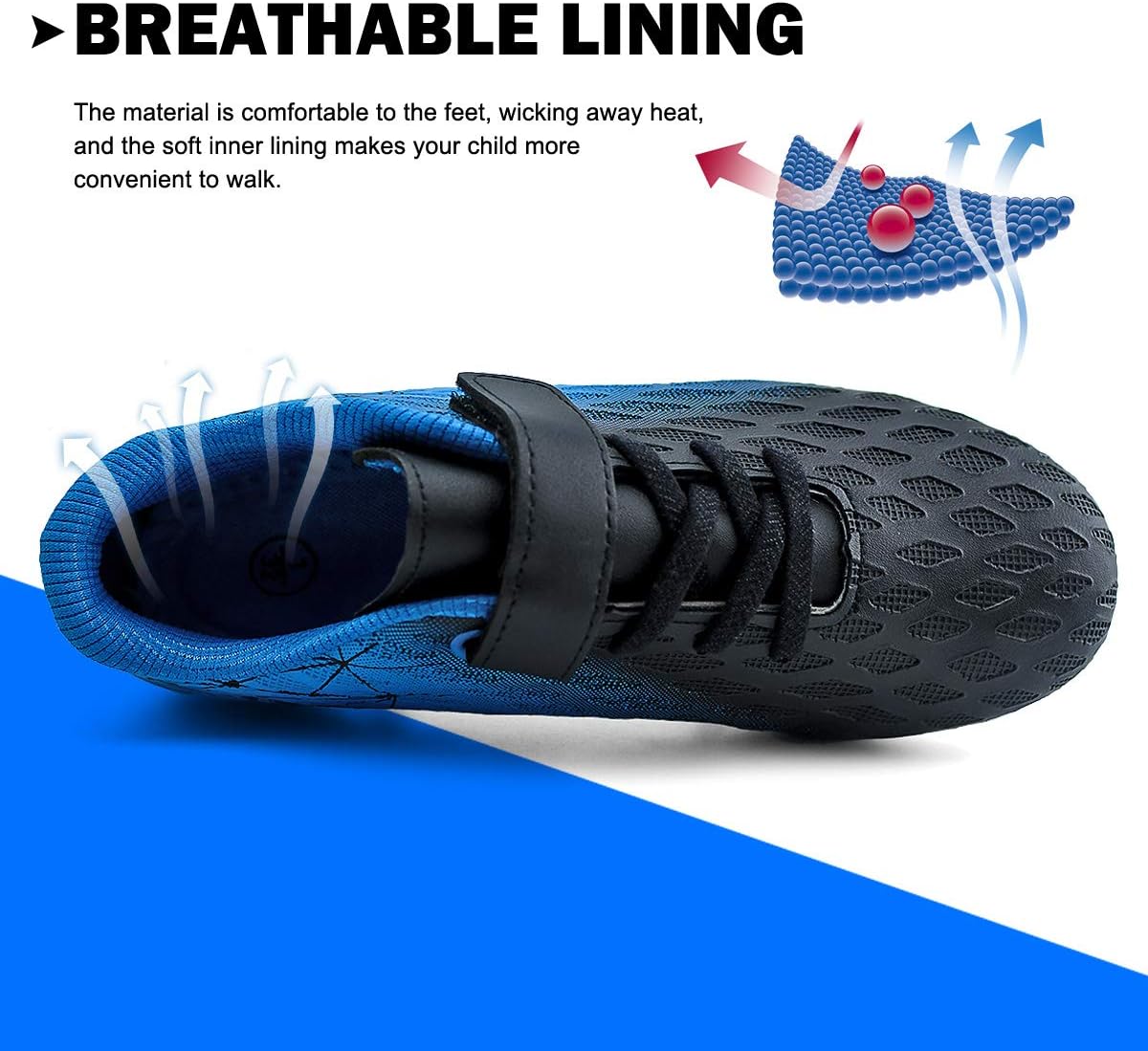
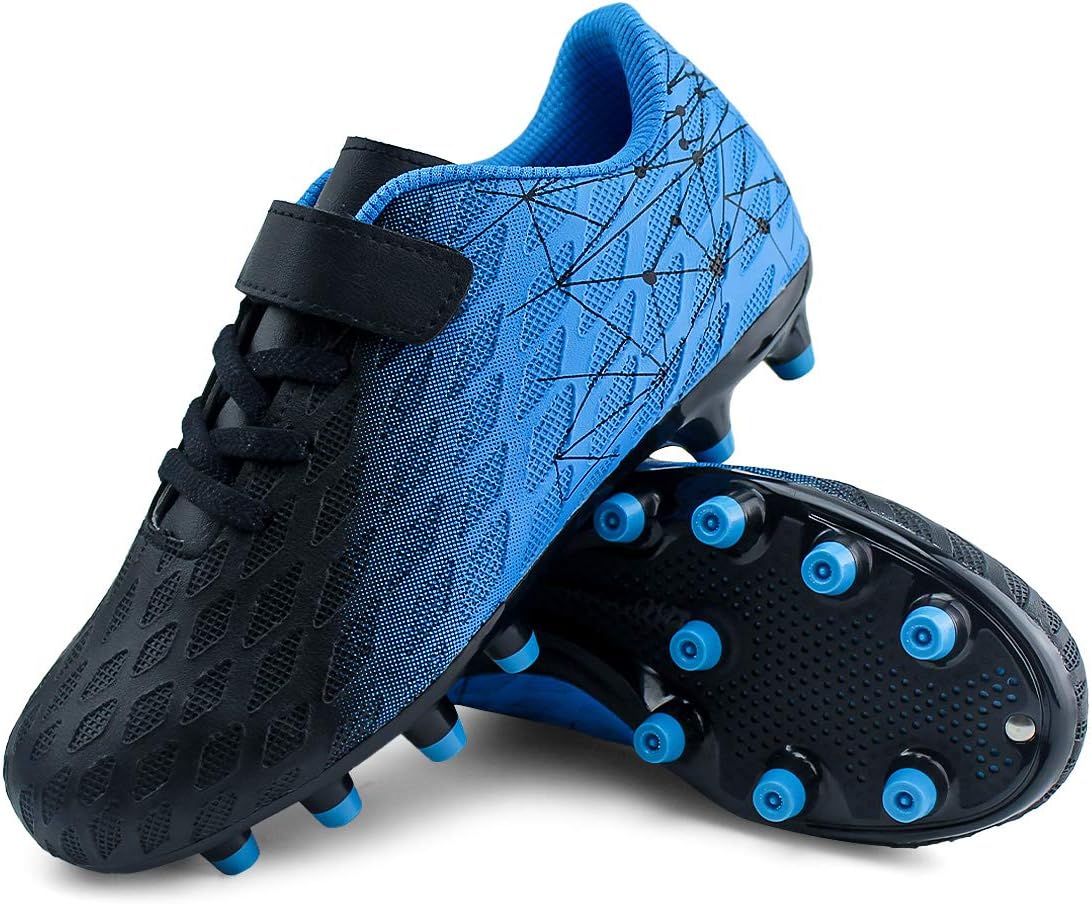
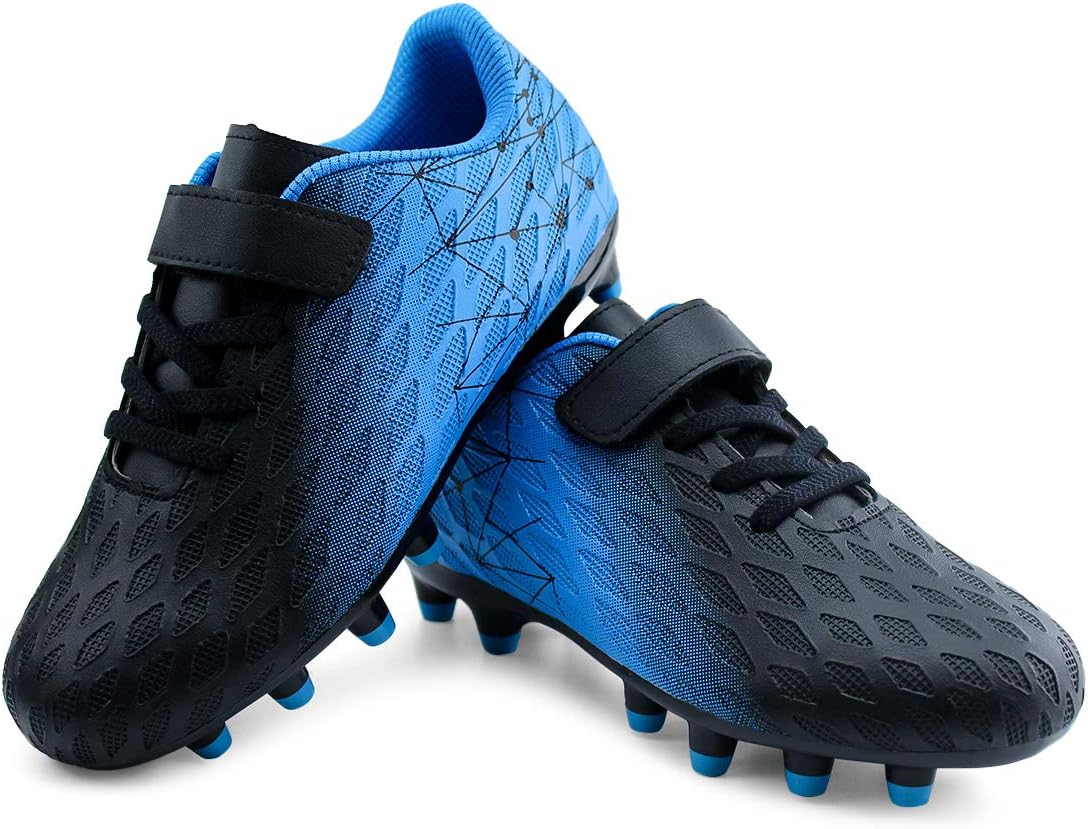
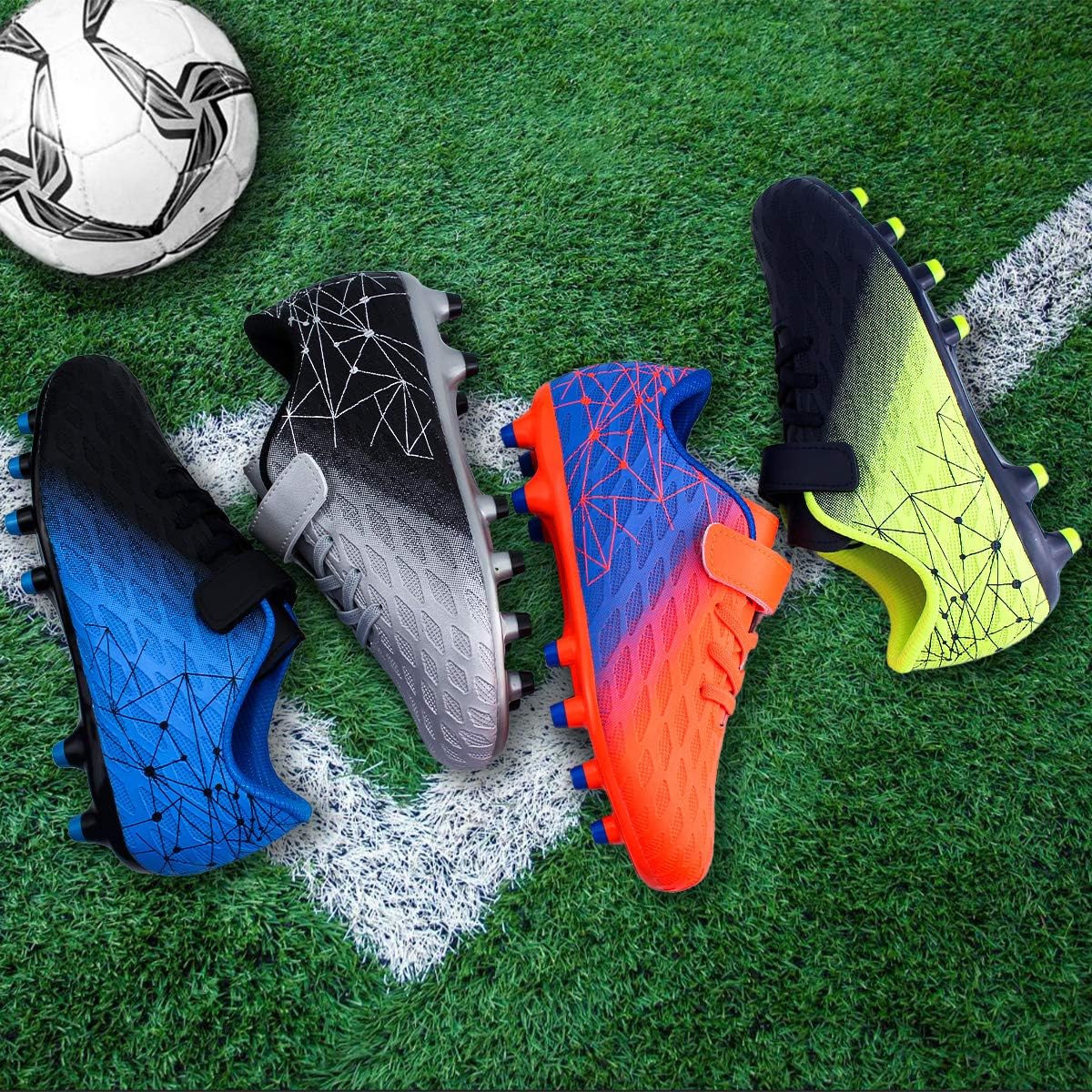
Choosing the Right Pair: brooman Kids Firm Ground Soccer Cleats Boys Girls Athletic Outdoor Football Shoes
Trying to navigate the dizzying world of youth soccer cleats? You’re not alone. This guide is built for parents and guardians who need to cut through the marketing fluff and truly understand what makes a good pair of brooman Kids Firm Ground Soccer Cleats Boys Girls Athletic Outdoor Football Shoes – and which ones actually deliver for their little athletes. We’re talking real talk about value, crucial features, and how to pick something that won’t just look good, but perform on the field.
Quick Answer
For brooman Kids Firm Ground Soccer Cleats, prioritize fit and durability above all else, especially for younger or rapidly growing players. A secure, comfortable fit prevents blisters and ensures control, while tough materials mean they’ll last more than a single season. Don’t overspend on high-tech features your child won’t fully utilize; focus on core performance for typical firm ground play.
What to Look For (The Buying Criteria)
Buying cleats for kids isn’t like buying them for adults. Their feet are still developing. Their priorities are different. And let’s be honest, they’ll probably outgrow them before they wear them out — sometimes. So, what truly matters?
1. The Right Fit and Comfort: Because Blisters Are No Fun
This is it, folks. The absolute top priority. A cleat that doesn’t fit right is a recipe for discomfort, poor performance, and frankly, a grumpy kid. We’re looking for a snug fit, but not so tight it pinches. There should be a small thumb’s width of space between the longest toe and the end of the cleat. Don’t buy them too big “to grow into” – that just leads to slipping, tripping, and an increased risk of injury. A proper fit ensures their foot stays secure, allowing for quick changes in direction and confident ball control. And remember, break-in time is a real thing. Some materials need a bit more giving before they feel truly comfortable. It’s a trade-off: a truly plush upper might feel good out of the box, but often sacrifices a bit of long-term support.
2. Upper Material: Touch, Durability, and Maintenance
The upper is the part of the cleat that wraps around the foot and makes contact with the ball. You’ll mostly see two main types for youth outdoor football shoes: synthetic and natural leather.
- Synthetic Uppers: These are the most common in youth athletic footwear. They’re generally lighter, more water-resistant, and don’t stretch as much as natural leather. Plus, they tend to be super durable, which is a massive win for kids who are tough on their gear. Cleaning them is usually a breeze too. The downside? They might not offer the same “barefoot” feel or mold to the foot as precisely as natural leather, which can affect ball touch for more advanced players.
- Natural Leather (often K-leather or full-grain): You’ll find this less often in the specific brooman kids’ range, but it’s worth knowing. Leather offers superior feel and comfort because it molds to the foot over time, giving an almost custom fit. The ball touch is often described as more natural. The catch? It’s typically less durable against scuffs and water, and it needs more care. It’s also often found in premium price tiers. For a rapidly growing kid, the extra cost and maintenance might not really be worth the minor performance boost.
Think about it: is your child a casual kick-arounder or genuinely focused on refining their ball skills? That helps decide here.
3. Outsole and Stud Configuration: Firm Ground Traction is Key
Since we’re talking firm ground soccer cleats, the outsole and its stud configuration are vital. These cleats are designed for natural grass fields that are relatively dry and hard. They usually feature a mix of conical and bladed studs, fixed directly to the soleplate.
- Conical studs: These are round. They offer good rotational agility, making it easier to pivot and change direction quickly without getting “stuck” in the ground.
- Bladed studs: These are flatter and often rectangular. They provide aggressive traction for explosive sprints and quick stops, digging into the turf for forward propulsion.
A good firm ground pattern will combine these to give balanced grip and mobility. The main limitation here is versatility. These studs aren’t meant for soft, muddy pitches (where they’d clog up and offer no grip) or artificial turf (where they can cause too much friction and potential knee injuries). Stick to the recommended field conditions.
4. Support and Protection: Guarding Those Developing Feet
Kids’ feet are more vulnerable than adult feet. Good support from their cleats can help prevent aches and even injuries. Look for:
- Heel Counter: This firm cup at the back of the cleat cradles the heel, providing stability and locking the foot in place. A flimsy one means less ankle support and more internal foot movement.
- Midfoot Support: The area under the arch needs to be structured. Some cleats have internal cages or reinforced uppers to keep the foot stable during lateral movements.
- Cushioning: While cleats aren’t running shoes, some minimal cushioning in the insole can absorb impact, especially on hard grounds. It’s often a bit overlooked, but a little padding goes a long way for comfort during longer sessions. It’s not about bouncing around; it’s about minimizing foot fatigue.
5. Weight: Lightweight vs. Durability – A Constant Tug-of-War
Everyone wants a lightweight cleat these days. And sure, a lighter cleat feels faster. For kids, though, there’s a practical limit. Ultra-light, thin uppers might shave off a few grams, but they often sacrifice durability and protection. Kids aren’t typically playing at a professional level where every gram makes a difference. They need something robust enough to withstand being scuffed, stepped on, and generally abused through a season. A slightly heavier, more protective cleat is usually the smarter bet for most junior soccer shoes. Unless your child is already a serious, competitive player who prioritizes speed above all else, lean towards a sturdy build.
How to Match the Product to Your Situation
Finding the right youth football boots isn’t a one-size-fits-all deal. Your child’s age, skill level, and how often they play all factor in. Let’s sketch out a few typical scenarios.
The Little League Beginner (Ages 4-7)
This kid is just starting out, learning the ropes, mostly focused on chasing the ball and figuring out which way to kick. They probably play once or twice a week.
- Best For: Durability and ease of use are king here. They need something that will hold up to rough play and can be easily put on and taken off. A solid, easy-to-clean synthetic upper is ideal.
- Key Features: Prioritize a secure fit that supports developing feet, basic firm ground traction, and a construction that can take a beating. Don’t even think about fancy tech.
- Price Tier: Budget-friendly options are absolutely sufficient. You’ll be replacing them quickly due to growth, not wear.
The Developing Player (Ages 8-12)
This player is getting more serious, perhaps playing on a club team, attending practices regularly, and beginning to understand positions and basic strategy. They might be playing 2-3 times a week.
- Best For: A good balance of durability, comfort, and a decent touch on the ball. They’re starting to control the ball more deliberately, so a slightly better upper material can make a difference.
- Key Features: Look for improved cushioning, a more refined stud configuration for better agility, and robust ankle and midfoot support.
- Price Tier: Mid-range performance cleats offer the best bang for your buck, providing noticeable improvements without the hefty premium price.
The Aspiring Star (Ages 13+)
At this age, players are often playing competitively, several times a week, and their skill level is much higher. They might be specializing in a position.
- Best For: Performance-driven features, lighter weight (within reason), and superior ball touch. They can genuinely benefit from subtle design elements that enhance their game.
- Key Features: Higher-grade synthetic uppers that mimic natural leather, more aggressive traction patterns, and potentially integrated ankle support structures. Comfort and feel are paramount for prolonged play.
- Price Tier: Premium options might be considered here, but still with a critical eye. Is the added cost truly delivering a functional advantage they can exploit? Sometimes, the mid-range performance options still hold their own very well.
brooman Kids Firm Ground Cleats: Tiers Compared
Navigating the market for junior soccer shoes can get confusing quickly. Here’s a simplified look at the different tiers you might encounter, keeping in mind the brooman Kids Firm Ground Soccer Cleats category.
| Type/Tier | Best For | Price Tier | Key Feature | Watch-Out |
|---|---|---|---|---|
| Introductory/Entry-Level | Casual play, first-time players, rapid growth | Budget-friendly | Simple, tough synthetic upper, basic traction | Limited cushioning, less refined fit |
| These cleats are built to be affordable and durable enough for a season of light use, focusing on fundamental requirements. | ||||
| Mid-range Performance | Developing players, regular practice/games | Mid-range | Improved comfort, better upper feel, balanced fit | May lack the absolute lightest weight or custom feel |
| A step up, these offer a better balance of comfort, durability, and a more responsive feel for kids who are playing more seriously. | ||||
| Premium-Inspired | Older, competitive youth players | Premium | Lighter materials, enhanced ball touch, refined fit | Can be an overspend for younger or casual players |
| While true “premium” for kids is rare, some brands offer top-tier tech in youth sizes; these focus on marginal gains in speed and control. |
Scenario-Specific Considerations for Your Young Athlete
It’s not just about age or skill. Sometimes, the context of their play changes what makes a cleat right.
For the Young Beginner Stepping Onto the Pitch
Starting out is a big deal! You want something that encourages them, not frustrates them. For these littler ones, often under 8, simplicity reigns. Lightweight isn’t just about speed; it’s about not feeling like they’re dragging cinder blocks. A cleat that’s too heavy can make running feel like a chore. Look for easy-to-clean synthetic materials; mud and grass stains are a given, and you don’t want a cleat that demands a deep clean after every single session. Comfort is key here too. Anything that pinches or rubs means they’ll hate wearing them.
For the Competitive Kid on Varied Firm Grounds
Even “firm ground” isn’t always the same, you know? Sometimes it’s a perfectly manicured, slightly soft natural grass pitch. Other times, it’s a baked-hard, dry field that feels more like concrete. For the kid who plays on various natural surfaces, a stud configuration that offers a good blend of conical and bladed studs usually performs best. It provides reliable traction whether the ground is a little giving or unyieldingly hard. The main thing is adaptability within that firm ground category. Some cleats lean more towards aggressive bladed studs for pure sprint speed; others have more conical studs for agility. Consider your local fields’ typical condition.
Common Mistakes When Buying brooman Kids Soccer Cleats
Look, we all make mistakes. And buying youth athletic footwear can feel like a minefield. Here are a few common pitfalls I’ve seen over the years:
- Buying Too Big “To Grow Into”: This is probably the biggest no-no. Oversized cleats lead to foot slippage inside the shoe, causing blisters and a lack of proper ball control. It also increases the risk of tripping and ankle rolling. Just don’t do it. Buy for now, not for six months from now.
- Ignoring the Upper Material: Parents often just pick based on color or brand. But a cheap, stiff synthetic upper can be uncomfortable and hinder ball touch compared to a slightly more pliable, mid-range option. Vice versa, splurging on K-leather for a casual player is just money out the window.
- Neglecting Break-In Time: Many cleats, especially those with synthetic uppers, aren’t comfortable right out of the box. They need a few light wear sessions before a full game. Rushing this leads to blisters and a bad first impression. Tell your kids to wear them around the house, or for a casual kick-around, before they hit a serious practice or game.
- Prioritizing Looks Over Function: Shiny colors and “cool” designs are tempting. Absolutely. But if the cleat doesn’t fit well or offer adequate support and traction, it doesn’t matter how flashy it is. Performance and comfort always come first for outdoor football shoes.
Why/How/What
Why are firm ground soccer cleats specific, and why can’t my child just use sneakers?
Firm ground cleats, like the brooman Kids Firm Ground Soccer Cleats, feature specialized studs on their outsole designed to dig into natural grass pitches. This provides crucial traction for quick starts, stops, turns, and preventing slips. Sneakers lack these studs, offering insufficient grip on grass, making players prone to slipping, losing balance, and potentially injuring themselves. They simply aren’t engineered for the dynamic demands of a soccer field.
How do you ensure the right fit for junior soccer shoes without trying on every single pair?
It’s tricky, definitely. Beyond measuring their foot length and comparing it to a size chart (which is a good start, but not perfect), focus on width and arch. Ask your child to stand up and walk around in them. Check for any pinching or excessive sliding. A reliable trick: feel around the toes. Can you press your thumb down between their longest toe and the end of the cleat? If so, you’ve likely got a good, snug fit with just enough room for comfort and a bit of growth.
What’s the main difference between synthetic and natural leather uppers for a kid’s soccer cleat?
The core difference boils down to feel versus durability and maintenance. Synthetic uppers are tough, water-resistant, often lighter, and simple to clean – making them super practical for active kids. Natural leather, while offering a more adaptable, “barefoot” touch and custom fit over time, demands more care, is generally less robust against scuffs, and often comes at a higher price. For most kids, particularly younger ones, synthetic uppers are the more sensible choice.
FAQ
H3: How long should brooman kids firm ground soccer cleats last?
Typically, a decent pair should last a full season, maybe even two, depending on how often your child plays and how quickly their feet grow. For youth athletic footwear, growth spurts are the main reason for replacement, not always wear and tear.
H3: Can my child wear firm ground cleats on artificial turf?
It’s generally not recommended. Firm ground studs are too aggressive for artificial turf, which can lead to excessive friction, potential injuries to the player’s knees or ankles, and can also damage the turf itself. Look for specialized AG (Artificial Ground) cleats instead.
H3: My child complains their new cleats are too stiff. What can I do?
This is normal! Encourage them to wear the cleats for short periods around the house or during light practice sessions. This “break-in” period helps the materials soften and mold to their foot. Using thicker socks initially can also help.
H3: Are brooman cleats gender-specific for boys or girls?
While the product name says “Boys Girls,” most kids firm ground soccer cleats are designed as unisex. The main differences you might find are in colorways or slightly varied sizing conversions between brands, but the underlying fit and performance features are usually identical.
H3: How important is the brand name when buying kids’ cleats?
Honestly, for kids, function often trumps brand prestige. While bigger brands sometimes offer more advanced tech, a solid mid-range cleat from a reputable manufacturer, like brooman, that fits well and is durable will serve most kids just as well as a more expensive, “premium” name. Focus on the criteria we discussed, not just the logo.
H3: Should I buy cleats with ankle collars for my child?
Ankle collars can offer a feeling of added support and a seamless fit, but whether they provide significant injury prevention is debated. For some kids, they can be restrictive or harder to get on. Try them on to see if your child finds them comfortable and beneficial, or if a traditional low-cut cleat feels better.
H3: What’s the best way to clean and maintain kids’ soccer cleats?
Wipe off mud and dirt with a damp cloth or soft brush immediately after use. Avoid machine washing or harsh detergents. Remove the insoles to air dry. Store them in a cool, dry place, away from direct sunlight or heat, which can damage materials. This simple routine drastically improves durability.
Final Recommendation
Choosing the right brooman Kids Firm Ground Soccer Cleats Boys Girls Athletic Outdoor Football Shoes really boils down to your child’s specific situation. For younger players, those just starting out, or kids who are still growing like weeds, the introductory/entry-level options are often the smartest play. They’re built tough, won’t break the bank, and provide all the essential traction and support for casual play. There’s simply no need to overspend on features they won’t even notice.
However, if you’ve got a developing player who’s truly passionate, putting in serious hours on the field, then stepping up to a mid-range performance cleat is a sound investment. These give you a much better balance of comfort, an improved touch on the ball, and robust durability that will stand up to more rigorous training and games. You get meaningful upgrades without diving into the deep end of premium pricing. Always, always prioritize fit. A well-fitting, mid-range cleat will outperform a poorly fitting, high-end one every single time.
#brooman #Kids #Firm #Ground #Soccer #Cleats #Boys #Girls #Athletic #Outdoor #Football #Shoes
Reviews
There are no reviews yet.