
Smart Choices for Sustainable Living: Are Reusable Food Wraps Worth the Switch?
Cutting down on kitchen waste? Looking for better ways to stash your snacks and leftovers? This guide dives deep into reusable food wraps, particularly the popular beeswax variety, to help savvy shoppers understand what makes them tick. We’re cutting through the marketing fluff to show you what truly matters when you’re deciding if these eco-friendly options are right for your kitchen and how to pick the ones that deliver real value.
Quick Answer
Reusable beeswax food wraps offer a fantastic, plastic-free alternative for many common food storage needs. They shine for keeping produce fresh, wrapping sandwiches, and covering bowls, often outperforming plastic film in breathability and sustainability. While they demand a bit more care than disposables, their longevity and environmental benefits make them a worthwhile investment for most households aiming for a zero waste kitchen.
What to Look For (The Buying Criteria)
Choosing the right reusable food wraps isn’t as simple as grabbing the first brightly patterned set you see. You’ve got to consider a few crucial factors that impact performance, longevity, and overall satisfaction.
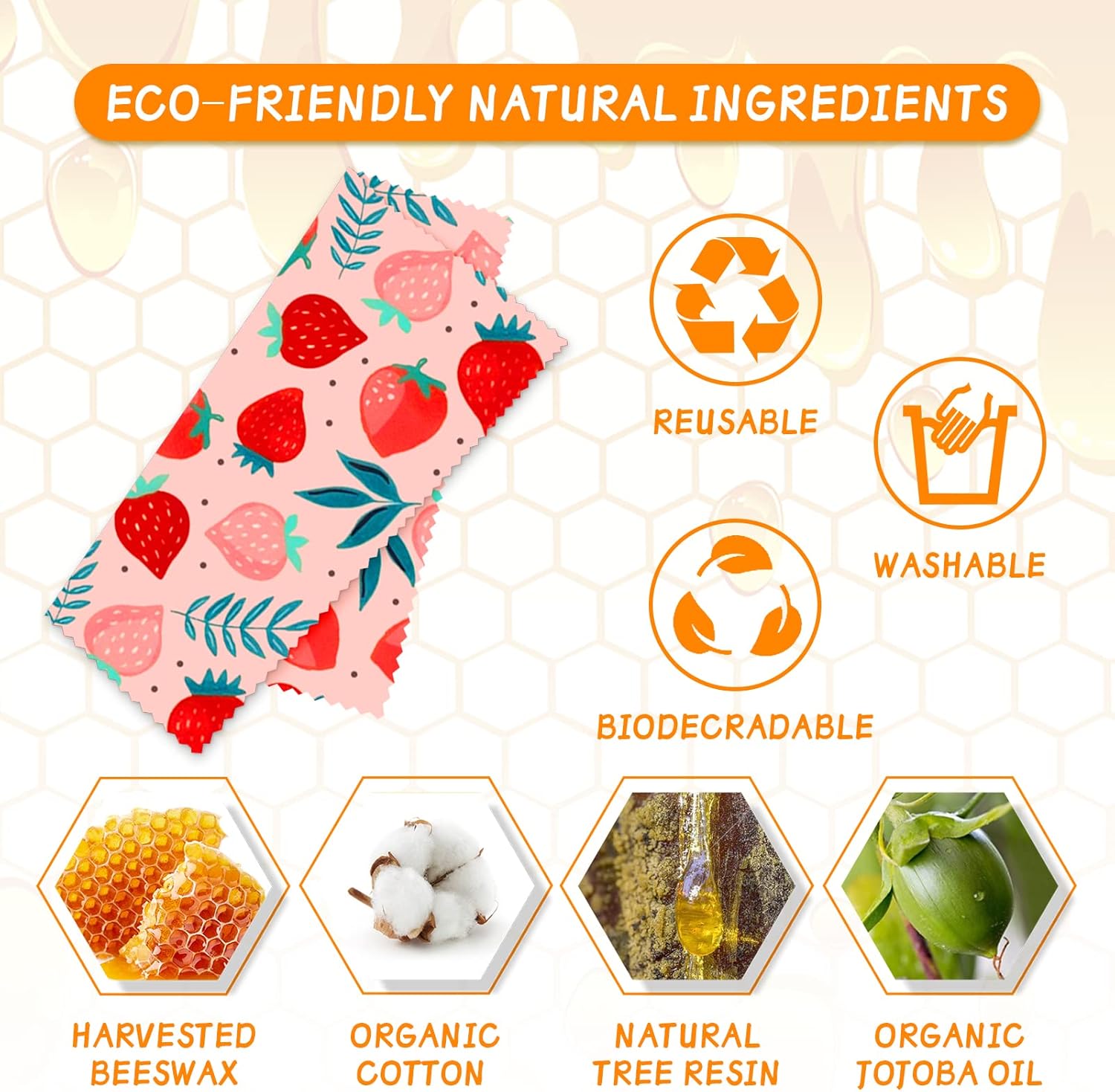
First up, Material Composition and Quality. Most reusable food wraps that aren’t silicone are, you guessed it, beeswax wraps. These are typically made from organic cotton fabric infused with beeswax, jojoba oil, and tree resin. The quality of these ingredients makes a huge difference. A higher-quality beeswax blend will offer superior stickiness and pliability, meaning it’ll conform better to food and bowls, creating a reliable seal. Cheaper versions? They might feel brittle, lose their stick fast, or just not seal well at all, making them pretty frustrating to use. You’re trying to save food, not have it fall out of its wrapper.
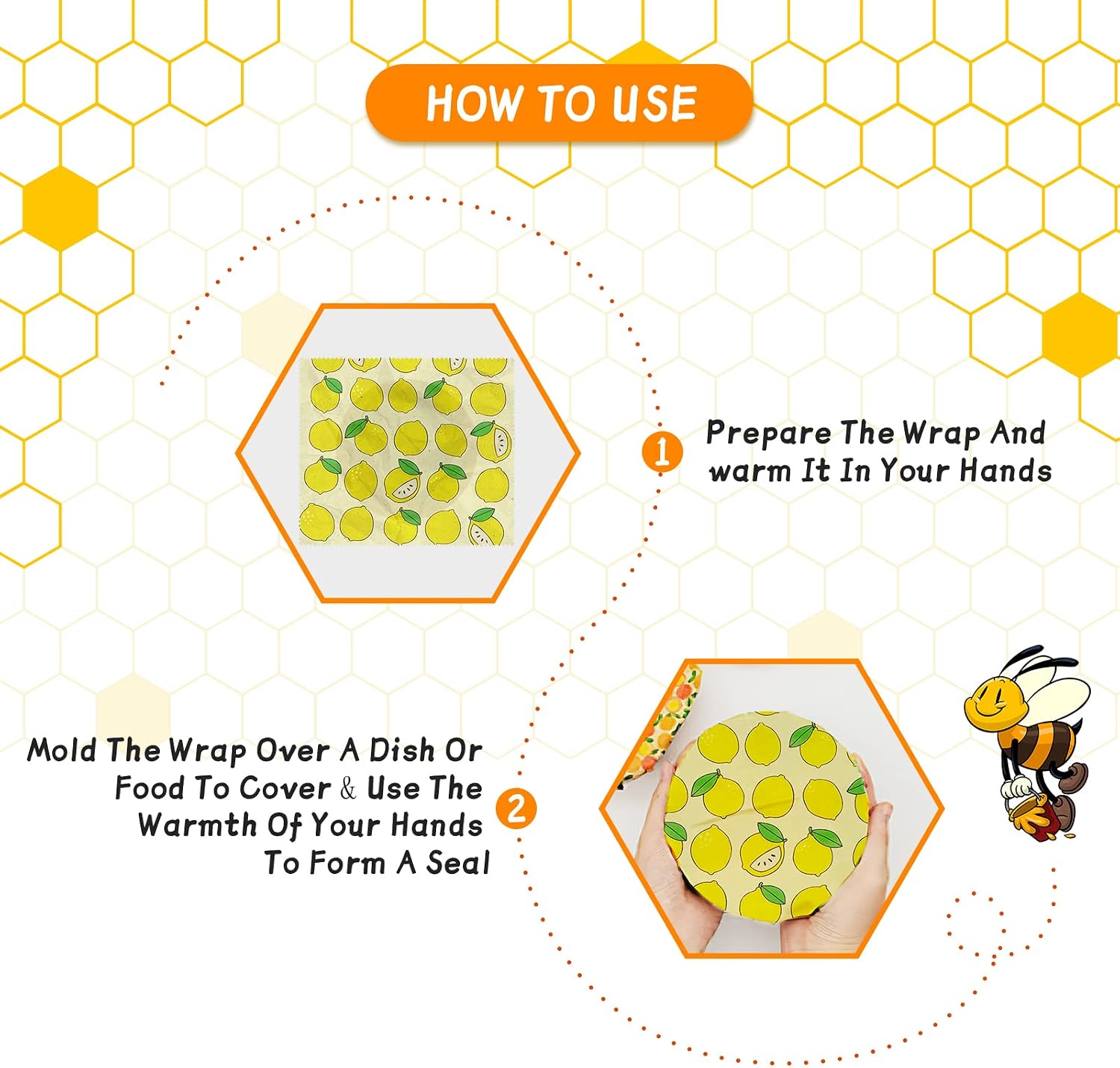
Next, Adhesive Strength and Flexibility. This is where the magic happens. A good wrap needs to be sticky enough to hold its shape around whatever you’re trying to cover, but also flexible enough to mold easily with the warmth of your hands. If it’s too rigid, you’ll struggle to get a good seal, and air will sneak in, defeating the whole purpose of food preservation. But if it’s too sticky, it can be a pain to unwrap without tearing, or it might leave a slight residue. Finding that sweet spot is key. Some brands really nail this balance, others… not so much.
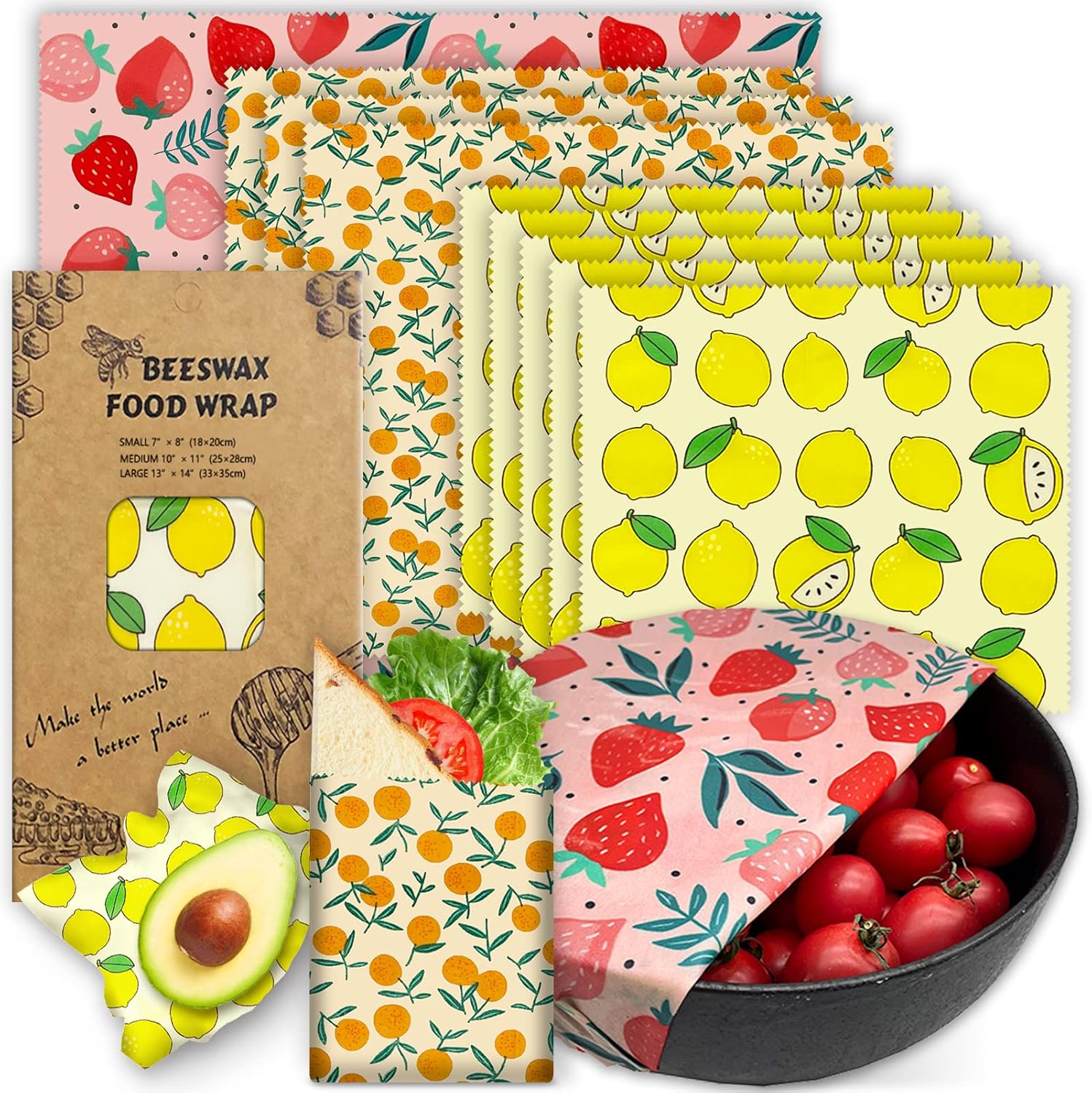
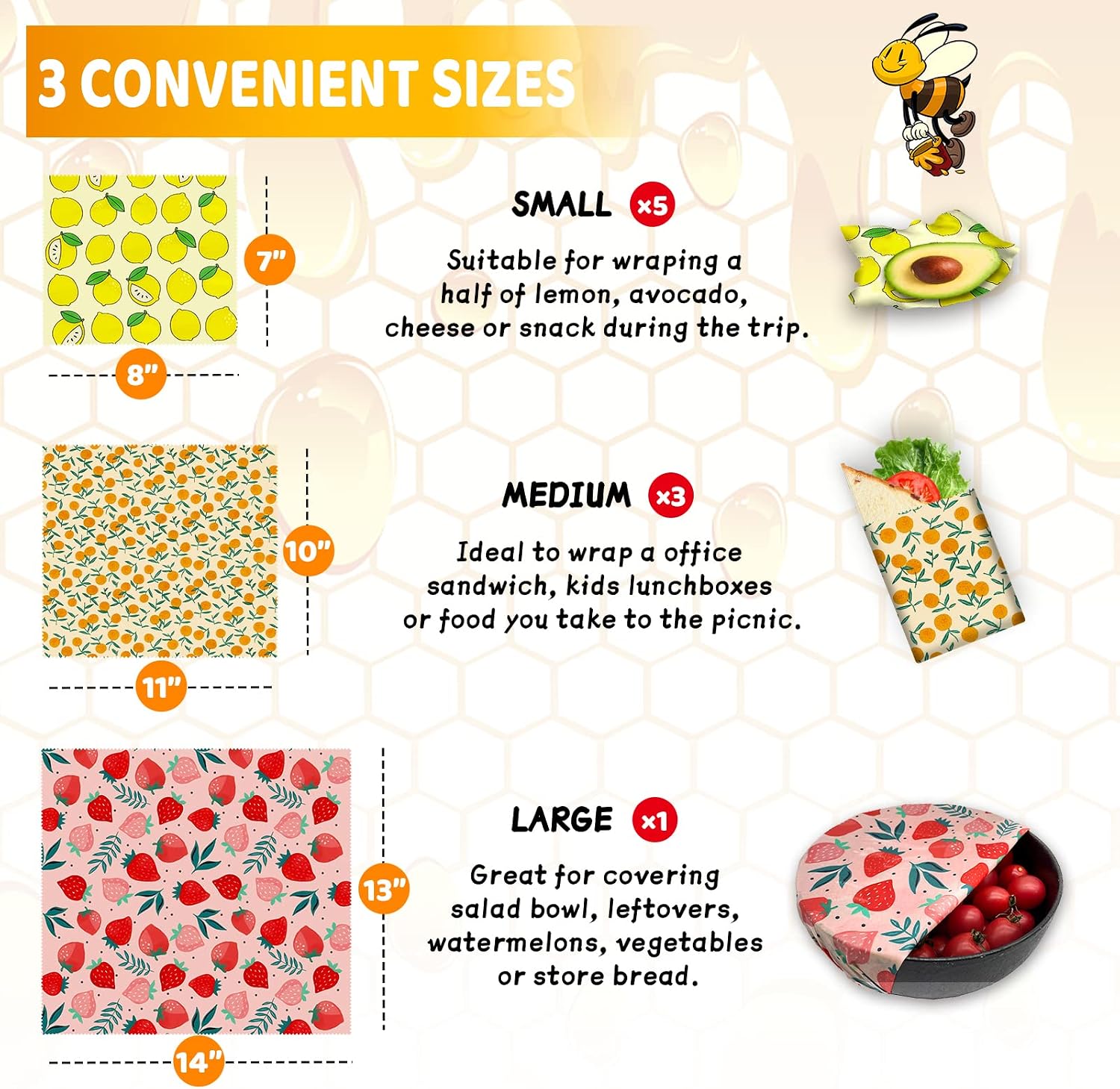
Then there’s Size Variety and Practical Utility. Look, nobody needs ten tiny wraps when they’re trying to cover a mixing bowl full of dough. Or a huge one just for a sliver of cheese. A versatile set, like a 9-pack that includes various dimensions—say, a couple of large wraps, a few medium ones, and several small sizes—is genuinely helpful. Think about what you typically wrap: half an avocado? A loaf of artisan bread? Leftover casserole? Make sure the sizes offered match your regular needs. Overspending on sizes you’ll rarely use is a common trap.
You also need to think about Ease of Cleaning and Durability. These aren’t disposable; they’re meant to last months, even a year or more, with proper care. That means they need to be easy to clean. Most beeswax wraps require a gentle wash with cool water and mild soap, then air drying. If they’re a nightmare to clean or start losing their wax coating after just a few washes, what’s the point? Good wraps will maintain their integrity and stickiness through dozens of cleaning cycles. This is often where less expensive options falter, forcing you back to square one quicker than you’d like.
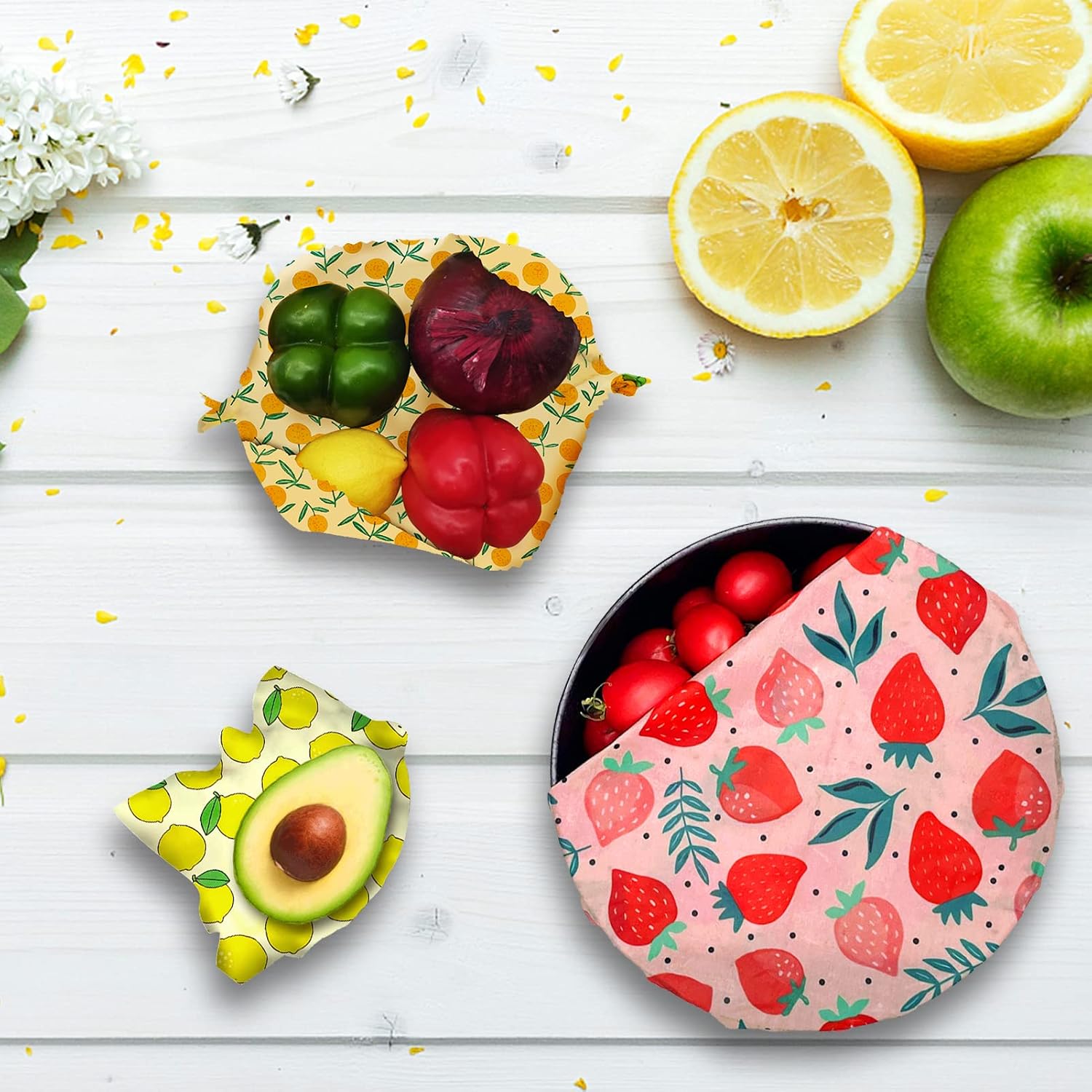
Finally, consider Aesthetic Appeal and Patterns. This might seem superficial, but it matters! If you enjoy using something, you’re more likely to keep using it. Beeswax wraps come in all sorts of fun designs, like the popular strawberry, orange, and lemon patterns you often see. A cheerful wrap can genuinely make your kitchen feel a bit brighter and your sustainable habits feel less like a chore. That said, prioritize function over form if you have to choose. A beautiful wrap that doesn’t seal isn’t much use, is it? But if you can get both? Even better.
How to Match the Product to Your Situation
Reusable food wraps aren’t one-size-fits-all. Your lifestyle and how you plan to use them should heavily influence your choice.
The Eco-Conscious Meal Prepper: You’re all about sustainable food solutions, reducing waste, and often have various prepped ingredients or snacks ready for the week. For you, durability and versatility are paramount. You need wraps that can handle frequent washing, maintain their seal, and come in a wide range of sizes. Look for multi-packs with a good mix of large, medium, and small options, perfect for everything from covering a big bowl of salad to wrapping individual protein portions. Investing a little more in a reputable brand with a proven wax blend will pay off in the long run. You’ll be using these constantly, so they need to hold up.
The Busy Family Lunch Packer: Your main goal is to replace plastic baggies and cling film replacement for school lunches or quick workday meals. Convenience and ease of use are key. You want wraps that are straightforward to mold around sandwiches, fruit, or cheese sticks without much fuss. A mid-range set with several medium and small sandwich wraps would be ideal. Look for designs that are easy for kids (or hurried adults) to handle. You might not need the absolute stickiest, most premium blend, but certainly avoid anything too stiff or prone to falling open in a lunchbox. Who needs that kind of morning stress?
The Budget-Minded Beginner: You’re curious about plastic-free alternatives but not ready to drop a fortune on a whole new system. You want to dip your toes in the zero waste kitchen lifestyle without a huge commitment. Your focus should be on an affordable starter pack, probably a smaller set or one with basic patterns. You’re testing the waters. Look for sets that offer decent adhesive strength and an adequate size range for common uses like covering small bowls or wrapping a block of cheese. Just be aware that budget-friendly often means less robust materials; they might not last as long as premium options, but they’re a low-risk way to try it out.
Reusable Food Wrap Comparison
Here’s a quick breakdown of what you’ll typically find out there, helping you weigh the “worth it” factor for each tier.
| Type/Tier | Best For | Price Tier | Key Feature | Watch-Out |
|---|---|---|---|---|
| Budget-Friendly Basic Sets | Newcomers, casual use, small items | Entry-level | Accessible price point, basic patterns | Shorter lifespan, less sticky over time, limited sizes |
| Mid-Range All-Rounders | Everyday users, general household needs | Moderate | Balanced performance, good durability | Some variations in wax quality, might not handle extreme use |
| Premium Eco-Luxury Packs | Zero-waste enthusiasts, serious food preservers | Higher-end | Superior adhesion, longer lifespan, artisan quality | Significant initial investment, may have niche designs |
Budget-Friendly Basic Sets are your entry point into the world of beeswax wraps. They’re often sold in smaller packs or with fewer pattern options, like a plain lemon pattern. They’re a solid pick for testing the waters and seeing if these wraps fit into your routine, but don’t expect them to last forever or perform like a champion for every task.
Mid-Range All-Rounders usually offer a much better balance of quality and cost. You’ll often find these in 9-pack sets featuring varied sizes (a good mix of small, medium, and large) and attractive designs, perhaps with strawberry or orange patterns. They tend to have a more robust wax coating, making them more durable and better at creating a strong seal for food preservation. Most people find these hit the sweet spot for regular kitchen use.
Premium Eco-Luxury Packs are for those committed to the zero waste kitchen who value top-tier performance and longevity above all else. These wraps often boast ethically sourced organic cotton and unique wax blends, ensuring superior flexibility and stickiness. They’re built to last, often maintaining their properties for well over a year, but that comes with a noticeable upfront cost. They’re an investment, for sure.
Practical Scenarios for Reusable Food Wraps
Let’s talk about where these wraps really shine, and maybe where they don’t quite cut it.
Daily Sandwich & Snack Duty: This is a no-brainer. Swapping out plastic baggies for a reusable wrap for your lunchtime sandwich or packing some carrot sticks? Absolutely. The wrap holds its form, keeps things fresh, and makes your lunch bag feel a little more grown-up. Plus, it’s easy to clean when you get home. This daily ritual adds up to a surprising amount of plastic saved over time. It’s truly one of the simplest plastic-free alternatives you can adopt.
Leftovers and Bowl Covering: For storing cooked vegetables, half-eaten fruit, or covering a bowl of salad, beeswax wraps work like a charm. They form a breathable, yet protective seal that can often keep foods fresh longer than plastic film, which can trap moisture and accelerate spoilage. Just avoid anything super hot or extremely oily—those aren’t their friends. I’ve seen people try to cover piping hot soup with these; it just melts the wax, creating a mess. Wait for food to cool.
Produce Storage for Extended Freshness: Here’s a bit of an unsung hero role. Wrapping herbs, leafy greens, or even a block of cheese in a beeswax wrap can genuinely extend its life in the fridge. The breathability allows produce to “breathe” without drying out too quickly, mimicking nature’s own packaging. It’s far better than suffocating greens in a plastic bag, which often leads to slimy spoilage. This is where good food preservation really makes a difference.
Common Mistakes Buyers Make
So, you’re ready to jump into the eco-friendly food storage game. Great! But let’s side-step some common blunders.
One huge mistake is treating them like plastic cling film. Beeswax wraps aren’t meant for super-tight, vacuum-like seals, nor are they indestructible. Trying to stretch them too aggressively, especially when they’re cold, can damage the wax coating or even tear the fabric. Remember, they work by molding and adhering with warmth, not by brute force.
Another misstep? Using hot water or harsh soap for cleaning. This is the quickest way to ruin your wraps. Hot water melts the wax, and strong detergents strip away the natural oils, making them less sticky and shortening their lifespan. Stick to cool water and a gentle dish soap, like you’d use for your hands. It’s a small change in routine, but vital for longevity.
People often forget their limitations. These wraps are fantastic for dry or slightly damp foods. They are not suitable for raw meat (due to potential bacteria cross-contamination), overly wet or liquidy foods (the seal isn’t watertight), or anything really hot. Trying to wrap a freshly baked potato or a steaming bowl of soup will just melt the wax. Use proper containers for those tasks. Don’t push them into roles they weren’t designed for.
Finally, some folks don’t store them properly. Crumpling them up in a drawer or leaving them folded can cause creases that crack the wax. Lay them flat, roll them up, or hang them to dry after washing. Proper storage maintains their integrity and keeps them ready for action, helping them stay an effective sustainable food solution.
Why/How/What Mini-Section
Why are beeswax wraps considered more sustainable than plastic film?
Beeswax wraps are inherently more sustainable because they’re reusable, biodegradable, and made from natural, often organic, materials like cotton and beeswax. Unlike plastic film, which is a single-use product derived from fossil fuels and contributes to landfill waste for centuries, beeswax wraps can be washed and reused for months or even a year, then composted at the end of their life. It’s a fundamental shift from disposable to cyclical.
How do I revive a beeswax wrap that’s lost its stickiness?
When a wrap starts losing its tack, it’s often because the wax coating has thinned. You can typically “re-wax” them at home. Many brands sell wax refresher bars, or you can use food-grade beeswax pellets. Simply grate a little wax onto the wrap, place it on parchment paper, and gently warm it in a low oven or with a hairdryer until the wax melts and redistributes, then let it cool. It’s a straightforward process that breathes new life into tired wraps.
What specific foods are best suited for beeswax wraps?
Beeswax wraps excel with fruits (cut or whole), vegetables (like half an onion or a bunch of carrots), baked goods (bread, cookies), cheese blocks, sandwiches, and covering bowls of leftovers like roasted veggies or pasta. Their breathable nature helps prevent moisture buildup, which can be a real problem with air-tight plastic containers, making them stellar for keeping things like herbs fresh for longer.
FAQ
Are reusable food wraps truly effective at keeping food fresh?
Yes, for many foods, they are quite effective. The beeswax allows for a breathable seal, which can actually keep certain items like produce and bread fresher longer by preventing excess moisture while still protecting from air exposure. They aren’t airtight, but that’s often a benefit.
How do I clean my beeswax wraps?
Simply wash them gently with cool water and a mild dish soap. Use your hands or a soft cloth, then rinse and air dry. Never use hot water, harsh chemicals, or put them in the dishwasher, as this will damage the wax coating.
Can beeswax wraps go in the microwave or freezer?
No, definitely not in the microwave; the wax would melt instantly. For the freezer, it’s generally not recommended for long-term storage, as the cold can make the wax brittle and prone to cracking, though they can handle short stints for things like freezing cookie dough.
What’s the typical lifespan of a reusable beeswax wrap?
With proper care, most good quality beeswax wraps will last between six months to a year, sometimes even longer. Their lifespan depends heavily on how often they’re used, how they’re cleaned, and the quality of their initial wax infusion.
Are there any foods I shouldn’t wrap in beeswax?
Yes, avoid raw meat, poultry, or fish due to potential cross-contamination and difficulty in thorough sanitization. Also, don’t use them for very hot foods or overly wet, soupy items, as the wax will melt or the seal won’t hold.
Do beeswax wraps smell like beeswax?
Initially, yes, they often have a faint, natural beeswax scent, which many people find pleasant. This smell usually fades significantly after a few uses and washes and doesn’t transfer to your food. If you’re sensitive to scents, this is something to consider.
Can I compost my beeswax wraps when they’re worn out?
Absolutely! That’s one of their biggest environmental benefits. Once your wrap is beyond repair and no longer sticky, you can cut it into strips and add it to your compost pile, where it will naturally break down.
Final Recommendation
If you’re serious about reducing your reliance on single-use plastics and want a genuinely effective eco-friendly food storage solution, a mid-range all-rounder set of reusable beeswax wraps is often your smartest move. These typically offer the best balance of initial cost, consistent performance, and longevity for everyday household needs. You get a decent variety of sizes, like a useful 9-pack with strawberry, orange, or lemon patterns, ensuring you’re equipped for everything from packing sandwiches to covering leftovers. They’re sticky enough to do the job without being a pain, and with proper care, they’ll last a good long while.
For the budget-conscious beginner, a smaller, budget-friendly basic set is a low-risk entry point. It lets you test the waters and see if the routine fits without a big investment. But frankly, if you stick with it, you’ll probably upgrade to the mid-tier pretty quickly. And for the dedicated zero waste kitchen devotee? Don’t hesitate to spring for a premium eco-luxury pack. The superior adhesion and extended lifespan really do make a difference when you’re using them constantly, and they’re truly a long-term investment in sustainability.
#Reusable #Beeswax #Wrap #Pack #EcoFriendly #Beeswax #Wraps #Food #Organic #Sustainable #Biodegradable #Waste #PlasticFree #Food #Storage #Strawberry #Orange #Lemon #Patterns
Reviews
There are no reviews yet.