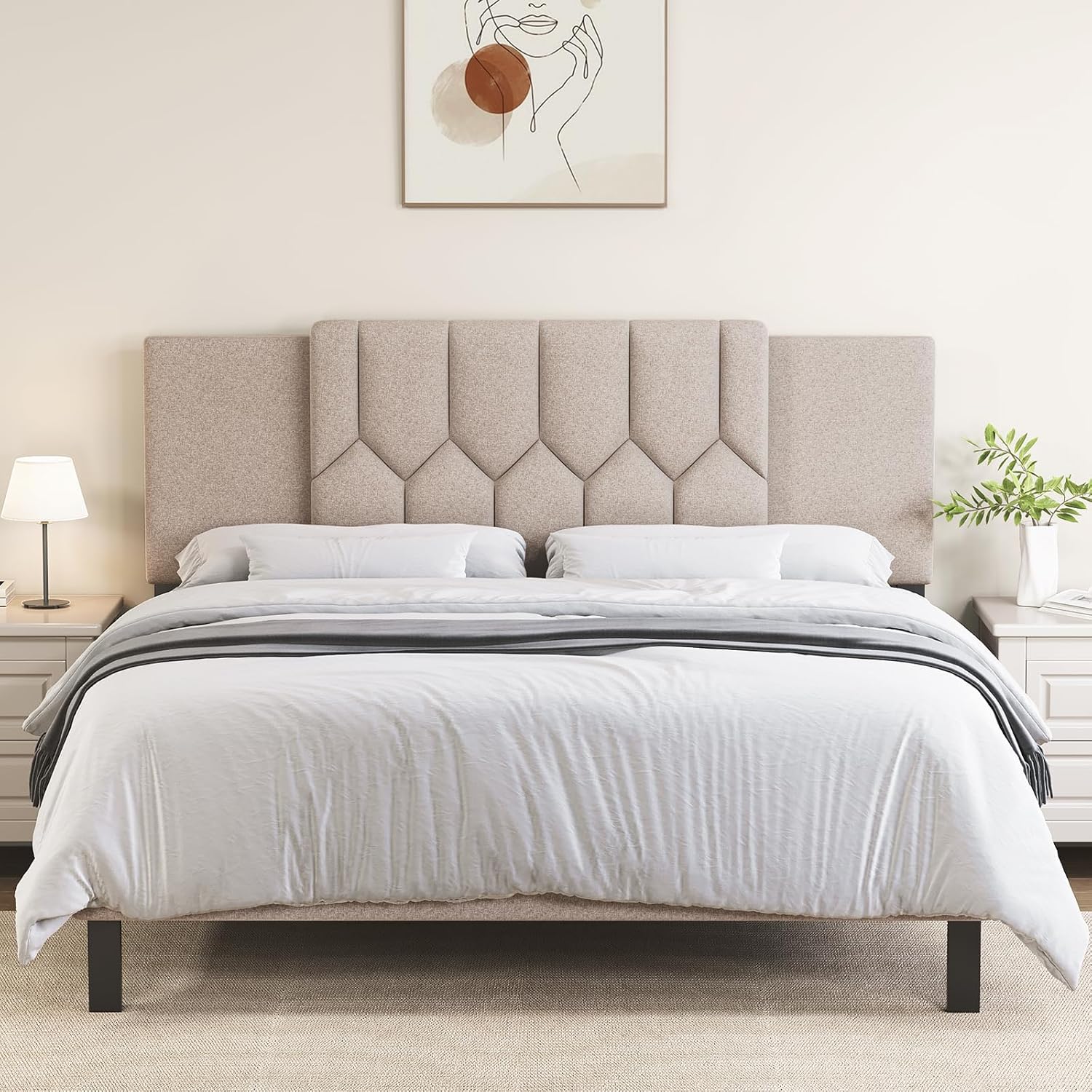
Upholstered Tufted Headboard: Your Guide to a Smart Bedroom Upgrade
Looking to upgrade your sleeping space without breaking the bank? This guide is for you, a savvy shopper eager to understand the ins and outs of a versatile upholstered tufted headboard. We’ll cut through the fluff, focusing on practical advice for selecting a 3-in-1 headboard that actually fits your life and your bed frame. Forget generic reviews; this is about making a smart investment in comfort and style.
Quick Answer
An upholstered tufted headboard, especially the popular 3-in-1 adjustable type, offers a flexible, stylish, and comfortable solution for many bedrooms. It’s often worth it for those seeking a quick aesthetic upgrade, better back support for reading, or simply a more finished look, particularly given its adaptability for different bed sizes and attachment methods.
What to Look For: The Buying Criteria
Navigating the world of home furnishings can feel like a maze sometimes. But when it comes to finding the right upholstered tufted headboard, especially one that boasts a 3-in-1 design, a few key factors really make the difference. Don’t just pick the first pretty thing you see.
1. Adjustability (Height & Width) – The 3-in-1 Promise
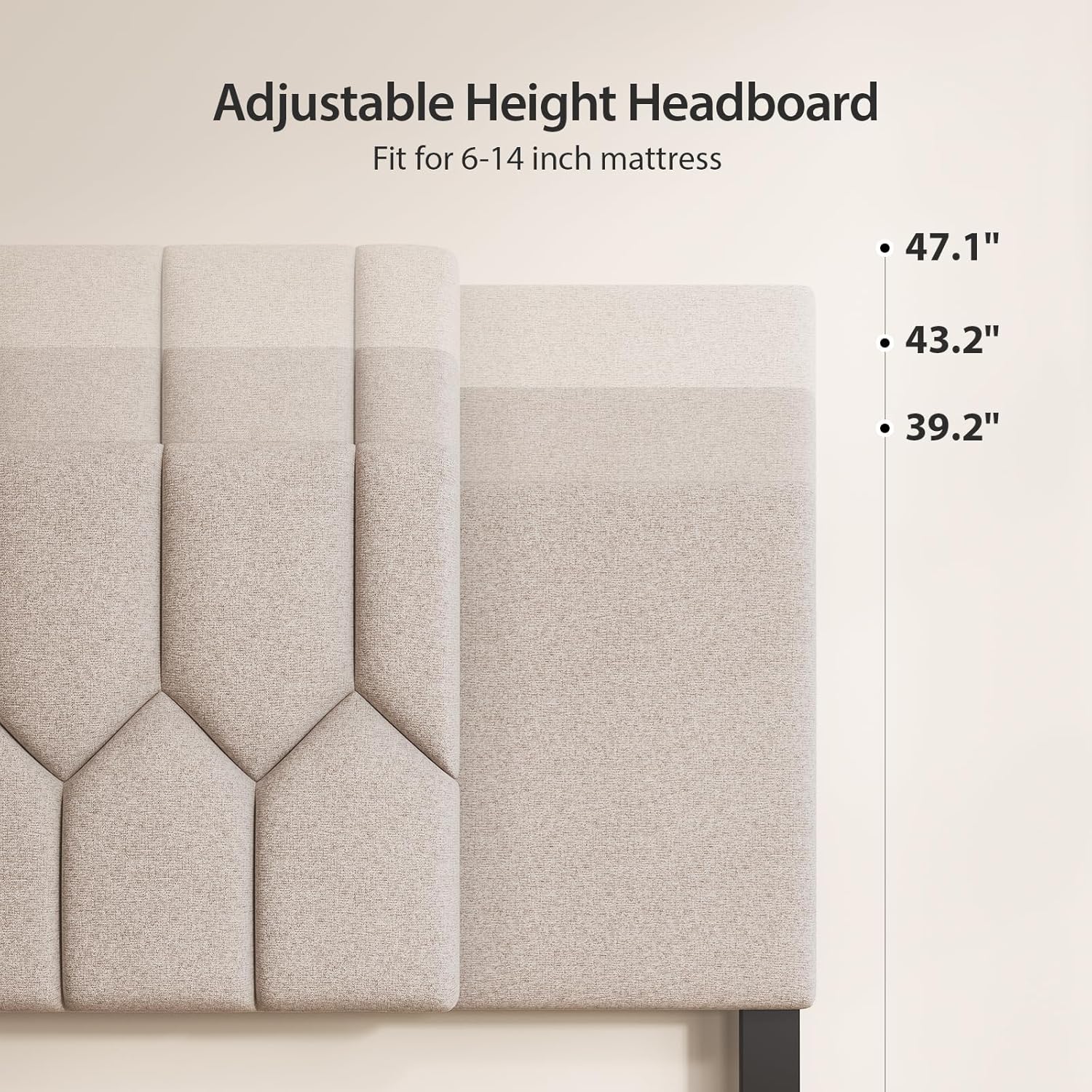
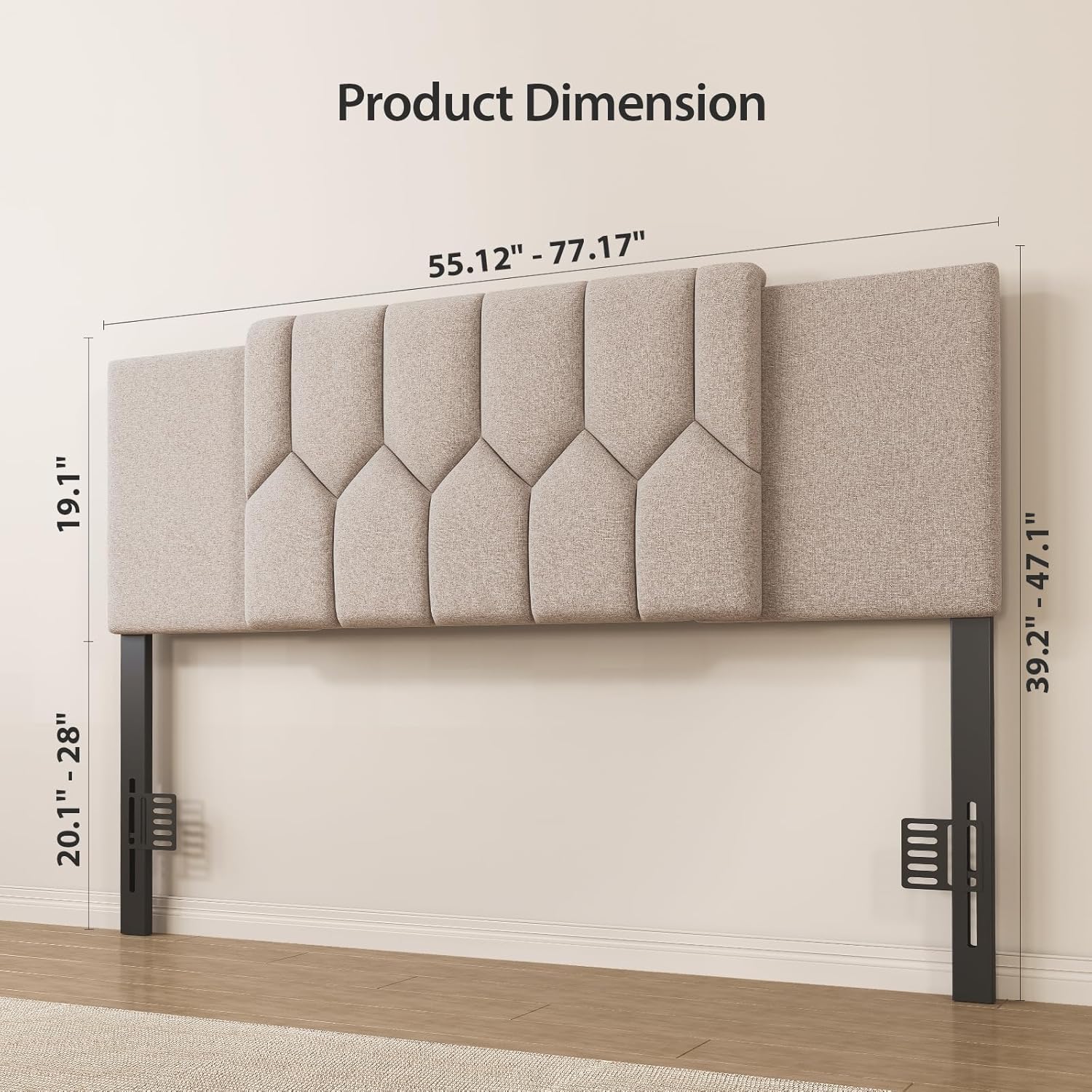
The whole “3-in-1” bit isn’t just marketing fluff; it’s about adaptability. A truly versatile headboard will offer both height and width adjustments. Why does this matter? Well, bed frames, mattress thicknesses, and personal preferences vary wildly. A height-adjustable headboard lets you position it perfectly behind your pillows, ensuring it’s not too high (looking goofy) or too low (disappearing behind your stack of decorative cushions).
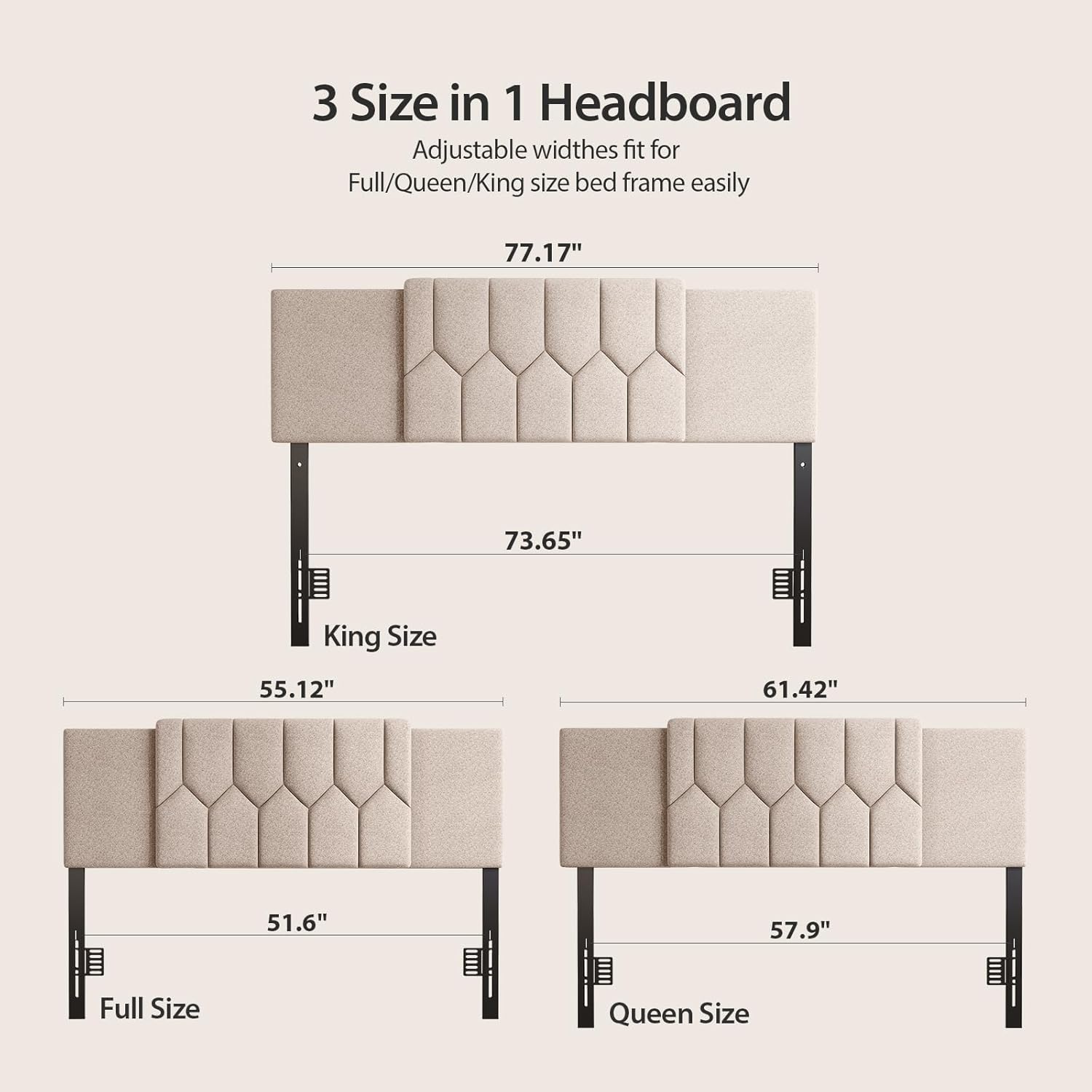
Width adjustment, often for full/queen/king size beds, is a lifesaver. Maybe you have a full bed now, but dream of a queen down the line. This type of headboard can grow with you. The trade-off? Sometimes, the mechanisms for this adjustability aren’t totally seamless. You might see the adjustment hardware if you really look, or some designs might sacrifice a little bit of structural rigidity compared to a fixed-width unit.
2. Upholstery Material and Tufting Style
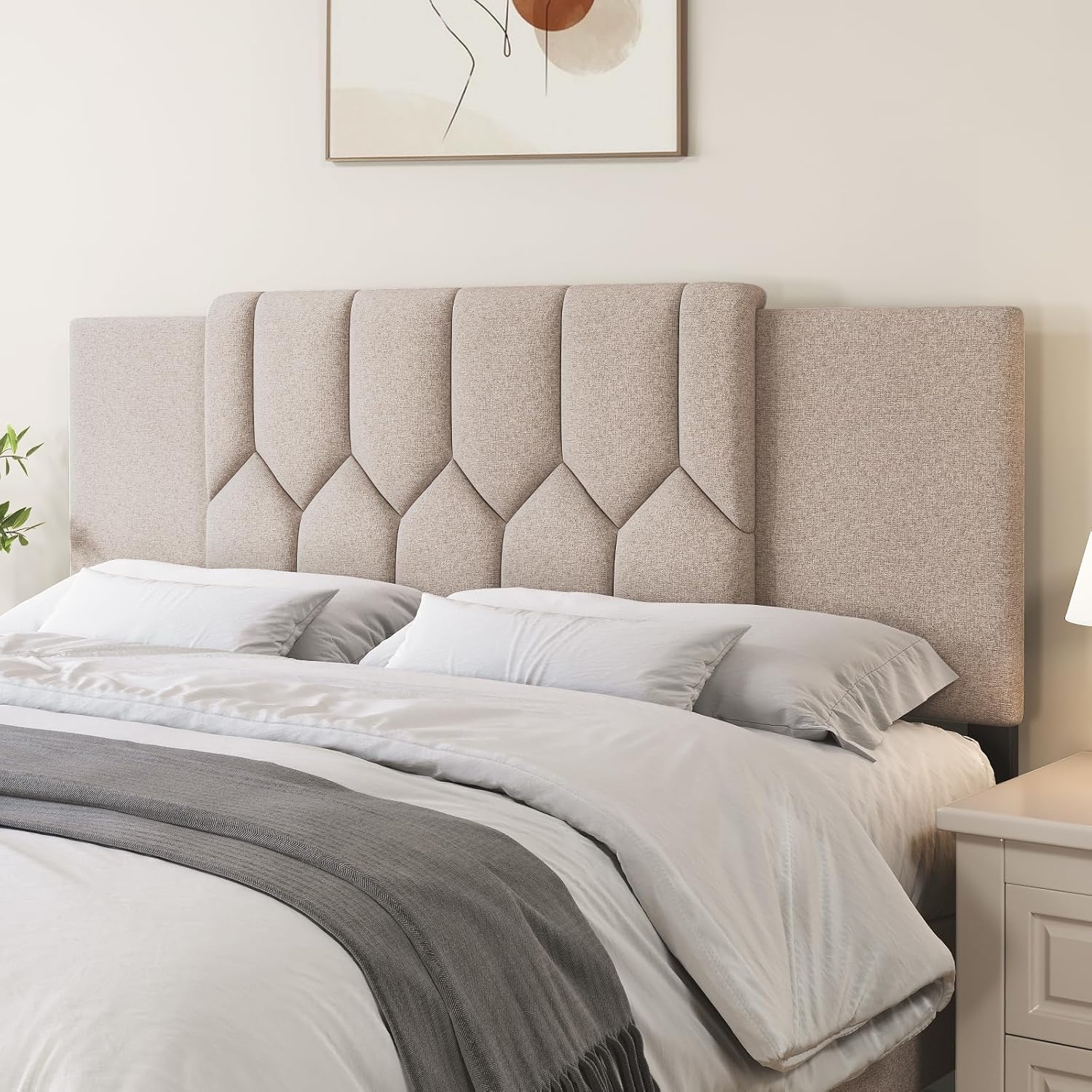
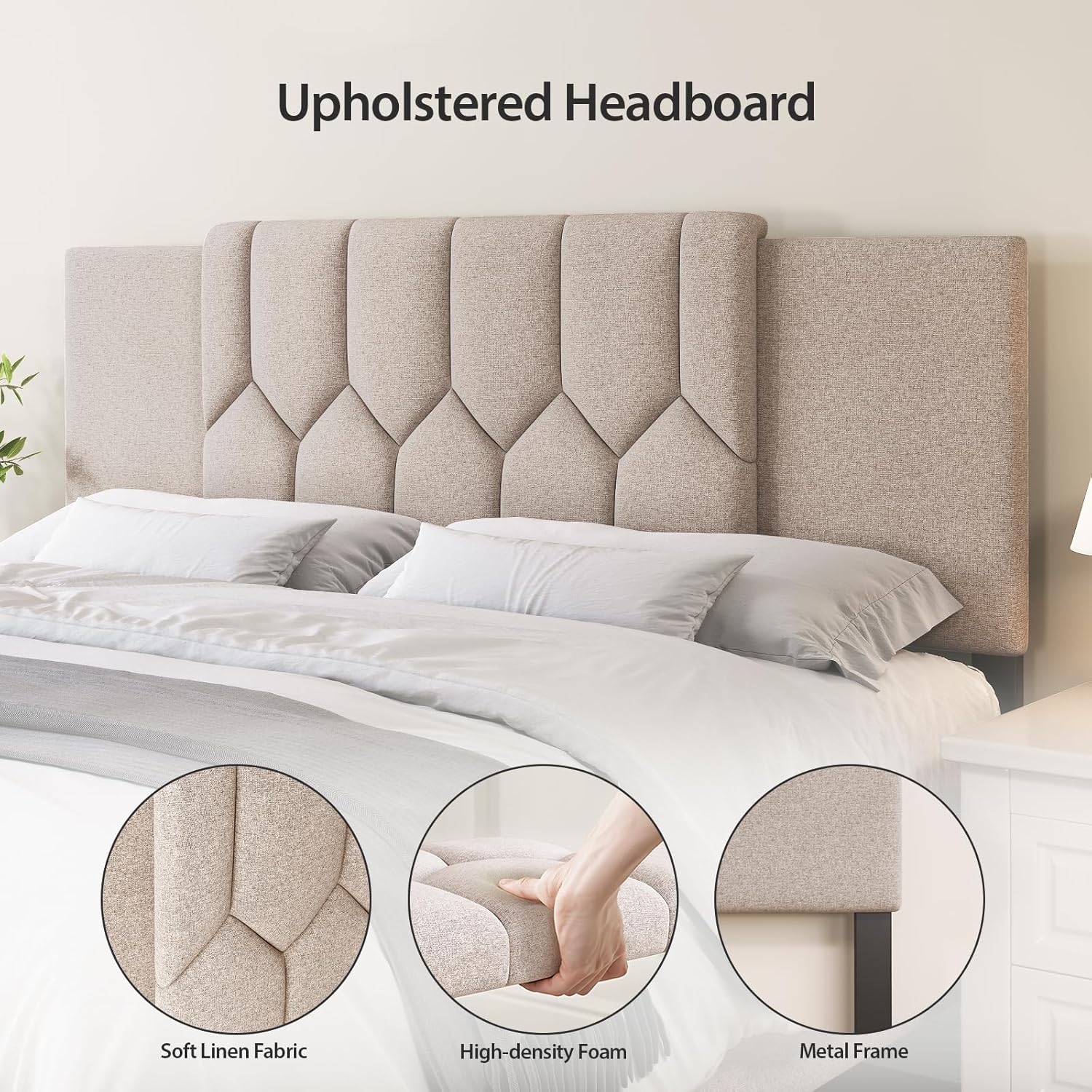
“Beige” is a classic choice, sure, but the world of fabrics is vast. You’ve got everything from plush velvets to practical linen blends and durable woven fabrics. Each material has its own feel, its own care requirements. A velvet upholstered headboard, for instance, feels luxurious but can be a magnet for pet hair and might need more careful cleaning. A linen look? Very on-trend, but potentially prone to wrinkling if not well-maintained.
Tufting refers to the decorative indentations, usually created with buttons, that give these headboards their signature look. Deep button tufting creates a traditional, plush appearance, while channel tufting offers a more modern, streamlined vibe. The decision here is purely aesthetic, but think about long-term maintenance. Buttons can sometimes pop off, especially on less expensive models, and cleaning around deep tufts takes a little more effort.
3. Attachment Method (Attach Frame vs. Wall-Mount/Freestanding)
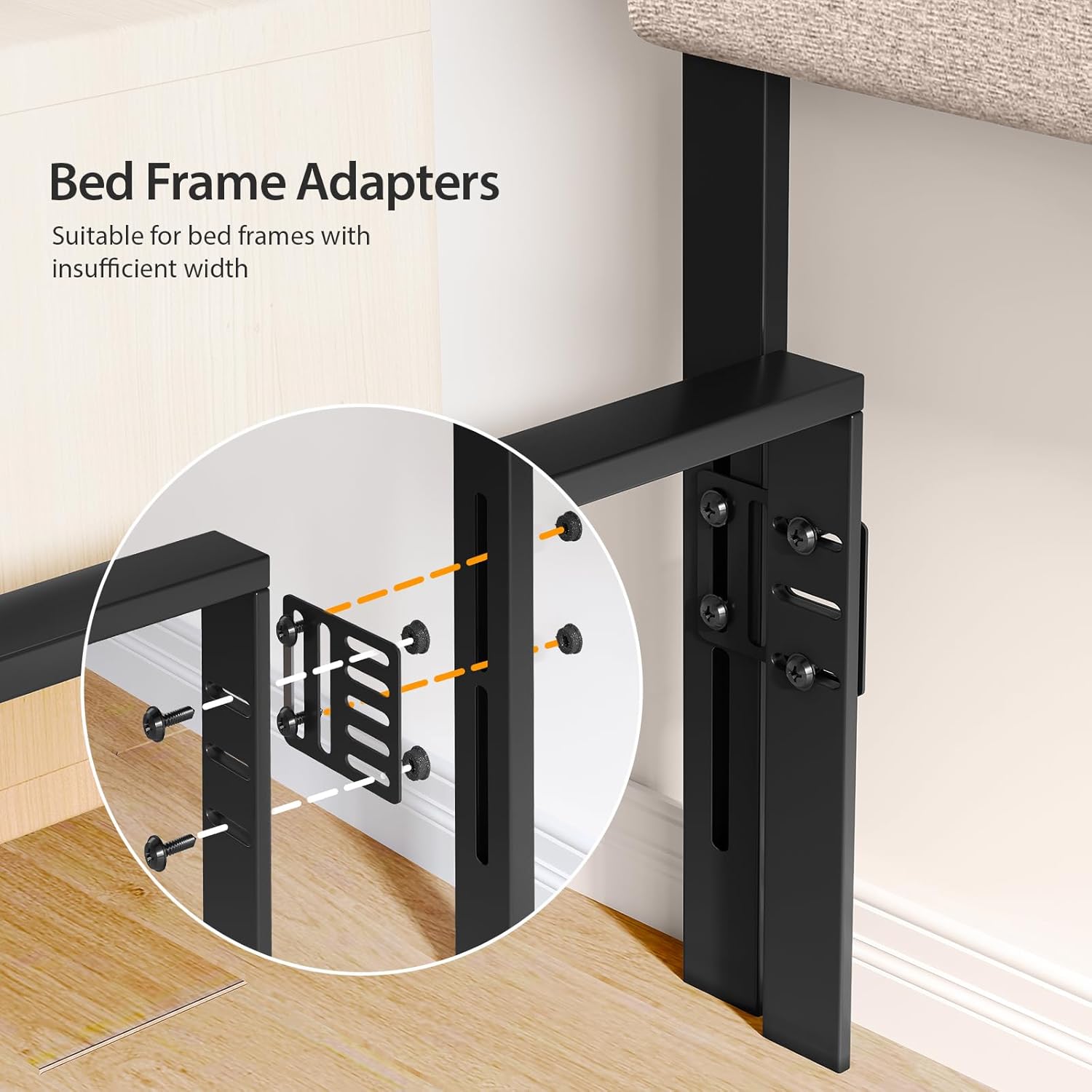
The specific upholstered tufted headboard we’re talking about is designed to “attach frame.” This means it bolts directly to your existing bed frame. It’s usually straightforward, providing a solid connection and eliminating wobbles. It’s a popular choice for good reason.
However, it’s not the only way. Some headboards are designed to be wall-mounted, which can be great for creating a floating look or if you have an unconventional bed frame. Others are freestanding, simply resting against the wall, held in place by the weight of the bed. Each has its pros and cons. An “attach frame” model gives you stability, but it’s tied to the bed’s position. If you decide to ditch your bed frame later, you might be left with a headboard that doesn’t quite work. That’s a definite limitation to consider.
4. Overall Construction and Stability
“Study & Comfortable” is the promise here. A headboard isn’t just for looks; it needs to hold up to some leaning, maybe even a little shifting in the night. Look for a robust internal frame, typically made of solid wood or engineered wood composites. The padding underneath the upholstery should feel firm yet yielding.
A flimsy headboard isn’t just annoying, rattling with every movement, it can also be a safety concern. While many affordable options use lighter materials, you’ll want something that feels substantial. The connections to the bed frame, particularly if it’s an adjustable headboard, should inspire confidence. The downside? More robust construction often translates to a heavier item, which can make initial setup a bit more of a wrestling match.
5. Size Versatility (Full/Queen/King)
The fact that this upholstered tufted headboard boasts full/queen/king compatibility is a huge win for many. No need to buy a new headboard if you upgrade your bed in a few years. This versatility typically comes from adjustable side rails or a cleverly designed central panel.
It’s about making a flexible purchase. But watch out for how this adjustability impacts the visual. Some designs might have noticeable gaps or overlaps when adjusted to a smaller size. Make sure you’re comfortable with how it looks at your current bed size, not just the largest it can accommodate. Sometimes, “fits all” means “fits none perfectly.”
6. Comfort and Padding
Comfort is key, especially if you’re someone who loves to read, watch TV, or just hang out in bed. An upholstered headboard provides a soft surface to lean against, far superior to a cold, hard wall or a wooden frame. The padding beneath the fabric is what makes the difference. Is it just a thin layer of foam, or is there some real plushness?
Consider the density of the foam and the thickness. Too soft, and you’ll sink right through to the frame. Too firm, and it defeats the purpose of “comfortable.” A well-padded headboard can turn your bed into a true sanctuary. The drawback, if there is one? Thicker padding means the headboard might protrude further into your room, which isn’t ideal for tight spaces.
How to Match the Product to Your Situation
Choosing the right upholstered tufted headboard isn’t a one-size-fits-all deal. Your lifestyle, budget, and future plans should all play a role. Let’s look at a few common scenarios.
The Savvy Apartment Dweller
You’re a pro at maximizing small spaces, maybe anticipating a move or two in the coming years. You don’t want to invest in furniture that’s rigid or a pain to relocate. An adjustable headboard is practically tailor-made for you. Its ability to fit full, queen, or even king-sized beds means it’s future-proof. You move to a bigger place, upgrade your mattress, and your headboard still works. Plus, the “attach frame” design usually means a cleaner look without needing to drill into landlord-approved walls. You want that ease, don’t you?
The Bedroom Revamper on a Budget
You’re looking for significant visual impact without shelling out serious cash. The bedroom needs a facelift, and a new headboard is a relatively inexpensive way to achieve a fresh, polished look. A well-chosen beige upholstered tufted headboard can anchor a room, making it feel more intentional and luxurious than it actually cost. You’re prioritizing style and comfort, seeking that sweet spot between affordability and a quality feel. It’s about getting the most bang for your buck.
The Guest Room or Dorm Room Decorator
For a guest room or a college dorm, durability and universal appeal are paramount. You need something that can withstand various users and look good doing it. A sturdy, easy-to-install upholstered headboard fits the bill. The neutral beige color and classic tufting mean it won’t clash with existing decor or future changes. In a dorm, the added comfort for late-night studying (or, let’s be real, binge-watching) is a bonus. The “attach frame” setup usually means less fuss, which is exactly what you want when setting up a temporary space or a room that sees infrequent use.
A Look at Headboard Types and Tiers
Here’s a quick run-down on how different types of headboards stack up, particularly when you’re considering a tufted headboard.
| Type/Tier | Best For | Price Tier | Key Feature | Watch-Out |
|---|---|---|---|---|
| Standard Fixed Upholstered | Simple bedroom aesthetic, specific bed size. | Budget-friendly | Single, solid piece, generally easy to assemble. | Not adaptable if you change bed size or mattress height. |
| The Adjustable 3-in-1 Tufted | Versatile users, future bed upgrades, comfort. | Mid-range | Height and width adjustable, multi-size compatibility. | Adjustment hardware might be visible, less robust than fixed. |
| High-End Solid Wood or Custom Fabric | Premium design, specific aesthetic, long-term investment. | Premium | Durable materials, unique finishes, tailored options. | Significantly higher cost, often custom lead times. |
A Standard Fixed Upholstered headboard often serves as an entry point. It’s usually a single, solid piece designed for one bed size, say a queen. It works, it’s upholstered, but lacks the flexibility of other options.
The Adjustable 3-in-1 Tufted headboard, like the one we’re focusing on, sits comfortably in the mid-range. Its main draw is that ingenious height and width adjustability, making it suitable for full, queen, or king-sized beds. It aims for the best of both worlds: style and practicality.
Then you have your High-End Solid Wood or Custom Fabric headboards. These are the investment pieces. Think heirloom quality solid wood frames, intricate carvings, or custom-ordered fabrics like genuine leather. You’re paying for craftsmanship and exclusivity here, not always for practical features like adjustability.
Scenario-Specific Needs
Even within the context of a versatile upholstered tufted headboard, certain situations call for specific considerations.
Transforming a Dorm Room
Dorm rooms are notorious for their lack of personality and comfort. Bringing in an upholstered headboard can utterly change the vibe. It immediately makes the space feel less institutional, more like home. The “attach frame” option is crucial here; you absolutely can’t be drilling into dorm walls, right? Plus, the added padding provides a much-needed comfortable backrest for studying or just chilling in bed, a definite upgrade from leaning against a cold concrete block. It’s also relatively easy to disassemble and move at the end of the year. That’s a win.
Creating a Cozy Reading Nook
If your idea of relaxation involves curling up with a good book in bed, a comfortable headboard isn’t a luxury; it’s a necessity. The soft, padded surface of a tufted headboard provides ergonomic support for your back and head, allowing you to settle in for hours without feeling stiff. Look for one with ample cushioning. Some have deeper tufting, offering even more plushness. It transforms the bed into more than just a place to sleep; it becomes a sanctuary for quiet contemplation.
Future-Proofing Your Primary Bedroom
Let’s face it, tastes change, and so do life circumstances. Maybe you’re in a starter home now with a queen bed, but a king is on the horizon. An adjustable 3-in-1 headboard is a smart move. Its ability to accommodate full, queen, and king-sized bed frames means you’re investing in a piece that won’t become obsolete if you upgrade your mattress. This adaptability saves you the hassle and expense of buying a whole new headboard later. It’s about making a wise, long-term choice. I’ve seen people spend way too much on features they never use, or on items that need replacing too soon. This avoids that particular frustration.
Common Mistakes Buyers Make
Even with seemingly straightforward purchases like a headboard, there are pitfalls. Don’t fall for these common blunders.
-
Ignoring Bed Frame Compatibility: This is a big one. Not all “attach frame” headboards fit every bed frame. Some frames have odd drilling patterns, or the mounting plates might be too far apart or too close. Always, always measure your frame’s attachment points and compare them to the headboard’s specifications. A 3-in-1 headboard might adjust width-wise for the bed size, but the actual bolt holes still need to line up.
-
Underestimating Room Scale/Proportion: A headboard can dramatically change a room’s perceived size. A massive, deeply tufted king headboard in a tiny room can feel overwhelming, while a small, understated one can get lost in a large master bedroom. Stand back, visualize. Consider ceiling height. You want a piece that complements, not dominates, or shrinks the space.
-
Prioritizing Looks Over Comfort/Durability: Yes, aesthetics matter, especially with a central piece like an upholstered tufted headboard. But if it’s uncomfortable to lean against, or if the fabric starts pilling after a few months, that initial appeal fades fast. Really think about how you use your bed. Will you be leaning against this often? Does the fabric feel robust?
-
Neglecting the Weight of the Headboard: Some of these headboards can be surprisingly heavy, especially the more robust adjustable headboards. If you’re setting it up solo, or moving it around often (looking at you, dorm dwellers), a heavy piece can be a real struggle. Also, if you’re trying to wall-mount (even if it’s an attach-frame design, some people try), ensure your wall can handle the load.
Why/How/What
Why choose an upholstered tufted headboard?
An upholstered tufted headboard brings a triple threat of benefits: enhanced comfort, undeniable style, and often, incredible versatility. It transforms a basic bed into a focal point, providing a soft, supportive surface for lounging. Plus, the tufting adds a touch of classic elegance or modern chic, depending on the style, making your bedroom feel much more polished and inviting.
How do 3-in-1 headboards adjust for size?
Most 3-in-1 headboards achieve their multi-size magic through clever engineering. They usually feature adjustable side panels that slide in or out, allowing them to expand for a king bed or contract for a full. Height adjustments are typically managed via pre-drilled holes in the support legs, letting you bolt the main panel at different levels on your bed frame. It’s a bit like a telescoping design, really.
What does “attach frame” really mean for setup?
When a headboard says “attach frame,” it means it’s designed to bolt directly onto the back of your existing bed frame. This creates a secure, stable connection. You’ll typically find pre-drilled holes in the headboard’s legs and corresponding slots or brackets on most standard metal bed frames. It’s generally straightforward, requiring a few bolts and a wrench, ensuring your headboard stays put.
FAQ
Can I use this type of headboard with any bed frame?
Not quite any bed frame. While many are designed for standard metal frames, it’s crucial to check the bolt hole spacing. Some platform beds or unique frame designs might require adapter plates or simply won’t be compatible with an “attach frame” headboard.
How difficult is it to assemble a 3-in-1 headboard?
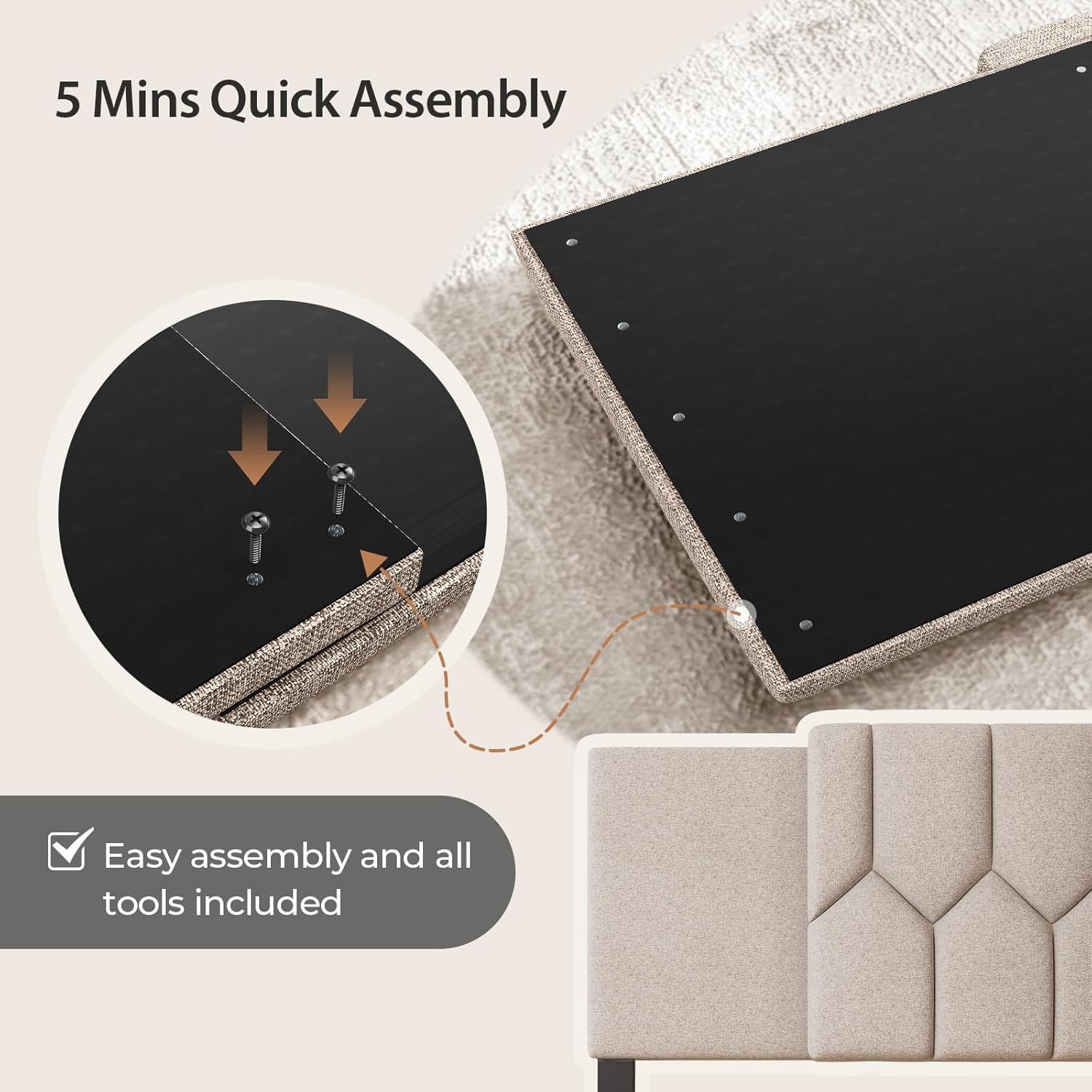
Assembly is generally manageable for one person, but easier with two, especially for a larger king headboard. Most require attaching the legs to the main panel and then bolting the entire unit to your bed frame. All the necessary hardware and tools are usually included.
Is beige the only color option for these headboards?
Absolutely not. While beige is a very popular, versatile choice, these upholstered tufted headboards come in a spectrum of colors. You’ll often find them in grays, blues, whites, and various other neutrals or even bolder shades, depending on the retailer.
How do I clean an upholstered headboard?
Care depends on the fabric. For most, a light vacuuming with an upholstery attachment is good for routine dust. For spills, spot clean immediately with a damp cloth and mild fabric cleaner, always testing on an inconspicuous area first. Avoid harsh chemicals.
What’s the difference between tufting and button-tufting?
Tufting is the general term for stitching through multiple layers of fabric and padding to create dimples. Button-tufting specifically uses buttons, often fabric-covered, to create these indentations, which gives that classic, deep dimpled look many people associate with this style of headboard. Other forms of tufting might use different methods.
Are these headboards stable enough for active sleepers?
A well-constructed attach frame headboard should be very stable. Bolting it directly to your bed frame significantly reduces wobbling. However, if the frame itself is flimsy or the headboard isn’t properly secured, you might experience some movement.
Can I mount an attach-frame headboard to the wall instead?
While an “attach frame” headboard isn’t designed for wall mounting, it’s sometimes possible with aftermarket kits or DIY solutions. However, it requires careful consideration of the headboard’s weight, appropriate wall anchors, and aesthetic implications. It’s generally better to stick to its intended use.
Final Recommendation
For most shoppers eyeing an upholstered tufted headboard, especially one that promises 3-in-1 versatility, the mid-range adjustable option is truly the sweet spot. It offers a fantastic blend of style, comfort, and crucial flexibility without demanding a premium price. If you’re looking for a quick, impactful bedroom upgrade, one that can adapt if your bed size changes down the road, this type of headboard makes an intelligent investment. It delivers a polished, cozy look that’s hard to beat for the sheer value.
#Upholstered #Tufted #Headboard #Headboard #FullQueenKing #Size #Bed #Height #Width #Adjustable #Board #Attach #Frame #Study #Comfortable #Ideal #Bedroom #Dorm #Guest #Room #Beige