The Heavy-Duty Manual Juicer: Is the Zulay Cast Iron Model Right for Your Kitchen?
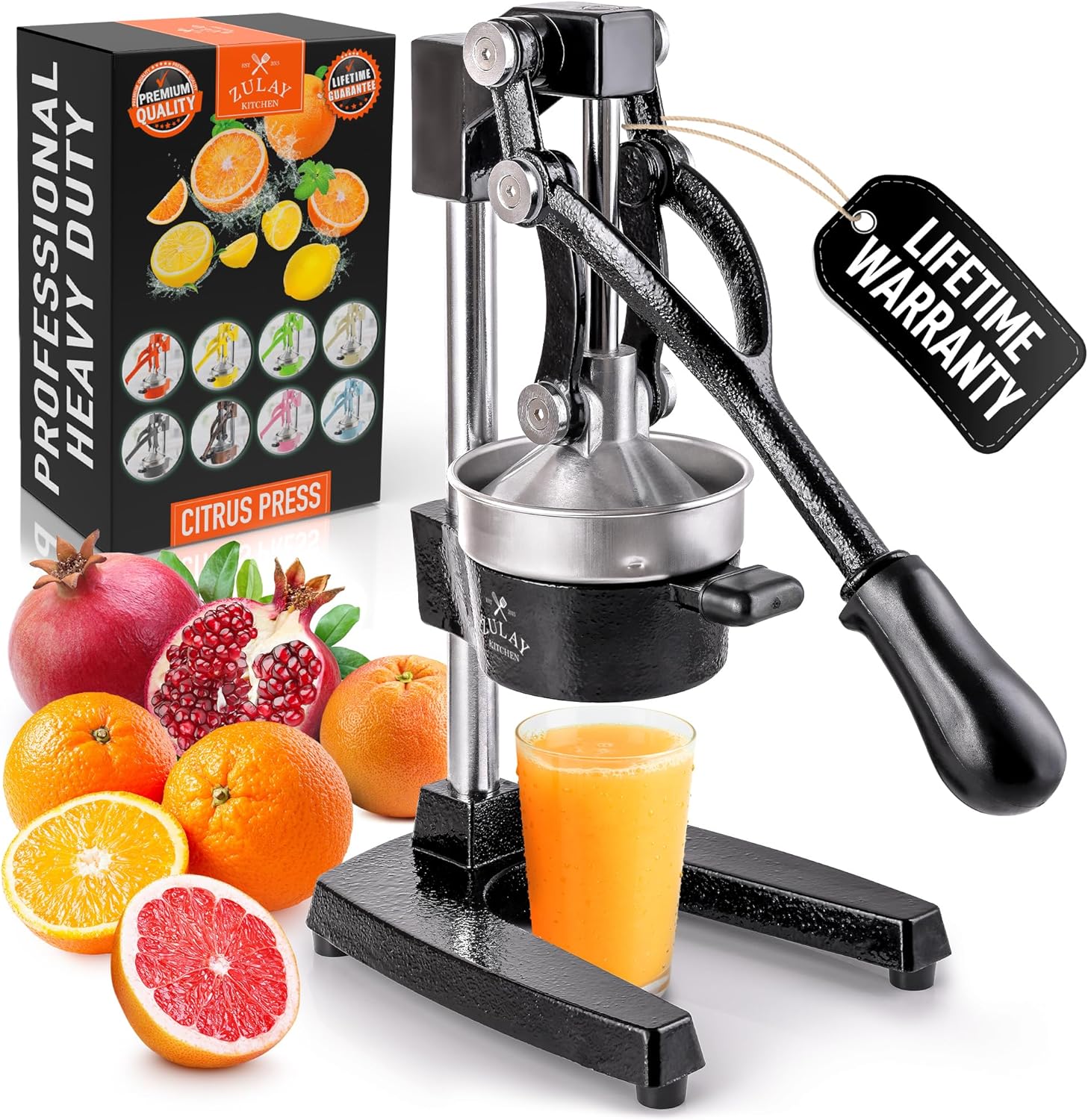
This guide unpacks the Zulay Kitchen Cast Iron Juicer, a popular manual juicer that’s caught the eye of many home chefs and drink makers. We’re here to help savvy shoppers decide if this robust, old-school juice press truly fits their needs and lifestyle. It’s for anyone considering a heavy-duty citrus juicer, from the aspiring home bartender to the health enthusiast keen on fresh juice.
Quick Answer
The Zulay Kitchen Cast Iron Juicer is a seriously sturdy pick for those who value durability and efficiency in extracting juice from citrus fruits without electricity. It excels at delivering quick, pulp-free juice for cocktails, cooking, or a morning glass, but it’s only for citrus and demands some physical effort. Don’t buy it expecting a silent, hands-off experience.
What to Look For (The Buying Criteria)
Choosing a manual juicer, especially one as hefty as a cast iron juice press, isn’t just about grabbing the first thing you see. It’s about understanding a few core factors that dictate how happy you’ll be with it day-to-day. You’ve got to think about the long game here, not just the initial thrill of fresh juice.
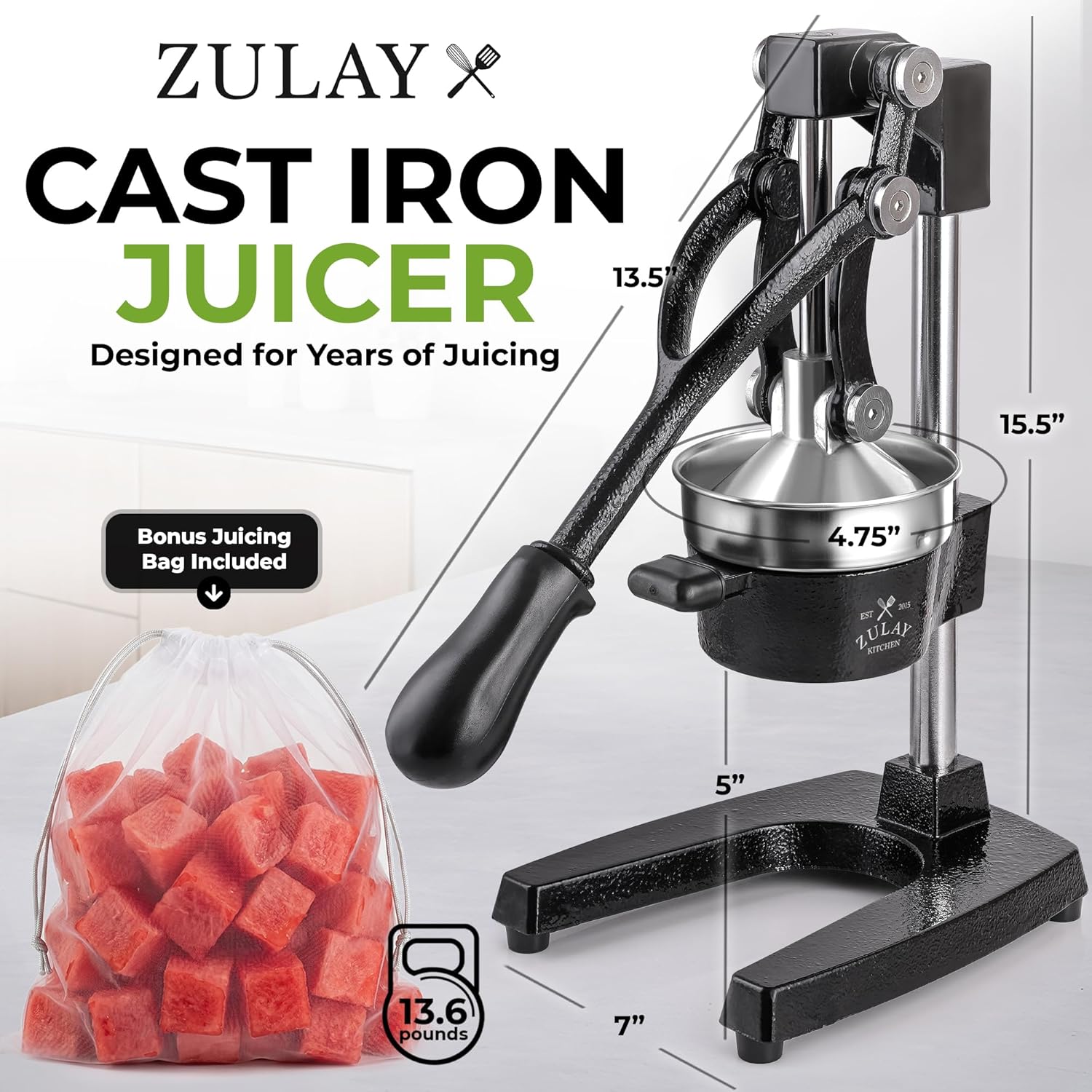
First up, Durability and Build Material. A manual juicer, especially one designed for heavy use like the Zulay, needs to be tough. We’re talking about putting real pressure on fruit, sometimes day after day. Cast iron, as the name suggests for the Zulay, is a prime example of durability. It’s incredibly strong, resistant to bending, and can take a beating. This means a long lifespan, which is certainly a win. But, there’s a flip side: cast iron is heavy. Like, really heavy. This makes the juicer stable on your counter, sure, but it also means it’s not something you’re going to pull out and put away from a high shelf without some effort. For some folks, that weight is a deal-breaker; for others, it’s a sign of quality.
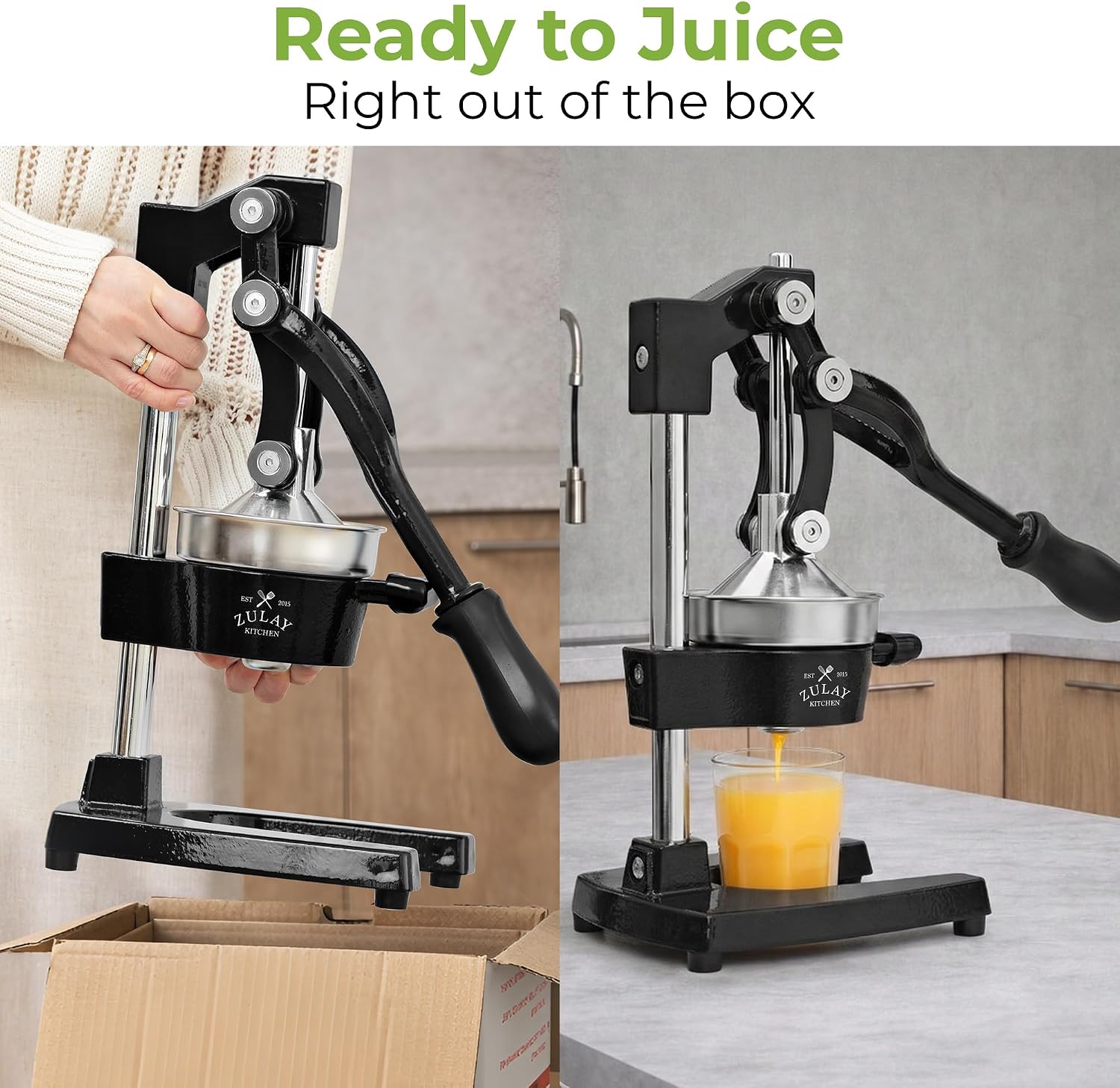
Then there’s the Ease of Use and Leverage. This is where manual juicers truly differ. A good design will give you maximum juice with minimal physical strain. The leverage handle on models like the Zulay is key here. It multiplies your force, making it surprisingly easy to squeeze a half orange or lemon dry. Look for a long, comfortable handle and a stable base that won’t tip or slide as you press down. If you have any hand or wrist issues, or just aren’t looking for a workout every time you make juice, this mechanical advantage becomes super important. Still, don’t kid yourself: it’s manual. You are doing the work.
Cleaning and Maintenance? A truly underrated factor. Nobody wants to spend more time scrubbing than juicing. Manual juicers generally win here over complex electric ones, but some are better than others. The Zulay juicer, with its detachable strainers, usually makes cleanup fairly straightforward. You just pop out the parts that get sticky, rinse them under the faucet, maybe a quick scrub, and you’re done. But, cast iron can be susceptible to rust if not cared for properly, even if coated. You’ll want to dry it thoroughly after washing. Ignoring this step is a recipe for regret. So, while it’s easier than breaking down a multi-component electric model, it’s not a set-it-and-forget-it deal.
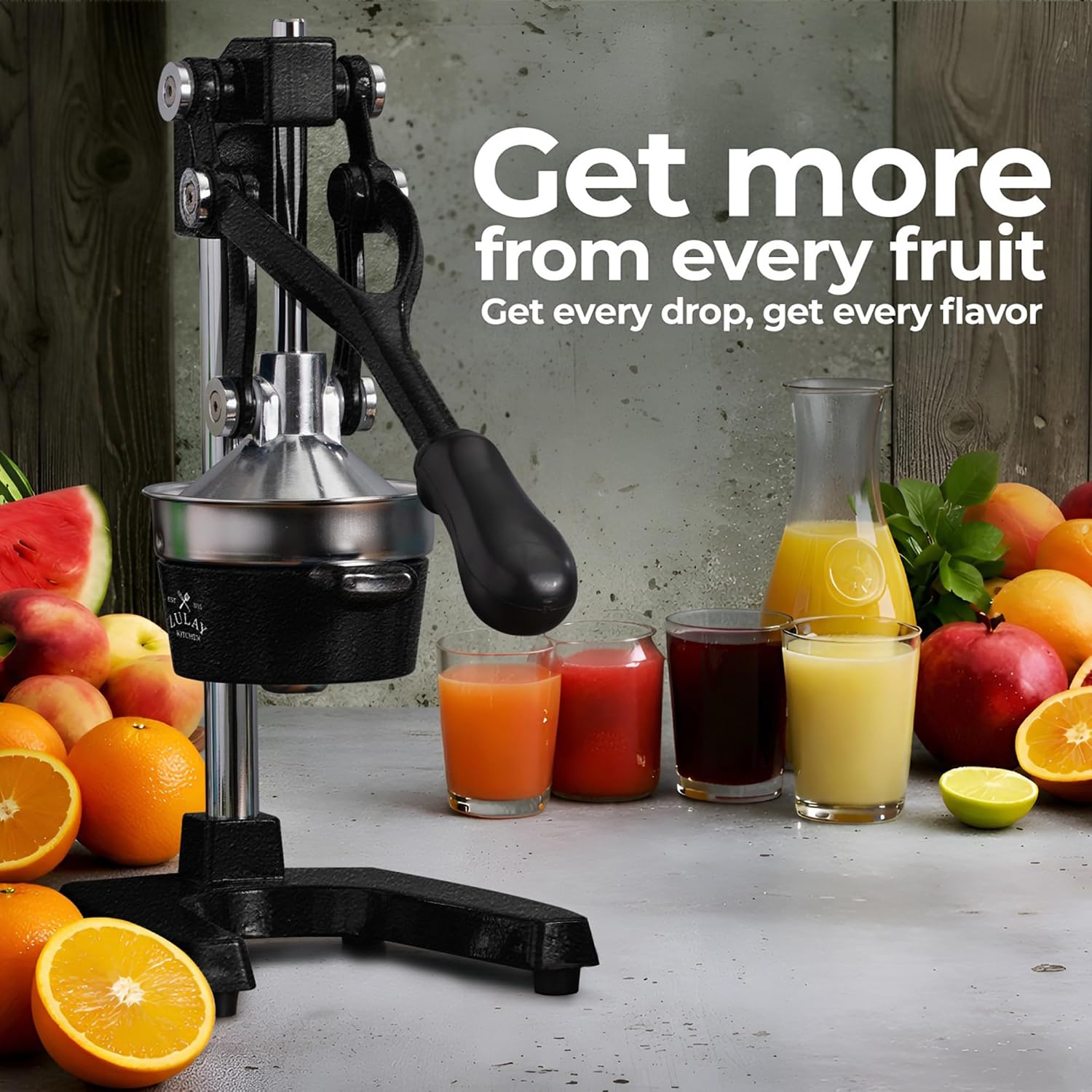
Let’s talk about Juice Yield and Purity. The whole point, right? How much juice you get out of each fruit, and how much pulp and seeds end up in your glass. A well-designed press, like the Zulay Kitchen Cast Iron Juicer, often has a conical reamer and strainer system that maximizes extraction while keeping the gunk out. Some cheap squeezers let too much pulp through, or they barely get a third of the juice. This heavy-duty manual juicer is generally pretty good at getting most of the liquid gold without a fight. If you’re a purist about your pulp-free orange juice, this type of juicer is usually a strong contender.
And don’t forget Footprint and Stability. That heavy cast iron base? It’s not just about durability; it’s about making sure the thing stays put while you’re leaning on it. You don’t want your juicer sliding all over the counter, or worse, tipping over and making a sticky mess. The sheer weight of a cast iron juice press usually ensures rock-solid stability. But that also means it’s going to command a specific piece of real estate on your countertop. If kitchen space is at a premium, this could be an issue. Are you ready to dedicate a corner to it, or will it live in a cabinet? Because getting it in and out of a cabinet will be a chore.
Finally, consider Versatility (or the lack thereof). This is a big one. The Zulay Kitchen Cast Iron Juicer is a citrus juicer. Period. It’s designed for oranges, lemons, limes, maybe small grapefruits. If your juicing ambitions extend to leafy greens, apples, carrots, or anything else, this isn’t the tool. It’s purpose-built, and it does that one thing well. Expecting more from it is like buying a screwdriver and complaining it doesn’t hammer nails. It’s an effective orange juice press and lemon squeezer, but its scope is narrow. This specialization is often a sign of a truly effective tool, but it’s a limitation nonetheless.
How to Match the Product to Your Situation
Finding the right juicer means understanding your life, your habits, not just the product’s specs. Who are you, really, in the kitchen?
The Home Bartender: You’re the kind of person who enjoys crafting a proper cocktail, maybe even a mocktail. Fresh lime juice for margaritas or lemon juice for a whiskey sour isn’t just an ingredient; it’s part of the ritual. For you, the Zulay juicer is a natural fit. Its heavy-duty construction means it’ll stand up to daily use, maybe even multiple times a night if you’re hosting. The quick leverage means you can juice a dozen limes in minutes, getting that precise, clean juice bartenders crave without a lot of fuss. Plus, its robust aesthetic kind of fits the whole “home bar” vibe, doesn’t it? It feels like a serious tool.
The Health Enthusiast (Citrus-Focused): Maybe you start every morning with a glass of fresh orange juice, or you mix lemon water throughout the day. You’re committed to freshness and mindful of what goes into your body. If your “health enthusiast” journey primarily involves citrus, this manual juicer could be your reliable workhorse. You appreciate durability and simplicity. You don’t want a ton of plastic parts breaking down, and you’re probably not interested in another electronic gadget taking up counter space. The consistent juice yield and easy cleanup (for basic citrus) means you’re more likely to stick to your routine. But remember, this isn’t for your green juice fix. It’s strictly for the orange, lemon, lime game.
The Occasional Cook or Baker: You’re not juicing daily, but when a recipe calls for fresh lemon juice in a vinaigrette, or orange zest and juice for a cake, you want the real deal. You value reliability and ease of storage (even if it’s heavy to move). You don’t need speed or huge volumes, but when the moment strikes, you want to efficiently get the job done. This manual press works well because it’s always ready, no power cord needed, no complicated assembly. It’s a trusty kitchen gadget that performs its singular task well, ensuring your culinary creations taste vibrant and fresh. It’s definitely overkill for just an occasional squeeze of lemon, but if you value solid tools, it’s a worthy consideration.
Manual Juicer Comparison
| Type/Tier | Best For | Price Tier | Key Feature | Watch-Out |
|---|---|---|---|---|
| Manual Cast Iron Press | Quick, efficient citrus juicing; home bars | Mid-range | High leverage, sturdy | Heavy, single-purpose |
| Basic Hand Squeezer | Small batches, portability, low cost | Budget | Compact, simple | Less efficient, can be messy, less durable |
| Electric Citrus Juicer | Speed, less physical effort, slightly more volume | Mid-range | Motorized reaming | More parts to clean, relies on power |
| Masticating/Slow Juicer | High yield from varied produce, nutrient preservation | Premium | Slow press, versatile | Slow operation, complex cleaning, pricey |
The Manual Cast Iron Press, exemplified by the Zulay model, excels at giving you fast, powerful citrus extraction for drinks and cooking, but its weight can make it a pain to move. A basic hand squeezer is undeniably cheap and easy to tuck away, though you’ll work harder for less juice and likely create more of a mess. Electric citrus juicers offer a compromise of speed and less effort, but they introduce more moving parts and the need for an outlet, plus more fiddly cleaning. For truly diverse juicing that includes greens and hard vegetables, a high-end masticating juicer is the way to go, though they’re significantly slower, more expensive, and a whole different league of cleanup.
Juicing Scenarios: Where the Zulay Shines (or doesn’t)
Think about how you’ll actually use this thing. Because that’s where the rubber meets the road.
Daily Morning OJ Routine: You wake up, grab a couple of oranges, and want fresh juice. Can the Zulay Kitchen Cast Iron Juicer handle this? Absolutely. It’s pretty satisfying to pull that lever and see the juice stream out. For one or two glasses, it’s quick enough, and the cleanup is minimal. You’ll get a consistent, pulp-free drink. But you are actively engaging with the juicer, every time. If you’re usually half-asleep and just want to push a button, this might feel like a chore. It demands a moment of presence.
Hosting a Cocktail Party: This is where the heavy-duty manual juicer truly comes into its own. Imagine you need a quart of fresh lime juice for margaritas or lemon juice for a batch of gin fizzes. Pulling out individual hand squeezers for that volume would be a nightmare. The leverage and speed of the Zulay juicer mean you can power through bags of citrus quickly and efficiently, making bulk juice for your guests without breaking a sweat (or a flimsy plastic tool). The stability of its cast iron base is a huge plus when you’re working fast and furiously. It’s an indispensable bartender tool.
Small Kitchen, Minimal Storage: Alright, this is a tricky one. Yes, the Zulay is a fantastic performer. But its robust nature means it takes up space. A dedicated spot on the counter works best, because you won’t want to haul this beast out of a cabinet every day. Weighing what it does, it’s not going to fit neatly into a drawer or a shallow cupboard. If every inch of your kitchen is precious, you really need to consider if its utility outweighs its physical presence. There’s no denying its bulk.
Common Mistakes Buyers Make
People get excited about fresh juice, and sometimes that enthusiasm blinds them to a few common pitfalls. Don’t be that person.
One frequent mistake is trying to juice non-citrus fruits or vegetables. I’ve seen people spend way too much on a fancy manual juicer, then try to cram an apple into it. It’s designed for half an orange, not a whole Granny Smith. You’ll just make a mess, possibly damage the juicer, and definitely won’t get any juice. This is a citrus juicer, full stop.
Another big one is not cleaning it immediately after use. Citrus juice is sticky. Left to dry, it turns into a sugary cement that’s a pain to remove. For a cast iron model, dried juice also creates prime conditions for rust if any moisture is trapped. A quick rinse right after juicing? Five seconds. Letting it sit? Twenty minutes of scrubbing, minimum. Don’t do it. Your future self will thank you.
Underestimating its physical footprint is also common. People see pictures and think, “Oh, it’ll fit.” Then it arrives, and they realize this heavy-duty manual juicer is a serious piece of equipment. It needs space. Not just floor space, but counter space. And it’s not light. If you’re tight on room, measure first. Seriously.
Finally, some new users assume it’s as hands-off as an electric model. It’s not. You still have to cut the fruit, place it, and apply pressure. While the leverage helps tremendously, it’s not a button-pushing exercise. It’s an active process. If you’re envisioning a completely effortless experience, a manual juicer isn’t the one.
Why/How/What
Why choose a manual cast iron juicer over an electric model?
You pick a manual cast iron juicer for its sheer durability, its independence from electricity, and that wonderfully satisfying, old-school tactile experience. There are no motors to burn out, no complex circuits to fail. It’s a pure mechanical advantage system. Plus, many folks appreciate the quieter operation compared to whirring electric reamers. It’s a tool that feels substantial in your hands.
How do you get the most juice from citrus fruits using a press like the Zulay?
The trick is preparation and technique. Cut your citrus fruits in half across the middle, not lengthwise. Place the cut side down on the reamer, so the pith is facing up. Then, apply firm, steady pressure on the handle. Don’t just slam it down; a slower, even press often extracts more juice. A little pre-rolling of the whole fruit on the counter helps soften it too.
What’s the secret to keeping the Zulay Kitchen Cast Iron Juicer in top shape?
The secret, honestly, is simple: immediate cleaning and thorough drying. Rinse the detachable strainer and the press cone right away to prevent sticky residue. Wipe down the rest of the juicer with a damp cloth. Make sure all parts are completely dry before storing, especially the cast iron components, to prevent any rust spots from forming. A tiny bit of food-grade mineral oil on moving parts occasionally can’t hurt either.
FAQ
Is the Zulay cast iron juicer rust-proof?
While cast iron itself can rust, models like the Zulay typically come with a durable, often enameled or coated finish designed to resist corrosion. However, leaving it wet or exposing it to harsh chemicals can compromise this finish over time. Always dry it thoroughly.
Can it handle large grapefruits?
It can usually handle smaller to medium-sized grapefruits quite well due to its large cup and robust design. For truly enormous grapefruits, you might have to cut them into quarters to fit, or accept a slightly less efficient squeeze.
How much counter space does it really need?
Expect it to need a footprint roughly the size of a dinner plate, maybe a bit more for the handle arc. But more importantly, because of its weight and the leverage action, you’ll want dedicated, stable space where it won’t slide or need constant repositioning.
Is it really heavy to move around?
Yes, it is noticeably heavy. That’s a hallmark of cast iron. While this weight provides excellent stability during use, it means it’s not a lightweight appliance you’ll be casually pulling out of a high cabinet every day. Plan for a semi-permanent spot.
What’s the main difference between this and an electric reamer-style citrus juicer?
The key difference lies in power source and method. The Zulay is fully manual, relying on a leverage press for force, giving you robust, clean juice with less pulp. Electric reamers use a spinning cone to extract juice, requiring less physical effort but sometimes letting more pulp through, and obviously needing an outlet.
Can I put the Zulay juicer in the dishwasher?
Most manufacturers, including those producing cast iron juicers, recommend hand-washing. The harsh detergents and high heat of a dishwasher can strip protective coatings, potentially leading to rust or discoloration over time. Stick to a gentle hand wash.
Does it work for lemons and limes too, or just oranges?
Absolutely. It’s designed specifically for all common citrus fruits. Lemons and limes, being smaller, often yield particularly well due to the press’s efficiency with smaller fruit halves. It makes quick work of them.
Final Recommendation
For those who live for fresh citrus juice – be it for a daily health kick or a dedicated home bar – and appreciate truly durable, no-nonsense tools, the Zulay Kitchen Cast Iron Juicer is a solid contender. Its heavy-duty construction and powerful leverage system mean it’ll perform reliably for years, providing clean, efficient juice for all your citrus needs. If you’re tired of flimsy plastic squeezers or want to step away from electric gadgets, this is a seriously viable option.
However, if your juicing ambitions extend beyond citrus, or if you prefer a completely effortless, hands-off experience, then a manual cast iron press simply isn’t for you. It’s heavy, it requires physical effort, and it specializes. But for what it does, and for the right kind of user, it’s a remarkably effective and satisfying piece of kitchen equipment that just works.
#Zulay #Kitchen #Cast #Iron #Juicer #Heavy #Duty #Manual #Juicer #Detachable #Strainers #Easy #Cleaning #Orange #Juice #Press #Citrus #Fruits #Perfect #Bartenders #Juice #Lovers #Health #Enthusiasts