Decoding the Detachable Dicer: Is That 2-in-1 Fruit Slicer Cup Truly Worth Your Counter Space?
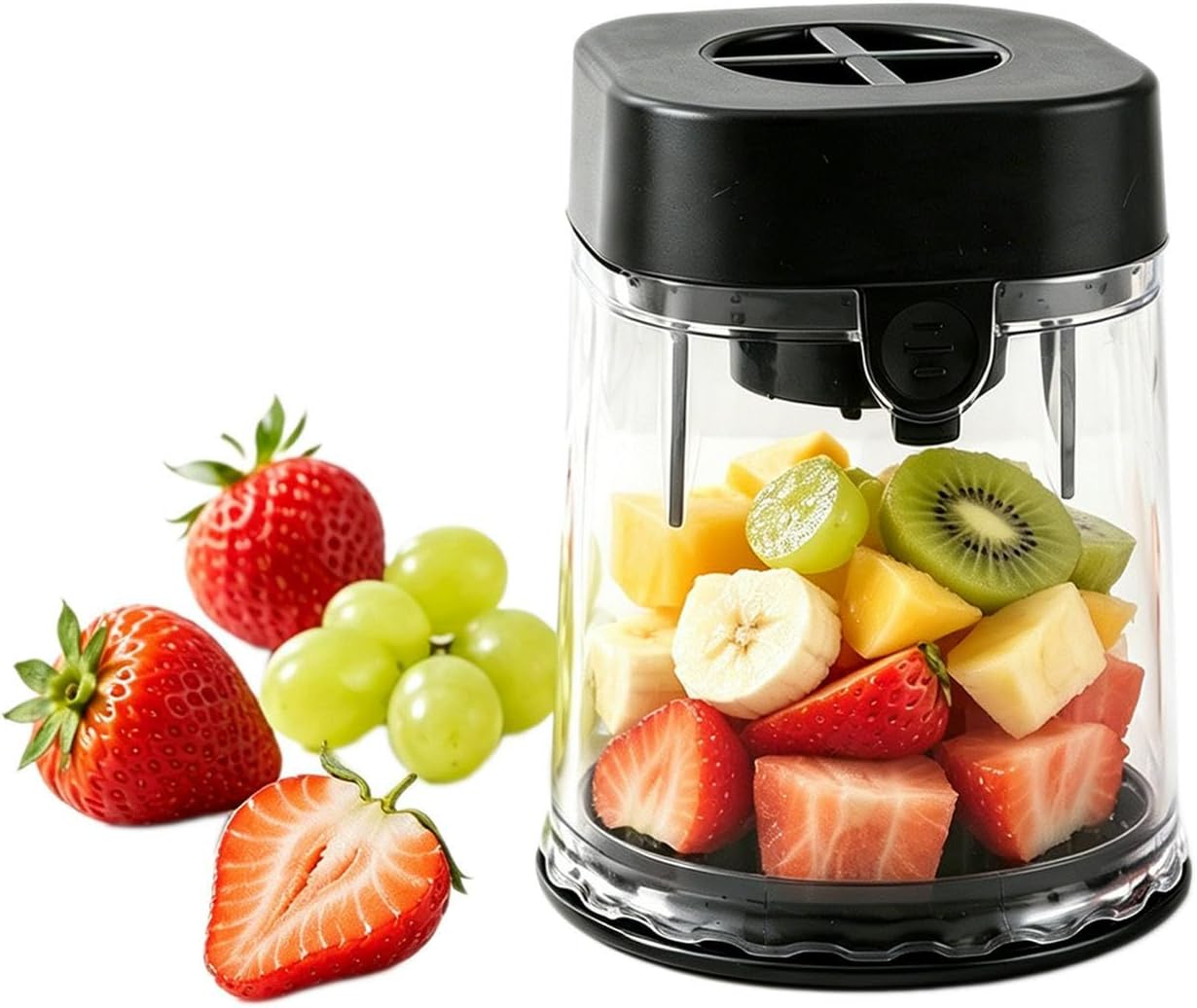
Navigating the sea of kitchen gadgets claiming to revolutionize your cooking can be a headache. This guide cuts through the noise, focusing specifically on the vegetable chopper market, with a keen eye on a particular type: the 2-in-1 fruit slicer cup, often marketed as a strawberry slicer dicer with a lid and stainless steel blades. We’re here to help you figure out if this detachable kitchen gadget for banana, strawberry, grape, egg, and vegetable salad is actually a smart buy for your kitchen routine, or just another dust collector. No fluff, just practical insights for the savvy home cook.
Quick Answer
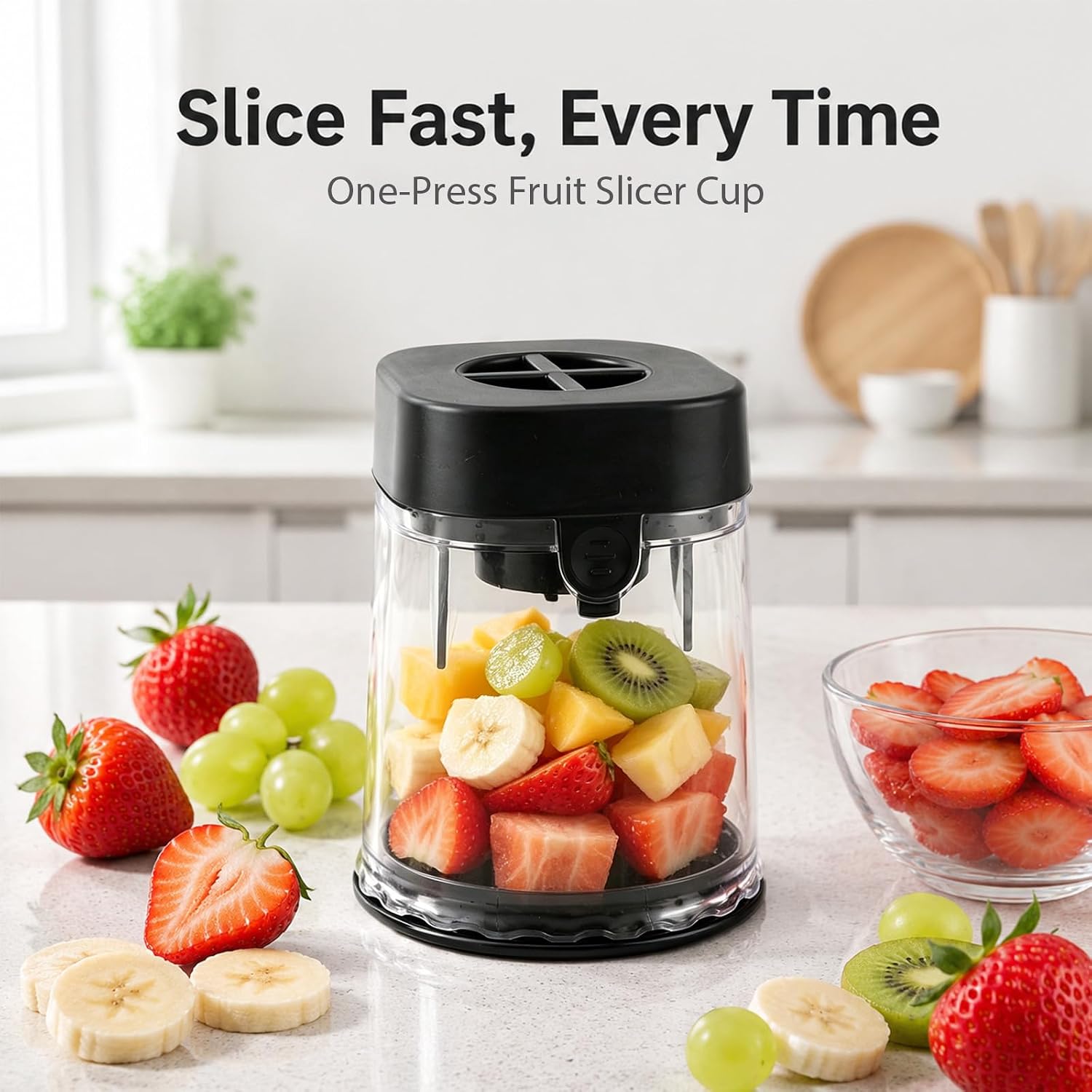
For most casual home cooks looking to speed up simple, repetitive prep tasks like slicing strawberries or dicing eggs for salads, a dedicated 2-in-1 fruit slicer cup can be a handy, budget-friendly addition. It excels at specific, softer foods, offering more consistency and less mess than a knife, though don’t expect it to replace your chef’s knife for tougher vegetables or complex cuts. It’s a specialist tool, not a generalist.
What to Look For (The Buying Criteria)
When you’re eyeing one of these compact vegetable choppers – the kind that promises easy slicing and dicing, often with a built-in cup – there are a few non-negotiables. Ignore these, and you might end up with buyer’s remorse faster than you can say “chopped salad.”
First up, Blade Material and Sharpness. You’re looking for stainless steel, period. Anything less is asking for rust, dullness, and frustration. Seriously, I’ve seen too many gadgets with flimsy blades that bend or dull after a few uses, making them more of a hindrance than a help. The promise of “stainless steel blades” isn’t enough; consider the gauge or thickness. Thicker blades tend to hold up better to repeated pressure, especially when you’re pushing through something a bit firmer than a ripe strawberry, like a hard-boiled egg or a cucumber. A key limitation here: even the sharpest stainless steel in these choppers won’t compare to a good chef’s knife for precision or longevity without regular sharpening. And let’s be real, you’re probably not sharpening your little slicer cup blades.
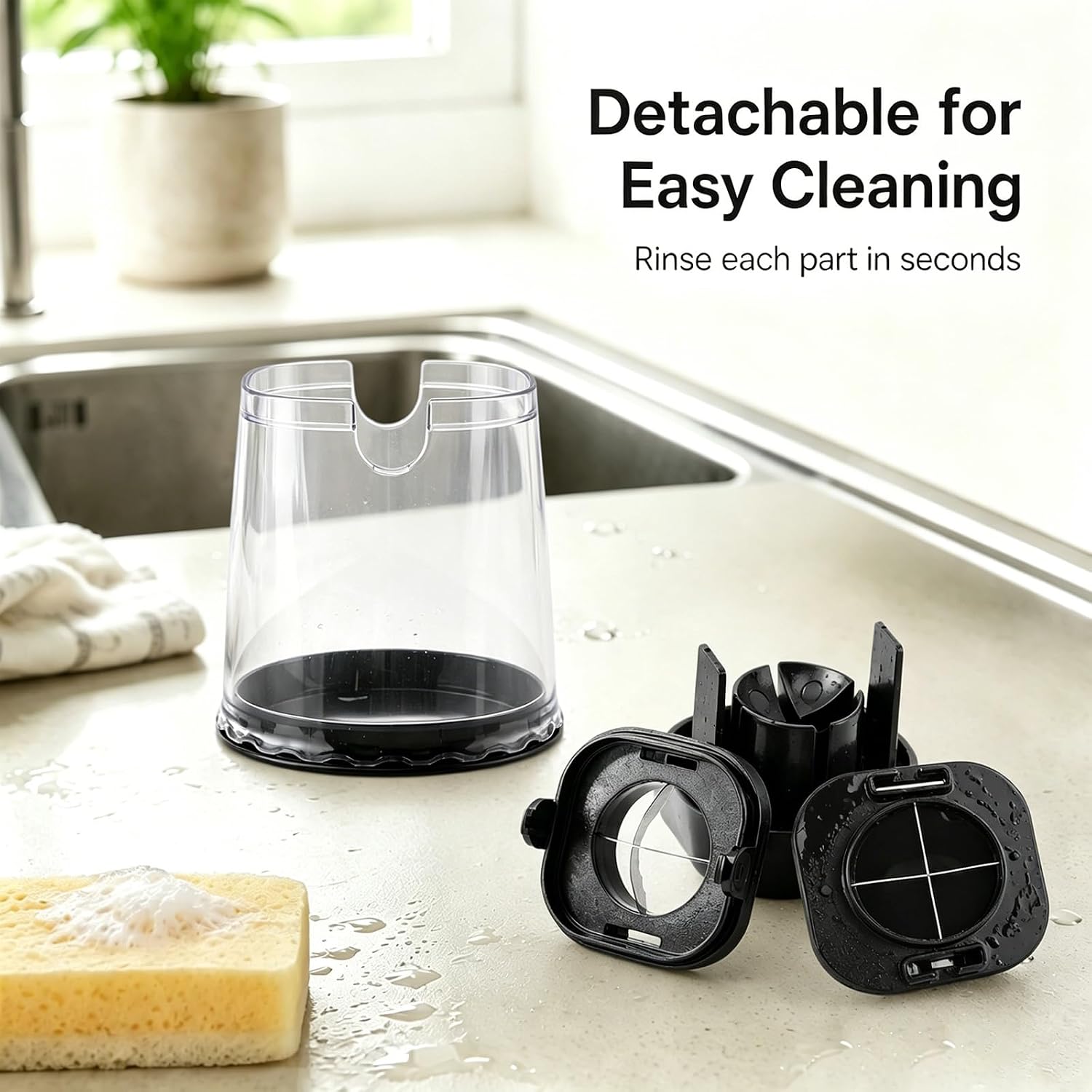
Then there’s Design and Detachability for Cleaning. This is huge. If it’s a pain to clean, you won’t use it. The ideal strawberry slicer dicer will have a design where the blades, the push plate, and the collection cup all come apart easily. Think about food getting stuck in tiny crevices – because it will. Dishwasher safe components are a massive plus. If it’s got too many nooks and crannies that require a toothpick and a magnifying glass to clean, you’ll reach for your knife every time. This is a common pitfall; some designs look slick but trap food like nobody’s business.
Capacity of the Collection Cup also matters, especially if you’re prepping for more than just a single serving. These devices usually come with a built-in cup to catch your sliced or diced food. Is it big enough for a family salad, or just a personal snack? A larger capacity means less frequent emptying, which, while seemingly minor, adds up during meal prep. However, a larger cup can also mean a bulkier footprint in your already crowded kitchen drawers. It’s a trade-off.
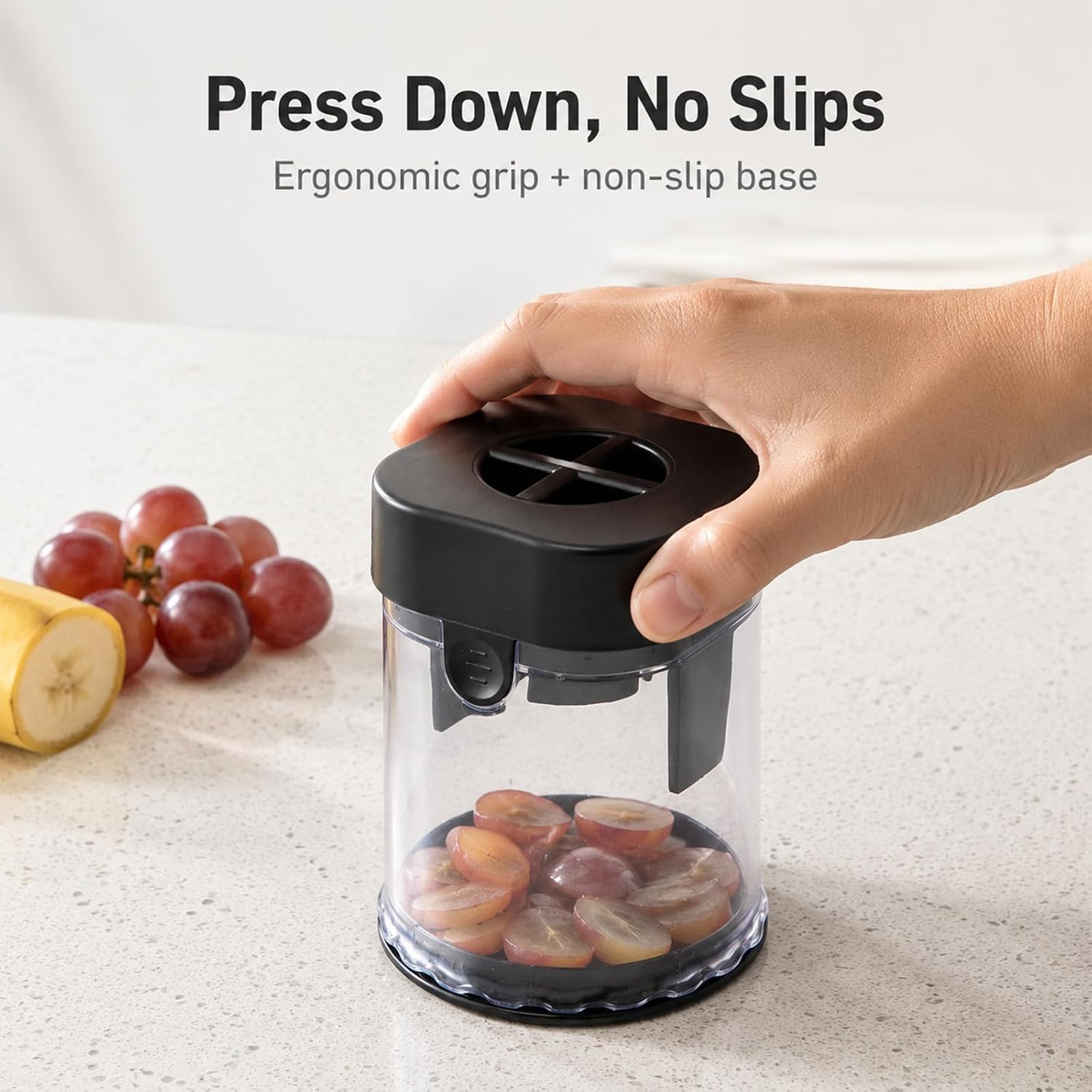
Consider the Stability and Ergonomics of the design. How does it feel in your hand? Does it have a non-slip base or feet? You’re applying downward pressure, and you don’t want the thing sliding all over your counter. A comfortable grip on the top pusher and a stable base for the cup are crucial for both safety and ease of use. Some models are surprisingly top-heavy or have awkward handles. Nobody wants a wobbly slicer.
Finally, think about Versatility of Blade Inserts/Attachments. The “2-in-1” in the name often implies both slicing and dicing, perhaps with interchangeable inserts. Can it handle different sizes or types of cuts beyond just a simple slice or dice? If you only eat strawberries and bananas, a basic single-function model might suffice. But if you want to dice up some peppers for a stir-fry or slice mushrooms for a pizza, look for a model that clearly offers multiple blade grids. Be warned, though: more attachments mean more pieces to store, and potentially more complexity when assembling or cleaning. Is all that extra kit really something you’ll use regularly? Or will it just languish in a drawer? Honestly, I’ve seen people spend way too much on features they never use.
How to Match the Product to Your Situation
This isn’t a one-size-fits-all gadget. Your lifestyle dictates whether this detachable kitchen gadget earns its spot.
The Busy Meal Prepper: You’re all about efficiency. Weekends are for prepping salads, fruit bowls, and egg-based snacks for the week ahead. For you, a 2-in-1 fruit slicer cup with a larger collection capacity and multiple, easily interchangeable stainless steel blades for both dicing and slicing would be the ticket. Look for robust construction, especially in the pushing mechanism, because you’ll be putting it through its paces often. It needs to stand up to repeated use without flexing or failing. Speed is your game, and this can deliver consistent cuts quickly for softer items.
The Casual Cook & Snack Enthusiast: You mostly want to quickly slice a banana for cereal, dice a strawberry for yogurt, or prepare a quick hard-boiled egg for a snack. You aren’t processing industrial quantities. For you, a simpler, perhaps more compact strawberry slicer dicer is probably sufficient. Focus on ease of cleaning above all else, and a durable but basic set of blades. You don’t need all the bells and whistles, just reliable performance for those quick, everyday tasks. A smaller footprint might be more important for your limited counter or storage space.
The Salad Lover: Your salads are legendary. They’re packed with fresh fruits and veggies, and you want consistent, appealing cuts without spending forever with a knife. You’d benefit from a vegetable chopper that offers a good range of dicing and slicing options, perhaps with different grid sizes. The lid for the collection cup is a bonus for you, allowing you to prep and store a component directly. Durability of the cutting mechanism is key; you’ll be using it frequently. You might even consider having a dedicated one for fruits and another for vegetables to avoid flavor transfer or just because you appreciate specific tools for specific jobs.
Types of Fruit & Vegetable Choppers Compared
| Type/Tier | Best For | Price Tier | Key Feature | Watch-Out |
|---|---|---|---|---|
| Basic Slicer Cup | Single-item slicing (e.g., bananas, eggs) | Budget-friendly | Simplicity, ease of storage | Limited versatility, may struggle with harder items |
| 2-in-1 Dicer/Slicer | Quick prepping of soft fruits/veg for salads | Mid-range | Interchangeable blades, integrated catch cup | Cleaning small grid spaces can be a hassle, often not for firm root vegetables |
| Multi-Blade Chopper | Diverse dicing/slicing for meal prep, salads | Mid-range | Multiple grid sizes, robust pushing mechanism | Takes up more counter/storage space, blades can be tricky to clean thoroughly |
| Lever-Press Commercial Style | Volume prep, uniform dicing for caterers | Premium | High efficiency, heavy-duty construction | Very bulky, overkill for most home kitchens, significantly more expensive |
A basic slicer cup is designed for straightforward tasks, like quickly getting uniform banana slices for oatmeal, but don’t expect it to do much else.
The 2-in-1 dicer/slicer is your typical strawberry slicer dicer with an attached container, great for making short work of small batches of softer foods for salads or snacks, but its limitations appear quickly when faced with a tougher item.
Multi-blade choppers expand on this, often with more blade options for different dice sizes or even julienne, offering more versatility for a broader range of meal prep, but they demand a bit more dedication to clean.
The lever-press commercial style choppers are heavy-duty beasts, fantastic for uniformly dicing a large batch of onions or potatoes, but their sheer size and cost make them impractical for most home cooks; they’re really for a different league of use.
Specific Scenarios Where a Slicer Cup Shines (or Stumbles)
Let’s get down to the brass tacks of when you’d actually pull out this specific kitchen gadget.
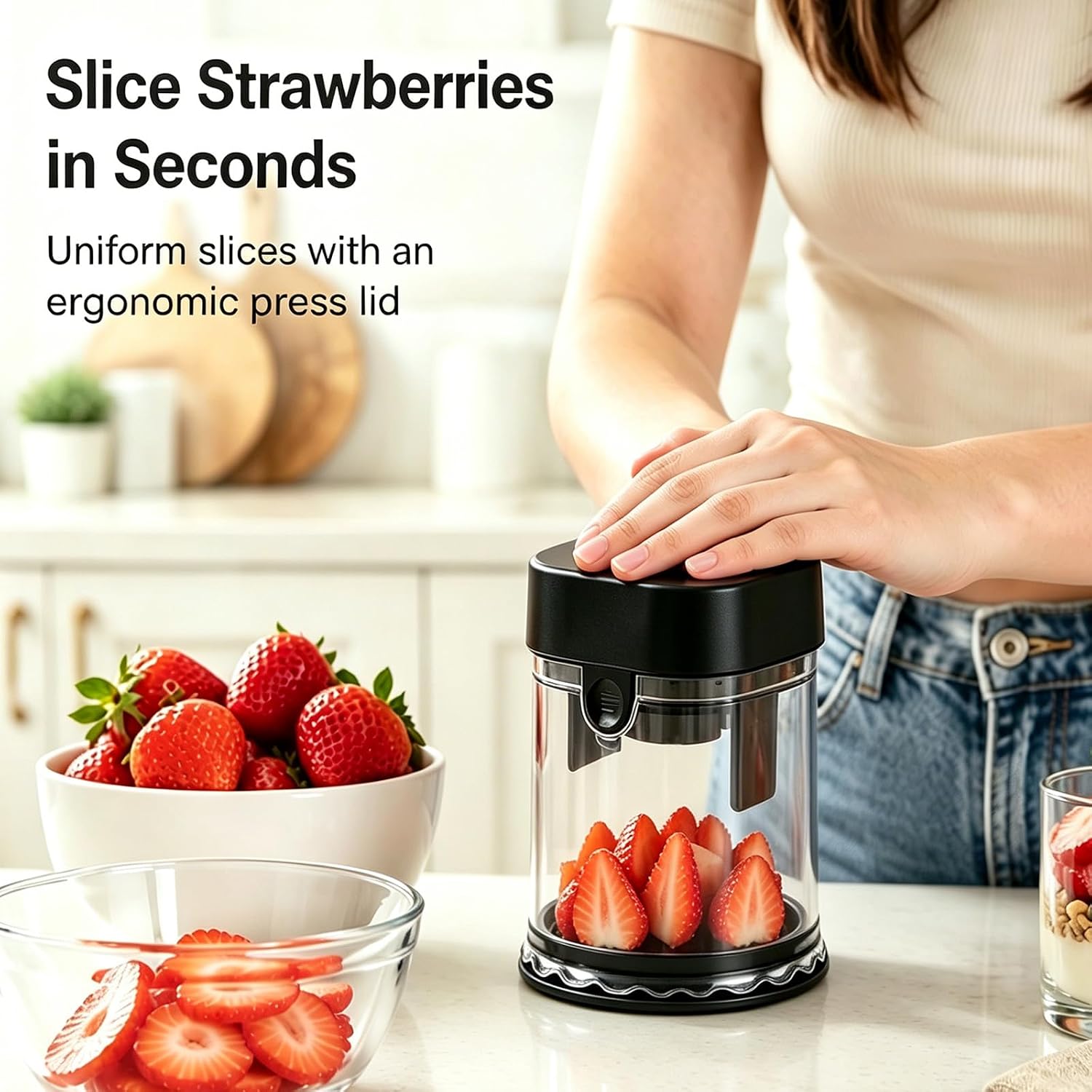
For the Morning Rush: You’re bleary-eyed, coffee hasn’t kicked in, but you want some fresh fruit on your yogurt or cereal. Reaching for a banana slicer that’s part of a 2-in-1 fruit slicer cup is a no-brainer. Quick, consistent slices with minimal effort. No knife to wash, no cutting board to clean. This is where the gadget genuinely saves you precious minutes and mess. You push, it slices, done. But if you’re trying to slice an apple, you’ll be disappointed.
Weekly Salad Prep: Sunday afternoon, you’re getting ahead for the week. You’ve got a dozen hard-boiled eggs, a carton of strawberries, a bunch of grapes, and a few cucumbers. A detachable design with a dicing grid can quickly break down the eggs and strawberries into uniform pieces. This consistency actually makes your salads look more appealing and ensures a balanced bite. For the cucumbers, it’ll work for dicing, but thicker slices might require a different approach or a very specific blade insert. It’s not going to dice a raw carrot with any grace, if at all.
Kid-Friendly Snacking: Getting kids to eat fruit can be a challenge. Uniform, bite-sized pieces are often more appealing. A strawberry dicer or banana slicer makes quick work of preparing those small, safe pieces. It’s often safer for older kids to help with prep too, under supervision, than wielding a sharp knife. Just don’t let them try to force a really firm piece of fruit through; that’s when things can go sideways, potentially bending blades or snapping plastic. Set expectations for what it can handle.
Common Mistakes Buyers Make with these Vegetable Choppers
People often get a little too enthusiastic about what these gadgets can do. It’s a common story.
One big one: Assuming It’s a Universal Chopping Machine. Nope. While it might be called a vegetable chopper, a compact 2-in-1 fruit slicer cup with stainless steel blades is primarily designed for softer items. Trying to force a raw sweet potato, a large onion, or a thick piece of ginger through its delicate grids is a recipe for disaster. You’ll bend blades, crack the plastic frame, and likely injure yourself. Understand its limitations; it’s a specialist.
Another mistake is Neglecting Immediate Cleaning. Food, especially sticky fruit pulp or egg yolk, dries quickly and becomes incredibly stubborn. Those tiny holes in the dicing grid? They become cement. The minute you’re done, disassemble that detachable kitchen gadget and rinse it under running water. A small brush (sometimes included, sometimes you need to find one) is your friend for dislodging trapped bits. If you let it sit, you’re signing up for a scrubbing nightmare.
Then there’s Overfilling the Slicing/Dicing Area. Just because the cup is large doesn’t mean you should pile up a mountain of strawberries before pushing. Too much food at once creates uneven pressure, leading to squashed, bruised pieces instead of neat cuts, and puts undue strain on the mechanism. Work in small, manageable batches. It takes a tiny bit longer but yields far superior results and extends the life of your gadget.
Lastly, Ignoring Blade Care. These aren’t indestructible. While they are stainless steel, they can still dull or corrode if not properly maintained. Avoid putting them through extremely harsh dishwasher cycles if the plastic feels flimsy, and certainly don’t use abrasive scrubbers directly on the cutting edges. Proper care means they’ll keep that relatively sharp edge for longer, which really matters for clean cuts.
Why/How/What
Why bother with a strawberry slicer dicer when you have a knife?
Honestly, it comes down to consistency and speed for specific tasks. A knife requires skill and practice to achieve perfectly uniform slices or dice, especially when you’re doing a lot of them. This gadget delivers that consistency with a simple press, significantly reducing prep time for things like fruit salads, egg salads, or garnishes. It’s a particular niche, but a valuable one for many home cooks.
How do I get the cleanest cuts from my 2-in-1 fruit slicer cup?
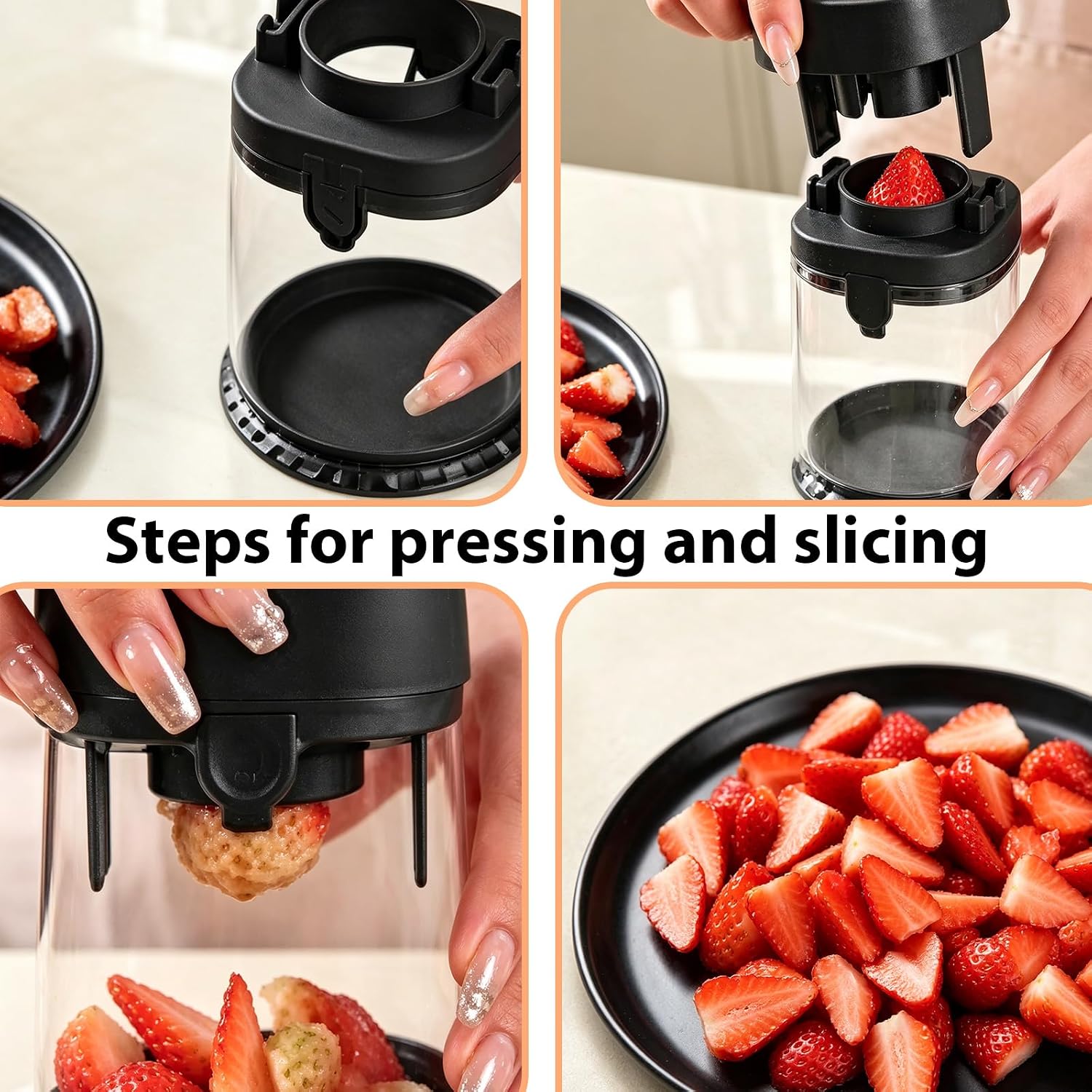
The trick is ensuring your produce is the right temperature and firmness. For instance, soft fruits like ripe strawberries or bananas should be firm but not mushy. Hard-boiled eggs should be completely cooled. Place the item centrally on the blade grid, apply even, firm pressure straight down, rather than at an angle. Don’t twist. Just a steady, decisive push.
What are the absolute no-go items for this kind of vegetable chopper?
Absolutely avoid very hard, dense vegetables like raw carrots, potatoes, or sweet potatoes. Also, steer clear of anything with a tough skin unless it’s very thin and pliable, like a peeled cucumber. Items with seeds that are meant to be removed, like bell peppers, can also be messy if the seeds get jammed in the blades. Think soft-to-medium firmness, seedless (or easily seed-removed) items.
FAQ
Q: Can this detachable kitchen gadget really handle all the items listed, like grapes and eggs?
A: Yes, it’s generally designed to handle softer items such as grapes, hard-boiled eggs, strawberries, and bananas quite well. The key is their relative softness and uniform texture.
Q: Will the stainless steel blades rust over time?
A: While they are stainless steel, which resists rust, they aren’t entirely rust-proof, especially if left wet or exposed to harsh cleaning chemicals for extended periods. Proper drying after washing is crucial to prolong their life.
Q: Is it difficult to clean the dicing grid on a strawberry slicer dicer?
A: It can be a bit finicky. Food often gets stuck in the small squares. That’s why a completely detachable design and a small cleaning brush (often supplied) are so important. Rinse it immediately after use.
Q: Can I use this vegetable chopper to make smaller dice from already diced vegetables?
A: No, not really. It’s designed for one pass through a whole, appropriately-sized piece of food. Trying to re-chop smaller pieces will likely result in mush rather than finer dice.
Q: How much counter space does a 2-in-1 fruit slicer cup typically take up?
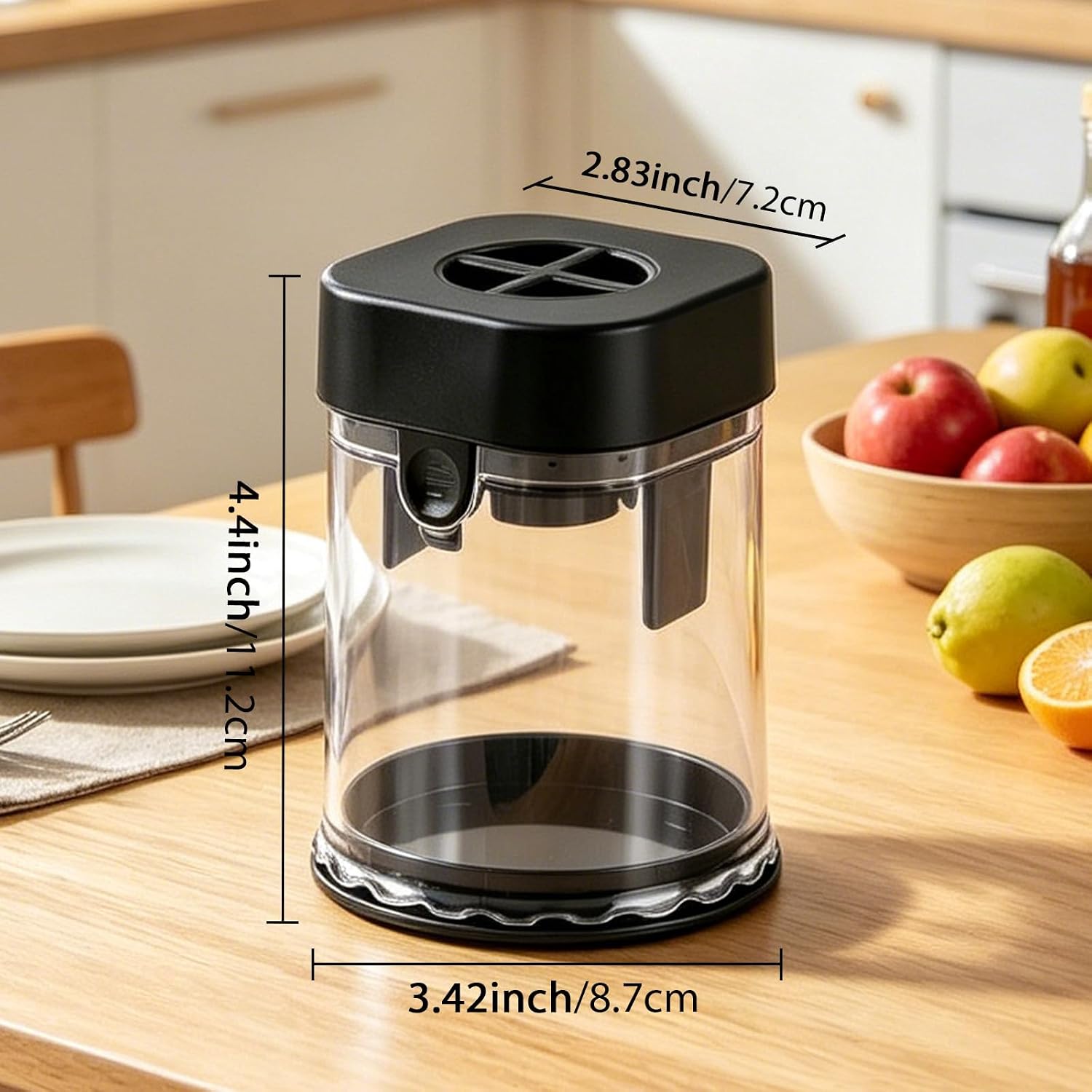
A: Most models are quite compact, designed to fit easily in a drawer or cupboard. They usually have a smaller footprint than a full-sized food processor or a mandoline.
Q: What’s the biggest benefit of having a banana slicer built into one of these?
A: Speed and uniformity. If you frequently add banana slices to oatmeal, yogurt, or fruit salads, it delivers consistent, visually appealing slices far faster than using a knife and cutting board, with less mess.
Q: Are these types of gadgets durable enough for daily use?
A: It really depends on the construction quality. A well-made model with sturdy plastic and thick stainless steel blades can hold up to daily use for its intended purpose (soft foods). Cheaper versions might crack or dull quickly.
Final Recommendation
So, should you get one of these 2-in-1 fruit slicer cup, strawberry slicer dicer with lid & stainless steel blades, detachable kitchen gadget for banana strawberry grape egg vegetable salad contraptions? If you’re someone who regularly preps salads, fruit bowls, or makes egg salad, and you prioritize speed and consistent cuts for softer ingredients, then absolutely. It’s not a replacement for your core knives, nor will it handle every vegetable in your crisper drawer. But as a specialist tool for repetitive, softer slicing and dicing, it genuinely streamlines those specific tasks. Go for a mid-range model with genuinely sturdy stainless steel blades and a design that practically disassembles itself for cleaning. That’s where you’ll find the sweet spot of value and utility.
#2in1 #Fruit #Slicer #Cup #Strawberry #Slicer #Dicer #Lid #Stainless #Steel #Blades #Detachable #Kitchen #Gadget #Banana #Strawberry #Grape #Egg #Vegetable #Salad #Black