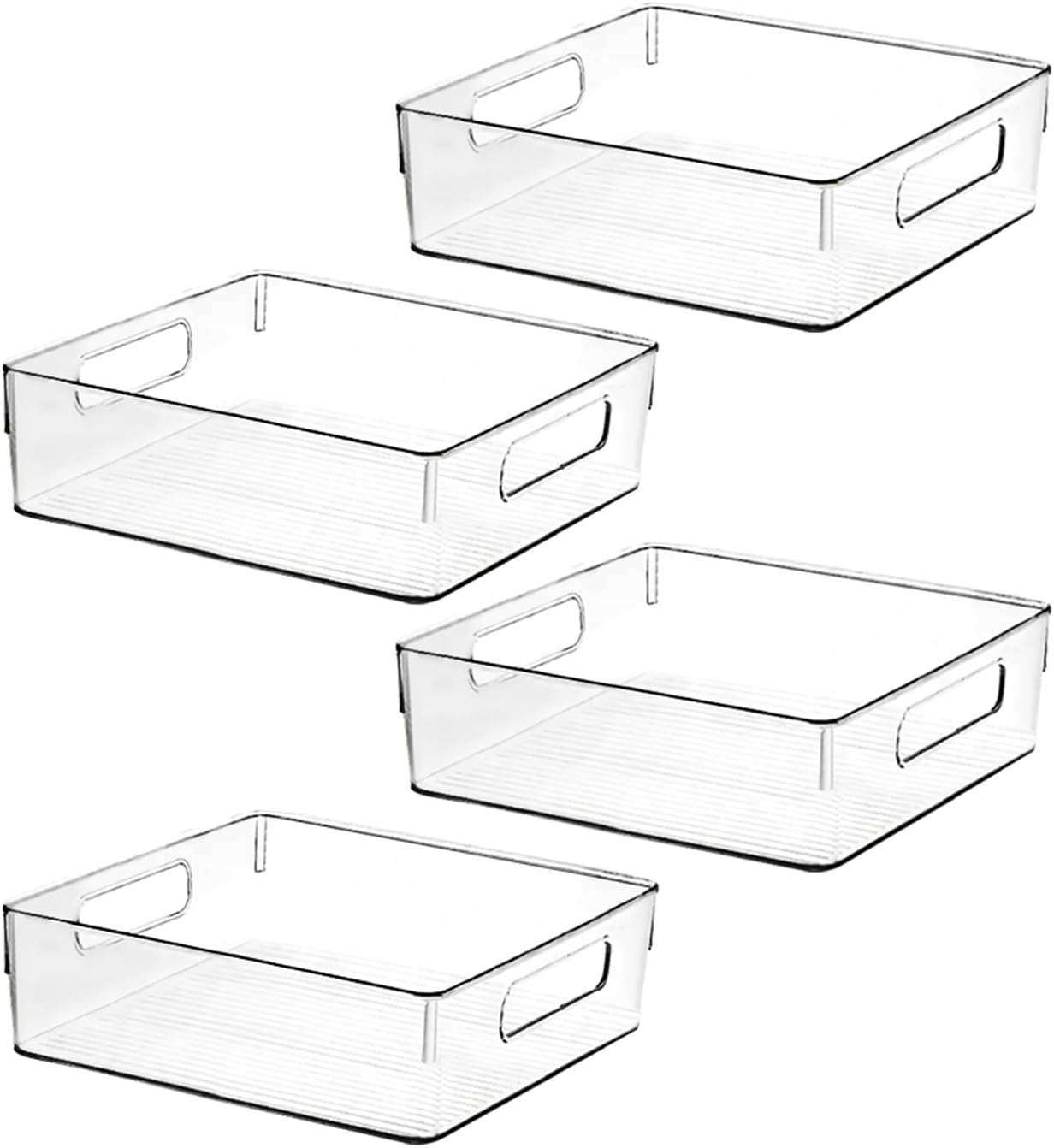
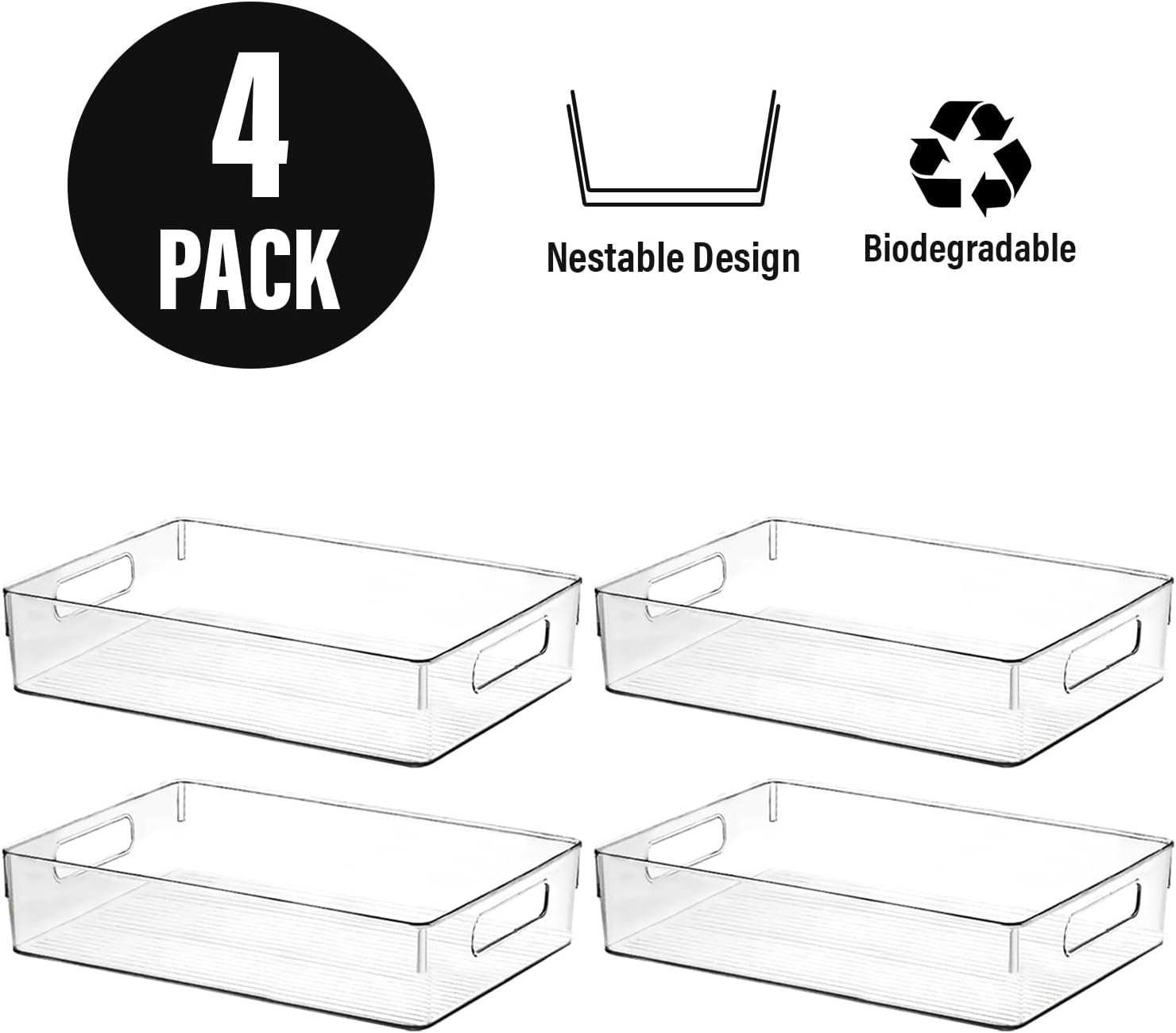
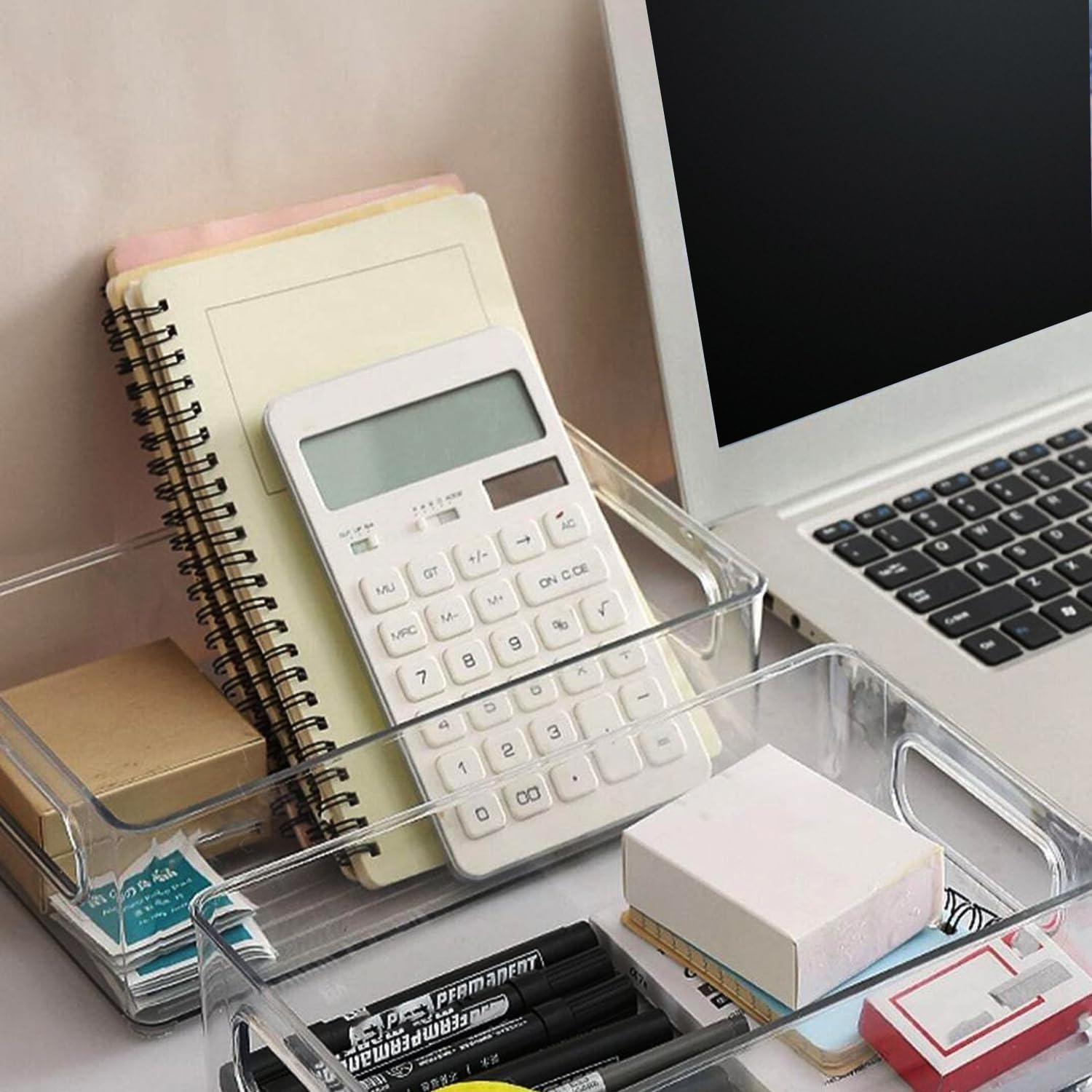
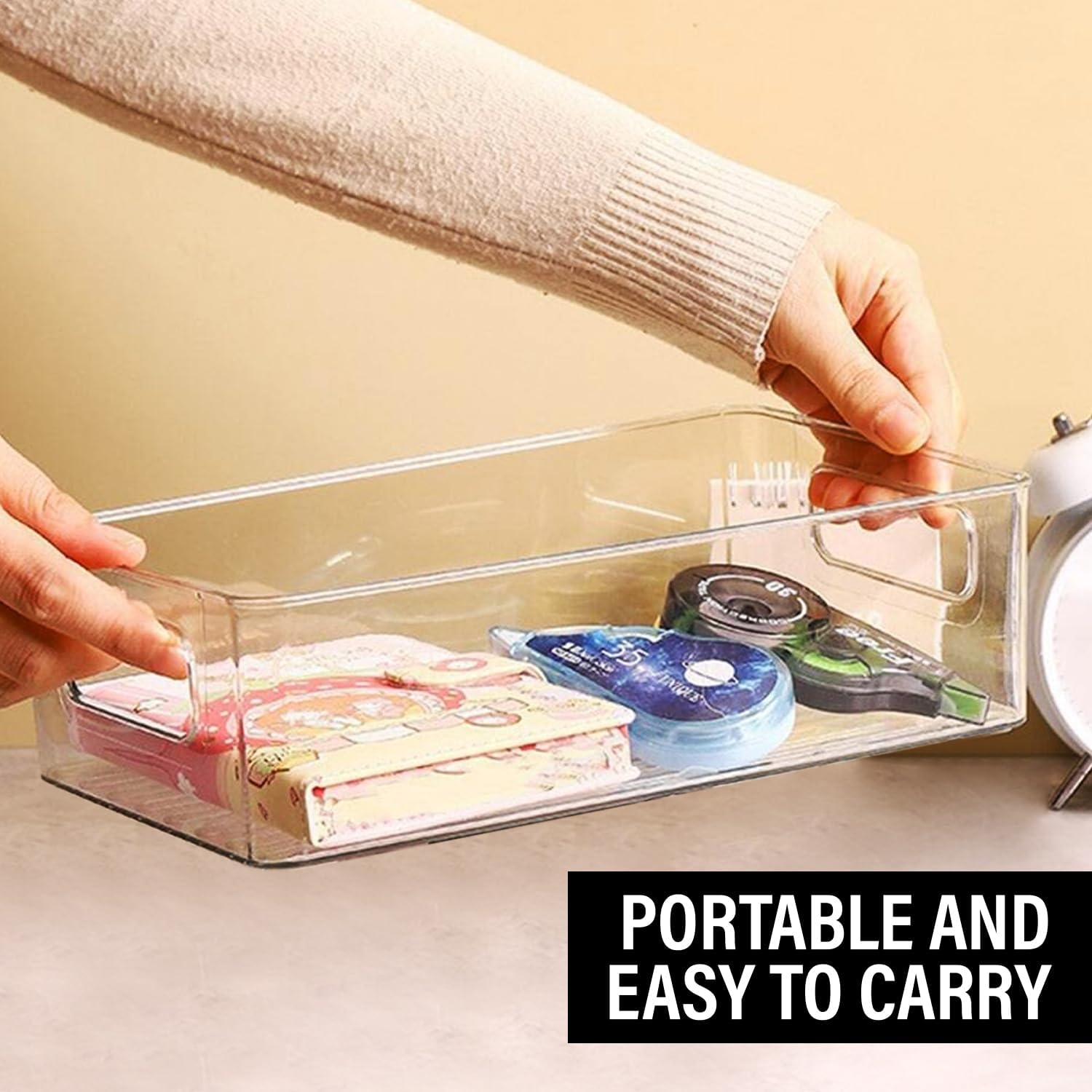
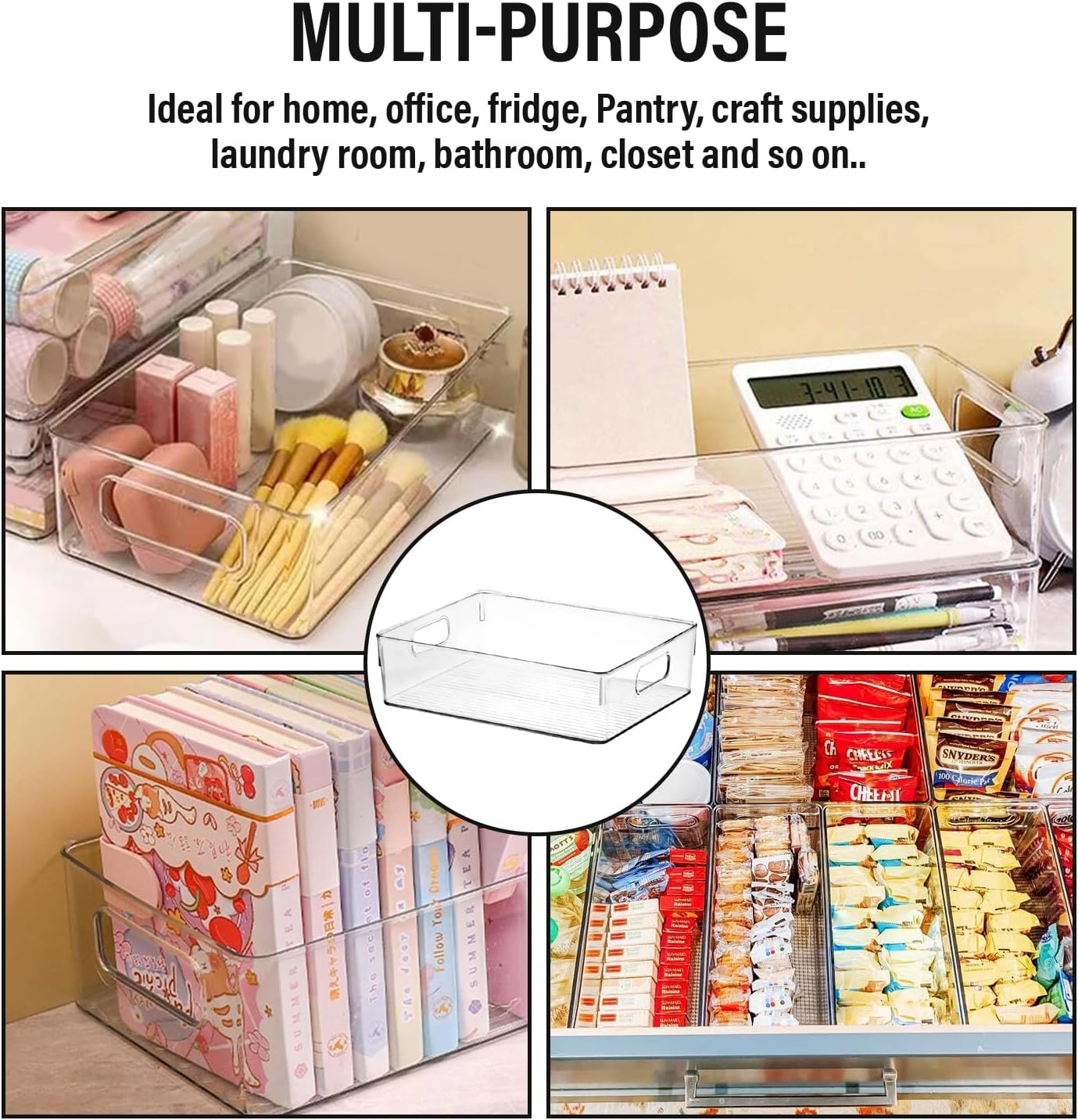
Your Go-To Guide for Pantry Storage Containers and Clear Organizers
Staring into a messy pantry? You’re not alone. This guide is for anyone who’s ever wasted food because it got lost in the back, or bought duplicates because they couldn’t see what was there. We’re diving deep into pantry storage containers and how these clear plastic bins can transform your kitchen, fridge, freezer, and even those awkward spots like the bathroom or medicine cabinet. It’s about smart organization, not just pretty pictures.
Quick Answer
For genuinely effective pantry organization, prioritize clear plastic storage bins with good, reliable lids, ensuring a modular and stackable design. Focus on matching container types to your specific items and available space, opting for durable, BPA-free plastic models that are easy to clean. Don’t overspend on features you won’t use.
What to Look For (The Buying Criteria)
Navigating the world of pantry organizers can feel overwhelming. So many options! But truth be told, a few core factors really make the difference between containers that help and those that just add to the clutter. Don’t just grab the cheapest thing you see.
Material Quality and Safety
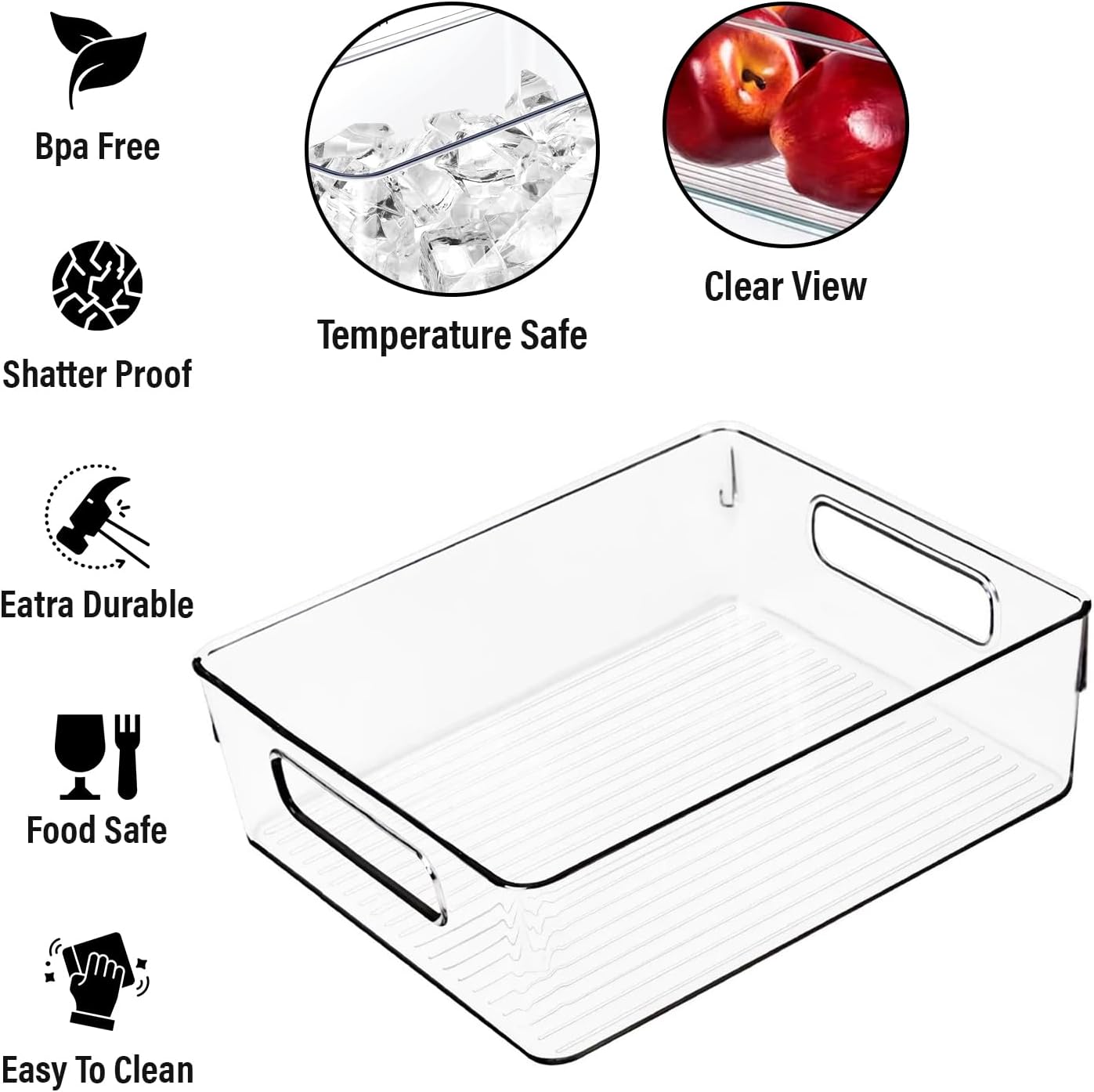
Look, almost everything here is plastic. But not all plastics are created equal. You want clear plastic storage bins that are sturdy, not flimsy, because they’ll be holding anything from flour to cans. Transparency is key, naturally, so you can easily spot what’s inside. Beyond that, always check for BPA-free plastic. This isn’t just a marketing buzzword; it’s about food safety, especially if you’re storing dry goods long-term or plan to reuse them endlessly. Some cheaper plastics can cloud over time, or crack if you drop them. A robust material will stand up to daily use, the occasional bump, and repeated washing. It’s a small detail, but a crucial one.
Lid Security and Airtightness
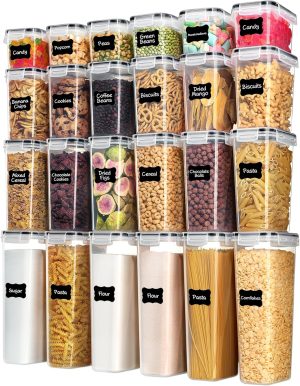
This is where many systems fall apart, honestly. A lid that just sits on top might be fine for spices you use constantly, but for cereals, pasta, or sugar? You need something that forms a proper seal. We’re talking airtight seals here. This isn’t just about preventing spills; it’s about keeping food fresh, warding off pests, and protecting against moisture. There are various lid types: snap-on, flip-top, press-down, and even vacuum-seal. Snap-on lids are common, but check reviews—some are a wrestling match to get on and off. Flip-tops offer quick access, but rarely achieve a truly airtight seal. Press-down lids can be really effective for dry goods, providing a solid barrier. Think about what you’re storing. Flour needs more protection than, say, individually wrapped granola bars. A weak lid is often the biggest design flaw in budget-friendly containers.
Stackability and Modularity
Space is precious. No matter how big your pantry, it never feels big enough. That’s where a stackable design comes in. Containers should nest neatly, both when full and when empty for storage. Even better is a modular system where different sizes share the same footprint or multiples of it. This allows for a clean, cohesive look and lets you maximize vertical space without a bunch of awkward gaps. You want containers that don’t just sit on top of each other, but actually interlock a bit, preventing shifting and toppling. Nothing’s more frustrating than a tower of bins collapsing when you grab the one on the bottom.
Ease of Cleaning
You’re storing food, so hygiene is a big deal. Are the containers easy to wash? Many clear plastic bins are advertised as “dishwasher-safe,” but sometimes that means top-rack only, and even then, some plastics can warp or degrade over time in a hot dishwasher. Handwashing might extend their life, but who wants to handwash every single container and lid? Look for designs without intricate nooks and crannies where food can get stuck. Lids, especially those with rubber gaskets, need to be easily disassembled for thorough cleaning to prevent mold and funky odors. If it’s a hassle to clean, you just won’t do it as often. And that’s a problem.
Size and Shape Variety
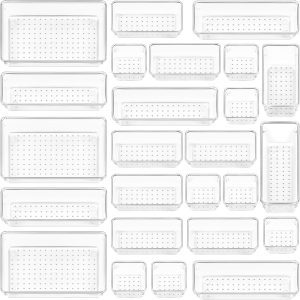
Think about what you actually buy. Do you buy rice in 5-pound bags? Then you need a big container. Single-serving snacks? Smaller ones. A good kitchen organization system relies on having the right size for the job. You’ll find everything from tiny medicine cabinet organizer bins for vitamin bottles to gallon-plus containers for flour. Rectangular and square shapes are generally more efficient for pantry shelves and fridge organization than round ones, as they waste less space. It’s often a smart move to grab a starter set with various sizes, then purchase individual pieces as you figure out your specific needs. What if you end up with too many large bins and no small ones? Happens all the time.
Versatility Beyond the Pantry
While we’re talking pantry storage containers, don’t forget these things are often multi-purpose organizers. The best ones aren’t just for dried pasta. Many are perfectly suited for fridge organization, keeping produce separate and visible. Others are designed for freezer storage, handling temperature changes without cracking (though always check specific product details for freezer safety). And those smaller bins? They can be a godsend for bathroom storage, tidying up toiletries, or, as mentioned, making your medicine cabinet actually usable. The more places a container can work, the better value it offers. Why buy specialized items when one good system can do it all?
How to Match the Product to Your Situation
Your ideal food storage containers depend entirely on your lifestyle and what you’re trying to achieve. One-size-fits-all? Rarely.
Persona 1: The Bulk Buyer & Avid Cook
You’re constantly baking, cooking from scratch, and buying staples in larger quantities. Think 10-pound bags of flour, big sacks of sugar, dried beans, rice, and oats. For you, airtight seals aren’t a luxury; they’re a necessity to prevent spoilage and keep ingredients fresh. You’ll need durable, larger-capacity clear plastic storage bins designed for heavy-duty use. Look for robust construction, easy-to-clean materials that can handle constant refilling, and solid, reliable lid mechanisms. Forget the flimsy stuff. You don’t want to deal with a broken seal halfway through a massive baking project. Investing in a premium modular system with a few larger units and some mid-sized ones will save you money and headaches in the long run.
Persona 2: The Snack Stasher & Family Organizer
Life with kids (or even just hungry adults) means a constant rotation of snacks, cereals, and quick-grab items. You need easy access, visual clarity, and containers that can withstand a bit of rough handling. Stackable design is still important for space, but maybe less emphasis on extreme airtightness for things that get eaten quickly. Think varied sizes for crackers, cereal, individual snack bags, and lunchbox components. Look for bins with easy-open lids that aren’t a puzzle to operate, yet still offer enough protection to keep contents from going stale too fast. Mid-range pantry organizers that prioritize clear visibility and quick grabs are your friend here. Durability for everyday bumps and drops? A bonus.
Persona 3: The Minimalist & Aesthetic Seeker
For you, kitchen organization isn’t just about function; it’s about creating a calm, visually appealing space. You want everything uniform, sleek, and perfectly aligned. The “clear acrylic containers” look, or something very similar, is probably what you’re after. Premium options often offer superior clarity, more sophisticated lid types, and a refined, uniform aesthetic that makes your pantry feel less like storage and more like a curated display. Modular system uniformity is paramount. While some might consider this “overkill,” the visual consistency itself can be a powerful motivator for keeping things tidy. You’ll likely prioritize materials that stay crystal clear and resist scratching, even if it means a higher initial cost. It’s about that feeling of zen when you open the cupboard.
A Comparison of Storage Container Tiers
| Type/Tier | Best For | Price Tier | Key Feature | Watch-Out |
|---|---|---|---|---|
| Basic Utility Bins | Bulky, non-perishable items, garage/utility storage | Budget-friendly | Simple, open designs or basic snap lids | Often not truly airtight; may not stack perfectly or consistently. |
| Mid-Range Modular Systems | Everyday pantry staples, good overall organization | Mid-range | Reliable stacking, decent seals, various sizes | Lids can be finicky; material clarity might degrade over time. |
| Premium Airtight Containers | Freshness-critical items, full pantry overhaul, aesthetic appeal | Premium | Superior seals, robust materials, crystal clarity | Higher initial cost; some designs can be bulky and take up counter space. |
| Specialty Organizers | Specific items (produce, eggs, narrow spaces) | Mid-to-Premium | Purpose-built features like removable dividers or specific shapes | Limited flexibility for other uses; can be expensive for a single item. |
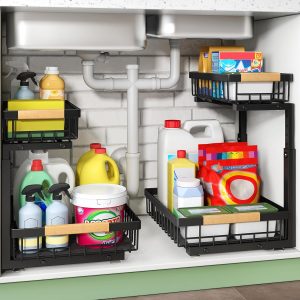
Basic utility bins are fantastic for things you don’t need sealed, like cleaning supplies under the sink, or extra paper towels. Mid-range modular systems strike a solid balance, providing good function for most daily needs without breaking the bank. If keeping flour fresh for months is your goal, or you want a truly elegant pantry, premium airtight containers are the way to go, but they’re an investment. And specialty organizers? They solve very specific problems, but don’t expect them to be your all-around solution.
Before You Buy: Practical Considerations
Look, I’ve seen people spend way too much on features they never use, or buy a whole matching set only to realize half of it doesn’t fit anything they actually eat. Don’t be that person.
Measure Your Space
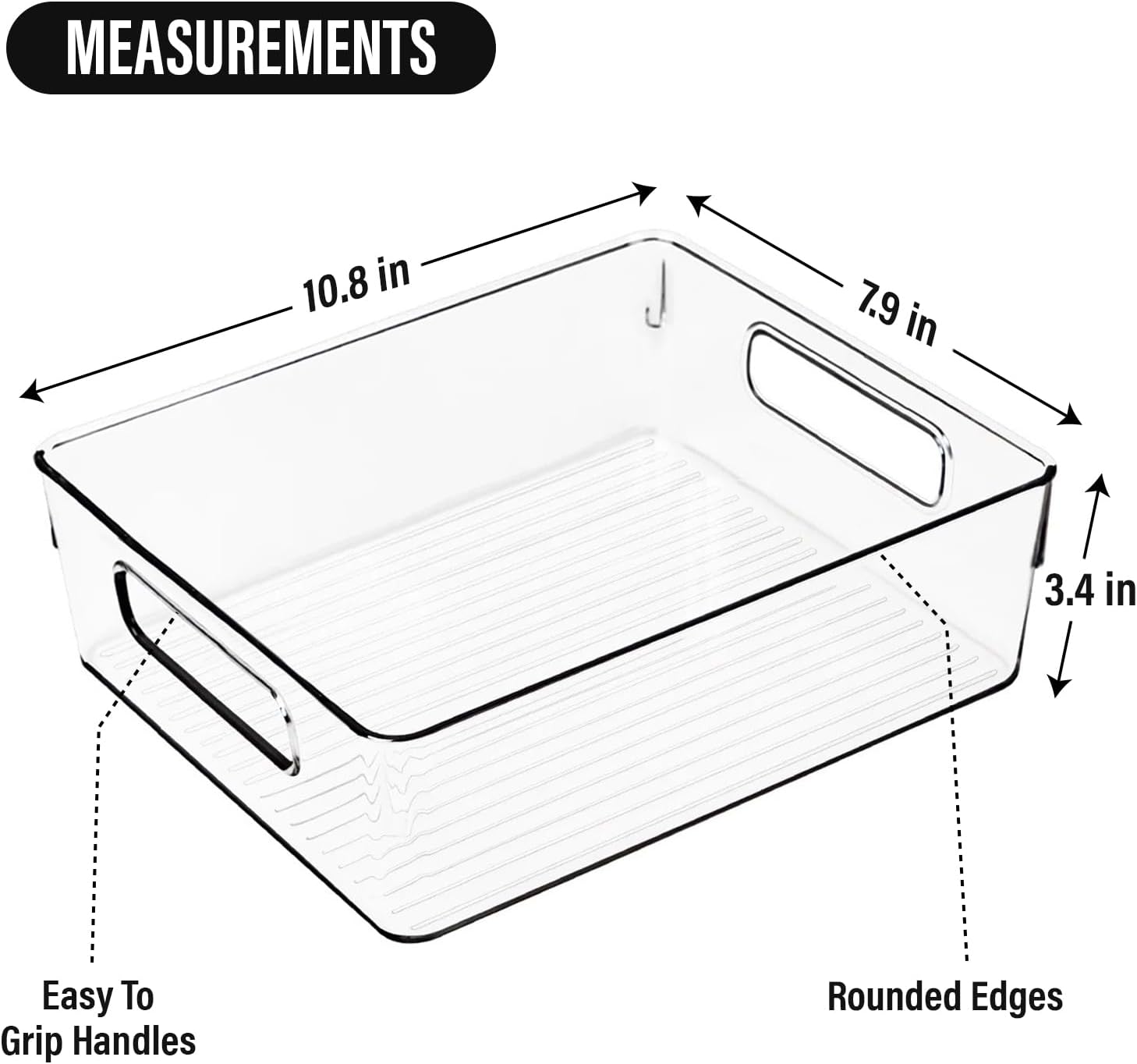
This sounds so obvious, right? Yet, it’s the most overlooked step. Before you even think about buying pantry storage containers, grab a tape measure. Get the depth, width, and height of your shelves. Measure your fridge. Check your freezer compartments. Seriously. Write it down. There’s nothing more frustrating than bringing home a beautiful set of clear plastic storage bins only to find they’re an inch too deep for your narrow pantry shelf or too tall for the fridge door. Wasted money, wasted time. Don’t guess.
Inventory Your Items
What actually needs storing? Make a list of your most common pantry staples. How much rice do you usually have on hand? How many boxes of pasta? Do you buy big bags of chips or smaller snack packs? This helps you gauge the volume and variety of food storage containers you’ll need. Don’t forget those oddball items like sprinkles, baking soda, or specialty flours. You might think you need a dozen large bins, but perhaps only three really big ones, a handful of medium, and plenty of smaller ones will serve you better. An audit helps prevent buying containers that just sit empty, or worse, containers that are too small for your bulk purchases.
Consider Your Usage Frequency
How often do you access these items? Your everyday coffee beans probably need a quick-access, airtight seal container on the counter. Your once-a-year holiday baking ingredients? They can go into a more basic, lidded bin on a higher shelf in the pantry. Items for fridge organization or freezer storage need to be easily visible and resistant to condensation. Think about the flow of your kitchen. If you’re constantly digging for something, a clear plastic storage bin with a simple, visible label is going to be far more effective than a fancy, opaque ceramic jar, no matter how pretty. Don’t prioritize form over function for high-traffic items.
Common Mistakes People Make
Honestly, a lot of folks get this wrong the first time around. It’s not rocket science, but there are some common pitfalls.
- Buying Too Many of One Size: You see a good deal on a set of 8 large containers. Great! But if you only have two things that need large containers and six things that need small ones, you’re left with a bunch of empty bins and still no solution for your spices. It’s often better to buy a mixed starter set and then fill in with individual sizes as you discover your real needs.
- Ignoring Lid Quality: As I mentioned before, this is the Achilles’ heel for many pantry storage containers. A weak lid means stale food, open invitations for pests, and inevitable spills. Don’t compromise here. A lid that doesn’t seal properly isn’t just annoying; it defeats the entire purpose of keeping things fresh.
- Mixing and Matching Too Much: While a few different types might be fine, too many disparate clear plastic storage bins can make your pantry look even more chaotic than before. The goal of kitchen organization is often visual harmony and easy identification. If every bin is a different shape, size, or brand, you lose the benefits of a modular system and efficient stacking. Pick one or two compatible lines and stick with them.
- Not Cleaning Regularly: These are food containers, people! Just because it’s dry goods doesn’t mean they never get dirty. Flours leave residue, pasta creates dust, and grains can attract unwelcome guests if forgotten. Ignoring regular cleaning, especially around the seals, can lead to sticky messes, lingering smells, and eventually, a breeding ground for bacteria or even mold. Wipe them down when you refill them. It’s simple.
Pantry Storage: Why, How, What
You’ve got questions about these ubiquitous pantry organizers. Let’s hit the big ones.
Why bother with clear plastic storage bins?
Look, it’s simple: you can see what you have. This cuts down on food waste significantly because you’re not letting that bag of lentils expire in the back of the cupboard. It also saves money because you stop buying duplicates. Plus, an organized pantry just feels better; it makes cooking a smoother, more enjoyable experience. It’s about visual inventory and mental clarity.
How do you maximize space with these containers?
The trick is vertical stacking and uniform footprints. When your clear plastic storage bins are the same brand or part of a modular system, they’re designed to stack perfectly, making use of every inch of height. Also, use rectangular or square containers rather than round ones. They fit together more snugly, eliminating dead space. Think about grouping similar items together, too.
What makes a good container for freezer storage?
For freezer storage, you need a container made from a specific type of plastic that can withstand extreme cold without becoming brittle and cracking. Look for specific labeling that indicates “freezer safe.” An airtight seal is even more critical here to prevent freezer burn. Leave a little headspace for liquids, as they expand when frozen. Oh, and clarity still matters, so you can easily spot your frozen stock.
FAQ
H3: Are clear plastic containers really better than opaque ones?
For pantry staples, absolutely. Clear plastic containers let you see exactly how much of an item you have, preventing accidental re-purchases and helping you plan meals. Opaque containers force you to guess or open them, which isn’t efficient at all.
H3: What’s the deal with “airtight” seals? Are they all the same?
Definitely not. A truly airtight seal creates a vacuum or a very tight barrier, crucial for keeping dry goods fresh and free from moisture and pests. Some “airtight” claims are more marketing than reality. Look for lids with silicone gaskets or strong clamping mechanisms that genuinely feel secure.
H3: Can I use these pantry organizers in the fridge or freezer too?
Many clear plastic storage bins are versatile enough for fridge organization and freezer storage. However, always check the manufacturer’s recommendations. Some plastics aren’t designed for extreme cold and can crack, while others might absorb odors in the fridge.
H3: How do I pick the right size bins for different pantry items?
Start by measuring your most commonly purchased quantities. Buy a variety pack first, then assess what sizes you actually need. Prioritize bins that match the volume of your staples like flour, sugar, and pasta, choosing rectangular shapes for maximum shelf efficiency.
H3: Is it okay to store spices in clear containers?
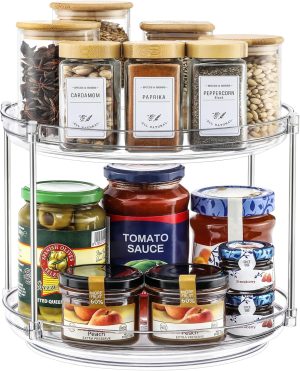
It’s generally okay for spices, but be mindful of light exposure, which can degrade their flavor and potency over time. If your spices are stored in a dark pantry or cupboard, clear containers are fine. For spices kept on a rack in direct light, opaque containers or smaller, darker glass jars are better.
H3: What should I do if my containers start smelling like old food?
First, wash them thoroughly with warm, soapy water. If the smell persists, try a baking soda paste or soak them in a diluted vinegar solution. Sometimes, a sunny spot for an hour can also help air them out. If they’re permanently stained or smelly, it might be time to replace them.
H3: Are these generally considered safe for food contact long-term?
Yes, provided they are made from BPA-free plastic and are properly maintained. Look for containers clearly labeled as food-grade. Regular cleaning is key to preventing bacterial buildup and ensuring they remain safe for storing your edibles over time.
Final Recommendation
So, which pantry storage containers are right for you? If you’re a serious home cook who buys in bulk and absolutely needs to keep ingredients like flour, sugar, and grains pristine, go for the premium airtight containers. The investment pays off in freshness and longevity, making your kitchen operations smoother. They truly excel at what they promise.
For most households, the mid-range modular systems are the sweet spot. They offer a winning combination of reliable stackable design, decent airtight seals for everyday items, and enough versatility to handle everything from kitchen organization to basic fridge organization without breaking the bank. Don’t chase perfection; chase practicality. These clear plastic bins will make a real, visible difference in your daily routine.
#Clear #Plastic #Storage #Bins #Pantry #Organizers #Storage #Kitchen #Organization #Storage #Containers #Bins #Organizing #Fridge #Freezer #Bathroom #Pantries #Medicine #Cabinet #Organizer #Bin