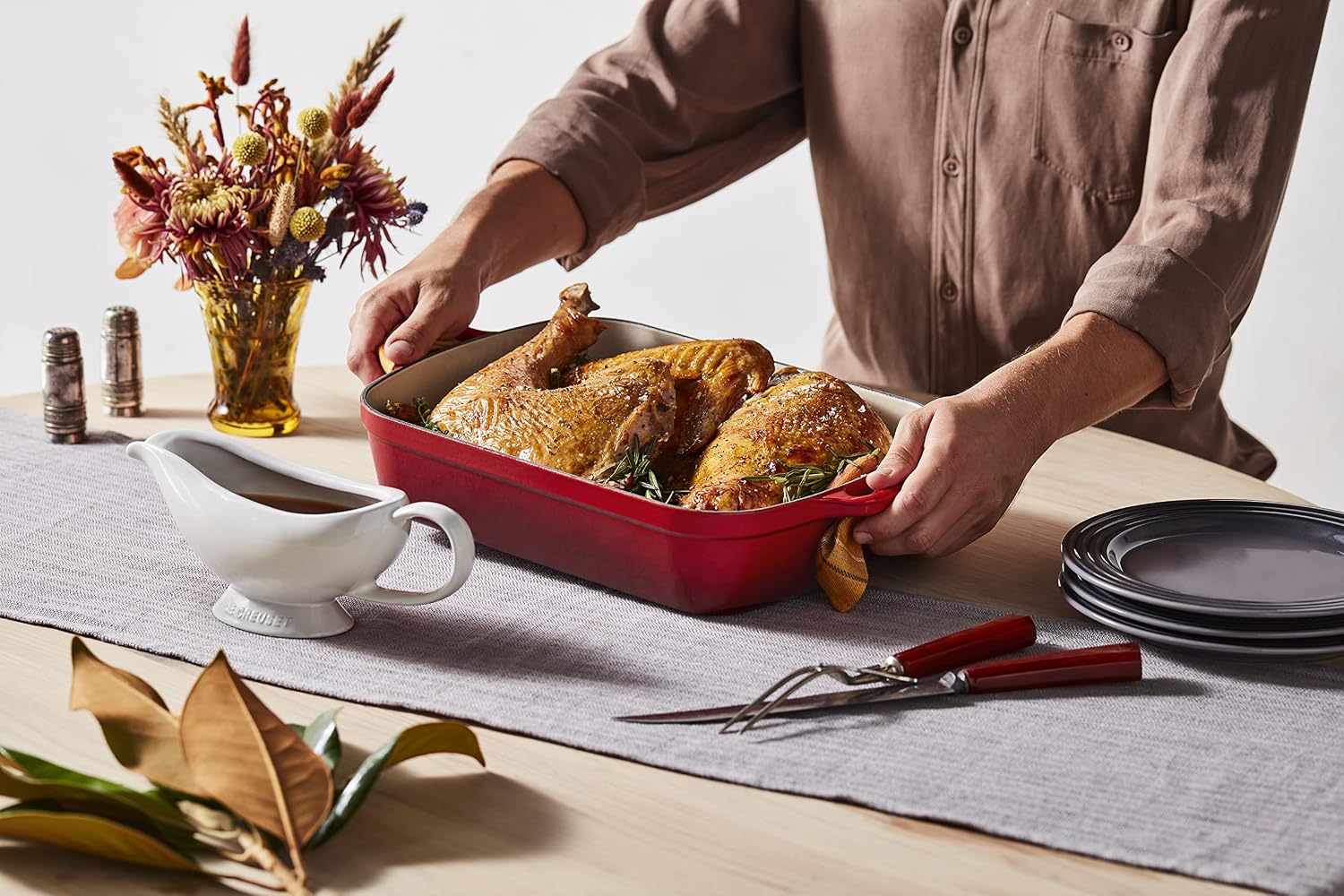
Navigating the Gravy Boat Scene: Is the Le Creuset Heritage Stoneware Worth the Splurge?
Every holiday table, every special meal, it seems a certain kind of sauce demands its own elegant presentation. We’re talking about gravy, of course, and the vessel it deserves: the gravy boat. This guide is for the savvy home chef or host trying to figure out if dropping a bit more coin on a premium option, like the Le Creuset Heritage Stoneware Gravy Boat in Cerise, actually makes sense for their spread. Let’s cut through the fluff and see what really matters when you’re serving up that golden goodness.
Quick Answer
The Le Creuset Heritage Stoneware Gravy Boat, Cerise, makes a strong case for itself if you value lasting quality, impressive heat retention, and a stunning presentation. For those who host frequently or appreciate kitchenware that doubles as a statement piece, its renowned durability and ability to keep sauces warm longer could absolutely justify the step up from basic options. If your gravy boat only sees daylight once a year, you might find joy elsewhere, but for regular use or a truly elevated table, it’s a compelling choice.
What to Look For (The Buying Criteria)
Choosing the right gravy boat isn’t just about grabbing the prettiest one, though aesthetics certainly play a role, especially for something so prominent on a dining table. There are real functional differences that can make or break your holiday meal experience. You don’t want a drippy mess, do you? Nobody does.
First up, Material Matters. Gravy boats come in all sorts, but primarily you’ll see ceramic (which stoneware falls under), porcelain, and stainless steel. The Le Creuset Heritage Stoneware model is, well, stoneware. It’s heavier, more substantial. This heft means it holds heat like a champ, keeping your gravy wonderfully warm through second helpings. The downside? It’s less forgiving if it takes a tumble. Porcelain is usually lighter and more delicate, often offering a brighter white finish. It looks elegant, sure, but can be a bit fragile, and usually doesn’t retain heat as well as stoneware. Then you’ve got stainless steel, which is practically indestructible and often comes insulated, making it a champ for temperature control. However, it often lacks the classic, homely appeal of ceramic. Deciding here is a trade-off: durability versus elegance, and how long you need that gravy hot.
Then there’s Capacity. This is crucial. Are you serving a small family dinner or a massive holiday gathering? A gravy boat that holds, say, 16 ounces is plenty for four or five people. For a crowd, you’ll want something closer to 20-24 ounces, or even two smaller boats. Underestimating capacity means constant refills, which is a pain for the host and interrupts the flow of the meal. Overestimating just means a giant, lonely boat at a small gathering, which looks a bit sad, honestly.
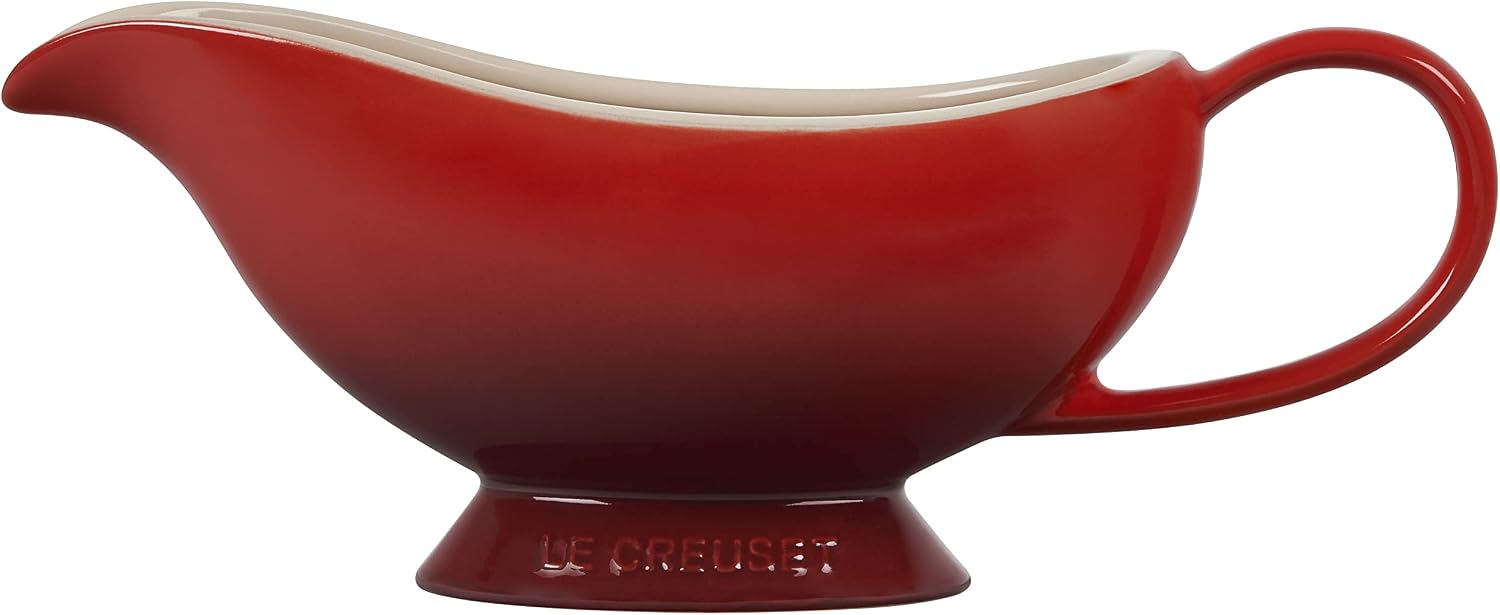
Next, Design and Aesthetics are big. This isn’t just a utilitarian item; it’s part of your tablescape. The Le Creuset Cerise, with its vibrant red glaze and classic lines, certainly makes a statement. It’s a piece of kitchenware that says, “I care about presentation.” Do you want something understated that blends in, or a focal point? Consider your existing dinnerware. Will it clash? A modern minimalist setting might prefer a sleek, white porcelain boat, while a rustic or traditional table might welcome the warmth of stoneware. Don’t forget, though, that a unique design can sometimes be a bear to clean if it has intricate nooks or crannies.
A really big one, and often overlooked, is the Pouring Spout and Handle Ergonomics. Seriously, this separates the good from the grief. A well-designed spout allows for a smooth, controlled pour without drips down the side of the boat or, worse, onto your tablecloth. Some spouts are too wide, some too narrow; finding that sweet spot is key. As for the handle, it needs to be comfortable to hold, even when the boat is full and hot. A tiny, decorative handle might look cute empty, but try pouring with it when it’s full of steaming gravy. Not fun. Test that grip, mentally at least. The Le Creuset model usually boasts a generous handle, which is a thoughtful touch.
Heat Retention is a non-negotiable for many. Cold gravy? No thank you. Stoneware, like the Le Creuset, excels here because of its dense material. Some gravy boats come with lids or even built-in warming elements (though those are typically stainless steel and less common for everyday use). If keeping that gravy piping hot is paramount, look closely at the material and whether a lid is an option. A preheated stoneware boat will absolutely outperform thinner ceramic or glass.
Finally, consider Ease of Cleaning. Is it dishwasher-safe? Does its shape make it easy to hand-wash, or are there awkward corners where gravy might linger? Stoneware is generally pretty resilient, resisting stains and odors, but very intricate designs might pose a challenge regardless of material. You want to enjoy your meal, not spend ages scrubbing tiny crevices later.
How to Match the Product to Your Situation
Finding the right gravy boat means understanding your hosting style and needs. Not everyone throws a twelve-person feast every Sunday, right? So, let’s consider a few archetypes of gravy boat users.
For The Occasional Host with Flair, someone who brings out the “good china” only for special holidays—Thanksgiving, Christmas, Easter. They’re not using a gravy boat weekly, maybe just two or three times a year. For this person, presentation is king. They want something that screams “special occasion” and matches their festive decor. Durability for daily bumps isn’t a top concern, but looking elegant and holding enough gravy for a larger gathering absolutely is. The Le Creuset Heritage Stoneware Gravy Boat fits this persona like a glove. It’s a statement piece, its Cerise color iconic and festive, and it’ll stand up to annual use beautifully. You won’t regret the investment when it’s gleaming on your holiday table.
Then you have The Dedicated Dinner Party Enthusiast. These folks host frequently, maybe once a month or more, and they love cooking a multi-course meal, often with various sauces. They need something that’s both stylish and practical. It has to look good, sure, but it also needs to be easy to clean and robust enough to handle regular use and washing without chipping or cracking. For them, heat retention is also key, as they might serve multiple dishes over a longer period. A mid-range porcelain or a good quality stoneware will serve them well. The Le Creuset model, with its robust build and excellent heat retention, is a strong contender here too. It transitions well from formal to semi-casual settings.
Finally, The Everyday Family Dinner Maker. This person might make gravy for mashed potatoes, sauces for pasta, or a nice jus for roast chicken on a regular Tuesday evening. They prioritize functionality, ease of cleanup, and sheer practicality. While they appreciate a nice look, they’re not usually seeking a showstopper. They might opt for something utilitarian, like a simple, plain ceramic or even a small stainless steel thermal jug. For this group, a premium Le Creuset might feel like overkill. It’s certainly durable enough for daily use, but the budget might be better allocated elsewhere if you don’t care that much about the iconic aesthetic.
Think about your kitchen, your dining habits. How often are you really pouring gravy? That’s your first step in this gravy boat decision tree.
Gravy Boat Tiers & What They Offer
Let’s break down the gravy boat landscape by what you generally get at different price points. There’s a noticeable difference, believe me.
| Type/Tier | Best For | Price Tier | Key Feature | Watch-Out |
|---|---|---|---|---|
| Budget Basics | Infrequent use, minimalist aesthetic, small gatherings | Entry-Level | Simple, functional design, widely available | Often poor heat retention, prone to chipping, bland |
| Mid-Range Workhorses | Regular family meals, semi-formal entertaining, good balance | Mid-Level | Better durability, improved pouring spouts, decent heat retention | Might lack true “wow” factor, less distinct design |
| Premium Artisanal | Special occasions, statement piece, frequent entertaining | Premium | Exceptional heat retention, heirloom quality, iconic design, vibrant glazes | Higher initial investment, heavier, can be bulky |
Budget Basics usually encompass simple glass or very thin ceramic gravy boats. They do the job of holding liquid, and they’re easy on the wallet, which is good. However, they’re often the first to chip, they don’t keep gravy warm for very long, and the pouring spout can be… a bit of a gamble, often leading to drips. These are fine if you only use one once a year and don’t fuss much about presentation or temperature.
Mid-Range Workhorses step it up with thicker porcelain or more robust ceramic. These options often feature better-designed spouts and handles, making them more user-friendly. They’re more durable than the budget options and usually offer a noticeable improvement in heat retention. They strike a good balance between cost and performance, suitable for families who enjoy a bit of elegance without breaking the bank on a single serving piece. Think of these as reliable teammates for your dinner table.
Premium Artisanal pieces, like the Le Creuset Heritage Stoneware Gravy Boat, sit at the top. You’re investing in quality materials, superior craftsmanship, and often, an established brand reputation. These boats excel in heat retention thanks to their dense stoneware construction, keeping your sauce hot throughout the meal. The pouring spouts are typically very well-engineered, minimizing drips, and the handles are designed for comfortable, secure pouring. And let’s be real, the vibrant, rich glazes—especially that Cerise—add an undeniable touch of luxury and character to your table. They’re built to last for generations, but their weight and cost are definitely factors to consider.
Real-World Gravy Boat Scenarios
How a gravy boat performs really comes down to the moment it’s needed. Different situations call for different attributes.
For those Grand Holiday Feasts, the kind where everyone gathers and the dining table groans under the weight of turkey, stuffing, and all the trimmings, presentation and performance are paramount. This isn’t just about holding gravy; it’s about adding to the festive atmosphere. You need something that looks the part, can handle a substantial volume of gravy, and—critically—keeps it warm through multiple rounds of serving. Imagine a long meal where the gravy has gone cold. Disappointment! This is precisely where a premium option like the Le Creuset Heritage Stoneware Gravy Boat, Cerise, shines. Its substantial build and excellent heat retention ensure your rich, savory sauce stays perfectly warm, enhancing the entire holiday experience. Plus, that vibrant color against a white tablecloth? Instant classic.
When it comes to Casual Weeknight Dinners, or smaller, less formal gatherings, the demands shift. Here, convenience often trumps formality. You might be serving a simple roast chicken or meatballs with a quick sauce. Easy cleanup and practicality become bigger considerations than making a grand statement. A sturdy, dishwasher-safe option is often preferred. While the Le Creuset boat certainly could be used, its heft and distinct aesthetic might feel a bit much for a quick Tuesday meal. A smaller, more understated ceramic or even a small, insulated stainless steel pourer might be a better fit, focusing on functionality over flamboyant flair. It’s all about fitting into the rhythm of your week.
And what about Sauce Enthusiasts who make more than just gravy? Maybe you’re a connoisseur of homemade béchamel, a vibrant chimichurri, or a rich mushroom sauce for steaks. For these culinary adventurers, versatility is key. The gravy boat becomes a “sauce server.” The broad, open design of most traditional gravy boats, including the Le Creuset, makes them suitable for a variety of thicker sauces. The heat retention of stoneware is a definite plus for any sauce you want to serve warm. You’re not just buying a single-use item; you’re adding a versatile serving piece to your arsenal.
Common Gravy Boat Missteps
Buyers often make a few common errors when picking out a gravy boat. It’s easy to get caught up in the moment, especially when you’re thinking about that perfect holiday meal. Don’t do it.
A big one is Ignoring Capacity Needs. People frequently buy a gravy boat that looks nice, only to find it’s too small for their typical family gathering. Nobody wants to be rushing back to the kitchen for a refill midway through dinner. That breaks the flow, makes the host stressed. Always consider how many people you’re serving and how much gravy they actually consume. A good rule of thumb? Bigger is almost always better here, within reason.
Another common pitfall: Prioritizing Looks Over Function. Yes, a beautiful gravy boat is appealing. But if that gorgeous, intricately designed piece has a pouring spout that drips like a sieve, or a handle so small you can barely grip it, then what good is it? It’s a decoration, not a serving tool. That’s a frustrating moment, trying to pour hot gravy without making a mess. Always imagine using it. Is that spout going to be a nightmare?
Folks also Neglect Heat Retention. There’s nothing worse than lukewarm or, heaven forbid, cold gravy. It just spoils the whole dish. Many cheaper gravy boats offer minimal insulation. If you’re spending time making a rich, delicious gravy, you want it to stay warm on the table. This is where materials like stoneware or double-walled stainless steel really shine. Don’t let your culinary efforts go to waste because of a poor choice in serving vessel.
Finally, a trap many fall into is Buying Too Premium for Rare Use. Look, I’ve seen people spend way too much on features they’ll never use, or on an item that only sees the light of day once a year. If your gravy boat gets used solely for Thanksgiving and then banished to the back of the cupboard for 364 days, a top-tier premium option might be overkill. It’s a beautiful thing, sure, but your money might be better spent on other kitchen essentials that get more mileage. Be honest with yourself about usage frequency.
Why, How, What You Need to Know
Got questions bubbling about gravy boats? Good. Let’s tackle some of the fundamental ones.
Why invest in a dedicated gravy boat?
A dedicated gravy boat isn’t just about pouring gravy; it’s about elevating the dining experience. It keeps the gravy warm, preventing it from getting cold and congealed, which is a big deal for taste and texture. Beyond that, it signals to your guests that this meal is special, adding a touch of elegance and tradition that a simple mug or measuring cup just can’t replicate. Presentation really does matter, especially with something as central as gravy.
How do you keep gravy warm in a boat?
The simplest trick is to preheat your gravy boat with hot water before adding the gravy. Let it sit for a few minutes, then empty and dry. For stoneware models like the Le Creuset Heritage, their inherent heat retention properties take over from there. Some folks also place the boat on a tea light warmer, or opt for double-walled stainless steel versions. For very long meals, a lid is incredibly helpful, trapping that precious heat inside.
What makes a good pouring spout?
A good pouring spout is all about geometry. It needs to be narrow enough to control the flow but wide enough to prevent clogs. The key is a sharp, clean edge that allows the liquid to detach smoothly, rather than dribble down the side. A slight curve can also help direct the stream precisely. You want a spout that offers a controlled, drip-free pour every single time. It’s the little details that make a huge difference in avoiding a messy table.
FAQ
Is stoneware better than porcelain for a gravy boat?
For heat retention, stoneware, like the Le Creuset Heritage model, generally outperforms porcelain. Its denser material holds warmth longer, which is a big plus for keeping gravy hot. Porcelain can be lighter and offer a more delicate look, though.
How large a gravy boat do I really need?
For a typical family of 4-6 people, a 16-ounce (around 2 cups) gravy boat is usually sufficient. For larger gatherings, say 8-12 guests, you’ll want something closer to 20-24 ounces, or even two smaller boats to avoid constant refills.
Can I use a gravy boat for other sauces?
Absolutely! A gravy boat is essentially a sauce server. Its design is perfect for béchamel, hollandaise, jus, salad dressings, or even melted chocolate. The versatility makes a quality boat a worthy kitchen addition.
Are there options that keep gravy warm longer?
Yes, besides preheating, insulated stainless steel gravy boats with lids are designed specifically for extended heat retention. Stoneware, particularly thicker pieces like the Le Creuset, also performs exceptionally well in keeping sauces warm for longer periods.
What’s the deal with drip-free spouts?
A “drip-free” spout is engineered to prevent gravy from running down the outside of the boat after pouring. It usually features a specific angle or a very clean, sharp edge that encourages the liquid to separate cleanly from the spout, landing only where you intend it.
Is the Le Creuset Heritage model hard to clean?
No, the Le Creuset Heritage stoneware is usually quite easy to clean. Its smooth, non-porous glaze resists staining and odors. Most models are also dishwasher-safe, making cleanup after a meal straightforward.
What does the color “Cerise” actually mean?
“Cerise” is French for cherry, and in the context of Le Creuset, it refers to a deep, vibrant, classic cherry red. It’s a very popular and iconic color for their cookware, known for its rich, glossy finish that makes a bold statement.
Final Recommendation
So, is the Le Creuset Heritage Stoneware Gravy Boat in Cerise the right choice for you? If you’re a host who genuinely cares about presentation, heat retention, and investing in pieces that will last, then yes, it’s a solid, smart buy. It’s an investment piece, certainly, but its performance and aesthetic appeal—especially that striking Cerise color—make it a standout for holiday meals and any special occasion where a cold, dreary gravy just won’t do.
For those who use a gravy boat only once a year, or prioritize absolute budget over aesthetics and thermal performance, there are more affordable options out there. But for the discerning home chef who wants a piece that functions beautifully, looks incredible, and adds to the cherished ritual of shared meals, the Le Creuset Heritage Stoneware Gravy Boat absolutely holds its own. It’s not just a gravy boat; it’s a statement of quality on your table.
#Creuset #Heritage #Stoneware #Gravy #Boat #Cerise