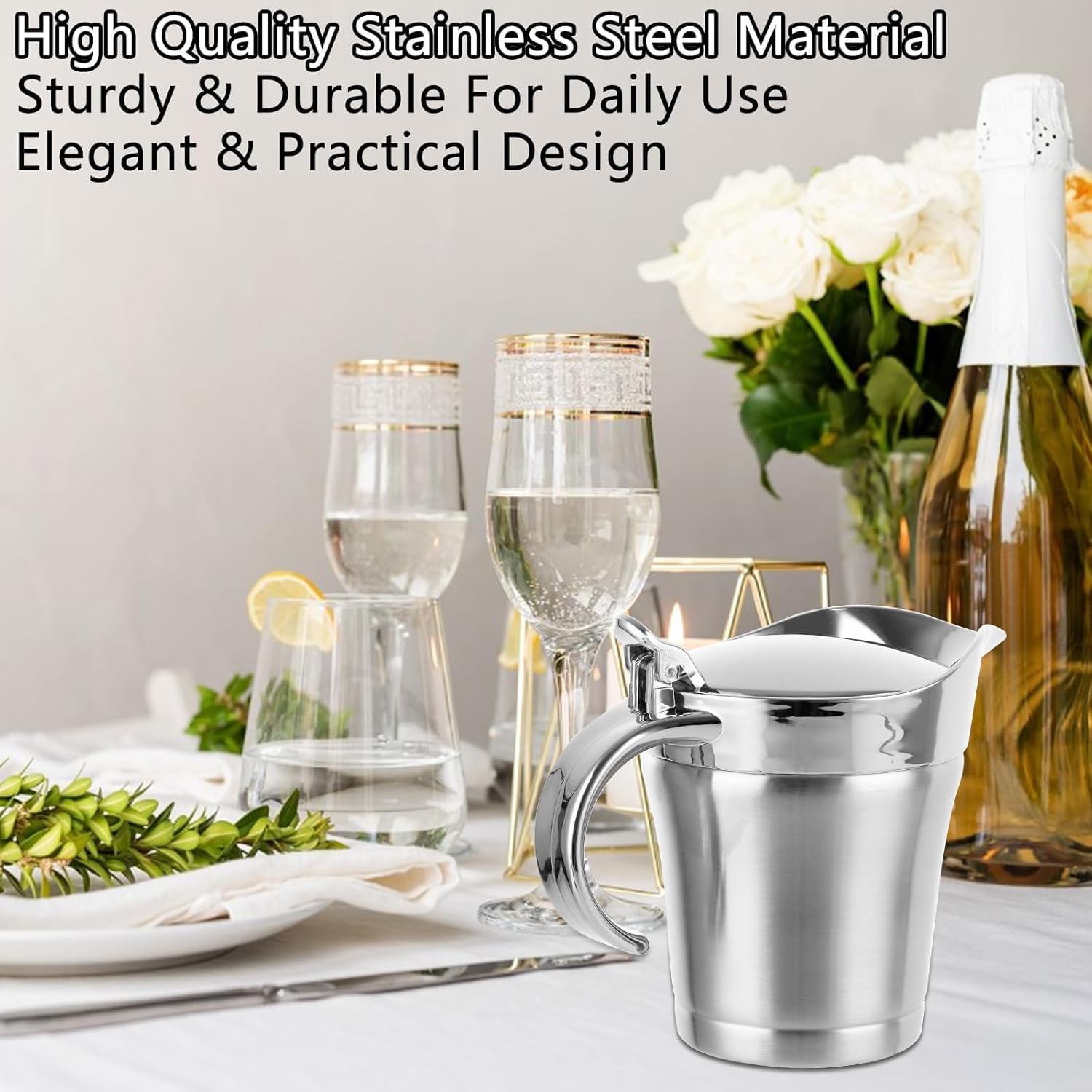
The Ultimate Guide to the Stainless-Steel Double Insulated Gravy Boat
This guide cuts through the noise, helping you understand the real value proposition of a stainless-steel double insulated gravy boat. If you’ve ever wrestled with tepid gravy during a holiday feast or wished your cream stayed perfectly chilled, you’re precisely who this buying guide is for. We’re going to dig into whether those extra features are worth your hard-earned cash, dissecting what truly matters for your table. It’s time to stop second-guessing your choice for a proper sauce jug.
Quick Answer
A stainless-steel double-insulated gravy boat is usually a smart upgrade for anyone who hosts frequently or values warm, ready-to-pour sauces throughout a meal. While more substantial than basic ceramic options, its temperature retention capabilities often justify the investment, especially for holiday meals where keeping food warm is paramount. Consider its capacity and durability against your typical needs; for many, it’s a solid win.
What to Look For: The Buying Criteria
Choosing a gravy boat, especially one that claims double insulation, shouldn’t be a shot in the dark. There’s more to it than just picking a shiny object. You want something that actually performs, not just another piece of kitchen clutter. We’re talking about functionality here, folks, and frankly, some brands miss the mark. So, let’s peel back the layers on what genuinely matters.
First off, think about how often you’ll actually use this thing. Is it a once-a-year Thanksgiving special, or are you planning on making it a regular part of your Sunday roast ritual? That distinction informs almost every other decision.
Insulation Type and Efficacy
This is the big one, right? The “double insulated” part of the stainless-steel double insulated gravy boat is the headline. But what does that really mean? Most good ones use a vacuum-sealed, double-wall construction, much like a quality travel mug or a thermal carafe. This creates a barrier that drastically slows down heat transfer, keeping hot things hot and cold things, well, cold. Some cheaper models might just have an air gap between two walls of steel, which offers some insulation, but it’s nowhere near as effective as a proper vacuum seal.
The real test? How long does it actually maintain temperature? You want something that can keep gravy piping hot through dinner, dessert, and maybe even a second helping. That’s hours, not minutes. The downside? Vacuum insulation adds bulk. These aren’t dainty little pourers. You’re trading sleek lines for solid performance.
Capacity
The “16 oz/450 ml” figure might sound specific, but for gravy, it disappears faster than you’d imagine. Is that enough? For a small family dinner, maybe. For a larger holiday meal with six or more people, you might find yourself refilling it more often than you’d like. Gravy is popular, folks. People drown things in it. A smaller gravy pitcher means more trips to the kitchen, potentially letting your gravy get cold mid-pour.
Don’t just eyeball it. Think about your typical guest count. And honestly, it’s often better to have a bit more capacity than not enough. You can always put less gravy in a larger boat, but you can’t squeeze more into one that’s too small. The trade-off? A bigger boat takes up more table space, and a full one gets heavy.
Material Quality and Construction
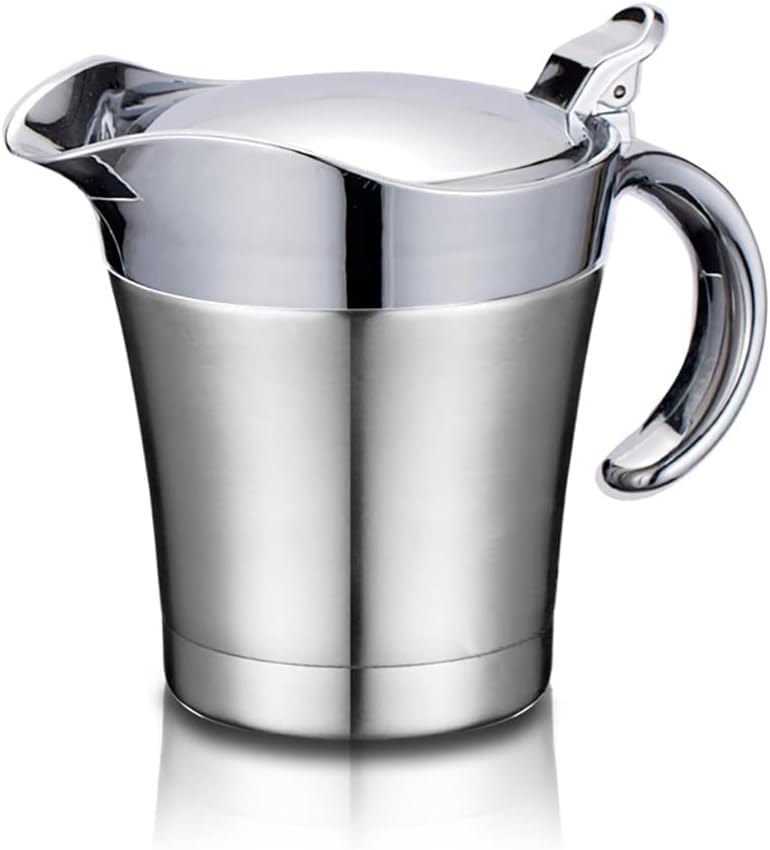
“Stainless steel” sounds robust, but like anything else, there are different grades. You want food-grade stainless steel, obviously. Look for something substantial, a good heft in your hand. Flimsy steel dents easily and just doesn’t feel premium. The finish matters too—a brushed finish often hides fingerprints better than a highly polished one.
The lid’s construction, the handle attachments, and how smoothly the parts move are all indicators of overall quality. You’re looking for something built to last, something that won’t rust after a few washes or have its handle wiggle loose. Cheap construction is a common pitfall in this category. It’s a durable material, sure, but only if it’s put together right.
Lid Design and Spout
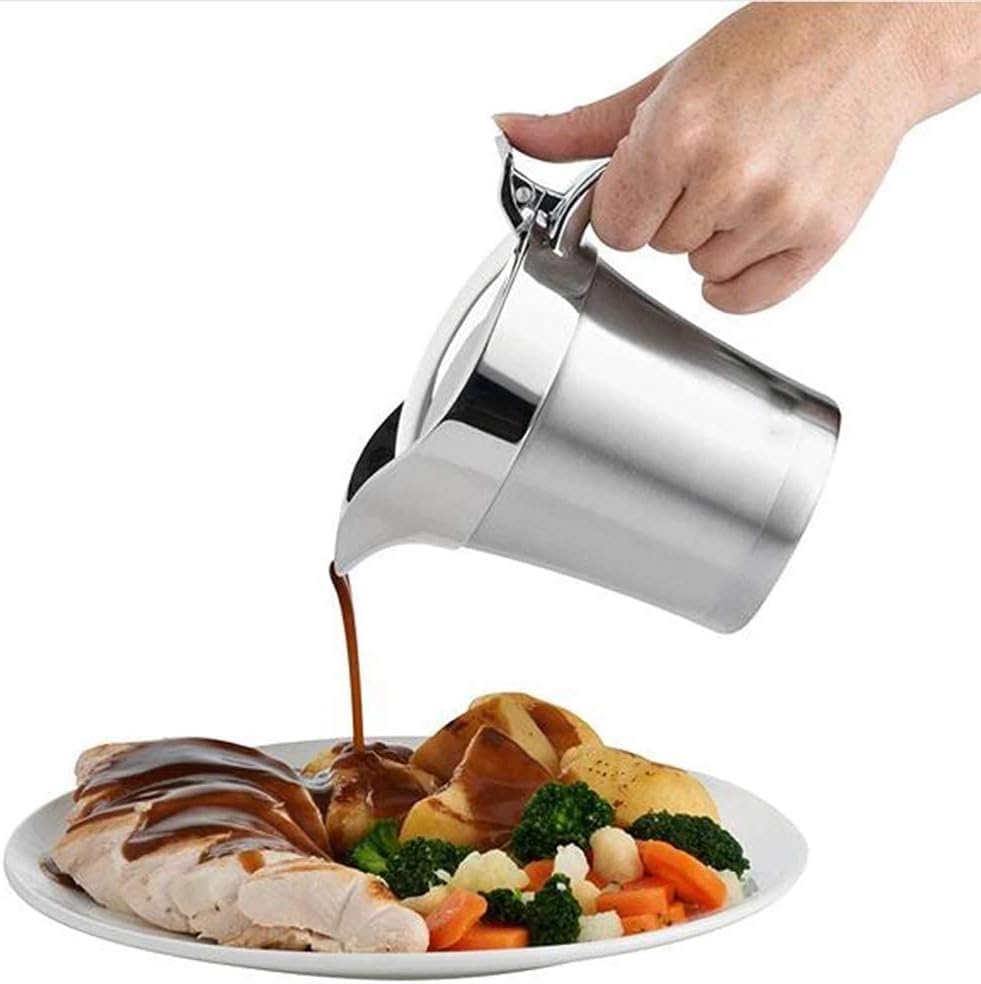
Ah, the lid! This is surprisingly critical for a gravy boat. Many of the stainless-steel double insulated gravy boat models boast a hinged lid. This is usually a smart move, keeping the heat trapped and preventing accidental spills. But not all hinged lids are created equal. You want one that opens smoothly, stays open when pouring, and creates a tight seal when closed.
Then there’s the spout. A well-designed, easy-pour spout is a blessing; a poorly designed one is a messy, drip-prone curse. Nobody wants gravy dribbling down the side of the boat, staining the tablecloth, or landing on Aunt Carol’s lap. Look for a spout that offers control, preventing splashes and providing a clean cutoff. Some designs are too blunt, others too narrow, leading to frustrating drips. It’s a delicate balance.
Ergonomics and Balance
How does this gravy pitcher feel when you hold it? Empty, it might feel fine, but fill it with warm, viscous gravy and suddenly the weight distribution changes. Is the handle comfortable? Does it offer a secure grip, even when your hands might be a little slick from cooking?
A balanced design is key, preventing tipping when you set it down or pass it across the table. Some handles are too small, others oddly shaped. You’re looking for something that feels intuitive and secure, especially when serving guests. Don’t underestimate the frustration of an awkward pourer. It can turn a simple act into a minor wrestling match.
Ease of Cleaning
Let’s be real: cleanup can make or break whether a kitchen item becomes a favorite or gets relegated to the back of the cupboard. Is your chosen sauce jug dishwasher-safe? Many stainless-steel items are, but often, the lid mechanism or specific seals might require hand washing. Can you easily get a brush inside to clean around the spout or under the lid?
Gravy, cream, and other sauces can cling, and you don’t want residue building up in nooks and crannies. A simple, wide opening helps immensely. If it’s a pain to clean, you just won’t use it as much. That’s the cold, hard truth of kitchen gadgets, isn’t it?
How to Match the Product to Your Situation
Your ideal gravy boat isn’t a universal truth; it depends entirely on your life, your entertaining style, and your patience for upkeep. One size rarely fits all. Let’s figure out who you are in the gravy-verse.
The Occasional Entertainer: The “Holiday Hero”
You host the big ones—Thanksgiving, maybe Christmas dinner, a yearly birthday bash. For you, the gravy boat is a statement piece, but it also needs to work. You’re not using it every week, but when you do, it has to shine. You need something reliable, handsome, and robust enough to handle the frantic pace of a holiday meal. Temperature retention is important here because people are often grazing over a longer period.
You’ll appreciate a stainless-steel double insulated gravy boat with a decent capacity (say, 16 oz/450 ml or even a touch larger if your family is huge) and a secure hinged lid. You want it to look good on the table, sure, but performance is key. Easy cleanup is a bonus, but you’re probably okay with a bit of hand-washing if it means keeping that gravy hot.
The Everyday Sauce Lover: The “Culinary Companion”
You’re cooking for two, maybe four, on a regular basis. Gravy, cream sauces, hollandaise—they’re not just for special occasions. You need a sauce jug that’s a workhorse. Durability is paramount here. It needs to stand up to frequent use and washing.
For you, a robust stainless-steel double insulated gravy boat without too many fiddly parts is probably the ticket. A capacity around the 16 oz/450 ml mark is likely fine. You’ll prioritize easy pour spout and, critically, cleanup. If it can go in the dishwasher, you’ll love it. This isn’t about grand presentation; it’s about practical, day-to-day utility. And not having to reheat sauce in the microwave constantly? That’s a definite win.
The Perfectionist Host: The “Presentation Pro”
Every detail matters. The food is exquisite, the table setting is immaculate, and the temperature of every dish is precisely right. You’re not just serving a meal; you’re crafting an experience. For you, the gravy pitcher isn’t merely functional; it’s an extension of your impeccable hosting.
You’ll likely lean towards the premium end of the stainless-steel double insulated gravy boat spectrum. Maximum temperature retention is non-negotiable, perhaps even considering models with an integrated warming stand (candle or electric). The design should be sleek, polished, and drip-free. You’ll probably appreciate a larger capacity to minimize refills and maintain that elegant flow. You’re willing to pay for that peace of mind and flawless execution. It’s about seamless serving, making every moment at the table just right.
Comparison of Gravy Boat Types/Tiers
Let’s be honest, there’s a whole spectrum of gravy boat options out there. Some are purely decorative, others are built for serious work. Understanding the tiers helps you figure out where you fit.
| Type/Tier | Best For | Price Tier | Key Feature | Watch-Out |
|---|---|---|---|---|
| Basic Ceramic/Glass | Casual, small meals, quick serving | Budget-friendly | Traditional aesthetic | Rapid heat loss, prone to chips/breaks |
| This tier is classic, often found at estate sales, but doesn’t do much for warmth; it’s more about tradition. | ||||
| Standard Stainless Steel | More durable than ceramic, some heat retention | Mid-range | Sturdy build | Often lacks insulation for extended warmth |
| You get durability here, a step up from fragile materials, but don’t expect miracles in terms of lasting heat. | ||||
| Double Insulated Stainless | Holiday meals, extended serving, hot/cold | Mid-to-premium | Temperature retention | Higher initial cost, can feel bulkier |
| This is the sweet spot for many, offering genuine functional improvement without jumping to overly specialized equipment. | ||||
| Premium Insulated with Stand | Grand events, buffet lines, ultimate warmth | Premium | Active warming (candle/electric) | Larger footprint, added complexity/cost |
| When performance is absolutely non-negotiable, these offer extended warmth, but require more table real estate and a bigger budget. |
Scenario-Specific Needs for Your Gravy Boat
The context really changes what you need from a gravy boat. It’s not just about what it does, but when and where it does it.
The Grand Holiday Feast: Managing the Marathon Meal
Picture it: Thanksgiving. You’ve got turkey, mashed potatoes, stuffing, green bean casserole—and gravy. Lots of gravy. People are going back for seconds, maybe even thirds. The meal stretches out. This isn’t a dash-and-grab situation. You need that gravy pitcher to keep its contents warm for hours. Not just “kinda warm,” but genuinely hot.
A stainless-steel double insulated gravy boat, especially one with a good capacity (like our 16 oz/450 ml target, or larger if your family is enormous), becomes invaluable here. It means less stress for the host and happier guests who aren’t forced to eat cold, congealed sauce. The hinged lid is key for trapping that heat. Honestly, trying to pull off a big holiday meal without solid temperature retention is just asking for trouble. Who needs that kind of aggravation?
Casual Weeknight Dinners: Practicality Over Pomp
It’s Tuesday. You made meatloaf. You want gravy. You don’t need a showstopper, just something that works. For everyday use, convenience trumps elaborate features. You still want your gravy warm, but you also want a sauce jug that’s easy to grab, pour, and, most importantly, clean.
Here, the focus shifts slightly from extreme temperature retention to overall user-friendliness. A robust, mid-range stainless-steel double insulated gravy boat is a strong contender. You’re looking for an easy pour spout that won’t make a mess and materials that can handle the dishwasher. Durability against daily bumps and knocks is also a big plus. You don’t want something delicate you have to baby after every meal.
Outdoor Picnics/BBQs: Hot or Cold, On the Go
Who says gravy boats are just for hot stuff? Ever thought about using your gravy boat for chilled sauces, dressings, or even cream for coffee at an outdoor gathering? That’s where the double insulated aspect truly shines in a different light. The very same technology that keeps things hot also keeps them cold.
If you’re hosting a barbecue and want to keep a tzatziki sauce cool, or have a carafe of chilled creamer for an outdoor brunch, a stainless-steel double insulated gravy boat is surprisingly versatile. Look for one with a very secure hinged lid to prevent spills while transporting. The durability of stainless steel also means it’s less likely to shatter if it takes a tumble on uneven outdoor terrain. A regular ceramic boat simply won’t cut it. It’s an unexpected benefit, but a real one.
Common Mistakes When Buying a Gravy Boat
Alright, let’s talk about the missteps. I’ve seen people spend way too much on features they never use, or worse, skimp on the one thing that truly matters. Don’t be that person.
First, underestimating capacity needs. Folks, gravy disappears. It really does. You think a little 8-ounce boat will do for your small gathering, but then everyone wants a generous dollop, and suddenly you’re in the kitchen frantically refilling. Especially with a gravy pitcher for holiday meals, always go a touch larger than you think you need. Running out is awkward.
Another big one? Ignoring the lid type. A hinged lid seems like a no-brainer, right? But if it’s flimsy, doesn’t seal well, or snaps shut too easily, it becomes a hindrance. A bad lid actively undermines the insulation you paid for. And those open-top ceramic ones? They’re basically just gravy holders, not gravy warmers.
Then there’s prioritizing looks over function. Oh, it’s pretty. It matches your serving platter. That’s nice. But if your stainless-steel double insulated gravy boat doesn’t actually keep the gravy warm, what good is it? You bought it for a job, and if it fails at that job, it’s just another decorative piece taking up cupboard space. It’s a sauce vessel, not a vase.
Finally, and this is a common one, forgetting cleanup. A beautifully designed gravy boat with an intricate spout or a lid full of tiny crevices might look sophisticated, but come dish duty, you’ll be cursing it. If it’s a pain to clean, especially if you’re cooking after a big meal, you simply won’t reach for it. Trust me on this. Practicality should always be a high priority.
Why / How / What About Gravy Boats?
Why choose a double-insulated gravy boat?
Because no one wants cold, congealed gravy—it just makes the whole meal feel less special, less thought-out. The double insulated design genuinely extends that serving window, keeping your sauces at a pleasant temperature throughout the meal, even for leisurely holiday meals. It’s about elevating the dining experience with minimal effort.
How do you keep gravy warm in one?
It’s surprisingly simple. Before you pour in your hot gravy, just fill the gravy boat with some boiling water, let it sit for a minute or two to preheat, then dump the water out. Now, pour in your piping hot gravy. The insulation does the rest, trapping that heat inside for an extended period.
What size is generally considered ideal for a typical family?
The 16 oz/450 ml capacity mentioned is a solid starting point for many families of 4-6, accommodating multiple servings without constant refills during a casual dinner. For larger gatherings, especially Thanksgiving or a big holiday roast, you might find a larger capacity, perhaps 20-24 oz, more practical to avoid interruptions.
FAQ
Are double-insulated gravy boats only for gravy?
Not at all! Their temperature retention makes them suitable for a variety of sauces, custards, or even melted chocolate. Anything you want to keep hot, they’re usually up to the task.
Can I use it for cold sauces or cream?
Absolutely. Just as they trap heat, they can also maintain coolness. Pre-chill the gravy pitcher with ice water for a few minutes before adding your chilled cream, milk, or a cool salad dressing.
How long does a stainless-steel double-insulated gravy boat keep things warm?
Most well-made models can keep gravy hot for at least an hour, sometimes two or even three, depending on the initial temperature and the specific insulation quality. It’s much longer than an open ceramic option.
Is a hinged lid better than a removable one?
Generally, yes, a hinged lid is often preferred for a gravy boat. It helps trap heat more effectively, prevents fumbling for a separate lid, and reduces the chance of spills while pouring.
What’s the best way to clean a stainless-steel gravy boat?
For most, a thorough wash with warm, soapy water and a soft brush is effective. Pay extra attention to the spout and any lid mechanisms. Many are dishwasher-safe, but always check the manufacturer’s instructions.
Do they come in different finishes?
Yes, stainless-steel double insulated gravy boat models often come in various finishes, from polished mirror-like surfaces to brushed satin or even matte black options, allowing you to match your table setting.
Are insulated gravy boats microwave safe?
No, absolutely not. As they are made of metal, putting them in a microwave is extremely dangerous and can cause sparks or even damage your appliance. Reheat gravy separately if needed.
Final Recommendation
So, is a stainless-steel double insulated gravy boat truly worth it? For most home cooks and hosts, especially those who cherish holiday meals and want a smooth, stress-free serving experience, the answer is a resounding yes. It’s a small investment that pays off in convenience and guest satisfaction.
The 16 oz/450 ml type, particularly one with a robust hinged lid and solid insulation, hits that sweet spot for Thanksgiving, festive gatherings, or even just keeping things cozy during a relaxed Sunday roast. It’s a worthy upgrade if you’re tired of cold gravy and want to elevate your serving game without going overboard on price or complexity. Think of it as a small luxury that makes a big difference.
#StainlessSteel #Double #Insulated #Gravy #Boat #Sauce #Jug #Hinged #Lid #Ideal #Gravy #Cream #Thanksgiving #Gravy #Pitcher #oz450