The Dutch Oven Dilemma: Is a 7-Quart Overmont Enameled Pot Really All You Need?
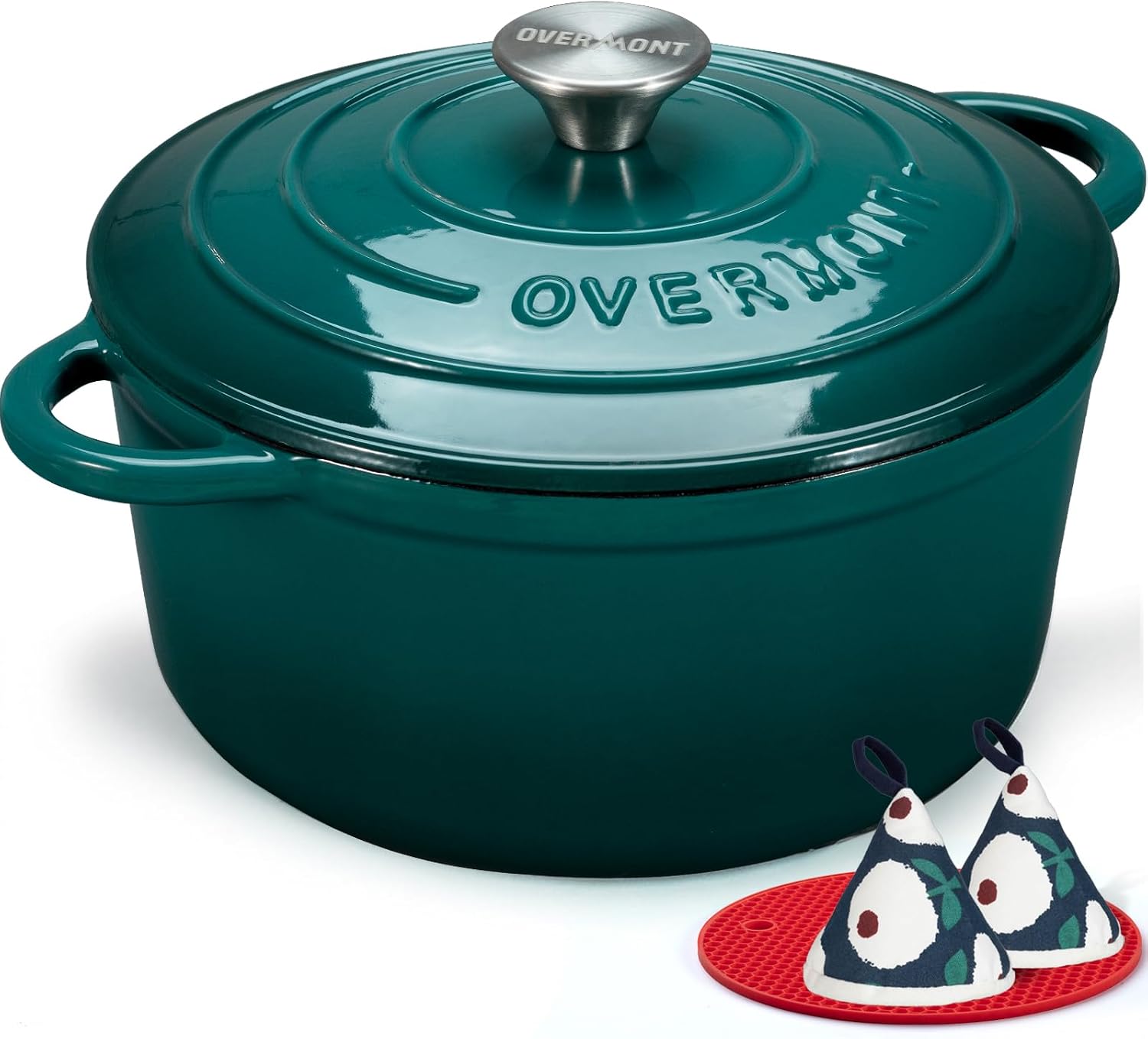
Shopping for a Dutch oven can feel a bit like wading through treacle. There’s a lot of noise, a baffling range of prices, and everyone’s got an opinion. This guide is for the savvy home cook who wants to understand if a workhorse like the Overmont Enameled Cast Iron Dutch Oven – 7QT Pot with Lid Cookbook & Cotton Potholders – Heavy-Duty Cookware for Braising, Stews, Roasting, Sourdough Baking bottle green fits their kitchen and budget, or if they should be eyeing something else entirely. We’re cutting through the marketing fluff to give you the straight scoop on value and functionality.
Quick Answer Box
A 7-quart enameled cast iron Dutch oven, like the Overmont model, offers impressive versatility and durability for a reasonable cost, making it a solid choice for most households. It handles everything from sourdough baking to slow-cooked stews, providing a substantial piece of heavy-duty cookware without requiring a second mortgage. You’re getting a lot of bang for your buck with this type of pot.
What to Look For (The Buying Criteria)
Choosing the right Dutch oven isn’t rocket science, but ignoring a few key factors can lead to buyer’s remorse. We’re talking about a piece of cookware that should last for years, maybe even decades, so it pays to think it through.
1. Material and Enamel Quality:
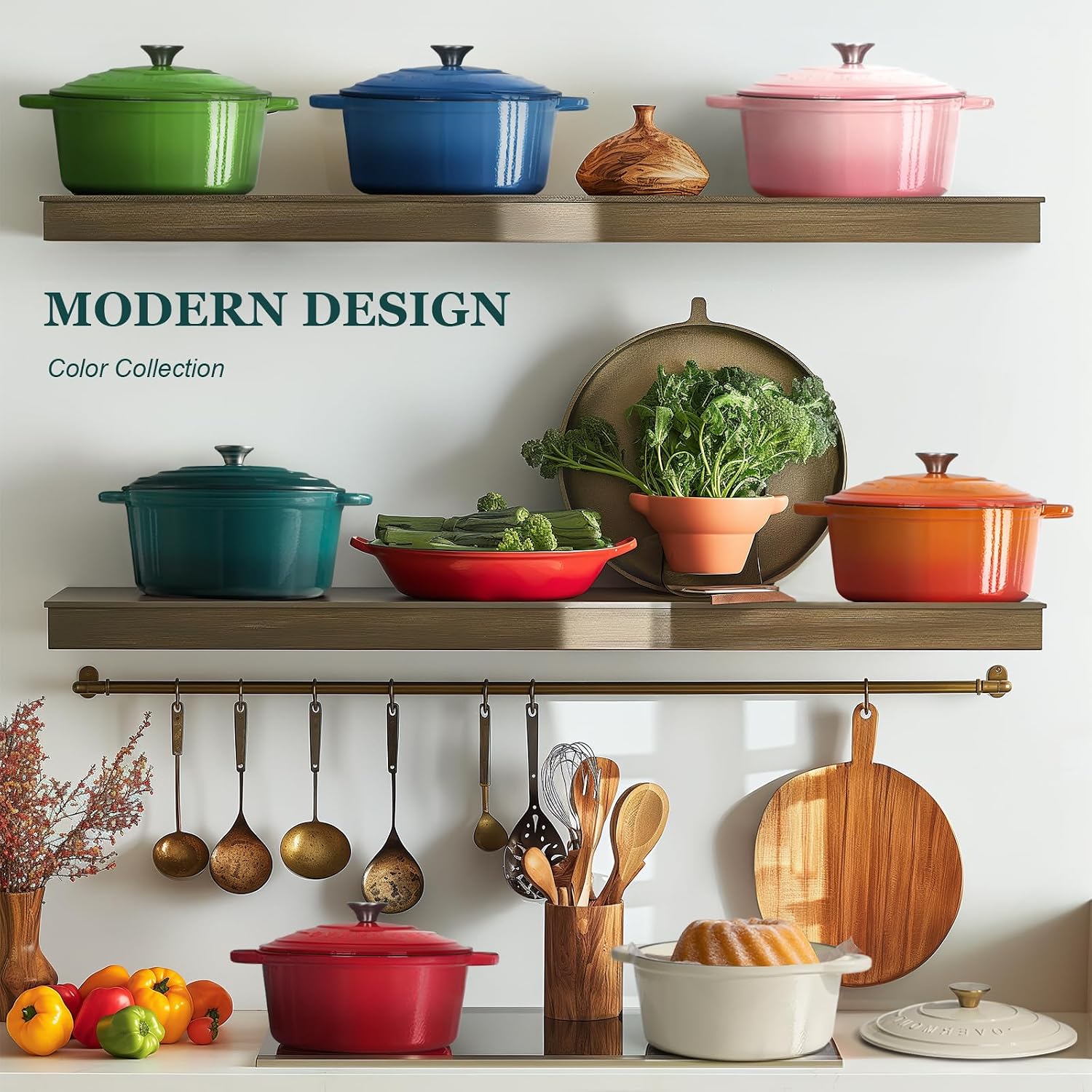
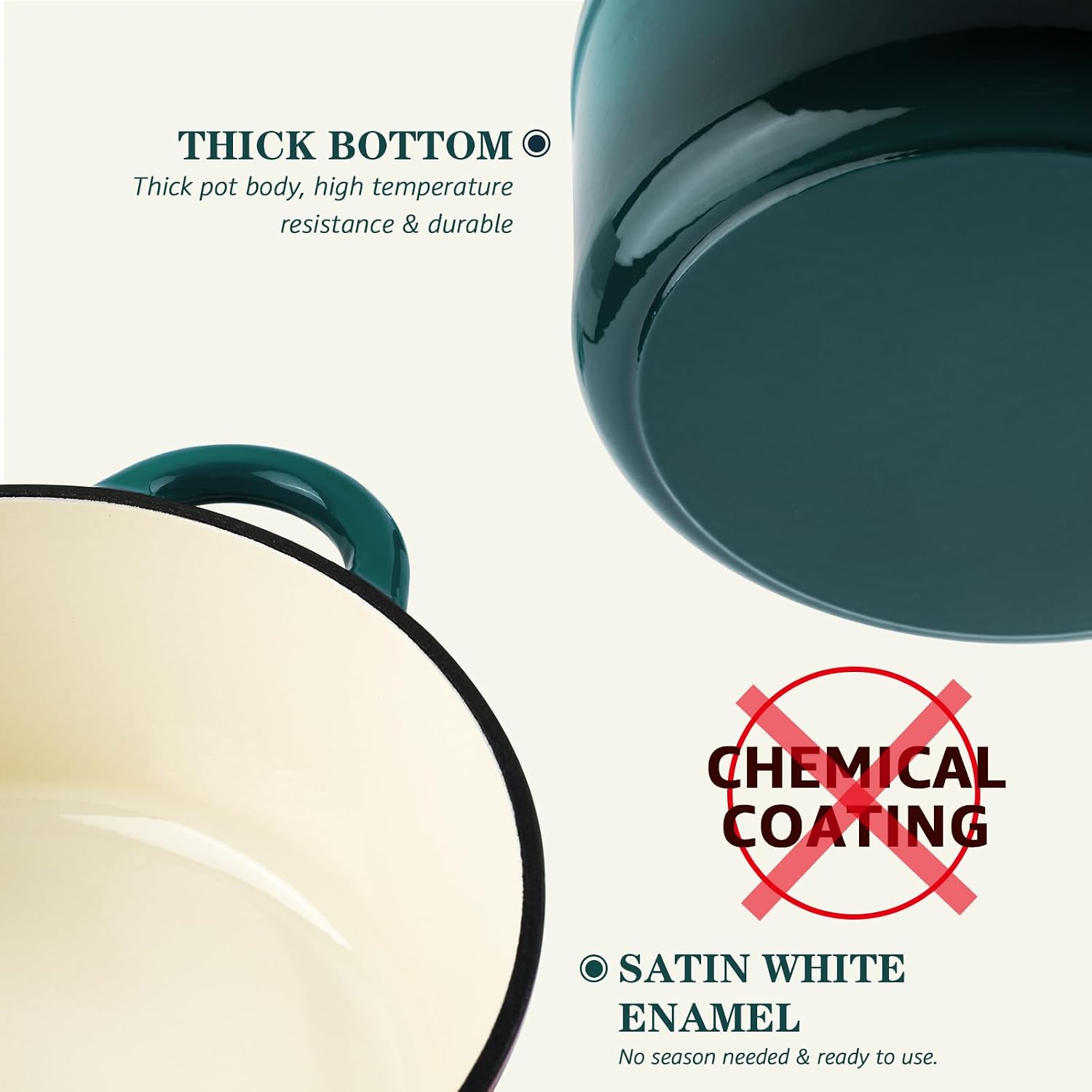
Most of us picture cast iron when we hear “Dutch oven,” and for good reason. It’s a heat-retaining champ. But there’s a big difference between raw, seasoned cast iron pot and enameled cast iron. Enameled pots offer easier cleaning, don’t require seasoning, and you can cook acidic foods without issue. The Overmont Enameled Cast Iron Dutch Oven, for instance, highlights its enamel. This isn’t just about color, like that striking bottle green finish; it’s about durability. A cheap enamel can chip or crack easily, exposing the iron beneath, which then rusts. You want a smooth, chip-resistant finish. Sometimes, budget options might have thinner enamel, meaning they’re more prone to damage. That’s a real trade-off to consider.
2. Capacity and Size:
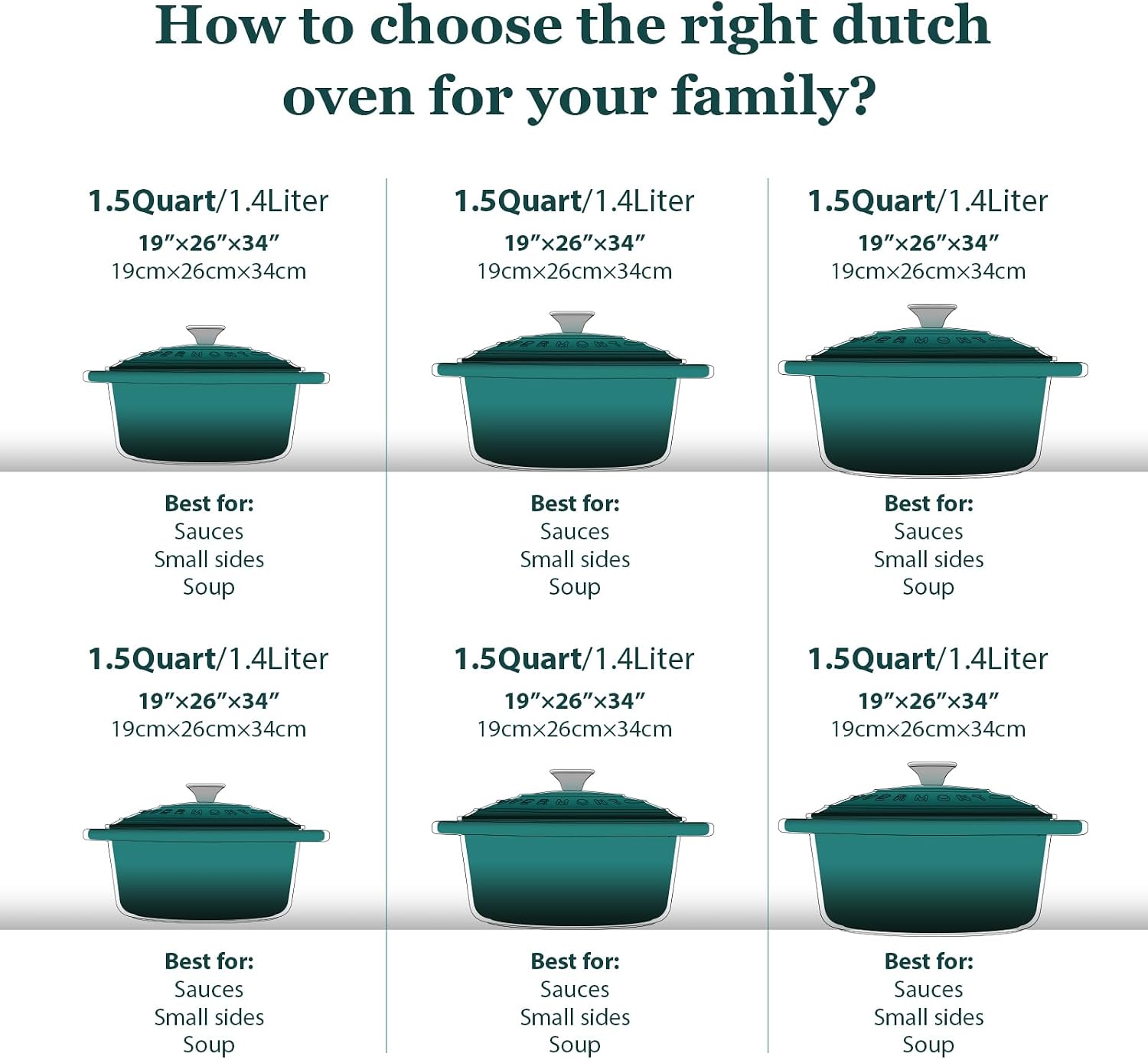
This is where the “7-quart” aspect of the Overmont model comes into play. For many families – say, three to five people – a 7-quart pot is an ideal sweet spot. It’s large enough to roast a small chicken, make a hearty batch of chili, or bake a good-sized loaf of sourdough. Go smaller, and you’ll quickly find yourself wishing for more space, especially if you enjoy entertaining or meal prepping. Go much larger, and it becomes unwieldy, takes up more stove space, and needs more storage. Plus, a bigger pot generally means a heavier pot, and those things aren’t exactly light to begin with.
3. Lid Fit and Construction:
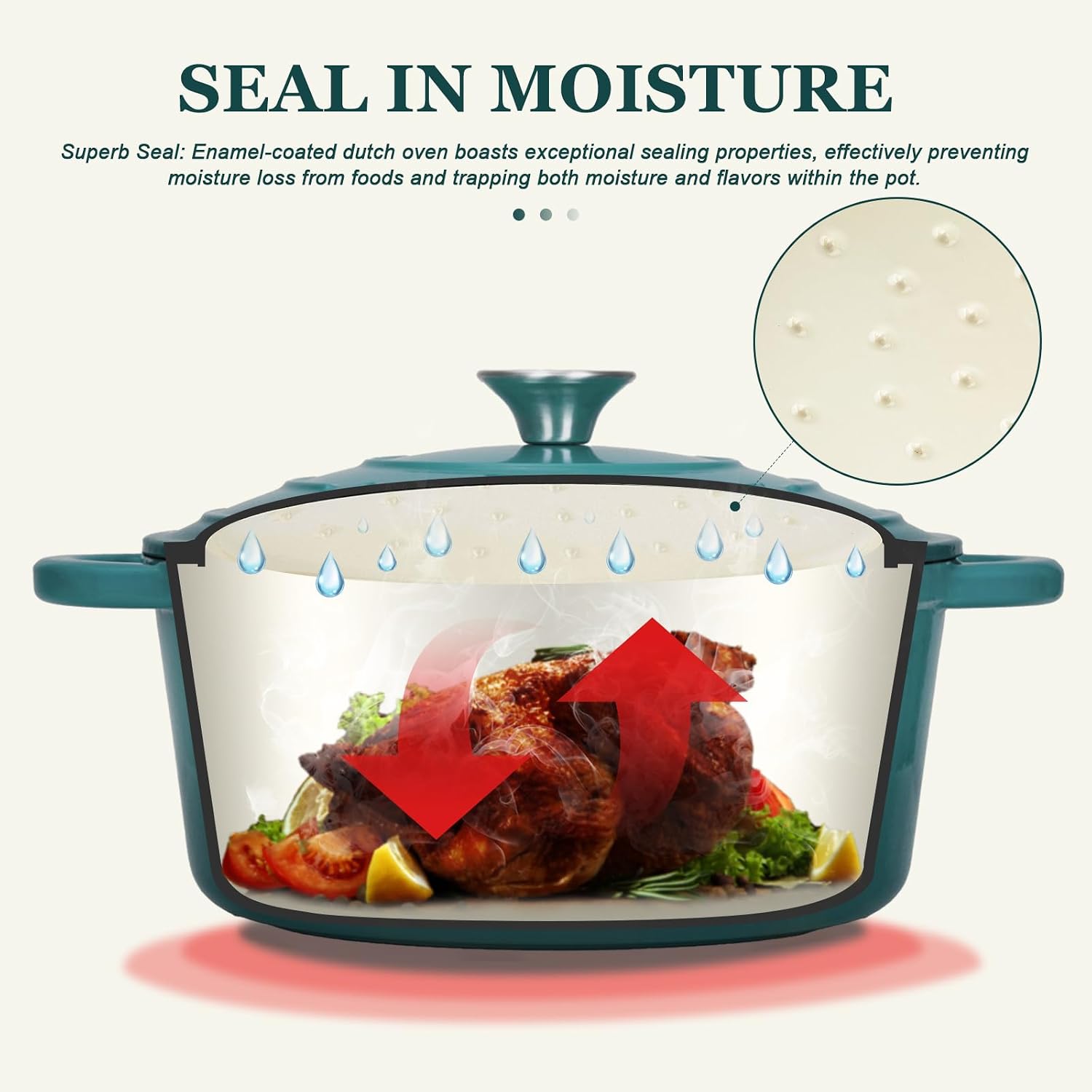
Honestly, this is often overlooked. A tight-fitting lid is crucial for heat and moisture retention, which is essential for braising meats until they’re falling off the bone or achieving that perfect, steamy environment for sourdough baking. The lid shouldn’t wobble or allow too much steam to escape. Some lids even have self-basting nubs on the underside, designed to return moisture to your food. While the Overmont model comes with a standard lid, checking its seal is key. A loose lid is a recipe for dry food.
4. Handle Design and Weight:
Cast iron is heavy. No way around it. Good handles, whether integrated loops or separate knobs, make a monumental difference. You want handles that are large enough to grip comfortably, even with cotton potholders (which the Overmont thoughtfully includes). Small, awkward handles on a heavy, hot pot? That’s a disaster waiting to happen. Consider the overall weight too. A 7-quart enameled pot will be substantial. Can you lift it comfortably when it’s full of food? Will your oven rack support it without sagging? Don’t scoff; it happens.
5. Oven-Safe Temperature:
If you plan to use your Dutch oven for roasting or sourdough baking, you absolutely need to check its maximum oven-safe temperature. While the enameled cast iron itself is usually fine at high temps, the knob on the lid might not be. Some plastic or phenolic knobs can only handle up to 350-400°F before they start to degrade. Metal knobs, naturally, offer much higher limits. You want something that can handle at least 500°F if you’re serious about bread.
6. Brand Reputation and Value-Add:
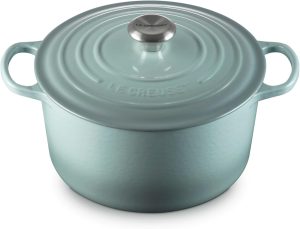
While premium brands like Le Creuset or Staub are revered for their heirloom quality, they come with a hefty price tag. Brands like Overmont offer a more budget-friendly entry point into the world of enameled cast iron. They aim for solid performance without the luxury brand markup. The inclusion of a cookbook and potholders with the Overmont is a nice touch, adding to its overall value proposition. You’re not just buying a pot; you’re getting a starter kit. But remember, a lower price sometimes means a slight compromise on finish or the longevity of the enamel compared to its much pricier counterparts. It’s a calculation of cost versus expected lifespan.
How to Match the Product to Your Situation
Your ideal Dutch oven isn’t just sitting out there, waiting. It depends on how you cook, how often, and who you’re feeding. Let’s sketch out a few scenarios.
The Weeknight Warrior:
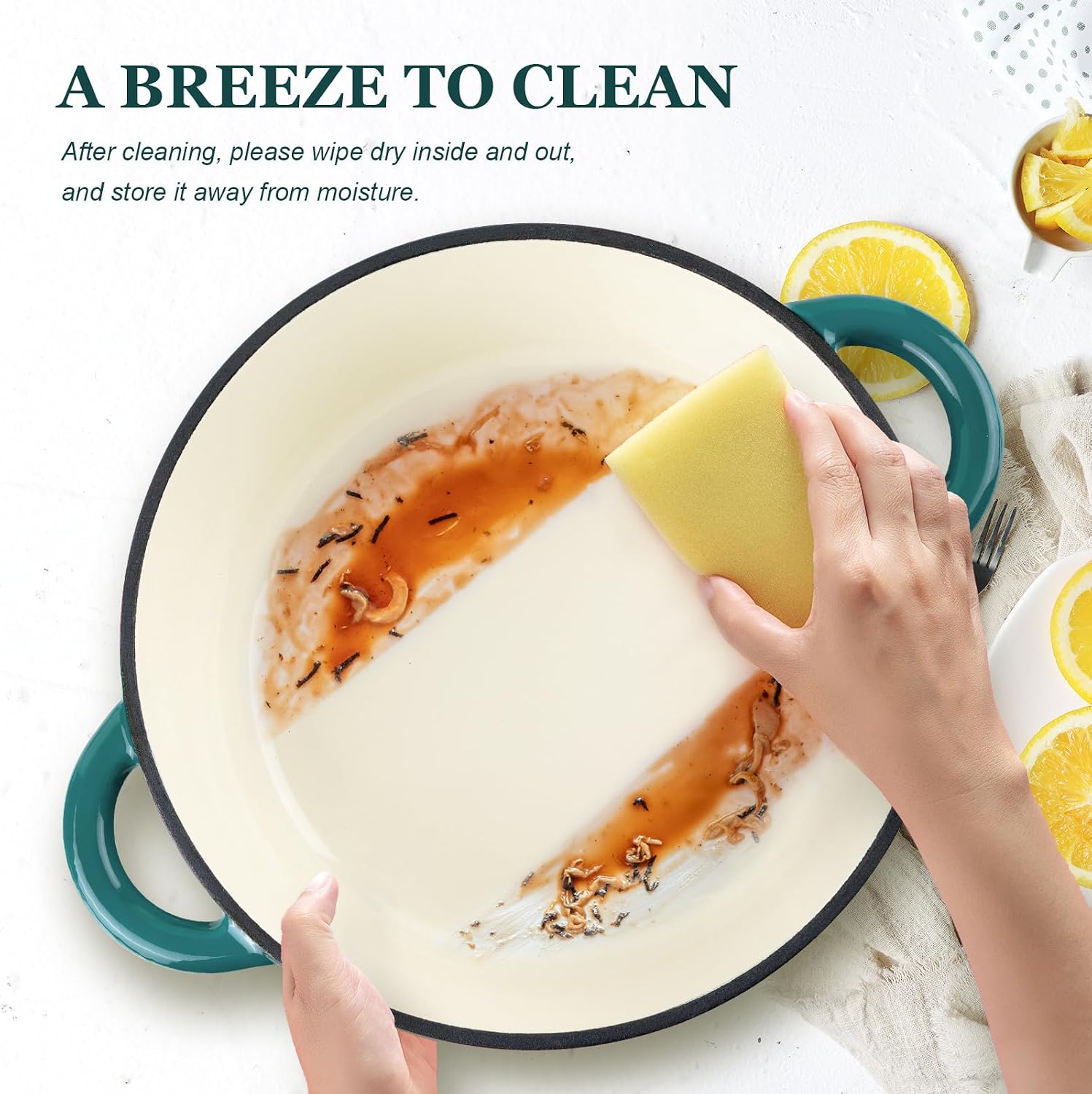
You’re busy. You want to make hearty, comforting meals without a ton of fuss. Think stews, pot roasts, maybe some quick braises. You don’t need fancy, you need functional. A 7-quart like the Overmont is perfect here because it’s big enough for family meals and leftovers, but not so gargantuan it becomes a project to clean. Its enameled surface makes cleanup a breeze compared to raw cast iron pot. You appreciate the durability but aren’t looking to pass it down for generations. Just good, reliable cooking.
The Sourdough Enthusiast (or Aspiring One):
Oh, you and your bread. You absolutely need something that can handle sustained high heat, providing that crucial steamy environment for a beautiful crust and airy crumb. The 7-quart capacity is ideal for most standard sourdough loaves, giving them enough room to spring. You’ll be looking at the oven-safe rating of the knob closely. While you might dream of a premium brand, an Overmont can get you 90% of the way there for a fraction of the cost. The money you save can buy more flour, right?
The Entertaining Extrovert:
You host. You love putting out big, impressive dishes that feed a crowd. For you, the sheer size of the 7-quart heavy-duty cookware is a major draw. Think large batches of chili, slow-cooked pulled pork, or a big chicken roasting away. The aesthetic of the pot, especially a vibrant bottle green, matters because it often goes straight from oven to table. While you might eye a more expensive option for pure wow factor, the Overmont provides the capacity and functionality needed without stressing your wallet. It’s about serving, not necessarily impressing with brand names.
Dutch Oven Comparison: What’s Your Flavor?
When it comes to Dutch ovens, there’s a tier for almost every budget and need. Here’s how to think about it.
| Type/Tier | Best For | Price Tier | Key Feature | Watch-Out |
|---|---|---|---|---|
| Budget-Friendly Enameled | Everyday cooking, first-time buyers, gifts | Entry-level | Great value, basic functionality, wide color range | Enamel may be less chip-resistant, handles might feel less refined. |
| Mid-Range Enameled | Regular use, sourdough baking, versatile | Mid-range | Solid construction, durable enamel, good heat retention | Might lack some of the premium aesthetic finishes or extreme oven-safe temps. |
| Premium Enameled | Heirloom quality, serious home chefs, aesthetics | High-end | Exceptional enamel durability, superior heat distribution | Significant upfront investment; heavier; can feel like overkill for casual cooks. |
| Raw Cast Iron | Camping, searing, high-heat cooking, purists | Budget-friendly | Indestructible, natural non-stick with seasoning | Requires regular seasoning; not ideal for acidic foods; rusts if not cared for. |
Budget-friendly enameled options provide an accessible entry point, but sometimes the enamel quality isn’t quite up to par with more expensive models, potentially leading to chips over time. Mid-range enameled pots, like the Overmont, strike a balance, offering robust performance and good looks without breaking the bank, though they might not have the absolute smoothest finish or a 600°F lid knob found on some high-end brands. Premium enameled Dutch ovens are built to last generations, with meticulously applied enamel and often superior heat distribution, but their cost can be prohibitive for many. Raw cast iron pot is a beast in its own right, incredibly durable and versatile for certain tasks, but the maintenance of seasoning and the risk of rust is a definite commitment.
Scenario-Specific Mini-Sections
For the High-Frequency Cook:
You’re using this thing multiple times a week. It’s not just for Sunday dinner; it’s for weeknight pasta sauces, quick veggie stir-fries, and yes, another loaf of sourdough. For you, durability and ease of cleaning are paramount. A 7-quart enameled model like the Overmont stands up to constant use far better than an un-enameled option, which would require more frequent seasoning. The enameled surface makes cleaning sticky bits far less of a chore, a real blessing when you’re cooking nightly. You need a workhorse, not a show pony.
The Space-Conscious Urbanite:
Living in a small apartment? You don’t have room for a dozen specialized pots. Your Dutch oven needs to do it all: braising, stews, roasting, maybe even frying. A 7-quart capacity offers remarkable versatility without being excessively large. It replaces multiple pieces of cookware. The fact that it comes with a lid means it pulls double duty for simmering or keeping things warm. Look, storage is precious. One reliable, multi-purpose pot makes more sense than several single-use gadgets taking up valuable cabinet space.
For the Budding Baker:
You’ve finally decided to tackle that sourdough starter. Awesome! This pot is your secret weapon. While some folks swear by ceramic cloches, an enameled cast iron pot like the Overmont Enameled Cast Iron Dutch Oven holds and radiates heat exceptionally well, mimicking a professional bakery oven. The steam trapped by the tight lid gives your bread that incredible oven spring and crackly crust. The 7-quart size is just about perfect for a standard boules. You might not need the most expensive option to get fantastic bread; solid heat retention and a good seal are what truly matter.
Common Mistakes
Even seasoned shoppers trip up sometimes when buying a Dutch oven. Avoid these pitfalls to make sure your purchase is a happy one.
1. Ignoring the Lid’s Oven-Safe Temperature: Many get excited about their new heavy-duty cookware and forget to check the lid knob’s material. They pop it in a hot oven for sourdough baking at 450°F, and suddenly there’s a melted, smelly mess. Always double-check this spec; some knobs are easily swapped out, but others are fixed.
2. Buying Too Small (or Too Big): A common mistake is underestimating how much space you really need. A 5-quart might seem fine, but once you try to brown a roast or fit a chicken, you’ll feel the pinch. Conversely, a 9-quart beast is glorious for big batches, but it’s heavy to maneuver and store, especially if you’re only cooking for one or two. That 7-quart capacity, like the Overmont, is often the sweet spot.
3. Neglecting Proper Care for Enameled Cast Iron: Just because it’s enameled doesn’t mean it’s indestructible. Using metal utensils can scratch the enamel, and abrasive cleaners can dull it. While the enamel makes it easier to clean than raw cast iron pot, you still need to treat it kindly. Think wooden spoons and gentle dish soap. Thermal shock, like plunging a hot pot into cold water, can also crack the enamel. Be gentle.
4. Not Considering All the Accessories: Sometimes, what seems like a great deal on a bare-bones pot ends up costing you more. The Overmont comes with a cookbook and cotton potholders. These aren’t just fluff; they’re genuinely useful additions. Had you bought a different model, you might be scrambling for heat protection or recipe inspiration, adding to your overall expense. Look at the whole package.
Why/How/What Mini-Section
Why are Dutch ovens so popular for baking sourdough?
It’s all about creating the perfect environment. The heavy cast iron heats evenly and retains heat incredibly well, acting like a mini-oven within your oven. The tight-fitting lid traps steam released by the dough, which keeps the crust from hardening too quickly. This allows the loaf to expand fully, giving you that coveted “oven spring” and a beautifully tender interior with a crisp crust.
How do I properly clean an enameled cast iron Dutch oven?
After it cools completely, use warm, soapy water and a soft sponge or nylon brush. For stubborn stuck-on bits, fill the pot with water, bring it to a simmer, and scrape with a wooden spoon. Avoid metal scourers or harsh abrasives, as these can scratch the enamel. Dry it thoroughly after washing to prevent any exposed cast iron (like the rim) from rusting. Simple, really.
What does “heavy-duty cookware” really mean in this context?
It means this pot is built to last. We’re talking about robust materials – thick cast iron pot coated with durable enamel – that can withstand high temperatures, repeated use, and the rigors of various cooking methods from slow-braising to high-heat roasting. It’s substantial, doesn’t warp, and can take a beating (within reason) unlike lighter-gauge pots. This isn’t disposable gear.
FAQ
Q: Is the 7-quart Overmont Dutch Oven big enough for a whole chicken?
A: Absolutely. A standard-sized whole chicken, usually 4-5 pounds, will comfortably fit in a 7-quart Dutch oven for roasting, often with some room for vegetables too. It’s a very practical size.
Q: Can I put the Overmont Enameled Cast Iron Dutch Oven in the dishwasher?
A: While some manufacturers claim their enameled cast iron is dishwasher safe, it’s generally not recommended. Harsh detergents can dull the enamel over time, and the intense heat can be hard on it. Hand washing is the gentler option for longevity.
Q: What’s the difference between a Dutch oven and a French oven?
A: Functionally, there’s no difference. “French oven” is simply the term popularized by certain high-end French brands, essentially referring to the same piece of enameled cast iron heavy-duty cookware. It’s just branding, really.
Q: Can I use this pot on an induction stovetop?
A: Yes, cast iron pot is inherently magnetic, so an enameled cast iron Dutch oven like the Overmont will work perfectly on induction cooktops. It’s one of its many versatile features.
Q: Does the bottle green color chip easily?
A: The color itself doesn’t chip; it’s the enamel coating that protects the cast iron. The durability of the enamel depends on its quality and how it’s treated. With proper care, a good enamel finish, regardless of color, should resist chipping for a long time.
Q: How important are the included cookbook and potholders with the Overmont model?
A: They’re a nice bonus! The cookbook can provide inspiration, especially if you’re new to Dutch oven cooking, and the cotton potholders are genuinely useful given how hot these pots get. It adds to the overall value of the package.
Q: Is it worth spending more for a premium brand if the Overmont has good reviews?
A: For most home cooks, a mid-range option like the Overmont offers 95% of the performance of a premium brand for a much lower cost. If you’re looking for heirloom quality, slightly better enamel resistance, and a bit more prestige, a premium brand might appeal. But for sheer utility and value, something like the Overmont Enameled Cast Iron Dutch Oven is tough to beat.
Final Recommendation
So, where does the Overmont Enameled Cast Iron Dutch Oven – 7QT Pot with Lid Cookbook & Cotton Potholders – Heavy-Duty Cookware for Braising, Stews, Roasting, Sourdough Baking bottle green land in your kitchen? If you’re a regular home cook, keen on everything from slow-cooked stews to getting into sourdough baking, and you value solid performance without the top-tier price tag, this 7-quart model is a genuinely smart choice. It hits that sweet spot for capacity, offers the convenience of enamel, and comes with those useful accessories.
For the vast majority of us, the value offered by a well-regarded mid-range heavy-duty cookware option like this Overmont simply makes more sense than splurging on something far more expensive. You get the essential heat retention, versatility for braising and roasting, and an easy-to-clean surface, all wrapped up in a handsome bottle green package. It’s built to be used, not just admired.
#Overmont #Enameled #Cast #Iron #Dutch #Oven #7QT #Pot #Lid #Cookbook #Cotton #Potholders #HeavyDuty #Cookware #Braising #Stews #Roasting #Sourdough #Baking #bottle #green