Is the Le Creuset Heritage Gravy Boat Really Worth It? Decoding the Dinner Table Essential
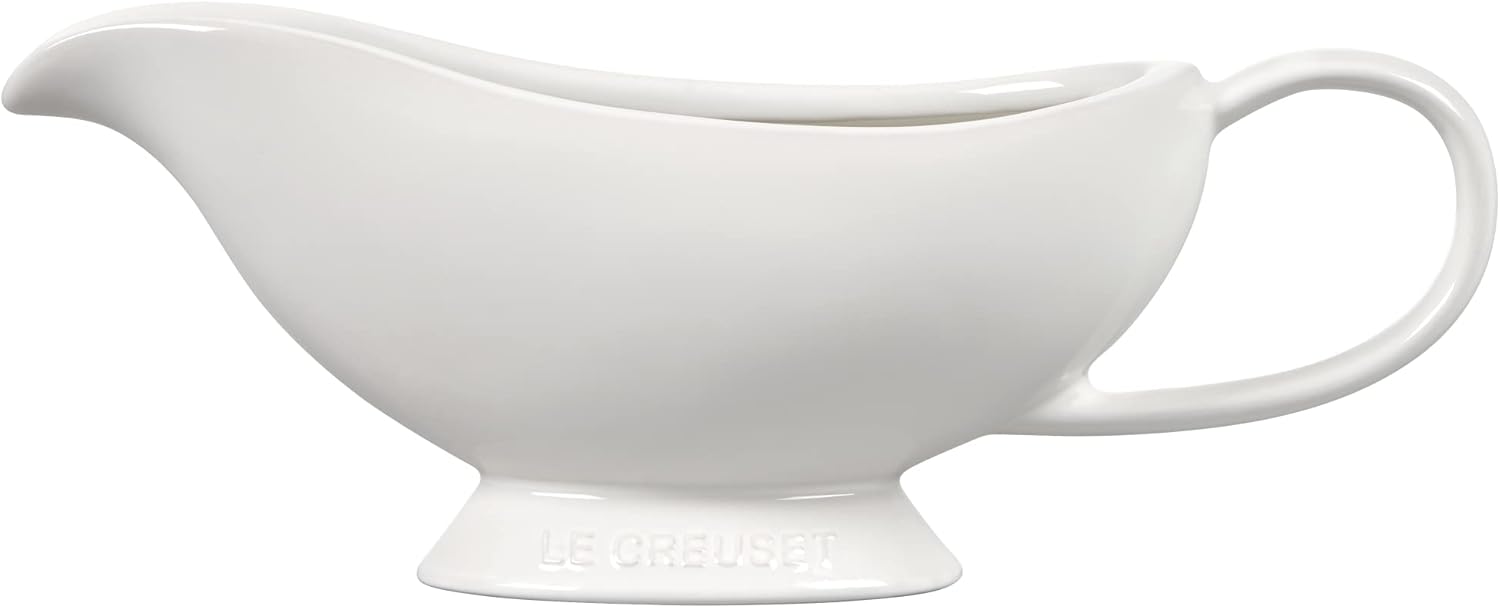
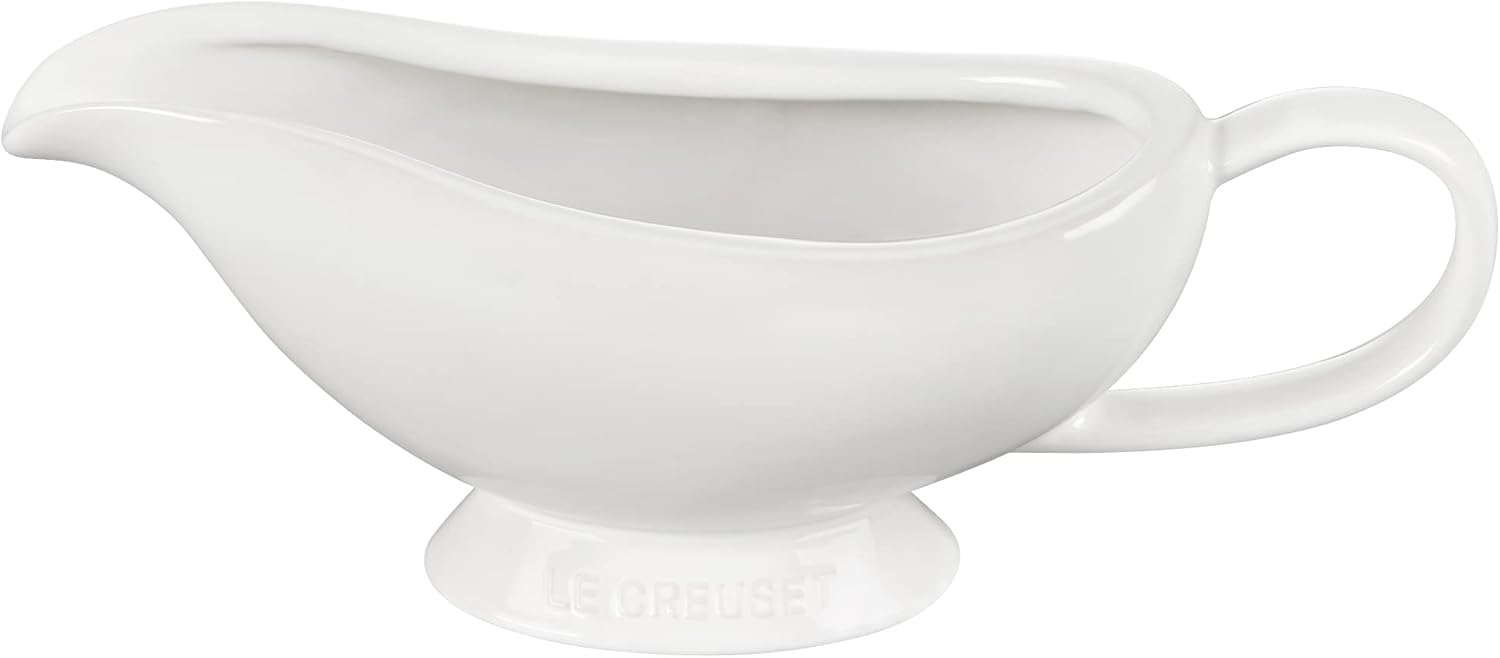
Gravy. It’s the unsung hero of countless meals, the silken finisher that brings everything together, from a holiday roast to everyday mashed potatoes. But where does one put it? This guide cuts through the noise, focusing squarely on the humble yet critical gravy boat, specifically taking a hard look at the popular Le Creuset Heritage Stoneware Gravy Boat, White, to figure out if splashing out for a premium serving vessel makes any real sense for your kitchen. We’re here for the savvy shopper, the one who wants real value, not just marketing fluff.
Quick Answer
The Le Creuset Heritage Stoneware Gravy Boat, White, often touted for its iconic design and durability, presents a strong case for formal dining and consistent entertaining, thanks to its superior heat retention and classic aesthetic. For casual, everyday use, however, simpler, more budget-friendly options might be a smarter bet. It truly boils down to how often you’ll use it and the experience you want to create.
What to Look For (The Buying Criteria)
Navigating the world of gravy boats is surprisingly complex. There’s more to it than just a pretty pitcher. Here are the core factors that should drive your decision, especially if you’re weighing up a purchase like the Le Creuset Heritage Stoneware Gravy Boat.
1. Material Matters: Stoneware, Porcelain, Stainless Steel, or Glass?
Each material brings its own set of strengths and weaknesses to the table, and they definitely impact price. Stoneware, like the Le Creuset model, excels at heat retention. It holds warmth beautifully, which is crucial for keeping that rich sauce hot throughout a meal. Think about those long holiday dinners; a cold gravy is just… sad. The trade-off? Stoneware can be quite heavy and, yes, breakable. Porcelain offers a smoother, more refined look, often lighter than stoneware, and is generally chip-resistant. It’s elegant but might not keep gravy piping hot quite as long. Stainless steel options are practically indestructible and often come with double-walled insulation for serious thermal performance. However, they lack the traditional aesthetic charm of ceramic, sometimes feeling a bit clinical. Glass, on the other hand, is visually appealing, letting the gravy’s color shine through, but it’s the least effective at heat retention and probably the most fragile. You’re sacrificing warmth for transparency there.
2. Capacity: Don’t Run Dry (or Overflow)
This might seem obvious, but it’s a common oversight. Gravy boats come in various sizes, usually measured in ounces. A small 8-ounce boat might be fine for a cozy dinner for two, but a larger gathering demands something substantial, perhaps 16-20 ounces or even more. Running out mid-meal is a real buzzkill. Then again, an oversized serving vessel can look ridiculous on a smaller table or feel cumbersome to handle for just a splash of sauce. Consider your average guest count. The Le Creuset Heritage Stoneware Gravy Boat typically offers a generous capacity, making it suitable for larger family meals. But if you’re usually only feeding yourself or one other person, it could feel a little much.
3. Pour Spout Design: The Drip-Free Dream
A good pour spout is arguably the most critical feature. Nobody wants gravy dribbling down the side of the boat and onto the tablecloth. You’re looking for a spout that’s well-defined, with a crisp edge that encourages a clean, precise pour. Some designs have a slightly flared lip; others are more sharply angled. A poorly designed spout will frustrate you every single time. And honestly? It makes even the most delicious homemade gravy look messy. Some premium options, the Le Creuset included, often boast thoughtfully designed spouts for a smoother experience. Others… not so much.
4. Handle Ergonomics: Comfort and Control
Holding a full gravy boat can be surprisingly weighty, especially if it’s a solid stoneware piece. A comfortable, secure handle is non-negotiable. It should fit well in your hand, offering a good grip and balance as you tilt the vessel. Think about how much leverage you need to pour without straining your wrist or wobbling. Is it too small? Too thin? Does it offer enough room for your fingers? Some handles look elegant but are terrible to actually use. This is where a little practical thinking trumps pure aesthetics. A robust, well-proportioned handle, like those often seen on classic stoneware designs, makes a real difference.
5. Aesthetic and Cohesion: Does it Fit Your Style?
Let’s be real: a gravy boat isn’t just a functional item; it’s part of your table presentation. Does it complement your existing dinnerware? Are you going for rustic charm, modern minimalism, or classic elegance? The Le Creuset Heritage Stoneware Gravy Boat, White, for example, is unmistakably classic. Its clean lines and creamy white finish make it versatile, blending with many styles, but it definitely leans towards a more traditional, perhaps even upscale, tablescape. Pairing it with chipped plastic plates? Probably not the look you’re going for. This is where personal preference takes the lead, but remember: mismatched serving pieces can really throw off your whole spread. Sometimes, a beautiful piece can be too dominant if it clashes with everything else you own.
6. Cleaning and Maintenance: The Practical Side
After the meal, cleaning needs to be easy. Is the gravy boat dishwasher safe? Are there intricate crevices that will trap dried gravy? Is it safe for the microwave for a quick reheat, or the oven if you want to warm it up before serving? Stoneware, like the Le Creuset, is typically very user-friendly in this regard – usually microwave-safe, oven-safe, and designed for easy cleanup. But always, always double-check the care instructions. Nobody wants to hand-scrub dried gravy from a delicate, awkwardly shaped piece.
How to Match the Product to Your Situation
Okay, so who really needs a premium gravy boat like the Le Creuset Heritage Stoneware Gravy Boat, White? And who might be better off with something else? Let’s break it down by a few common culinary personas.
The Dedicated Entertainer:
You host dinner parties regularly. Holidays are a big deal at your house. You meticulously plan your menus, set a beautiful table, and relish presenting food with flair. For you, the Le Creuset gravy boat isn’t just a vessel; it’s a statement. Its classic looks, the way it blends with quality dinnerware, and its impressive heat retention truly enhance the dining experience. You appreciate the practical elegance it brings. A premium stoneware piece means you don’t have to fuss with reheats, allowing you to actually enjoy your guests.
The Everyday Home Cook:
Your kitchen is a place of comfort, not necessarily constant fanfare. You make gravy for Sunday roasts, sure, but also for midweek schnitzel or a casual pot pie. You want something functional, easy to clean, and not overly precious. You’re not looking to impress; you’re looking to serve. For you, the heft and higher price point of a Le Creuset might feel a bit much. A simple, sturdy porcelain or even a double-walled stainless steel model might be more practical, easier to store, and less anxiety-inducing if it gets jostled.
The Aspiring Host/Hostess:
You’re just starting to build your collection of entertaining essentials. You appreciate good design and want quality pieces that will last, but you’re also watching your budget. Maybe you host one or two big holiday meals a year, and a few smaller gatherings. A Le Creuset gravy boat could be a cornerstone piece – an investment in timeless quality. It offers that aspirational touch without requiring a full kitchen overhaul. You’re buying for the future, for those moments when you do want to elevate the meal. But it should be one of your first premium buys, not your fifth, unless you have everything else covered.
Here’s a quick comparison of the product tiers:
| Type/Tier | Best For | Price Tier | Key Feature | Watch-Out |
|---|---|---|---|---|
| Premium Stoneware (e.g., Le Creuset) | Formal entertaining, long meals, aesthetic priority | Premium | Superior heat retention, classic design | Heavy, can be pricey, requires careful handling. |
| Everyday Porcelain | Casual family meals, lighter use, clean aesthetic | Mid-range | Lighter weight, good versatility, usually dishwasher-safe. | Less effective heat retention than stoneware. |
| Insulated Stainless Steel | Buffets, potlucks, extended serving, ultimate durability | Mid-range | Excellent thermal properties, virtually indestructible. | Industrial aesthetic might clash with some decor. |
| Budget Glass/Ceramic | Infrequent use, specific decorative needs, cost-conscious | Budget | Transparent presentation (glass), very affordable. | Poor heat retention, often less durable, generic design. |
Premium stoneware, exemplified by the Le Creuset Heritage Gravy Boat, shines brightest when you need that gravy to stay warm through multiple servings, all while adding a touch of timeless elegance to your table. Everyday porcelain offers a versatile middle ground, good for regular use without the significant investment or heft, though gravy might cool down faster. Insulated stainless steel is the workhorse, perfect for large gatherings where durability and keeping things hot are paramount, even if it lacks the traditional charm. And budget glass or ceramic options are fine for those rare occasions, but don’t expect them to keep your sauce warm for long or withstand much abuse.
Elevating the Holiday Table vs. Weeknight Ease
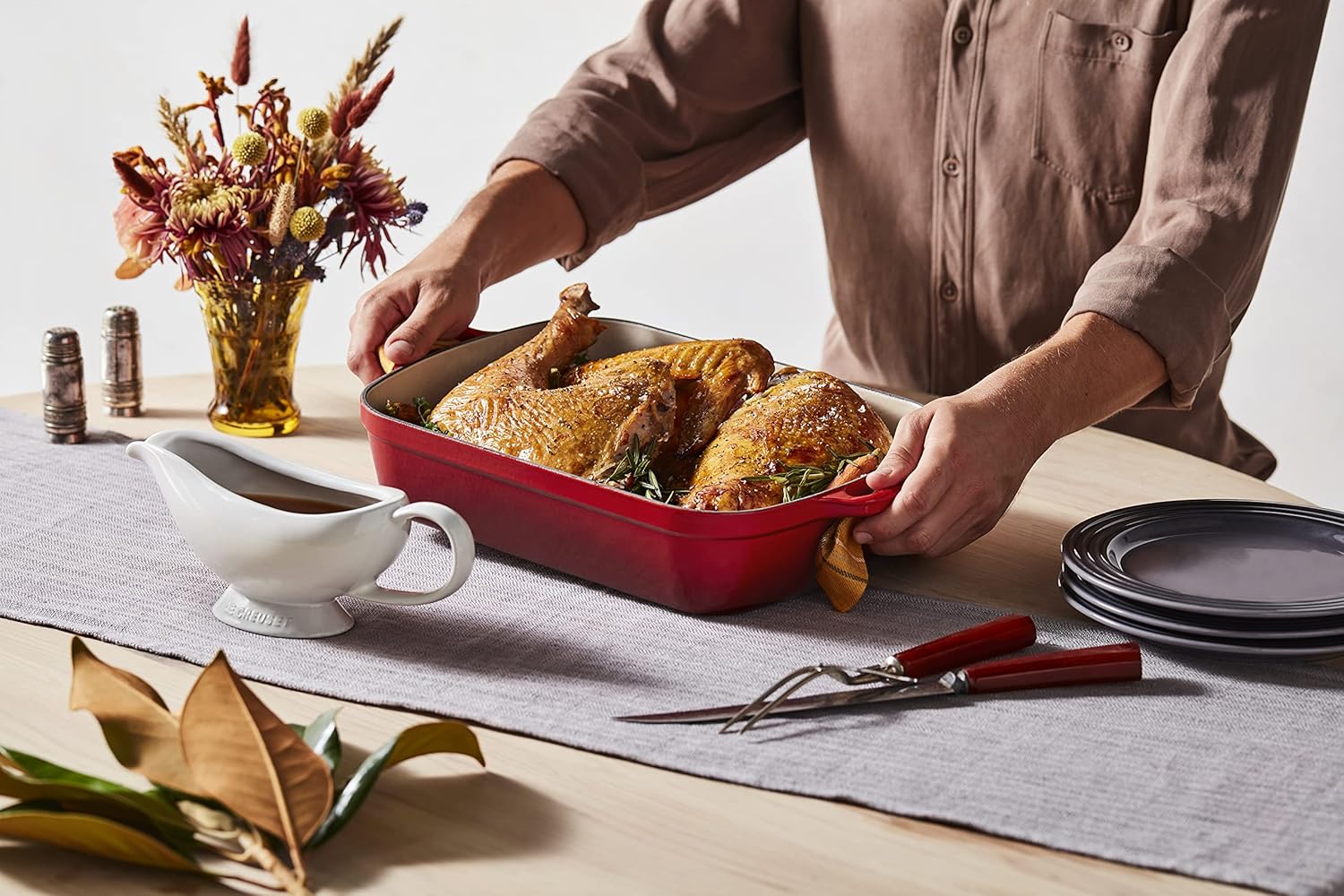
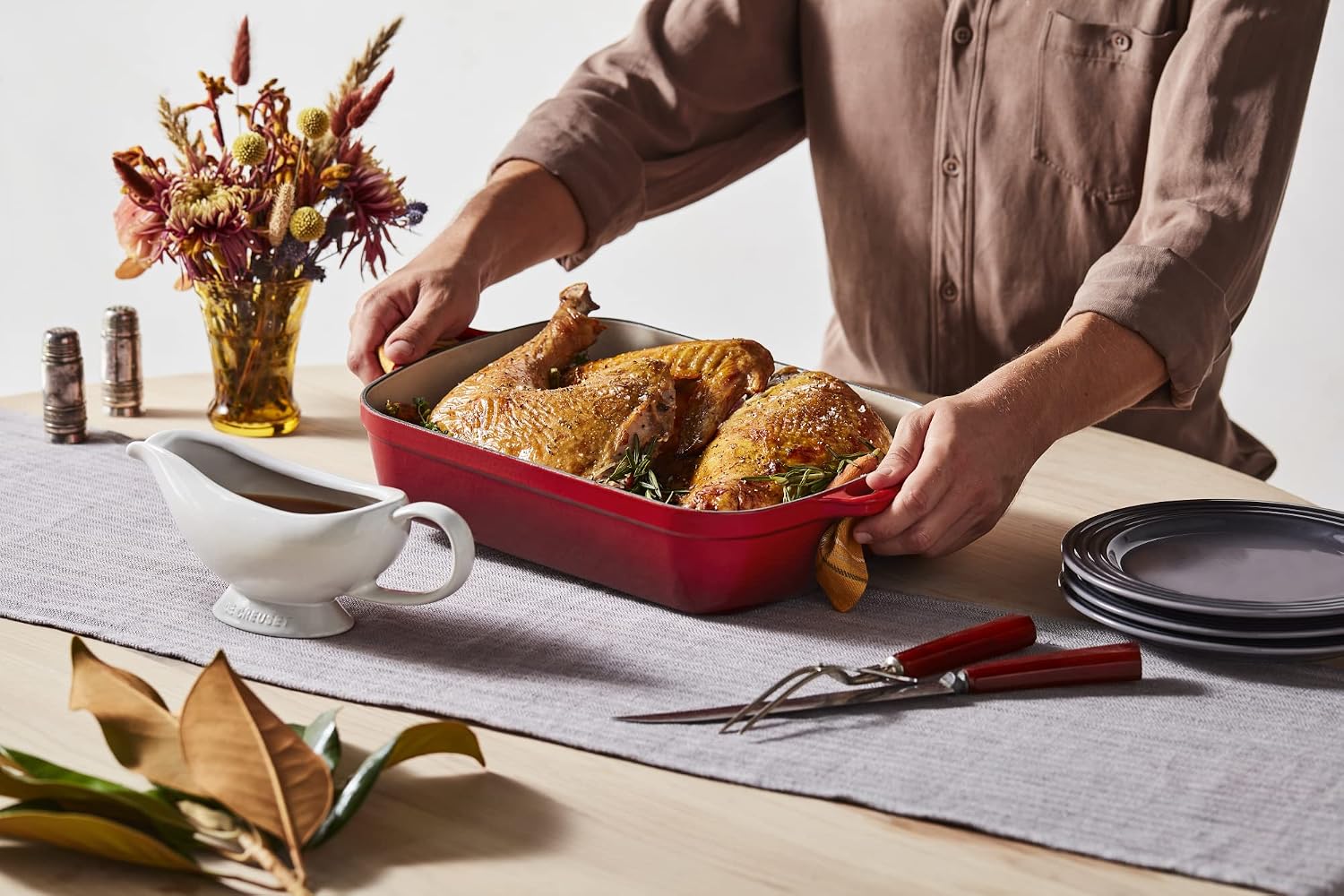
Think about your most important meal of the year. For many, that’s Thanksgiving or Christmas dinner. This is where a dedicated, high-quality gravy boat truly earns its keep. The Le Creuset Heritage Stoneware Gravy Boat, White, in this scenario, isn’t just functional; it’s part of the celebration. Its substantial feel, the way it radiates warmth, its simple yet sophisticated design – it all contributes to that special occasion atmosphere. You’re already spending hours on the meal; why let the gravy fall flat?
Now, consider a Tuesday night. Maybe you’ve whipped up some quick pan gravy for mashed potatoes. Do you really want to pull out a weighty, somewhat delicate, premium stoneware piece just for that? Probably not. A smaller, more easily accessible ceramic pourer or even a measuring cup often suffices. The point is, your needs shift dramatically with the occasion. Investing in a Le Creuset gravy boat is a choice for those moments, not necessarily every single one. You wouldn’t use your fancy crystal for orange juice, would you? It’s about appropriate tools for the job.
Durability for the Long Haul
A significant draw of premium stoneware, and a factor in the “worth-it” equation, is its long-term durability. Quality ceramics, fired at high temperatures, resist chipping and staining far better than cheaper alternatives. They’re built to last for years, even decades, becoming heirlooms rather than disposable kitchen items. This isn’t just about resisting breakage; it’s about maintaining its appearance. Lesser quality pieces can show knife marks, crazing (fine cracks in the glaze), or discoloration over time. With a Le Creuset Heritage Stoneware Gravy Boat, you’re buying into a reputation for robust construction. You pay more upfront, but the expectation is that you won’t be replacing it anytime soon. Still, it’s stoneware, remember? Drop it on a hard floor, and it’s probably going to shatter. No ceramic is truly indestructible.
Common Mistakes When Buying a Gravy Boat
People trip up on these things all the time. Learning from others’ missteps can save you regret.
1. Underestimating Capacity Needs: This is probably the biggest blunder. Many shoppers buy a gravy boat that looks nice but is far too small for their typical serving needs. You end up having to refill it constantly, interrupting the flow of the meal, or worse, not having enough for everyone. Always factor in your usual guest count and how much gravy you actually consume. Don’t be shy; gravy goes fast.
2. Ignoring the Pour Spout and Handle: It’s easy to get distracted by material or brand, but a poorly designed spout means drips, and an uncomfortable handle means awkward, potentially messy serving. You need to visualize yourself using it. Will it feel balanced? Can you pour precisely? These functional elements are far more important than a pretty pattern.
3. Neglecting Heat Retention: Gravy, like coffee, tastes best hot. A beautiful glass or thin ceramic gravy boat might look appealing, but if it lets your carefully made sauce get cold in five minutes, what’s the point? Think about how quickly your meals are served and eaten. If guests linger, or if you’re serving buffet-style, you absolutely need something that holds heat.
4. Not Considering Storage: Gravy boats, particularly more ornate or larger ones, can be surprisingly awkward to store. They don’t stack neatly with other dishes. Before you commit to a substantial piece like the Le Creuset Heritage Stoneware Gravy Boat, quickly think about where it will live between uses. Does it fit in your cabinet? Will it be perpetually taking up counter space?
Why/How/What
Why invest in a quality gravy boat like the Le Creuset Heritage Stoneware model?
Investing in a well-made gravy boat transcends mere functionality; it’s about enhancing the overall dining experience. A quality piece like the Le Creuset maintains the ideal temperature of your gravy, ensuring every serving is as warm and delicious as the first. It adds a layer of sophistication to your table, reflecting an attention to detail that elevates even a simple meal. Plus, durable pieces often become cherished items passed down through generations.
How can I keep gravy warm longer during a meal?
Beyond choosing a material with good heat retention, there are a few tricks. Preheating your gravy boat with hot water before adding the gravy is a simple, effective step. For extended warmth, consider a double-walled insulated model, or even a gravy boat designed to sit over a small tea light candle warmer. Covering the top with a small lid, if available, also helps trap heat.
What distinguishes stoneware from porcelain in terms of practical use for a gravy boat?
Stoneware, exemplified by the Le Creuset Heritage line, is generally thicker and denser than porcelain, giving it superior insulating properties. This means it excels at retaining heat, keeping your gravy warm for a longer duration on the table. Porcelain, while often more delicate in appearance and lighter in weight, doesn’t hold heat quite as effectively. Both are durable, but stoneware typically has a more rustic, substantial feel, while porcelain offers a refined, almost translucent elegance.
Decision Tree: Is the Le Creuset Heritage Gravy Boat for You?
-
Do you frequently host formal dinners or holiday meals (3+ times a year)?
- Yes: Go to 2.
- No: Go to 3.
-
Is aesthetic consistency with premium dinnerware and superior heat retention a high priority for your table settings?
- Yes: The Le Creuset Heritage Stoneware Gravy Boat, White, is likely a worthy investment. Its classic design and robust thermal properties will serve you well.
- No: Consider a durable insulated stainless steel option for pure utility, or a high-quality porcelain model for a lighter feel and good looks without the full premium price tag.
-
Are you primarily looking for an everyday gravy serving solution for casual family meals or infrequent use?
- Yes: A more budget-friendly porcelain or even a glass gravy boat might be sufficient. You won’t get the same heat retention, but the lower cost and ease of handling might outweigh the benefits of premium stoneware.
- No: Re-evaluate your needs; perhaps you don’t need a dedicated gravy boat at all, or your use case is somewhere between.
FAQ
H3: Is the Le Creuset Heritage Stoneware Gravy Boat heavy to handle?
Yes, stoneware, especially a well-made piece like the Le Creuset, tends to be substantial. It’s noticeably heavier than porcelain or glass alternatives, which contributes to its robust feel and heat retention, but does require a firm hand when full.
H3: Can I put the Le Creuset gravy boat in the microwave or oven?
Generally, Le Creuset stoneware is designed to be highly versatile, meaning it’s typically safe for use in the microwave, oven, and even under the broiler. This makes reheating gravy a breeze, but always check the specific care instructions for your model.
H3: How easy is it to clean the Le Creuset Heritage Gravy Boat?
The smooth, glazed interior of Le Creuset stoneware usually makes cleanup quite simple. Most models are dishwasher safe, and any stubborn, dried-on bits of gravy can typically be soaked off without much fuss, making it a practical choice.
H3: Does the Le Creuset gravy boat keep gravy warm for a long time?
One of the primary benefits of quality stoneware is its excellent heat retention. When preheated, the Le Creuset Heritage Gravy Boat is very effective at keeping gravy warm through an entire meal, significantly longer than thinner ceramic or glass options.
H3: Are there different colors available for the Le Creuset Heritage Gravy Boat?
While this guide focuses on the classic White, Le Creuset is renowned for its vibrant color palette across its entire product line. You might find the Heritage Gravy Boat in various signature hues, allowing you to match it with other Le Creuset pieces or your existing kitchen decor.
H3: Is a double-spouted gravy boat better than a single-spouted one?
A double-spouted gravy boat offers convenience, especially for left-handed individuals or when passing it around a large table, as it provides pouring options from either side. Functionally, a single well-designed spout can be just as effective if it pours cleanly.
H3: What’s the best way to prevent gravy drips when pouring?
A well-designed, sharp pour spout is key. To minimize drips, pour with confidence and a steady hand, then quickly tilt the boat back up to cut off the flow sharply. Some people also gently tap the spout on the edge of the serving bowl to catch any rogue drips before setting it down.
Final Recommendation
So, should you spring for the Le Creuset Heritage Stoneware Gravy Boat, White? Look, if you’re a serious entertainer, someone who relishes a beautifully set table, and values enduring quality that genuinely elevates the dining experience, then yes, it’s absolutely a purchase worth considering. Its superior heat retention, classic looks, and robust construction mean it’s not just a gravy boat; it’s an investment in countless memorable meals. This isn’t just about utility; it’s about the entire presentation.
However, if your gravy needs are more sporadic, or if you’re outfitting a starter kitchen on a tighter budget, simpler porcelain or even an insulated stainless steel alternative will serve you perfectly well. They’ll get the job done without the premium price tag. The Le Creuset shines brightest when it’s integrated into a thoughtfully curated collection of serveware, used for those special occasions where every detail counts. Otherwise? You might find its charm (and weight) a bit much for everyday use.
#Creuset #Heritage #Stoneware #Gravy #Boat #White