Brightening Your Holiday: Are Solar Candy Cane Pathway Lights Worth the Christmas Decorations Investment?
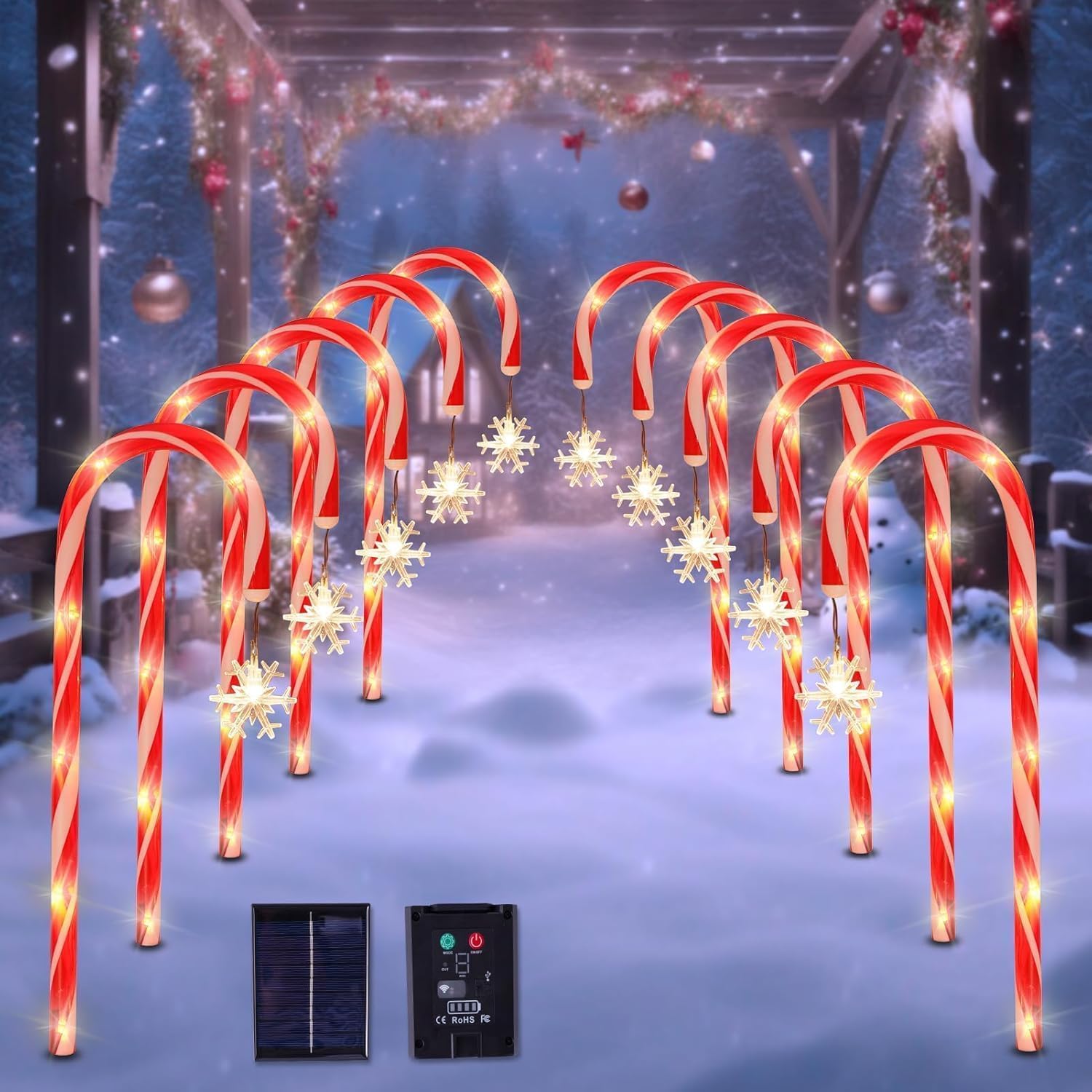
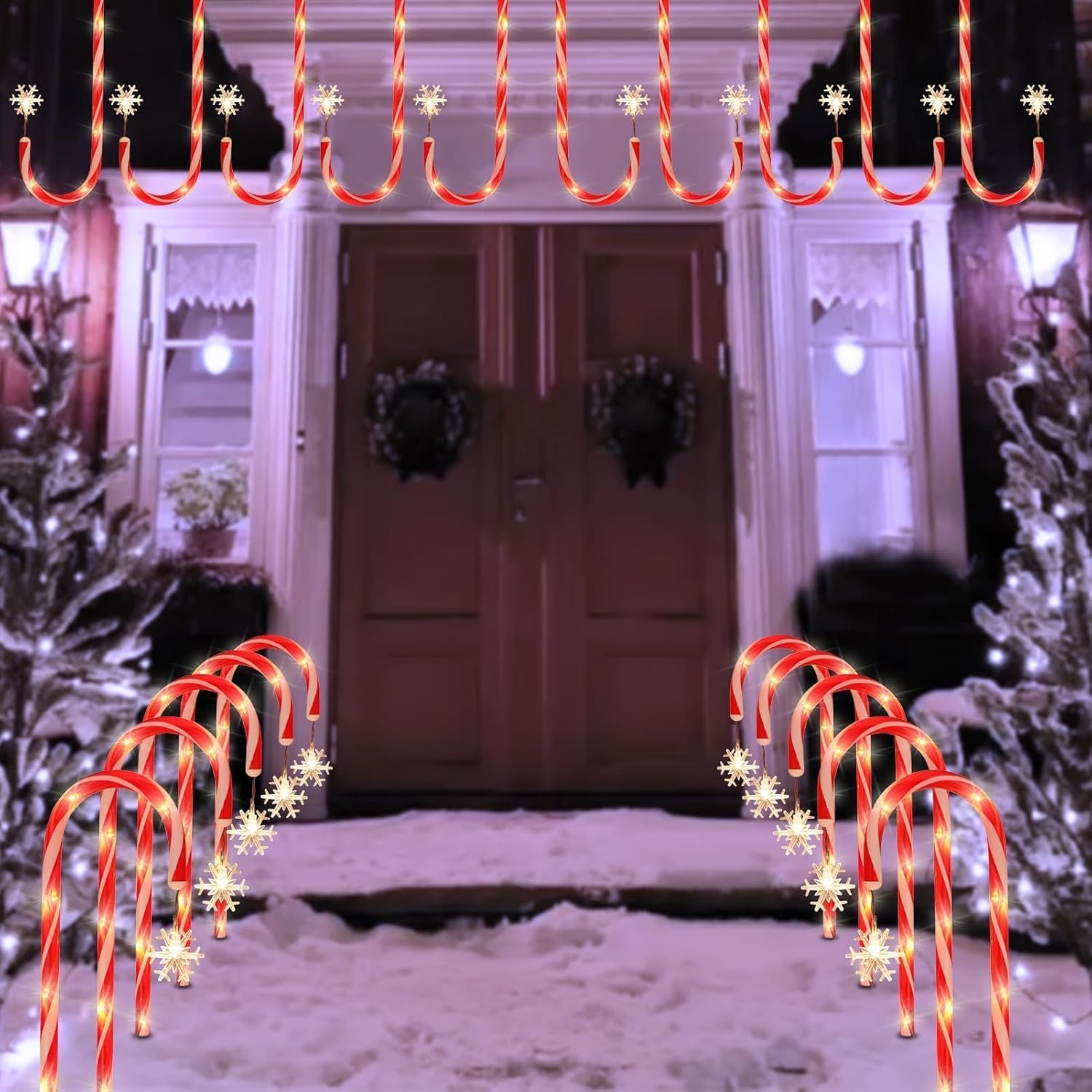
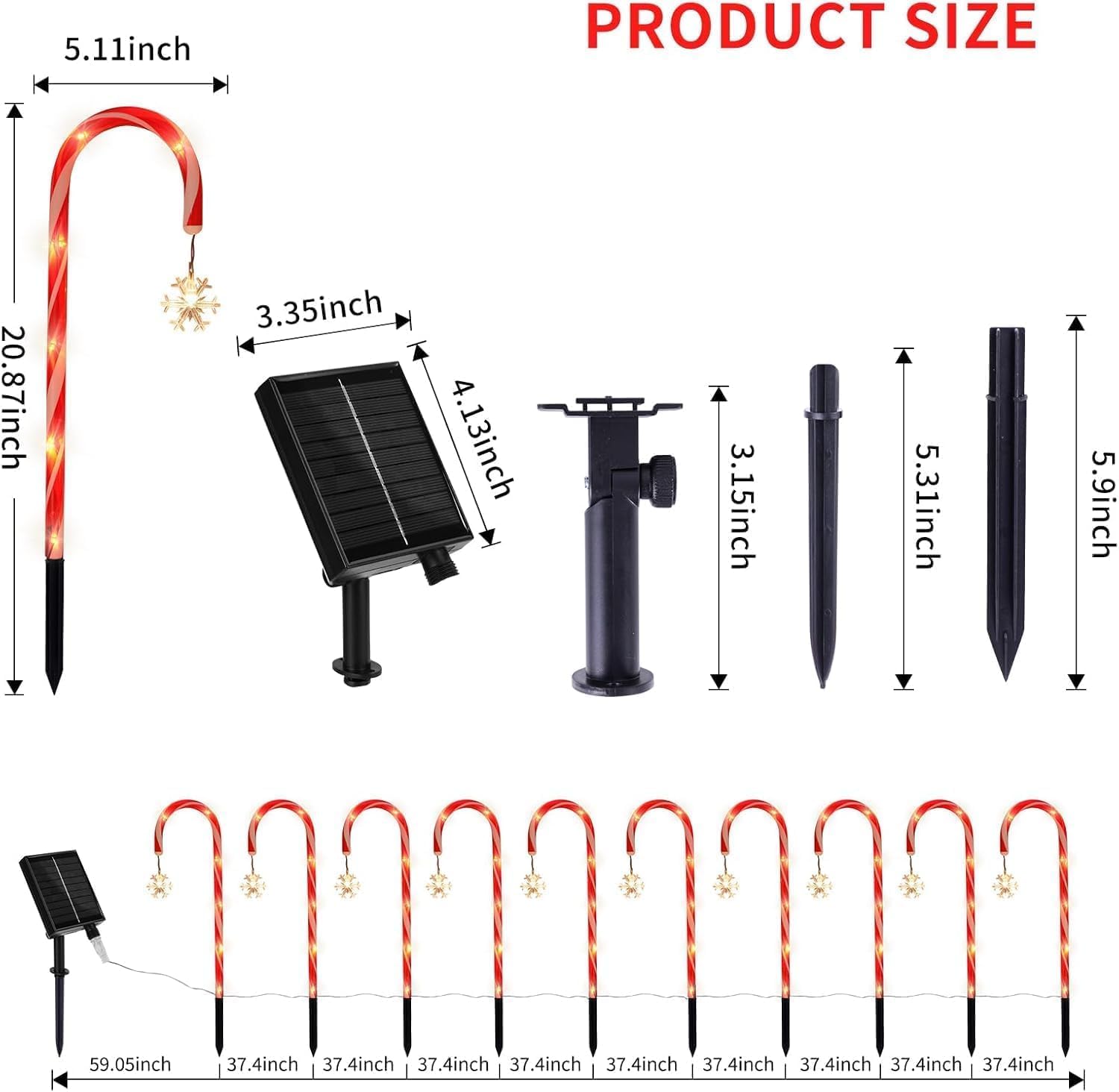
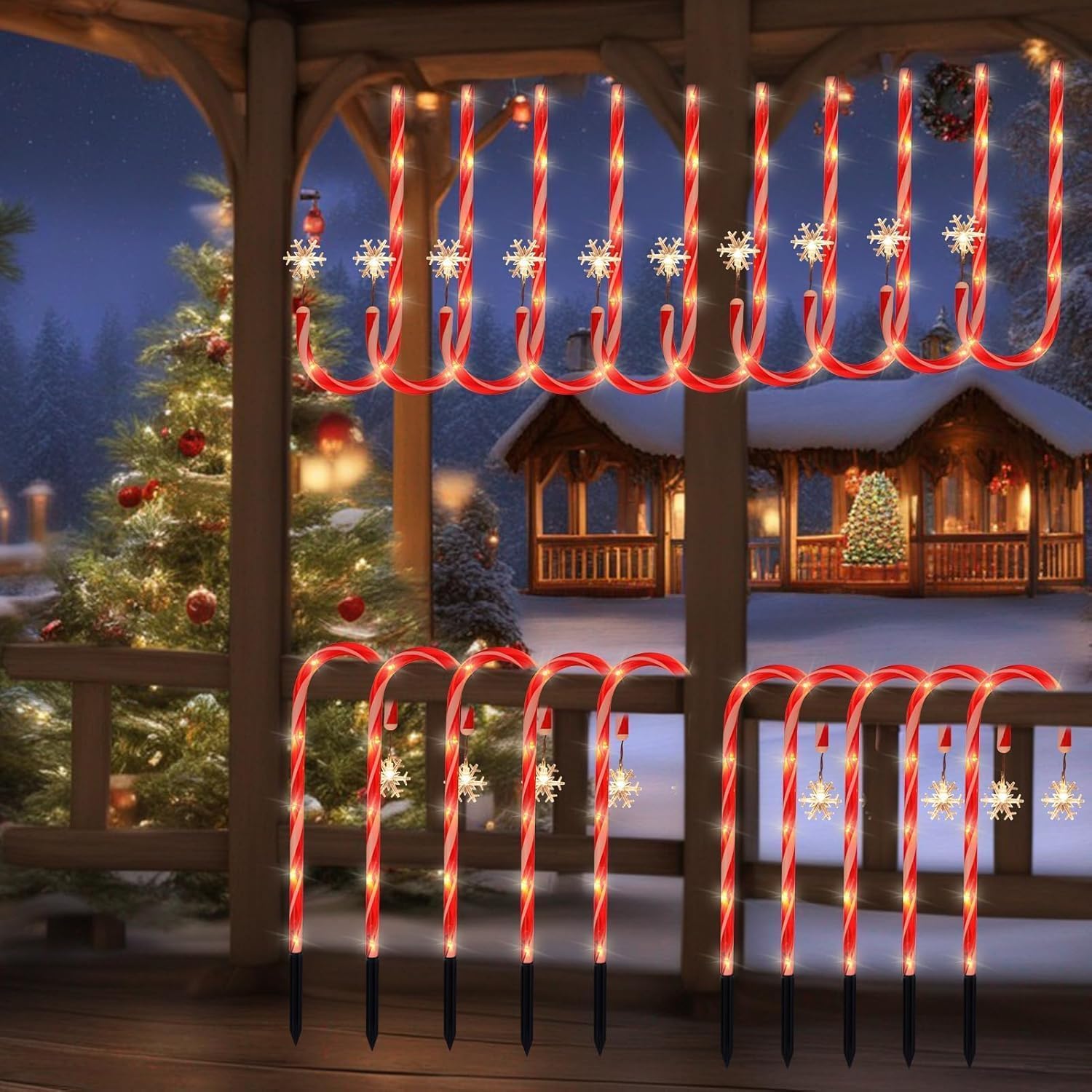
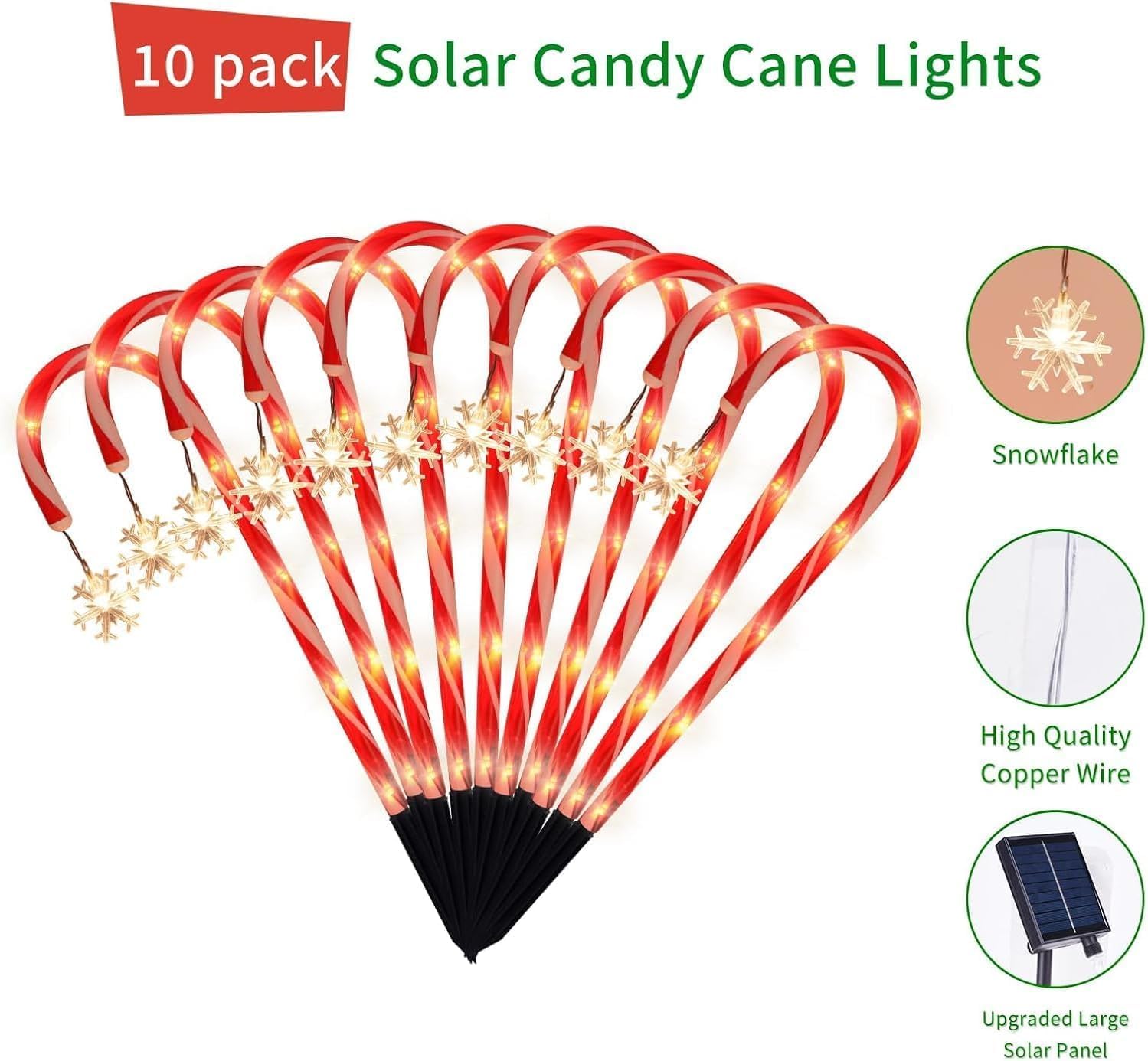
When the holiday season rolls around, nothing sets a festive mood quite like a dazzling outdoor display. And let’s be real, for many, that means finding smart ways to light up the yard without tripping breakers or wrestling with tangled cords. This guide cuts through the marketing fluff to help savvy shoppers decide if those 10-pack solar candy cane pathway lights—you know, the warm white Christmas decor with auto-on at dusk, eight lighting modes, ground stakes, and IP44 weather resistance—are truly a worthwhile addition to their christmas decorations arsenal. We’re talking about real value here, not just glitter.
Quick Answer
For many homes, a good set of solar candy cane pathway lights absolutely makes sense for hassle-free christmas decorations, especially if easy setup and energy efficiency are priorities. They offer a simple, charming glow without the fuss of wiring, but expect variations in brightness and battery longevity across different price points. Your specific yard conditions and display goals will largely dictate whether a basic set or a more robust, premium option is your best bet.
What to Look For (The Buying Criteria)
Choosing the right solar candy cane lights isn’t just about picking the prettiest package. There’s a surprising amount of detail to consider if you want your outdoor Christmas lighting to shine brightly all season long, year after year. Here’s what smart shoppers really dig into.
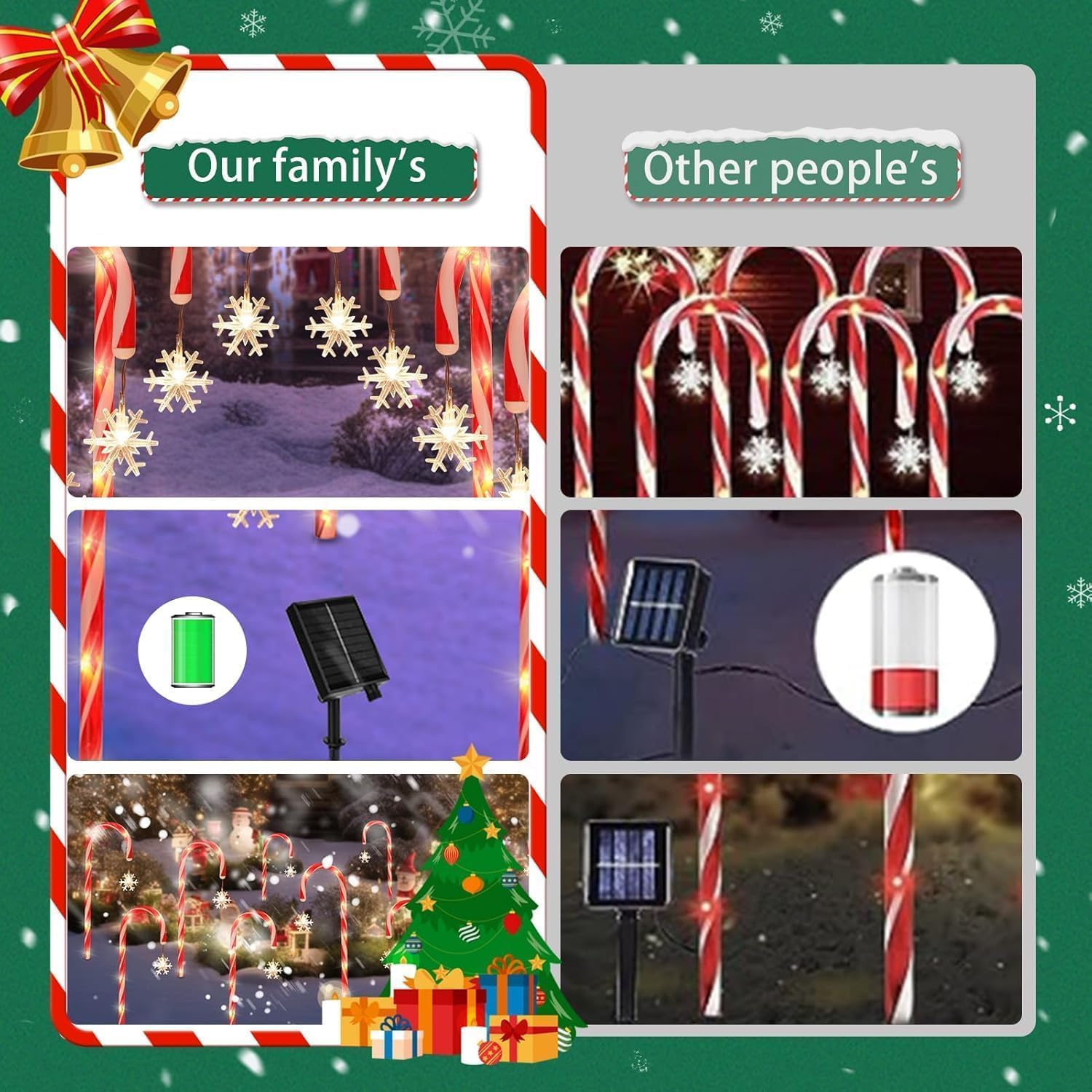
First up, consider the solar panel efficiency. This is the heart of any solar light, really. A good panel means more sunlight gets converted into energy to charge the internal battery. If you live somewhere with long, dark winters or your yard has a lot of shade, a larger, more efficient panel is non-negotiable. Otherwise, your warm white Christmas decor might look pretty sad by evening, fading out quickly. The downside? More efficient panels usually mean a higher upfront cost, and even the best ones can only do so much on cloudy days. You might find some cheaper sets just can’t keep a charge through a full evening of holiday cheer.
Next, battery type and capacity are crucial. Most of these pathway lights use rechargeable Ni-MH or LiFePO4 batteries. The latter tends to offer better longevity and consistent power output, but you’ll pay for it. A higher milliamp-hour (mAh) rating means the battery can store more energy, leading to longer illumination times once dusk hits. Think about it: you want your yard decorations glowing until at least bedtime, right? A low-capacity battery might peter out before the kids are even asleep, which is a bit of a bummer. And replacing these batteries every year or two can be an unexpected cost some folks don’t factor in.
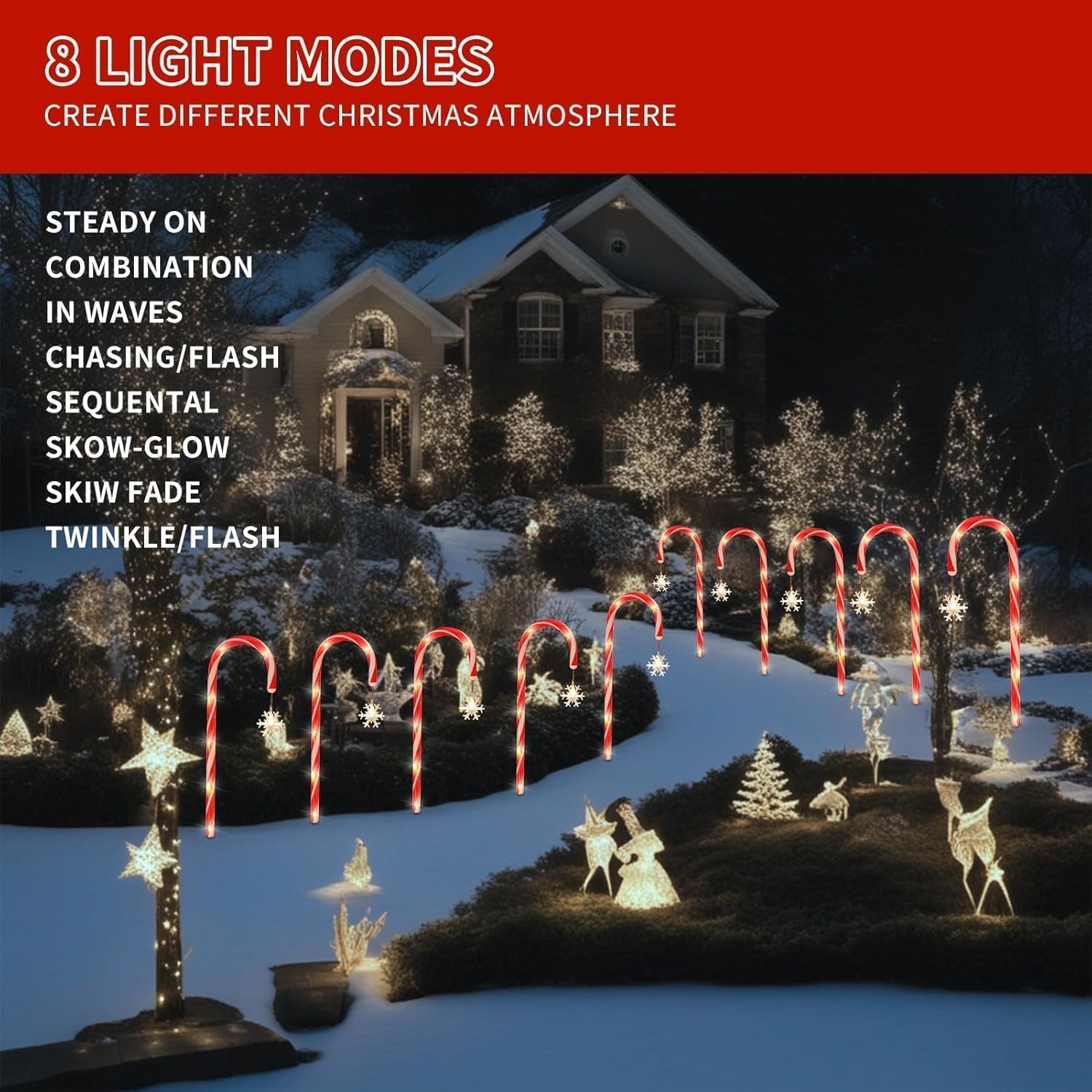
Lighting modes are another fun, albeit sometimes overlooked, feature. While a steady glow is classic, having eight different options—like flashing, fading, or sequential patterns—can really amp up your outdoor holiday displays. This flexibility lets you change up the look of your christmas decorations from one year to the next, or even week to week. But honestly, how many modes do people actually use? Most folks find a favorite and stick with it. Don’t pay a premium for ten modes if you’re only ever going to use “steady on” and maybe “slow fade.” It’s just extra complexity.
Then there’s the construction quality and IP rating. These lights are living outside, exposed to everything Mother Nature throws at them. An IP44 weather-resistant rating is a good starting point, meaning they’re protected against splashes of water from any direction and intrusion from small solid objects. Higher ratings, like IP65, offer even better protection against dust and jets of water, which is probably overkill for most pathway lights, but good to know for really exposed areas. The plastic stakes and candy cane bodies themselves need to be sturdy enough to withstand being pushed into frozen ground and endure wind, snow, and rain without cracking or yellowing. Some cheaper plastics just don’t hold up. You’ll find they become brittle after a season or two in the sun.
Finally, think about brightness and color temperature. These are warm white Christmas decor lights, so you’re generally looking for that classic, inviting glow, rather than a stark, icy blue. But “warm white” can still vary a lot! Some cheap LEDs can look a bit sickly green or too yellow. And brightness? Some solar stake lights are purely decorative, offering a subtle ambient light, while others are bright enough to genuinely illuminate a path. If you need true path illumination, prioritize lumen output, but understand that brighter often means quicker battery drain, especially if your solar panel isn’t top-notch. It’s a delicate balance.
How to Match the Product to Your Situation
Finding the right solar candy cane lights really boils down to what your specific needs are for christmas decorations. Not everyone’s yard, budget, or holiday vision is the same. Let’s break down a few common scenarios.
First, there’s the Casual Decorator. This person wants a festive look without any fuss. They might live in an apartment with a small patio or a house with a modest front yard. They’re probably looking for something budget-friendly, easy to set up, and reliable enough for a single season, maybe two. For them, a standard 10-pack of solar candy cane lights with basic auto-on functionality and a steady warm white glow is probably all they need. They don’t care about a dozen lighting modes or super-high efficiency panels. The trade-off is often shorter nighttime illumination and perhaps a less robust build. If a few stakes snap, well, it was inexpensive.
Then we have the Enthusiastic Display Creator. This individual takes their outdoor holiday lighting seriously. They’ve got a decent-sized yard, maybe even a corner lot, and they want their house to be a neighborhood highlight. For them, battery life and consistent brightness are paramount. They might be interested in multiple sets that can be synchronized or offer more sophisticated lighting modes to create dynamic effects. They’re willing to invest a bit more for lights that will last multiple seasons and maintain their luminosity for a full evening. They’ll scrutinize the IP rating and solar panel size. This person sees their christmas decorations as an expression, not just a purchase.
And finally, consider the Eco-Conscious & Long-Term Planner. This buyer prioritizes sustainability and durability. They’re looking for energy-efficient Christmas lights that will stand the test of time, reducing waste and minimizing their carbon footprint. They’ll gravitate towards units with high-capacity LiFePO4 batteries and larger, more efficient solar panels, even if it means a higher initial cost. They’re thinking about longevity and consistent performance over five holiday seasons, not just one. For them, a system that can reliably charge even on less-than-sunny days is key. They don’t mind spending a little more for better components that contribute to a longer lifespan. The initial sticker shock is less important than the long-term value.
Comparison of Solar Candy Cane Light Types
| Type/Tier | Best For | Price Tier | Key Feature | Watch-Out |
|---|---|---|---|---|
| Basic Entry-Level | First-time decorators, small spaces, short-term use. | Budget-friendly | Simple on/off, classic candy cane look. | Shorter battery life, less durable plastic stakes. |
| Mid-Range Feature-Rich | Enthusiastic decorators, average-sized yards, varied display options. | Mid-range | Multiple lighting modes, slightly better solar charging. | Still might struggle with prolonged cloudy weather, stakes can still be fragile. |
| Premium & Durable | Eco-conscious, large yards, multi-season reliability. | Premium | Superior solar panel efficiency, robust IP ratings, long-lasting batteries. | Higher upfront cost, can be overkill for small, sheltered areas. |
Basic entry-level solar candy cane lights are often bundled in packs and offer a quick, inexpensive way to add a bit of holiday cheer, but don’t expect them to last all night or survive rough weather unscathed. Mid-range options usually provide a decent balance of features and durability, making them a popular choice for those wanting more than just the bare minimum for their christmas decorations without breaking the bank. Premium sets, on the other hand, are built to endure, boasting advanced technology for consistent performance and longevity, though their price point reflects that higher quality.
Scenario-Specific Mini-Sections
For the “Set It and Forget It” Holiday Enthusiast
If your ideal christmas decorations involve zero fuss once they’re out, you’ll want to focus on solar garden lights with truly reliable auto-on functionality and robust weatherproof construction. You’re not checking them every night, are you? You just want them to work. Look for sets that explicitly mention larger solar panels or higher-capacity internal batteries. These components directly correlate to how long your stake lights will glow after sundown, even if they only got a few hours of direct sun earlier. The biggest frustration here is lights that fade before dinner is over; a better setup largely avoids that.
Lighting Up a Long, Shady Driveway
Got a long stretch of path or driveway that doesn’t get sun all day? This is where many solar candy cane lights fail. It’s not a fault of the light itself, but rather the charging limitations. For such scenarios, consider a system where the solar panel is separate from the individual lights, allowing you to place the panel in a sunnier spot while running wires to your pathway lights in the shade. It’s a bit more effort than true “set and forget” individual stakes, yes, but it dramatically increases your chances of consistent nighttime illumination. Otherwise, those charming candy canes will mostly stay dark.
Creating a Cohesive Holiday Display with Other Lights
Many people integrate solar candy cane lights with other types of outdoor holiday lighting, like string lights on bushes or floodlights on the house. If you’re aiming for a unified aesthetic, pay attention to the exact “warm white” tone these solar lights emit. Some budget LEDs can lean a bit greenish or too yellow, clashing with the pure warm white of your other lights. A slight variance can be charming, but a stark difference? It screams “I bought this on sale.” Seek out mentions of a specific Kelvin temperature if available (around 2700K-3000K is standard warm white), or look for reviews that specifically praise the natural warmth of the light.
Common Mistakes
People make a few classic blunders when buying and using solar candy cane lights for their christmas decorations. Don’t be one of them.
One of the biggest mistakes? Underestimating sun exposure. Folks will jam these stake lights into the ground right where they want them, regardless of whether that spot actually gets six to eight hours of direct sunlight. A tree branch, a tall bush, or even the shadow of your house can drastically reduce charging. Low light means short illumination, plain and simple. Always scope out the sunniest spots for your solar garden lights before installation.
Another common slip-up is ignoring the IP rating. Many think “outdoor” means “indestructible.” Not quite. While an IP44 weather-resistant rating is decent, if you live in an area with heavy snow, torrential rain, or frequent freezes and thaws, a lower-rated set might not make it through a single winter. Water seeps in, freezes, expands, and poof—your holiday yard decorations are toast. It’s worth checking the weather forecast where you live.
And here’s a big one: neglecting the battery. While these are solar lights, the rechargeable battery inside isn’t immortal. Over time, all rechargeable batteries degrade. Many people just assume their lights are broken when they stop holding a charge. Often, a quick, inexpensive battery swap can revive your outdoor Christmas lighting for another season or two. But you won’t know unless you check. Don’t just toss them.
Finally, installing them too close together. A common rookie error. These Christmas pathway lights are meant to define a border or lead the eye, not create a solid wall of light. Spacing them out gives each candy cane its own moment to shine and allows for a more elegant, less cluttered look for your seasonal decor. Plus, it stretches your 10-pack further, doesn’t it?
Why/How/What Mini-Section
Why are solar candy cane lights so popular for christmas decorations?
They’re popular primarily for their ease of installation and energy efficiency. No need for outdoor outlets, extension cords snaking across the lawn, or adding to your electricity bill. You just stick them in the ground, and they typically handle the rest themselves, charging by day and glowing by night, making easy installation a real selling point. This simplicity is a huge draw for people already juggling a busy holiday season.
How do the “8 lighting modes” actually work on these path lights?
Usually, there’s a small button, often on the back of the solar panel unit, that cycles through the different illumination patterns. Pressing it repeatedly changes the mode—from a steady glow to various flashes, fades, or combination sequences. This feature lets you customize your warm white Christmas decor display to suit your mood or theme, adding a dynamic touch without needing a separate controller. It’s a simple mechanism, but it does mean manually selecting your preferred mode, typically.
What does “IP44 Weather-Resistant” mean for my outdoor Christmas lighting?
An IP44 rating signifies protection against solid objects larger than 1 millimeter (like most wires) and against water splashed from any direction. For practical purposes, it means these lights can generally withstand rain, snow, and general dampness without shorting out. However, they aren’t designed to be submerged or to endure powerful jets of water, so avoid hosing them directly or placing them in areas prone to pooling water. It’s good, but not completely bulletproof.
FAQ
Can these solar candy cane lights charge on cloudy days?
Yes, they can charge on cloudy days, but less efficiently. Expect shorter illumination times and a dimmer glow if they don’t get sufficient direct sunlight. More efficient solar panels will perform better in overcast conditions.
How long do the batteries typically last in these stake lights?
The rechargeable batteries usually last 1-2 years before their capacity significantly diminishes. Battery life depends on the quality of the battery and how consistently it’s charged and discharged. Many can be replaced to extend the life of your Christmas pathway lights.
Do I need to turn these outdoor Christmas lighting off manually every day?
No, the auto-on at dusk feature means they’ll automatically illuminate when it gets dark and turn off when the battery runs out or when daylight returns. It’s one of their main convenience factors for seasonal decor.
Are the ground stakes strong enough for frozen ground?
It depends on the quality. Cheaper plastic stakes might snap when trying to push them into hard or frozen ground. For best results, soften the ground first with warm water or use a pilot hole before installing your yard decorations in cold weather.
Can I connect multiple sets of these 10-pack solar candy cane lights together?
Typically, no. Most solar candy cane pathway lights are individual, self-contained units with their own solar panel and battery. They aren’t designed to be physically linked or daisy-chained for power. Each one operates independently.
How bright are these warm white Christmas decor lights?
The brightness varies significantly by model and price point. Most are designed for decorative accent lighting rather than intense illumination. They provide a gentle, inviting glow, perfect for outlining paths or flower beds, but won’t flood an area with light.
What’s the maintenance like for energy-saving Christmas lights?
Maintenance is minimal. Keep the solar panels clean of dirt, snow, or leaves to ensure optimal charging. Occasionally check the battery compartment for moisture, and replace the rechargeable batteries when they no longer hold a charge effectively.
Final Recommendation
When it comes to christmas decorations involving solar candy cane lights, the “worth-it” factor really hinges on your specific display goals and long-term expectations. If you’re a Casual Decorator or just want a festive pop for a single season without any hassle, a budget-friendly, basic entry-level 10-pack of stake lights is often perfectly adequate. They provide that classic warm white glow and easy installation without much thought, and honestly, that’s enough for many people. Just temper your expectations regarding all-night illumination and multi-year durability.
However, for those planning more ambitious outdoor holiday displays or valuing energy-saving Christmas lights that will last for seasons to come, stretching for a premium and durable option is the way to go. These sets, while a higher initial investment, offer superior solar panel efficiency, robust IP44 weather resistance (or better), and longer-lasting batteries, meaning your Christmas pathway lights will shine brighter and longer, even through less-than-ideal weather. It’s an investment in reliability and less annual frustration. Think about where you’re putting them, what kind of weather they’ll face, and how long you expect them to shine—that’s your real guide.
#Pack #Solar #Candy #Cane #Pathway #Lights #Warm #White #Christmas #Decor #AutoOn #Dusk #Lighting #Modes #GroundStake #Setup #IP44 #WeatherResistant #Lawn #Walkway #Display