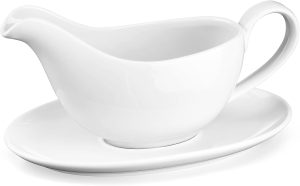
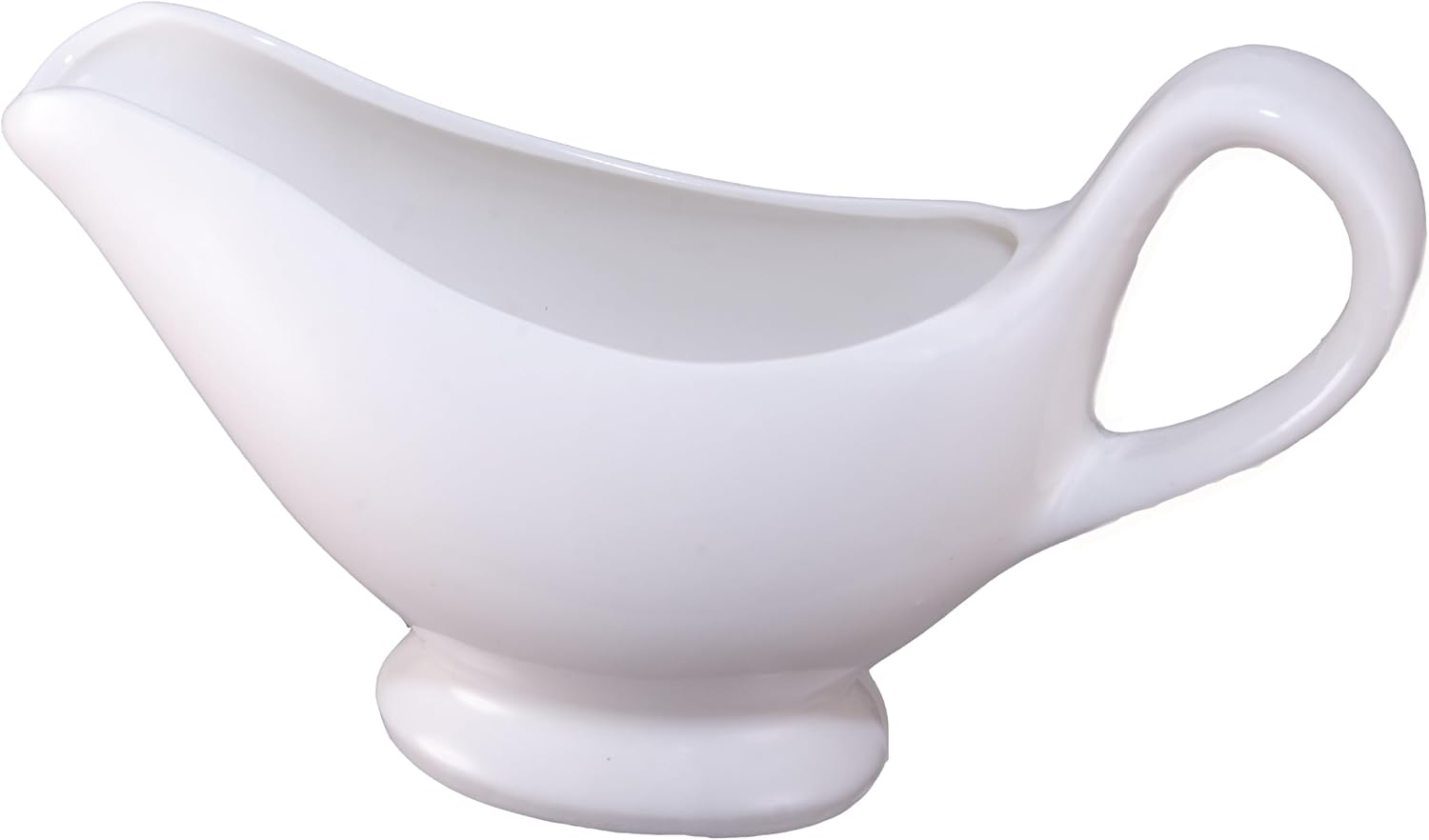
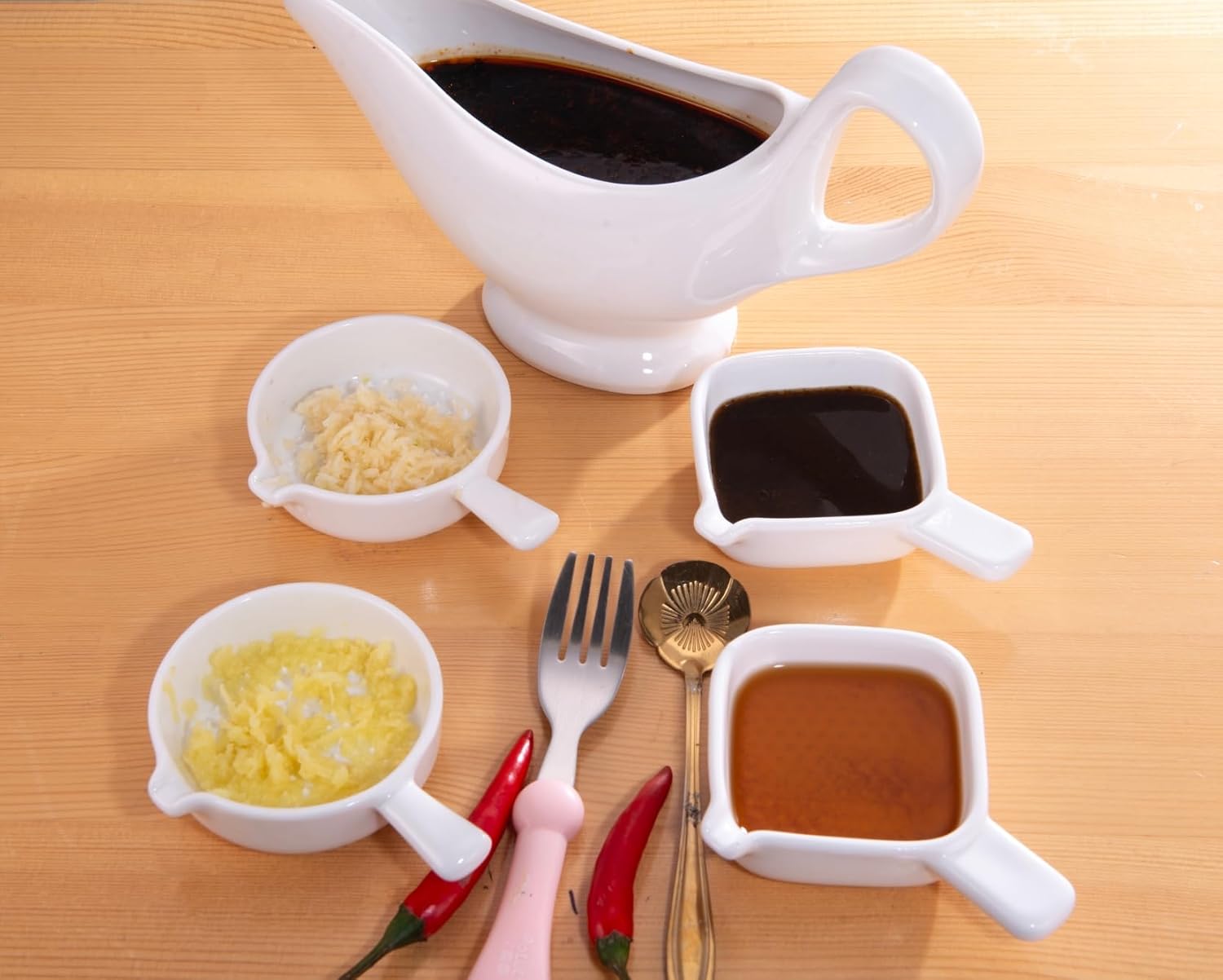
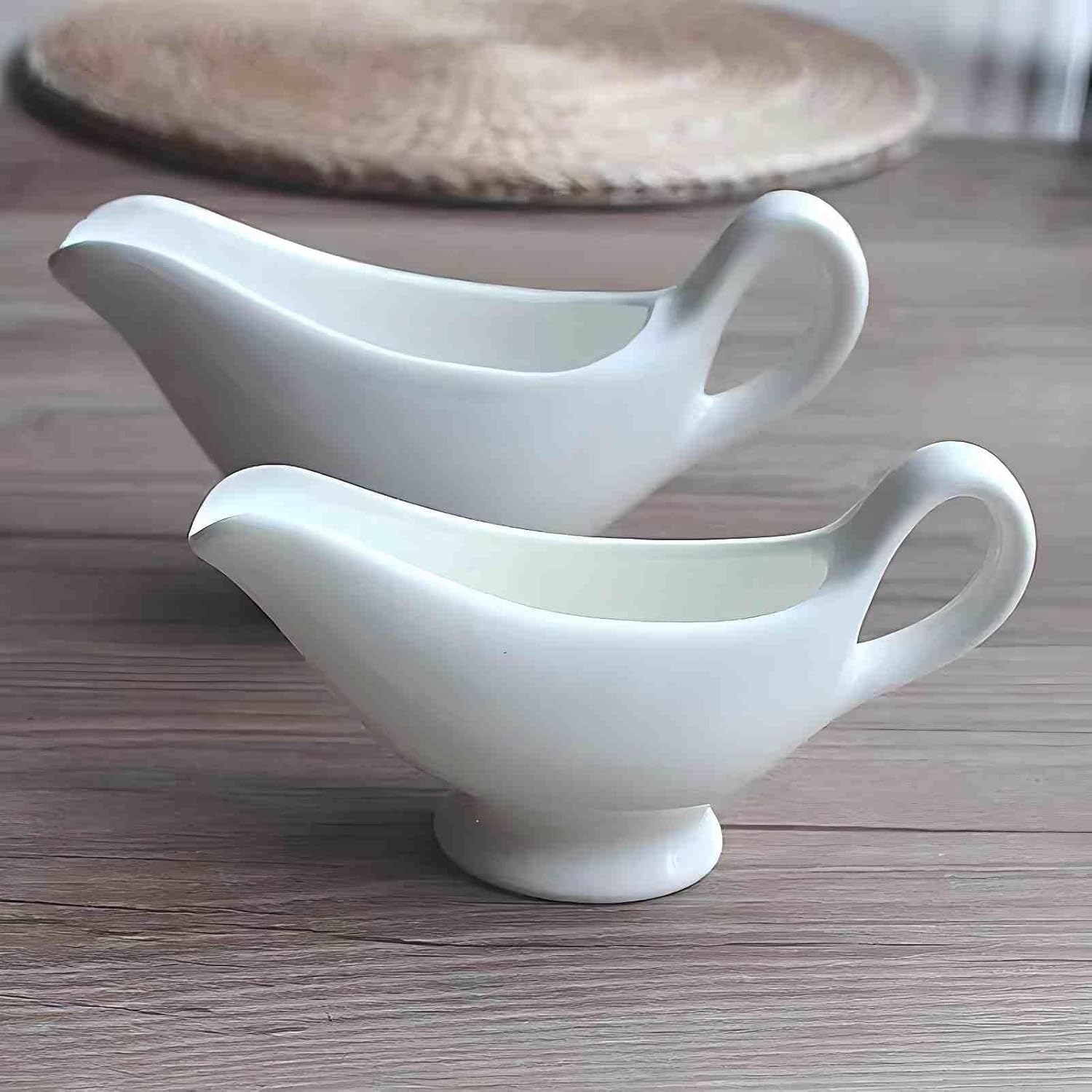
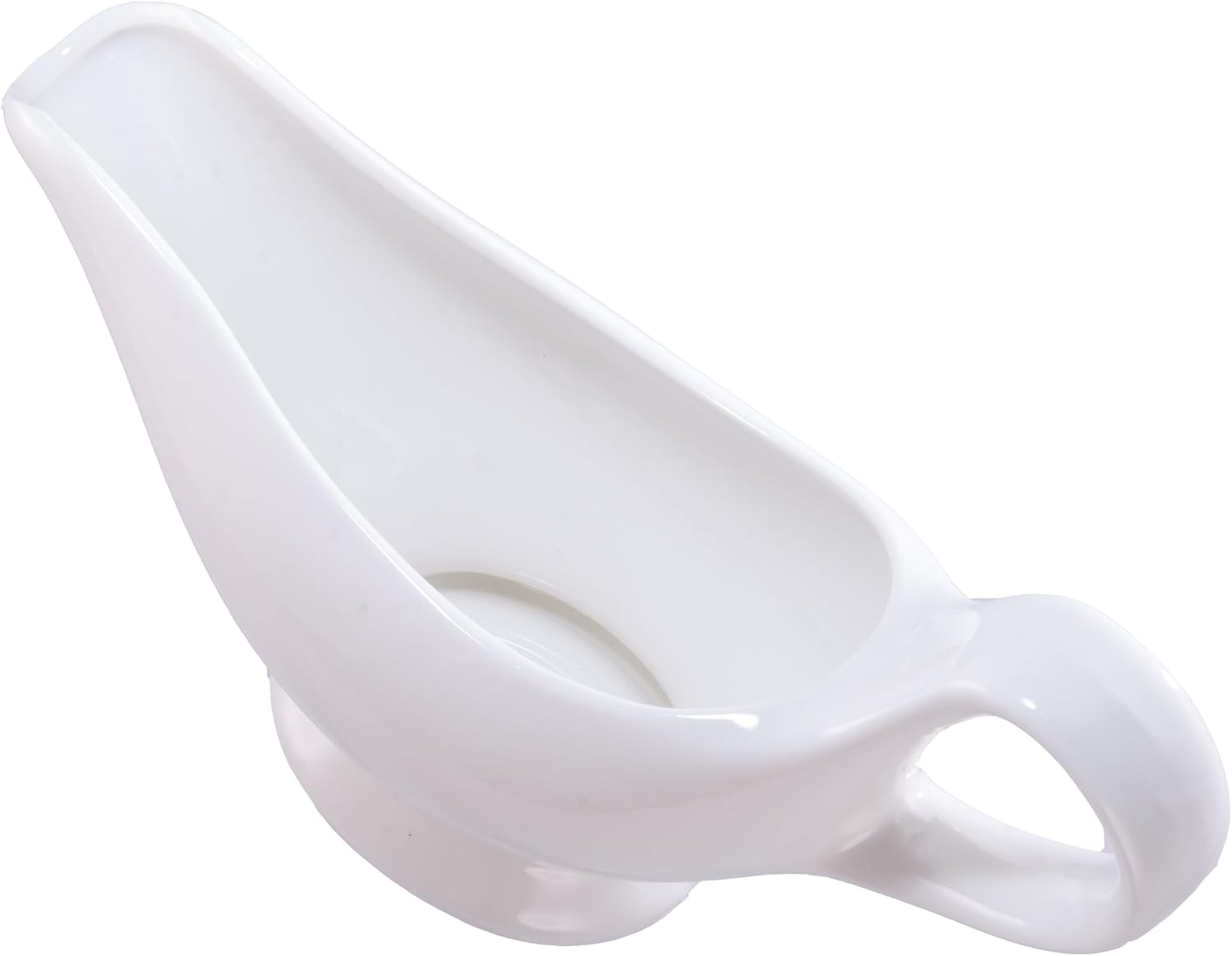
Finding Your Perfect Pour: A Deep Dive into the Gravy Boat, 9.4 oz Sauce Boat, 280 ml Gravy Bowl, Ceramic Serving Dish, White Dispenser
Anyone who’s hosted a holiday meal or even just a nice Sunday roast knows the humble gravy boat is more than just a dish; it’s a centerpiece, a dispenser of culinary comfort. This guide is for the savvy shopper looking to understand what makes a really good gravy boat, focusing specifically on popular sizes like the 9.4 oz sauce boat and classic materials such as a ceramic serving dish. We’re cutting through the noise to help you pick a gravy bowl that works for your kitchen, not just one that looks pretty in a picture.
Quick Answer
For most home cooks and entertainers, a mid-range ceramic gravy boat around the 9 to 12-ounce capacity, like the 9.4 oz white dispenser, offers the best balance of aesthetics, functionality, and value. Look for a design with a stable base and a well-formed, drip-free spout. It’s a classic choice that handles everything from everyday sauces to holiday gravy with grace.
What to Look For (The Buying Criteria)
Choosing a gravy boat isn’t rocket science, but ignoring a few key details can lead to a messy table and a frustrating experience. Here’s what you really need to consider.
1. Capacity and Size: Does 9.4 Ounces Cut It?
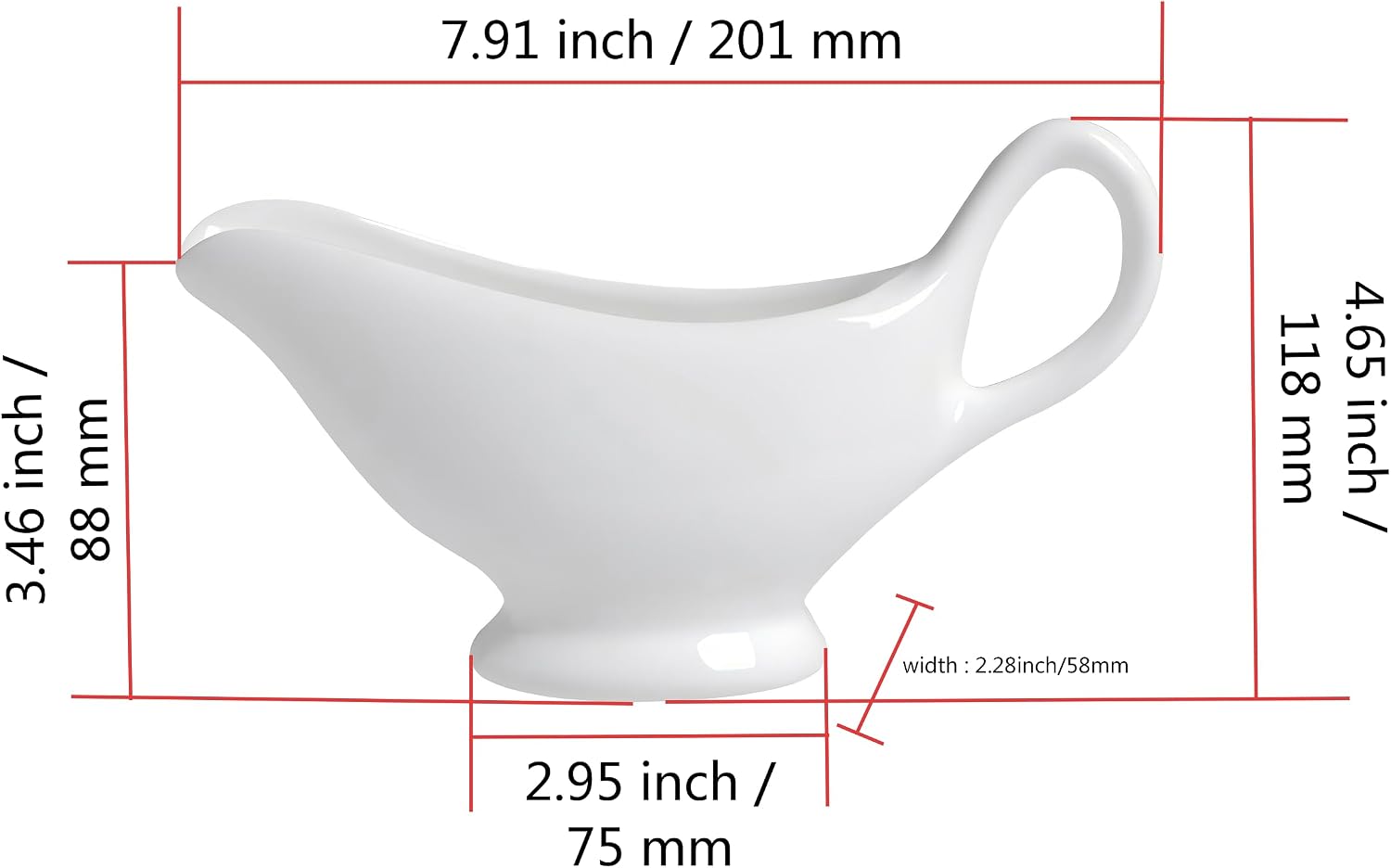
The advertised 9.4 oz (or 280 ml) for this specific ceramic serving dish is a common, often versatile capacity. But is it right for you? Gravy boats range from tiny individual pourers to massive, family-sized vessels holding upwards of 20 ounces. A 9.4-ounce gravy bowl is generally suited for smaller gatherings, say 4-6 people, where everyone gets a respectable serving without needing a refill. For bigger crowds, you might find yourself constantly heading back to the kitchen for top-ups – a minor annoyance during a festive meal. Don’t underestimate how quickly gravy disappears, especially if it’s really good.
2. Material Matters: Ceramic, Porcelain, or Something Else?
The focus here is a ceramic gravy boat, which includes popular subtypes like porcelain and stoneware. Ceramic is a fantastic choice for its classic look, heat retention, and often, its ability to be safely used in a microwave or dishwasher. Porcelain, a type of ceramic, is generally more refined, thinner, and often whiter, giving it a more formal appearance. It’s also quite durable and non-porous. Stoneware is typically thicker, heavier, and has a more rustic, handmade feel. It holds heat exceptionally well, which is a big plus for gravy.
- Trade-off: While ceramic options are beautiful, they are, of course, breakable. A clumsy moment, and that beautiful white dispenser is in pieces. Glass or stainless steel options exist for those prioritizing durability, but they often lack the traditional elegance of ceramic.
3. Spout Design and Drip-Free Pouring: The Holy Grail
Honestly, this is probably the most crucial factor, and one I’ve seen people overlook way too often. A poorly designed spout can ruin your entire meal, leaving drips and puddles all over your pristine tablecloth. Look for a well-defined, elongated spout that angles slightly downward. The lip should be crisp, not rounded or blunt. Some premium gravy boats boast “drip-free” designs, and while no spout is 100% foolproof, a good one makes a huge difference. You want the gravy to flow smoothly and then cut off cleanly when you tilt it back. Anything less is just messy.
4. Handle Ergonomics and Grip:
You’ll be lifting and pouring, sometimes with a full gravy bowl, potentially with one hand. A comfortable, secure handle is non-negotiable. Is it wide enough for your fingers? Does it offer enough clearance so your knuckles don’t hit the hot ceramic serving dish? Does it feel balanced when the gravy boat is full? A flimsy or tiny handle might look minimalist, but it’s a pain to use and could lead to spills. Don’t sacrifice function for form here.
5. Stability and Base Design:
Picture this: your beautifully prepared gravy boat, brimming with rich sauce, wobbles precariously on your dining table. Nightmare. A good gravy boat needs a wide, stable base. It shouldn’t tip easily, even when accidentally nudged. Some designs integrate the base more seamlessly, while others have a distinct foot. Either way, check that the weight is distributed well and that it sits firmly without rocking.
6. Aesthetic and Cohesion: The White Dispenser Look
Since we’re looking at a white dispenser style, it’s clear you appreciate a classic, clean aesthetic. This timeless look usually blends well with most dinnerware sets, whether formal or casual. Think about your existing dishes. Does a crisp white ceramic gravy boat fit in, or would you prefer something with a specific pattern or color? While a white serving dish is incredibly versatile, a highly decorative piece might clash with your everyday plates. Consider if you want it to stand out or simply complement your spread. Sometimes, a minimalist approach is the most effective.
How to Match the Product to Your Situation
Let’s face it, not every gravy boat is for everyone. Your needs dictate the right pick.
The Holiday Host with the Most: You’re feeding a crowd, you want presentation, and you absolutely detest lukewarm gravy. Your best bet is something on the larger side, probably 15-20 ounces, or even two 9.4 oz gravy boats to ensure ample supply and prevent multiple trips to the kitchen. You’ll likely appreciate a classic porcelain or bone china look, perhaps even a gravy boat that comes with its own warming stand to keep things hot throughout the meal. Elegance is key.
The Casual Weeknight Cook: You’re looking for something practical, durable, and easy to clean. Aesthetics are secondary to functionality. A sturdy stoneware gravy bowl or a more robust ceramic serving dish fits the bill. A 9.4 oz capacity is often plenty for smaller family dinners. You want something that can go from microwave to table to dishwasher without fuss. Forget delicate designs; you need resilience.
The Frequent Entertainer Who Values Versatility: You host often, but sometimes it’s a small brunch, other times a big dinner. You need a gravy boat that adapts. The standard 9.4 oz sauce boat size could be a solid workhorse, especially if you pair it with a simple, elegant design. You might even consider having a pair on hand for larger parties or for serving two different sauces (like a gravy and a béchamel). A slightly heavier ceramic option might feel more substantial, hinting at quality without breaking the bank.
Comparison of Gravy Boat Types/Tiers
Here’s a look at some common options you’ll find when shopping for a gravy boat:
| Type/Tier | Best For | Price Tier | Key Feature | Watch-Out |
|---|---|---|---|---|
| Basic Ceramic/Porcelain | Everyday meals, smaller gatherings | Budget-friendly | Classic white dispenser look | Spout might not be perfectly drip-free |
| Designer Ceramic/Stoneware | Mid-size entertaining, gifting | Mid-range | Improved ergonomics, better heat retention | Can be heavier, prone to chipping |
| Insulated/Warming Stand | Large, formal dinners, buffet service | Premium | Keeps gravy warm for extended periods | Bulky storage, usually higher maintenance |
| Glass/Stainless Steel | Ultra-durability, modern aesthetics | Mid-range | Shatter-proof, sleek, sometimes dishwasher-safe | Lacks traditional charm, can show fingerprints |
- Basic Ceramic/Porcelain: These are your go-to gravy boats for routine use. They’re usually light, often a crisp white, and get the job done. But don’t expect a perfect pour every time without a little practice.
- Designer Ceramic/Stoneware: Moving up a notch, these often feature thoughtful handle designs and superior spout shaping. They tend to feel more substantial and retain heat a bit better, keeping your sauces warm longer.
- Insulated/Warming Stand: For those who really prioritize temperature, these are a lifesaver. Often including a candle or electric warming plate, they ensure your gravy stays hot, but they do require more space and effort.
- Glass/Stainless Steel: If breaking things is a recurring theme in your house, or you prefer a modern, industrial vibe, these materials offer unmatched resilience. However, they lack the traditional elegance that many associate with a gravy bowl.
Decision Tree: Which Gravy Boat Is Right For You?
-
Is keeping gravy hot a top priority for extended periods?
- Yes: Consider an insulated gravy boat or one with a warming stand.
- No: Proceed to step 2.
-
How many people do you typically serve gravy to?
- Small (1-4 people): A 9.4 oz sauce boat is likely sufficient. Proceed to step 3.
- Medium (4-8 people): A 9.4 oz might be a bit small, consider a larger one (15+ oz) or two of the 9.4 oz ceramic serving dish models. Proceed to step 3.
- Large (8+ people): Definitely go for larger capacity (20+ oz) or multiple boats. Consider a durable material. Proceed to step 3.
-
Do you prefer classic elegance or ultimate durability?
- Classic Elegance: Opt for a ceramic or porcelain gravy boat, especially a white dispenser style. Focus on spout design.
- Ultimate Durability: Look at glass or stainless steel options.
-
Is budget a primary concern?
- Yes: A basic ceramic gravy boat is your friend.
- No: Invest in a mid-range or premium option for better features like drip-free spouts and ergonomic handles.
Scenario-Specific Selections for Your Gravy Boat
The Grand Holiday Feast: This is where a single 9.4 oz gravy bowl might feel inadequate. Think about the flow of the meal. Do you want to pass one around, or have two or three strategically placed? For a larger gathering, having multiple white dispensers, perhaps one at each end of a long table, is a genius move. This saves passing, reduces spills, and ensures everyone gets gravy promptly. Plus, it looks quite elegant. You’ll want pieces that are easy to refill and perhaps pre-warmed.
Casual Sunday Roast: For this kind of relaxed meal, durability and ease of cleaning often trump ultra-formal aesthetics. A sturdy 9.4 oz ceramic serving dish is a solid choice. It should be comfortable to hold, provide a decent pour, and ideally, be dishwasher safe. You don’t need a warming stand; a simple pre-warming of the gravy boat with hot water before filling will usually keep gravy warm enough for a family meal.
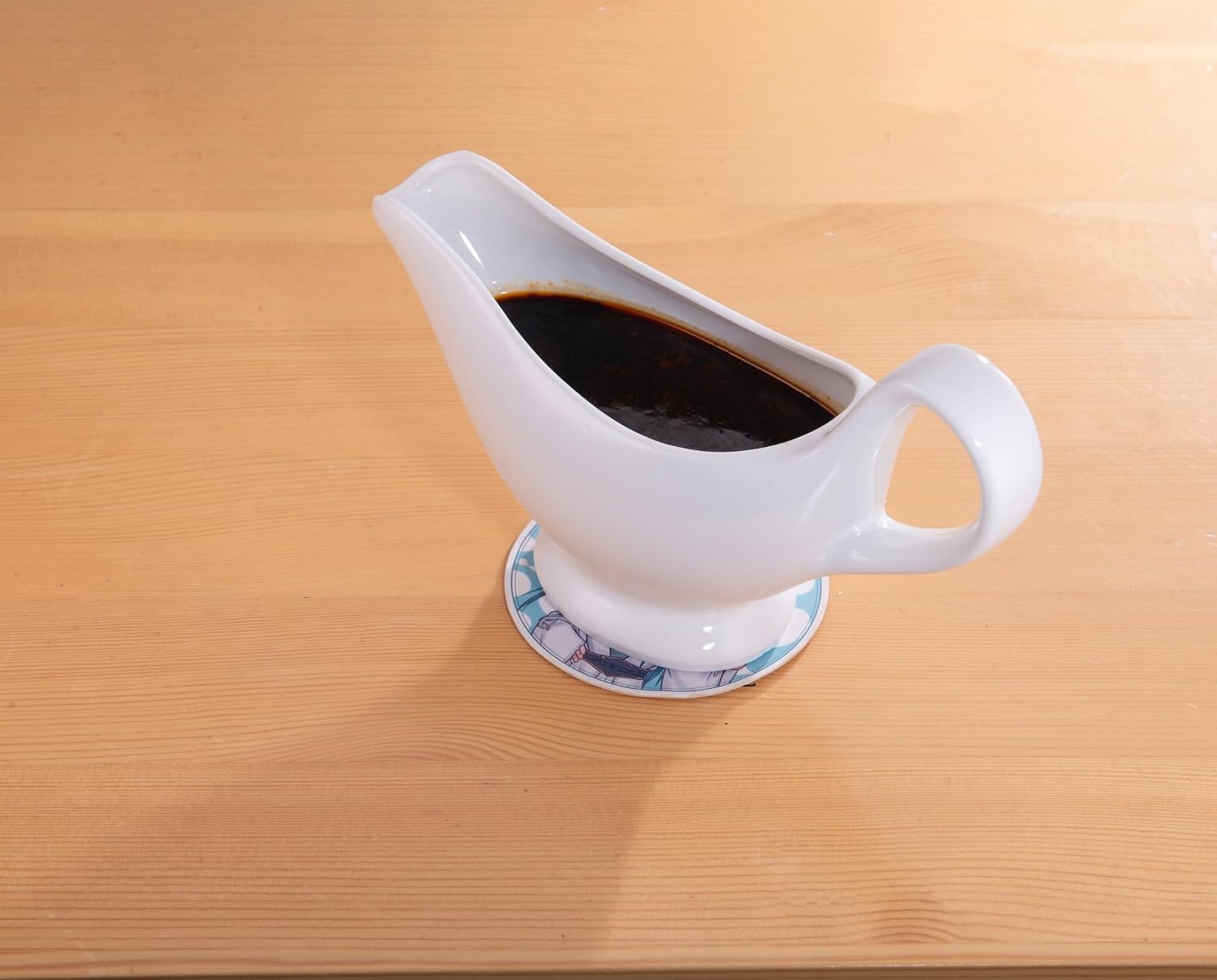
Dessert Sauce Service (Beyond Gravy): That 9.4 oz sauce boat isn’t just for savory gravies! Imagine it filled with warm chocolate fudge sauce for ice cream, a berry coulis for cheesecake, or a vanilla crème anglaise for apple pie. In these cases, the classic white dispenser look is incredibly versatile. Here, a truly drip-free spout becomes even more critical with stickier, sweeter sauces. The elegance of a ceramic gravy boat truly shines when serving sweet treats, too.
Common Mistakes Buyers Make
- Underestimating Capacity: People often buy a gravy boat that’s too small for their typical gathering. A 9.4 oz might look generous, but gravy goes fast! Always consider your largest expected crowd. Getting multiple smaller boats is often better than one boat that’s just big enough.
- Ignoring Spout Design: This is a big one. A rounded, blunt, or poorly formed spout is a recipe for drips. Don’t get swayed by looks alone; picture yourself pouring. Does it look like it’ll create a clean stream?
- Forgetting About Cleanup: Is that gravy boat going to be a nightmare to wash by hand? Some intricate designs, especially those with narrow crevices or unglazed bases, can be tricky. Make sure it’s dishwasher-safe if that’s important to you. And sometimes, dried gravy is surprisingly stubborn.
- Prioritizing Price Over Function: It’s easy to grab the cheapest ceramic serving dish. But if the handle is uncomfortable, or the spout creates a mess, you’ll regret that budget choice every time you use it. A slightly higher investment can save you a lot of frustration and laundry.
Why/How/What Mini-Section
Why bother with a gravy boat? A dedicated gravy boat isn’t just about tradition; it’s about presentation, temperature control, and neatness. Serving gravy from a regular bowl or pan is just messy, and it chills too quickly. A proper gravy bowl, especially a ceramic one, helps retain warmth and provides a graceful, controlled pour, elevating your meal experience.
How do you keep gravy warm in a ceramic gravy boat? The simplest trick is to pre-warm your 9.4 oz sauce boat. Fill it with very hot water (not boiling, especially for delicate porcelain) for a few minutes, then empty it just before pouring in your hot gravy. For longer warmth, look for models with a built-in warming stand that uses a tea light, or consider placing the filled gravy boat on a warming plate.
What’s the ideal material for heat retention? Stoneware and thicker ceramic options generally excel at holding heat due to their density and thermal mass. While porcelain looks elegant, very thin porcelain won’t keep gravy piping hot for extended periods on its own. If heat is your absolute priority, consider those warming stands or double-walled insulated options.
Key Takeaways
- Capacity is king: A 9.4 oz ceramic serving dish is good for smaller groups, but bigger means multiple boats or a larger single one.
- Spout design matters most: Look for a crisp, elongated spout for drip-free pouring.
- Ceramic is versatile: It offers classic aesthetics, good heat retention, and is often easy to clean.
- Consider your use case: Holiday hosts have different needs than casual cooks.
- Don’t compromise on ergonomics: A comfortable handle and stable base are non-negotiable.
FAQ
Q: Can I put a ceramic gravy boat in the microwave?
A: Most modern ceramic and porcelain gravy boats, especially white dispenser styles, are microwave safe. Always check for specific manufacturer instructions or symbols on the bottom, though.
Q: Is 9.4 ounces enough for a family of four?
A: For a typical family of four, 9.4 ounces (280 ml) is usually sufficient for one round of generous servings, but you might need a refill if everyone loves gravy. If you tend to be heavy-handed, or have big eaters, going slightly larger or having a backup might be a good idea.
Q: How do I prevent my gravy from getting lumpy in the boat?
A: Lumps usually form during cooking. Before transferring, strain your gravy through a fine-mesh sieve for a silky smooth finish. Once in the gravy bowl, gently stir it occasionally if it sits for a while.
Q: Are all “drip-free” spouts truly drip-free?
A: Not entirely. While some spouts are designed to minimize drips significantly, nothing is 100% foolproof. A good, clean pour is aided by the design, but also by your pouring technique.
Q: Can a gravy boat be used for other sauces?
A: Absolutely! A classic ceramic serving dish, especially a plain white dispenser, is incredibly versatile for any sauce: hollandaise, béchamel, maple syrup, chocolate sauce, or even salad dressing. It’s a useful piece for various culinary presentations.
Q: Why do some gravy boats have an attached underplate?
A: The attached underplate, sometimes called a “liner,” is there to catch any inevitable drips or spills, keeping your table linen pristine. It’s a thoughtful design feature for mess-free serving, although it adds to the overall footprint.
Q: What’s the difference between ceramic and porcelain for a gravy boat?
A: Porcelain is a specific type of high-fired ceramic, known for being less porous, generally stronger, and often having a whiter, more translucent appearance. Standard ceramic can be a bit thicker and more opaque, but both make excellent gravy bowls.
Final Recommendation
For most households aiming for that classic, elegant presentation without breaking the bank, a mid-range ceramic gravy boat around the 9.4 to 12-ounce mark, like the 9.4 oz Sauce Boat (280 ml Gravy Bowl, Ceramic Serving Dish, White Dispenser), is your sweet spot. Look for one with a well-formed, ideally drip-free spout and a comfortable handle. This offers the best balance of aesthetics, ease of use, and durability for both holiday feasts and everyday sauce service. It’s a workhorse that looks good doing it, a smart investment that will serve you well for years to come.
#Gravy #Boat #Sauce #Boat #Gravy #Bowl #Ceramic #Serving #Dish #White #Dispenser #ounces