Protecting Your Surfaces: A Savvy Shopper’s Guide to Trivets for Hot Dishes and More
Ever pulled a piping hot pan right from the oven, heart thumping, looking for something to put it on? We’ve all been there. This guide cuts through the noise around trivets, those unsung heroes of kitchen counter protection, to help you pick the right ones. We’re talking about more than just a place for your hot pots and pans; we’re diving into materials, design, and suitability for various surfaces, including delicate quartz countertops. You want something reliable, stylish, and perhaps in a practical gray hue, right? Let’s figure out what you truly need.
Quick Answer
For most home cooks balancing utility and aesthetics, a good set of cotton trivets or high-quality silicone options offers excellent heat resistance and surface protection without breaking the bank. A versatile 6 pack trivets for hot dishes gives you flexibility for multiple serving dishes and cooking scenarios, ensuring your kitchen counter and dining table stay pristine.
What to Look For (The Buying Criteria)
Choosing a trivet isn’t rocket science, but ignoring a few key factors can lead to melted counters or scratched tabletops. Trust me, I’ve seen some unfortunate incidents. So, before you click that purchase button, consider these aspects.
1. Material Matters — A Lot:
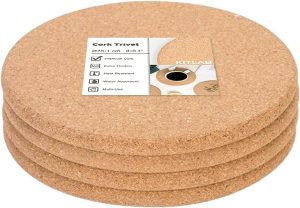
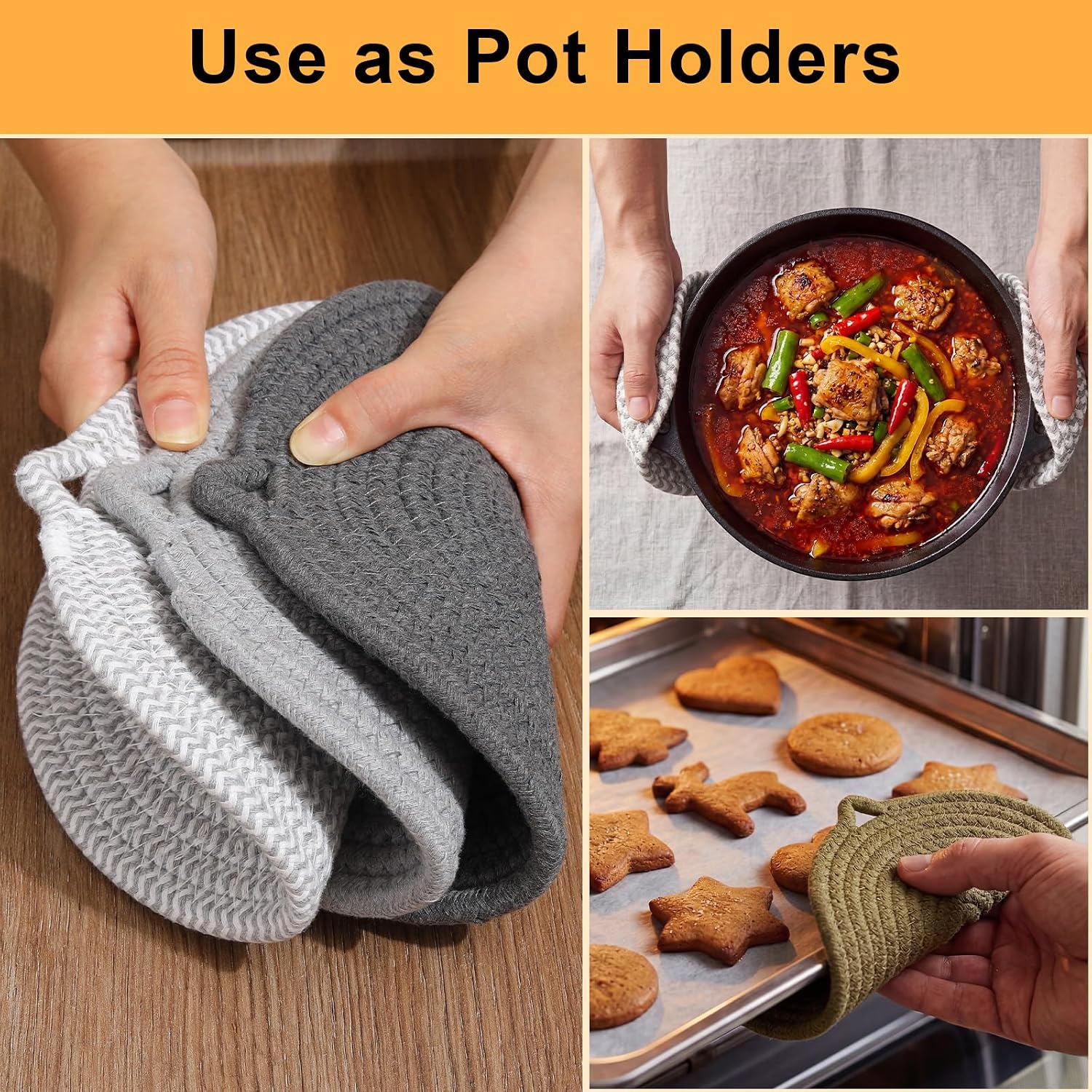
This is probably the biggest decision you’ll make. Different materials offer distinct advantages and drawbacks. You’ve got cotton trivets – often called hot pads – which are fantastic for everyday use. They’re usually soft, absorbent, and can even double as a pot holder in a pinch. However, they aren’t always the sleekest looking on a modern table, and some cheaper ones might not offer consistent heat resistance across the entire pad, especially if they’re thinly woven. Then there’s silicone. Ah, silicone! It’s super heat-resistant, flexible, and often dishwasher safe. It grips surfaces well, meaning less sliding around when you’re wrestling a heavy cast-iron skillet. The downside? Some folks find the texture a bit… utilitarian. It can also attract lint and dust in drier environments, which is a minor annoyance but still an annoyance. Beyond these, you’ll find cork, which is eco-friendly and affordable, but can stain easily and isn’t quite as durable against sharp edges or prolonged high heat. And of course, the classic cast iron trivets, beautiful and sturdy, but they can be heavy, prone to rust if not cared for, and sometimes, those intricate designs don’t actually offer a perfectly flat surface for every pot. It’s a trade-off, isn’t it?
2. Heat Resistance Capability:
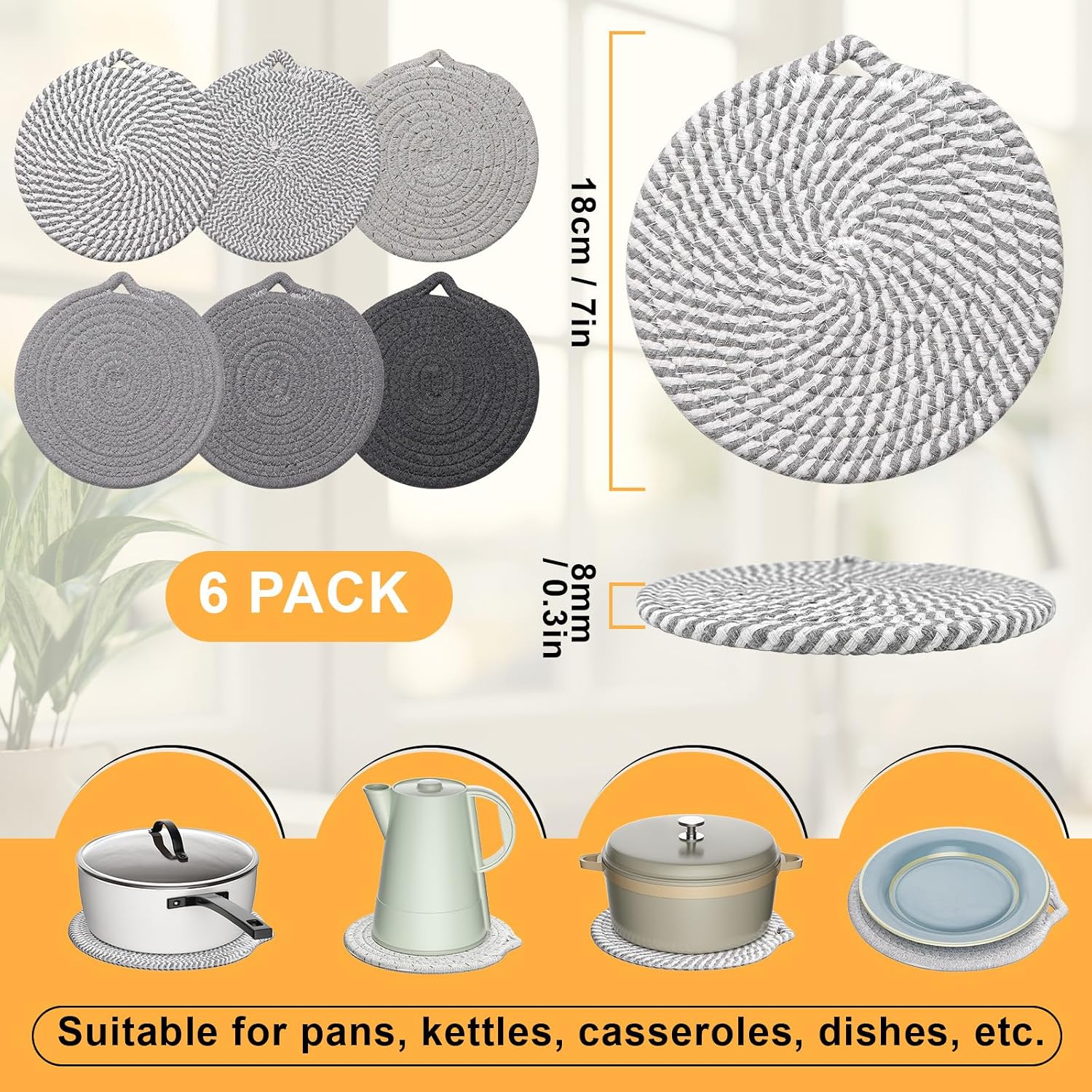
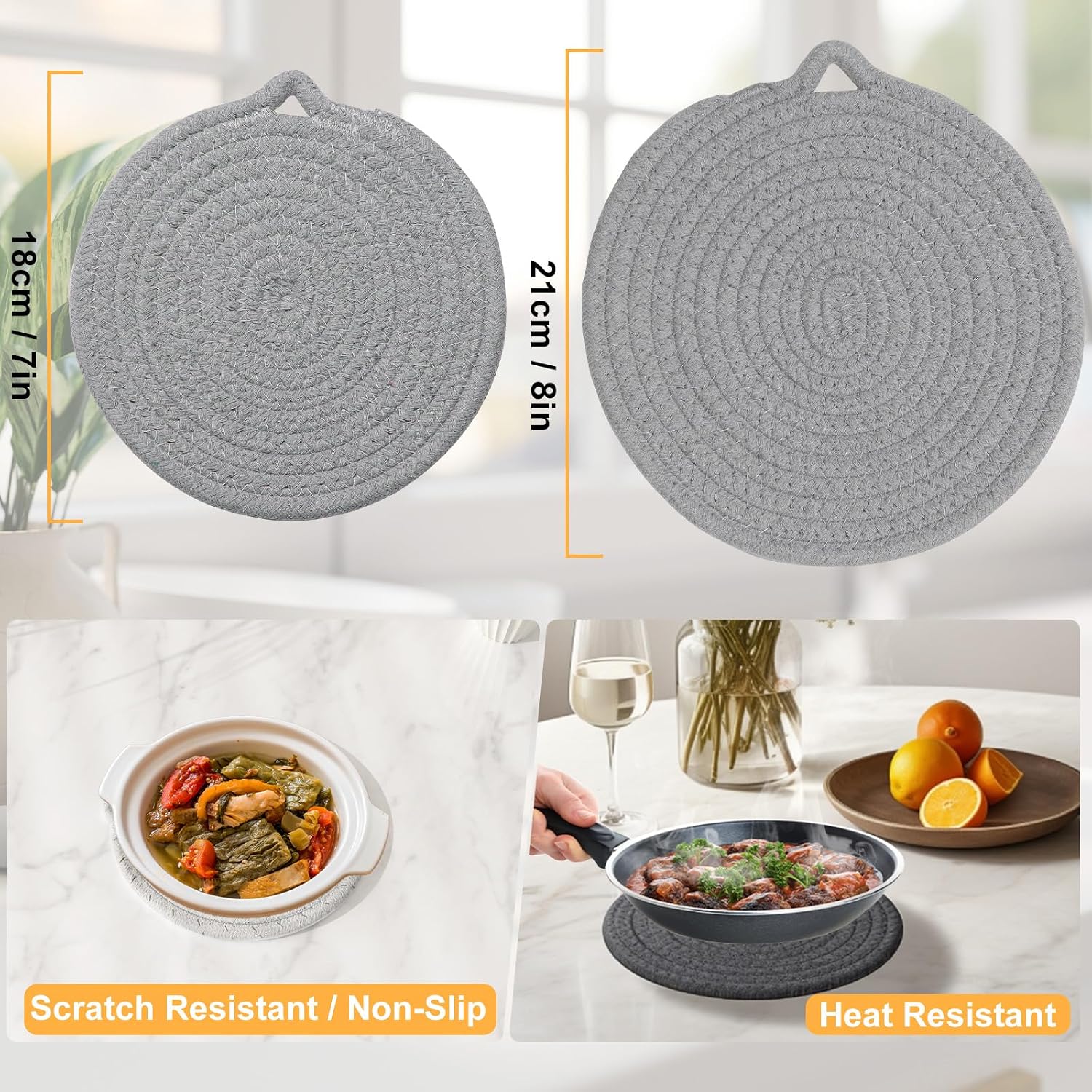
This seems obvious, but people often underestimate the actual temperature of a pan fresh off a high burner. You need a trivet that can genuinely withstand intense heat. A flimsy, decorative piece might look nice, but if it melts or scorches your counter, what’s the point? 7″ trivets for hot dishes need to cope with temperatures well over 300°F, sometimes pushing 400°F or higher for oven-to-table roasters. Manufacturers often list a maximum temperature. Pay attention. But also, read between the lines. A thicker cotton hot pad with multiple layers will always outperform a thin one. And a quality silicone trivet will handle a lot more punishment than a cheap, flimsy imitator. It’s not just about surviving one hot pot, it’s about repeated abuse.
3. Surface Protection Beyond Heat:
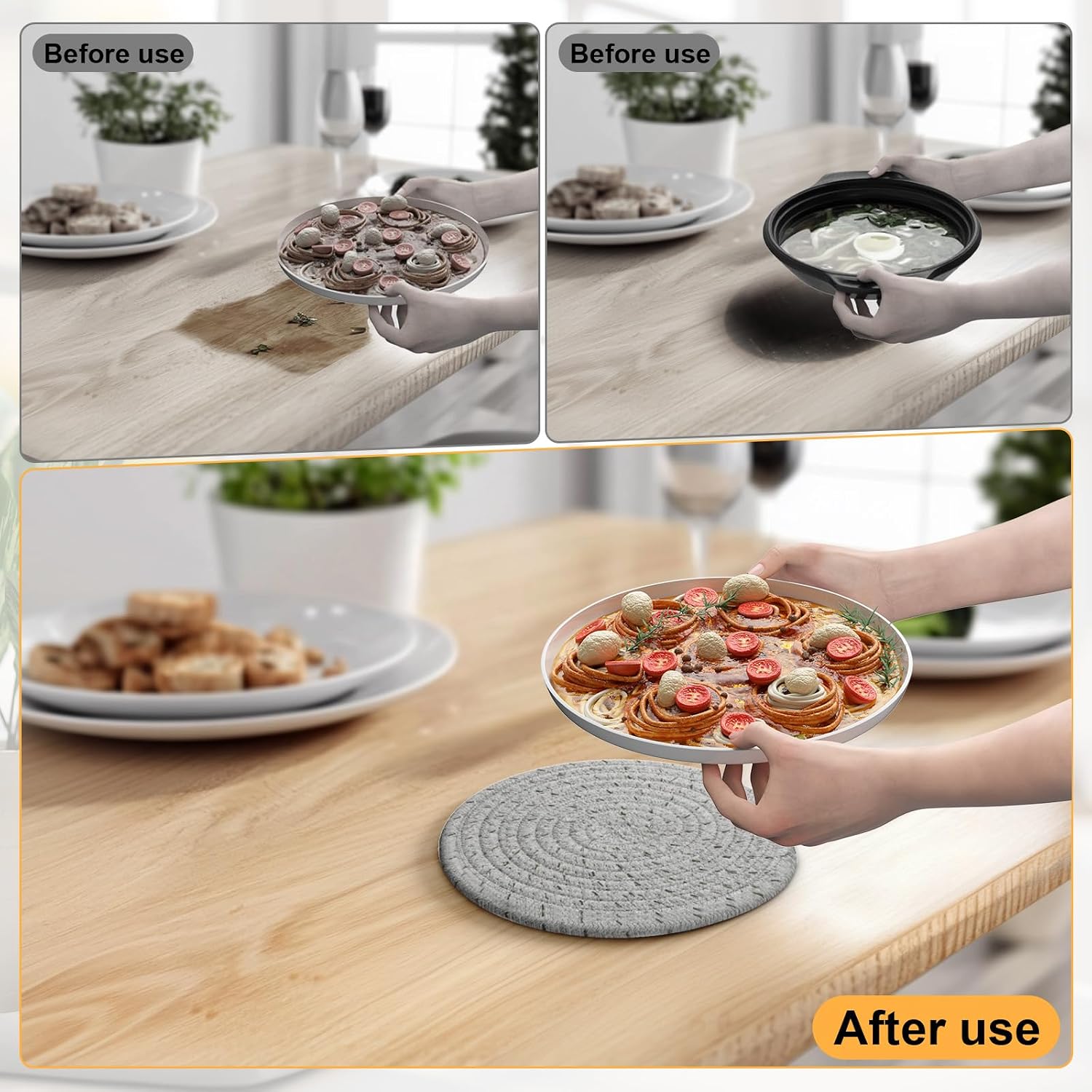
A good trivet does more than just stop heat transfer. It also acts as a barrier against scratches and stains. This is especially critical for premium surfaces like quartz countertops. Quartz is incredibly durable, yes, but it’s not invincible. A rough-bottomed pot or an accidental scrape can still leave a mark. This is where soft materials like cotton or flexible silicone shine. They provide a gentle buffer. On the flip side, a hard metal trivet, while looking sophisticated, needs to have rubber or silicone feet to prevent it from marring your surfaces. Without those little feet, you’re just moving one scratching hazard for another. It’s a common oversight.
4. Size and Shape — The Practicality Check:
Think about the dishes you actually use. Most people grab a 7″ trivets for hot dishes size, and for good reason – it handles most dinner plates, smaller pots, and serving bowls. But what about that giant lasagna pan or the roasting tin for your Thanksgiving turkey? You’ll likely need a larger option or a couple of smaller ones grouped together. A 6 pack trivets for hot pots and pans is a smart move here, offering flexibility. Round trivets are common, but square or rectangular options can sometimes fit together better for larger items, creating a seamless heat-proof zone. Don’t forget about stackability either. If storage space is tight, flat-lying cotton pads or interlocking silicone pieces are a lifesaver.
5. Aesthetics and Design:
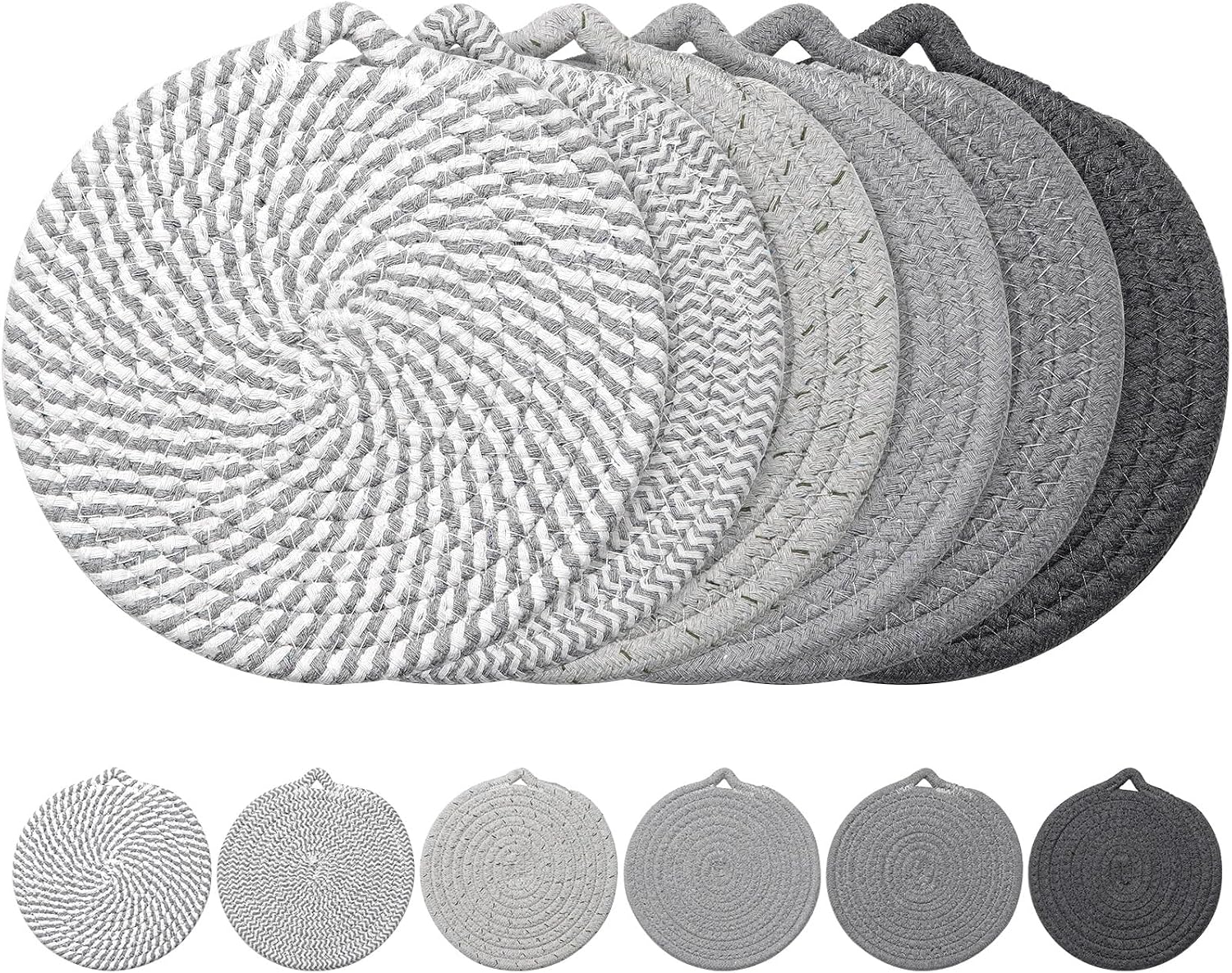
Let’s be real, you want your kitchen tools to look decent. Your trivets are often on display, especially if you’re serving directly from the stove or oven. Do you prefer something that blends in, like a neutral gray trivets set, or do you want a pop of color? Cotton hot pads come in endless patterns and shades, but can sometimes look a bit informal. Silicone can be vibrant or understated. Cast iron often brings a rustic or industrial charm. Consider your existing kitchen decor. Will it clash? Will it elevate the look? It’s a small detail, but these small details contribute to the overall feel of your space.
6. Ease of Cleaning and Maintenance:
This is where some materials really pull ahead. Cotton trivets can typically be tossed right into the washing machine. Easy peasy. Silicone often rinses clean under the tap or goes into the dishwasher. Cork, on the other hand, is a bit more delicate; it can’t handle a deep soak. And cast iron, while incredibly sturdy, demands specific care to prevent rust – usually a hand wash and thorough drying. Nobody wants a high-maintenance trivet, right? You’re busy enough.
How to Match the Product to Your Situation
Finding the right trivet means thinking about your kitchen, your cooking habits, and your surfaces. Here are a few common scenarios and what generally works best.
The Everyday Cook Who Values Function:
You’re not a Michelin chef, but you cook dinner most nights. You use a mix of skillets, saucepans, and maybe a baking dish or two. You need something reliable, easy to clean, and probably not too fussy. A 6 pack trivets for hot pots and pans made from durable silicone or a sturdy, multi-layered cotton trivet set in a neutral gray would be ideal. They offer solid heat resistance, protect your kitchen counter, and stand up to frequent use. You don’t need fancy, you need dependable.
The Entertainer with Pristine Surfaces:
When guests are over, you want presentation and protection. You’ve got those beautiful quartz countertops or perhaps a solid wood dining table you’re determined to keep perfect. For you, combining functionality with a touch of elegance is key. Consider a mix: perhaps a few sleeker silicone trivets for the cooking zone (they really do hold up well and protect against stains), and then some cork-backed ceramic or a beautiful cast iron piece (with rubber feet, obviously!) for the dining table. The cast iron provides a nice visual weight for serving platters. Just remember to wipe down those cast iron ones immediately.
The Budget-Conscious but Savvy Shopper:
You want to protect your surfaces, but you don’t want to overspend on something that’s essentially a glorified coaster. Totally understandable. For you, value is paramount. Look for a bulk pack of cotton hot pads. They’re generally the most budget-friendly option and, if they’re thick enough, offer perfectly adequate heat resistance. Just make sure they’re machine washable so they can handle spills and look fresh for longer. Cork trivets are another good, affordable choice, but be mindful of their staining potential. You can also find perfectly functional silicone options at a friendly price point if you shop smart.
Trivet Type/Tier Comparison
| Type/Tier | Best For | Price Tier | Key Feature | Watch-Out |
|---|---|---|---|---|
| Cotton Hot Pads | Daily use, casual kitchens, versatile potholder | Budget-friendly | Soft, absorbent, machine washable | Can scorch or stain, less sleek visually |
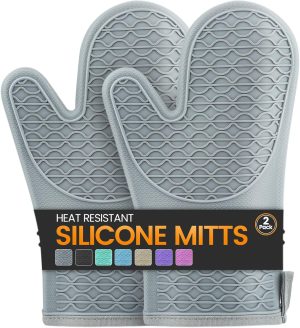
| Silicone Trivets | Modern kitchens, high heat, grip, easy clean | Mid-range | Exceptional heat resistance, non-slip, flexible | Can attract dust, less “traditional” aesthetic |
| Cork Trivets | Eco-conscious, light use, visual warmth | Budget-friendly | Natural, lightweight, good for light dishes | Stains easily, less robust heat protection for extreme temps |
| Cast Iron Trivets | Formal serving, aesthetic appeal, heavy pans | Premium | Sturdy, classic look, very heavy duty | Can scratch surfaces without feet, prone to rust, heavy |
Cotton hot pads are incredibly versatile for those who appreciate their multi-functional nature, but they might not always provide the consistent, high-temp protection that more specialized materials offer.
Silicone trivets are a solid choice for almost any kitchen, especially when dealing with very hot items, though their modern look isn’t for everyone.
Cork trivets bring a nice natural touch and are easy on the wallet, yet they require a bit more care to keep them looking good and are best for dishes that aren’t scorching hot.
Cast iron trivets offer a timeless elegance and serious durability for your heaviest cookware, but remember that crucial detail about protective feet to keep your surfaces safe from harm.
Keeping Your Kitchen Surfaces Pristine
Let’s get specific about scenarios where your trivets really earn their keep.
Serving Straight from the Oven:
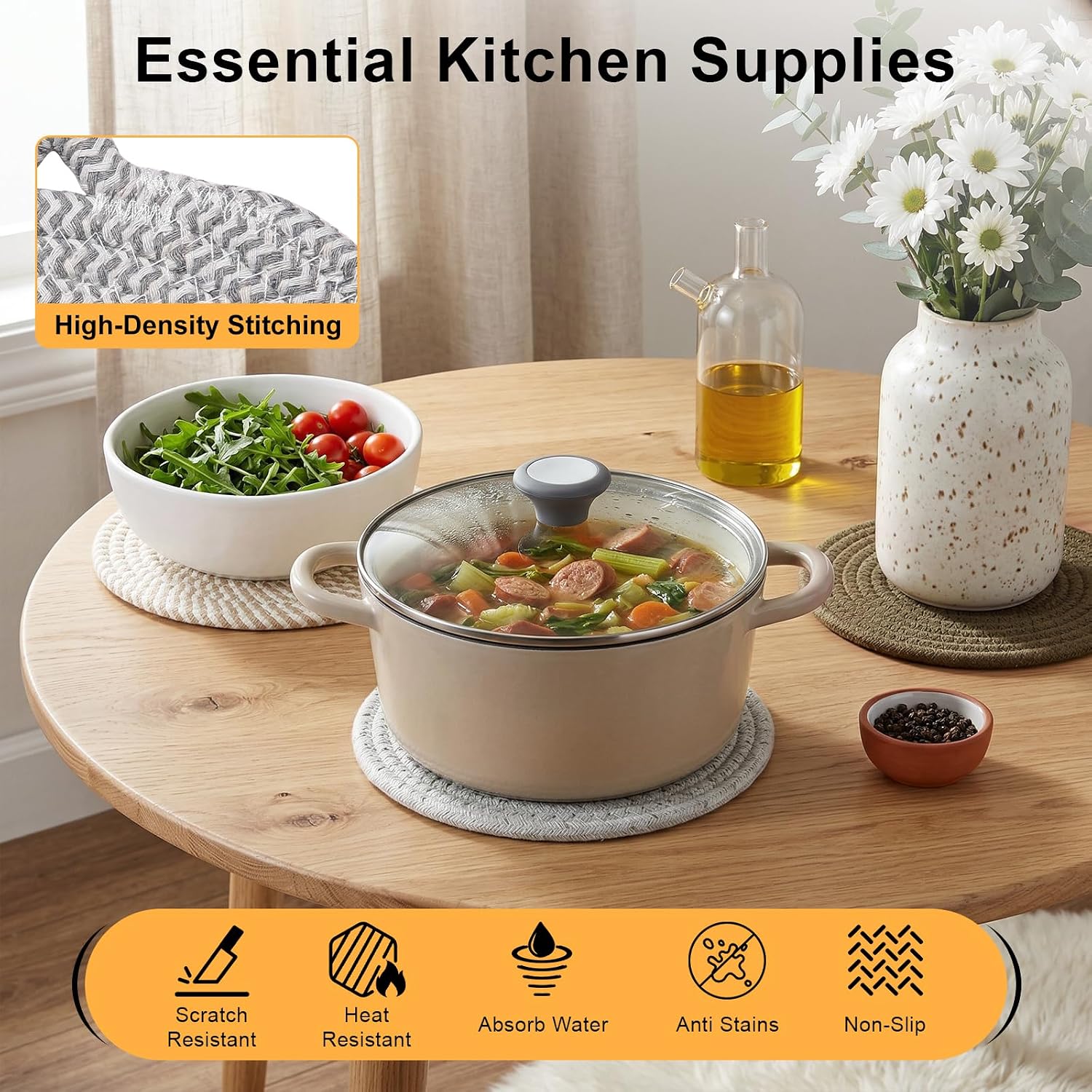
You’ve just pulled a bubbling casserole from a 400°F oven. You need somewhere safe for it to land. Not just “safe enough,” but truly safe. This is where your 7″ trivets for hot dishes or a collection of them really shine. Lay out two or three along your dining table or kitchen counter to accommodate the length of a roasting pan. For this kind of intense heat, silicone or a very thick, multi-layered cotton trivet is your best friend. Don’t cheap out here; a scorched table is a sad, expensive memory.
Protecting Delicate Quartz Countertops:
Quartz is tough, I know. But thermal shock is a real thing, and extreme heat can cause damage over time, including discoloration or even cracking. This is why trivets for quartz countertops resist heat, scratches & stains is a phrase you see a lot. You absolutely must use a trivet every single time you set down a hot pot or pan on quartz. Prioritize materials with excellent insulation, like silicone or good quality cork. The soft underside of cotton hot pads also helps prevent any abrasive contact. This isn’t optional, it’s a necessity.
Everyday Meal Prep and Buffet Spreads:
Maybe you’re just making weeknight dinner and need a spot for the sauté pan. Or perhaps you’re hosting a casual buffet. Having a readily available 6 pack trivets for hot pots and pans means you’re never scrambling. Distribute them strategically around your prep area or serving station. This isn’t about avoiding a disaster, it’s about making your kitchen flow smoother. Plus, they double as an extra layer of defense against accidental spills and scrapes, keeping your surfaces looking good longer.
Common Mistakes Buyers Make
Look, nobody sets out to make a bad trivet purchase, but some common pitfalls trip people up.
- Underestimating Heat: Thinking “warm” means “hot.” Many people buy thin, decorative trivets for “hot dishes” that simply aren’t designed for oven-hot temperatures. Those little decorative ceramic tiles? Often more for show than substance, unless they have a substantial cork backing. Always check the material and thickness. It’s a quick way to regret your purchase.
- Ignoring Surface Compatibility: Using a hard, unpadded metal trivet on a polished wood table or a delicate quartz countertop is asking for trouble. Those pretty scrollwork designs? They might look good, but if the metal touches your surface, you’ve got a scratch waiting to happen. Always ensure there’s a soft, non-abrasive barrier between the trivet and your counter.
- One-Size-Fits-All Mentality: Relying on a single small trivet for every cooking scenario. You’ve got a huge roasting pan for Sunday dinner and that little 5-inch trivet just isn’t cutting it. That’s why a 6 pack trivets for hot pots and pans offers so much more utility. You need flexibility.
- Forgetting About Cleaning: Some materials, like untreated cork or certain woods, are high-maintenance. They stain, they absorb odors, they aren’t dishwasher safe. If you’re a busy cook, you want something that can handle a splash of sauce and be easily cleaned. Or do you enjoy hand-scrubbing a trivet after every meal? No one does.
Trivet Q&A
Why should I even bother with trivets?
Because protecting your expensive countertops and dining tables from irreversible heat damage, unsightly scorch marks, and scratches is smart. A good trivet acts as a crucial barrier, preventing direct contact between scorching hot cookware and your beautiful surfaces, saving you money and hassle in the long run.
How do I clean cotton hot pads effectively?
Most cotton hot pads are designed to be machine washable. Just toss them in with your regular laundry cycle, preferably on a warm setting, and then tumble dry. For stubborn stains, a pre-treatment with a stain remover can help before washing.
What kind of trivet is best for outdoor grilling and serving?
For outdoor use, particularly when handling heavy items off a grill, robust and easy-to-clean options are paramount. Silicone trivets handle the elements well and are simple to wipe down, while sturdy cast iron trivets provide a stable platform for heavy platters, though watch out for rust with exposure to moisture.
FAQ
Q: Are cotton trivets really enough for very hot pans?
A: Good quality cotton trivets, especially those with multiple layers or dense weaving, offer substantial heat protection for most everyday use. For extremely hot items right off a burner or out of a 400°F oven, ensure they are thick and inspect them regularly for signs of wear.
Q: Can I use one large trivet or is a 6 pack trivets for hot dishes better?
A: A 6 pack trivets for hot dishes generally provides more versatility. You can use individual trivets for smaller pots, group two or three together for larger casseroles or roasting pans, or scatter them across a buffet for different serving dishes.
Q: Do trivets for quartz countertops resist heat, scratches & stains always work?
A: High-quality trivets specifically designed to protect quartz countertops are very effective. They prevent direct heat transfer, which guards against thermal shock, and their soft or non-abrasive undersides protect against scratching. Consistent use is key.
Q: What’s the main benefit of silicone over other trivet materials?
A: Silicone offers superior heat resistance, a non-slip grip that keeps pots stable, and is incredibly easy to clean, often being dishwasher safe. It’s also flexible and can sometimes double as a jar opener or extra grip.
Q: My gray trivets are starting to look dingy. How can I brighten them up?
A: If your gray trivets are cotton, a good wash with a laundry booster or a mild bleach alternative (for light gray) can often revive them. For silicone, a good scrub with baking soda paste can often remove stubborn discoloration and odors.
Q: Are there any trivets that are truly “invisible” on the counter?
A: No trivet is truly invisible, but some clear silicone options or very thin, flat cork trivets can blend in quite well, especially if your counter is a light color. The goal is protection, so some presence is usually unavoidable.
Final Recommendation
When it comes down to it, most homes will benefit hugely from a versatile set of trivets. For the everyday cook who needs reliable kitchen counter protection and the flexibility to handle multiple hot dishes at once, a 6 pack trivets for hot pots and pans made from durable silicone or thick, washable cotton hot pads is your best bet. These offer solid heat resistance, are easy to clean, and come at a friendly price point. If you have those gorgeous quartz countertops, prioritize silicone or cotton that explicitly notes protection against heat, scratches, and stains. Don’t overthink it, but don’t ignore it either. A small investment here saves a big headache later.
#Trivets #Hot #Dishes #Pack #Trivets #Hot #Pots #Pans #Cotton #Hot #Pads #Kitchen #Counter #Countertops #Trivets #Quartz #Countertops #Resist #heat #scratches #stains #Gray