Finding Your Footing: Is the FDW 46″ Outdoor Garden Bench the Right Fit for Your Space?
Shopping for a garden bench isn’t just about picking something pretty; it’s about finding outdoor seating that stands up to the elements, fits your aesthetic, and, frankly, doesn’t fall apart after a season. This guide cuts through the noise, focusing on the FDW 46″ Outdoor Garden Bench, a popular contender, to help you understand if it’s truly worth your hard-earned cash. We’ll compare it to various options and help savvy shoppers like you make an informed decision about this quintessential piece of backyard furniture.
Quick Answer
The FDW 46″ Outdoor Garden Bench offers a compelling blend of affordability and sturdy construction, particularly for those needing a heavy-duty metal bench built to resist rust and general weather. It’s a solid choice for practical outdoor seating, striking a balance between budget constraints and the need for durability, though it might lack some of the aesthetic flair or ergonomic refinements of higher-tier models.
What to Look For (The Buying Criteria)
Choosing the right garden bench isn’t always straightforward. There’s a lot more to it than just size or color. Really, you’re investing in a piece of your outdoor lifestyle, and you want it to last.
1. Material & Durability:
This is probably the biggest differentiator. The FDW bench leans into heavy-duty metal, specifically designed for longevity. Metal benches, especially those with rust and weather-resistant coatings, tend to hold up against diverse climates better than untreated wood. They won’t rot, splinter, or warp like some wooden counterparts. Still, metal can get hot in direct sun, a real consideration if you live somewhere scorching. And while coatings protect against rust, they’re not indestructible; scratches can expose bare metal over time, leading to potential corrosion if not addressed.
2. Load Capacity:
Honestly, this often gets overlooked until someone tries to sit three people on a bench designed for two. The FDW boasts a 480lbs load capacity, which is significant. This means it’s built to handle more than just a couple of average adults comfortably. For families, or anyone expecting robust use, a higher capacity is a no-brainer. Cheaper benches often skimp here, leading to wobbles or even structural failure surprisingly quickly. You pay a little more for that peace of mind.
3. Weather Resistance:
The whole point of outdoor seating is, well, outdoors. So, how well does it handle sun, rain, and snow? The FDW specifically calls out its rust & weather-resistant properties, which typically implies powder coating or specialized paint. This is crucial for longevity, especially in humid or rainy regions. Without proper treatment, even heavy-duty metal will eventually succumb to the elements. Wood requires regular sealing, and some plastics degrade under UV light, becoming brittle. No material is truly “maintenance-free,” but good weather resistance buys you time.
4. Design and Aesthetics:
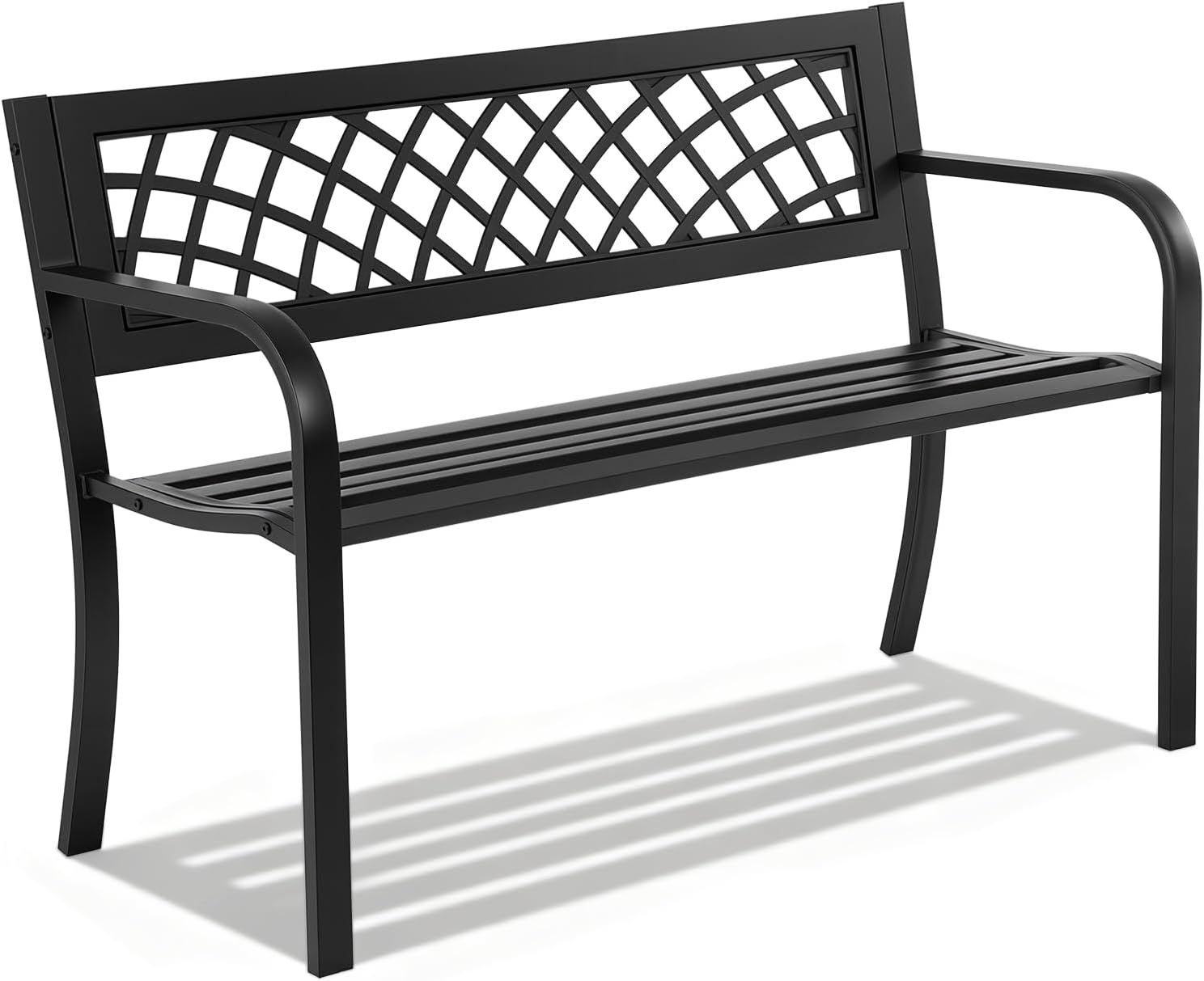
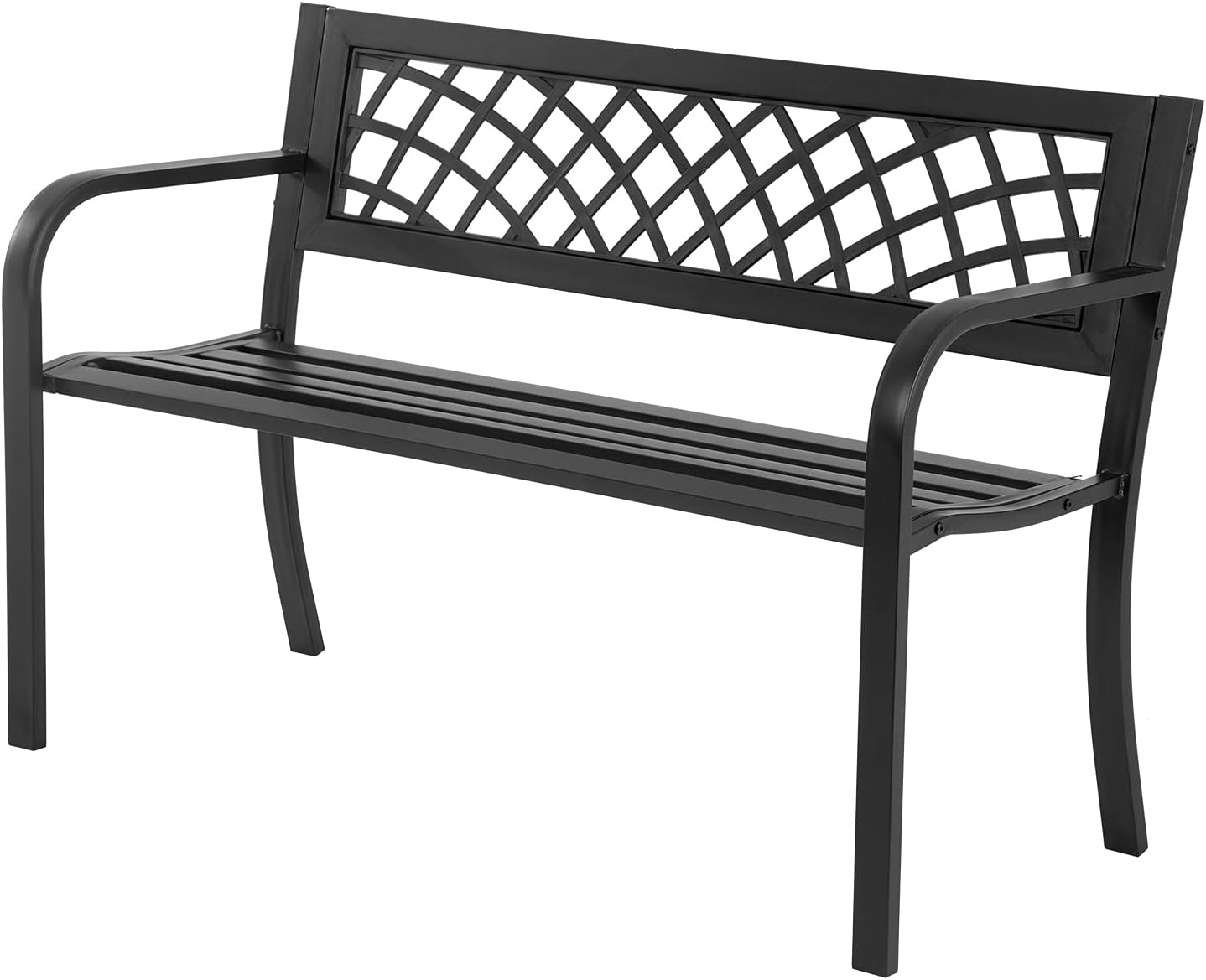
A bench isn’t just a place to sit; it’s a design element. The FDW offers a grid design in black, a classic look that blends into many garden, patio, or porch settings. It’s not going to be the focal point of a highly ornate Victorian garden, perhaps, but it’s unobtrusive and functional. Some people prefer the natural look of a wood garden bench or the intricate scrollwork of a traditional cast iron bench. The trade-off for a simpler design is often easier manufacturing and, consequently, a more accessible price point. But you won’t get that specific artistic flair with a utilitarian grid.
5. Comfort and Ergonomics:
A bench can look good, but if it’s uncomfortable, you won’t use it. While the FDW is a flat metal bench, its 46-inch length provides ample seating for two, maybe three snuggly. Metal can feel hard, though. Consider adding cushions if you plan on long periods of lounging. Back support is key too. The grid design offers a straightforward backrest; some benches curve more to the spine. It’s a compromise, isn’t it? Durability versus plush seating.
6. Assembly and Maintenance:
Look, nobody wants to spend an entire afternoon wrestling with cryptic instructions and fiddly screws. Most benches, including models like the FDW, arrive disassembled. Simpler designs usually mean easier assembly. Maintenance for metal benches typically involves occasional cleaning with soap and water, and maybe touching up any deep scratches to prevent rust. Compare that to the regular staining or painting required for many wood options.
How to Match the Product to Your Situation
Finding the right garden bench really boils down to your specific needs and how you envision using it. One size doesn’t fit all here.
The Practical Putterer:
You spend weekends tending to your hydrangeas or enjoying a quiet coffee in the morning sun. You want something dependable, won’t break the bank, and doesn’t demand constant fussing. You might even want to move it occasionally, perhaps from the rose garden to the deck for a small gathering.
- Recommendation: The FDW 46″ Outdoor Garden Bench is a strong contender here. Its heavy-duty metal construction means it’s durable enough for regular outdoor use without requiring delicate handling. The rust & weather-resistant finish is a huge plus, meaning less time maintaining and more time enjoying your outdoor sanctuary. It’s a no-nonsense, reliable option that gets the job done without shouting about it.
The Family Hub Host:
Your backyard is ground zero for barbecues, kid’s parties, and impromptu get-togethers. Seating needs to accommodate multiple people, maybe some energetic kids, and definitely withstand a lot of coming and going. Spills happen. Bumps happen.
- Recommendation: Again, the FDW bench shines for this crowd, largely due to its impressive 480lbs load capacity. It’s built like a tank, designed to handle the weight and general rough-and-tumble of busy family life. The metal construction is also a breeze to clean—just wipe it down. While it’s not indestructible, it’s far more forgiving than delicate wood or easily scratched plastics when chaos reigns.
The Aesthetic Afficionado:
You view your garden as an extension of your home’s interior design, a curated space where every piece contributes to a specific look. You might prioritize intricate details, specific material textures, or a unique color that complements your existing décor.
- Recommendation: While the FDW 46″ bench is perfectly functional and neatly designed with its grid design, it might not be your first choice. Its straightforward, utilitarian black finish, while versatile, lacks the unique character often sought by those prioritizing aesthetics above all else. You might find yourself drawn to a classic cast iron bench with ornate scrollwork or a beautifully finished wood garden bench that speaks to a more refined, specific vision. The FDW simply aims for broad appeal and solid function, not necessarily high art.
Comparing Your Outdoor Seating Options
Understanding the landscape of garden benches can help contextualize where a product like the FDW bench sits.
| Type/Tier | Best For | Price Tier | Key Feature | Watch-Out |
|---|---|---|---|---|
| Heavy-Duty Metal | Durability, weather resistance, high capacity | Mid-range | Built to last with minimal fuss, typically powder-coated. | Can get hot in direct sun; design might be utilitarian. |
| Premium Wood | Classic aesthetic, natural feel, custom options | Upper mid-range | Timeless appeal, often comfortable, ages gracefully. | Requires regular sealing/staining; can be heavy. |
| Budget Resin/Plastic | Portability, low cost, easy cleaning | Entry-level | Lightweight, often stackable, impervious to rust. | Can look cheap; less sturdy; UV degradation possible. |
| Decorative Cast Iron | Traditional style, high longevity, intricate designs | Premium | Exceptional style statement; very heavy and stable. | Very heavy; rust can be a major issue if not properly maintained. |
Heavy-duty metal benches, like our FDW example, are champions of utility and resilience, offering a robust solution that typically falls into a sensible mid-range budget. Premium wood options bring an undeniable warmth and classic charm, often at a higher cost due to material and craftsmanship, demanding consistent maintenance to retain their beauty. Budget resin or plastic benches are the go-to for sheer affordability and convenience, but they often sacrifice significant sturdiness and visual appeal. Lastly, decorative cast iron benches stand as enduring statements of style and incredible durability, though their initial investment is higher and they are notoriously heavy, requiring careful placement and rust prevention.
For Different Outdoor Environments
Where you put your garden bench really matters. The challenges and needs shift depending on the location.
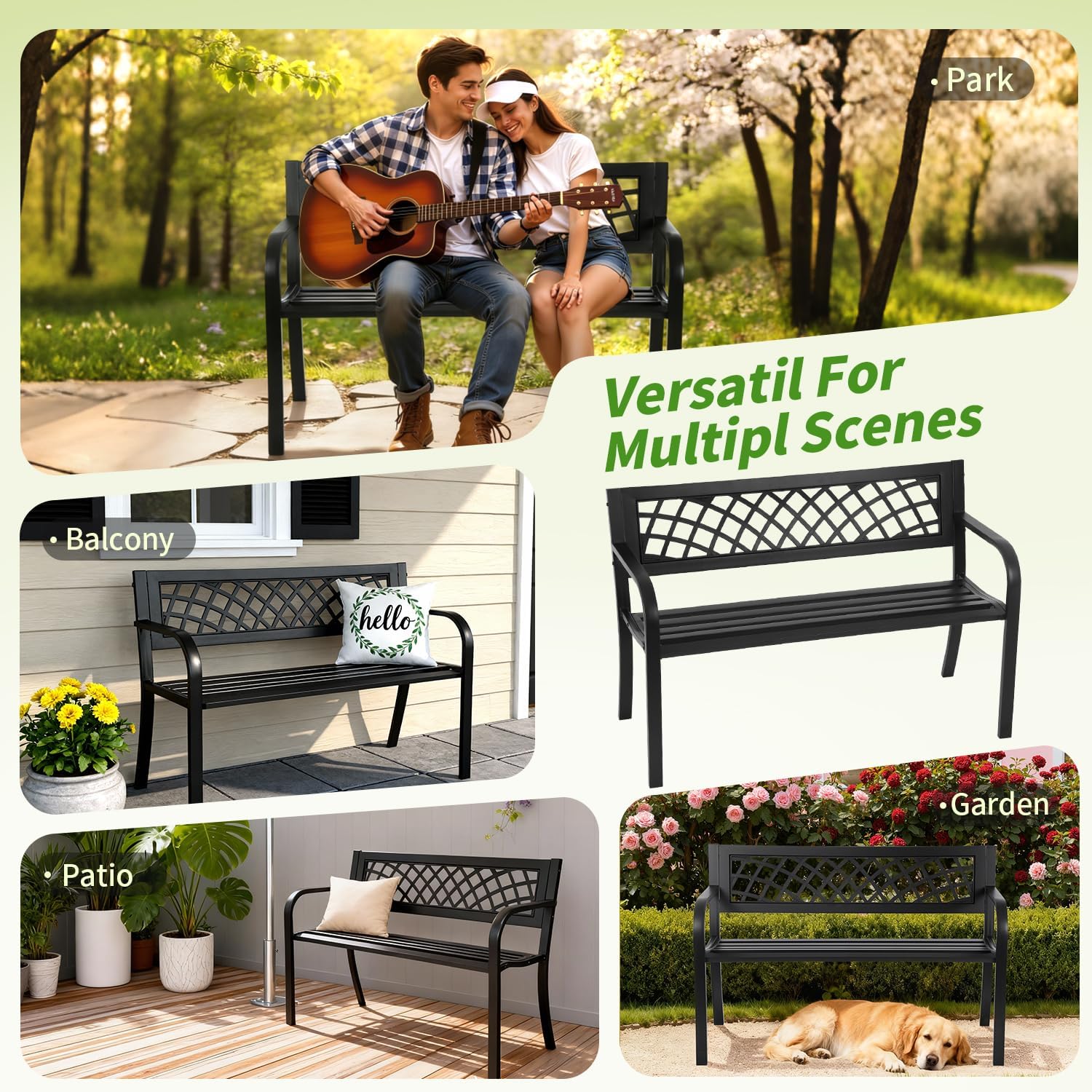
Sun-Drenched Patio:
If your patio gets full sun all day, every day, you need something that won’t fade, crack, or get so hot you can’t sit on it. A metal bench like the FDW will certainly withstand the UV, which is a major win over plastic, but that metal will absorb and radiate heat. It’s just a fact. You’ll likely want to invest in some outdoor cushions to make it comfortable, especially during peak sun hours. Otherwise, it’s more of a quick perch than a lounging spot.
Shady Garden Nook:
Here, moisture and mildew can be a bigger concern. A rust & weather-resistant metal bench is an absolute boon. Unlike wood, which can suffer from rot or algae growth in constantly damp, shady conditions, metal, particularly with a good finish, shrugs off moisture with relative ease. The FDW’s open grid design also prevents water from pooling, further mitigating potential issues. You won’t have to worry about the bench staying damp for days after a rain shower.
High-Traffic Entryway:
An entryway bench or porch bench needs to be both inviting and incredibly tough. People will sit on it quickly, perhaps with dirty shoes, or even drop shopping bags on it. The FDW’s heavy-duty metal construction and 480lbs load capacity make it ideal for this kind of frequent, sometimes rough, use. It won’t get knocked over easily, and its simple design means there aren’t many delicate parts to break. Practicality wins out here, usually.
Common Mistakes When Buying a Garden Bench
Plenty of people jump into buying a garden bench without thinking things all the way through. Don’t be one of ’em.
-
Ignoring Weight Capacity: This is a big one. You see a cheap bench, it looks fine, but you don’t check the fine print on how much weight it can actually hold. Then your uncle Bob comes over, sits down, and crack. The FDW, with its 480lbs capacity, avoids this pitfall, but many lighter-duty options are barely suited for one person, let alone two or three. Always check.
-
Underestimating Maintenance: People often buy a beautiful wood garden bench and forget that “natural” often means “needs regular sealing and cleaning.” Or they get untreated cast iron and are shocked when rust blooms everywhere. Even supposedly low-maintenance items like a metal bench need occasional wiping down. Thinking a product is truly “zero maintenance” is a rookie error.
-
Prioritizing Price Over Durability (for outdoor use): It’s tempting to grab the cheapest thing you see, especially for something that seems so simple. But for outdoor furniture, especially something you hope to use year after year, buying too cheaply often means buying twice. Materials matter. Weather resistance matters. A flimsy product will sag, rust, or break, costing you more in the long run. The initial investment in a solid piece like the FDW bench generally pays off.
-
Misjudging Size and Space: A bench can look dinky in a giant showroom, then swallow your small patio whole. Measure your space, then measure it again. Think about not just the bench itself but the clearance around it. Can you still walk past? Can a door open fully? A 46-inch bench is a good size for two, but make sure it fits your space, not just a space.
Why, How, What
Why is weather resistance so critical for a garden bench?
Because a bench lives outside. It’s exposed to rain, sun, humidity, and temperature swings. Without proper weather resistance, a bench will quickly degrade—wood will rot or splinter, untreated metal will rust, and plastics will become brittle. Good protection, like that found on the FDW’s rust & weather-resistant finish, significantly extends the usable life of your outdoor seating.
How does a heavy-duty metal bench compare to a cast iron bench in terms of maintenance?
While both are durable metal options, a heavy-duty metal bench, especially one with a modern powder coat, often requires less intensive maintenance than traditional cast iron bench options. Cast iron, though incredibly strong and visually striking, is notoriously prone to rust if its paint or finish chips, demanding immediate attention to prevent further spread. Powder-coated steel, like what you’d find in the FDW, is generally more forgiving against minor dings and offers a more consistent, long-lasting protective layer.
What kind of accessories should I consider for a metal garden bench?
For a metal bench like the FDW, the most common accessory is a set of outdoor cushions. They vastly improve comfort, making extended lounging much more pleasant, especially given how metal conducts heat and cold. You might also want a protective cover if you live in an area with extreme weather or if you plan to store it for the winter. These help preserve the finish and extend the bench’s lifespan even further.
Key Takeaways
- Durability Wins: For everyday outdoor use, a heavy-duty metal bench like the FDW provides excellent longevity, especially with rust & weather-resistant coatings.
- Capacity Matters: Don’t skimp on load capacity. The FDW’s 480lbs offers robust support for multiple users.
- Balance Aesthetics & Practicality: While the FDW’s grid design is functional, consider if a more ornate cast iron bench or a natural wood garden bench better suits your aesthetic goals, understanding the trade-offs.
- Think About Your Environment: Sun-drenched patios, shady nooks, or high-traffic entryways each pose unique challenges that influence the best material choice.
Decision Tree: Is the FDW 46″ Outdoor Garden Bench for You?
-
Do you need durable, long-lasting outdoor seating?
- YES: Go to Question 2.
- NO: Consider a less durable, potentially more budget-friendly plastic or resin option, but be aware of shorter lifespan.
-
Is rust and weather resistance a top priority in your climate?
- YES: Go to Question 3.
- NO: A non-treated wood bench might be acceptable if you commit to regular sealing, or if your climate is very mild.
-
Do you need a high weight capacity (e.g., for multiple people or heavier use)?
- YES: Go to Question 4.
- NO: Lighter-duty benches might save a few dollars, but consider the potential for instability.
-
Do you prefer a classic, functional black metal design over more ornate or natural styles?
- YES: The FDW 46″ Outdoor Garden Bench is likely an EXCELLENT fit. Its robust build, weather resistance, and capacity are well-matched to your needs.
- NO: Consider exploring traditional cast iron benches for intricate detail or premium wood benches for a natural aesthetic, understanding they may come with a higher price tag or more maintenance.
FAQ
What kind of maintenance does a black metal garden bench need?
Generally, a quick wipe down with a damp cloth and mild soap every few weeks is enough. Keep an eye out for any deep scratches that might expose bare metal and touch them up to prevent rust, especially for a heavy-duty metal patio bench.
Can this type of metal bench be left outside all year?
Yes, most weather-resistant furniture, including a properly coated metal bench, is designed for year-round outdoor exposure. However, in harsh winter conditions, a cover can help preserve its finish and extend its life even further.
Is a metal bench comfortable without cushions?
It depends on your preference and how long you plan to sit. For quick perches or admiring the garden, it’s fine. For longer relaxation, especially if you’re sensitive to temperature, outdoor cushions are almost certainly a good idea for a patio bench.
How does a grid design affect comfort or use?
A grid design is practical for drainage and preventing debris buildup. Comfort-wise, it’s generally fine, though some people find a solid surface more comfortable. It certainly avoids the accumulation of rainwater which is a plus.
Will a metal garden bench scratch easily?
Quality metal benches typically have durable powder-coated finishes that resist minor scratches. However, sharp objects or heavy impacts can chip the coating. This is common with any outdoor furniture, and touch-up paint is usually available to address these.
Are heavy-duty benches hard to move?
A heavy-duty metal bench like the FDW, while incredibly sturdy, can be quite hefty. You might need two people to move it comfortably, especially if you’re relocating it frequently or across uneven terrain. Its solidity is a double-edged sword that way.
Does the black color fade in the sun?
High-quality powder coatings used on items like the FDW bench are formulated to be UV-resistant. While no color is truly immune to any change over decades of harsh sun exposure, significant fading in the short to medium term is unlikely.
Final Recommendation
If you’re a practical homeowner looking for a heavy-duty metal bench that delivers on durability and won’t require constant coddling, the FDW 46″ Outdoor Garden Bench is a seriously smart choice. It punches above its weight, providing a robust solution for a range of uses—from a quiet moment in your garden to extra seating on a busy patio. Don’t expect ornate artistry or plush comfort right out of the box, but do count on a reliable piece of outdoor seating that’s built to withstand the elements and serve your family for years to come. It’s truly a worthy investment for reliable, everyday outdoor living.
#FDW #Outdoor #Garden #Bench #Black #480lbs #Load #Capacity #Heavy #Duty #Metal #Patio #Bench #Grid #Design #Rust #WeatherResistant #Lawn #Yard #Parks #Patio #Porch #Entryway