Decoding the Bunk Bed Buzz: Is the PVWIIK Full Over Full Bunk Bed the Right Fit for Your Crew?
So, you’re in the market for a bunk bed. Maybe you’ve got siblings sharing a room, or perhaps you’re trying to squeeze a bit more utility out of a smaller space. This guide is for the savvy shopper looking to cut through the noise, specifically honing in on the PVWIIK Full Over Full Bunk Bed with Ladder & Guard Rails, Natural, and whether it hits the mark for a kids’ bedroom. We’ll unpack what makes a good bunk bed and where this particular model stands in the grand scheme of things.
Quick Answer Box
The PVWIIK Full Over Full Bunk Bed offers a sturdy, space-efficient sleeping solution for children with its classic natural wood frame and essential safety features like guard rails and a ladder. It’s a solid choice for those prioritizing durability and a timeless aesthetic in a mid-range full-over-full configuration, making it especially suitable for growing kids who need more sleeping space than a twin. You’re getting a workhorse, not a show pony.
Key Takeaways
- Size Matters: Full-over-full provides more comfort for older children compared to twin models.
- Safety First, Always: Robust guard rails and a secure ladder are non-negotiables for any bunk bed.
- Wood Wins for Durability: A solid wood frame, like the PVWIIK’s, generally offers better long-term stability than metal or particle board.
- Aesthetic Versatility: A natural wood finish blends with almost any room decor.
What to Look For (The Buying Criteria)
Choosing a bunk bed isn’t just about picking out a pretty picture; it’s a genuine investment in your kids’ space and safety. There are some real nitty-gritty details that deserve your attention before you commit. We’re talking more than just price here.
1. Safety & Structural Integrity: The Absolute Top Priority
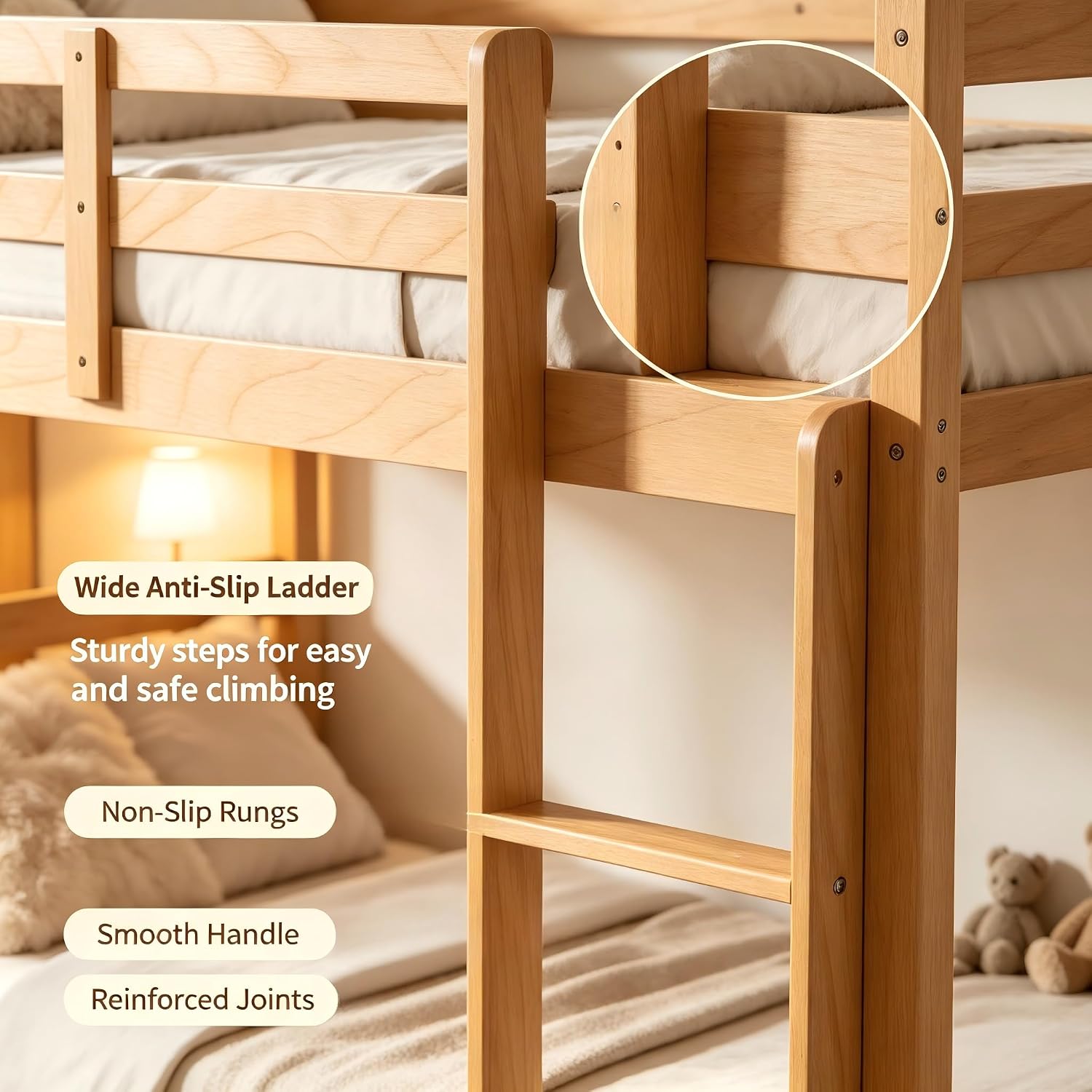
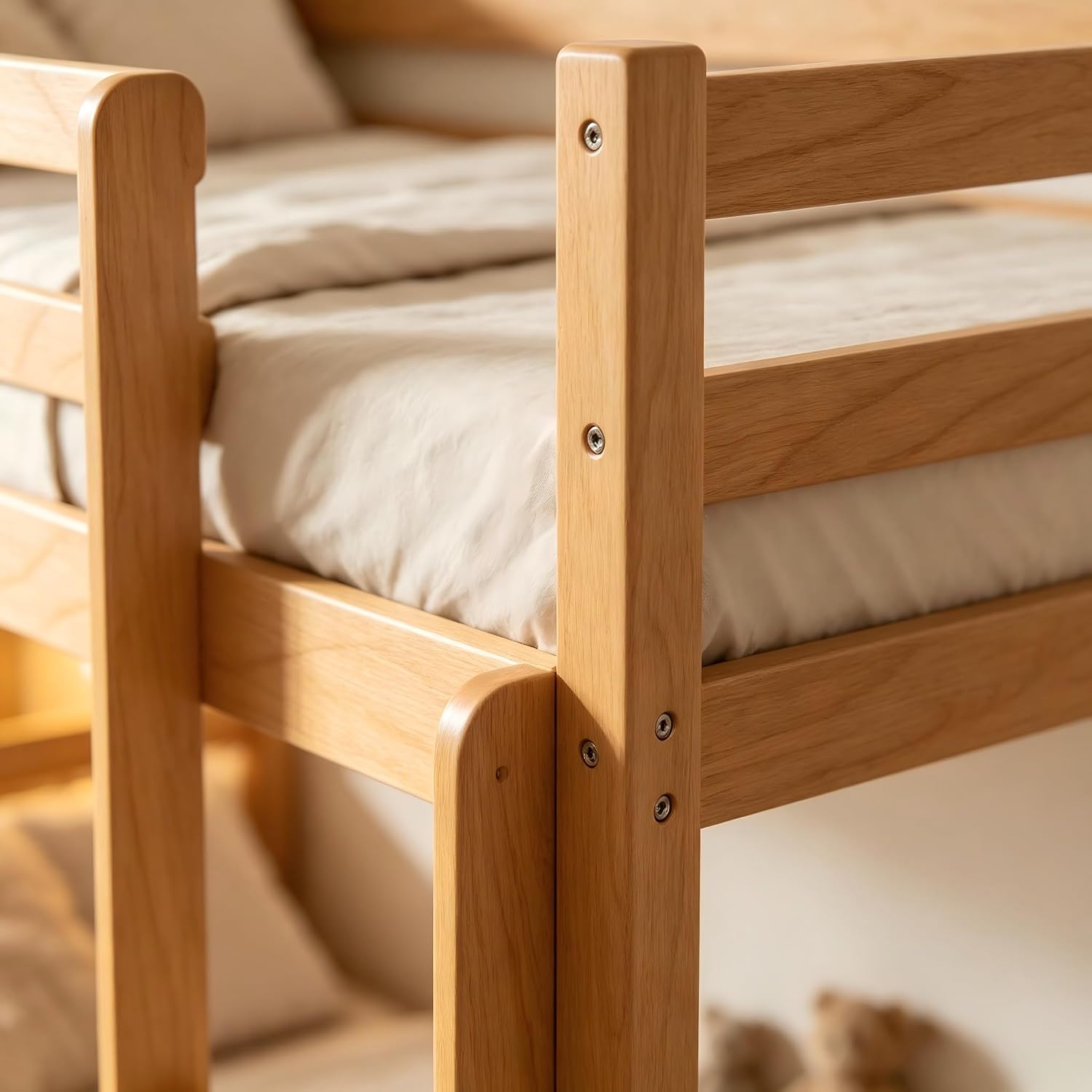
This is the big one, folks. You’re putting your most precious cargo into this thing, so don’t skimp here. Look for robust construction, especially in the joints and support beams. A solid wood frame, much like what you’d find in the PVWIIK Full Over Full Bunk Bed, usually instills more confidence than flimsy metal or engineered wood. What good is a bargain if it feels like it’s going to wobble every time someone shifts position?
Guard rails are non-negotiable for the top bunk; they need to be tall enough to keep a restless sleeper contained, even with a thicker mattress. Check how the ladder attaches. Does it hook securely? Is it integrated into the frame, or does it feel like an afterthought? Ladders should have wide, flat steps, not skinny rungs that dig into bare feet. Honestly, I’ve seen too many parents overlook these details, only to have buyers’ remorse when their child struggles to climb or they constantly worry about tumbles. The PVWIIK, with its included ladder and guard rails, covers the basics, but it’s always worth inspecting similar models for these critical safety elements. A trade-off here? Super heavy-duty construction often means the bed is a beast to move around later, and it might cost a bit more upfront. But isn’t peace of mind worth it?
2. Size, Configuration, and Room Footprint: Beyond Just “Bunk”
We’re focusing on a full-over-full here, like the PVWIIK model. This means both the top and bottom bunks are full-sized, which is a significant step up from the ubiquitous twin-over-twin or even twin-over-full. A full-size mattress offers considerably more space, making it a better fit for growing children, teenagers, or even an occasional adult guest. You want your kids to be comfortable, right? Nobody wants to feel cramped.
Consider the actual dimensions of the bunk bed versus your room. A full-over-full model, by its very nature, takes up more floor space than a twin. Measure, then measure again. You need adequate headroom for the bottom bunk sleeper – nobody wants to bonk their head sitting up. Also, ensure there’s enough clearance around the bed for moving, playing, and accessing windows or closets. The trade-off for that extra sleeping space is, predictably, a larger footprint. It might make a smaller room feel quite crowded, so be realistic about your available square footage.
3. Material & Finish: Wood, Metal, and Everything In Between
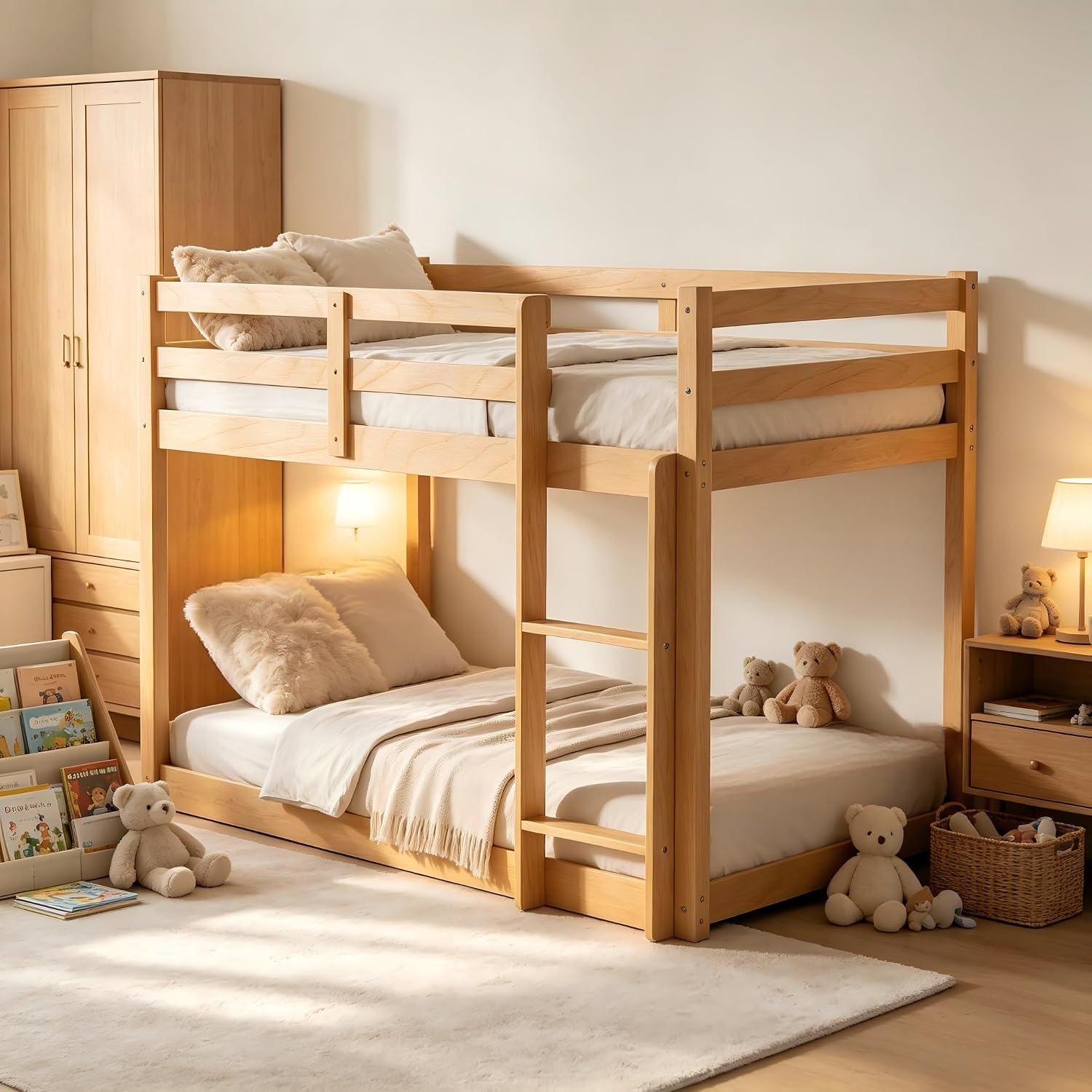
The PVWIIK model touts a natural wood frame. And for good reason. Solid wood bunk beds are generally known for their durability and classic aesthetic. They tend to be heavier and feel more substantial than metal frames, which can sometimes squeak or feel a bit industrial. A natural finish, like that on the PVWIIK, is wonderfully versatile. It works with vibrant kids’ room decor or more subdued, earthy tones. It doesn’t clash.
Metal frames can be lighter and often more budget-friendly. They’re typically easy to clean, too. But sometimes, they lack the warmth and timeless appeal of wood. Engineered wood or particle board options? They can be very affordable, yes, but often lack the longevity and sturdiness of solid wood. They’re more prone to damage from moisture or rough handling. The downside of solid wood? It can be pricier, and scratches or dents are more noticeable than on some other materials, though a natural finish like the PVWIIK’s can often hide minor imperfections better than a dark stain.
4. Assembly & Construction: A Weekend Project or a Headache?
Let’s be real. Unless you’re hiring someone, you’ll be putting this thing together. Bunk beds, especially larger ones with ladders and guard rails like the PVWIIK, involve a lot of pieces and hardware. Look for clear instructions, well-labeled parts, and good quality fasteners. There’s nothing more frustrating than stripped screws or misaligned holes. It turns a hopeful endeavor into an exercise in profanity.
Some manufacturers make assembly much more straightforward than others. It’s not just about getting it together, it’s about getting it together sturdily. A complex assembly process isn’t necessarily a bad thing if the result is a rock-solid bed, but it will demand your time and patience. Consider if the bed has any special tools required or if standard hex keys and screwdrivers will do the trick. A trade-off? Simpler designs might mean fewer parts and faster assembly, but they could also offer less structural complexity or fewer features.
5. Features & Flexibility: Beyond Basic Sleeping
Some bunk beds are veritable multi-taskers, offering integrated desks, shelves, or even trundle beds for sleepovers. While the PVWIIK Full Over Full Bunk Bed focuses on its core function — providing two full-sized sleeping spots — it’s worth considering if you need those extra bells and whistles. Do you need a dedicated study area in the room? Or maybe some extra storage for toys and clothes?
These additional features can be fantastic space-savers, but they also add to the complexity and often the cost. Sometimes, they can even compromise the overall stability if not well-designed. Another point: some bunk beds can be converted into two separate beds later, offering tremendous flexibility as your children grow or if you reconfigure the room. This kind of convertibility is a significant long-term benefit for many families. The PVWIIK seems to stick to a more traditional, fixed bunk design, which simplifies things but doesn’t offer that separation option. It’s a trade-off: simplicity and direct function versus multi-stage flexibility.
6. Aesthetics & Room Integration: The Look and Feel
Finally, let’s talk about how the bunk bed looks in the room. The PVWIIK, with its natural wood finish, brings a certain warmth and timeless appeal. It’s a classic for a reason. This kind of finish tends to be quite forgiving with kids’ decor trends, easily transitioning from a brightly colored toddler room to a more subdued pre-teen space.
Does it complement existing furniture? Does it feel too big or too small for the room’s overall scale? Don’t underestimate the visual impact of such a large piece of furniture. While bright colors or themed beds might seem fun for a moment, a neutral, well-built piece like a natural wood bunk bed often has a longer shelf life in terms of style.
How to Match the Product to Your Situation
Finding the right bunk bed isn’t a one-size-fits-all deal. Your family’s unique situation dictates what works. Let’s break down a few common scenarios.
1. The Growing Family Strategist
You’ve got kids who are getting bigger, maybe even hitting those gangly pre-teen years. A twin bed just isn’t cutting it anymore, but you’re not swimming in extra bedrooms either. You need something durable, something that offers a bit more stretch-out room, and something that doesn’t feel like they’ll outgrow it next year.
- Recommendation: This is precisely where a full-over-full option like the PVWIIK Full Over Full Bunk Bed shines. The extra width of the full mattress on both levels means more comfort now and more longevity as they grow. It’s built to last, a real workhorse. If your children are still small, this gives them ample room to roll around without feeling cramped. If they’re bigger, they won’t feel like they’re sleeping on a cot.
2. The Space-Saving Optimist
Your kids share a room, or maybe you just want to reclaim some valuable floor space in a smaller bedroom. You’re trying to fit a bed, a desk, a dresser, and still leave room for play. Every square inch counts. You’re looking for efficiency without sacrificing comfort.
- Recommendation: A traditional bunk bed design, like the PVWIIK model, inherently saves floor space by stacking beds vertically. While a full-over-full is wider than a twin, it’s a smart compromise if you need to sleep two people comfortably without sacrificing two separate bed footprints. It’s a clear winner for maximizing vertical space. Just remember to measure for the width; it is a full-size bed, so it needs a bit more room than a twin.
3. The Style-Conscious, No-Fuss Parent
You appreciate clean lines, natural materials, and furniture that integrates seamlessly into a variety of decor styles. You don’t want anything too trendy, too loud, or too difficult to maintain. A classic, understated look is your preference, and you value real wood.
- Recommendation: The PVWIIK Full Over Full Bunk Bed with its natural wood frame fits this bill perfectly. Its simple, sturdy design and neutral finish mean it won’t clash with existing decor. It’s not trying to make a statement; it just is. This kind of solid, unadorned aesthetic actually lends itself to greater versatility, allowing you to change room accessories and themes without needing a new bed. That’s smart shopping right there.
Comparison of Bunk Bed Types/Tiers
Let’s look at how the PVWIIK stacks up against some other options you might encounter.
| Type/Tier | Best For | Price Tier | Key Feature | Watch-Out |
|---|---|---|---|---|
| Budget Metal Bunks | Young kids, temporary use, tight budgets | Budget-friendly | Lightweight, easy to move | Can feel less stable; design options are often limited; squeaking might occur. |
| Mid-Range Wood Bunks | Growing kids, durability, classic aesthetic | Mid-range | Solid wood construction, more robust (like PVWIIK) | Heavier, might require more involved assembly; less initial design flair. |
| Premium Multi-Function | Small rooms needing integrated storage/desk | Premium | Built-in features (desk, drawers, trundle) | Higher cost; can be overly complex; harder to move; specific aesthetic. |
| Heavy-Duty Adult Bunks | Cabins, hostels, larger teenagers/adults | Mid-to-Premium | Enhanced weight capacity, thicker frames | Overkill for young kids; often industrial look; very heavy. |
- Budget Metal Bunks: These are your entry-level options. They’re typically quite light, which makes them easier to set up and move, and they don’t break the bank. But they can feel a bit wobbly and, frankly, sometimes sound like a rusty hinge with every shift.
- Mid-Range Wood Bunks: This is where the PVWIIK Full Over Full Bunk Bed sits. You get a noticeable step up in stability and aesthetic appeal, thanks to the wood frame. They feel more substantial and tend to last longer. They’re a sensible sweet spot for most families seeking quality without going overboard.
- Premium Multi-Function: These are the all-in-one marvels. Think L-shaped bunks with a desk underneath, or built-in drawers. They’re fantastic for extremely small rooms where you need to pack in as much functionality as possible. Just be prepared for a steeper price tag and often more intricate assembly.
- Heavy-Duty Adult Bunks: Not usually for the typical kids’ room, these are designed to hold more weight and are built like tanks. Great for college dorms or guest cabins, but for your average 7-year-old? Probably more than you need.
Scenario-Specific Considerations for Your Bunk Bed Journey
1. For the Younger Crowd (Transitioning from Toddler Beds)
Bringing a bunk bed into a room with younger children (think early elementary) requires extra diligence. Safety isn’t just a buzzword here; it’s the rule. You’ll want to ensure guard rails are exceptionally secure and high enough that even with a thicker mattress, there’s no way a sleepy kid can roll out. A sturdy ladder, with easy-to-climb steps, becomes crucial.
The PVWIIK Full Over Full Bunk Bed, designed for kids, has those guard rails built in. That’s a huge plus. If you’re putting a very young child on the top bunk, make sure they’re coordinated enough to manage the ladder comfortably, both up and down, especially for those middle-of-the-night bathroom trips. Sometimes, having the youngest on the bottom bunk is simply the wiser call.
2. For Siblings Sharing a Room (Maintaining Peace & Space)
Ah, siblings. The eternal struggle for personal space. A full-over-full bunk bed, like the PVWIIK, can be a godsend here. Instead of two cramped twin beds, each child gets a full-sized sleeping area. This extra real estate can significantly reduce complaints about feeling squished. It’s about giving them just enough room to stretch out and call their own, even if they’re sharing the same air.
Consider adding small clip-on lights or shelves for each bunk. This offers a bit of individual territory and prevents arguments over who gets to read by the main lamp or where to stash their nightly treasures. The solid wood construction of a PVWIIK can stand up to the occasional sibling wrestling match (though we certainly don’t recommend it!).
3. For Occasional Guest Room Flexibility
Maybe this bunk bed isn’t just for daily use, but also pulls double duty when friends or family come to stay. In this case, the comfort of a full-size mattress on both bunks, as offered by the PVWIIK, is a definite advantage. No one wants to put up guests on a tiny twin bed. This offers a more hospitable experience.
If your needs are primarily for guests, you might also consider models that can separate into two standalone beds, offering more versatility. The PVWIIK’s fixed design makes it less adaptable in that specific regard, but its inherent comfort for two full-sized sleepers might outweigh the need for separation if guest frequency is low.
Common Mistakes Buyers Make
Look, nobody’s perfect. But some mistakes are just easily avoidable. Here are a few that often trip people up when buying a bunk bed:
- Forgetting to Measure the Ceiling Height: This one sounds obvious, but it’s missed all the time. You need ample space between the top bunk mattress and the ceiling for the sleeper to sit up comfortably. Don’t want any head bonks, do we? This is especially critical for full-over-full models where the beds are inherently a bit wider, and you might have a bit more mattress thickness.
- Ignoring the Mattress Dimension Requirements: Not all mattresses are created equal, especially for bunk beds. Bunks often have specific thickness limits to ensure the guard rails remain effective and there’s enough headroom for the bottom bunk. Don’t just assume your old mattress will fit or work safely.
- Underestimating Assembly Time and Difficulty: Oh, the optimistic estimates! A bunk bed is a substantial piece of furniture. While some, like the PVWIIK, are designed with relatively straightforward assembly, it’s still a project. Set aside a solid chunk of time, gather your tools, and maybe recruit a helper. Rushing leads to mistakes, and mistakes often compromise stability.
- Skimping on Safety Features for a “Deal”: This ties back to my initial point. It’s tempting to go for the cheapest option, but if it means flimsy guard rails, a wobbly ladder, or questionable construction, it’s just not worth it. Spend a little more for peace of mind. Your kids deserve to sleep safely.
Why/How/What Mini-Section
Why choose a full-over-full bunk bed like the PVWIIK?
Honestly, it’s about comfort and longevity. A full-over-full bunk bed gives kids more room to grow into. No one wants to feel like they’re sleeping in a sardine can, and twin beds can quickly feel too small for older children or teens. This configuration maximizes sleeping area in a shared space, making it a smart investment for families who need to conserve floor space but don’t want to compromise on a good night’s sleep.
How do you ensure bunk bed safety, especially with an active child?
First, rigorous assembly is paramount. Follow those instructions to the letter; check every bolt and connection. Second, establish clear rules: no horseplay on the bed, only one person on the top bunk, and always use the ladder. Placement matters too: keep it away from windows, ceiling fans, and other hazards. Regular checks of all hardware will keep things solid.
What should you look for in a wooden frame bunk bed’s durability?
Beyond the obvious (no cracks, no wobbles), pay attention to the joinery. Are the pieces bolted together, or just screwed? Bolted connections are generally stronger. Look for solid posts and thick rails. The type of wood matters too; solid hardwoods tend to be more resilient than softer woods or composites, resisting dents and scratches better over time. A good finish also protects the wood.
FAQ
H3: Are full-over-full bunk beds too big for a typical kids’ room?
Not necessarily, but you absolutely must measure your room first. While a full-over-full bunk bed, like the PVWIIK, offers generous sleeping space, it does have a larger footprint than a twin bunk. It’s often an excellent solution for shared rooms or older children who need more comfort, maximizing vertical space effectively.
H3: How important are guard rails on the top bunk?
They are crucial, full stop. Guard rails prevent falls, especially important for active sleepers or younger children. Ensure they are securely attached and tall enough to prevent someone from rolling over the edge, even with a thicker mattress. Safety here isn’t an accessory; it’s a core requirement.
H3: Can a full-over-full bunk bed separate into two individual beds?
Many full-over-full bunk beds are designed as fixed units and do not separate. The PVWIIK Full Over Full Bunk Bed, for example, appears to be a consolidated design. If convertibility is a key feature for you, be sure to confirm it for any specific model you’re considering.
H3: What’s the best way to clean a natural wood bunk bed?
For a natural wood bunk bed like the PVWIIK, a soft, damp cloth with a mild soap is usually sufficient. Avoid harsh chemicals or abrasive cleaners, which can damage the finish. Wiping it down regularly helps prevent dust buildup and keeps the wood looking its best.
H3: Are bunk beds difficult to assemble for one person?
While it’s possible to assemble some bunk beds alone, it’s generally much easier and safer with two people. The large, heavy pieces often require an extra set of hands to align and hold during construction. For complex models or larger sizes, like a full-over-full, a helper is highly recommended.
H3: What kind of mattress is best for a bunk bed?
You’ll need a full-size mattress for both bunks on a PVWIIK Full Over Full. Pay close attention to the height or thickness of the mattress. Many bunk beds have a recommended maximum mattress height to ensure the top bunk’s guard rails remain effective and to provide adequate headroom for the bottom bunk sleeper. Firmer mattresses can also be a good choice for support.
H3: How do I make the top bunk safer for a child?
Beyond robust guard rails and a sturdy ladder, establish clear rules: no jumping, no roughhousing, and only use the ladder to get up and down. Make sure the bed is placed away from windows or ceiling fans. Regularly check all bolts and connections to ensure the bed remains stable and secure.
Final Recommendation
If you’re juggling multiple kids in one room and craving a solution that offers real comfort and longevity, the PVWIIK Full Over Full Bunk Bed with Ladder&Guard Rails, Natural should absolutely be on your shortlist. It represents a solid investment in the mid-range tier, providing the expanded sleeping space of a full-size mattress for both bunks, which is invaluable for growing children. Its natural wood frame offers durability and a timeless aesthetic that won’t feel dated in a few years, making it adaptable to various bedroom decor shifts.
This isn’t the most feature-rich, convertible bed out there, and it certainly won’t win any awards for flashy design. But frankly, that’s its strength. It focuses on the essentials: sturdy construction, crucial safety features, and maximum sleeping comfort in a vertical footprint. For families prioritizing a dependable, visually versatile bunk bed that’s built to last and comfortably accommodate siblings, this PVWIIK model offers compelling value without venturing into overly complex or budget-breaking territory. It’s a reliable choice that simply works, and that’s often the best kind of product you can buy.
#PVWIIK #Full #Full #Bunk #Bed #LadderGuard #Rails #Natural #Ladder #Safety #Guard #Rails #Wood #Frame #Kids #Boy #Girl #Bedroom