Finding Your Edge: A Smart Shopper’s Guide to the KitchenAid Gourmet Box Grater and Beyond
Looking for a new grater? You’re in the right place. This guide is for the savvy home cook who wants practical advice on choosing a reliable grater, specifically eyeing the popular KitchenAid Gourmet 4-Sided Stainless Steel Box Grater with Detachable Storage Container. We’re cutting through the marketing fluff to help you understand what truly matters in a good grater and whether this particular model earns its keep in your kitchen.
Quick Answer
The KitchenAid Gourmet 4-Sided Stainless Steel Box Grater with Detachable Storage Container is a solid mid-to-premium option, genuinely worthwhile for most home cooks thanks to its sturdy build, versatile grating surfaces, and that handy integrated storage. It balances quality construction with useful features, making it a strong contender for everyday culinary tasks. Is it always the only answer? Not necessarily.
What to Look For (The Buying Criteria)
Choosing a grater, even one as seemingly straightforward as a box grater, involves a few key considerations that can drastically impact your kitchen experience. Don’t just grab the cheapest thing you see. You’ll regret it later. Trust me.
Blade Sharpness and Variety
This is, without a doubt, the most crucial factor. A dull grater is a dangerous grater, requiring more pressure and increasing the chance of slipping. We’re talking about stainless steel blades here, and their quality varies wildly. Look for blades that feel genuinely sharp to the touch (carefully, please!) – not just “pointed.” The KitchenAid Gourmet grater, for instance, typically comes out of the box with decent sharpness across its four sides, offering coarse, medium, fine, and a slicer. But what if you need a truly aggressive coarse grate for hard cheeses, or a super-fine zester for citrus that rivals dedicated microplane tools? Sometimes a multi-sided box grater is a jack-of-all-trades, master of none. Think about your most common grating tasks. Do you mostly shred cheese for tacos, or are you zesting lemons daily?
Material Quality & Durability
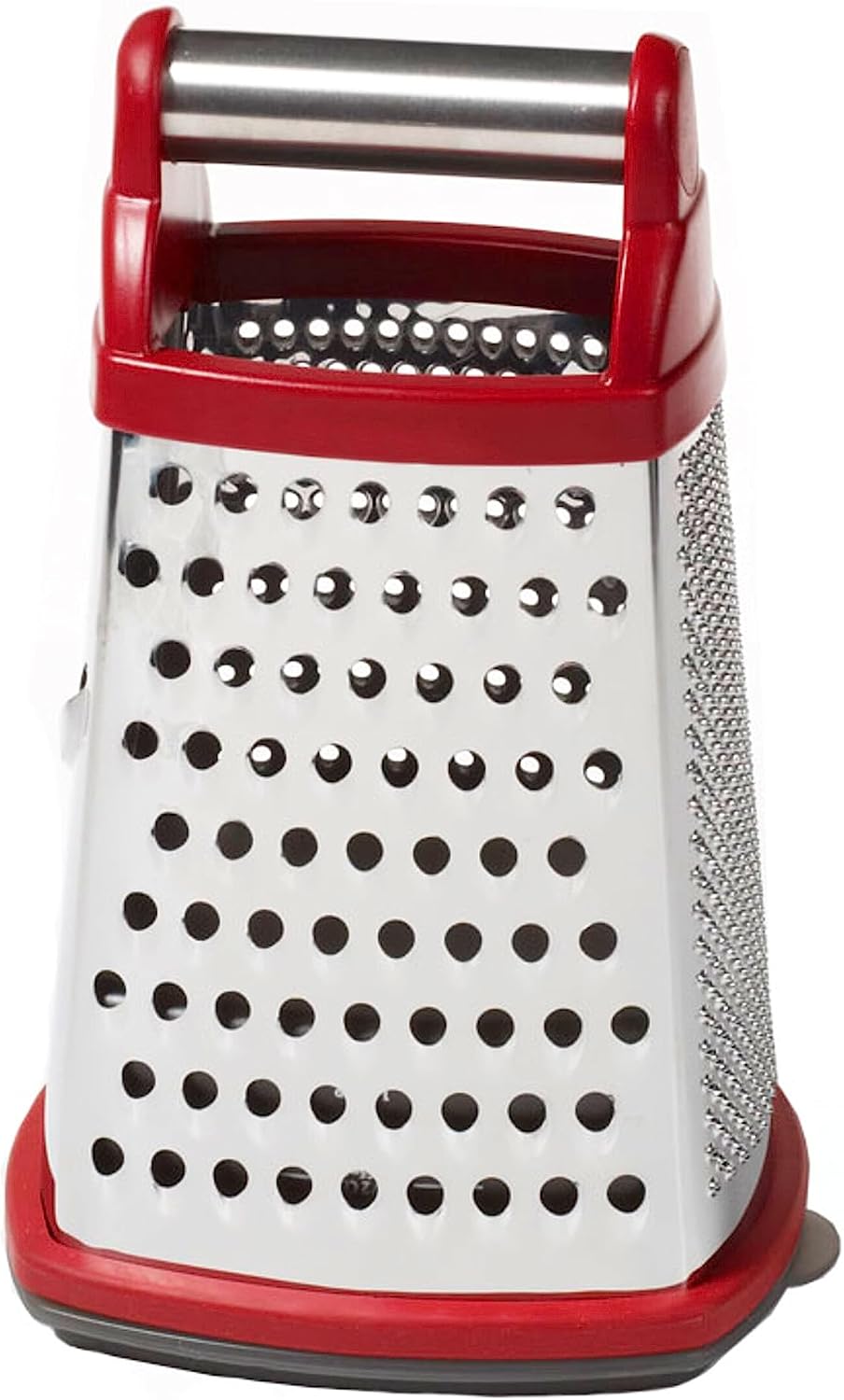
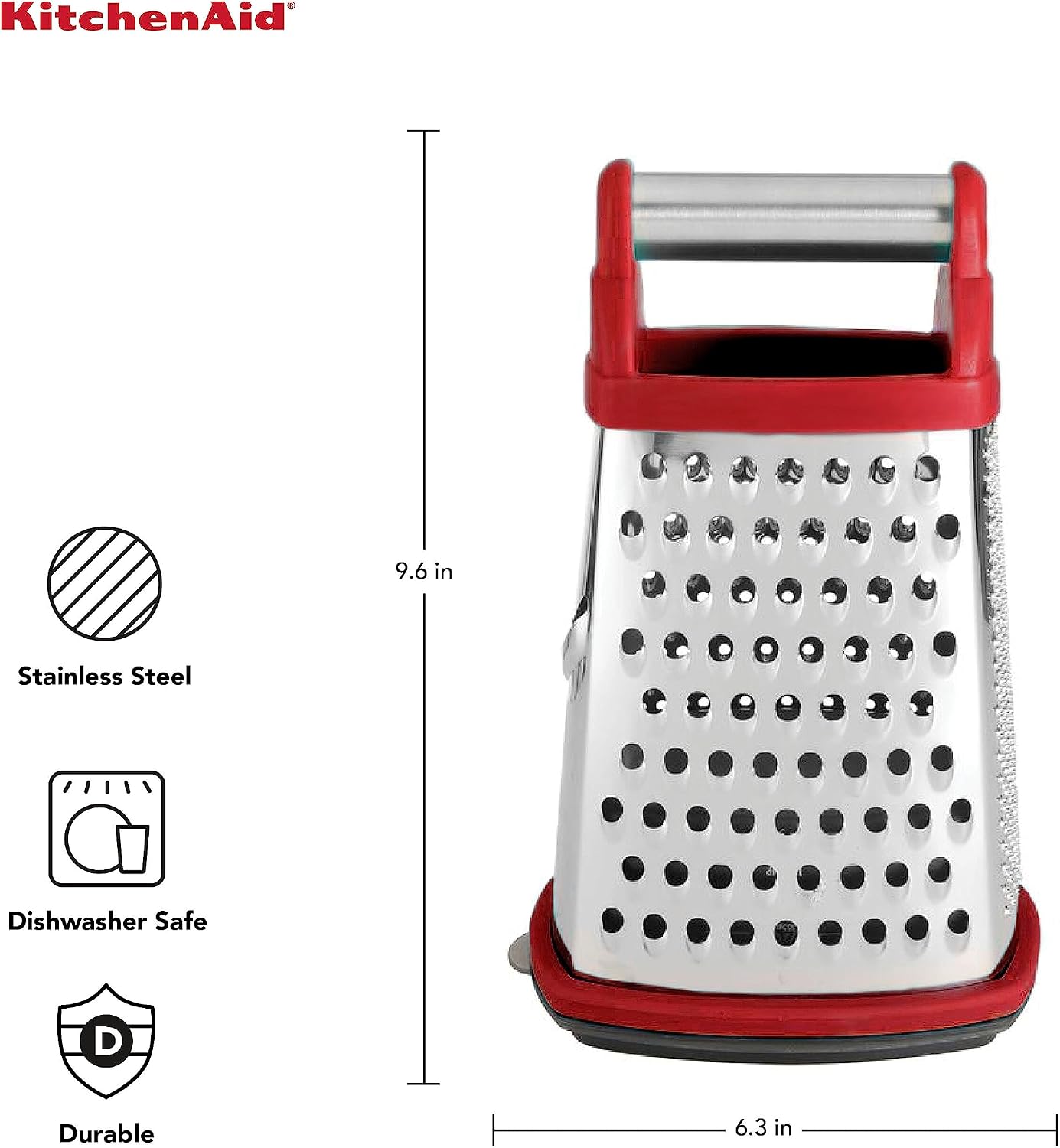
Nobody wants a rusty grater after a few washes, right? Stainless steel is the standard here, but not all stainless steel is created equal. You want something with a good heft, indicating a thicker gauge of metal. Thin, flimsy stainless steel graters bend, warp, and dull quickly. The handle material matters, too. Is it cheap plastic that’ll crack, or a robust, comfortable grip that feels secure? The KitchenAid Gourmet grater uses durable stainless steel for its body and a comfortable, ergonomic handle, which contributes to its perceived longevity. Still, even with good materials, dropping it might bend those edges. It’s not indestructible.
Ergonomics & Comfort
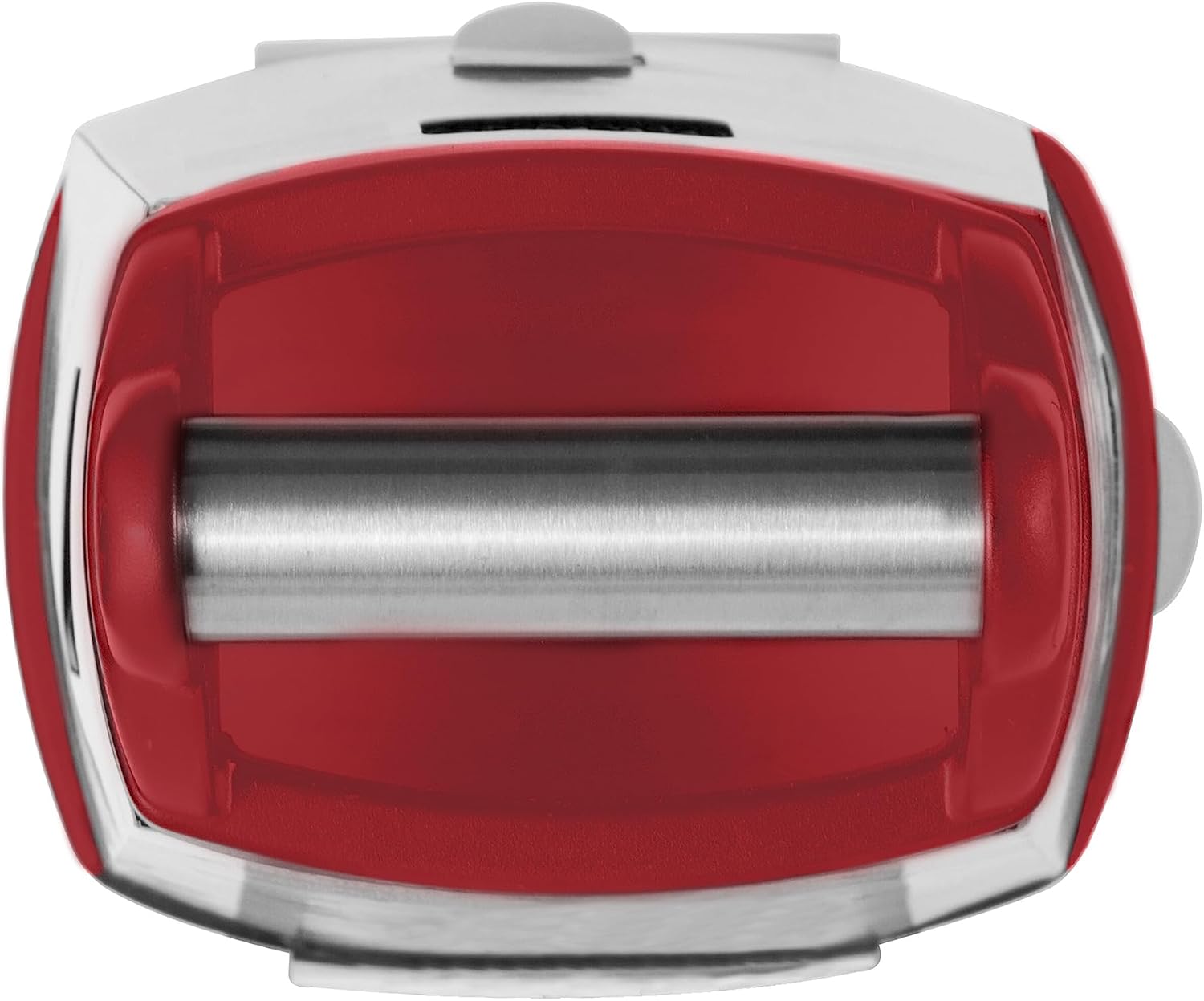
Grating can be a workout! Ever tried to shred a pound of cheddar with an uncomfortable, slippery grater? Your wrist will thank you for paying attention to ergonomics. A good grater should have a comfortable, non-slip handle that’s easy to grip, even with damp hands. The grater’s overall height and width should feel right for your hands and counter space. Too tall, and it can wobble; too small, and you’re struggling to hold it. The KitchenAid model generally earns good marks for its handle design, offering a generous, soft-grip area that feels secure. But handle size is subjective; what’s comfy for one might be too bulky for another.
Stability & Safety
This ties directly into ergonomics but deserves its own shout-out. A grater that slides around on your cutting board is a recipe for disaster. Look for a non-slip base – usually rubber or silicone feet – that keeps the grater firmly planted. This is non-negotiable for safety. The KitchenAid Gourmet box grater comes with a rubber rim on its base, a small but mighty feature that dramatically improves stability during use. It’s simple, but it makes a world of difference. Without it? Chaos. And possibly a trip to the emergency room.
Storage & Convenience Features
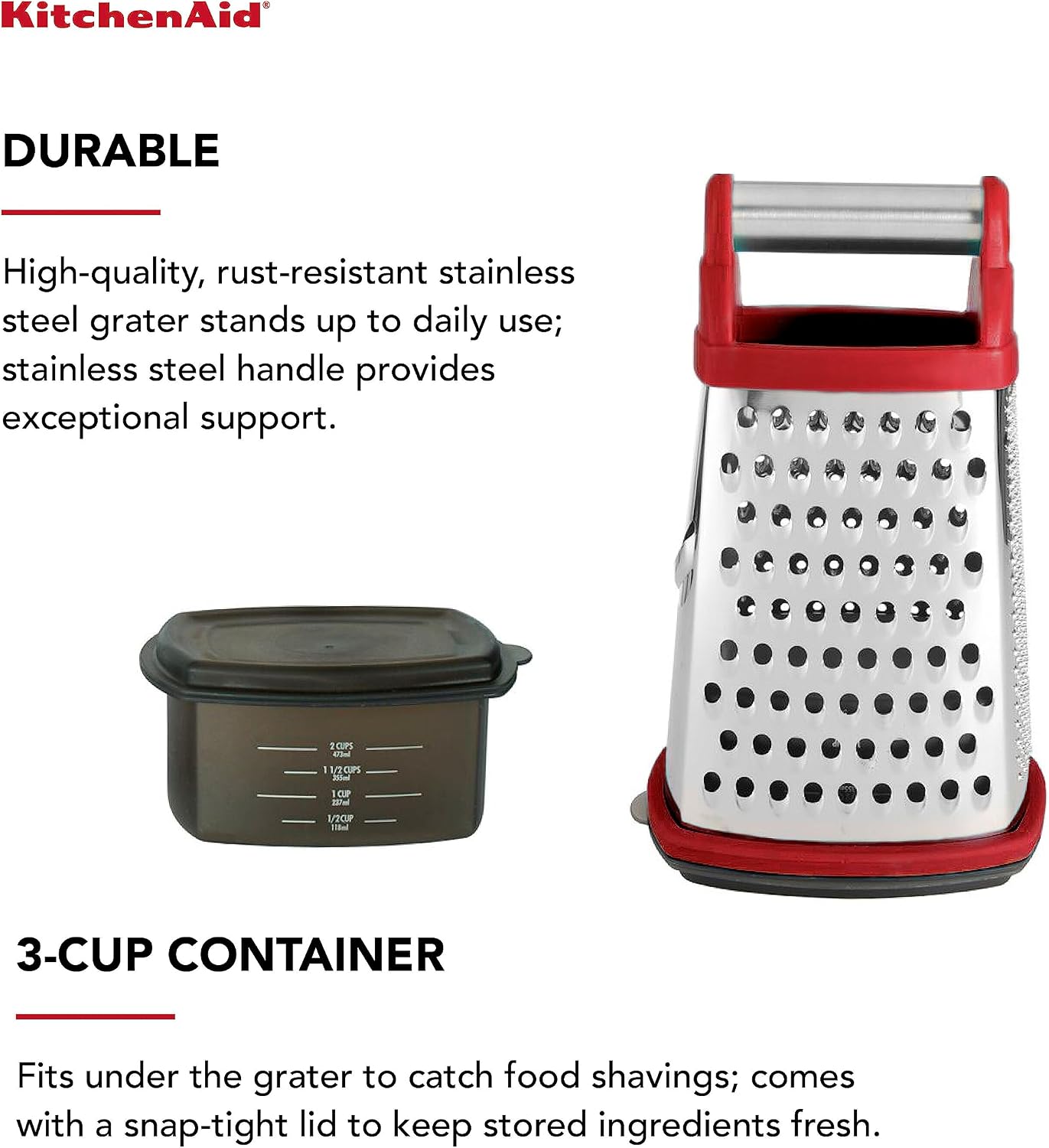
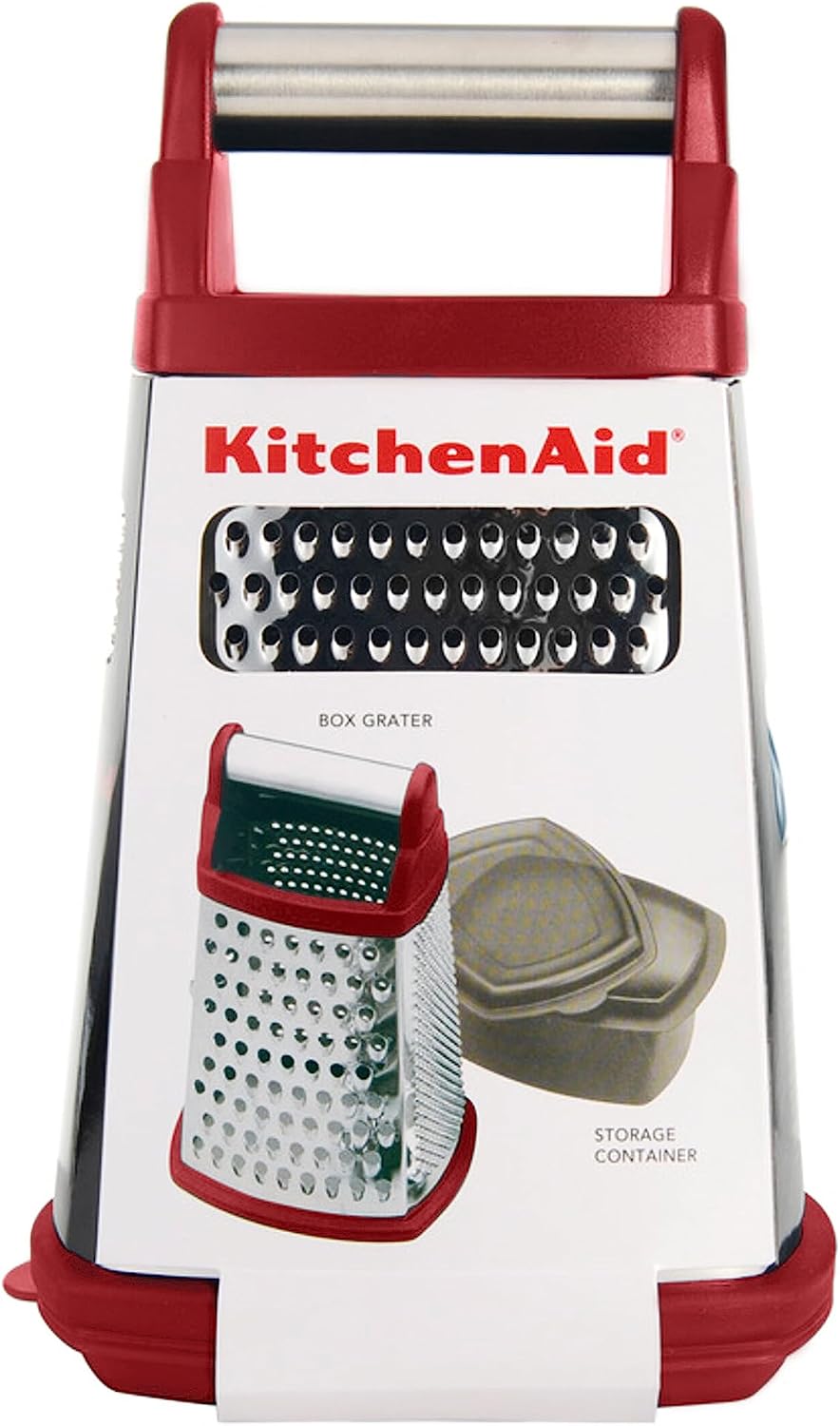
Here’s where the KitchenAid Gourmet 4-Sided Stainless Steel Box Grater really tries to differentiate itself. Its detachable storage container is a big selling point. It catches your grated food directly, reducing mess and making transfer easy. This can be super convenient. Think about it: no more piles of cheese spilling over the counter. But here’s the rub: that container is another piece to wash. And it takes up extra space in the drawer when assembled. Do you always need to grate directly into a container, or do you sometimes just want to grate over a bowl? It’s a trade-off between convenience and potentially more wash-up or bulk. Some people swear by it. Others? Not so much.
Cleaning & Maintenance
Nobody loves doing dishes. So, how easy is your potential grater to clean? Food, especially cheese, can get stuck in those tiny holes. Dishwasher safe is a plus, but often, a quick hand wash with a stiff bristled brush is best to ensure all bits are removed and to protect blade sharpness. Check for seams and crevices where food can hide. The KitchenAid’s stainless steel construction and the ability to detach the container simplify things, but those tiny grating holes still demand attention. A quick rinse right after use is always your best bet, no matter the grater.
How to Match the Product to Your Situation
Your ideal grater really depends on your culinary style and how often you’ll be putting it to work. One size certainly doesn’t fit all.
The Everyday Home Cook
You’re cooking meals most nights, maybe making some homemade mac and cheese, grating carrots for a salad, or zesting a lime for a dressing. You need something reliable, versatile, and easy to use that won’t give up on you after a few months. For this persona, the KitchenAid Gourmet 4-Sided Stainless Steel Box Grater is a fantastic choice. Its multiple grating surfaces handle most common tasks, and the durable build means it’ll stand up to regular use. That integrated storage container? A definite win for minimizing mess during daily prep. You’re looking for efficiency and consistency, and this grater delivers.
The Occasional Food Prep Minimalist
Maybe you only grate cheese for pizza once a month, or you prefer pre-shredded vegetables. Your kitchen space is limited, and you don’t want bulky single-use gadgets. A full box grater might feel like overkill. For you, a simple, flat hand grater or even a dedicated zester might be more appropriate. While the KitchenAid Gourmet is quite versatile, its box form factor does take up some drawer real estate. You might appreciate its quality, but perhaps not its footprint for minimal use. Sometimes, less is more.
The Culinary Enthusiast
You love getting deep into food prep, making elaborate dishes, and you might already own a mandoline, a microplane, and possibly even a food processor with grating attachments. For you, a general-purpose box grater might serve as a handy backup, but you’ll likely gravitate towards more specialized tools for specific tasks, seeking ultimate precision or efficiency. The KitchenAid grater is good, sure, but a dedicated fine grater will always outperform a box grater’s fine side for true zesting, and a food processor will shred a five-pound block of cheese in seconds. It’s about fitting into a broader arsenal of tools, not being the star player.
A Comparison of Grater Types and Tiers
When it comes to graters, there’s a surprisingly wide world out there beyond just the familiar box shape. Knowing the landscape helps you make an informed decision.
| Type/Tier | Best For | Price Tier | Key Feature | Watch-Out |
|---|---|---|---|---|
| Basic Flat Graters | Occasional, small tasks, minimal storage | Budget-friendly | Extremely compact, simple | Limited versatility, often less stable, can be flimsy |
| Standard Box Graters | Everyday versatility, decent capacity | Mid-range | Multiple grating surfaces in one unit | Can be bulky, blade quality varies widely |
| KitchenAid Gourmet Box Grater | Frequent use, convenience-focused, consistent results | Mid-to-premium | Integrated storage container, robust design | Higher initial investment, container adds pieces to wash |
| Specialty/Rotary Graters | Specific, fine grating (Parmesan, ginger), less effort | Mid-range to premium | Precision for specific ingredients, protects fingers | Single-purpose, often harder to clean, can be expensive |
Basic flat graters are your no-frills option, great for quick zests or a sprinkle of cheese but often lack stability and a good grip. Standard box graters are the workhorses of many kitchens, offering a few common blade types, but you really have to pick one with good blade quality or you’ll be replacing it constantly. The KitchenAid Gourmet Box Grater, with its built-in container, steps things up for those who value efficiency and neatness, providing a thoughtful solution for common kitchen annoyances. Specialty or rotary graters are fantastic for certain tasks, especially if you grate hard cheeses regularly and want to save your knuckles, but don’t expect them to shred a block of cheddar quickly.
Grating Scenarios: Finding Your Ideal Match
Let’s talk about how your specific needs play out in the real world. This isn’t just about owning a grater; it’s about making your kitchen life easier.
Scenario 1: Weekly Cheese & Veg Prep
You know the drill. Sunday meal prep often involves grating a big block of cheddar for the week’s lunches or shredding a bunch of carrots for a healthy slaw. You need something that won’t slow you down, that feels stable, and that makes cleanup tolerable. This is precisely where the KitchenAid Gourmet 4-Sided Stainless Steel Box Grater shines. Its sturdy build means it doesn’t flex under pressure, and the variety of grating surfaces means you can tackle different veggies with ease. That detachable storage container is a lifesaver here, catching all the grated goodness without making a mountain of mess on your cutting board. It’s all about efficiency and managing the aftermath.
Scenario 2: Small Batches & Garnishes
Sometimes you just need a quick sprinkle of Parmesan over pasta, a little ginger for a stir-fry, or some lemon zest for a cocktail. In these moments, pulling out a large box grater might feel like too much fuss. A smaller, simpler flat grater or a dedicated microplane-style zester could actually be more convenient and faster. While the KitchenAid grater certainly can do these jobs, its full size might feel cumbersome for truly tiny tasks. Think about your most frequent small grating needs. Does the grater match the scale?
Scenario 3: Entertaining & Large Family Meals
When you’re hosting a big dinner or cooking for a crowd, sheer volume becomes the issue. You might be grating pounds of potatoes for hash browns or mounds of cabbage for coleslaw. A manual box grater, even a good one like the KitchenAid Gourmet, has its limits in terms of speed and physical effort for massive quantities. For these heavy-duty situations, you might find yourself wishing for a food processor with a grating attachment. The KitchenAid grater is durable enough to handle a significant amount of work, but if you’re regularly feeding an army, you might hit its efficiency ceiling. It’s a question of effort versus output.
Common Grating Mistakes People Make
Even with a seemingly simple tool like a grater, there are pitfalls. And trust me, I’ve seen them all.
- Ignoring the Non-Slip Base (or lack thereof): Trying to grate on a smooth surface without a non-slip base is just asking for trouble. The grater slides, your hand slips, and suddenly you’re grating your knuckles instead of cheese. This is a safety issue. Always ensure your grater is stable, or place a damp paper towel underneath if it lacks a good base.
- Not Cleaning Immediately: Cheese, especially, is a nightmare once it dries and hardens in those tiny grater holes. It’s frustrating. Bits of carrot or potato can also cling on stubbornly. A quick rinse and brush right after use will save you a lot of scrubbing agony later. Seriously, don’t put it off.
- Buying Based Purely on Price: A dirt-cheap grater is usually a false economy. The blades are often stamped poorly, dull quickly, and the entire thing feels flimsy. You’ll replace it within a year, likely after a few frustrated, knuckle-scraping uses. Investing a little more in something like the KitchenAid Gourmet grater often pays dividends in longevity and better performance.
- Using the Wrong Side of the Grater for the Task: Each side of a box grater exists for a reason! Trying to zest a lemon on the coarse shredder yields disappointing, bitter results. Attempting to get fine Parmesan dust from the medium grater just creates clumps. Understand what each surface does – coarse, medium, fine, and slicer – and pick the right tool for the job. It’s not just about shredding; it’s about texture.
Grater Essentials: Why, How, What
Let’s unpack a few fundamental questions about graters.
Why invest in a good grater?
A quality grater does more than just break down food; it transforms ingredients, enhancing flavor and texture. Think about fresh Parmesan grated finely over pasta, releasing its aromatic oils, or crunchy shredded cabbage for a vibrant salad. A dull, flimsy grater crushes and mangles ingredients, bruising them and dampening their flavor. A good grater, like the KitchenAid Gourmet, creates consistent pieces, improving the overall quality of your dishes and making prep work actually enjoyable. It really does make a difference.
How do I clean my box grater safely?
Cleaning a box grater requires a bit of care to protect your fingers. The safest approach is to use a stiff-bristled scrub brush (often called a “vegetable brush” or “dish brush”). Hold the grater by its handle, under warm running water, and brush down along the grating surfaces, away from your hand. Never use a sponge or cloth on the sharp parts unless you’re very careful; those blades will shred them, and potentially your skin. A quick clean, remember, is a safe clean.
What makes the KitchenAid Gourmet grater stand out?
Honestly, its key differentiating factor is that detachable storage container. It’s a genuine problem-solver for minimizing mess. Most box graters just shred onto your cutting board or into a bowl you place underneath. Having a custom-fit container that neatly collects everything and then seals for storage? That’s a thoughtful design element. Combine that with the solid stainless steel construction and comfortable handle, and you’ve got a well-rounded kitchen tool.
FAQ
Is stainless steel always the best choice for a grater?
Generally, yes. Stainless steel offers durability, rust resistance, and hygiene. Cheaper metals can corrode or harbor bacteria. Just be aware that quality varies within stainless steel itself; look for thicker gauges and sharp, well-formed blades.
How many sides should a box grater have?
Four sides are typical and offer the most versatility for a box grater: usually coarse, medium, fine, and a slicing surface. Some minimalist designs have fewer, but four gives you the most options for different culinary tasks without needing multiple tools.
Can I sharpen my grater’s blades?
Unfortunately, no, not effectively. Unlike a knife, grater blades are formed by punching holes, creating tiny edges. They can’t be resharpened at home. When the blades get dull, it’s time for a replacement.
What’s the difference between grating and shredding?
These terms are often used interchangeably, but “grating” generally implies a finer cut (like for zest or ginger), while “shredding” refers to coarser, longer strands (like for cheese or cabbage). Box graters typically have surfaces for both.
Is a box grater better than a flat grater for cheese?
For larger quantities of cheese, a box grater is usually superior due to its stability and multiple grating options. Flat graters are fine for small amounts or specific tasks like zesting, but they lack the leverage and capacity for a big block of cheese.
What’s the deal with those little rubber feet?
Those rubber or silicone feet are crucial for safety and stability. They prevent the grater from sliding around on your counter or cutting board while you’re working, reducing the risk of accidents. Never underestimate the importance of a non-slip base.
How do I keep my hands safe while grating?
Always use the non-slip base, maintain a firm grip on the handle, and be mindful of your knuckles, especially as you get to the end of your ingredient. Some people use cut-resistant gloves or a food holder tool for extra protection when grating smaller pieces.
Final Recommendation
For most home cooks who find themselves regularly grating cheese, vegetables, or zesting citrus, the KitchenAid Gourmet 4-Sided Stainless Steel Box Grater with Detachable Storage Container hits a sweet spot. Its robust build, versatility across its four sides, and particularly that thoughtful, integrated storage solution make it a genuinely convenient and durable kitchen tool. It strikes a fine balance between quality, practicality, and price, providing significant value for everyday use.
If you’re tired of flimsy graters that rust or dull quickly, and you appreciate features that streamline cleanup, this KitchenAid model is a smart upgrade. It’s certainly a step above generic box graters, offering enough quality and features to justify its place in a busy kitchen without venturing into overly specialized, single-purpose territory. You’ll be happy you chose it for those weekly meal prep sessions.
#KitchenAid #Gourmet #4Sided #Stainless #Steel #Box #Grater #Detachable #Storage #Container