Unpacking the Value: Is a Premium Ergonomic Office Chair Worth the Investment?
Stepping into the world of ergonomic chairs can feel like a minefield. So many options, so many claims, and a price spectrum that spans from “barely a chair” to “down payment on a car.” This guide is for folks who want to understand if a premium model, like the MALOL Ergonomic Office Chair with its impressive 400lbs capacity and 6D armrests, truly justifies its higher cost. We’re cutting through the marketing fluff to help you decide where to put your money for better posture and lasting comfort.
Quick Answer
For most daily users, investing in a robust ergonomic chair like the MALOL, featuring extensive adjustability for lumbar, headrest, and seat depth, along with a heavy-duty design, is a smart play. The enhanced support, customizable fit, and durable construction often translate to greater long-term comfort and fewer back woes than cheaper alternatives. It’s about buying once, buying well, and actually feeling better at the end of a long workday.
What to Look For (The Buying Criteria)
Navigating the ergonomic chair market requires a sharp eye. You can’t just pick the prettiest one. We need to talk about what actually matters, especially when considering something like the MALOL Ergonomic Office Chair, which packs a lot of features into one package. Here’s where your focus should be.
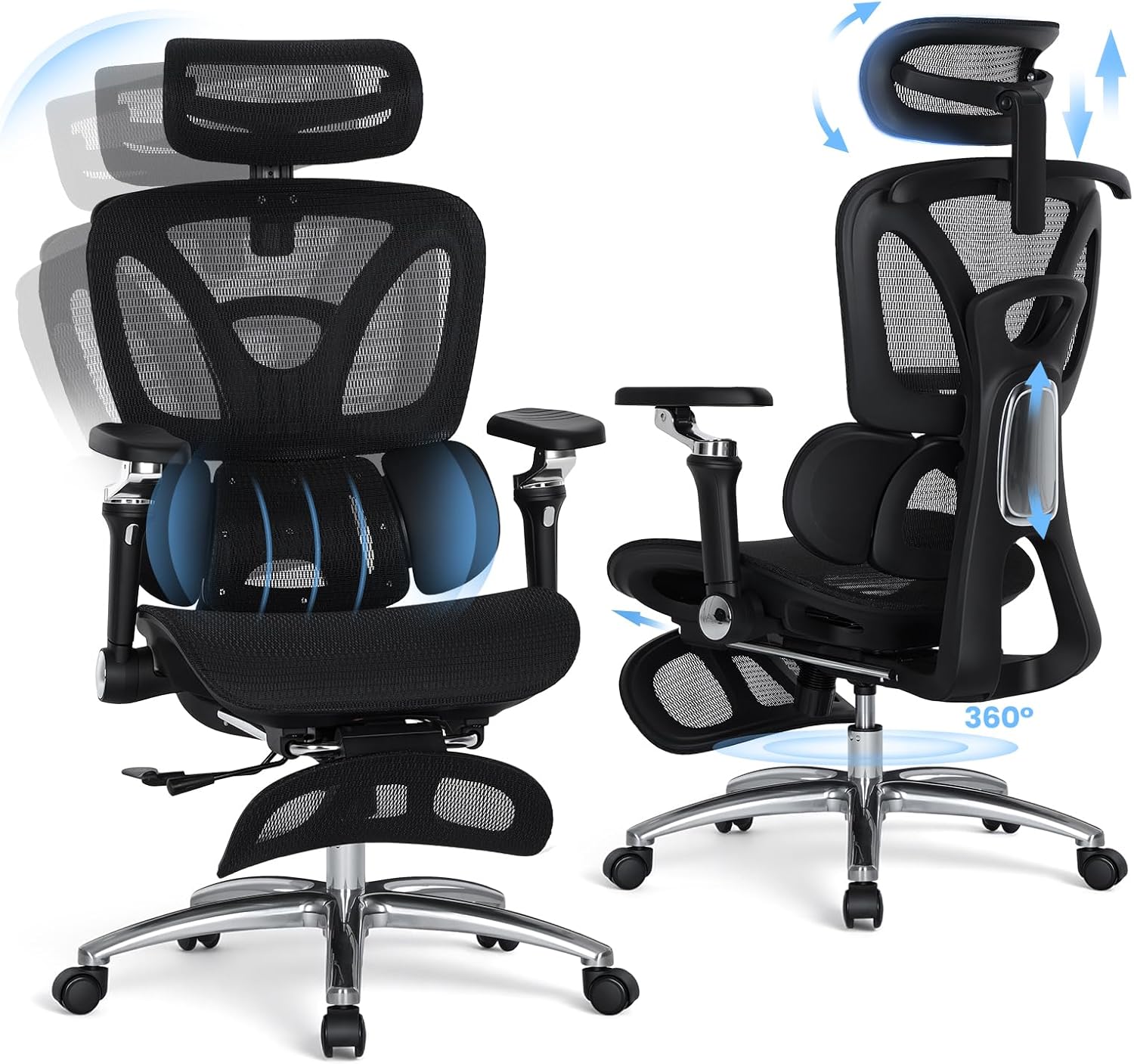
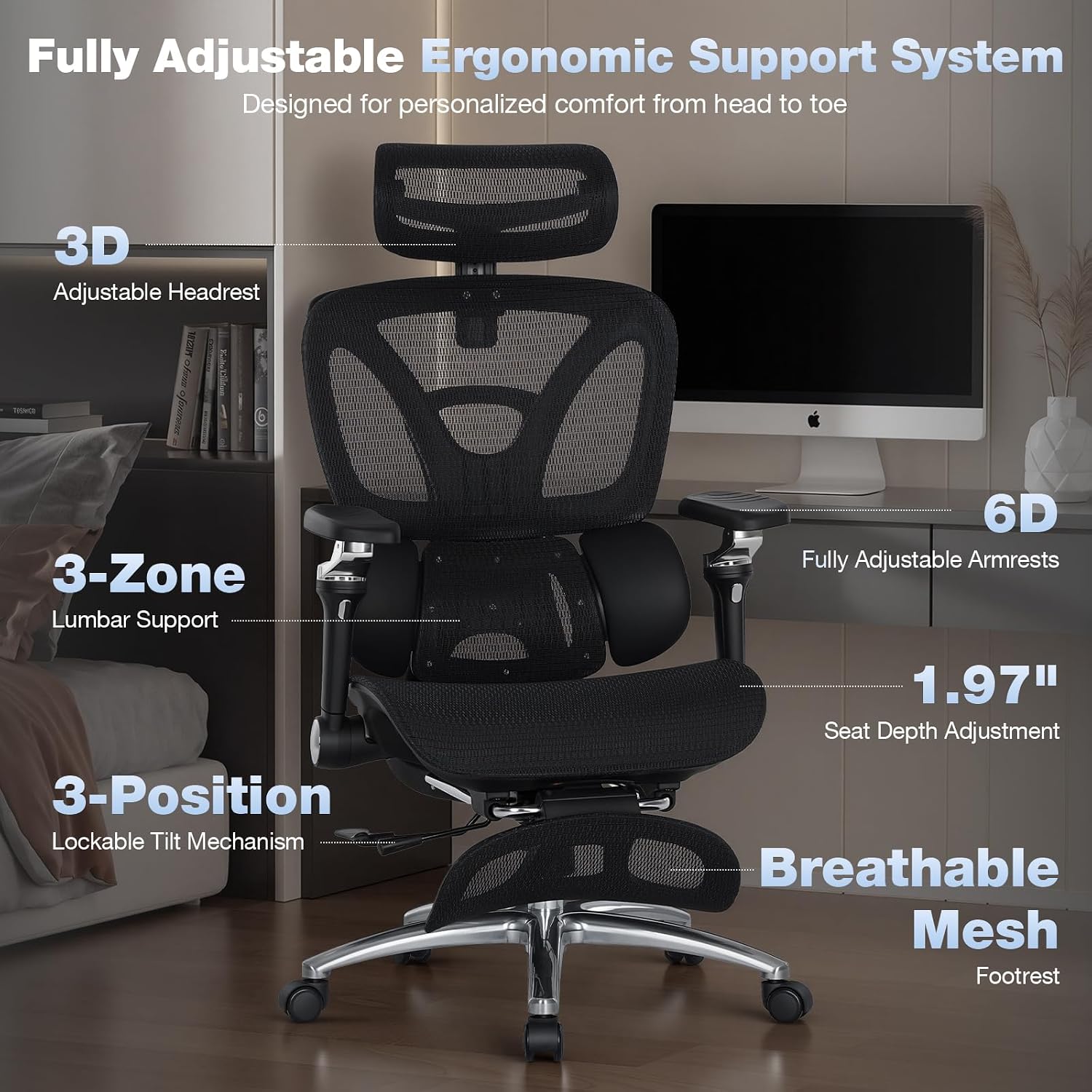
First off, adjustability is king. Seriously. A chair can look fancy, but if you can’t dial it in for your specific body, what’s the point? Think about armrests – the MALOL boasts 6D armrests. That’s not just marketing speak; it means they adjust up, down, forward, back, pivot in, pivot out, and even slide side-to-side. Lesser chairs might offer a fixed armrest, or maybe just up/down. That difference? It directly impacts how well you can position your forearms to support your neck and shoulders while typing. Sure, all that adjustment adds to the complexity, and sometimes, frankly, it can be a bit much to fiddle with initially. You might spend a day or two finding your sweet spot.
Then there’s the lumbar support. We’re talking about that curve in the lower back. Generic chairs give you a fixed bump, if anything. The MALOL chair, with its adjustable lumbar support, allows you to move that curve up or down, and often in or out, to perfectly meet the natural curve of your spine. Without proper lumbar support, your back sags, leading to slouching and pain. This isn’t just about comfort; it’s preventative medicine for your back. The downside? If you don’t adjust it properly, it’s just a feature you’re paying for but not using.
Next up, seat depth adjustment. This one’s often overlooked, but it’s massive for folks with longer or shorter legs. You want about two or three fingers’ width between the front edge of the seat and the back of your knees. If the seat is too deep, it can cut off circulation to your legs; too shallow, and you don’t get enough thigh support. A chair without this feature is a gamble, pure and simple. It’s a trade-off: you gain perfect leg alignment, but you add another lever to master.
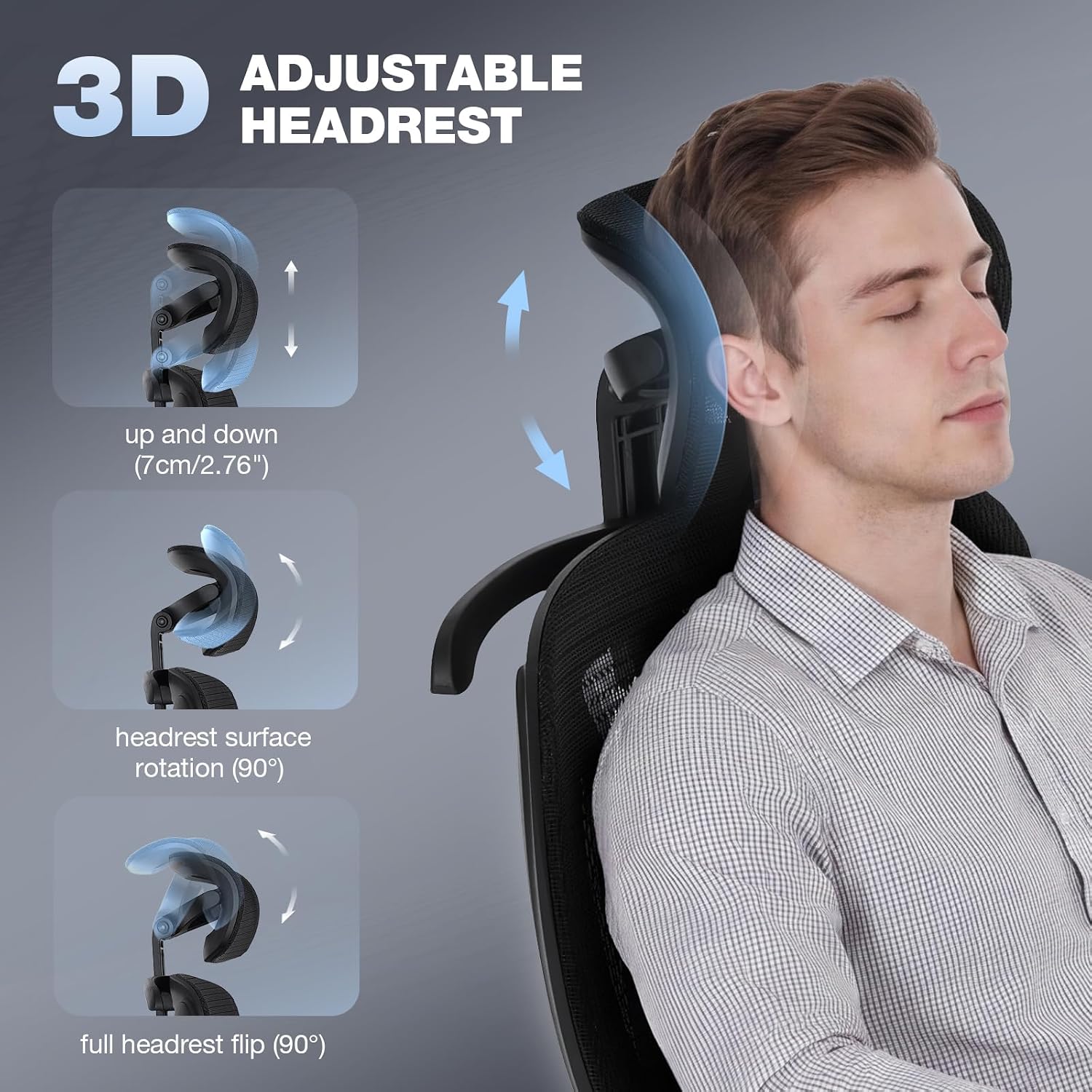
Let’s talk about the headrest. The MALOL features a 3D headrest. This isn’t just a place to rest your head when you lean back for a quick break; it’s crucial for neck support during upright working, especially if you spend hours looking at screens. A 3D headrest moves up, down, forward, and pivots, letting you cradle your neck just right. A cheap chair’s headrest might be fixed, or only offer basic height adjustment. That’s a huge difference for preventing neck strain. The only drawback I’ve seen is that some people never quite get the headrest position just right and it can feel intrusive if not adjusted properly for their specific height and recline habits.
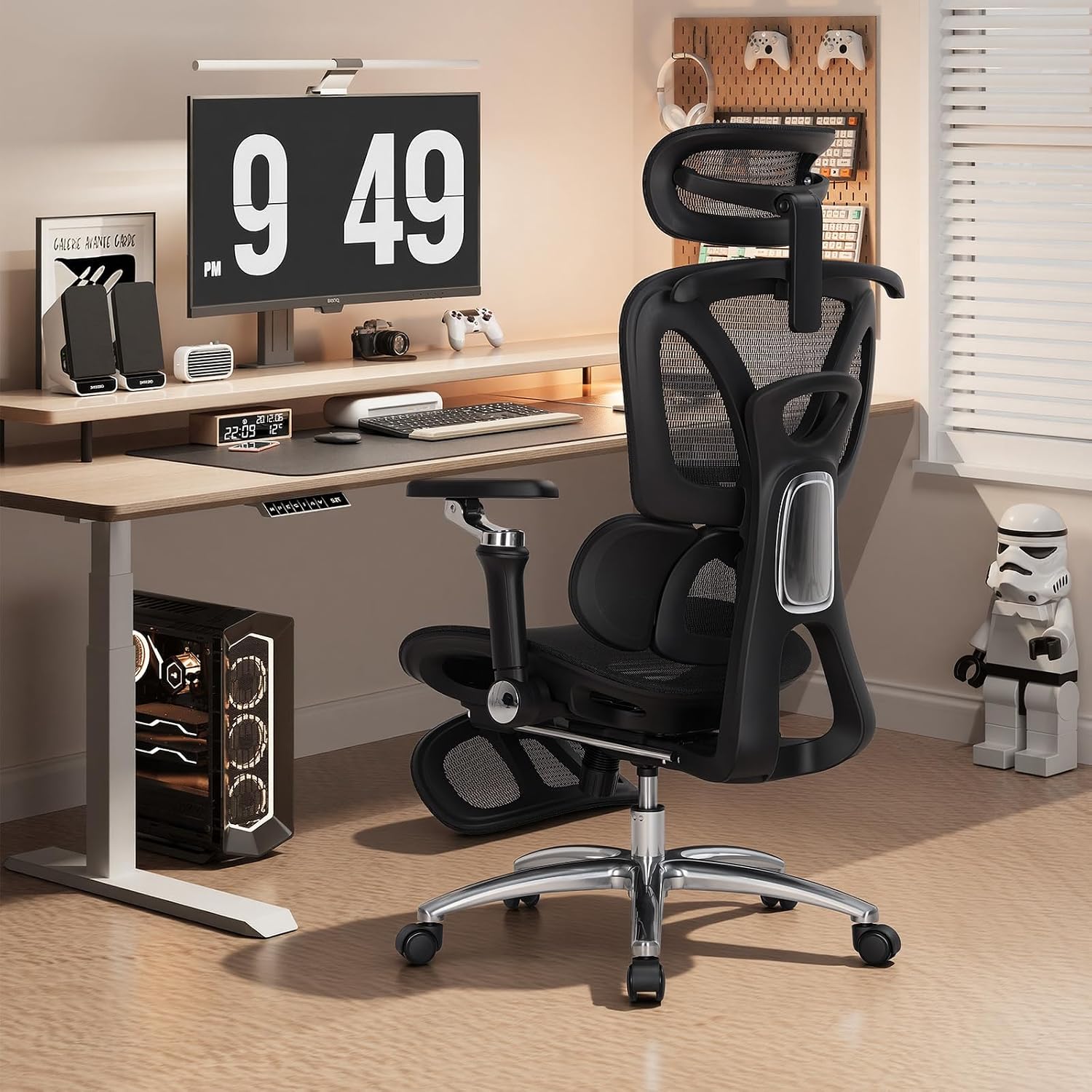
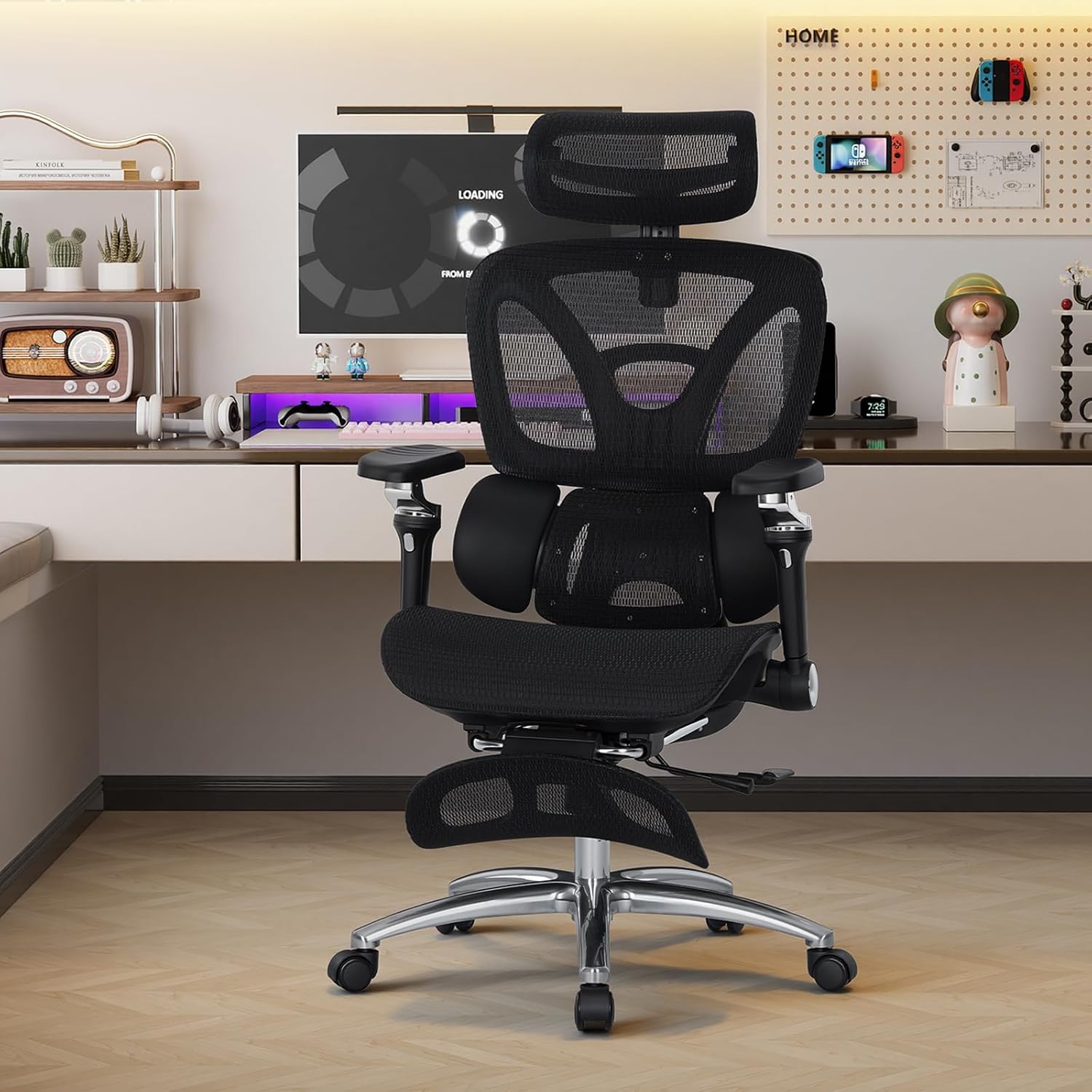
Material matters, too. The MALOL is a high-back mesh desk chair. Mesh chairs breathe. This is a big deal if you tend to run warm or live in a warmer climate. No more sticking to fake leather! Mesh offers good support while conforming to your body. But, fair warning, some lower-quality mesh can stretch out over time, losing its tension. Look for durable, tightly woven mesh. The metal base is another plus; cheap chairs often skimp here with plastic, which just doesn’t inspire confidence when you’re thinking about longevity.
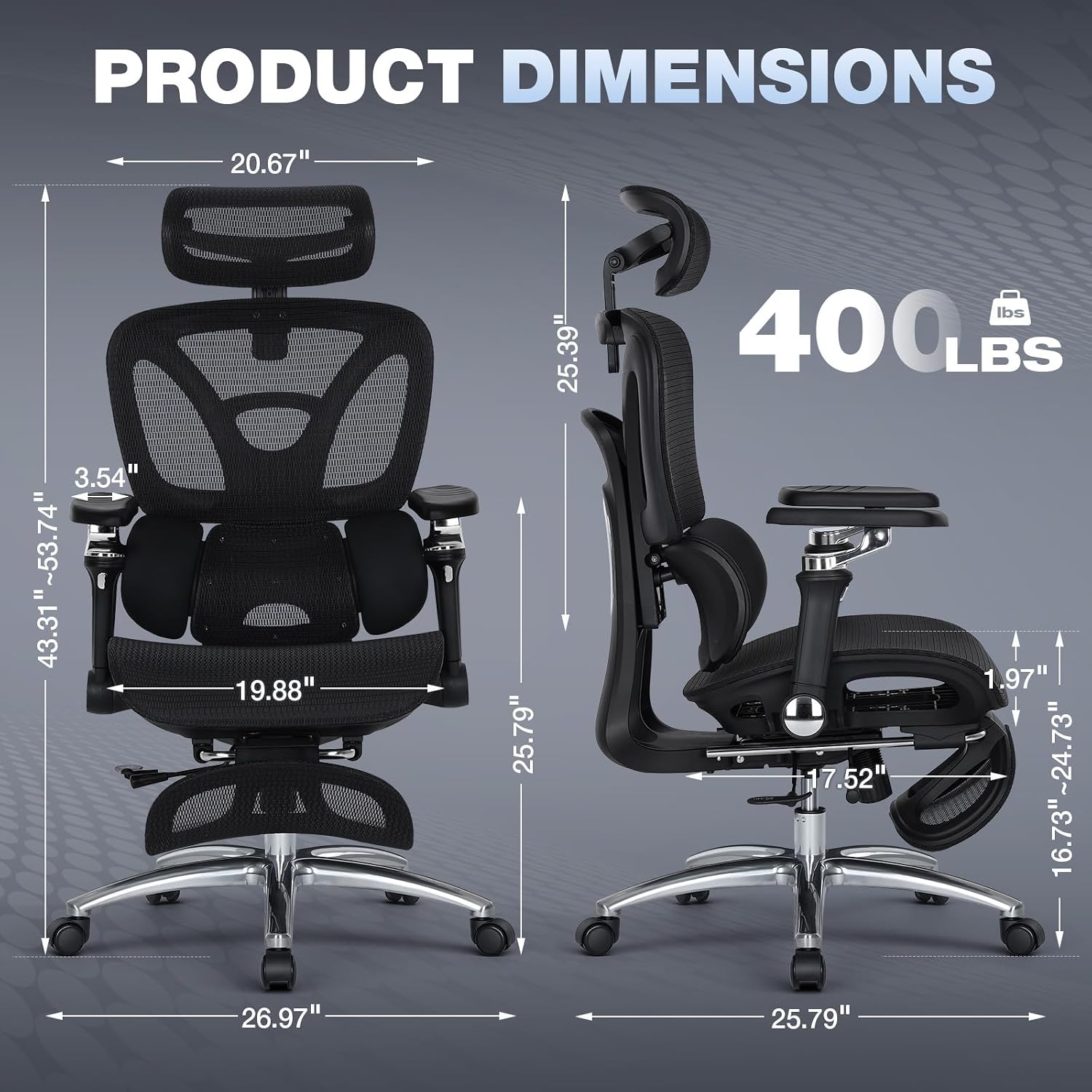
And speaking of longevity, weight capacity is a silent indicator of build quality. The MALOL’s 400lbs capacity isn’t just for larger users. It signals robust construction, stronger gas lifts, and a more durable overall frame. Even if you don’t weigh 400 pounds, that higher capacity means less stress on components, translating to a chair that’s likely to last longer. A heavier duty chair will, naturally, be heavier itself, which can make it a little harder to move around your space if you’re constantly rearranging.
Finally, consider the tilt lock mechanism. This isn’t just for leaning back; it allows you to lock the chair at various angles, maintaining dynamic support even when you’re reclined. You can pick your preferred posture and stay there. Many budget chairs have a basic tilt, but no lock, or only lock in the upright position, which really limits your options for comfortable, supported reclining.
How to Match the Product to Your Situation
Okay, so we’ve broken down the nitty-gritty features. Now, how does a chair like the MALOL Ergonomic Office Chair fit into your life? Different folks need different things from their office chair. Let’s sketch out a few scenarios.
First, you’ve got the Dedicated Desk Jockey. This is the person who spends eight, ten, maybe twelve hours a day glued to their desk, perhaps in a serious work-from-home setup. For this individual, an ergonomic chair isn’t a luxury; it’s a necessity. They need the full suite of adjustments: the 6D armrests to support their arms during long typing sessions, the adjustable lumbar support to ward off that afternoon back ache, and the seat depth adjustment to maintain proper leg circulation. The MALOL chair, with its high-back mesh design, fits this persona like a glove. They’re looking for a long-term investment in their health and productivity. Anything less just won’t cut it for those marathon sessions.
Then there’s the Casual User / Part-Time Home Office Warrior. Maybe they work from home a couple of days a week, or they use their desk for evening hobbies, gaming, or just paying bills. They still want comfort, but perhaps don’t need every single bells-and-whistles feature quite as desperately as the Desk Jockey. For them, a chair like the MALOL is still a solid contender due to its inherent comfort and durability. The 400lbs capacity means it’s built like a tank, so it won’t give up the ghost after a year. Even if they don’t tweak every single adjustment every day, having the option to fine-tune the 3D headrest or the tilt lock for a specific project or a gaming session is a huge benefit over a basic task chair. It’s overkill if you’re only sitting for an hour or two here and there, but if those sessions stretch, it starts to look very appealing.
Finally, consider the Heavy-Duty User / Big & Tall Individual. This is where the MALOL chair truly shines with its 400lbs high-back design and robust metal base. Standard office chairs often max out around 250-300lbs, leaving a whole segment of the population without adequate support or safety. For someone needing that extra capacity, a chair like the MALOL isn’t just a recommendation, it’s pretty much a requirement. The reinforced frame, durable PU wheels, and overall sturdy construction provide the necessary stability and peace of mind that lighter chairs simply cannot offer. For these users, the value isn’t just in comfort, but in finding a product that actually can support them safely and reliably for years.
Comparing Ergonomic Chair Tiers
Let’s break down the general landscape of ergonomic office chairs into tiers. It helps put models like the MALOL into perspective. Is that jump in cost always justified? Well, it depends on what you value.
| Type/Tier | Best For | Price Tier | Key Feature | Watch-Out |
|---|---|---|---|---|
| Basic Task Chair | Short bursts of use, minimalist spaces | Budget-friendly | Simple height adjustment, swivel | Minimal back support, poor adjustability for long sessions, questionable durability |
| Mid-Range Ergonomic | Daily use, general office, some WFH | Mid-range | Basic lumbar, fixed arms, mesh back, tilt tension | Limited customization for diverse body types, not ideal for very long hours |
| Advanced Ergonomic | Full-time WFH, professionals, posture focus | Premium | Multi-axis adjustments, better materials, dynamic lumbar, 400lbs capacity | Significant initial investment, can have complex adjustments, may feel over-engineered for casual users |
| High-End Designer | Executive offices, aesthetic focus, brand cachet | Ultra-premium | Iconic design, top-tier materials, proprietary tech, advanced support | Extreme cost, some features might be more about design than pure function for everyone |
Basic Task Chair: These are your entry-level chairs, often seen in temporary offices or for very light use. They offer little in the way of ergonomic features, often leading to discomfort if used for more than an hour or two. You’re typically paying for basic functionality, not long-term support.
Mid-Range Ergonomic: Stepping up, these chairs begin to incorporate some ergonomic principles, perhaps a simple fixed lumbar support or a mesh back for breathability. They’re a decent upgrade for many, but often lack the granular adjustments needed for truly personalized comfort, like a fully adjustable headrest or 6D armrests.
Advanced Ergonomic: This is where models like the MALOL Ergonomic Office Chair truly sit. They prioritize extensive adjustability, durable construction, and materials built to last. You’ll find features like the MALOL’s 400lbs capacity, comprehensive lumbar tuning, and multi-dimensional armrests here, providing genuine support for long working hours. The cost is higher, but the investment in health and comfort is substantial.
High-End Designer: These chairs, often from brands like Herman Miller or Steelcase, represent the pinnacle of design and engineering. While they offer exceptional ergonomics and durability, a significant portion of their price often reflects brand prestige and iconic design elements. They are often overkill for anyone not needing specific proprietary technologies or valuing the aesthetic and brand story above all else.
Scenario-Specific Considerations for Your Ergonomic Chair
Thinking about an ergonomic chair isn’t a one-size-fits-all thing. Your specific situation dictates how much you’ll benefit from its features. Let’s dig into a few common use cases for a chair like the MALOL.
Firstly, consider the long-haul remote worker. This person is probably spending 8+ hours a day, five days a week, in their chair. Their office is that chair. For them, every single adjustable feature on the MALOL Ergonomic Office Chair — the 6D armrests, the adjustable lumbar support, the seat depth adjustment, the 3D headrest, the tilt lock — becomes critical. Why? Because over 40 hours, even minor discomfort compounds. A chair that lets them perfectly align their body, change postures, and redistribute weight over the day prevents strain, improves focus, and frankly, saves them from daily aches and pains. This isn’t just about comfort; it’s about maintaining their physical well-being and productivity. A casual, flimsy chair just isn’t going to cut it here.
Next up, the multi-user household. Maybe you and your partner share the same home office desk, or perhaps your teenager uses it for homework and gaming after you’re done for the day. Here, the MALOL’s wide range of adjustments becomes incredibly valuable. Since it can be tailored to very different body types — from someone needing that 400lbs capacity to a leaner user — it means one chair can serve multiple people comfortably. No need to buy two separate specialty chairs. Each user can quickly re-dial the settings for their own height, arm length, and lumbar needs. Without this level of adjustability, one person would invariably be uncomfortable, or worse, both would be.
Finally, think about those with pre-existing back or neck issues. For these individuals, an ordinary desk chair can be a torment. An ergonomic chair isn’t a luxury; it’s a therapeutic tool. The precise adjustable lumbar support can target specific pain points, while the 3D headrest offers crucial cervical spine alignment. The dynamic tilt lock allows for supported recline, taking pressure off the lower back. This targeted support can mean the difference between managing their pain and having it worsen. It’s not just about finding a comfortable position, but finding a supportive position that actively aids in recovery or prevents further aggravation. The robust construction and metal base also provide the stability needed for someone who might shift positions more frequently to alleviate discomfort.
Common Mistakes When Buying an Ergonomic Chair
It’s easy to get swept up in the marketing, or just pick the cheapest thing. But when it comes to an ergonomic chair for daily use, there are a few classic blunders I’ve seen countless times. Avoiding them will save you money, aggravation, and probably your back.
First, underestimating adjustability. People see a chair with “adjustable” in the name and think that’s enough. But “adjustable” can mean anything from basic height and tilt to the nuanced 6D armrests, 3D headrest, and multi-dimensional lumbar support found on chairs like the MALOL. Don’t assume all “adjustable” means the same thing. Skipping a truly adjustable chair often leaves people stuck with a chair that’s “mostly” comfortable but falls short in key areas, leading to compromise or, worse, poor posture over time.
Another big mistake? Ignoring your body’s specific needs. Not every ergonomic feature benefits every person equally. Someone with a very tall torso needs a high-back chair, obviously. But do you really need a specific armrest adjustment if you rarely use them? If you’re a larger individual, ignoring the 400lbs capacity of a robust chair like the MALOL for a lighter, cheaper model is just asking for trouble down the line with component failure. Conversely, if you’re very petite, some chairs designed for a wider range might not cinch down enough for you. Know your dimensions, understand your typical posture, and be honest about what specific support you need.
Then there’s the classic, prioritizing aesthetics over function. Look, a slick-looking chair is nice. We all want our home office to look good. But an ergonomic office chair is a piece of equipment, not just furniture. A chair might look amazing, but if it doesn’t offer adequate seat depth adjustment or proper spinal alignment through its adjustable lumbar support, that sleek design won’t do much for your aching back at 4 PM. Function first, form second. Always.
Finally, not giving it a real-world test. By “test,” I don’t mean a quick sit in a showroom. I mean imagining yourself actually working in it. Can you reach your keyboard comfortably with the 6D armrests adjusted? Does the 3D headrest hit your neck right when you lean back to think? Does the tilt lock feel stable? Many chairs feel fine for five minutes. But will it feel fine for eight hours? Or eight months? Think about your actual usage patterns before committing. Some chairs just don’t feel right after a few hours, even if all the boxes are technically ticked.
Why/How/What
Why should I invest in a heavy-duty ergonomic chair like the MALOL?
You should invest in a heavy-duty ergonomic chair like the MALOL, especially one with a 400lbs capacity, because it signals superior durability and construction, not just for larger individuals. That extra capacity means the gas lift, frame, and base — usually a sturdy metal base — are built with higher-grade materials and engineering. This translates into a chair that resists wear and tear longer, remains stable even with active use, and offers a more robust foundation for all its intricate adjustments, reducing the likelihood of premature failure. It’s a statement about longevity and reliable support.
How do I properly adjust an ergonomic chair for maximum comfort?
Properly adjusting an ergonomic chair involves a systematic approach. Start with your feet flat on the floor, knees at a 90-degree angle; adjust the seat height accordingly. Use the seat depth adjustment so there’s a small gap between the back of your knees and the seat edge. Next, engage the adjustable lumbar support to meet the natural curve of your lower back. Position the 6D armrests so your forearms are parallel to the floor, supporting your shoulders without shrugging. Finally, adjust the 3D headrest to cradle your neck, not just your head, when you lean back, and use the tilt lock to find a dynamic recline that supports your posture while working.
What’s the biggest difference between a mesh chair and a padded one?
The biggest difference between a mesh chair like the MALOL and a traditional padded one comes down to breathability and pressure distribution. Mesh allows for significantly better airflow, keeping you cooler and preventing that clammy feeling, which is huge for long hours or warmer climates. Padded chairs, while initially soft, can trap heat. Mesh also tends to distribute weight more evenly due to its flexible tension, conforming to your body, whereas traditional foam can compress over time, leading to pressure points and a less supportive feel.
Key Takeaways
Making a smart choice about an ergonomic chair boils down to a few core ideas. Don’t let marketing jargon confuse you.
- Adjustability is paramount: A chair’s true value comes from how well it can conform to your body, not just how many features it lists. Look for comprehensive adjustability in armrests (like 6D armrests), lumbar support, and seat depth.
- Build quality matters for longevity: Features like a high weight capacity (e.g., 400lbs capacity), a metal base, and durable PU wheels are indicators of a chair built to last, saving you money and hassle in the long run.
- Match the chair to your usage: A full-time remote worker needs far more adjustability and durability than someone who sits at their desk for an hour a day. Don’t overspend on features you won’t use, but definitely don’t underspend if your livelihood (and back) depends on it.
H3 FAQ
Are ergonomic chairs really necessary for everyone?
No, not absolutely everyone. If you only sit for an hour or two a day, a basic chair might suffice. However, for anyone spending significant time at a desk — whether working, studying, or gaming — an ergonomic chair significantly reduces the risk of back pain, neck strain, and other posture-related issues, making it a wise investment for long-term health.
How do I know if the MALOL Ergonomic Office Chair is the right size for me?
Check its dimensions against your body measurements. Pay attention to the seat height range, seat depth, and how high the 3D headrest and adjustable lumbar support can extend. The 400lbs capacity indicates a robust build, but ensure the chair’s specific ranges for height and depth adjustments accommodate your frame for comfortable posture.
Can a good ergonomic chair help with existing back pain?
Yes, often it can. A well-adjusted ergonomic chair, with features like adjustable lumbar support and seat depth adjustment, helps maintain your spine’s natural curve, reducing pressure points and promoting better posture. It won’t cure severe medical conditions, but it can significantly alleviate discomfort and prevent further aggravation by providing targeted support.
What are “6D armrests” and why do they matter?
“6D armrests” refer to armrests that can adjust in six different directions: up/down, forward/backward, side-to-side, and pivot in/out. This extensive range of motion allows you to perfectly position your forearms to support your shoulders and neck while typing or mousing, reducing strain. It’s about finding that sweet spot for your specific task and body.
Is a mesh seat or a padded seat better for an ergonomic chair?
Neither is universally “better”; it depends on preference. A mesh chair like the MALOL offers superior breathability and often conforms well to the body, keeping you cooler. Padded seats can feel softer initially but may trap heat and eventually compress, losing support. For long hours, especially in warmer environments, mesh often wins on comfort and hygiene.
Do I need to assemble the MALOL chair myself?
Most ergonomic office chairs, including models like the MALOL, typically arrive disassembled. They usually come with clear instructions and necessary tools for home assembly. While it might take a bit of time, the process is generally straightforward and doesn’t require specialized skills.
How long should an ergonomic chair last?
A well-built ergonomic chair from a reputable brand, especially one with a robust metal base and higher weight capacity like the MALOL, should last anywhere from 5 to 10 years, sometimes even longer with proper care. Budget chairs often show significant wear or component failure within 1-3 years, highlighting the value of investing in quality construction.
Final Recommendation
So, where do you land on the ergonomic chair spectrum? For anyone spending serious time in their seat, whether for work, study, or dedicated hobbies, opting for an advanced ergonomic model like the MALOL Ergonomic Office Chair is a smart move. Its 400lbs high-back mesh design, paired with truly comprehensive adjustability like the 6D armrests, 3D headrest, adjustable lumbar support, and seat depth adjustment, offers a level of personalized support and durability that lower-tier chairs simply can’t match. It’s an investment in your posture, your comfort, and ultimately, your long-term well-being.
If you’re a long-haul remote worker, someone with specific ergonomic needs, or a heavier-set individual, the MALOL chair’s robust construction and tailored features are practically essential. You’re not just buying a chair; you’re buying a tool designed to prevent discomfort and keep you productive day in and day out. It delivers significant value for its position in the premium tier, especially when considering the sheer number of adjustments and its heavy-duty build quality.
#MALOL #Ergonomic #Office #Chair #400lbs #High #Mesh #Desk #Chair #Armrests #Headrest #Adjustable #Lumbar #Support #Seat #Depth #Adjustment #Tilt #Lock #Metal #Base #Wheels #Black