Cutting Through the Glare: Making Sense of Blackout Curtains for a Better Home
Trying to figure out which curtains will actually do what they promise? You’re in the right spot. This guide is for the savvy shopper who wants real answers about blackout curtains, especially premium options like the MIULEE Pinch Pleated 100% Blackout Curtains in a 40″x96″ Birch 4 Panels Set. We’ll peel back the layers – pun intended – on these specific drapes and other window treatments, helping you decide if the investment in truly effective light blocking and thermal insulation is worth it for your space.
Quick Answer
For truly effective room darkening and thermal regulation, especially in bedrooms or living areas needing serious privacy, a premium, multi-layer option like the MIULEE Pinch Pleated Blackout Curtains delivers significant benefits over standard drapes. Their construction and memory-trained pleats offer superior light blockage and a polished look, making them a worthwhile consideration for those prioritizing comfort and aesthetic.
What to Look For: The Buying Criteria for Curtains That Actually Work
Picking out curtains isn’t just about color anymore. Well, it is, but it’s also about so much more if you actually want them to do something beyond just hanging there. When you’re looking at options, especially something designed for performance like blackout curtains, you’ve got to dig into the details. There are definitely a few non-negotiables that separate the effective from the merely decorative.
First up, and probably the most obvious, is blackout capability. We’re talking about truly blocking light, not just dimming it a bit. Many manufacturers toss around “room darkening” and “blackout” interchangeably, but there’s a huge difference. A true blackout curtain, like the MIULEE set promises, will have multiple layers – often a thick, densely woven fabric on the front, an opaque black liner in the middle, and sometimes another layer on the back. The goal is 100% light blockage. Anything less, and you’ll get annoying light leaks around the edges or a faint glow through the fabric itself. This isn’t just about sleeping in; it’s about protecting furniture from UV, too. Don’t be fooled by curtains that look thick but let sun stream right through a test.
Then there’s the material and weave. This ties directly into performance. You’ll find everything from polyester blends to faux linen or cotton. The MIULEE Pinch Pleated Blackout Curtains, for instance, tout a “thick linen” feel. That texture isn’t just for looks; denser weaves inherently block more light and insulate better. A looser weave, even if it has a blackout liner, might not drape as well or offer the same sound-dampening benefits. And, frankly, some materials just feel cheaper, don’t they? You want something that holds its shape and hangs nicely.
Next, consider the thermal insulation properties. This is a huge, often overlooked benefit of quality curtains. Those multiple layers designed for light blocking? They also create an insulating barrier against heat and cold. In summer, they keep the scorching sun out, lowering your AC bill. In winter, they prevent heat from escaping through chilly windows. This isn’t just a comfort thing; it’s an energy efficiency play. While no curtain will perfectly seal your windows, a good thermal curtain like these MIULEE drapes can make a noticeable difference. It really helps regulate room temperature year-round.
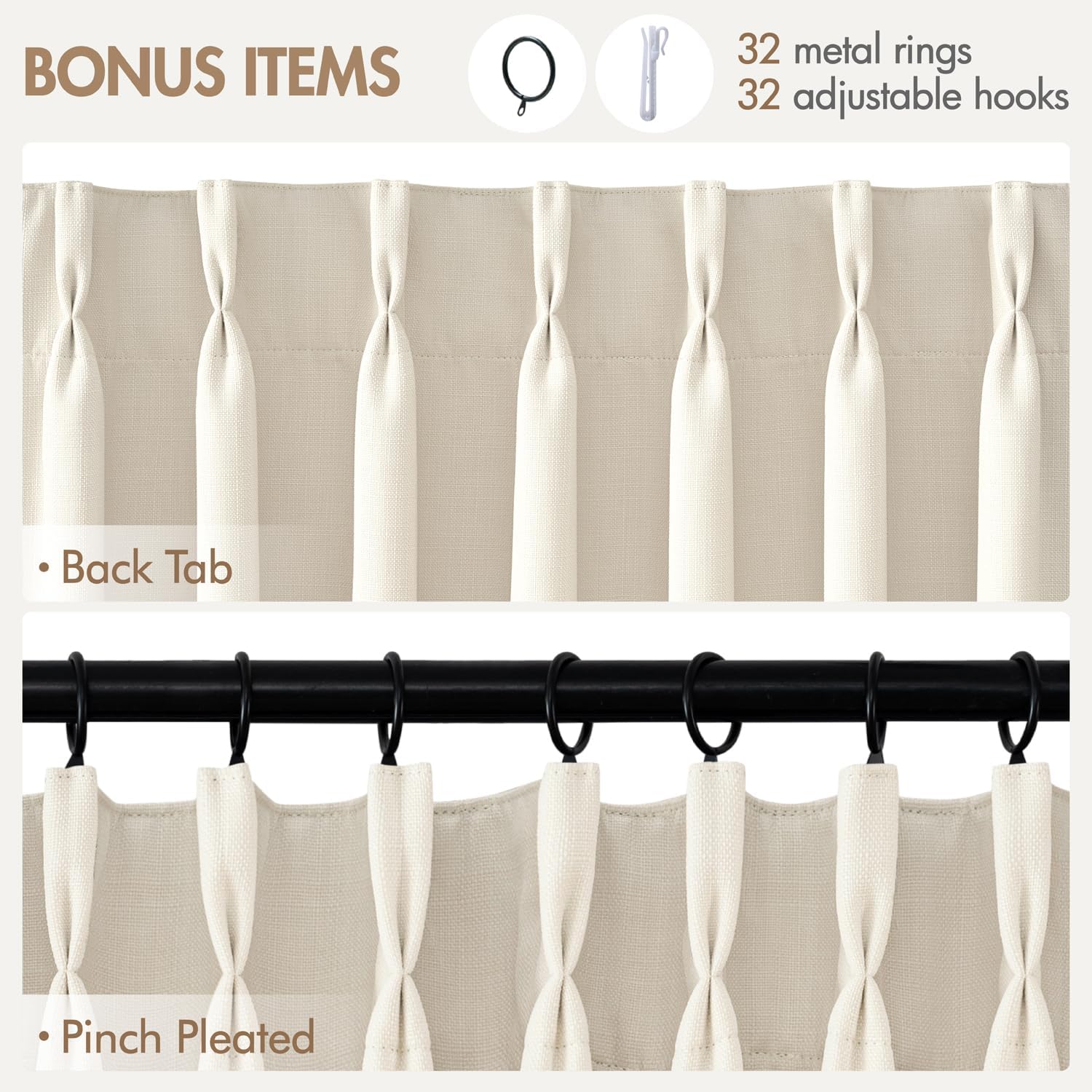
The hanging style and pleating are more than just aesthetics; they impact function. The MIULEE curtains are pinch pleated and feature back tabs. Pinch pleats create a tailored, elegant look, but critically, they also help the curtain hang in consistent folds, reducing gaps where light can sneak through. Back tabs offer another way to hang them, giving a cleaner, more continuous drape as the rod slips through loops on the back. This can minimize light leakage at the top, which is a common problem with grommet-style curtains where light often pours through the metal rings. A curtain that doesn’t hang well won’t block light well, no matter how opaque the fabric is.
And don’t forget durability and care. Curtains are a long-term investment. You don’t want them falling apart after a year or fading dramatically. Look for materials that resist wrinkling and are relatively easy to clean. Some curtains require dry cleaning, which adds to the lifetime cost. A good set of drapes should maintain its color and structure through years of daily opening and closing, especially if it’s “memory trained” as these MIULEE curtains are, meaning the pleats are designed to hold their shape. Think about how much sunlight they’ll get. That UV exposure can be brutal on fabric over time, causing cheaper dyes to fade quickly.
Finally, the overall aesthetic and fit. Length and width are paramount. If your curtains are too short or too narrow, they simply won’t block light or insulate effectively. Measure twice, or even three times. A common mistake is buying panels that aren’t wide enough to cover the window plus overlap. For a true blackout effect, you need width that extends several inches beyond the window frame on each side, and length that just skims the floor or even puddles slightly for a dramatic, gap-free look. The specific 40″x96″ long dimensions of the MIULEE set are generous for standard windows, but always measure your space. Otherwise, you’re just creating new problems.
How to Match the Product to Your Situation
Choosing the right window treatments really boils down to your life, your home, and what you’re trying to accomplish. There’s no one-size-fits-all, especially with something as specific as high-performance curtains.
The Shift Worker / Newborn Parent: You need absolute darkness, full stop. Whether you’re catching Zs after a night shift or trying to get your baby to nap during the brightest part of the day, any sliver of light is the enemy. For you, the MIULEE Pinch Pleated Blackout Curtains are practically non-negotiable. Their 100% blackout promise isn’t just marketing fluff; it’s a lifeline. The thick, multi-layer construction means serious light blocking, and the pinch pleats minimize gaps. You’re not just buying curtains; you’re buying precious sleep and sanity. You want something that also dampens a bit of outside noise, which these thicker drapes can assist with.
The Urban Dweller / Privacy Seeker: Living in a city often means neighbors are close, and streetlights are bright. Privacy isn’t a luxury; it’s a necessity. You also probably deal with more external noise than suburban folks. You need curtains that aren’t just opaque but also substantial enough to provide a visual barrier day and night. The thermal insulation is a bonus against drafty apartment windows, but the core need is to feel secure and undisturbed. The tailored look of pinch pleated drapes also helps elevate a smaller urban space, making it feel more intentional and less like a temporary stop.
The Energy Saver / Comfort Connoisseur: You’re looking beyond just blocking light; you want to optimize your home’s climate. Drafty windows are your nemesis, and you’re tired of fluctuating temperatures and high utility bills. For you, the thermal insulated aspect of the MIULEE curtains is a primary draw. The thick fabric acts as a barrier, keeping your AC in during summer and heat inside during winter. This isn’t just about saving a few bucks; it’s about maintaining a consistent, comfortable temperature throughout your home. You appreciate the “memory trained pleat” because it means they’ll look good and function effectively for years without constant fussing. You’re willing to pay a little more for that long-term gain and daily comfort.
Curtain Choices: A Quick Look
| Type/Tier | Best For | Price Tier | Key Feature | Watch-Out |
|---|---|---|---|---|
| Standard Light-Filtering | General privacy, soft light diffusion | Budget-friendly | Lets in some natural light | Zero light blocking, minimal insulation, often thin |
| “Room Darkening” Drapes | Mild light reduction, basic privacy | Mid-range | Moderate light blockage, somewhat thicker | Rarely true blackout, can still let in noticeable light |
| Premium Blackout Curtains | Complete darkness, thermal & sound insulation | Premium | Multi-layer, dense weave, significant light block | Higher cost, can be heavy, may require specific rods |
| MIULEE Pinch Pleated Blackout Set | Dedicated sleep spaces, energy efficiency, elegant look | Premium | 100% blackout, memory-trained pleats, thermal | Specific dimensions might not fit all windows perfectly |
Standard light-filtering curtains are your basic window dressing; they add color and some daytime privacy but won’t do much for light or temperature control. “Room darkening” drapes are a step up, offering more opacity, but most people find they don’t deliver true darkness. Premium blackout curtains, on the other hand, are engineered for performance, using multiple layers and heavy fabrics to truly block light and insulate your space. The MIULEE Pinch Pleated Blackout set specifically stands out in the premium category for its combination of 100% blackout capability, thermal benefits, and the refined, lasting look of its memory-trained pinch pleats, though its specific sizing means you’ll need to measure carefully.
Scenario-Specific Considerations for Your Curtains
Beyond just features, how you use these curtains day-to-day really shapes whether they’re the right fit. It’s not just about what they can do, but what you need them to do consistently.
For Bedrooms Seeking Total Darkness: Look, if you need pitch black to sleep, you’re going to want something like the MIULEE Pinch Pleated Blackout Curtains. The “100% Blackout” claim here isn’t just a marketing bullet point; it’s a sleep aid. Flimsy fabrics or those with large grommets will always let light through. With a premium set, the denser fabric and layered construction are designed to eliminate those annoying light leaks. And those pinch pleats? They contribute to a snugger fit against the wall or window frame compared to some other styles, further blocking stray light. I’ve seen people spend way too much on features they never use, but absolute darkness for sleep is something people actually need and value.
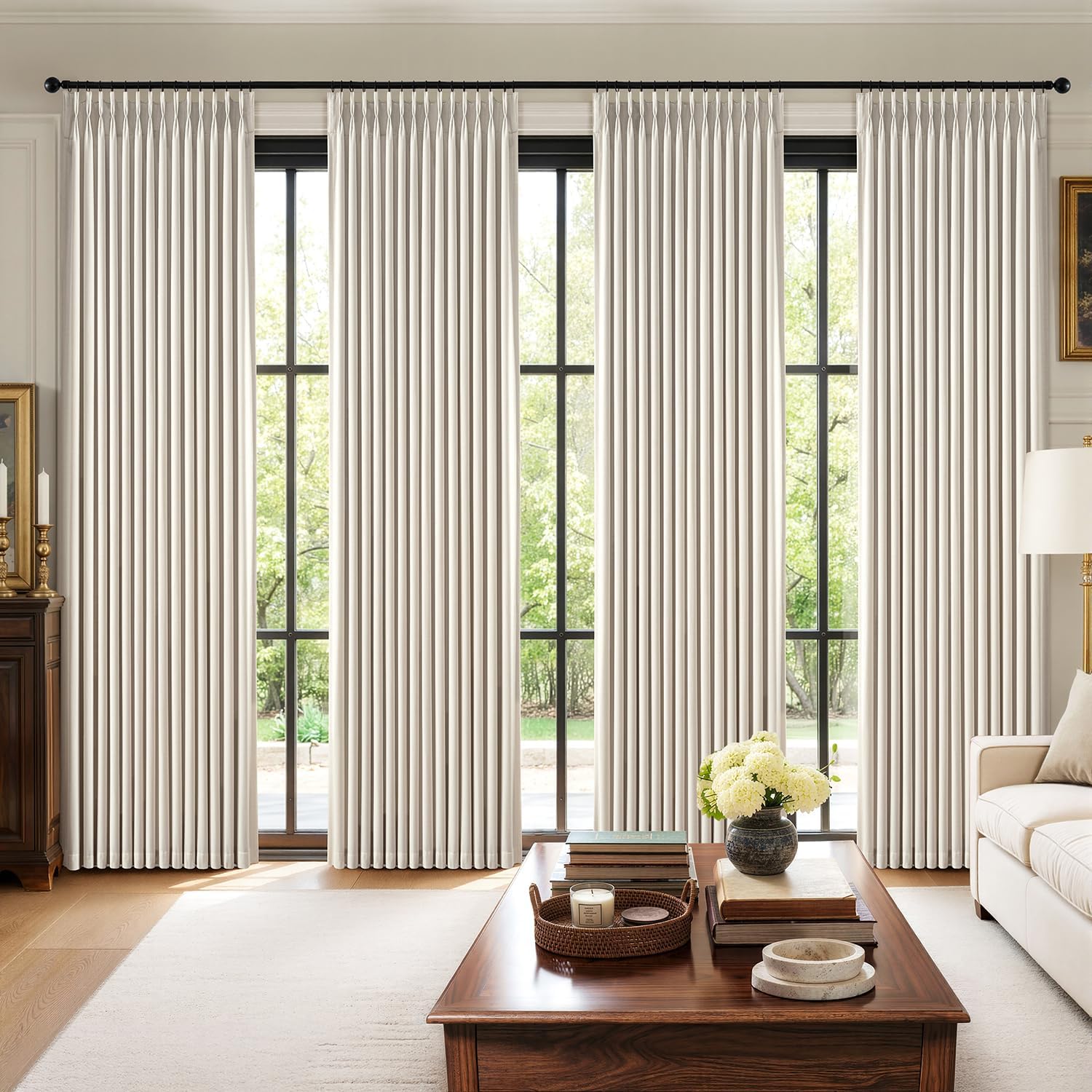
For Living Rooms Needing Both Style and Function: A living room is tricky. You want light during the day, but perhaps full privacy or glare reduction for movie nights. And you definitely want them to look good. This is where the aesthetic of pinch pleated drapes really shines. They offer a more formal, finished look than simple flat panels or grommet tops. The “Birch” color of the MIULEE set, for example, offers a neutral sophistication that can blend with various decor styles while still delivering on the blackout promise when needed. It’s about balance, right? You get to enjoy the daylight, then draw them closed for an instant, elegant transformation to a cozy, private space. You might consider a double rod system here — sheer curtains for daytime ambiance, and the blackout drapes for evening.
For Home Offices or Media Rooms: Here, glare on screens is a real annoyance. If you’re working from home, dealing with screen reflections all day can be incredibly distracting and hard on the eyes. Blackout curtains can mitigate that by allowing you to control ambient light precisely. The thermal insulation also comes into play here, keeping your office space a consistent temperature, which is crucial for focus. You don’t want to be constantly adjusting the thermostat because of a sunny window. Plus, the thicker material of something like the MIULEE Pinch Pleated set can even offer a touch of sound dampening, which is a subtle benefit for reducing outside noise during important calls.
Common Mistakes Buyers Make with Curtains
You’d be surprised how many folks stumble on the basics when picking curtains. Don’t be one of them. A few common pitfalls can turn a promising purchase into a regret.
1. Skimping on Width: This is probably the most frequent error. People buy panels that are just wide enough to cover the window itself when fully extended. For proper blackout and a full, luxurious look when closed, your curtain width should be 1.5 to 2 times the width of your window frame. Anything less and you’ll have a sad, stretched look and, more importantly, light leaking in from the sides. For something like the MIULEE 40″ wide panels, a single panel might work for a very narrow window, but a standard window almost always needs at least two, if not four, for sufficient coverage and fullness.
2. Ignoring Length Requirements: Curtains that are too short look awkward. Curtains that are just “to the sill” will let light stream in from underneath. For serious light blocking and insulation, you want curtains that either kiss the floor or puddle slightly. Measure from the rod down to where you want the hem to fall. Those 96″ long MIULEE curtains are designed for taller windows or to give that dramatic, pooling effect, which is visually rich and functionally effective. Don’t assume a standard length will just work.
3. Underestimating Installation Hardware: You buy these substantial, multi-layer blackout drapes, and then you try to hang them on a flimsy tension rod. Bad idea. Premium curtains are heavy. They need robust curtain rods and secure brackets. If you’re getting pinch pleated drapes, you might also need specific rings or hooks for the pleats, or a traverse rod for easy gliding. Factor in the cost and effort of proper installation. It makes a huge difference in both appearance and function.
4. Forgetting About Light Gaps: Even the best blackout fabric won’t help if light leaks around the top, sides, and bottom. Consider a “wrap-around” rod or mounting your rod several inches wider than the window frame on each side. For the top, a valance or a tightly mounted rod close to the ceiling can help. For the bottom, ensure the curtains are long enough. Sometimes, a simple trick like placing a tension rod at the bottom of the window frame with a short piece of fabric can help seal the deal, especially in a nursery.
Why/How/What of Curtains
Why should I choose pinch pleated over other curtain styles?
Pinch pleated curtains offer a refined, tailored aesthetic that elevates a room’s decor. But beyond looks, those precisely sewn pleats ensure the fabric hangs in uniform folds, reducing gaps where light can escape compared to, say, grommet tops or rod pockets. This consistent drape also makes them look more expensive and intentional.
How do thermal insulated curtains save energy?
Thermal insulated curtains work by creating an additional barrier between your window and the room. Their multi-layer construction, often with an internal dense liner, helps reduce heat transfer. In summer, they block solar gain, keeping your room cooler. In winter, they minimize heat loss through cold windowpanes, helping maintain warmth inside.
What does “memory trained pleat” mean for curtains?
A “memory trained pleat” refers to a pleating technique where the fabric is treated or constructed to consistently hold its folded shape. This means your pinch pleats will maintain their crisp, elegant appearance over time, even with daily opening and closing, reducing the need for constant re-arrangement or steaming. It’s a nice touch for longevity and a polished look.
FAQ About Curtains
Q: Can blackout curtains truly block 100% of light?
A: While many claim 100% blackout, achieving true pitch black often depends on proper installation, too. The curtains themselves, if well-constructed with multiple opaque layers like the MIULEE set, can block all light passing through the fabric. However, light can still sneak around the edges if the curtains don’t extend beyond the window frame or if the rod isn’t mounted correctly.
Q: Are blackout curtains only for bedrooms?
A: Not at all! While popular for bedrooms, blackout curtains are fantastic in media rooms to prevent screen glare, in home offices to control light and temperature, or in any room where you want enhanced privacy or thermal control. They’re incredibly versatile.
Q: How do I clean pinch pleated curtains?
A: Cleaning instructions vary by material. Many premium curtains, especially those with specialized linings or treatments, might recommend professional dry cleaning to preserve their shape and integrity. Always check the care label specific to your curtains, as improper washing can ruin the pleats or damage the blackout lining.
Q: Will thicker curtains help with noise reduction?
A: Yes, to a degree. Thicker, denser curtains, especially those with multiple layers like thermal insulated blackout drapes, can absorb and dampen some sound waves. They won’t magically soundproof a room, but they can definitely help reduce echoes and muffle some external noise, making the space feel a bit quieter and more peaceful.
Q: What’s the best way to hang pinch pleated curtains?
A: Pinch pleated curtains typically hang using drapery hooks that insert into the back of the pleats. These hooks then attach to rings that slide along a curtain rod, or directly into carriers on a traverse rod. This system ensures the pleats remain crisp and evenly spaced, giving that signature tailored look.
Q: Do blackout curtains prevent UV damage to furniture?
A: Absolutely. By blocking sunlight, especially harmful UV rays, blackout curtains act as a shield for your interior furnishings. This helps prevent fading and degradation of carpets, upholstery, artwork, and wooden furniture, extending their lifespan significantly. It’s a protection you often don’t think about until it’s too late.
Q: How important is the curtain material for overall performance?
A: Very important! The material dictates not just the look and feel, but also the drape, durability, and how effectively the curtain blocks light and insulates. Denser weaves like linen or heavy polyester blends, particularly when layered, perform much better than sheer or loosely woven fabrics, which often allow more light and temperature fluctuations.
Final Recommendation
When it comes down to it, if you’re tired of subpar curtains that promise the moon but only deliver a twilight glow, a truly premium option is where you ought to be looking. For anyone needing real light blocking – whether for sleep, focused work, or protecting your home’s interior – and who also values genuine thermal insulation and a sophisticated aesthetic, the MIULEE Pinch Pleated 100% Blackout Curtains 40″x96″ Long Birch 4 Panels Set are a robust recommendation.
Their multi-layered construction, combined with the memory-trained pinch pleats and back tab hanging option, directly addresses the biggest pain points of typical window treatments: light leakage and an untidy appearance. Yes, they sit at a premium price point, but for the tangible benefits of better sleep, reduced energy bills, and a visually elevated space, it’s an investment that reliably pays dividends in daily comfort and peace of mind. Check current availability through major retailers to see if these are the right fit for your space.# Cutting Through the Glare: Making Sense of Blackout Curtains for a Better Home
Trying to figure out which curtains will actually do what they promise? You’re in the right spot. This guide is for the savvy shopper who wants real answers about blackout curtains, especially premium options like the MIULEE Pinch Pleated 100% Blackout Curtains in a 40″x96″ Birch 4 Panels Set. We’ll peel back the layers – pun intended – on these specific drapes and other window treatments, helping you decide if the investment in truly effective light blocking and thermal insulation is worth it for your space.
Quick Answer
For truly effective room darkening and thermal regulation, especially in bedrooms or living areas needing serious privacy, a premium, multi-layer option like the MIULEE Pinch Pleated Blackout Curtains delivers significant benefits over standard drapes. Their construction and memory-trained pleats offer superior light blockage and a polished look, making them a worthwhile consideration for those prioritizing comfort and aesthetic.
What to Look For: The Buying Criteria for Curtains That Actually Work
Picking out curtains isn’t just about color anymore. Well, it is, but it’s also about so much more if you actually want them to do something beyond just hanging there. When you’re looking at options, especially something designed for performance like blackout curtains, you’ve got to dig into the details. There are definitely a few non-negotiables that separate the effective from the merely decorative.
First up, and probably the most obvious, is blackout capability. We’re talking about truly blocking light, not just dimming it a bit. Many manufacturers toss around “room darkening” and “blackout” interchangeably, but there’s a huge difference. A true blackout curtain, like the MIULEE set promises, will have multiple layers – often a thick, densely woven fabric on the front, an opaque black liner in the middle, and sometimes another layer on the back. The goal is 100% light blockage. Anything less, and you’ll get annoying light leaks around the edges or a faint glow through the fabric itself. This isn’t just about sleeping in; it’s about protecting furniture from UV, too. Don’t be fooled by curtains that look thick but let sun stream right through a test.
Then there’s the material and weave. This ties directly into performance. You’ll find everything from polyester blends to faux linen or cotton. The MIULEE Pinch Pleated Blackout Curtains, for instance, tout a “thick linen” feel. That texture isn’t just for looks; denser weaves inherently block more light and insulate better. A looser weave, even if it has a blackout liner, might not drape as well or offer the same sound-dampening benefits. And, frankly, some materials just feel cheaper, don’t they? You want something that holds its shape and hangs nicely.
Next, consider the thermal insulation properties. This is a huge, often overlooked benefit of quality curtains. Those multiple layers designed for light blocking? They also create an insulating barrier against heat and cold. In summer, they keep the scorching sun out, lowering your AC bill. In winter, they prevent heat from escaping through chilly windows. This isn’t just a comfort thing; it’s an energy efficiency play. While no curtain will perfectly seal your windows, a good thermal curtain like these MIULEE drapes can make a noticeable difference. It really helps regulate room temperature year-round.
The hanging style and pleating are more than just aesthetics; they impact function. The MIULEE curtains are pinch pleated and feature back tabs. Pinch pleats create a tailored, elegant look, but critically, they also help the curtain hang in consistent folds, reducing gaps where light can sneak through. Back tabs offer another way to hang them, giving a cleaner, more continuous drape as the rod slips through loops on the back. This can minimize light leakage at the top, which is a common problem with grommet-style curtains where light often pours through the metal rings. A curtain that doesn’t hang well won’t block light well, no matter how opaque the fabric is.
And don’t forget durability and care. Curtains are a long-term investment. You don’t want them falling apart after a year or fading dramatically. Look for materials that resist wrinkling and are relatively easy to clean. Some curtains require dry cleaning, which adds to the lifetime cost. A good set of drapes should maintain its color and structure through years of daily opening and closing, especially if it’s “memory trained” as these MIULEE curtains are, meaning the pleats are designed to hold their shape. Think about how much sunlight they’ll get. That UV exposure can be brutal on fabric over time, causing cheaper dyes to fade quickly.
Finally, the overall aesthetic and fit. Length and width are paramount. If your curtains are too short or too narrow, they simply won’t block light or insulate effectively. Measure twice, or even three times. A common mistake is buying panels that aren’t wide enough to cover the window plus overlap. For a true blackout effect, you need width that extends several inches beyond the window frame on each side, and length that just skims the floor or even puddles slightly for a dramatic, gap-free look. The specific 40″x96″ long dimensions of the MIULEE set are generous for standard windows, but always measure your space. Otherwise, you’re just creating new problems.
How to Match the Product to Your Situation
Choosing the right window treatments really boils down to your life, your home, and what you’re trying to accomplish. There’s no one-size-fits-all, especially with something as specific as high-performance curtains.
The Shift Worker / Newborn Parent: You need absolute darkness, full stop. Whether you’re catching Zs after a night shift or trying to get your baby to nap during the brightest part of the day, any sliver of light is the enemy. For you, the MIULEE Pinch Pleated Blackout Curtains are practically non-negotiable. Their 100% blackout promise isn’t just marketing fluff; it’s a lifeline. The thick, multi-layer construction means serious light blocking, and the pinch pleats minimize gaps. You’re not just buying curtains; you’re buying precious sleep and sanity. You want something that also dampens a bit of outside noise, which these thicker drapes can assist with.
The Urban Dweller / Privacy Seeker: Living in a city often means neighbors are close, and streetlights are bright. Privacy isn’t a luxury; it’s a necessity. You also probably deal with more external noise than suburban folks. You need curtains that aren’t just opaque but also substantial enough to provide a visual barrier day and night. The thermal insulation is a bonus against drafty apartment windows, but the core need is to feel secure and undisturbed. The tailored look of pinch pleated drapes also helps elevate a smaller urban space, making it feel more intentional and less like a temporary stop.
The Energy Saver / Comfort Connoisseur: You’re looking beyond just blocking light; you want to optimize your home’s climate. Drafty windows are your nemesis, and you’re tired of fluctuating temperatures and high utility bills. For you, the thermal insulated aspect of the MIULEE curtains is a primary draw. The thick fabric acts as a barrier, keeping your AC in during summer and heat inside during winter. This isn’t just about saving a few bucks; it’s about maintaining a consistent, comfortable temperature throughout your home. You appreciate the “memory trained pleat” because it means they’ll look good and function effectively for years without constant fussing. You’re willing to pay a little more for that long-term gain and daily comfort.
Curtain Choices: A Quick Look
| Type/Tier | Best For | Price Tier | Key Feature | Watch-Out |
|---|---|---|---|---|
| Standard Light-Filtering | General privacy, soft light diffusion | Budget-friendly | Lets in some natural light | Zero light blocking, minimal insulation, often thin |
| “Room Darkening” Drapes | Mild light reduction, basic privacy | Mid-range | Moderate light blockage, somewhat thicker | Rarely true blackout, can still let in noticeable light |
| Premium Blackout Curtains | Complete darkness, thermal & sound insulation | Premium | Multi-layer, dense weave, significant light block | Higher cost, can be heavy, may require specific rods |
| MIULEE Pinch Pleated Blackout Set | Dedicated sleep spaces, energy efficiency, elegant look | Premium | 100% blackout, memory-trained pleats, thermal | Specific dimensions might not fit all windows perfectly |
Standard light-filtering curtains are your basic window dressing; they add color and some daytime privacy but won’t do much for light or temperature control. “Room darkening” drapes are a step up, offering more opacity, but most people find they don’t deliver true darkness. Premium blackout curtains, on the other hand, are engineered for performance, using multiple layers and heavy fabrics to truly block light and insulate your space. The MIULEE Pinch Pleated Blackout set specifically stands out in the premium category for its combination of 100% blackout capability, thermal benefits, and the refined, lasting look of its memory-trained pinch pleats, though its specific sizing means you’ll need to measure carefully.
Scenario-Specific Considerations for Your Curtains
Beyond just features, how you use these curtains day-to-day really shapes whether they’re the right fit. It’s not just about what they can do, but what you need them to do consistently.
For Bedrooms Seeking Total Darkness: Look, if you need pitch black to sleep, you’re going to want something like the MIULEE Pinch Pleated Blackout Curtains. The “100% Blackout” claim here isn’t just a marketing bullet point; it’s a sleep aid. Flimsy fabrics or those with large grommets will always let light through. With a premium set, the denser fabric and layered construction are designed to eliminate those annoying light leaks. And those pinch pleats? They contribute to a snugger fit against the wall or window frame compared to some other styles, further blocking stray light. I’ve seen people spend way too much on features they never use, but absolute darkness for sleep is something people actually need and value.
For Living Rooms Needing Both Style and Function: A living room is tricky. You want light during the day, but perhaps full privacy or glare reduction for movie nights. And you definitely want them to look good. This is where the aesthetic of pinch pleated drapes really shines. They offer a more formal, finished look than simple flat panels or grommet tops. The “Birch” color of the MIULEE set, for example, offers a neutral sophistication that can blend with various decor styles while still delivering on the blackout promise when needed. It’s about balance, right? You get to enjoy the daylight, then draw them closed for an instant, elegant transformation to a cozy, private space. You might consider a double rod system here — sheer curtains for daytime ambiance, and the blackout drapes for evening.
For Home Offices or Media Rooms: Here, glare on screens is a real annoyance. If you’re working from home, dealing with screen reflections all day can be incredibly distracting and hard on the eyes. Blackout curtains can mitigate that by allowing you to control ambient light precisely. The thermal insulation also comes into play here, keeping your office space a consistent temperature, which is crucial for focus. You don’t want to be constantly adjusting the thermostat because of a sunny window. Plus, the thicker material of something like the MIULEE Pinch Pleated set can even offer a touch of sound dampening, which is a subtle benefit for reducing outside noise during important calls.
Common Mistakes Buyers Make with Curtains
You’d be surprised how many folks stumble on the basics when picking curtains. Don’t be one of them. A few common pitfalls can turn a promising purchase into a regret.
1. Skimping on Width: This is probably the most frequent error. People buy panels that are just wide enough to cover the window itself when fully extended. For proper blackout and a full, luxurious look when closed, your curtain width should be 1.5 to 2 times the width of your window frame. Anything less and you’ll have a sad, stretched look and, more importantly, light leaking in from the sides. For something like the MIULEE 40″ wide panels, a single panel might work for a very narrow window, but a standard window almost always needs at least two, if not four, for sufficient coverage and fullness.
2. Ignoring Length Requirements: Curtains that are too short look awkward. Curtains that are just “to the sill” will let light stream in from underneath. For serious light blocking and insulation, you want curtains that either kiss the floor or puddle slightly. Measure from the rod down to where you want the hem to fall. Those 96″ long MIULEE curtains are designed for taller windows or to give that dramatic, pooling effect, which is visually rich and functionally effective. Don’t assume a standard length will just work.
3. Underestimating Installation Hardware: You buy these substantial, multi-layer blackout drapes, and then you try to hang them on a flimsy tension rod. Bad idea. Premium curtains are heavy. They need robust curtain rods and secure brackets. If you’re getting pinch pleated drapes, you might also need specific rings or hooks for the pleats, or a traverse rod for easy gliding. Factor in the cost and effort of proper installation. It makes a huge difference in both appearance and function.
4. Forgetting About Light Gaps: Even the best blackout fabric won’t help if light leaks around the top, sides, and bottom. Consider a “wrap-around” rod or mounting your rod several inches wider than the window frame on each side. For the top, a valance or a tightly mounted rod close to the ceiling can help. For the bottom, ensure the curtains are long enough. Sometimes, a simple trick like placing a tension rod at the bottom of the window frame with a short piece of fabric can help seal the deal, especially in a nursery.
Why/How/What of Curtains
Why should I choose pinch pleated over other curtain styles?
Pinch pleated curtains offer a refined, tailored aesthetic that elevates a room’s decor. But beyond looks, those precisely sewn pleats ensure the fabric hangs in uniform folds, reducing gaps where light can escape compared to, say, grommet tops or rod pockets. This consistent drape also makes them look more expensive and intentional.
How do thermal insulated curtains save energy?
Thermal insulated curtains work by creating an additional barrier between your window and the room. Their multi-layer construction, often with an internal dense liner, helps reduce heat transfer. In summer, they block solar gain, keeping your room cooler. In winter, they minimize heat loss through cold windowpanes, helping maintain warmth inside.
What does “memory trained pleat” mean for curtains?
A “memory trained pleat” refers to a pleating technique where the fabric is treated or constructed to consistently hold its folded shape. This means your pinch pleats will maintain their crisp, elegant appearance over time, even with daily opening and closing, reducing the need for constant re-arrangement or steaming. It’s a nice touch for longevity and a polished look.
FAQ About Curtains
Q: Can blackout curtains truly block 100% of light?
A: While many claim 100% blackout, achieving true pitch black often depends on proper installation, too. The curtains themselves, if well-constructed with multiple opaque layers like the MIULEE set, can block all light passing through the fabric. However, light can still sneak around the edges if the curtains don’t extend beyond the window frame or if the rod isn’t mounted correctly.
Q: Are blackout curtains only for bedrooms?
A: Not at all! While popular for bedrooms, blackout curtains are fantastic in media rooms to prevent screen glare, in home offices to control light and temperature, or in any room where you want enhanced privacy or thermal control. They’re incredibly versatile.
Q: How do I clean pinch pleated curtains?
A: Cleaning instructions vary by material. Many premium curtains, especially those with specialized linings or treatments, might recommend professional dry cleaning to preserve their shape and integrity. Always check the care label specific to your curtains, as improper washing can ruin the pleats or damage the blackout lining.
Q: Will thicker curtains help with noise reduction?
A: Yes, to a degree. Thicker, denser curtains, especially those with multiple layers like thermal insulated blackout drapes, can absorb and dampen some sound waves. They won’t magically soundproof a room, but they can definitely help reduce echoes and muffle some external noise, making the space feel a bit quieter and more peaceful.
Q: What’s the best way to hang pinch pleated curtains?
A: Pinch pleated curtains typically hang using drapery hooks that insert into the back of the pleats. These hooks then attach to rings that slide along a curtain rod, or directly into carriers on a traverse rod. This system ensures the pleats remain crisp and evenly spaced, giving that signature tailored look.
Q: Do blackout curtains prevent UV damage to furniture?
A: Absolutely. By blocking sunlight, especially harmful UV rays, blackout curtains act as a shield for your interior furnishings. This helps prevent fading and degradation of carpets, upholstery, artwork, and wooden furniture, extending their lifespan significantly. It’s a protection you often don’t think about until it’s too late.
Q: How important is the curtain material for overall performance?
A: Very important! The material dictates not just the look and feel, but also the drape, durability, and how effectively the curtain blocks light and insulates. Denser weaves like linen or heavy polyester blends, particularly when layered, perform much better than sheer or loosely woven fabrics, which often allow more light and temperature fluctuations.
Final Recommendation
When it comes down to it, if you’re tired of subpar curtains that promise the moon but only deliver a twilight glow, a truly premium option is where you ought to be looking. For anyone needing real light blocking – whether for sleep, focused work, or protecting your home’s interior – and who also values genuine thermal insulation and a sophisticated aesthetic, the MIULEE Pinch Pleated 100% Blackout Curtains 40″x96″ Long Birch 4 Panels Set are a robust recommendation.
Their multi-layered construction, combined with the memory-trained pinch pleats and back tab hanging option, directly addresses the biggest pain points of typical window treatments: light leakage and an untidy appearance. Yes, they sit at a premium price point, but for the tangible benefits of better sleep, reduced energy bills, and a visually elevated space, it’s an investment that reliably pays dividends in daily comfort and peace of mind. Check current availability through major retailers to see if these are the right fit for your space.
#MIULEE #Pinch #Pleated #Blackout #Curtains #40×96 #Long #Birch #Panels #Set #Thick #Linen #Memory #Trained #Pleat #Tab #Double #Layer #Drapes #Thermal #Insulated #Curtain #Bedroom #Living #Room #Darkening