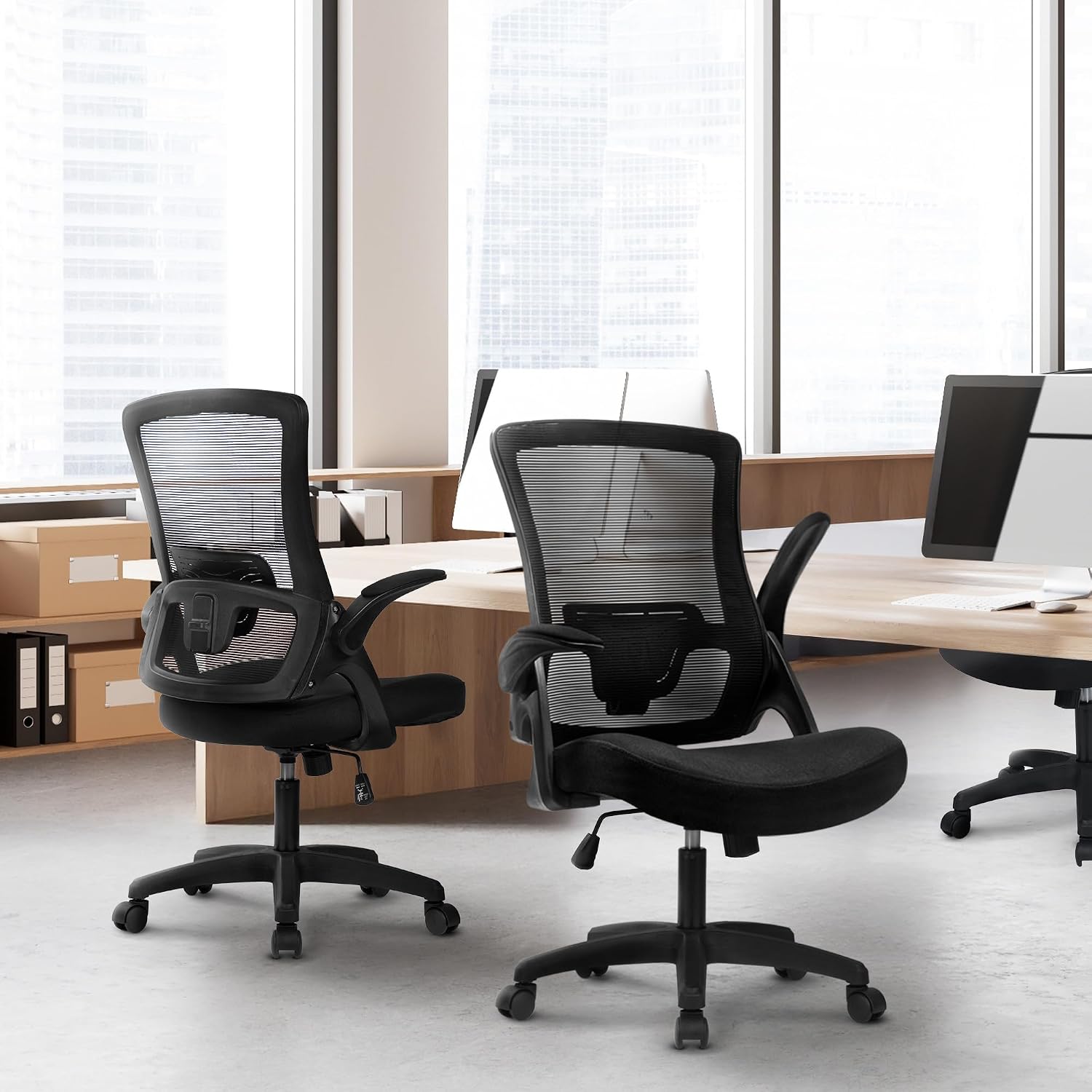
A Deep Dive into the Modern Office Chair: Unpacking Features for Your Workspace
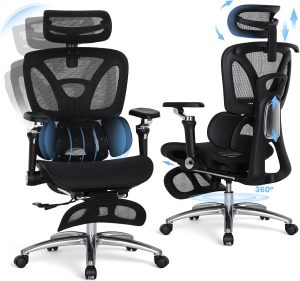
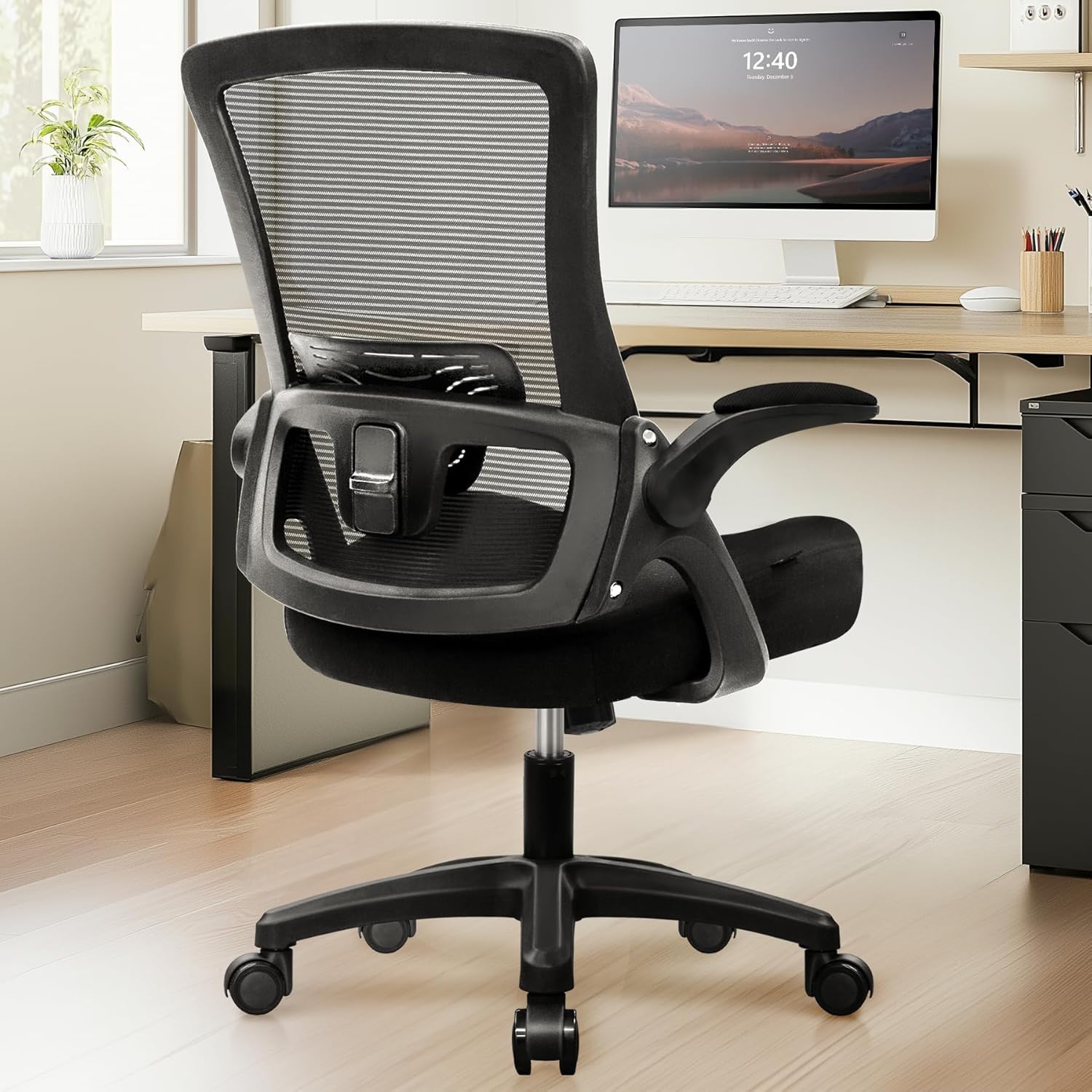
Picking out a new office chair isn’t just about finding somewhere to perch; it’s a genuine investment in your daily comfort and long-term well-being, especially if you spend hours glued to a screen. This guide cuts through the noise, offering an analyst’s perspective on what truly matters in a desk chair. We’ll explore the nitty-gritty of ergonomic design, specifically looking at the kinds of features you’d find in something like the NEO CHAIR Office Desk Chair High Back Mesh Chair with Adjustable Lumbar, and help you figure out if these technologies actually make a difference for your home office or computer work setup.
Quick Answer Box
The NEO CHAIR Office Desk Chair, with its high back mesh, adjustable lumbar support, and flip-up armrests, offers a compelling blend of ergonomic features for mid-range daily computer work and home office use. Its design aims to balance comfort, posture support, and adaptability, making it a solid choice for those seeking a tangible upgrade without jumping into the premium segment. This chair is a practical answer for tackling long hours at your desk without breaking the bank or sacrificing core ergonomic benefits.
What to Look For (The Buying Criteria)
Choosing an office chair? It’s more than just a place to sit. Honestly, it’s about making peace with gravity for eight hours a day. Here’s what you absolutely need to consider, from someone who’s seen countless chairs come and go.
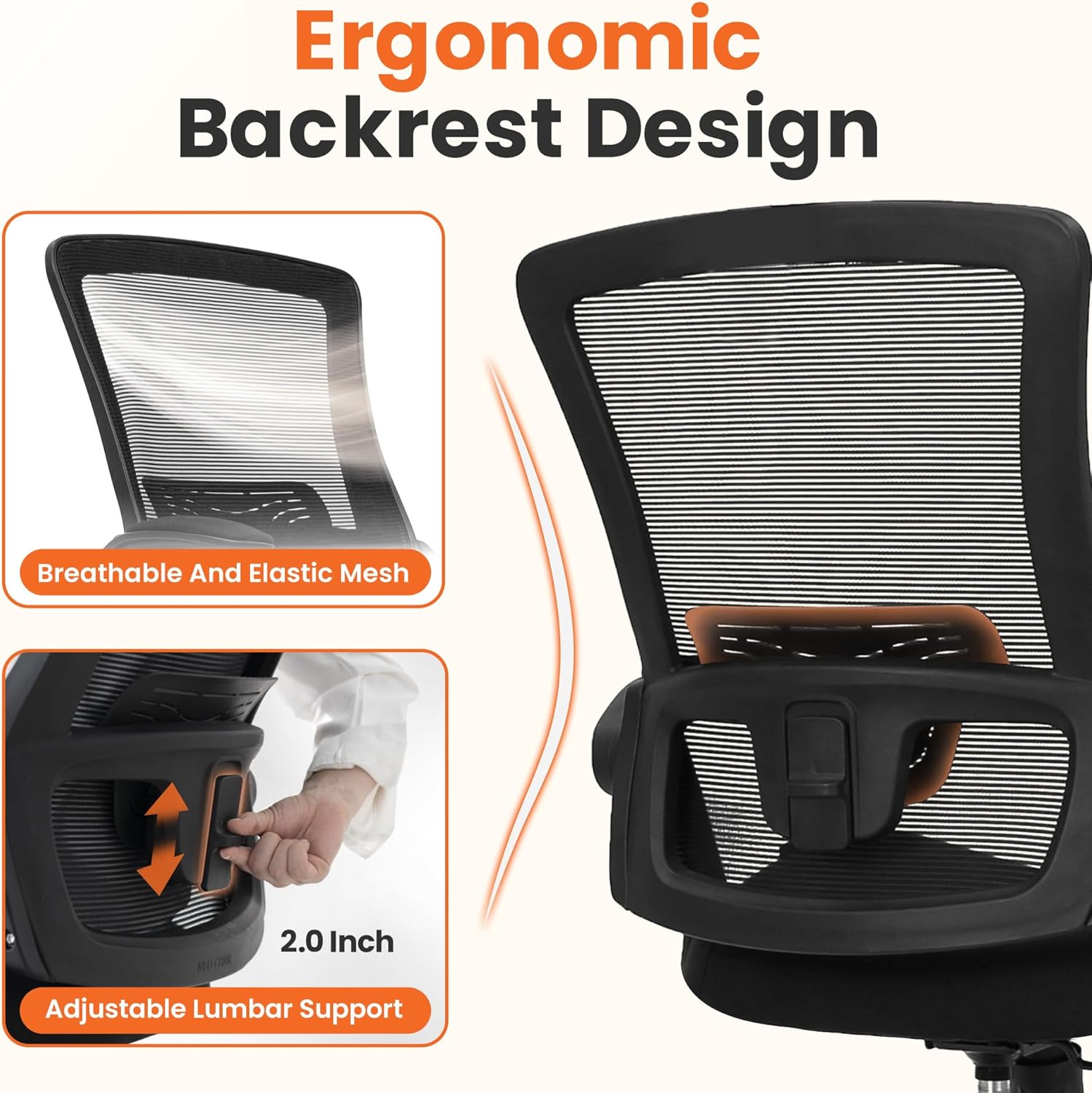
First up, Ergonomics and Adjustability are non-negotiable. Look, a chair might say it’s ergonomic, but that word gets thrown around a lot. What you really want is adjustability. We’re talking seat height, obviously, but also tilt functionality with tension control, and even a tilt lock. Can the seat slide forward or back (seat depth adjustment)? This is crucial for proper leg support, especially for taller folks. The NEO CHAIR model boasts adjustable lumbar support, which is a big win. But remember, “adjustable” isn’t always infinite. Some chairs let you fine-tune lumbar support to the millimeter; others offer just a few set positions. Always check the range of motion. A limited range means a limited fit, and that’s a tough pill to swallow when your back starts aching.
Then there’s the Backrest Design and Material. A high back mesh chair, like our focus model, usually provides full spinal support, right up to your shoulders. This can be a godsend for maintaining good posture over long periods. Mesh, specifically breathable mesh, is a stellar choice if you tend to run warm or work in a climate without perfect air conditioning. It lets air circulate, preventing that clammy feeling that fabric or leather chairs can cause. The flip side? Some people find mesh less “cushy” than a well-padded back, feeling more like a hammock. It’s a trade-off: breathability for a slightly firmer feel.
Armrests: Fixed, Adjustable, or Flip-Up? Ah, the armrest debate. Many budget office chairs come with fixed armrests, which are just… there. Not ideal for everyone. Adjustable armrests, moving up/down or even in/out, offer better customization for different tasks or desk heights. The NEO CHAIR has flip-up armrests. This feature, frankly, is brilliant for anyone with a compact home office setup or a desk that’s a bit too low or high for standard arms. You can simply push the chair closer to your desk, or get it out of the way when you’re not sitting. But, and this is a big but, flip-up armrests are often less robust or adjustable in terms of height and pivot than dedicated 3D or 4D armrests you’d find on a premium ergonomic chair like a Steelcase Gesture. You get flexibility, but you might sacrifice some specific arm support.
Next, consider Seat Comfort and Material. This isn’t just about padding, though that helps. A good seat should distribute your weight evenly, avoiding pressure points. Many ergonomic designs incorporate a “waterfall” front edge to reduce pressure on the back of your thighs, promoting better circulation. You’ll find seats in various materials: fabric, leather, or even mesh. Fabric is durable and breathable, but can stain. Leather looks sleek but can get sticky. Mesh seats (less common for the entire seat base than for the back) offer superior breathability but might lack the immediate softness some prefer.
Build Quality and Durability are often overlooked in the initial excitement. A chair might look great, but what’s it made of? Plastic frames can be perfectly sturdy, especially on budget office chairs, but metal components (like the base or cylinder) generally signal a longer lifespan and higher weight capacity. Pay attention to the casters. Are they cheap plastic that’ll scratch your floor or quality wheels designed for carpet or hard floors? A premium chair, like a Herman Miller Aeron, uses top-tier materials throughout; a mid-range offering like the NEO CHAIR usually picks a smart balance, ensuring key load-bearing parts are solid while saving cost on others. You’re trying to avoid that wobbling feeling that develops after six months, aren’t you?
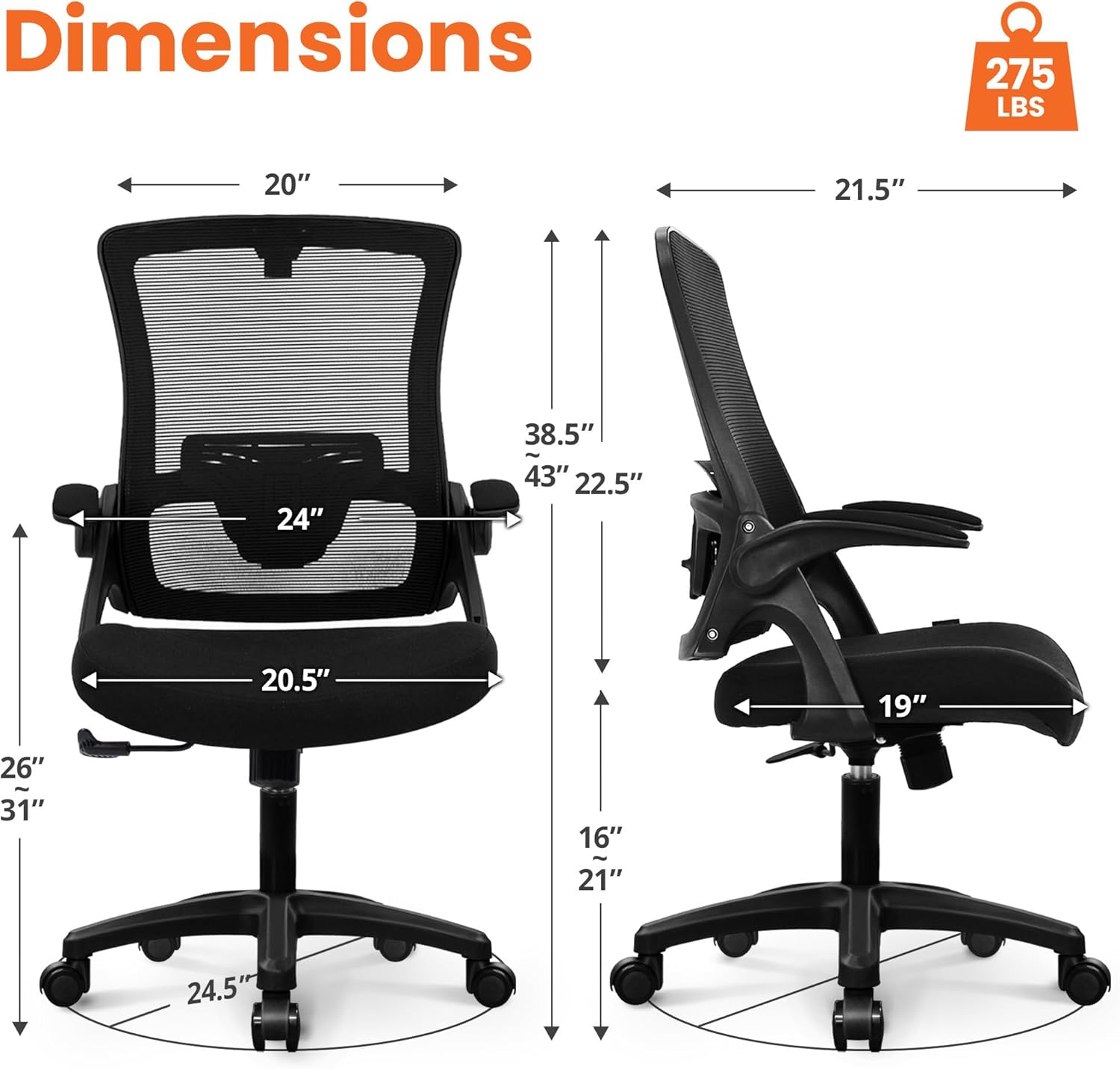
And finally, Weight Capacity and Size Considerations. This sounds obvious, but it’s a huge oversight. Not every chair is built for every body. Manufacturers specify weight limits for a reason. Exceeding it means discomfort, accelerated wear, and potentially unsafe situations. Consider your height too. Will the high back mesh chair truly support your head and neck? Will the seat depth accommodate your legs without your feet dangling or your knees hitting the edge of the seat? Measure yourself, measure your desk. It’s not rocket science, just smart planning.
Expert Tip: Don’t get caught up chasing every single adjustment dial. Figure out your absolute must-haves for your body and your work. For many, that’s adjustable lumbar, seat height, and tilt. Everything else is gravy, sometimes unnecessary gravy.
How to Match the Product to Your Situation
Finding the right office chair isn’t a one-size-fits-all deal. Your situation, your work style, and your body all play a crucial role.
For The Daily Grinder (8+ hours a day): This is you if your desk is practically a second home. You need top-tier ergonomics. Think maximal adjustability: seat depth, height, multiple points of lumbar adjustment, advanced recline functions, and highly articulated armrests. Durability here is paramount; you can’t afford a chair that sags or breaks down within a year or two. While a premium model is often the ultimate goal, a robust mid-range ergonomic design, one with strong lumbar support and a breathable mesh, could bridge the gap if the budget is tighter. Don’t compromise on your health here. Your back will thank you later.
Then there’s The Hybrid Worker (Part-time office, part-time home): You split your time, perhaps three days in a traditional office, two days tackling computer work from your kitchen table. Your needs are solid, but maybe not as extreme. You still want good posture support, definitely appreciate a high back mesh chair for airflow, and adjustable lumbar support is key. Features like flip-up armrests, which allow you to tuck the chair neatly under a table when not in use, are incredibly practical in a multi-purpose space. A chair like the NEO CHAIR Office Desk Chair fits this persona beautifully, offering significant ergonomic benefits without demanding a premium price tag. You’re looking for that sweet spot of value and function.
Finally, The Occasional User/Student (2-4 hours a day): If your desk time is sporadic, or you’re just looking for a comfortable spot to do some light computer work, your demands are less intense. Basic comfort, reliable height adjustment, and a decent backrest are probably enough. You might prioritize aesthetics or a smaller footprint. While a sophisticated ergonomic design is still beneficial, you don’t necessarily need the advanced kinetics of a Herman Miller Aeron. A straightforward high back mesh chair with simple adjustments will likely serve you well, keeping you supported without overspending on features you won’t fully utilize.
Chair Types: A Quick Comparison
It’s a jungle out there, isn’t it? When you’re searching for an office chair, you’ll run into a few distinct categories. Here’s how they stack up.
| Type/Tier | Best For | Price Tier | Key Feature | Watch-Out |
|---|---|---|---|---|
| Basic Task Chair | Occasional desk use, minimal budget | Budget-friendly | Simple height adjustment | Limited support, can be uncomfortable over time. |
| Mid-Range Ergonomic Chair | Hybrid workers, decent daily computer work | Mid-range | Good adjustability, mesh back | Might lack ultra-fine tuning for specific needs. |
| Premium Ergonomic Chair | All-day, every-day professionals | Premium | Advanced kinetics, superior materials | Significant initial investment, but often worth it. |
| Executive Chair | Style-conscious, less intense work | Mid-to-Premium | Plush aesthetics, often high back | Can prioritize looks over deep ergonomic features. |
Basic Task Chair: These are your entry-level desk chairs. They’ll get you off the floor, usually offering basic height adjustment and maybe a simple tilt mechanism. They’re fine for short stints, but don’t expect much posture support for long computer work sessions.
Mid-Range Ergonomic Chair: This is often where you find chairs like the NEO CHAIR Office Desk Chair. They offer a substantial step up, typically featuring breathable mesh, some form of adjustable lumbar support, and more robust construction than basic models. They aim for a balance of features and cost, making them a popular choice for home office setups.
Premium Ergonomic Chair: We’re talking about the big names here, the ones designed for maximum adjustability, superior comfort, and long-term durability. These chairs are engineered with complex mechanisms to support your body in virtually any position, perfect for professionals who spend their entire workday seated.
Executive Chair: These chairs often make a statement, prioritizing a plush, commanding aesthetic with luxurious materials. While they usually boast a high back and generous padding, their ergonomic adjustability often takes a backseat to their visual appeal, meaning they might not be the best choice for intensive, long-duration computer work, despite their higher price point.
Real-World Scenarios for Your Workspace
Your actual living and working conditions dictate a lot about what makes a desk chair functional, not just what’s listed on the box.
Consider Small Space Living. If your home office is really just a corner of the living room, or your bedroom doubles as your workspace, every inch counts. This is where features like the flip-up armrests on a chair like the NEO CHAIR become incredibly valuable. When you’re done for the day, those armrests let you slide the chair completely under your desk, reclaiming precious floor space. A bulky chair with fixed, wide armrests can feel like it’s eating your entire room, and nobody wants that. It’s a pragmatic win for urban dwellers.
Or maybe you’re Battling Back Fatigue. If you’ve been slumping at a subpar desk chair for too long, you know the dull ache that settles in. This is precisely why adjustable lumbar support and a high back mesh chair are so important for intensive computer work. The lumbar support lets you tailor the curve to fit the natural arch of your lower back, preventing you from slouching. A high back ensures your entire spine, including your upper back and neck, gets supported, reducing strain. It’s not just about comfort; it’s about active prevention of discomfort.
And let’s talk about The Hot & Sweaty Setup. Anyone who lives in a warmer climate or just naturally runs warm knows the misery of sticking to a leather or heavily padded chair after an hour. This is where breathable mesh on a high back mesh chair isn’t just a fancy feature – it’s a genuine sanity saver. It promotes airflow, dissipating heat and moisture. You won’t find yourself shifting uncomfortably, trying to peel yourself off the seat every half hour. It’s a simple technology that makes a profound difference in sustained comfort, allowing you to focus on your computer work, not on how sweaty you’re getting.
Common Mistakes When Buying a Desk Chair
I’ve seen it countless times. Shoppers, eager for a new office chair, just dive in without thinking. Here are a few traps people fall into.
First, ignoring adjustability and focusing only on looks. Sure, that sleek, minimalist chair looks stunning in your Pinterest-perfect home office. But if it doesn’t let you adjust the seat height, back angle, or lumbar support to fit your body, it’s just an expensive piece of art that hurts your back. Aesthetics are important, but functionality is paramount. Don’t sacrifice comfort for style; you’ll regret it after the first hour of computer work.
Another big one: assuming “ergonomic” means “fits everyone.” The term “ergonomic design” indicates a chair can be adjusted to fit a wide range of body types, but it doesn’t mean it’s magically configured for your specific build right out of the box. You still need to actively use those adjustable lumbar supports, seat slides, and armrest settings. If you don’t take the time to set it up properly, even the most advanced ergonomic chair won’t do you much good.
Also, not considering desk height or user’s body type. This goes back to basic measurements. You might buy a fantastic office chair, only to find its minimum seat height still leaves your feet dangling, or its maximum height means your arms are awkwardly angled at your keyboard. Similarly, a high back mesh chair might be too tall for shorter users, or too short for very tall individuals. A quick measure of your desk and yourself can prevent a lot of buyer’s remorse.
Finally, skimping on quality for daily use. If you’re going to spend eight hours a day, five days a week, in this thing, it needs to be built to last. A cheap desk chair might seem like a bargain upfront, but the sagging foam, failing gas lift, and wobbly armrests that appear after a few months will quickly make you wish you’d invested a bit more. This isn’t just about money; it’s about investing in your comfort and avoiding future frustration.
Your Office Chair Questions, Answered
These are the kinds of questions that often come up, the things people genuinely wonder about when staring at a wall of desk chairs.
Why is ergonomic design so important for an office chair?
Look, spending hours slumped at a desk puts immense strain on your body. An ergonomic design isn’t just a marketing buzzword; it’s about creating a chair that supports your body’s natural posture, reducing the risk of back pain, neck strain, and other musculoskeletal issues. It’s about being productive without being in pain.
How does adjustable lumbar support actually work to help you?
Your lower back has a natural, inward curve. Many chairs don’t support this. Adjustable lumbar support allows you to push a pad or section forward or backward, and sometimes up or down, to fill that natural curve. This prevents your lower back from flattening or hunching, maintaining a healthy spinal alignment during long computer work sessions.
What’s the real benefit of flip-up armrests on a high back mesh chair?
Beyond the obvious space-saving aspect (tucking the chair under a desk), flip-up armrests offer flexibility for different tasks. Sometimes you need arm support for typing; other times, you want to get closer to your desk for intricate work, or simply move freely without armrests getting in the way. It’s about adapting your workspace to your immediate needs, a true advantage in a versatile home office setup.
FAQ
Are high back mesh chairs really better than padded ones?
It really depends on your priorities. High back mesh chairs, like the NEO CHAIR, offer superior breathability, which is fantastic if you tend to get warm. They can also offer excellent, firm support. Padded chairs might feel softer initially, but they can trap heat and sometimes compress over time, losing their support.
How often should I adjust my office chair?
You should adjust it every time you sit down for a significant period. Your body changes slightly, and you might be wearing different shoes. More importantly, take short breaks and readjust your posture when you return. Small tweaks make a big difference over an eight-hour day.
Can a mid-range ergonomic chair provide enough support for all-day use?
Absolutely. Many mid-range ergonomic chairs, especially those with features like adjustable lumbar support and a high back, are perfectly capable of providing adequate comfort and support for full-time computer work. The key is finding one with the right adjustments for your body.
What’s the typical lifespan of a decent office chair?
A good quality mid-range office chair, one built with a solid frame and decent components, should last anywhere from 5 to 10 years with regular use. Premium models, like a Herman Miller Aeron, often last even longer, sometimes decades. Budget options? Well, they might only give you a year or two before showing significant wear.
Do flip-up armrests compromise stability?
Generally, no, not significantly. Flip-up armrests are designed to be sturdy when in the down position. However, because they articulate, they might have a tiny bit more play or wobble compared to a truly fixed or 4D adjustable armrest on a premium chair. This is a minor trade-off for the added flexibility.
Is it worth spending more on an office chair if I only work from home part-time?
For most people, yes, it often is. Even part-time computer work, if done consistently over weeks and months, can lead to discomfort in a poorly designed chair. An investment in a comfortable, supportive office chair is an investment in your physical well-being, even if you’re not using it full-time.
Final Recommendation
So, where does all this leave us? If you’re a hybrid worker, tackling serious computer work from a home office for significant chunks of the week, or if you simply value strong ergonomic features without breaking into the “premium” price bracket, a chair like the NEO CHAIR Office Desk Chair High Back Mesh with Adjustable Lumbar is a truly sensible choice. Its combination of a breathable high back mesh, crucial adjustable lumbar support, and highly practical flip-up armrests hits a sweet spot.
This chair isn’t trying to compete with the likes of a Herman Miller Aeron, nor should it. Instead, it offers a pragmatic, feature-rich solution for daily use. It’s particularly well-suited for those in smaller spaces, or anyone who just wants a reliable, comfortable, and supportive seat for their extended computer work sessions. Just make sure to take advantage of all those adjustments to really dial in the fit for you. That’s where the real value lies.
#NEO #CHAIR #Office #Desk #Chair #High #Mesh #Chair #Adjustable #Lumbar #Black #Ergonomic #HighBack #Design #Breathable #Mesh #FlipUp #Armrests #Comfortable #Support #Home #office #Computer #Work