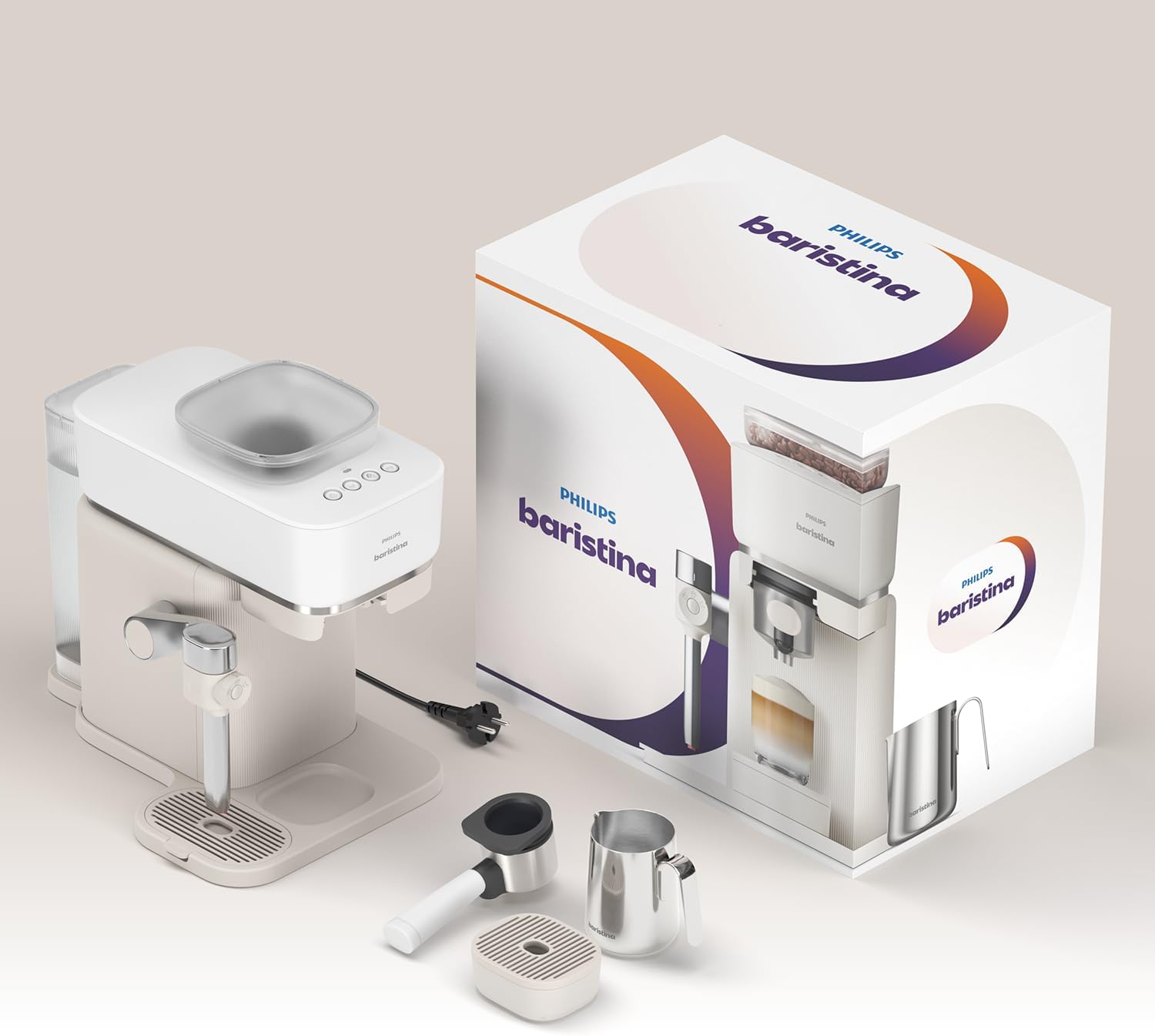
Demystifying the Espresso Machine: Is the Philips Baristina Latte Right for Your Kitchen?
Getting into the world of home espresso can feel like wading through an alphabet soup of features and pressures. This guide cuts through the noise, offering straight talk for anyone eyeing a serious upgrade to their daily coffee ritual, especially if you’re considering a sophisticated super-automatic like the Philips Baristina Latte Espresso Machine, BAR400/00. We’re going to break down what truly matters, what’s marketing fluff, and whether this particular machine hits the sweet spot for your brewing ambitions.
Quick Answer Box
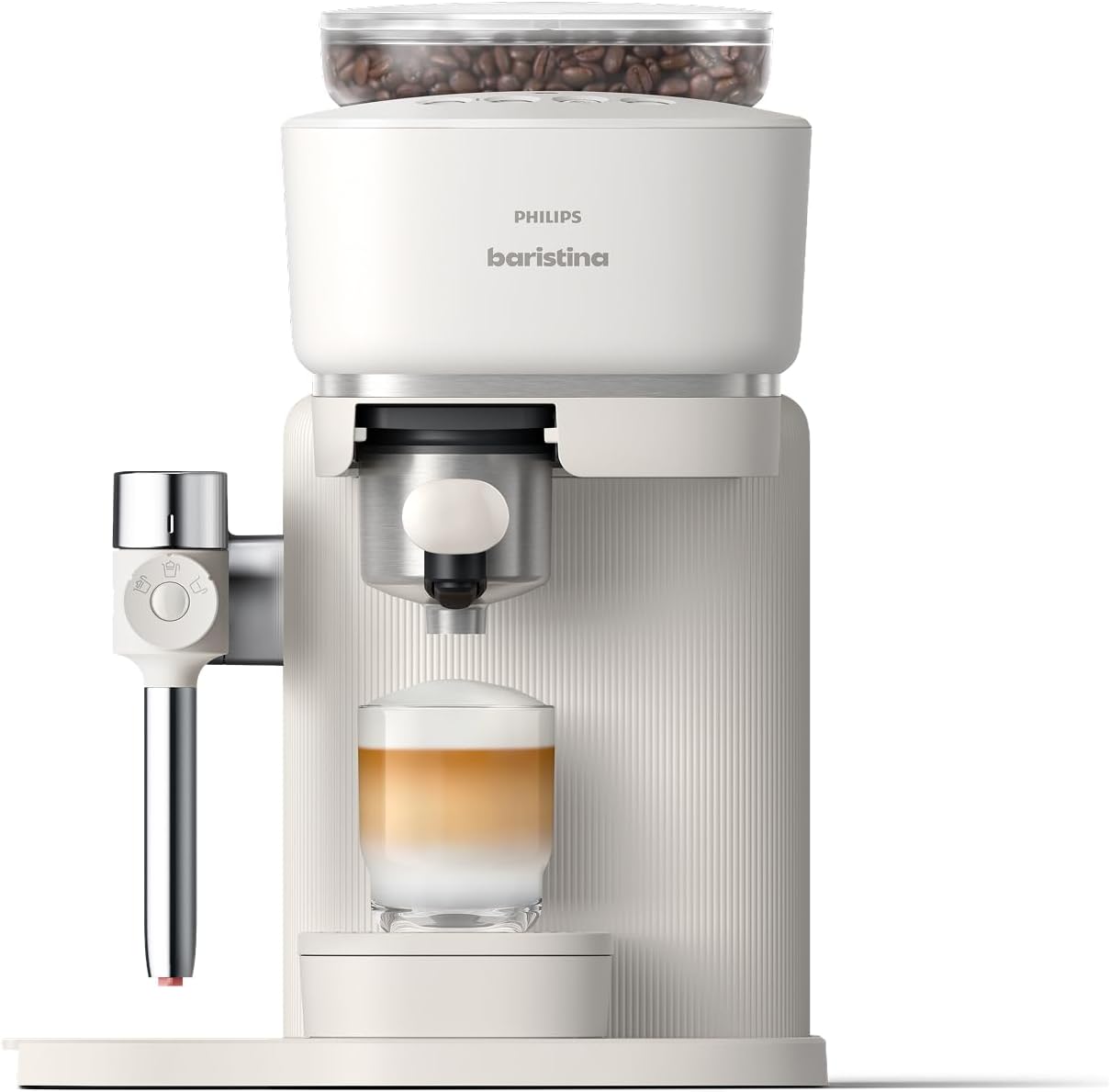
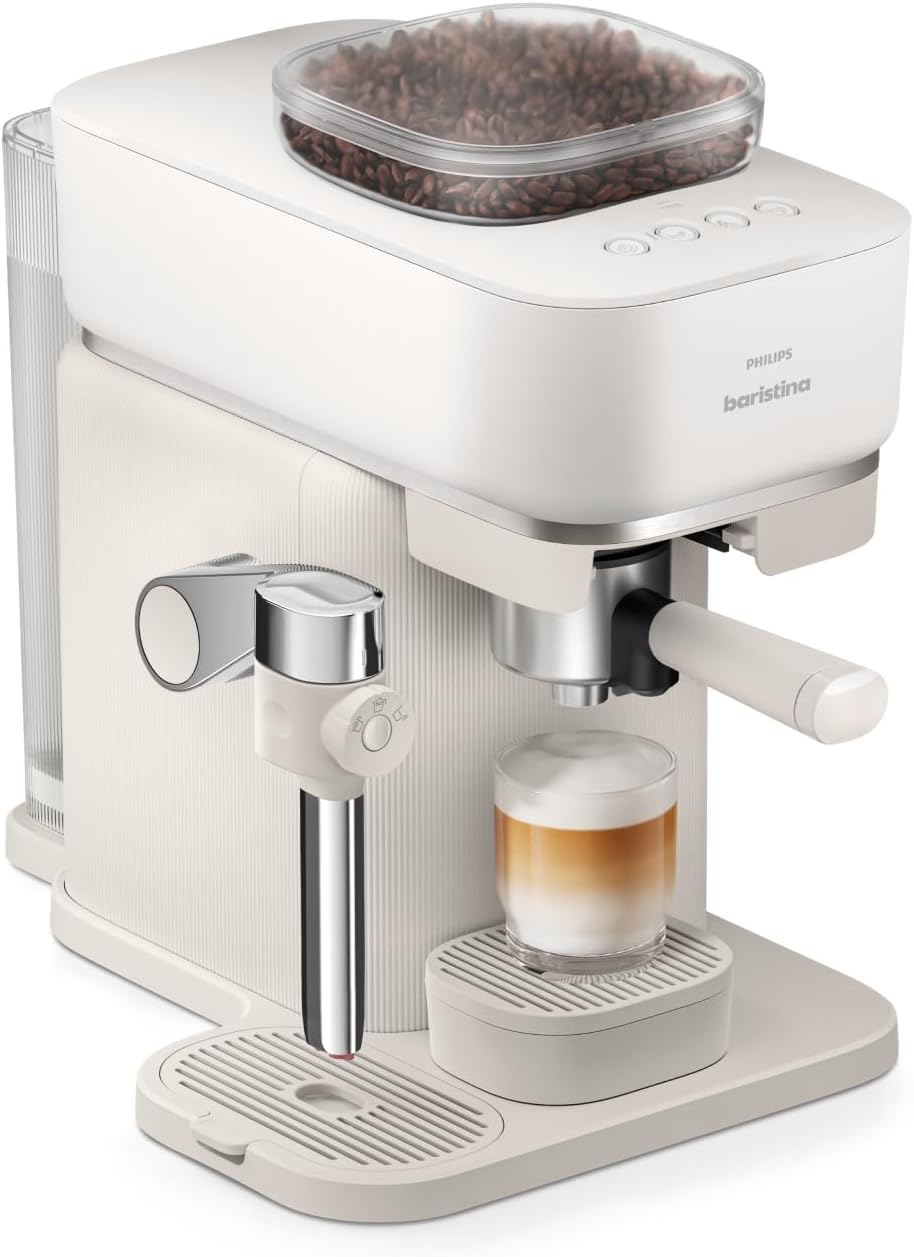
The Philips Baristina Latte Espresso Machine (BAR400/00) is a compelling choice for those craving cafe-quality lattes and cappuccinos with minimal fuss, boasting automatic grinding, tamping, and an integrated milk system. It’s built for convenience and consistent results, making it ideal for busy individuals who prioritize ease of use over the manual control of a traditional barista. Think of it as your personal, highly efficient coffee butler.
What to Look For (The Buying Criteria)
Choosing an espresso machine, especially one as feature-packed as the Philips Baristina Latte, means understanding a few core elements. Don’t get lost in the jargon; let’s talk about what genuinely impacts your morning cup and your wallet.
First up, the level of automation. This is perhaps the biggest fork in the road. You’ve got manual machines, requiring precise grinding, dosing, and tamping. Then there are semi-automatics, which automate the pump but leave the grinding and tamping to you. Finally, you have super-automatics, like the Philips Baristina Latte. These machines handle pretty much everything, from grinding fresh beans to brewing your chosen drink and even frothing milk at the touch of a button. They offer unparalleled convenience, certainly, but that comes at the cost of creative control over your shot. If you dream of fine-tuning every variable, a super-auto might feel a bit like flying on autopilot when you really want to be in the cockpit.
Next, consider the integrated grinder and automatic tamping. The Baristina Latte comes with its own grinder and handles tamping for you. This is a huge convenience factor. Freshly ground beans are non-negotiable for good espresso, and a built-in grinder ensures you always have them. Plus, consistent tamping is crucial for an even extraction, and a machine that does it for you eliminates a major variable. Still, a word of caution: integrated grinders can sometimes be harder to clean or service than a standalone unit. And what if you want to experiment with a different, higher-end grinder down the line? You’re kinda stuck with what’s built in.
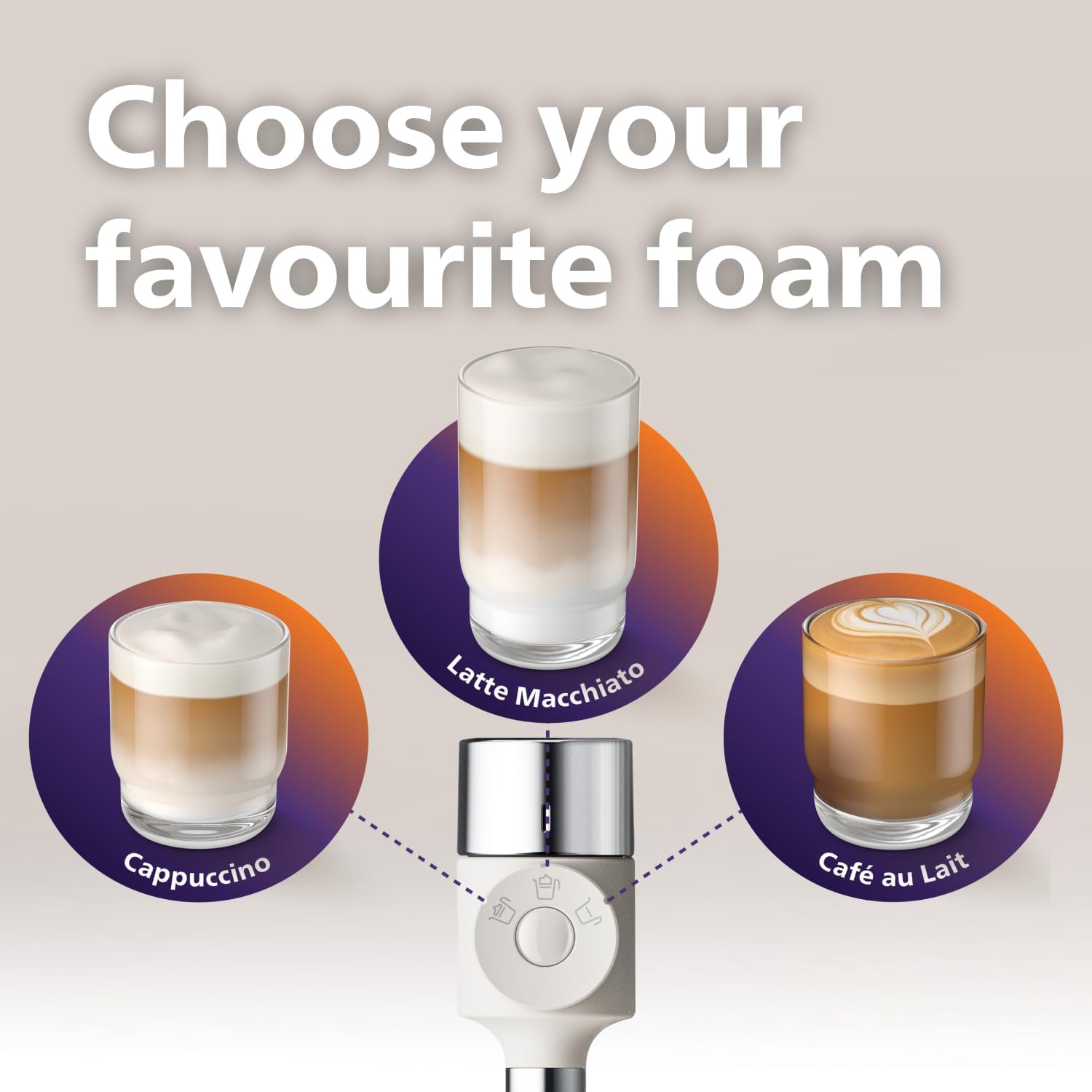
The milk system is another critical feature, particularly for a machine boasting “Latte” in its name. The Philips Baristina Latte features an integrated milk system, meaning it takes milk directly from a container, heats it, froths it, and delivers it into your cup. This is fantastic for speed and simplicity, delivering a cappuccino or latte macchiato without you needing to learn the delicate art of steam wand manipulation. But—and this is a big “but” for many—automatic milk systems demand diligent cleaning. Milk is a tricky business; if you don’t clean it right after use, those lines can get funky. Fast. A traditional steam wand offers more control and less cleaning hassle, though with a steeper learning curve.
Then there’s the talk about pressure and temperature stability. You’ll see “16 bar” advertised for the Philips Baristina Latte. While impressive, remember that for a truly great shot, you really only need about 9 bars of pressure at the group head. Higher numbers can sound better on paper, but consistency and stability throughout the brewing process are what counts. A machine needs to maintain that pressure and, perhaps even more importantly, keep the water at a steady, ideal temperature. Fluctuations here will murder your espresso. A sophisticated machine will have robust temperature control. Don’t get too hung up on raw bar numbers; focus on consistency.
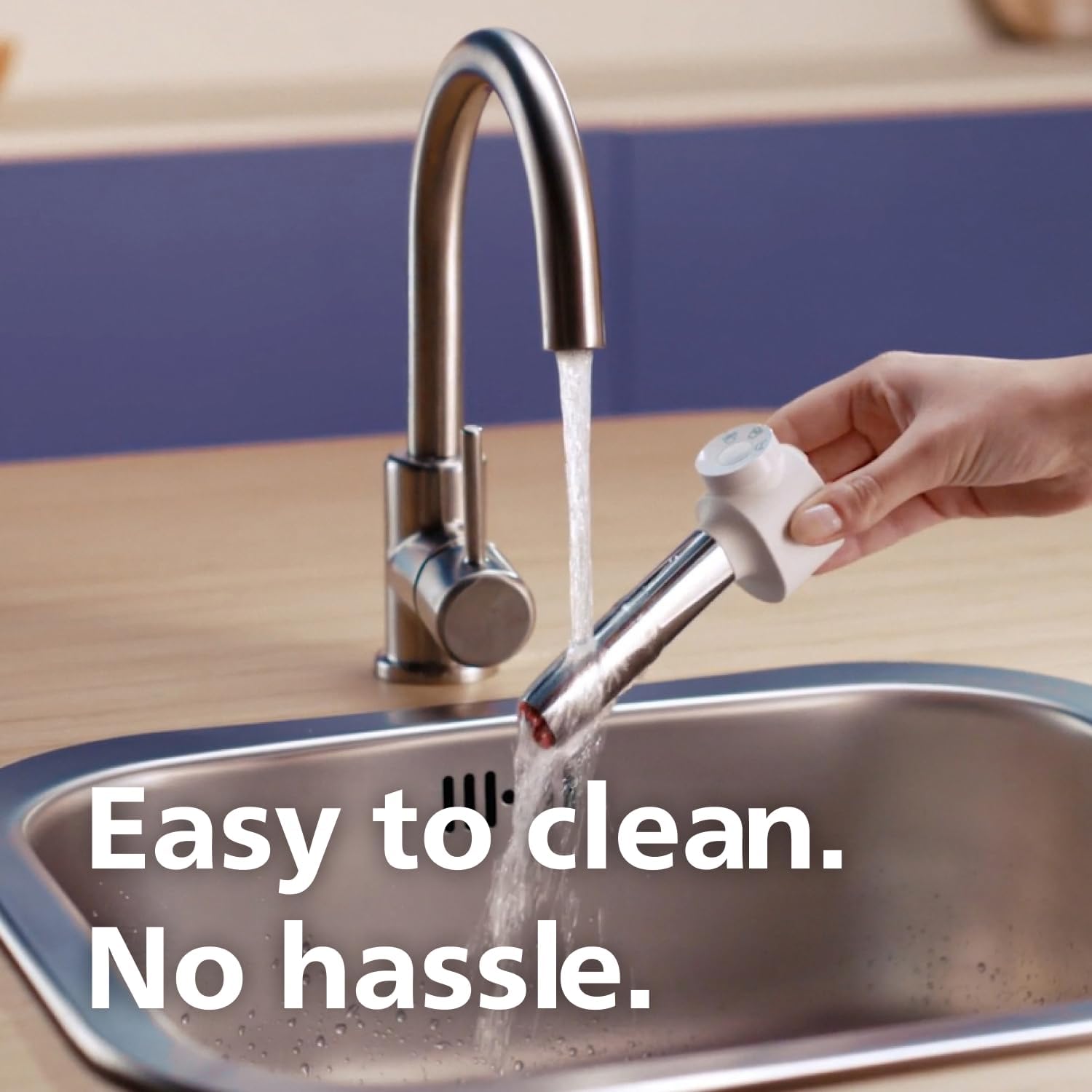
Finally, think about ease of cleaning and general maintenance. For a super-automatic, this is huge. These machines, with their intricate internal workings and integrated milk systems, must be easy to clean or you’ll regret your purchase quickly. The Philips Baristina Latte promises “Easy Cleaning,” and that’s a feature you’ll want to investigate thoroughly. Does it have automatic rinsing cycles? Are parts dishwasher safe? The more bells and whistles, the more potential places for coffee oils and milk residue to build up. Ignored maintenance leads to bad-tasting coffee and a shorter machine lifespan. Nobody wants that.
How to Match the Product to Your Situation
Finding the perfect espresso machine means looking inward. What kind of coffee drinker are you, really? The Philips Baristina Latte machine is designed with certain personalities in mind.
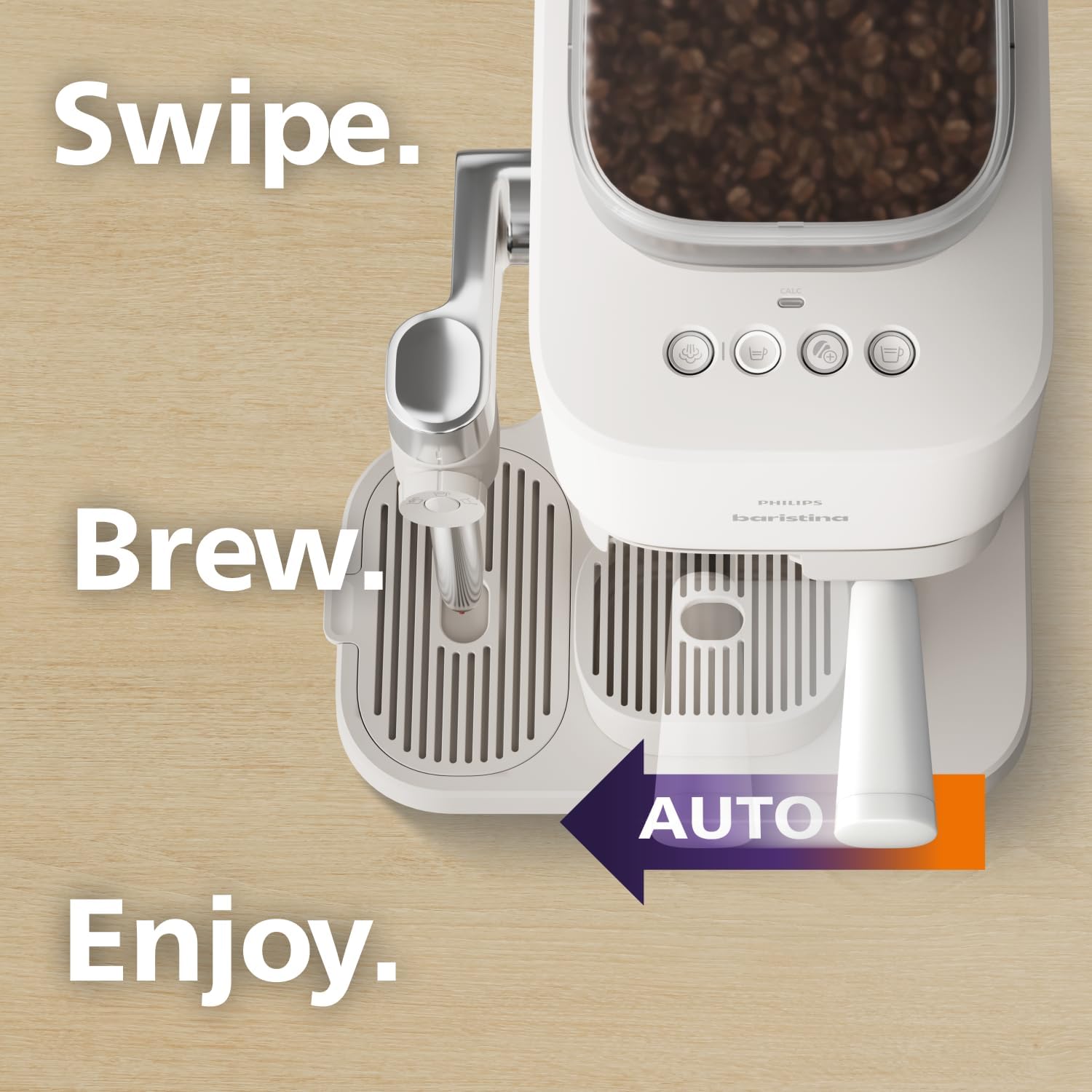
Consider The Morning Commuter. This person needs their coffee fast, consistently, and without any fuss. They don’t have time to grind beans, tamp portafilters, or learn latte art before heading out the door. For them, a super-automatic like the Philips Baristina Latte is practically a godsend. It’s bean-to-cup convenience. Press a button, get a latte. Done. They care about efficiency and decent quality, not necessarily becoming a home barista champion.
Then there’s The Aspiring Connoisseur. This individual loves the ritual of coffee. They want to experiment with different grind sizes, extraction times, and milk textures. They’ve probably researched single-origin beans and dream of dialing in the perfect shot. For them, the automatic features of the Philips Baristina Latte might feel limiting. They want the control that a semi-automatic machine, with its separate grinder and steam wand, offers. The Baristina Latte is capable, yes, but it won’t let you tinker with the variables that truly excite a coffee nerd.
And don’t forget The Entertainer. This person often hosts friends or family and needs to whip up multiple specialty drinks without a huge learning curve or making everyone wait. An integrated milk system and rapid brewing capabilities, like those found in the Philips Baristina Latte, are a massive advantage here. You can serve up cappuccinos and latte macchiatos with ease, making you look like a pro without having to attend a barista school. It streamlines the whole process, letting you actually enjoy your company.
Espresso Machine Comparison
Let’s put the different types of espresso machines side-by-side. The Philips Baristina Latte falls squarely into the super-automatic category, but it’s good to see what else is out there.
| Type/Tier | Best For | Price Tier | Key Feature | Watch-Out |
|---|---|---|---|---|
| Manual Espresso Maker | The purist who relishes full control over every step. | Budget-friendly to Mid-range | Ultimate control; no electricity needed for some. | Steep learning curve and very hands-on; inconsistent results for beginners. |
| These are simple, often elegant devices for the dedicated enthusiast, offering unparalleled insight into the brewing process. | ||||
| Semi-Automatic Machine | The hobbyist barista wanting quality, control, and room to grow. | Mid-range to Premium | Separate grinder often required; allows for skill development. | Requires learning grind settings and tamping technique, plus milk frothing. |
| These machines offer a robust blend of automation and manual involvement, empowering you to truly master your craft. | ||||
| Super-Automatic (like Philips Baristina Latte) | Busy individuals seeking convenience and consistent results. | Mid-range to Premium | Bean-to-cup automation, integrated milk systems. | Less control over shot variables; can be complex to maintain; higher initial cost. |
| These are the ultimate convenience machines, delivering a range of drinks with minimal effort, perfect for hectic mornings. | ||||
| Pod-Based System | The casual drinker prioritizing speed, simplicity, and minimal cleanup. | Budget-friendly | Single-serve convenience, no grinding required. | Higher ongoing cost for pods; limited flavor customization; environmental concerns. |
| Perfect for those who just want a decent cup quickly, without any fuss or major commitment to specialty brewing. |
For the Morning Rush
When your alarm screams and you’re already behind schedule, the thought of grinding beans, tamping, and frothing milk manually can feel overwhelming. This is where a machine like the Philips Baristina Latte truly shines. Its automatic grinding and tamping mean you don’t even think about it. Just hit a button. The integrated milk system means your latte macchiato is delivered directly into your mug, without needing to wrestle with a steam wand or clean up a pitcher. Convenience is key here. It shaves precious minutes off your morning routine.
For the Entertainer
Hosting a brunch? Dinner party? The last thing you want is to be stuck behind an espresso machine, making one drink at a time while your guests chat. An integrated milk system, like the one on the Philips Baristina Latte, is a huge asset. You can produce multiple cappuccinos, lattes, and even a straight espresso with relative speed and consistency. No one needs to wait ages for their preferred coffee fix. It simplifies the whole process, letting you actually socialize. This ease of operation means less stress for you, and happier guests.
For the Experimenter
Look, if you’re the type who meticulously weighs their coffee beans, times their extraction down to the second, and obsesses over the perfect microfoam, a super-automatic machine might leave you wanting more. While the Philips Baristina Latte offers various drink types and some customizable settings, it ultimately makes many of the crucial brewing decisions for you. You won’t be adjusting your grind size on the fly for a different bean, or tweaking brew pressure for a lighter roast. For true experimentation and dialing in, a semi-automatic machine offers that hands-on control. It’s a trade-off: convenience versus absolute mastery.
Expert Tips Callout
I’ve seen people spend way too much on features they never use. Really think about your daily habits. Do you actually drink lattes every morning, or just black coffee? If it’s mostly black coffee, a simpler machine might be a better fit, even if it lacks the fancy milk system. Don’t be swayed by a laundry list of drink options if you’ll only use two of them.
Common Mistakes When Buying an Espresso Machine
People make some pretty common blunders when diving into the espresso machine market. Avoid these pitfalls to ensure you’re happy with your purchase.
One frequent mistake is underestimating the cleaning commitment, especially with integrated milk systems. Manufacturers often promise “easy cleaning,” and while the initial cycles might be automated, milk residue is insidious. If you don’t stay on top of daily rinses and regular deep cleans, your Baristina Latte’s milk system can clog, leading to sour-tasting lattes and frustrating maintenance. It’s a non-negotiable part of ownership.
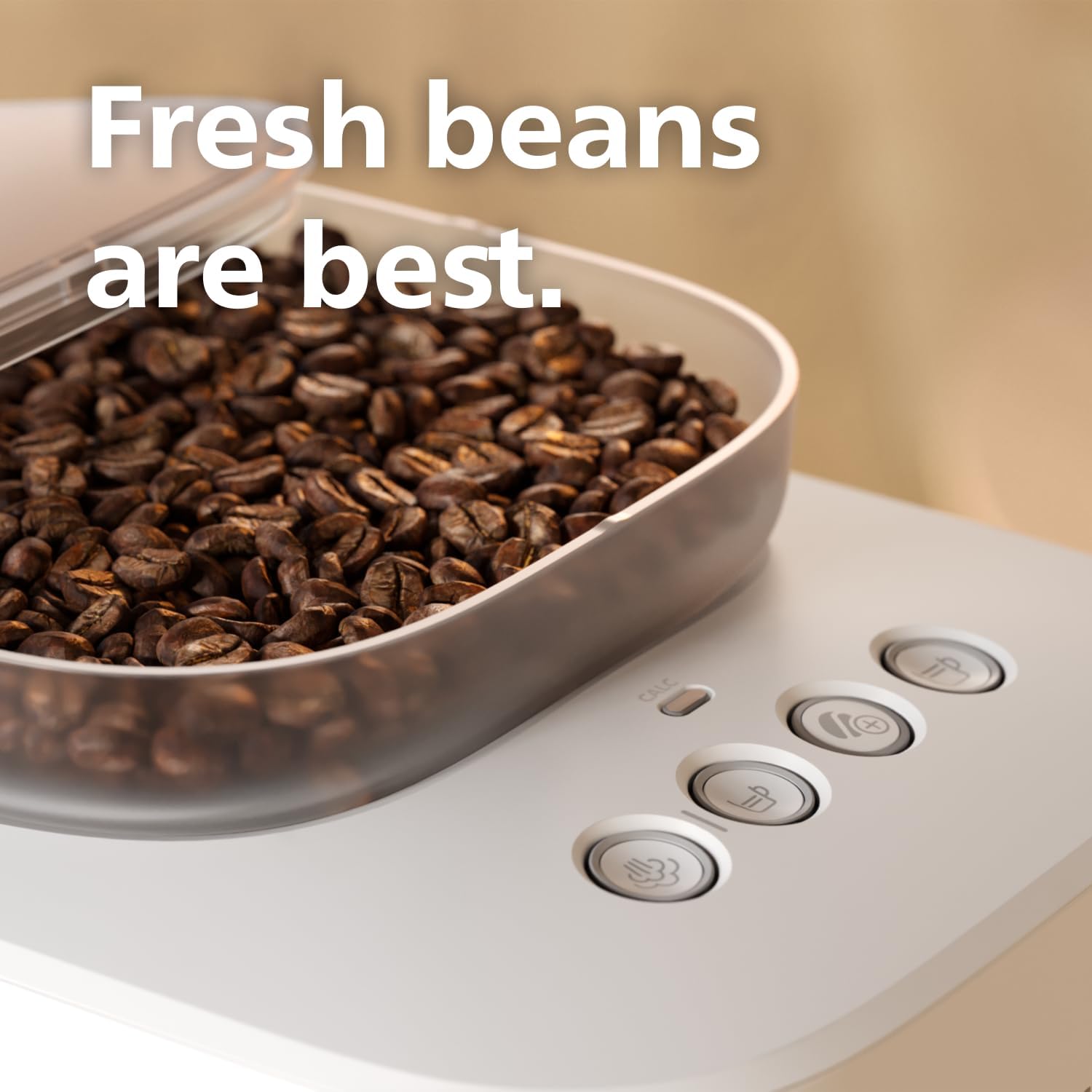
Another common oversight? Ignoring the importance of fresh beans, even with an integrated grinder. A built-in grinder, like on the Philips Baristina Latte, is fantastic. But if you’re feeding it stale, pre-ground coffee or beans that have been sitting on a shelf for months, your espresso will suffer. Invest in freshly roasted beans; it makes an incredible difference. That grinder isn’t magic if the input isn’t quality.
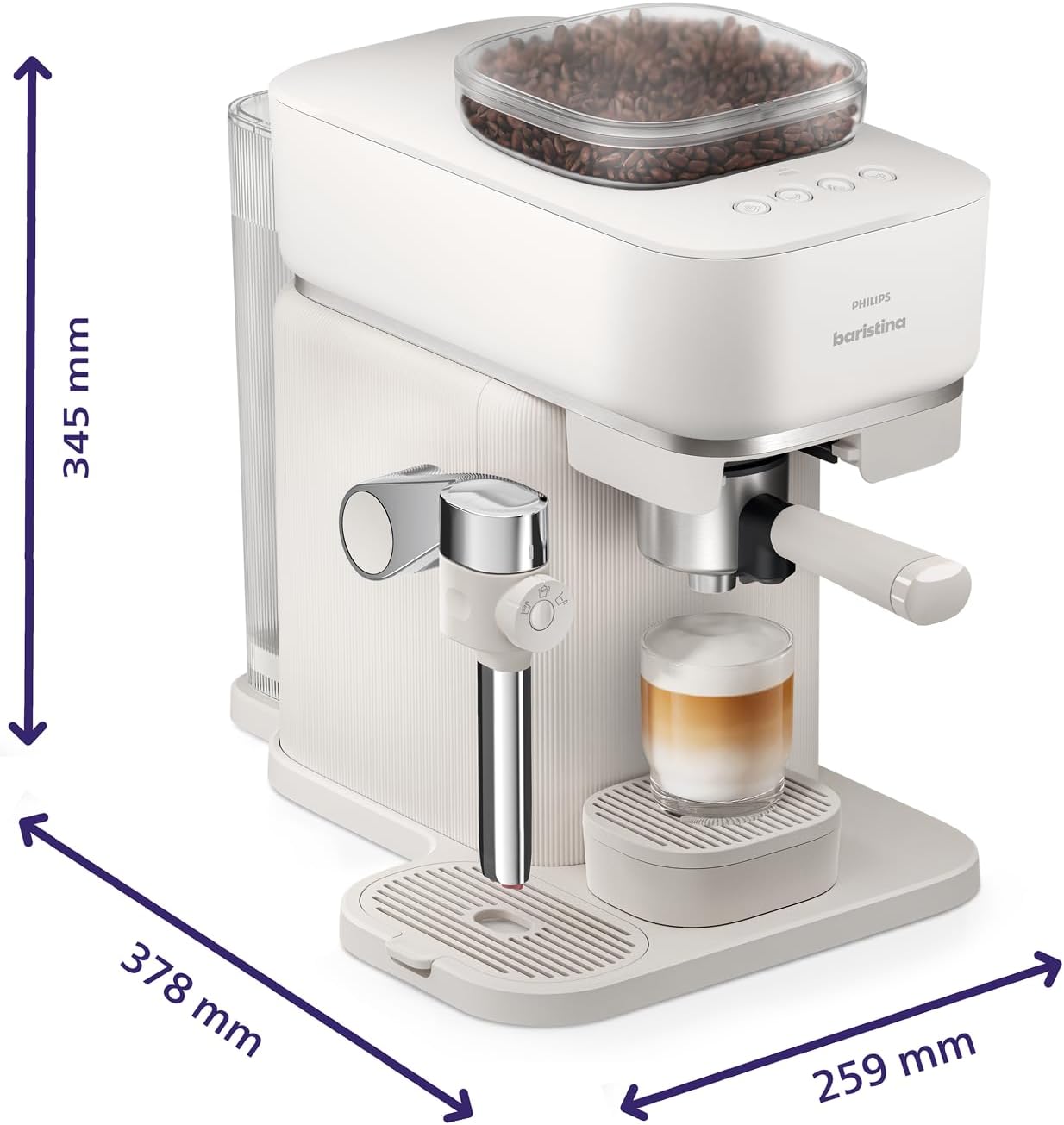
Many buyers also overlook the machine’s physical footprint. Super-automatic espresso machines, with their water tanks, bean hoppers, and often integrated milk containers, can be surprisingly large. Make sure you actually have the counter space for something like the Philips Baristina Latte. Measure your available area before you buy; pictures can be deceptive. A machine that dominates your kitchen might be more of an annoyance than a joy.
Why/How/What
Why is consistent pressure important for espresso?
Consistent pressure, typically around 9 bars, is vital because it ensures the hot water is forced through the finely ground coffee bed at an even rate. This even flow extracts all the desirable flavors, oils, and aromas. Without it, you get uneven extraction, leading to shots that are either watery and weak or bitter and over-extracted. It’s the foundation of a balanced, flavorful espresso.
How do integrated milk systems work?
Integrated milk systems, like the one found in the Philips Baristina Latte, typically draw cold milk from a reservoir, heat it using steam, and then froth it using air injection. This frothed milk is then dispensed directly into your cup, ready to mix with your freshly brewed espresso. These systems are designed for convenience, automating a process that takes significant skill with a traditional steam wand.
What does “bean-to-cup” really mean for a machine like the Philips Baristina Latte?
“Bean-to-cup” signifies that the machine handles the entire process from whole coffee beans to a finished beverage in your cup. It means the machine grinds the beans fresh for each shot, doses and tamps the grounds, brews the espresso, and often even froths the milk. For models like the Philips Baristina Latte, it’s about ultimate automation: you add beans and water, push a button, and the machine does the rest.
FAQ
Is a 16 bar machine truly better than one with 9 bars?
Not necessarily. While a machine like the Philips Baristina Latte might advertise 16 bars, the ideal pressure for extracting espresso is generally considered to be around 9 bars at the group head. Higher initial pump pressure often just means there’s more force before it hits the coffee, not that more pressure is needed for extraction. Consistency at 9 bars is paramount.
How often do I need to clean the Philips Baristina Latte’s milk system?
For optimal hygiene and taste, you should run a quick rinse cycle through the integrated milk system after every use. A more thorough weekly cleaning, involving disassembling and cleaning specific components, is also highly recommended. Skipping this step leads to milk residue buildup and potential blockages.
Can I use pre-ground coffee in a machine with an integrated grinder?
Generally, yes, machines like the Philips Baristina Latte have a bypass chute for pre-ground coffee. However, using fresh, whole beans ground immediately before brewing will always yield a superior espresso. Pre-ground coffee stales very quickly.
What’s the difference between espresso and latte macchiato on these machines?
Espresso is a concentrated coffee shot. A latte macchiato, typically offered by machines like the Baristina Latte, is a layered drink: hot milk is poured into a glass, followed by frothed milk, and then an espresso shot is slowly added through the foam, creating distinct layers. It’s all about presentation and milk volume.
Are super-automatic machines like the Baristina Latte loud?
They can be. The grinding process, especially, can be quite noisy as the beans are pulverized. While manufacturers work to dampen sound, expect a noticeable whir and rumble during operation. It’s the price you pay for fresh grounds.
Do I need special water for my espresso machine?
Using filtered water is always a good idea. Hard water can lead to mineral buildup (scale) inside your machine, impacting performance and lifespan, and requiring more frequent descaling. A good water filter can prevent many headaches and ensure your coffee tastes clean.
Can I adjust brew strength on a Philips Baristina Latte?
Yes, most super-automatic machines, including the Philips Baristina Latte, allow you to adjust the coffee strength. This is usually done by changing the amount of coffee ground per serving. It lets you customize your drink to be stronger or milder to suit your preference.
Final Recommendation
So, where does the Philips Baristina Latte Espresso Machine, BAR400/00, truly fit? This machine is an exceptional choice for the coffee lover who craves high-quality, specialty beverages like espresso, cappuccino, and latte macchiato without any of the manual hassle. If your mornings are a sprint, or if you regularly entertain and want to impress without becoming a full-time barista, its automatic grinding, tamping, and integrated milk system are game-changers.
However, if you’re the type who lives for the ritual of crafting the perfect shot, adjusting every tiny variable, or if you simply prefer black coffee most days, some of its advanced features might be overkill. For sheer convenience, impressive drink variety, and consistent results right out of the box, the Philips Baristina Latte is a strong contender. It’s a premium appliance designed to simplify your coffee life, offering a truly “bean-to-cup” experience that delivers.
#Philips #Baristina #Latte #Espresso #Machine #Automatic #Grinding #Tamping #Brewing #Bar #Integrated #Milk #System #Easy #Cleaning #Espresso #Cappuccino #Latte #Macchiato #Grinder #BAR40000