Decoding Outdoor Icicle Lights: Is Premium Worth It For Your Winter Wonderland?
Trying to spruce up the exterior of your home with icicle lights for outside? Maybe you’re eyeing something a bit more substantial than the usual flimsy strings, like the Wintergreen Lighting 70 M5 Cool White LED Icicle Christmas Lights, with their commercial grade holiday promise. This guide cuts through the marketing fluff to help you figure out if stepping up to a more robust, professional-grade illumination option really makes sense for your residential outdoor lighting setup. We’ll dig into what truly matters when you’re hanging those twinkling strands, so you can make a smart, informed choice without getting bogged down in endless product details.
Quick Answer
For most folks wanting reliable, long-lasting icicle lights for outside that can handle more than one season, investing in a commercial-grade LED option, especially those with M5 LED bulbs and white wire like the Wintergreen Lighting model, offers superior durability and energy efficiency over standard residential offerings. It’s often a case of spending a little more upfront to avoid frustration and replacement costs later.
What to Look For (The Buying Criteria)
Shopping for icicle lights for outside isn’t just about picking a length and a color. Oh no. There’s a whole world of nuance, and getting it wrong means wasted money or a display that looks sad after the first big windstorm. Here’s what you actually need to consider.
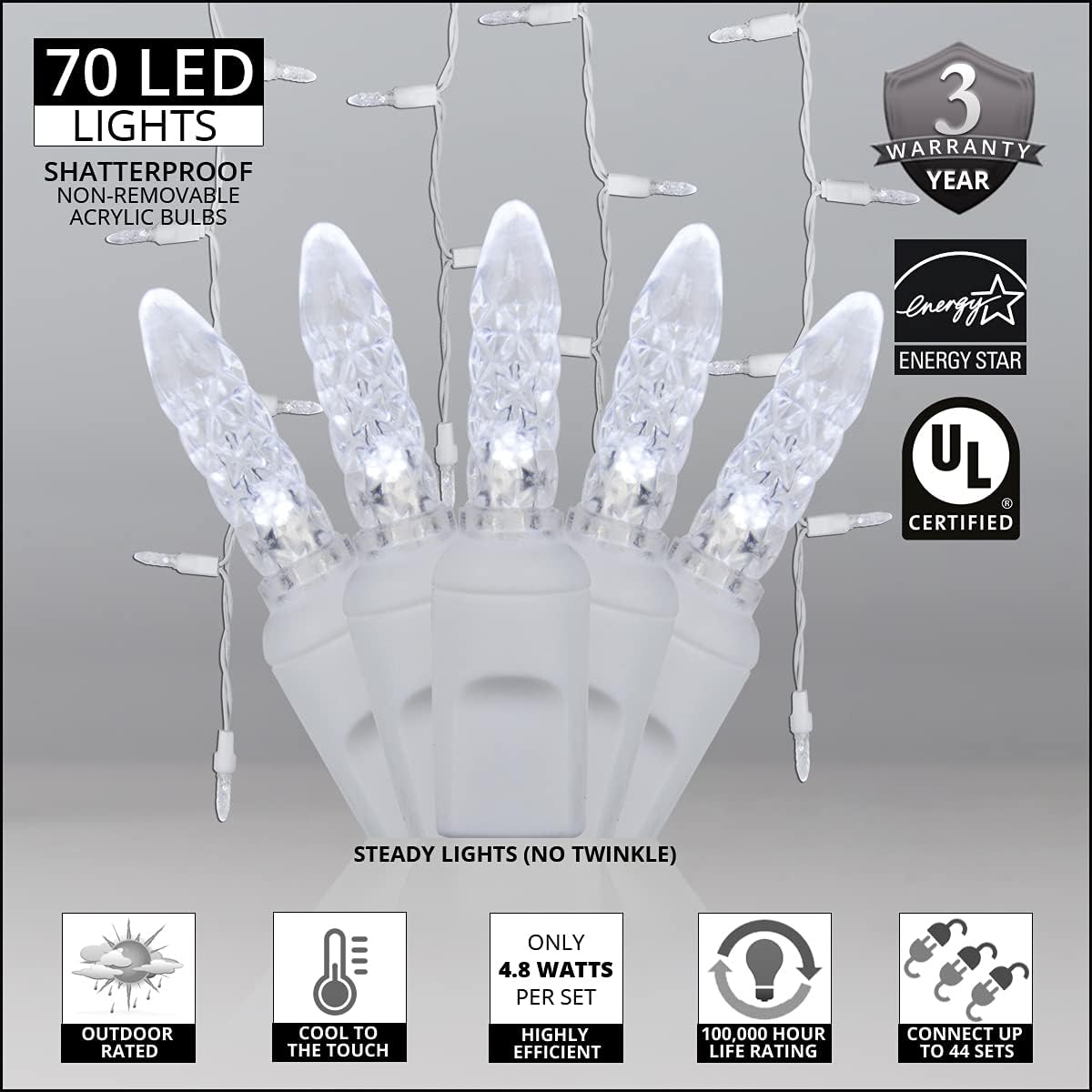
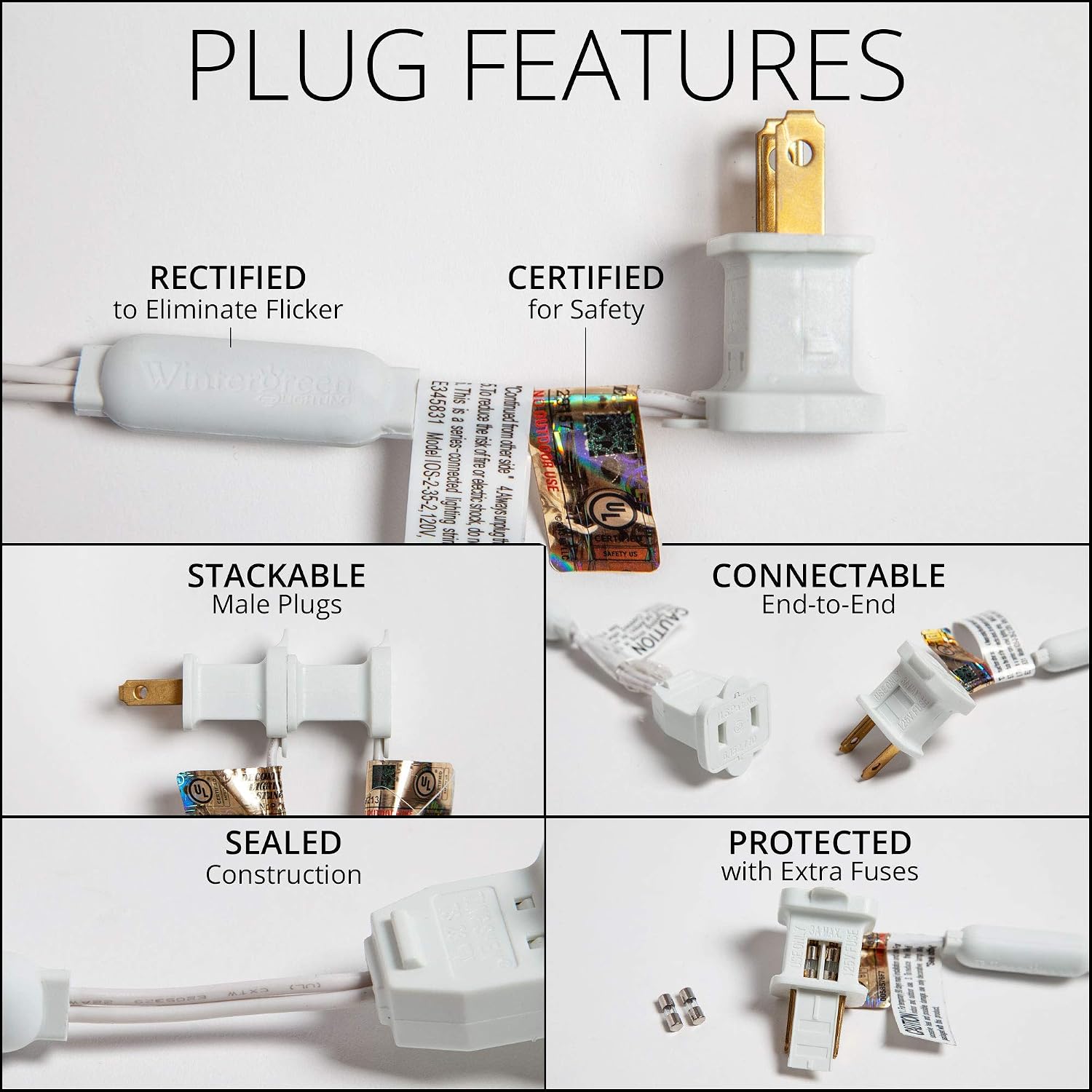
First up, Durability and Weather Resistance. This is huge. I mean, we’re talking about lights that live outside, right? They’re going to face rain, snow, ice, wind, maybe even the occasional curious squirrel. Cheap lights often use thin wires and seals that just don’t hold up. Look for things like a heavier gauge wire – often indicated by “commercial grade lighting” – and sealed connections. The Wintergreen Lighting 70 M5, for instance, touts its commercial-grade construction. This isn’t just a fancy label; it typically means thicker insulation on the wire and more robust bulb housings designed to keep moisture out. You might save a few bucks on budget options, but if they corrode or short out after one season, what did you really save? Nothing, because you’re buying new ones next year. That’s a pain, and it’s bad for your wallet.
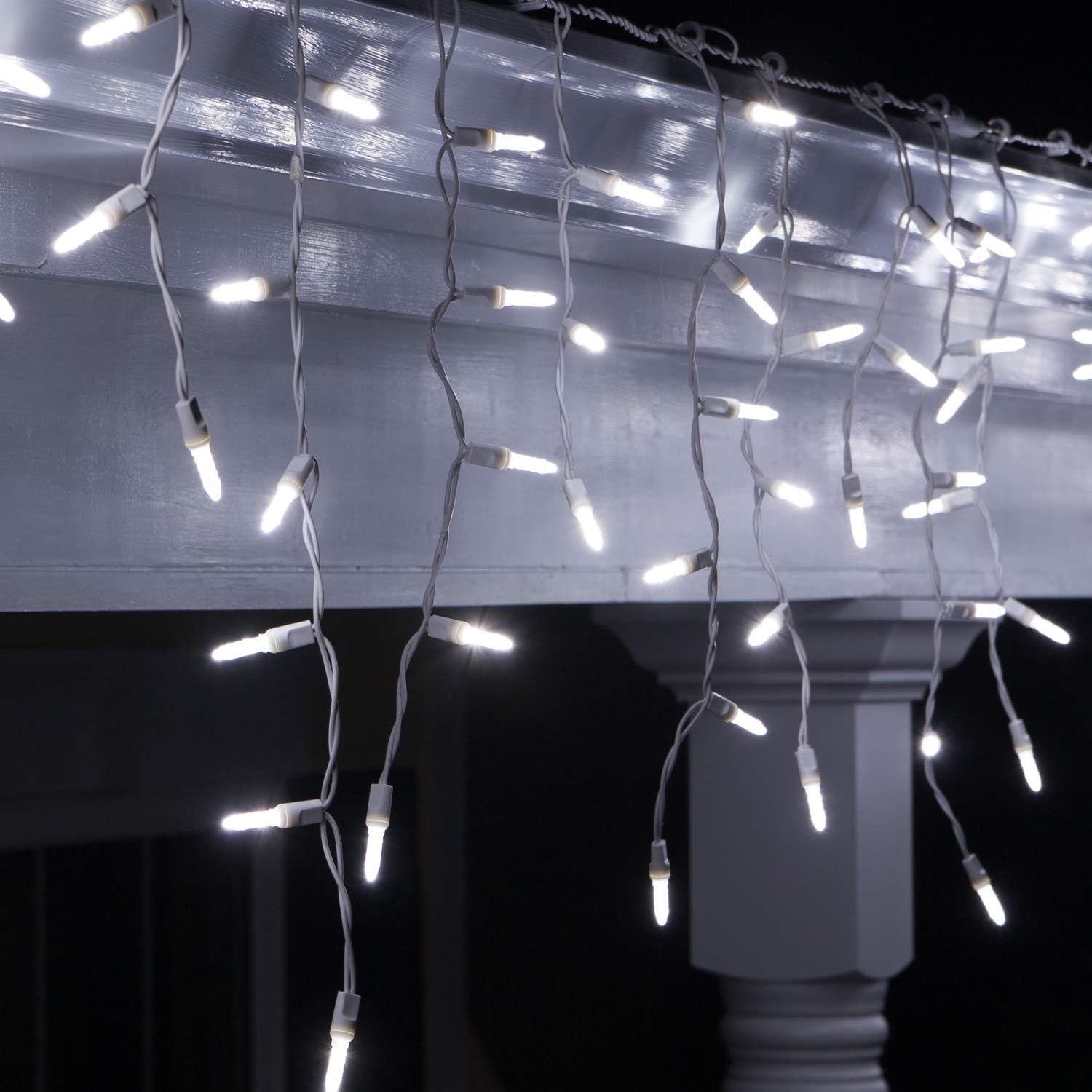
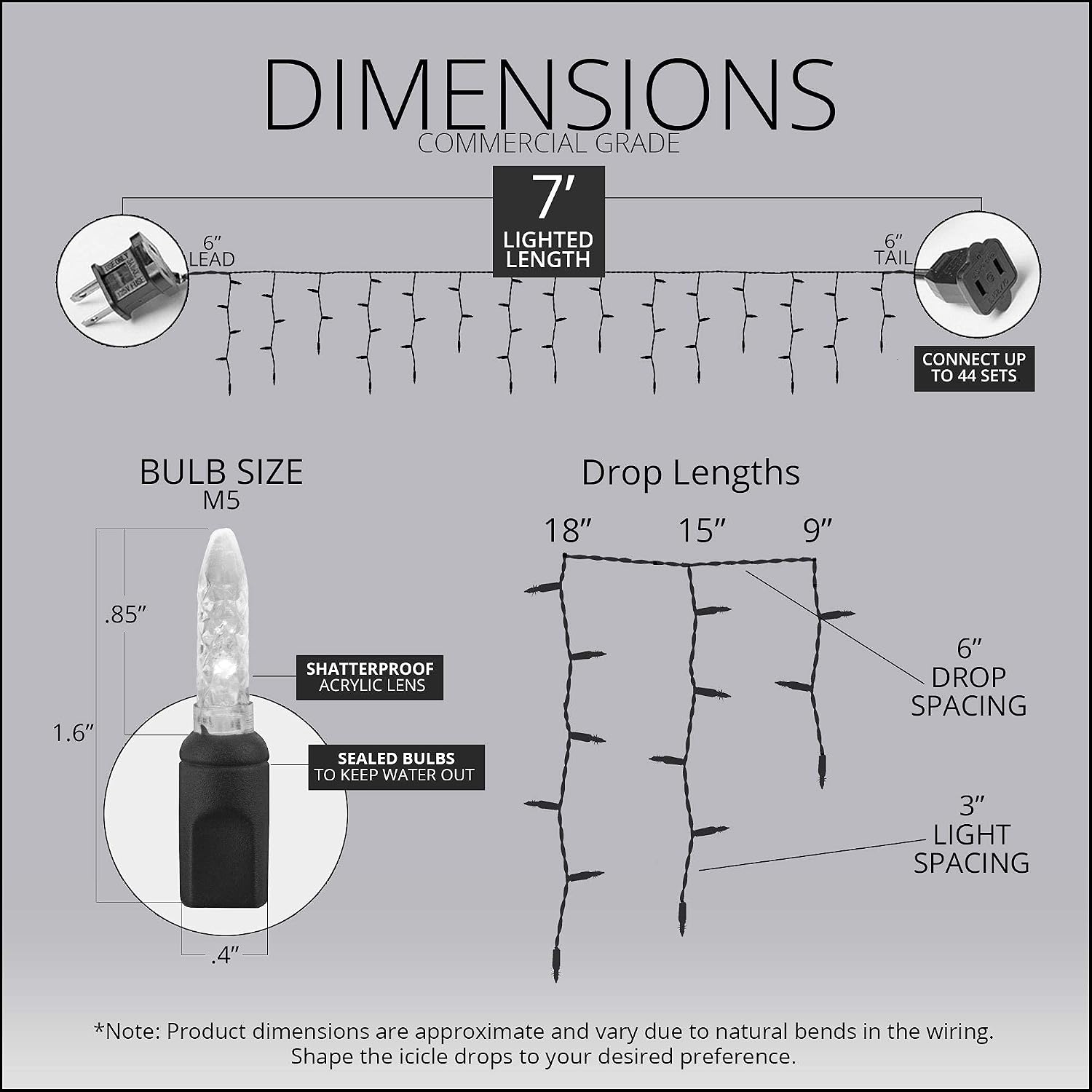
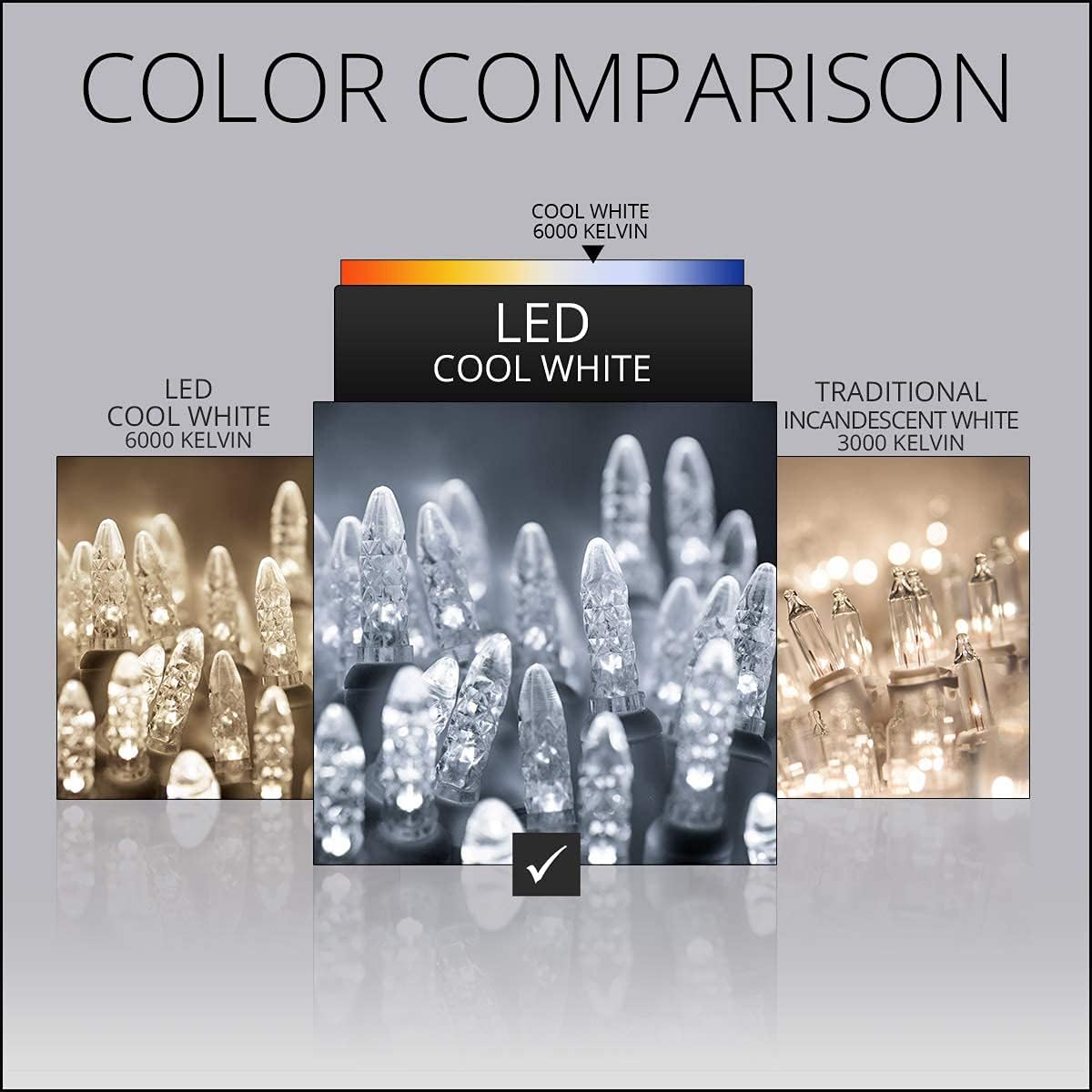
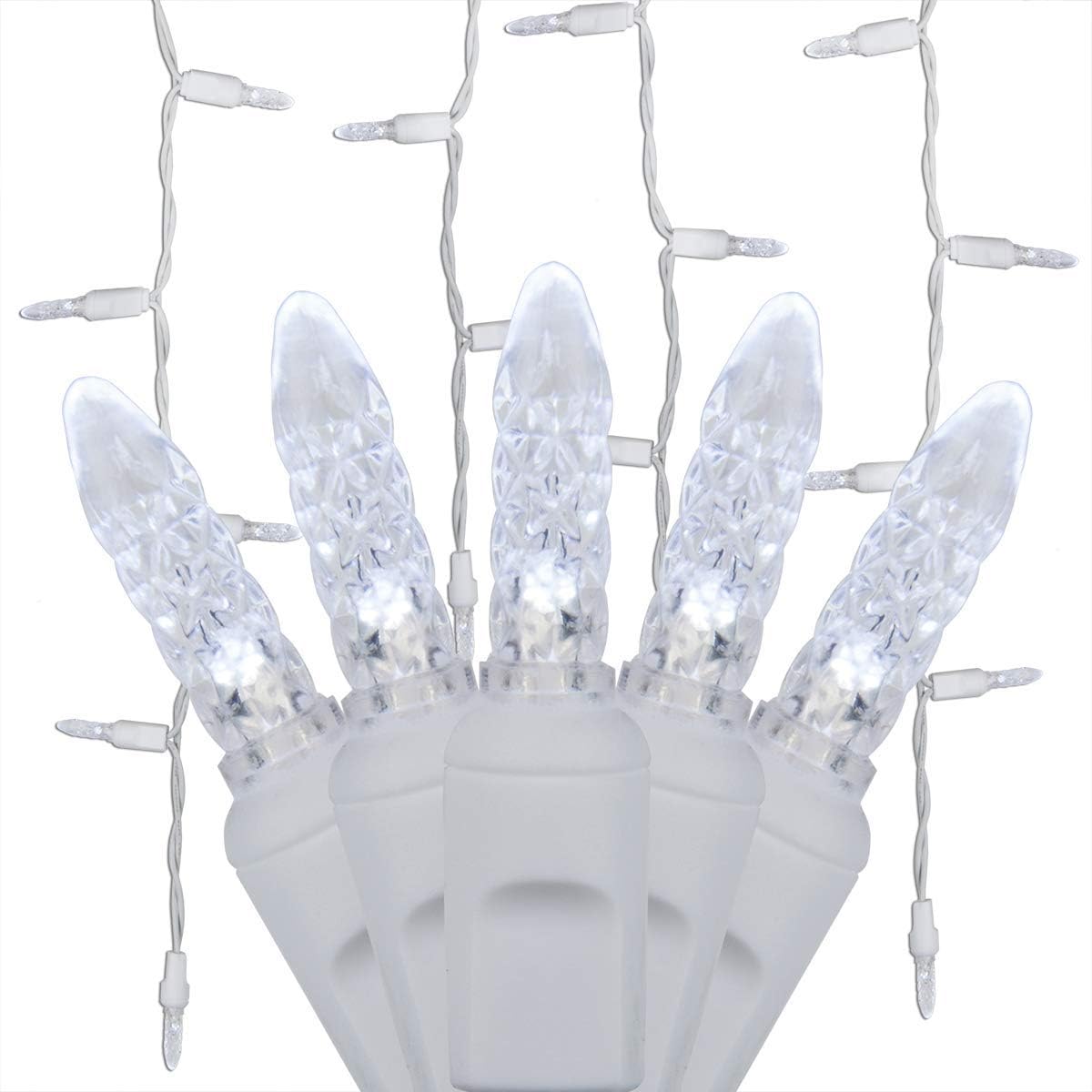
Then there’s Bulb Type and Brightness. Most modern outdoor Christmas lights use LEDs, and for good reason: they’re energy efficient and last ages. But not all LEDs are created equal. The “M5” in the Wintergreen Lighting product refers to a specific bulb shape, often described as a mini-light or wide-angle conical. These tend to disperse light more evenly than older, pin-point LEDs, giving a richer, fuller glow. Cool white lights, like these, offer a crisp, almost bluish-white sparkle that’s very popular for a modern, frosty aesthetic. Warm white lights, conversely, have that traditional, cozy incandescent feel. Decide what “mood” you’re going for. One isn’t inherently better, but mixing them can look jarring.
Next, think about Wire Color and Length. This might seem minor, but it makes a significant difference in how professional your holiday decor looks. The Wintergreen Lighting model uses a white wire. If you’re hanging lights on a white house, white trim, or snow, a white wire blends in beautifully during the day. If your house is dark brick or has brown eaves, a green or brown wire would be less conspicuous. The length of the string, and how many connectable segments you can link end-to-end, dictates how much coverage you get from a single power source. Cheaper strings often have lower maximum connectability, meaning more extension cords and more fuss. Nobody wants a tangled mess of wires, trust me.
Don’t overlook Energy Efficiency and Operational Costs. LED icicle lights are inherently more efficient than old incandescent bulbs. But even within LEDs, there can be differences. The number of bulbs and their individual wattage add up. For holiday decor that might be on for hours every night, lower power consumption means a noticeable drop in your electricity bill. It’s not just about the upfront price; it’s about the cost of running them. Higher quality strings, like those geared for professional-grade illumination, are designed to be run for extended periods without breaking the bank.
Consider Connectability and Expansion. You rarely just buy one string of icicle lights for outside. You typically need several to cover your eaves, porch railing, or whatever creative vision you have. How easily do they connect? Are the connectors secure and weatherproof? Can you link multiple strings without a noticeable drop in brightness at the far end? Some systems are designed with proprietary connectors, which can be a real headache if you want to mix and match brands later. The Wintergreen Lighting model, being “commercial grade,” usually implies a robust, easily expandable system. You’ll want to know the maximum number of strings you can safely connect end-to-end before blowing a fuse or dimming the display. This is a common oversight.
Finally, Ease of Installation and Storage. Those delicate little hooks and clips that come with some sets? They can be a nightmare. Look for sturdy hanging options, or at least consider purchasing separate, more robust clips. And when the season’s over, how easy are these decorative lighting strands to coil up and put away? If they’re prone to tangling because of thin wires, you’ll dread next year’s setup. A slightly stiffer, more durable wire can actually make storage and reinstallation much simpler, even if it feels a little less flexible initially.
How to Match the Product to Your Situation
Alright, let’s get real about who needs what kind of icicle lights for outside. Not every home or homeowner has the same needs, and frankly, some folks just care more than others. No judgment here, just different priorities.
The “Weekend Warrior” Decorator: This is you if you love putting up lights, but you also want them to just work without a fuss. You’re not trying to win any neighborhood awards, but you want your house to look festive and inviting. You appreciate reliability and don’t mind spending a bit more if it means less hassle later. For you, the Wintergreen Lighting 70 M5 Cool White LED Icicle Christmas Lights are a strong contender. They’re robust, bright, and should hold up for multiple seasons, which means less time troubleshooting and more time enjoying. The commercial grade promise speaks to that desire for dependable performance. You want something that unpacks, hangs, and illuminates without a drama.
The “Budget-Minded Sparkle Seeker”: Maybe you’re new to the whole outdoor lighting game, or perhaps you just want a decent display without breaking the bank. You’re looking for a good value, something that provides plenty of sparkle but doesn’t feel like an over-investment. You might be willing to compromise a bit on ultra-durability for a lower upfront cost. For this person, while the Wintergreen Lighting model might seem a touch pricey, it’s worth comparing its long-term value against cheaper alternatives. Sometimes, the initial savings on lower-tier LED icicle lights get eaten up by early replacements. You’d likely be looking at slightly less robust consumer-grade LED icicle lights.
The “Professional-Grade Perfectionist”: You’re the kind of person who meticulously plans their outdoor Christmas lights display. You want something that not only looks stunning but also performs flawlessly, year after year. You might even use these for events beyond just Christmas. Longevity, specific aesthetic (like a pure cool white light), and consistent performance are paramount. For you, the Wintergreen Lighting’s M5 LED bulbs and overall commercial grade construction are practically a given. You understand the value of durable outdoor lights and see them as an investment in a consistent, eye-catching display. You’re probably looking at more extensive runs of string lights and need high connectability and truly weatherproof lighting.
Comparison of Icicle Light Types
Here’s a quick breakdown to help you get a handle on the different tiers of icicle lights for outside you’ll encounter.
| Type/Tier | Best For | Price Tier | Key Feature | Watch-Out |
|---|---|---|---|---|
| Basic Consumer LED | Short-term displays, small budgets | Budget | Affordable upfront cost, widely available | Prone to tangling, often less durable, limited connectability. |
| Mid-Range Residential LED | Regular seasonal use, good balance of value | Mid-range | Better construction, decent longevity, brighter LEDs | Still might lack true “set it and forget it” reliability. |
| Commercial-Grade LED (like Wintergreen) | Multi-season, large displays, year-round use | Premium | Superior durability, brightness, long lifespan, robust connections | Higher initial investment, can feel like overkill for small jobs. |
Basic Consumer LED: These are your go-to for a quick splash of festive light without much thought to the future. They’re cheap, you can find them anywhere, and they’ll do the job for one season, maybe two if you’re lucky. Just don’t expect them to weather every storm unscathed, or to untangle themselves magically from storage.
Mid-Range Residential LED: A step up, these often boast slightly brighter bulbs and a bit more sturdy wiring than the cheapest options. They’re a solid choice for someone who puts lights up every year and wants them to last a few seasons without too much fuss. You get better reliability here without fully committing to the top-tier price.
Commercial-Grade LED (like Wintergreen): This is where you get into the professional-grade illumination territory. These lights are built to last, engineered for harsh outdoor conditions, and designed for repeated, season-after-season use. The M5 LED bulbs offer excellent light dispersion, and the materials are chosen for resilience. Yes, they cost more, but the reduced frustration and multi-year lifespan often make it a wise decision.
Scenario-Specific Considerations for Outdoor Icicle Lights
Think about your specific situation. It’s not one-size-fits-all, is it?
The All-Weather Warrior:
Do you live somewhere with brutal winters? Heavy snow, freezing rain, gale-force winds? Then your icicle lights for outside need to be built like a tank. Standard residential lights might look pretty on a mild December night, but they’ll often give up the ghost when faced with truly nasty weather. The commercial-grade stuff, like the Wintergreen Lighting 70 M5, with its robust construction and emphasis on outdoor commercial grade holiday use, really shines here. Its components are less likely to crack in extreme cold or fail due to moisture ingress. A white wire might get dirty, but it won’t break. You’re paying for peace of mind, essentially.
The Aesthetic-Focused Homeowner:
Perhaps your primary concern is how these decorative lighting strands actually look. You’ve got a specific vision for your home’s exterior, maybe a crisp, modern cool white light aesthetic. The color temperature and uniformity of the light output matter. Cheaper LED strings can sometimes have inconsistent color across different segments or flicker noticeably. High-quality LED icicle lights offer a more uniform, steady glow. The M5 LED bulbs, specifically, are known for a wide, vibrant light throw that fills out the icicle shape nicely, creating a more professional look without those annoying “hot spots” you sometimes get with cheaper designs.
The Set-It-and-Forget-It Person:
If you’re like me, once the outdoor Christmas lights are up, you don’t want to mess with them again until it’s time to take them down. This means you need something that’s truly durable and reliable. The initial effort of putting up lights is enough; you don’t want to be out there troubleshooting burnt-out bulbs or loose connections every other night. This is where commercial-grade lighting earns its stripes. Their durable outdoor lights are designed to be resilient, minimizing maintenance. Less fuss means more time enjoying the season, not battling failing lights.
Common Mistakes When Buying Icicle Lights for Outside
Look, we’ve all made purchasing mistakes. It happens. But with icicle lights for outside, some blunders can be particularly annoying.
One big one? Underestimating the Length You Need. People often eyeball their eaves or railings and buy too few strands. Then they’re left with an unfinished look or scrambling to find more lights that match, usually when stores are picked over. Measure twice, buy once, and honestly, grab an extra string just in case. It’s better to have a little too much than not enough.
Another common slip-up is Ignoring the Wire Color. I touched on this earlier, but it’s worth repeating. A white wire looks fantastic on white trim or a light-colored house. Put it on a dark brick house or a deep green hedge, and it sticks out like a sore thumb during the day. Think about your backdrop. The Wintergreen Lighting 70 M5 comes with a white wire, which is great for many modern homes, but not universal.
Then there’s the mistake of Assuming All “LED” Lights Are Equal. Just because it says LED doesn’t mean it’s top-tier energy efficiency or super bright. There’s a massive quality spectrum. Some budget LEDs are dim, have a weird color cast, or flicker. Others, particularly older designs, can suffer from poor color rendition. Doing a quick check on the specific bulb type, like the M5 LED bulbs, and any mention of lumens or brightness can save you disappointment.
Finally, people often Neglect Environmental Ratings. Many icicle lights for outside are rated for outdoor use, sure, but what kind of outdoor use? Is it just a little rain, or truly robust weatherproof lighting for heavy snow and extreme cold? Look for specific IP ratings (though I can’t give exact specs here, higher numbers generally mean better protection). A general “outdoor use” tag on a budget set often means “fine for a sunny afternoon, but don’t count on it in a blizzard.” Those “commercial grade” claims? They usually mean it’s been engineered for actual weather.
Why/How/What Mini-Section
Why bother with commercial-grade icicle lights for outside when cheaper options exist?
Honestly, it boils down to longevity and reliability. When you buy commercial grade, you’re not just paying for light; you’re paying for thicker, more durable wiring, superior bulb construction, and connections designed to withstand moisture and temperature swings. This means fewer burnt-out bulbs, less frustration with tangled messes, and a display that actually lasts multiple seasons without needing replacement. It’s an investment in convenience and consistent beauty.
How can I tell if outdoor Christmas lights are genuinely durable, beyond just marketing claims?
Beyond a “commercial grade” label, which is a good start, look for tangible details. Does the wire feel substantial, not flimsy? Are the bulb housings clearly sealed and robust? Do the connectors feel secure and tightly threaded, rather than loose and flimsy? Brands that specifically mention UV resistance or specific bulb types like M5 LED bulbs often indicate a higher quality product engineered for real-world outdoor conditions, rather than just slapped with a generic label.
What are the main advantages of cool white lights like those found in the Wintergreen Lighting 70 M5?
Cool white lights provide a crisp, modern, almost icy glow that’s really popular for a contemporary aesthetic. They can make your holiday decor pop against snow and dark winter nights, giving a vibrant, clean look. Unlike warmer white lights that emulate traditional incandescent bulbs, cool white creates a distinct, bright sparkle that some homeowners find more sophisticated and impactful, particularly when paired with blues or silvers in other decorations.
FAQ
Are LED icicle lights truly more energy-efficient than traditional ones?
Yes, absolutely. LED icicle lights use significantly less electricity than old incandescent bulbs. This translates to lower power bills, which is a big deal when you’re running them for hours every night during the holiday season. They’re a smart choice for both your wallet and the environment.
Can all icicle lights for outside be connected end-to-end?
Not all. Cheaper, basic consumer models often have limitations on how many strings you can safely connect due to power draw. Higher-quality, commercial grade lighting typically allows for many more connections, often dozens, making it easier to cover large areas with fewer outlets. Always check the manufacturer’s maximum connectability rating before buying.
What does “M5 LED bulbs” mean, and why should I care?
“M5” refers to a specific shape and size of LED bulb, often described as a mini-light or wide-angle conical. These bulbs are designed to distribute light broadly, creating a fuller, more vibrant glow that closely mimics the look of traditional incandescent mini-lights but with all the benefits of LED technology. They give a nice, even spread of cool white lights.
Will the white wire on the Wintergreen Lighting model stand out against my house during the day?
It depends on your home’s exterior color. A white wire blends in seamlessly against white trim, gutters, or a light-colored house. If your home has darker tones, like brick or dark wood, a white wire might be noticeable during daylight hours. Consider your house’s palette when choosing white wire lights.
Are commercial grade lighting products just for businesses, or are they good for homes too?
They’re excellent for homes! The “commercial grade” designation simply means they’re built to higher standards of durability and performance, intended to withstand extensive use and harsh conditions. This translates to more reliable, longer-lasting outdoor Christmas lights for residential use, saving you hassle and replacement costs.
How do I store durable outdoor lights to ensure they last?
Proper storage is key. Carefully coil each string, avoiding kinks and tight bends that can damage wires. Use a light reel or even a piece of cardboard to keep them neatly wound. Store them in a cool, dry place, protected from rodents and extreme temperature fluctuations. This helps prevent tangles and prolongs the life of your weatherproof lighting.
Is there a difference between cool white lights and “daylight” or “bright white” lights?
Yes, these terms generally describe shades of white light. Cool white typically has a slightly bluish tint, creating a crisp, modern look. “Daylight” often refers to a very bright, neutral white that closely mimics natural sunlight, while “bright white” can be a broader term. For a specific aesthetic, look for the exact color temperature, though for icicle lights for outside, cool white is a common and distinctive choice.
Final Recommendation
When it comes to outfitting your home with icicle lights for outside, especially if you’re like most people and want something that actually lasts beyond a single holiday season, skipping the cheapest options is usually the smartest move. Look, I’ve seen people spend way too much on features they never use, but I’ve also seen folks get burned season after season by flimsy, poorly made lights.
For those who want genuine reliability, superior longevity, and a truly dazzling, consistent display, investing in commercial grade lighting like the Wintergreen Lighting 70 M5 Cool White LED Icicle Christmas Lights is a no-brainer. These M5 LED bulbs, with their robust construction and crisp cool white light, are built to endure the elements and provide professional-grade illumination without the annual headaches. It’s about buying smart, buying once, and enjoying your holiday decor for years to come without the fuss.
#Wintergreen #Lighting #Cool #White #LED #Icicle #Christmas #Lights #White #Wire #IndoorOutdoor #Commercial #Grade #Holiday #Party #Bedroom #Home #Decor #Lighting