Is That Fully-Loaded Ergonomic Office Chair with a Footrest Actually Worth the Hype? Let’s Break It Down.
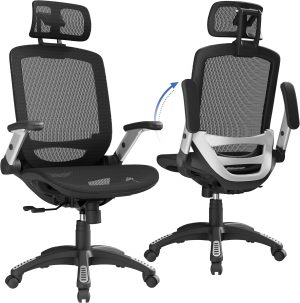
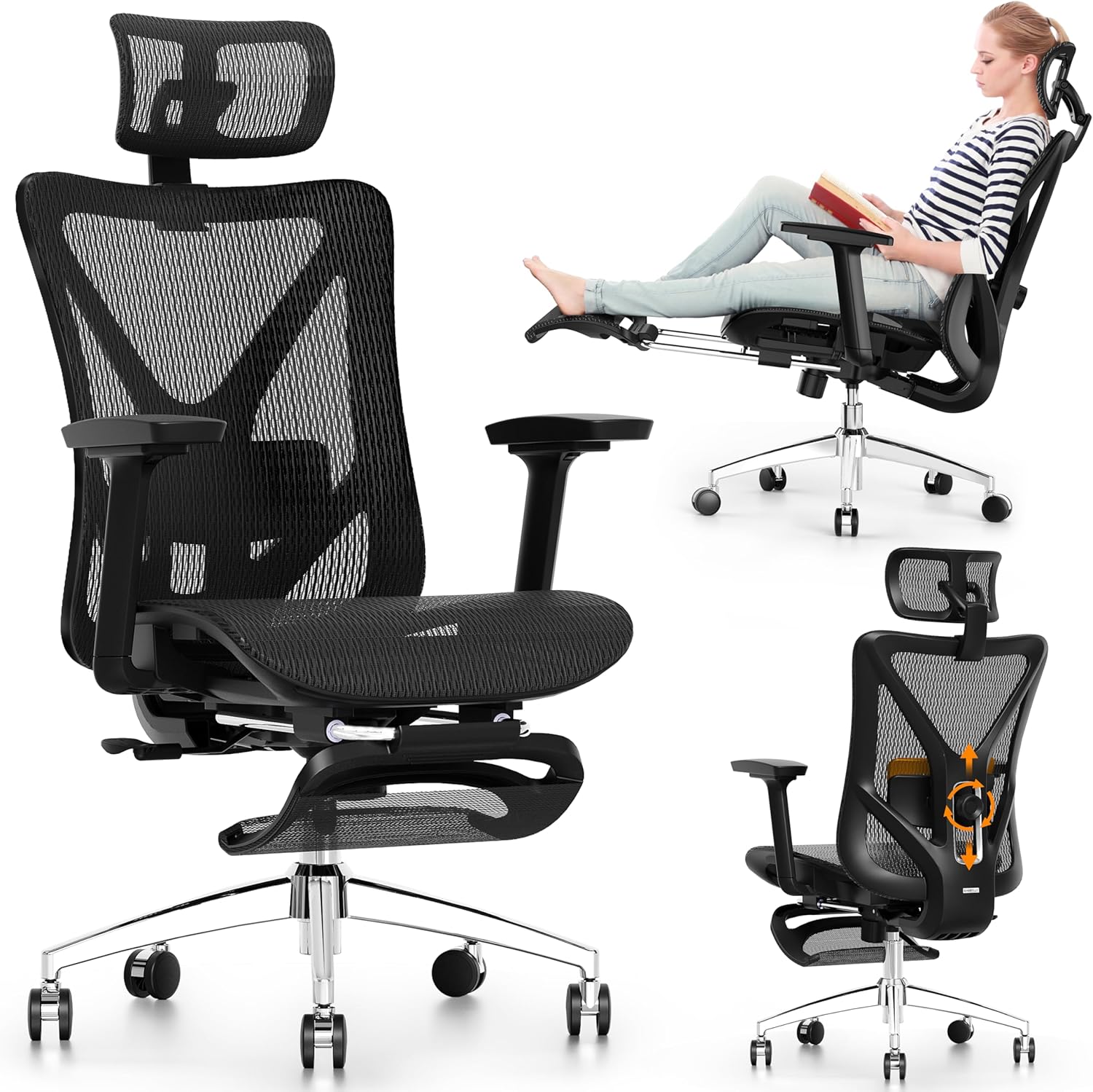
Choosing an office chair might seem like a simple task, but if you’ve ever spent countless hours parked at a desk, you know it’s anything but. This guide cuts through the marketing speak surrounding feature-rich ergonomic chairs – specifically those boasting a footrest, 135° recline, adjustable lumbar support, 3D armrests, a headrest, and a heavy-duty steel base designed for up to 300 pounds. We’re here to help you figure out if this specific type of desk chair truly offers the value you need or if some of those bells and whistles are just, well, bells and whistles you won’t use.
Quick Answer
For many putting in long hours, a robust ergonomic office chair with a full suite of adjustments like adjustable lumbar support, 3D armrests, and a proper headrest can be a game-changer for comfort and long-term posture. The integrated footrest and deep recline found in models like the heavy-duty mesh chair often touted are particularly compelling for those who appreciate taking micro-breaks or alternating positions throughout their workday, potentially justifying the mid-range investment.
What to Look For (The Buying Criteria)
Navigating the world of office chairs means understanding what truly matters for your body and your workflow. Don’t just pick the prettiest one. Here’s what my experience tells me you absolutely must consider, especially when eyeing a chair like our feature-packed example.
1. Ergonomics and Adjustability: Your Body’s Best Friend
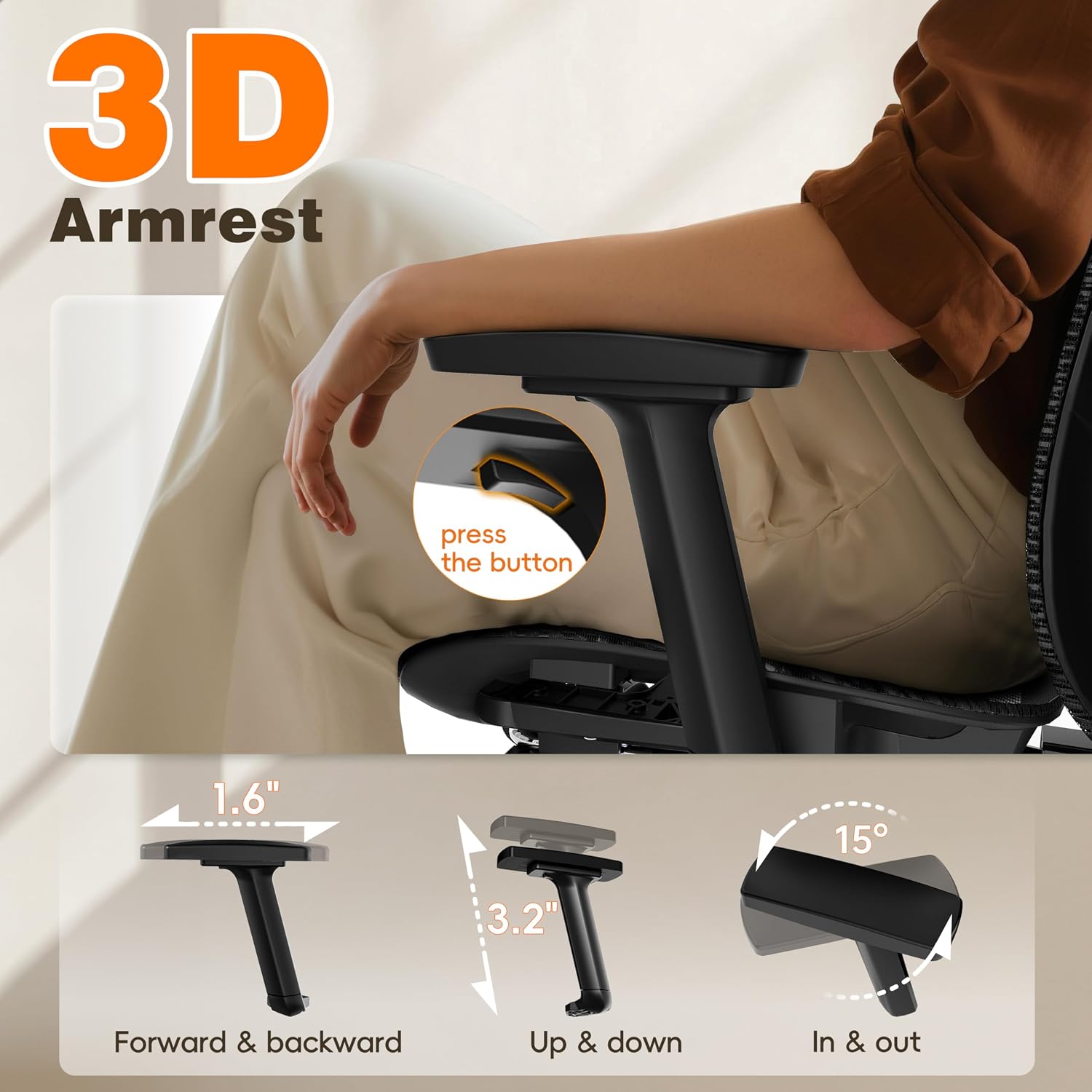
When we talk “ergonomic,” we’re really talking about adjustability – how much you can tailor the chair to your unique shape. A good ergonomic chair isn’t just a label; it’s a toolkit for comfort. You need a chair that lets you adjust seat height, sure, but also seat depth (that’s crucial for leg circulation!), and especially lumbar support. Is it just a fixed hump, or can you move it up, down, in, and out? A chair with truly effective adjustable lumbar support can make all the difference in preventing lower back pain. Then there are the 3D armrests. Can they go up, down, forward, back, and pivot inward or outward? This might seem like overkill, but it ensures your arms and shoulders stay relaxed, reducing strain. The trade-off? More adjustments mean more moving parts, which can sometimes lead to more things to loosen or break over time on a budget model.
2. The Recline Factor: Is 135° Enough?
A chair that reclines to 135 degrees is pretty common for models aimed at comfort and relaxation during breaks. This depth of recline is excellent for taking pressure off your spine and can be really nice for those moments when you step away from the keyboard to read a document or just decompress. It’s not quite a full lay-flat experience, but it’s a significant lean back. For some, a deeper recline might be overkill, perhaps even impractical in a professional office setting where you don’t want to look too relaxed. For a home office setup, however, that 135° recline with an integrated footrest? Pure bliss for a power nap or a quick stretch. Just remember to use the recline lock properly; you don’t want to accidentally tip back mid-email.
3. Integrated Footrest: Novelty or Necessity?
This is one of those features that really splits people. A built-in footrest offers a convenient way to elevate your legs, promoting better circulation and helping you shift positions. For anyone who sits for really long stretches, or finds themselves slouching to compensate for tired legs, it’s a huge bonus. It turns your standard desk chair into a bit of a lounge. But here’s the thing: they aren’t always super sturdy on more budget-friendly chairs, and if you’re particularly tall, the extension might not be far enough to provide proper support. Also, some folks just prefer a standalone ottoman they can kick away easily. Think about how often you’d truly use it. If it’s a once-a-week thing, maybe it’s not worth the extra cost.
4. Material Quality and Durability: Mesh, Leather, or Fabric?
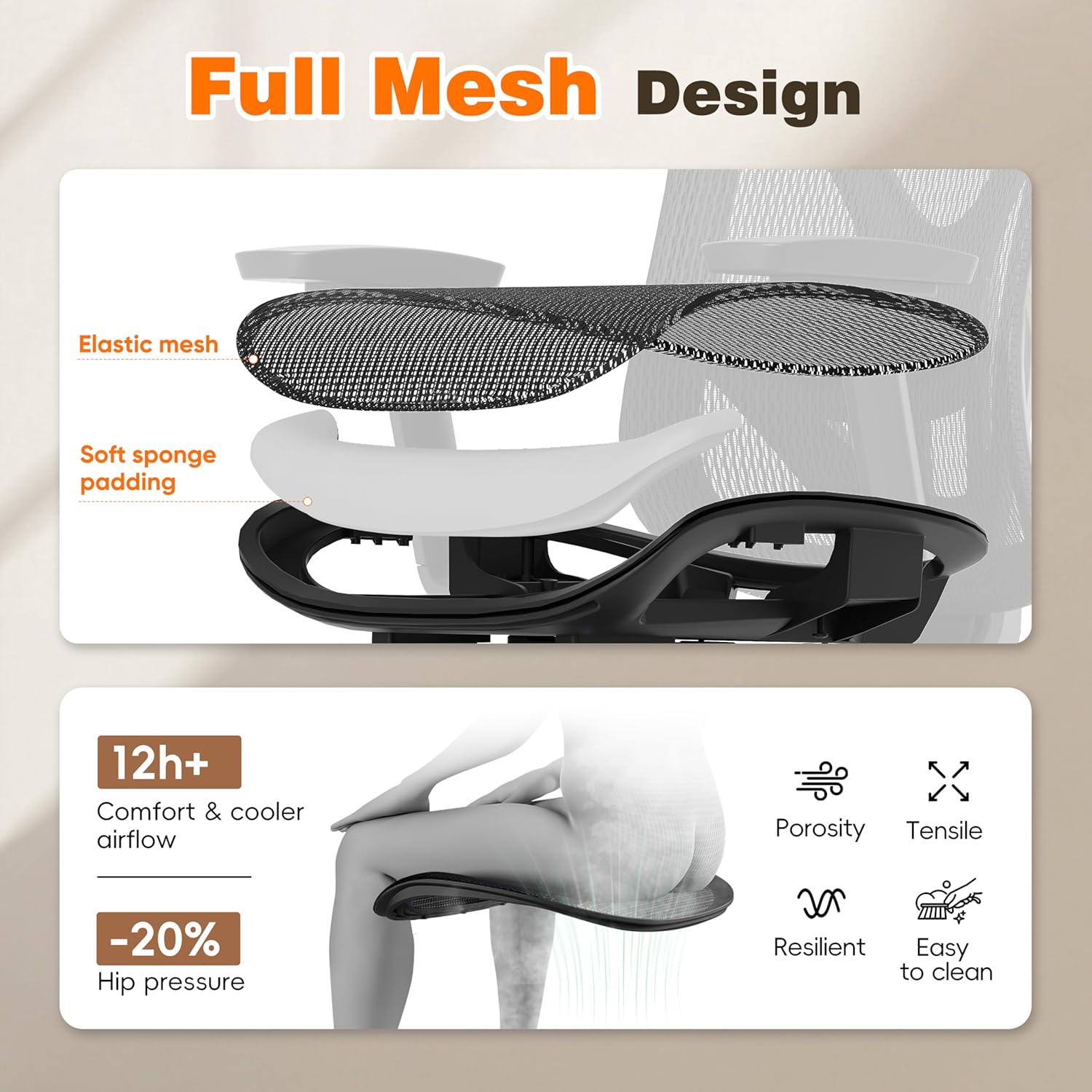
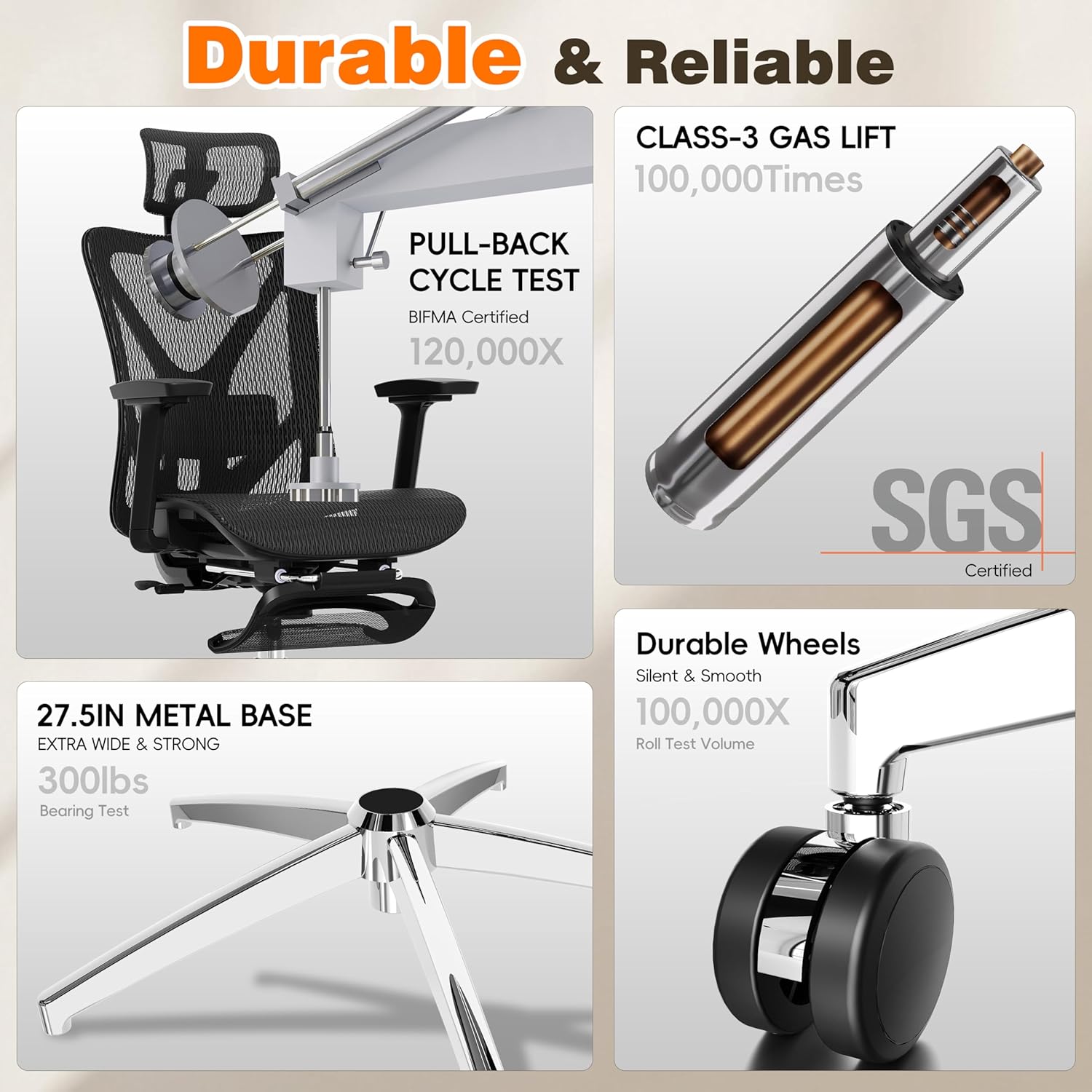
Our example chair features mesh. Good mesh chairs are fantastic for breathability, preventing that dreaded sticky back situation after hours of sitting. High-quality mesh is also surprisingly supportive and contours well to your body. Look for dense, multi-layered mesh rather than thin, cheap stuff that stretches out and sags quickly. A heavy-duty chair also needs to be built to last, especially with that 300lbs capacity. This means a robust frame (often a large steel base as specified here), sturdy casters, and solid adjustment mechanisms. Cheaper chairs often cut corners on internal components – the pneumatic cylinder, the recline mechanism – and those are exactly the parts that fail first. A solid construction might mean a heavier chair, making it less nimble to move around the room.
5. Headrest: Support or Nuisance?
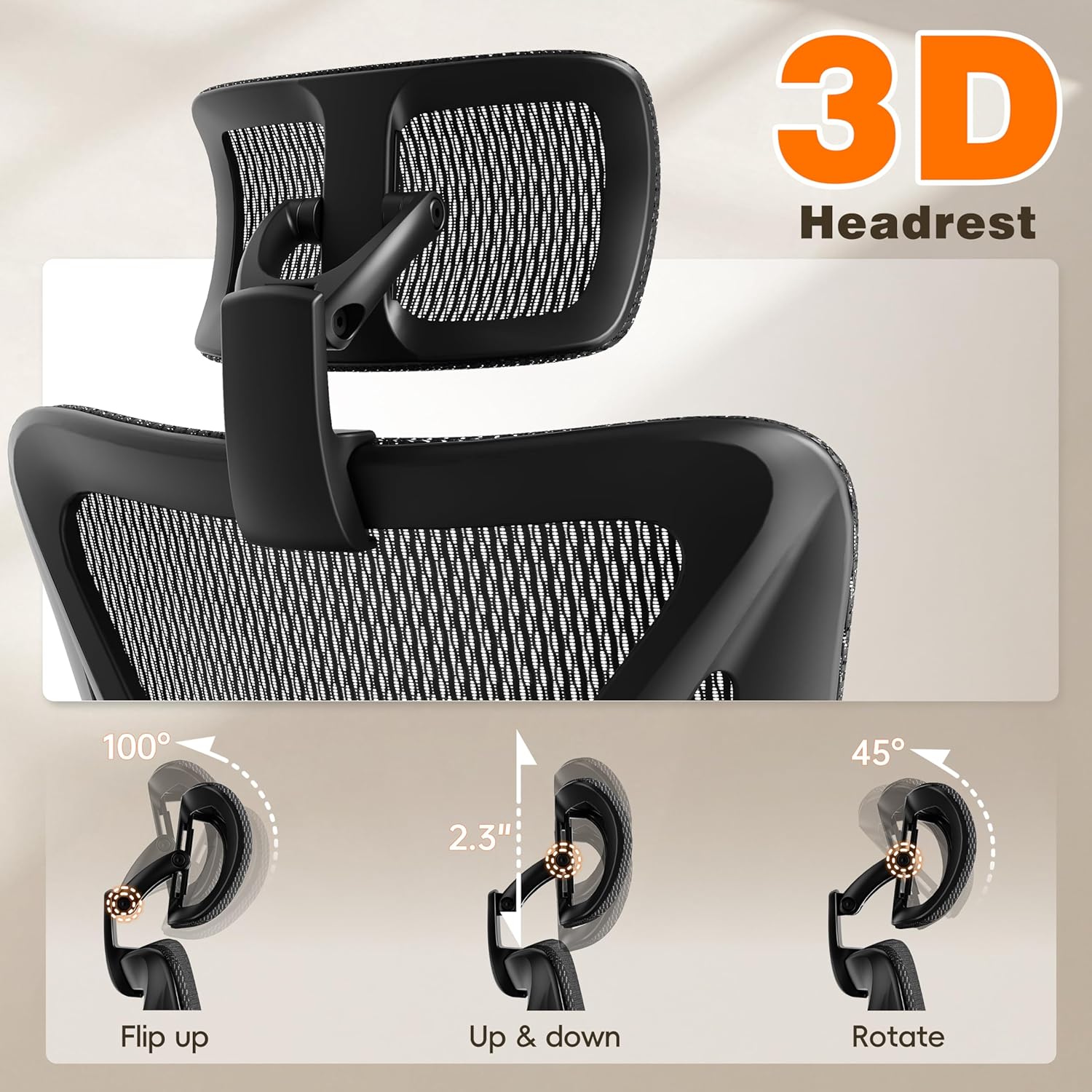
A good headrest supports your neck and head, crucial for relieving tension, especially when reclining. The best ones are adjustable, allowing you to move them up, down, and sometimes tilt them to cradle your head just right. The downside? If it’s not adjustable, or if it’s poorly positioned for your height, it can push your head forward uncomfortably, forcing bad posture. Some people, particularly those with shorter torsos, find fixed headrests a real nuisance, making them feel like their head is being pushed forward. So, an adjustable headrest is almost always preferable to a fixed one.
6. Weight Capacity & Base: Don’t Skimp on Safety
A 300LBS heavy-duty mesh chair isn’t just for larger individuals. It often indicates a stronger overall build quality, a more robust gas lift, and a more stable steel base. This translates to better durability for everyone. Don’t overlook the base itself. A large steel base offers superior stability compared to plastic alternatives, reducing wobble and giving you peace of mind, especially when reclining or using the footrest. The only real drawback? Steel is heavier, so assembly might be a bit more of a chore, and moving the chair around the room could be more cumbersome.
How to Match the Product to Your Situation
Finding the right office chair is about understanding you and your day. Let’s think about a few scenarios.
The All-Day Desk Jockey: You clock 8+ hours, maybe more. You’re constantly at the screen, and good posture is non-negotiable for avoiding aches and pains. For you, an ergonomic chair like our full-featured example is a strong contender. The adjustable lumbar support, 3D armrests, and proper headrest will be your best friends. That 135° recline with a footrest? Perfect for brief mental breaks, allowing your spine to decompress. You need a chair that works with you, not against you, through endless spreadsheets and video calls.
The Hybrid Worker / Occasional User: You split your time between the office and home, or maybe you only spend a few hours at your home desk a couple of days a week. Do you really need every single bell and whistle? Perhaps not. While the comfort is nice, you might find a slightly simpler ergonomic chair – maybe one without the integrated footrest or quite as deep a recline – perfectly sufficient and more budget-friendly. You still need solid lumbar and arm support, but the extreme flexibility might be overkill if you’re not deeply entrenched in it every single day.
The Gamer / Content Creator: Your chair isn’t just for work; it’s your throne for marathon gaming sessions or video editing. Comfort for long stretches, yes, but also the ability to kick back and relax is key. The 135° recline and integrated footrest on a heavy-duty chair could be a dream for you. You want something that can transition from focused work to relaxed entertainment without missing a beat. The robust build quality also means it can handle those enthusiastic lean-backs when a game gets intense.
Product Type Comparison: Which Seat’s Right for You?
| Type/Tier | Best For | Price Tier | Key Feature | Watch-Out |
|---|---|---|---|---|
| Basic Task Chair | Short bursts of work, occasional use | Entry-level | Simple height adjustment, basic swivel | Limited support, won’t hold up to long sitting |
| Mid-Range Ergonomic Chair | Daily use, home office, focused tasks | Mid-range | Adjustable lumbar, decent armrests, some recline | Footrest often an add-on, material quality varies |
| Premium Ergonomic Workhorse | 8+ hour days, posture-critical users | Upper Mid-range | Full adjustability, high-quality materials, footrest/headrest | Can be a significant investment, complex adjustments |
| Specialized Gaming Chair | Gamers, streamers, aggressive styling | Mid to Premium | Deep recline, high back, often includes footrest | Ergonomics sometimes secondary to aesthetic |
Basic task chairs are fine for the kids’ homework desk, but they won’t cut it for serious work. A mid-range ergonomic chair gives you the essential adjustments, proving a solid upgrade for most people working from home. For truly long stints or if you have specific back concerns, that premium ergonomic workhorse with all the bells and whistles – like our heavy-duty mesh chair example – really starts to make sense for the comprehensive support it offers. Specialized gaming chairs, while often having deep recline and footrests, don’t always prioritize the nuanced ergonomic adjustments needed for precise, long-term healthy posture.
Scenario-Specific Seating Solutions
For the Marathon Session Worker:
If you’re someone who often finds themselves glued to their screen for hours on end, breaking only for a quick coffee or bathroom run, then a chair like the full-featured ergonomic office chair with footrest is practically a necessity. You need a setup that allows for micro-adjustments throughout the day to prevent stiffness and strain. That 135° recline paired with the footrest allows you to actually shift your body position, giving your spine and legs a break without having to get up entirely. Think about it: a quick lean back, elevate the feet, reset, and you’re ready for the next sprint. Anything less, and you’ll find yourself fidgeting, slouching, or just plain uncomfortable.
For the Space-Conscious Apartment Dweller:
Sometimes you want all the features, but your living situation dictates limits. A heavy-duty chair, especially with a large steel base, takes up a certain footprint. While the features are appealing, you need to consider if the chair, with its extended footrest and potential recline, fits comfortably in your designated workspace without making the room feel cramped. Does it roll easily over your rug? Can you pull it in close enough to your desk without the armrests hitting? Sometimes a more compact, though still ergonomic, option might be a smarter choice, even if it means sacrificing that footrest or deepest recline. Functionality shouldn’t impede flow.
For the User Prioritizing Longevity and Investment:
If you’re viewing your chair as a long-term investment, something you don’t want to replace every couple of years, then focusing on a heavy-duty mesh chair with a steel base makes a lot of sense. Cheaper chairs often fail at the gas lift or develop wobbly armrests quickly. A robust construction, rated for higher weights, usually signals higher quality components throughout. You’re not just buying features; you’re buying resilience. It might cost a bit more upfront, but the reduced need for replacement and the consistent comfort over years often makes it the more economical choice in the long run. There’s a reason this category keeps showing up in conversation — it solves a real annoyance.
Common Mistakes Buyers Make
- Ignoring Weight Capacity: Just because you don’t hit the 300LBS limit doesn’t mean it’s irrelevant. A heavy-duty chair rating often indicates a more robust build, stronger components, and better durability for any user. Skimping here often means premature wear and tear, especially on the gas lift and base.
- Forgetting to Measure: Both yourself and your space! Does the chair’s height range work with your desk? Will your feet be flat on the floor? Is the headrest positioned correctly for your height? Does the overall footprint, especially with the footrest extended and the chair reclined, fit comfortably in your room?
- Prioritizing Looks Over Function: It’s easy to fall for a sleek design. But a beautiful chair that leaves you with a sore back after an hour is a bad purchase. Always, always prioritize the adjustability and support first. The aesthetics can come second. A comfortable chair you can actually work in for hours is far more appealing than a pretty one you hate sitting on.
- Assuming “Ergonomic” Means “Perfect Fit”: The term “ergonomic” is thrown around a lot. It doesn’t guarantee a chair will be perfect for you. It just means it can be adjusted. You still need to ensure your body measurements align with the chair’s adjustment ranges. A tall person might find a headrest too low; a shorter person might find the seat too deep.
Why/How/What
Why invest in a heavy-duty ergonomic office chair with a footrest?
You invest in it for your long-term health and productivity. The combination of comprehensive ergonomic adjustments, a supportive recline, and a convenient footrest allows for dynamic sitting, reducing the static load on your spine and muscles. This isn’t just about comfort; it’s about minimizing the cumulative strain of sitting for hours, potentially preventing chronic pain and improving your focus throughout the workday.
How do 3D armrests make a difference in daily use?
3D armrests are crucial because they let you truly support your forearms and elbows, no matter your body shape or the task at hand. This subtle support takes pressure off your shoulders and neck. Whether you’re typing, using a mouse, or leaning back, you can position the armrests to keep your shoulders relaxed, which is a small but significant factor in preventing upper body tension.
What should you look for in a mesh chair’s breathability?
For a mesh chair, you want to ensure the mesh isn’t just aesthetic but functional for breathability. Look for a dense, tightly woven, multi-layer mesh that still allows air circulation. Thin, loosely woven mesh might feel breathable initially, but it often stretches, sags, and loses its supportive qualities quickly, becoming less effective over time.
Key Takeaways
Choosing a feature-rich ergonomic office chair, especially one with an integrated footrest and deep recline, boils down to your specific needs and how much you value long-term comfort and flexibility in your working posture. For dedicated desk workers, the comprehensive adjustments like robust lumbar support, 3D armrests, and a proper headrest truly deliver on the “ergonomic” promise, making those extended hours far more tolerable. The footrest and recline are fantastic for those who appreciate dynamic sitting and micro-breaks. While these chairs represent a mid-to-upper-range investment, their heavy-duty build and extensive feature set often translate to better durability and sustained comfort compared to simpler models. Don’t be swayed by every single feature if you won’t use it, but for serious use, the comprehensive support of a heavy-duty mesh chair can be a smart, health-conscious choice.
FAQ
Q: Is a mesh chair really better for long hours than leather or fabric?
A: For many, yes. The primary benefit of a mesh chair is its breathability, which helps prevent heat buildup and sweating during long sitting sessions. While leather can be luxurious and fabric can be cozy, neither typically offers the same level of ventilation, making mesh a strong contender for comfort in warmer environments or for individuals prone to overheating.
Q: My current chair’s armrests are fixed. How much of an upgrade are 3D armrests, honestly?
A: A significant one, for sure. Fixed armrests often force your shoulders into uncomfortable positions or don’t allow you to get close enough to your desk. 3D armrests, with their ability to adjust height, depth, and pivot, allow you to properly support your forearms, relieving strain on your neck and shoulders, which is a massive win for ergonomics.
Q: Can a 135° recline replace a separate lounge chair for quick breaks?
A: It definitely can for short, restorative breaks right at your desk. The 135° recline paired with an integrated footrest offers a comfortable, semi-reclined position that takes pressure off your spine. While it won’t replace a full-on sofa, it’s remarkably effective for power naps, stretching, or simply decompressing between tasks without leaving your workspace.
Q: What’s the main benefit of a large steel base over a plastic one?
A: The main benefit of a large steel base is superior durability and stability. Steel is inherently stronger and less prone to cracking or breaking than plastic, especially under a heavier load or with vigorous use. This means your heavy-duty chair will remain stable and safe for much longer, giving you peace of mind and better overall support.
Q: Do I really need a headrest if I don’t lean back often?
A: Even if you don’t recline frequently, a properly positioned headrest provides crucial support for your neck and head during those moments you do lean back, even slightly, or when you’re just taking a moment to think. It helps to prevent forward head posture and can alleviate neck tension. An adjustable headrest is always the most versatile choice, allowing you to tailor its position.
Q: Are chairs rated for 300LBS only for bigger individuals?
A: Not at all! While they accommodate heavier users, a heavy-duty chair rated for 300LBS typically signifies a more robust construction overall. This means a stronger gas lift, a sturdier frame, and higher-quality components that will generally last longer and perform better for any user, regardless of their weight. It’s often an indicator of enhanced durability and stability.
Q: How important is seat depth adjustment for good ergonomics?
A: Extremely important. Seat depth adjustment ensures that the chair supports your thighs without putting pressure behind your knees. If the seat is too deep, it can cut off circulation; if too shallow, you lose thigh support. Proper adjustment allows you to maintain good posture and circulation, preventing leg numbness and discomfort.
Final Recommendation
When it comes down to it, an ergonomic office chair with footrest, deep recline, adjustable lumbar support, 3D armrests, headrest, and a heavy-duty steel base isn’t for everyone. But for those putting in serious hours at their desk – whether for work, creative pursuits, or gaming – the investment in a chair like this pays dividends in comfort, long-term health, and sheer productivity. If your current setup leaves you stiff, fidgety, or outright sore, this kind of feature-rich desk chair offers a holistic solution.
For anyone committed to improving their long-term sitting experience, especially if you find yourself needing to stretch or take micro-breaks at your desk, this model delivers on its promises. It offers a sophisticated level of support and flexibility that simpler chairs just can’t match, ultimately creating a more sustainable and enjoyable workspace.
#Ergonomic #Office #Chair #Footrest #Reclining #Desk #Chair #Adjustable #Lumbar #Support3D #ArmrestHeadrest #Large #Steel #Base #300LBS #Heavy #Duty #Mesh #Chair