The Real Deal on Cast Iron Skillets: Is a Premium Pan Truly Worth It?
Anyone looking to upgrade their kitchen or dive deeper into serious cooking will eventually eyeball a cast iron skillet. They’re the workhorses of the culinary world, famed for their incredible heat retention and indestructible nature. This guide cuts through the noise, particularly zeroing in on high-end options like the Stargazer 12-Inch Cast Iron Skillet, to help you figure out if shelling out more cash actually makes sense for your cooking style and how it stacks up against more budget-friendly picks. We’re talking value, functionality, and whether those extra dollars really cook up a better meal.
Quick Answer
A premium cast iron skillet like the Stargazer 12-Inch offers significant advantages in finish, handle design, and lighter weight compared to its budget counterparts. While an affordable skillet can get the job done, the enhanced usability and smoother cooking surface of a high-end pan often justify the investment for dedicated cooks seeking a more refined experience and easier maintenance in the long run.
What to Look For (The Buying Criteria)
Choosing the right cast iron skillet isn’t just about grabbing the first heavy pan you see. There’s a surprising amount of nuance, and a few key factors truly differentiate the good from the… well, the merely adequate. Trust me, I’ve seen people spend way too much on features they never use, or worse, skimp on something they’ll regret every single time they cook.
1. The Cooking Surface: Smoothness is King, But Also a Trade-Off
Traditional, budget-friendly cast iron skillets often come with a somewhat pebbly, textured cooking surface. This isn’t inherently bad; that texture helps seasoning adhere during manufacturing and eventually smooths out over time with proper use. But it can make the initial seasoning process feel a bit more finicky, and delicate foods, like an omelet, might stick a bit more stubbornly in the early days.
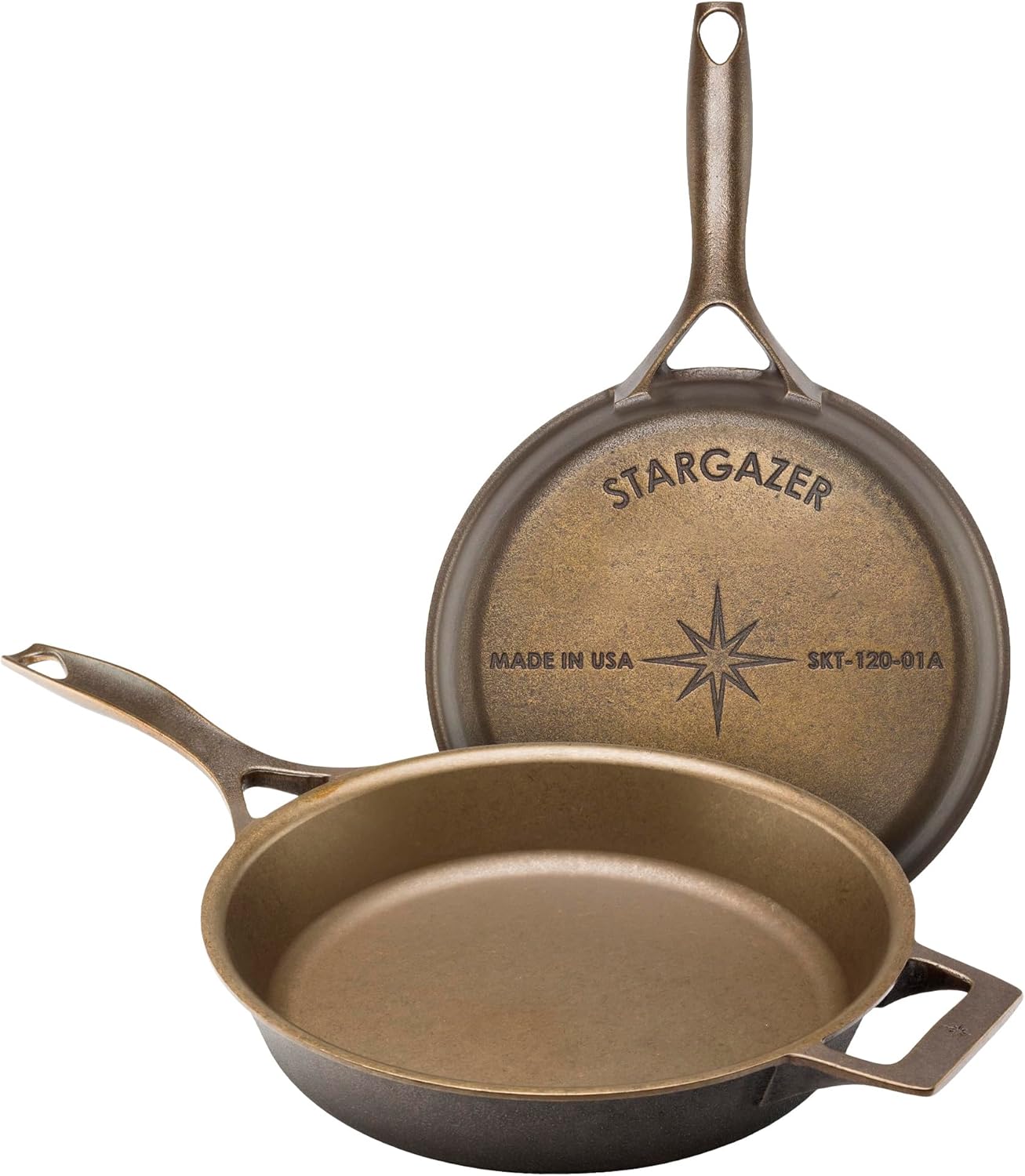
Premium options, like the Stargazer 12-Inch Cast Iron Skillet, typically boast a much smoother, sometimes machined or polished, cooking surface right out of the box. This smooth finish drastically reduces sticking, making cleanup easier and initial seasoning more effective. It also helps with even heat distribution across the bottom. The catch? That machining adds to the production cost. You’re paying for that immediate gratification, that less-frustrating break-in period. And a super-smooth surface can be slightly more prone to rust if you’re not diligent about drying it immediately after washing.
2. Weight and Balance: A Surprising Deciding Factor
Cast iron is heavy. That’s a given. But how heavy, and how that weight is distributed, matters a lot. A clunky, unbalanced pan can be a pain to move from stovetop to oven, or even just to flip food effectively. Many budget skillets tend to be thicker and therefore heavier, which is great for heat retention but less so for your wrist.
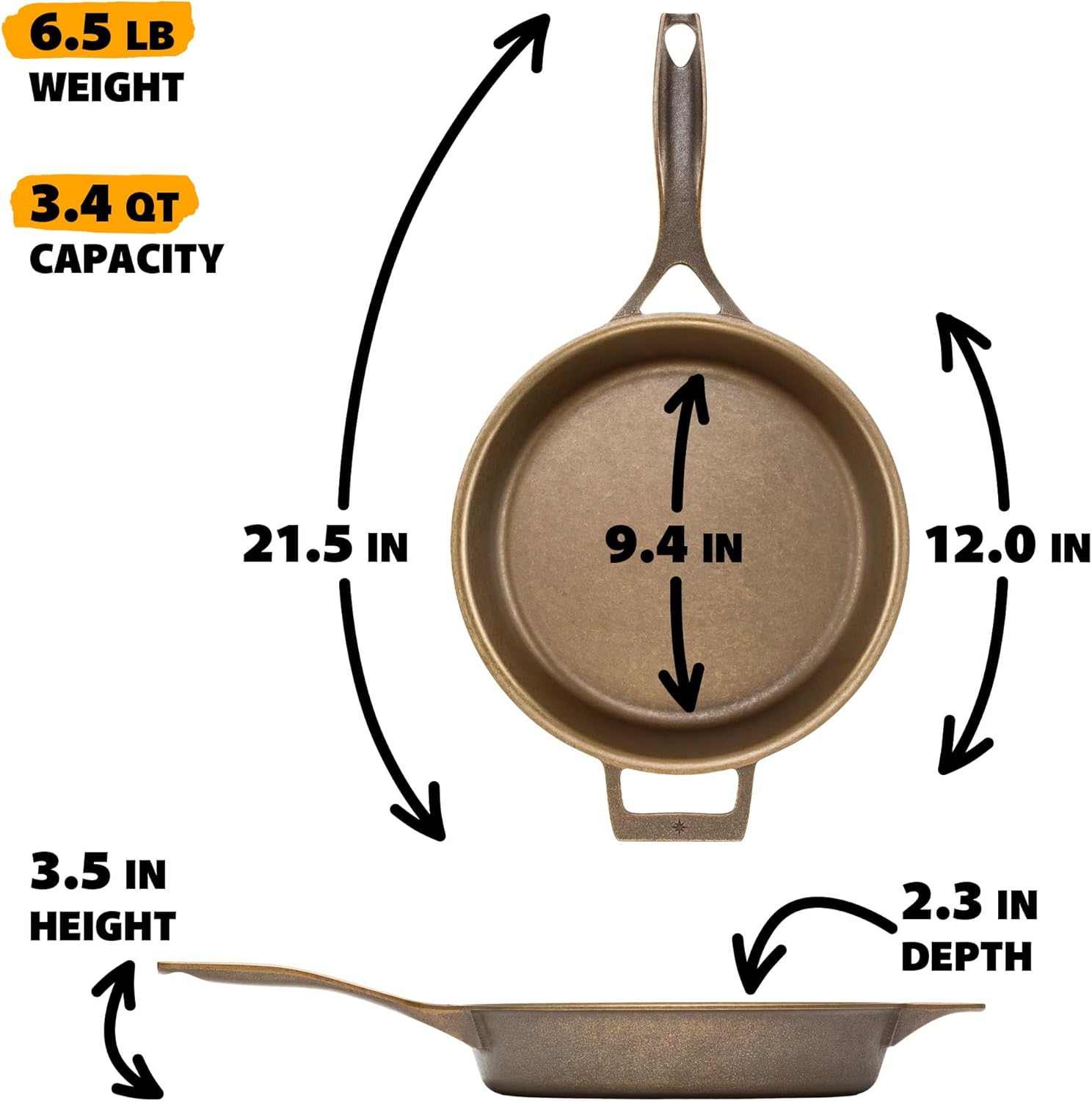
Higher-end pans often manage to be surprisingly lighter for their size or, at least, feature a more ergonomic design. The Stargazer 12-Inch Cast Iron Skillet, for example, is known for striking a better balance, often feeling less cumbersome despite its robust build. They achieve this by using thinner, yet still incredibly strong, castings. You lose a tiny bit of heat retention compared to a super-thick slab of iron, but you gain a whole lot in usability. For someone who cooks with cast iron frequently, this difference is palpable. It’s not just about lifting; it’s about control.
3. Handle Design and Ergonomics: Don’t Underestimate the Grip
Honestly, this is where many cheaper cast iron pans truly fall short. Their handles are often short, thin, and prone to getting searingly hot very quickly. You’ll need a pot holder every single time you touch it. Annoying.
Premium skillets put a lot more thought into the handle. The Stargazer is a prime example, often featuring a longer, more substantial handle with a design that aims to dissipate heat more effectively or simply provide a better, more secure grip. Some also include a helper handle, which is a lifesaver for larger, heavier pans when you’re moving them full of food. Is it a dealbreaker if a handle isn’t perfect? Maybe not. But it’s a constant, small frustration that adds up over years of cooking. And yes, even a well-designed cast iron handle will get hot. It’s metal. But a good design buys you a few more seconds before you need a towel.
4. Factory Seasoning: A Head Start, Not a Finish Line
Most cast iron skillet models today, even budget ones, come pre-seasoned from the factory. This means they’ve been treated with a layer of oil that’s been baked on, creating a nascent non-stick surface and protecting against rust. It’s a huge convenience.
However, the quality and durability of that factory seasoning vary wildly. A cheaper pan’s initial seasoning might be thin and chip off easily, requiring you to re-season it almost immediately. A premium pan, like the Stargazer, generally comes with a more robust, often multi-layer factory seasoning that gives you a much better head start. It’s not maintenance-free, mind you. You’ll still need to build on it, but you’re beginning from a stronger foundation. Think of it as painting a room: one coat barely covers it, but two good coats look much better and last longer.
5. Pour Spouts: A Small Detail With Big Impact
Pouring off bacon grease or pan sauces from a heavy skillet can be messy. Really messy. Good pour spouts—often two, on opposite sides for left- and right-handed users—are a small but incredibly practical feature. They make draining liquids clean and controlled.
Some budget skillets have rudimentary spouts that just make a bigger mess. Others skip them entirely. Premium options like the Stargazer 12-Inch Cast Iron Skillet usually feature well-designed, deep pour spouts that actually work. It seems trivial, but try carefully pouring a liter of hot oil without a good spout. You’ll understand.
6. Country of Origin: Quality and Ethics
Many budget cast iron skillet options are produced overseas, often with less stringent quality control and potentially less oversight on labor practices. While many of these pans are perfectly functional, some buyers prefer to support domestic manufacturing.
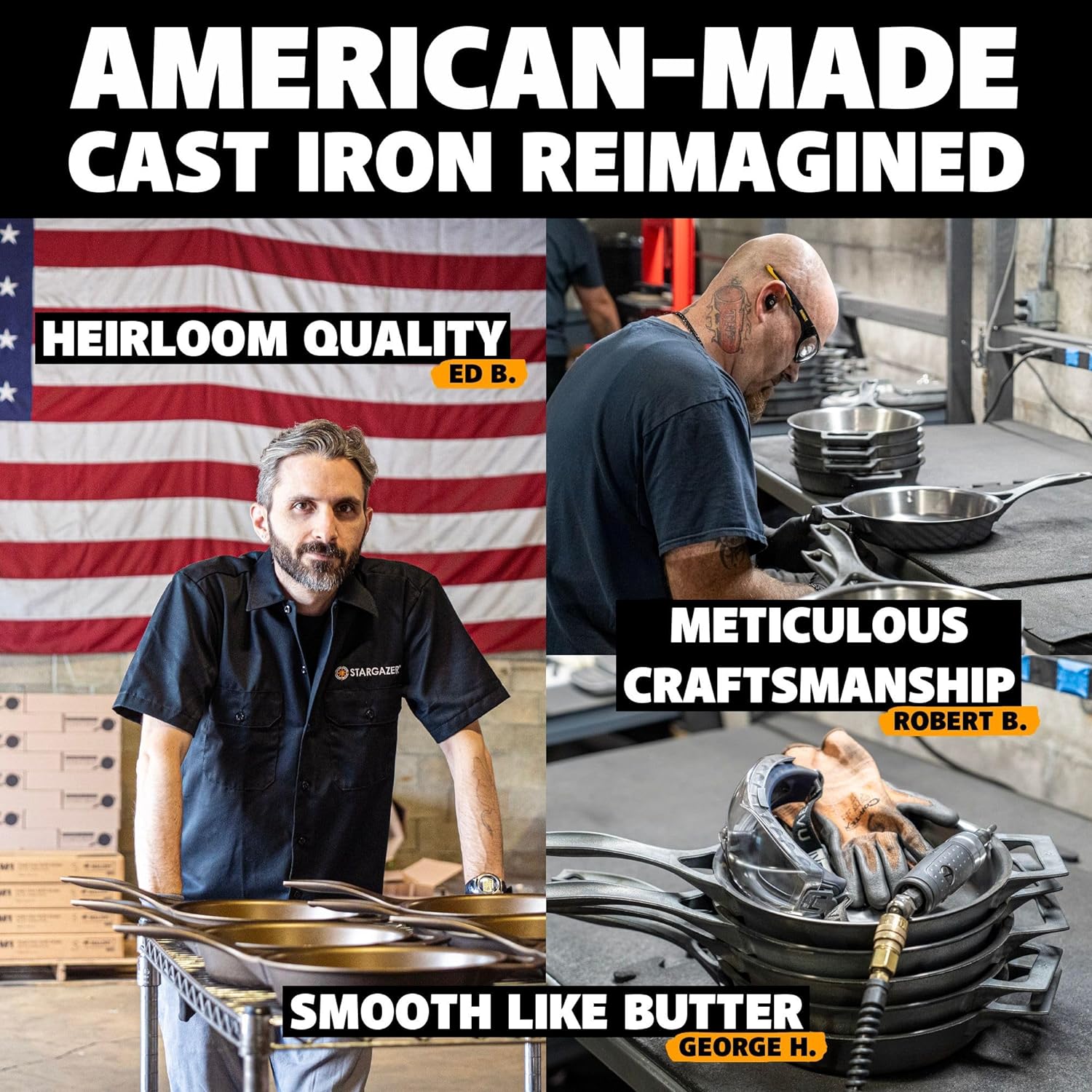
Brands like Stargazer take pride in being Made in USA, which often translates to higher material standards, more meticulous finishing, and often, a higher price tag. This isn’t just about patriotism; it can also speak to tighter tolerances and a more consistent product. It’s a personal consideration, for sure. But for some, knowing where and how their cookware is made is a critical part of the purchase decision. And for the record, domestic manufacturing tends to be pricier. No getting around that.
How to Match the Product to Your Situation
Finding the right cast iron skillet isn’t a one-size-fits-all thing. Your cooking habits, budget, and even your patience level play a huge role. Let’s break down a few common scenarios.
The Everyday Enthusiast
You love to cook, you’re in the kitchen a few nights a week, and you appreciate good tools. You’re comfortable with basic cast iron maintenance, maybe you’ve had a cheap pan before and found it a bit lacking. You’re looking for something that performs reliably, makes cooking more enjoyable, and feels substantial.
For you, a premium cast iron skillet like the Stargazer 12-Inch Cast Iron Skillet is likely a solid investment. Its smoother cooking surface, ergonomic handle, and superior factory seasoning will make your regular cooking routine less frustrating and more rewarding. You’ll appreciate the quicker non-stick buildup and the overall craftsmanship. It’s a justifiable upgrade that truly enhances the experience without going overboard.
The Budget-Conscious Beginner
You’re curious about cast iron, heard all the hype, but you’re not ready to commit serious money. Maybe you cook occasionally, or you’re just learning the ropes of seasoning and maintenance. You need a functional pan that won’t break the bank, allowing you to experiment without feeling buyer’s remorse if it doesn’t become your daily driver.
A standard, budget-friendly skillet is your best bet here. You won’t get the same refined finish or ergonomic niceties, but it will still provide the core benefits of cast iron: searing, durability, and heat retention. You’ll learn the ins and outs of seasoning, likely through trial and error, which is part of the journey. If you fall in love with cast iron, you can always upgrade later. And hey, you’ll have a backup pan.
The “Heirloom” Hunter
You’re not just buying a pan; you’re investing in a piece of cookware that will last generations. You care deeply about quality, craftsmanship, and potentially, supporting specific manufacturing values. You’re willing to pay for what you perceive as the best cast iron skillet and want something that feels truly special.
If this sounds like you, then a high-end option like the Stargazer 12-Inch Cast Iron Skillet fits perfectly. Its Made in USA heritage, attention to detail, and premium finish align with the desire for a lasting, well-crafted item. You’ll appreciate the thought put into every aspect, from the smooth cooking surface to the pour spouts. It’s not just about cooking; it’s about the story and the legacy.
| Type/Tier | Best For | Price Tier | Key Feature | Watch-Out |
|---|---|---|---|---|
| Basic (e.g., Lodge cast iron) | Everyday cooking, beginners, utility use | Budget-friendly | Unbeatable value, solid heat retention | Rougher finish, heavier, less ergonomic handle |
| Mid-Range (e.g., Cuisinart, some smaller brands) | Balanced performance, good for regular cooks | Mid-range | Improved finish, often lighter than basic | Still might lack premium ergonomics or seasoning |
| Premium (e.g., Stargazer 12-Inch, Finex cast iron) | Dedicated cooks, heirloom quality, refined experience | Premium | Smooth cooking surface, ergonomic design, often Made in USA | Higher initial investment, may require specific care |
- Basic cast iron skillet models provide incredible utility for the price, making them a default choice for many homes and a durable option for anything from camping to baking cornbread.
- Mid-range options bridge the gap, offering some creature comforts and a slightly better finish without demanding the top-tier investment, appealing to those who cook regularly but aren’t obsessed with every detail.
- Premium cast iron skillet brands like the Stargazer 12-Inch Cast Iron Skillet truly stand out with their meticulous craftsmanship, user-friendly designs, and smooth cooking surfaces, making them a joy to use for those who prioritize a superior culinary experience.
Searing Steaks and Roasting Veggies
This is where a cast iron skillet truly shines. The ability to achieve incredibly high temperatures and maintain them consistently is unparalleled. When you’re searing a steak, you need that sustained heat to get a beautiful, deep crust. A heavier, denser pan will hold onto that heat better, preventing the temperature from dropping too much when you add the cold meat.
The Stargazer 12-Inch Cast Iron Skillet excels here. Its design, while aiming for a lighter feel, doesn’t compromise on the thermal mass needed for a killer sear. The smooth surface also helps achieve more uniform contact with the food, leading to better crust development. It’s an advantage, especially if you’re into reverse searing or pan-roasting.
For Baking and Oven Use
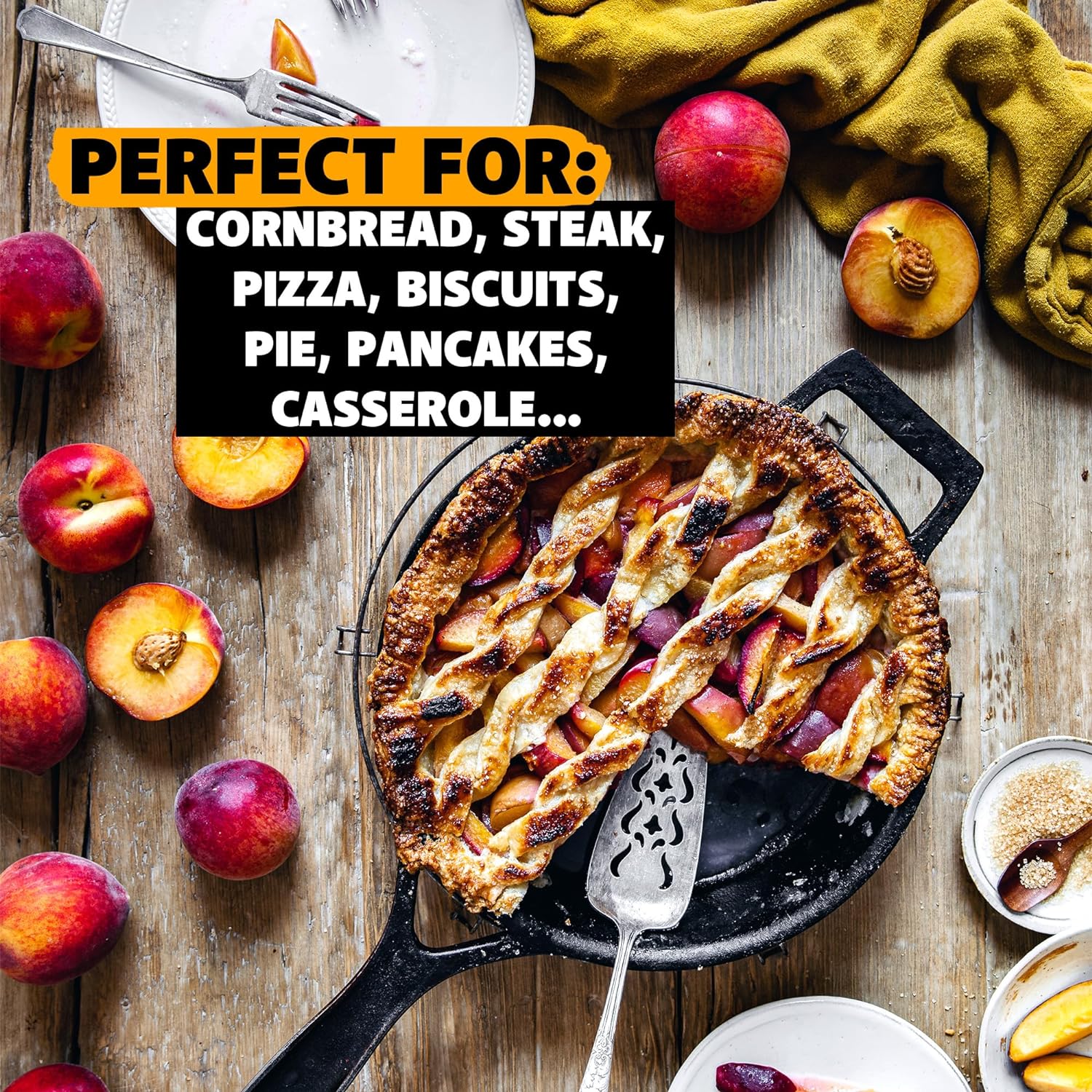
Many people forget that a cast iron skillet isn’t just for the stovetop. It’s oven-safe, making it fantastic for things like cornbread, deep-dish pizza, or even a frittata that starts on the stove and finishes under the broiler. The pan’s material ensures even cooking throughout.
The key here, especially for bigger bakes, is a helper handle. Carrying a heavy 12-inch skillet full of bubbling food from a hot oven is a two-handed job, no matter how strong you think you are. So, look for that extra grip if oven work is a frequent occurrence for you. The Stargazer, with its well-thought-out design, often includes this.
Everyday Frying and Sauteing
This is the bread and butter for most home cooks. Frying eggs, sautéing vegetables, browning ground meat. For these tasks, a smoother surface can make a surprising difference. Ever tried to scramble eggs in a rough-textured pan that hasn’t fully developed its seasoning? It’s a sticky mess.
A pan like the Stargazer 12-Inch Cast Iron Skillet, with its factory-smooth finish, significantly reduces the initial frustration of break-in. It means you get to that desirable non-stick quality faster, making everyday meals less of a chore. If you’re using your skillet daily, those small efficiencies really add up.
Common Mistakes Buyers Make
Even with all the glowing reviews and advice out there, folks still manage to stumble when buying or using cast iron skillets. It’s not rocket science, but there are a few persistent myths and errors.
- Thinking “Pre-Seasoned” Means “Non-Stick Out of the Box”: While most cast iron skillet models come with a factory seasoning, it’s a starting point, not the finish line. That initial layer protects the pan during shipping and provides a base, but it’s rarely sufficient for true non-stick performance from day one. You must continue to build up the seasoning through cooking with fats and proper care. Getting frustrated when your eggs stick after one use is a common rookie mistake.
- Over-Scrubbing or Using Harsh Soaps: This one’s a classic. Many people are terrified of using any soap, which isn’t true—a little mild dish soap won’t strip well-established seasoning. The real mistake is using abrasive scrubbers (like steel wool, unless you intend to re-season) or harsh detergents that will strip your hard-earned seasoning. Hot water, a stiff brush or chain mail scrubber, and a bit of mild soap are usually all you need.
- Neglecting to Dry Thoroughly: Water is the enemy of cast iron. Left to air dry, even for a short time, cast iron will rust. And quickly. After washing, always place your skillet on a burner over low heat for a few minutes until it’s completely dry. Then, wipe it with a thin layer of cooking oil. This simple step prevents rust and helps maintain the seasoning. Seriously, don’t skip it.
- Cooking Only Acidic Foods Initially: High-acid foods (like tomato sauces or vinegar-based dishes) can strip away new seasoning. If you’re just starting out with a new pan, especially a budget one with thinner factory seasoning, focus on cooking fatty foods like bacon, fried chicken, or even just sautéing vegetables in oil. Build up that seasoning first. Once it’s robust, occasional acidic cooking is fine, but it will always be harder on the seasoning than neutral foods.
Why is the Stargazer 12-Inch Cast Iron Skillet considered a premium option?
It’s really about the meticulous craftsmanship and user experience. The Stargazer 12-Inch Cast Iron Skillet focuses on a super smooth cooking surface, which significantly reduces the break-in period and makes it inherently less sticky from the start. They also put a lot of thought into the handle ergonomics and overall weight balance, which makes a big difference in daily use. Plus, the Made in USA aspect resonates with many who value domestic manufacturing quality.
How do I properly care for a premium cast iron skillet to maintain its smooth cooking surface?
The same basic rules apply as for any cast iron, but with a smooth surface, maintenance feels a bit more rewarding. After cooking, let it cool slightly, then wash with hot water and a stiff brush or sponge—mild soap is fine. Dry it immediately on the stove over low heat until completely evaporated. Then, with a paper towel, apply a very thin layer of high smoke point oil (like grapeseed or flaxseed) over the entire cooking surface and wipe off any excess. Buff it until it looks dry; you’re not trying to create a greasy layer.
What are the key differences between a “seasoned” and a “raw” cast iron skillet?
A “raw” or “unseasoned” cast iron skillet comes with no factory oil treatment, meaning it’s just bare metal. It must be seasoned by the user before its first use to prevent rust and create a non-stick surface. A “seasoned” or “pre-seasoned” skillet, like the Stargazer 12-Inch Cast Iron Skillet, has had a layer of oil baked onto it by the manufacturer. It gives you a head start, though you’ll still need to build on that initial seasoning with use. Most people these days opt for pre-seasoned for convenience.
FAQ
How do I get my cast iron skillet truly non-stick?
It takes time and consistent use. Cook frequently with fats, avoid high-acid foods when it’s new, and always dry and apply a thin layer of oil after each wash. Patience is key.
Can I use soap on my cast iron skillet?
Yes, mild dish soap is generally fine on a well-seasoned pan. The old advice about no soap dates back to when lye-based soaps were common and would strip seasoning. Modern soaps are much gentler.
Is a 12-inch cast iron skillet the right size for a family of four?
A 12-inch skillet is often considered the most versatile size for many households, easily handling meals for 2-4 people. It’s big enough for a whole chicken or several steaks, but not too unwieldy.
What’s the best oil for seasoning a cast iron skillet?
High smoke point oils like grapeseed, flaxseed, canola, or vegetable oil are all good choices. Flaxseed oil builds a particularly hard, durable seasoning, though it can be a bit more finicky to apply correctly.
Can a cast iron skillet be used on induction cooktops?
Absolutely. Cast iron is ferromagnetic, meaning it works perfectly with induction cooktops, providing excellent heat transfer. Just be aware of its weight, which can scratch delicate surfaces.
My cast iron skillet has rust! Can I fix it?
Don’t panic. Minor rust can usually be scrubbed off with a stiff brush or steel wool. After removing the rust, thoroughly wash, dry, and then immediately re-season the pan. For heavy rust, you might need a more aggressive approach, but most pans are salvageable.
What are the main benefits of a cast iron skillet over other frying pans?
Durability, superior heat retention, ability to go from stovetop to oven, and the potential to build a naturally non-stick surface without synthetic coatings are the big ones. They last a lifetime, or several.
Final Recommendation
So, is a premium cast iron skillet like the Stargazer 12-Inch Cast Iron Skillet actually worth the extra dough? For the average, infrequent cook, probably not. A basic lodge cast iron pan will get the job done and last forever for a fraction of the cost. You’ll build up its seasoning, get comfortable with the maintenance, and enjoy all the fundamental benefits.
However, for the committed home chef, the culinary enthusiast, or anyone who just appreciates using well-designed tools, the answer is a resounding yes. The smoother cooking surface, better ergonomics, and overall refined feel of a premium pan make a tangible difference in daily use. It’s about a more pleasant experience, less frustration, and a quicker path to that coveted non-stick perfection. If you cook with cast iron regularly, if you enjoy the process, or if you’re looking for a true heirloom piece that feels made in USA with care, then the enhanced usability and aesthetic appeal of something like the Stargazer make it a worthwhile investment. It’s not just a pan; it’s an upgrade to your entire cooking ritual.
#Stargazer #12Inch #Cast #Iron #Skillet #USA #Seasoned #Premium #Frying #Pan #Grilling #Searing #Baking #Durable #Cast #Iron #Smooth #Cooking #Surface