Decoding the Media Console: Is That Premium Walnut Base Really Worth It?
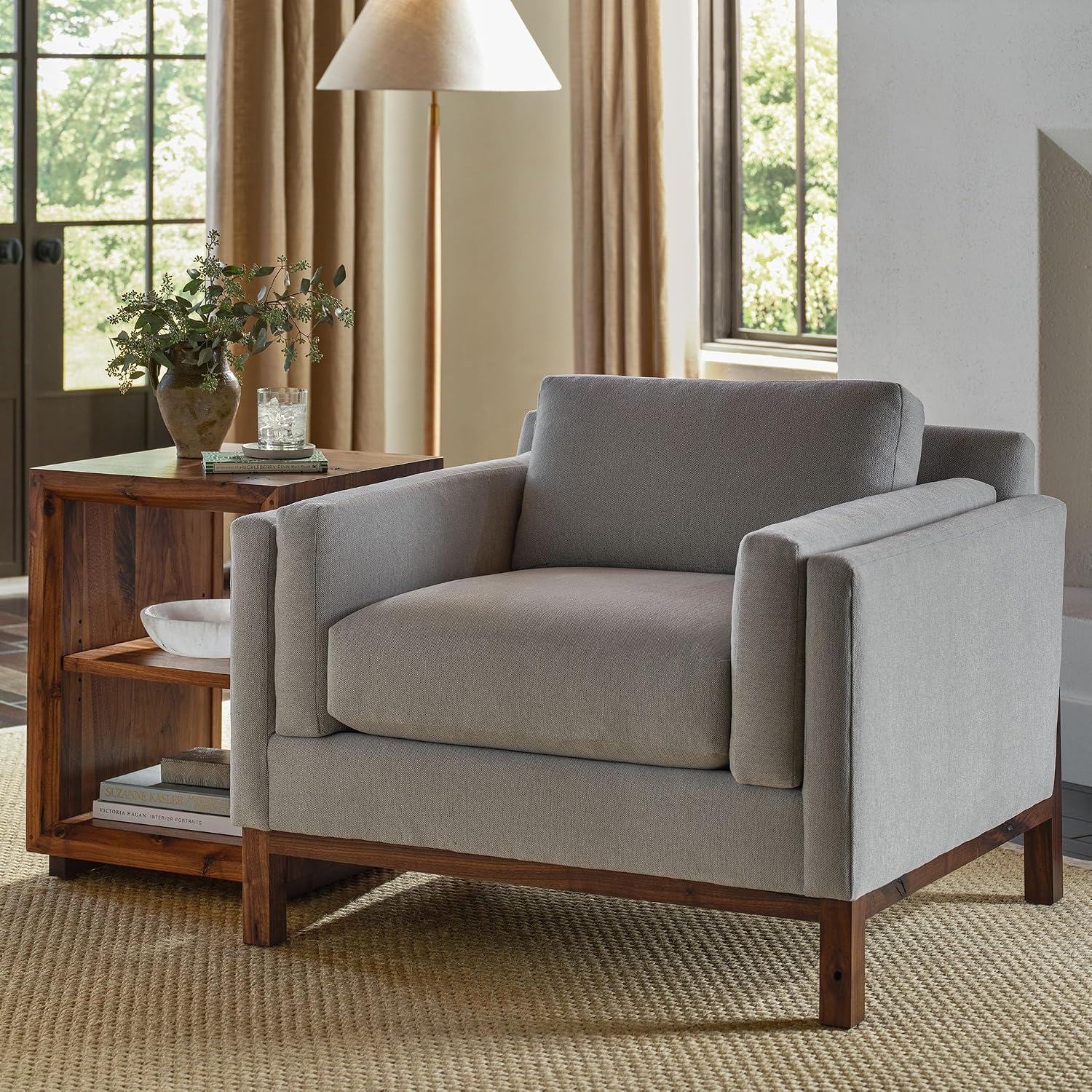
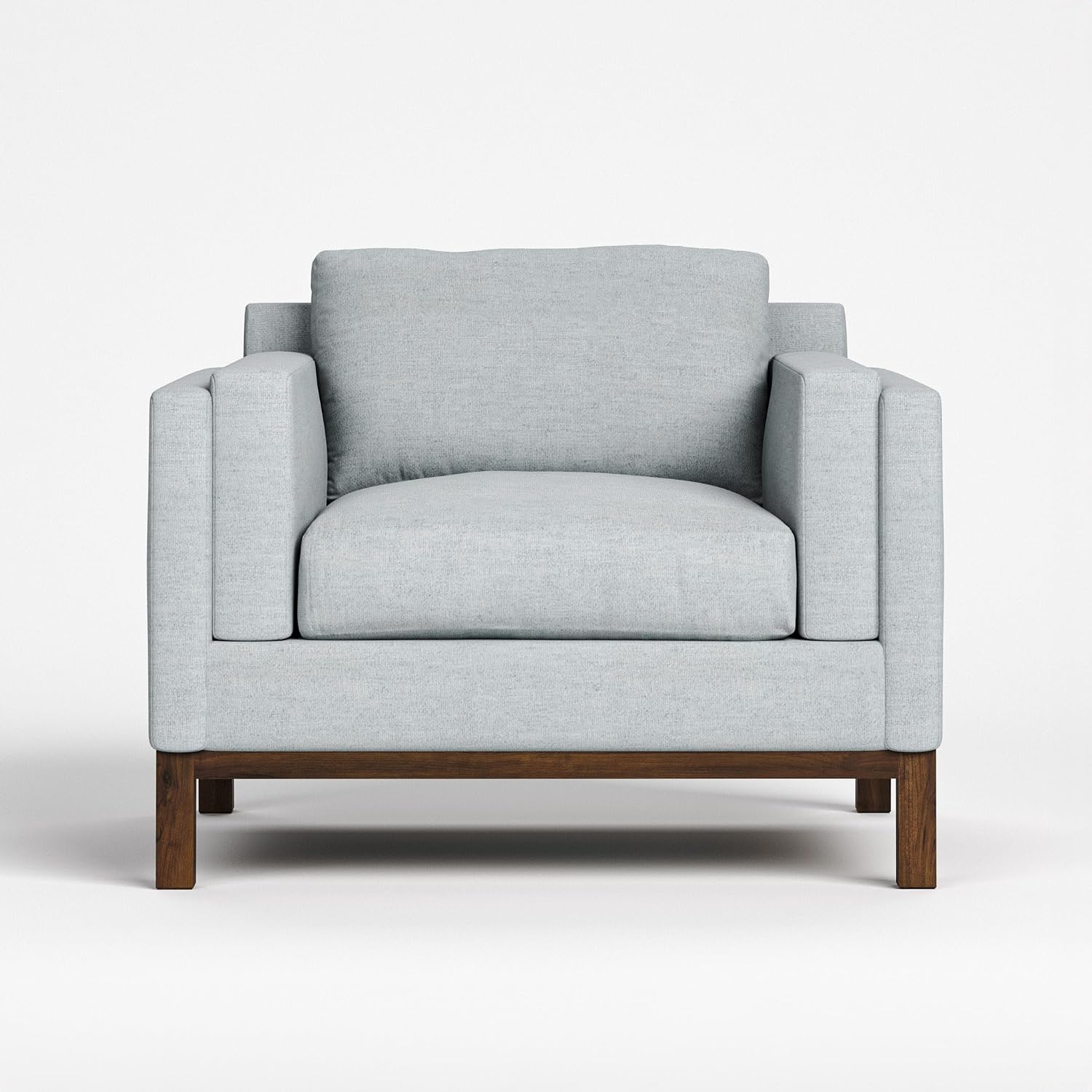
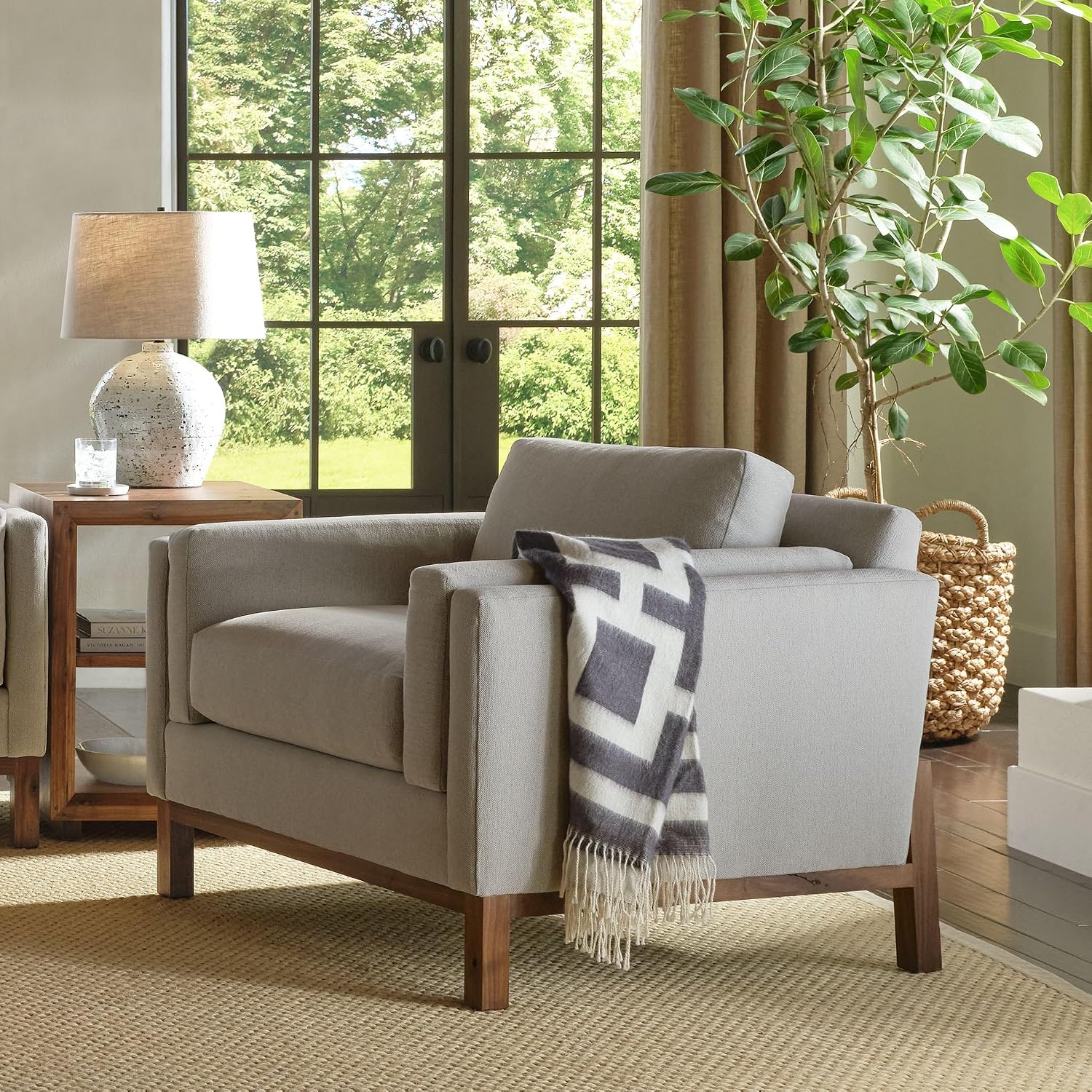
Picking out a media console isn’t just about finding a place for your TV. No, this guide aims to cut through the marketing fluff, helping savvy shoppers like you find a truly reliable, well-built piece that fits your life and lasts. We’re going to dig into what makes a media console a solid investment, echoing the kind of thoughtful craftsmanship you’d expect from something like a Saranac Chair with its solid rustic walnut base and sustainable construction. It’s about getting real value for your hard-earned money, not just buying another box.
Quick Answer
A premium media console is often worth the added expense if you prioritize longevity, superior materials like solid walnut, thoughtful design, and robust functionality, especially for a central piece of your living space. Budget-friendly options can get the job done, but they rarely offer the enduring appeal or structural integrity of higher-tier hardwood furniture built to last. It’s all about balancing immediate cost with long-term satisfaction.
What to Look For (The Buying Criteria)
Alright, so you’re ready to plunk down some cash for a new entertainment center. Before you do, let’s talk about what actually matters. This isn’t just a stand; it’s furniture. It should feel like it belongs, right? And it needs to hold up.
Material Quality & Durability
First up, what’s this thing made of? This is probably the biggest differentiator between a temporary fix and a piece you’ll keep for years, maybe even pass down. You’ll see a lot of particle board or MDF (medium-density fiberboard) out there. And look, sometimes that’s all your budget allows, and that’s fine. But these materials, while cheaper, just don’t have the same resilience. They scratch easier. They chip. Water marks? Forget about it. They swell.
Then there’s veneered wood. Better. It’s a thin layer of real wood over a core, often particle board or MDF. It looks like real wood, initially. But the veneer can peel, warp, or get damaged, revealing the less attractive core beneath. It’s a step up, but it’s not the gold standard.
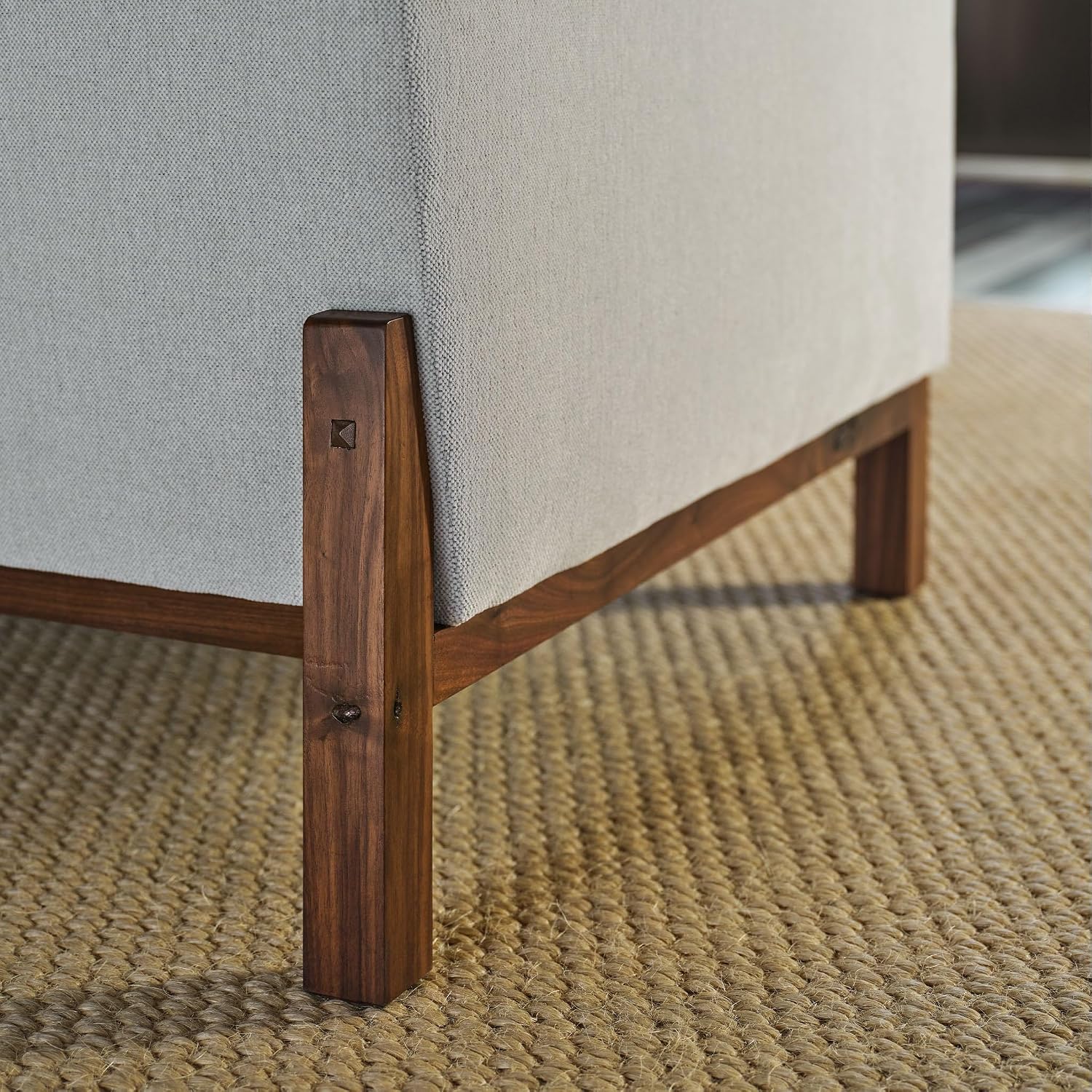
The top tier? Solid hardwood furniture. Think solid walnut, oak, maple. This is where you get true longevity. It’s heavier, more resistant to dings and dents, and can often be repaired or refinished if it takes a knock. Like that Saranac Chair built with its sturdy base, a solid wood console offers undeniable stability. Yes, it costs more, sometimes significantly more. That’s the trade-off. You’re paying for strength, for beauty that lasts, for the actual material. But you won’t be replacing it in a couple of years.
Design Aesthetics & Integration
Your media console isn’t an island; it’s part of your room’s narrative. Does it blend in seamlessly, or does it scream “I was an afterthought”? Consider your existing décor. Are you leaning into a mid-century modern vibe? Or something more akin to a rustic design, maybe with those distinct square legs found on a Saranac? The console should complement, not clash.
Think about its presence. Do you want it to be a focal point, a piece of craftsmanship that draws the eye? Or just a functional backdrop? Some folks love a sleek, low-profile floating media console. Others want something substantial, imposing. A solid walnut piece, for instance, naturally brings a certain warmth and richness to a space that cheaper materials just can’t replicate. The finish matters too. A natural oil finish will age differently, developing a patina, compared to a heavily lacquered surface. Sometimes, a console with strong design principles might limit your placement options later on, but that’s the price of a bold statement.
Functionality & Storage Solutions
What are you actually putting in this thing? Beyond the TV, obviously. Are we talking about a soundbar, a game console, a streaming box, a receiver, vinyl records? All of it? How much storage solutions do you need?
Look for ample space. Adjustable shelves are a lifesaver. You’ll want to think about the depth too; some receivers can be quite deep. Then there’s cable management. Oh, the dreaded cables. Nothing ruins a clean look faster than a spaghetti monster behind your TV. Good consoles will have cutouts in the back panel, sometimes even channels or clips to route cables neatly. Without proper thought here, you’re setting yourself up for future frustration trying to keep things tidy. Some units skimp on the little things, like proper holes for cables, which can be incredibly annoying down the road.
Size & Scale
This seems obvious, right? Measure your space. Measure your TV. But people mess this up all the time. A console that’s too short for your huge flat screen looks goofy. Too long, and it overwhelms a smaller wall. General rule of thumb: your console should be at least as wide as your TV, if not a bit wider. This creates a balanced look.
And the height? Eye-level when you’re seated. You don’t want to crane your neck up or stare down at your screen. Consider the console’s depth, especially in narrower rooms. A bulky unit can make a small space feel even more cramped. Sometimes a smaller footprint means sacrificing storage, and you gotta decide which is more critical for your situation.
Construction & Craftsmanship
This isn’t just about what materials are used, but how they’re put together. Are we talking flimsy cam-locks and wood glue, or proper joinery like dovetails or mortise and tenon? The latter is a hallmark of quality and is often found in Made in USA furniture, where attention to detail and traditional techniques are valued. This level of craftsmanship ensures the piece holds together, stays stable, and bears weight without sagging or wobbling. Think of it like the sewn-in pillows on a Saranac Chair — it’s a sign of thoughtful, durable construction.
Cheaper pieces often rely on fast assembly methods that simply don’t hold up to moving, shifting, or the weight of your gear. It might save you a few bucks upfront, or even make assembly “easier,” but you’re trading long-term stability for immediate convenience. You know what I mean.
Sustainability & Ethical Sourcing
For a growing number of us, it’s not just about the look or the price tag; it’s about impact. Is the wood sustainably harvested? Are the manufacturing processes environmentally friendly? The concept of sustainable construction isn’t just for buildings; it applies to furniture too. Look for certifications if you want to be sure, or brands that clearly state their commitment to responsible sourcing.
Many premium furniture makers are transparent about where their wood comes from, even using recycled or reclaimed materials. This often comes with a higher price, reflecting the ethical practices and sometimes the unique character of reclaimed wood. It’s a choice, a value proposition, but it’s a factor worth considering if you care about your footprint.
How to Match the Product to Your Situation
Okay, so you know the specs. Now, who are you? Your needs dictate the right console.
The Minimalist Techie
You like clean lines. Clutter is your enemy. You probably have a soundbar, a thin game console, and maybe a small streaming device. You need a media console that offers impeccable cable management, perhaps some discrete ventilation, and not much else. Less is more. A sleek, wall-mounted floating media console often appeals here, or a simple, open-shelved TV stand that barely makes a statement. You don’t need massive drawers for DVD collections you don’t own.
The Family Entertainment Hub
Your living room is Grand Central Station. Kids, pets, friends, all converge here for movie nights, gaming marathons, or just background noise. You need durability. Something that can withstand a few bumps, maybe even a crayon mark or two. Easy-to-clean surfaces are key. You also need serious storage solutions for games, movies, controllers, and maybe even some toys. Enclosed cabinets are a godsend for hiding away the mess. A sturdy, low-profile console made of hardwood furniture would be your ally, especially if it’s got a good, protective finish. And don’t forget that sustainable easy-care fabric principle from our Saranac Chair; you want something that shrugs off life’s little accidents.
The Design Aficionado
Your home is curated. Every piece tells a story. The media console isn’t just functional; it’s a statement, a reflection of your taste. You’re looking for unique design, exceptional craftsmanship, and premium materials like solid walnut. You might gravitate towards a credenza that doubles as an entertainment center, chosen not just for its tech-holding capabilities, but for its form, its finish, its unique legs, or its overall aesthetic. You’re probably willing to invest more for a piece that truly elevates your space, something that speaks to the “Made in USA” quality and intentionality of a special piece. This isn’t just about utility; it’s about art.
Media Console Tiers Compared
Navigating the market means understanding what you get at different price points. Let’s break down the common types you’ll encounter.
| Type/Tier | Best For | Price Tier | Key Feature | Watch-Out |
|---|---|---|---|---|
| Basic/Entry-Level | Temporary spaces, tight budgets, quick fixes | Budget-friendly | Simple design, minimal assembly usually | Often particle board, limited durability, low weight capacity. |
| Mid-Range/Versatile | Everyday family use, good value, renters | Mid-range | Veneered wood, better hardware, some storage | Veneer can chip or peel, assembly might be fiddly, not heirloom quality. |
| Premium/Heirloom | Long-term investment, design focus, quality priority | Premium | Solid hardwoods like rustic walnut, artisan joinery | Significant upfront investment, can be heavy to move, specific aesthetic might not fit all decors. |
| Custom/Bespoke | Unique dimensions, specific aesthetic, integrated features | High-end | Tailored to exact needs, unique materials | Long lead times, highest cost, less resale value if extremely specific. |
- Basic/Entry-Level consoles are your go-to if you just need something now and don’t expect it to last for years. They’re typically made of engineered wood products, which are budget-friendly but prone to damage.
- The Mid-Range/Versatile category steps things up with better materials, maybe some metal accents, and a bit more design flair. They offer a decent compromise between cost and quality, but understand they aren’t built for generations.
- Premium/Heirloom pieces are where you start seeing genuine artistry and materials like solid walnut or oak, constructed with traditional methods that ensure incredible stability and longevity. This is where you pay for craftsmanship that endures.
- Finally, Custom/Bespoke options give you ultimate control, perfect if you have an awkward space or a very specific vision. You’ll get exactly what you want, but it’s often the most expensive route and requires patience.
Scenario-Specific Considerations
Your actual living situation matters. A console for a studio apartment is a different beast than one for a sprawling suburban house.
Apartment Living
Space is a premium, right? You probably don’t have a dedicated home theater. A smaller footprint is critical. Consider a console that’s not just a TV stand but also offers additional storage solutions for books, decor, or even a bar setup. A floating media console can be a godsend here, keeping the floor clear and making the room feel larger. Don’t go for anything too deep; you’ll trip over it. And remember, you might be moving it. Often.
Open-Concept Homes
With an open floor plan, your entertainment center is often visible from multiple angles. This means the back of the console matters as much as the front. Look for finished backs, not just raw MDF. Cable routing should be impeccable because those cables won’t be hidden behind a wall. A console here truly becomes a room divider or a central anchor, so its design, like the rustic design of a well-chosen piece, needs to hold its own from every vantage point. Don’t compromise on the 360-degree appeal.
Dedicated Home Theaters
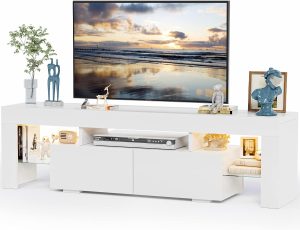
This is where the big guns come out. You’re not just housing a TV; you’ve got serious audio-visual equipment. Ventilation becomes paramount; those receivers and game consoles can generate a lot of heat. Look for consoles with open backs, perforated panels, or even integrated fans. Robust cable management isn’t just about aesthetics here; it’s about preventing signal interference and making future upgrades easier. Deeper shelves are often necessary for larger components. And sometimes, integrated lighting can be a nice touch, highlighting your equipment or creating ambiance.
Common Mistakes When Buying a Media Console
So many pitfalls! Here are a few that pop up regularly. Don’t be that person.
First, people often totally botch the size. They eye a console they like, measure the width of their TV, and think it’ll fit. But they forget the console needs to be wider than the TV for visual balance. And the height? Crucial. Staring up or down at a screen all evening is a literal pain in the neck.
Another common blunder? Underestimating storage. You think you just need space for the game console, but then you get a new soundbar, a record player, maybe some vinyl. Suddenly, your sleek new unit is overflowing. Plan for what you have, yes, but also for what you might acquire. It’s almost always more than you initially think.
Forgetting cable management and ventilation is a huge one. You might find a gorgeous console, but if it has no cutouts for cables or airflow for your electronics, you’re looking at an unsightly, overheating mess. That’s just a poor user experience. It creates headaches you really don’t need.
Finally, too many folks prioritize the absolute lowest price over material quality. They pick up a really cheap TV stand, only for it to wobble, sag, or look worn out within a year or two. Remember that Saranac Chair principle: sometimes, investing in solid rustic walnut means you buy once, and you buy well. Paying a bit more for hardwood furniture can save you money and regret in the long run.
Why, How, What About Your Media Console?
Why invest in quality?
A higher-quality media console, especially one crafted from solid walnut or other hardwoods, provides undeniable longevity and stability. It’s less likely to sag, warp, or wear out quickly compared to cheaper, engineered wood alternatives. Beyond that, a well-designed piece with good craftsmanship really elevates the aesthetic of your entire living space, turning a functional item into a focal point. It just feels better.
How to ensure good ventilation?
Effective ventilation is crucial for your electronics, preventing overheating and extending their lifespan. Look for consoles with open backs, or at least generous cutouts and channels for airflow. If you have components that run particularly hot, like a powerful receiver, consider units with perforated doors or even discreetly placed fan systems. Leave some space around components; don’t pack them in too tightly.
What about future-proofing?
Future-proofing your entertainment center involves anticipating changes in technology and your own needs. Look for adjustable shelving to accommodate different component sizes. Opt for robust cable management options that can handle more wires than you currently have. Modular designs or consoles that aren’t overly specific in their function can also adapt more easily if you decide to change your setup down the line.
Key Takeaways
So, is a premium console, say one with a solid rustic walnut base and robust sustainable construction, truly worth the extra dough? Yes, if you value longevity, genuine craftsmanship, and a piece that genuinely contributes to your home’s aesthetic rather than just holding your TV. You’re investing in something that won’t just hold your gear, but that will endure. It becomes a foundational piece, much like a good lounge chair, offering stability and style for years.
Ultimately, worth isn’t just about the dollar amount; it’s about the value it brings to your daily life, the peace of mind knowing it’s well-built, and the satisfaction of owning something thoughtfully designed.
Decision Tree
-
Do you want this media console to last for a decade or more, potentially becoming an heirloom piece?
- Yes: Lean towards Premium/Heirloom or Custom/Bespoke options made from solid hardwood furniture, like solid walnut. You’ll pay more upfront, but the durability and timeless appeal justify it.
- No: Consider Mid-Range/Versatile for good value that will last several years, or Basic/Entry-Level if it’s purely temporary.
-
Is aesthetic design and matching your existing decor (e.g., rustic design, mid-century modern) a top priority?
- Yes: Focus on Premium/Heirloom or Custom/Bespoke units with specific finishes, materials (like solid rustic walnut), and unique features (like square legs or integrated lighting).
- No: Mid-Range/Versatile options offer broader appeal and can blend into many styles, though they might not make a bold statement.
-
Do you have numerous electronic components, require extensive storage, and demand sophisticated cable management/ventilation?
- Yes: Premium/Heirloom or Custom/Bespoke consoles typically excel here, offering thoughtful storage solutions and integrated features for a truly organized entertainment center.
- No: Basic/Entry-Level or Mid-Range/Versatile options with simpler designs should suffice for basic needs and fewer devices.
-
Are you conscious of environmental impact and prioritize sustainable construction and ethical sourcing?
- Yes: Look for brands offering Premium/Heirloom or Custom/Bespoke pieces with transparent sourcing, certifications, or reclaimed materials. These often align with the values of a Saranac Chair.
- No: This factor won’t heavily influence your decision, allowing you more flexibility across price tiers.
FAQ
What’s the ideal height for a media console?
Generally, the top of your TV screen should be at or slightly below eye-level when you’re seated. This usually translates to a console height that positions the center of your TV roughly 42-45 inches from the floor, though it depends on your couch height and personal preference. Don’t go too high.
Can a media console be too long for my TV?
While a console should typically be wider than your TV for visual balance, it can be too long if it disproportionately dwarfs the screen or extends awkwardly into pathways. Aim for a console that’s 10-25% wider than your television. Balance is key.
How do I hide cables effectively?
Look for consoles with built-in cable management solutions, such as grommets, cutouts in the back panel, or internal channels. Use cable ties, sleeves, or adhesive clips to bundle and route wires cleanly along the console’s back or legs. Sometimes, a well-placed basket can hide a power strip too.
Is solid wood always the best choice?
For durability, longevity, and a classic aesthetic, solid hardwood furniture is often unmatched. It holds up better to wear and tear and can be refinished. However, it’s also heavier and significantly more expensive. For specific contemporary designs or budget constraints, high-quality veneered or engineered wood can be a perfectly acceptable option.
What’s the deal with ventilation?
Electronics, especially receivers and gaming consoles, generate heat. Without proper ventilation, this heat can build up, shorten component lifespan, and affect performance. Look for open-back designs, perforated doors, or units with space around components to allow for airflow. It’s not just a nice-to-have; it’s essential for longevity.
Should I assemble it myself or pay for assembly?
If you’re buying a basic, flat-pack unit made of engineered wood, DIY assembly is often straightforward. For mid-range to premium pieces, especially those with more complex hardware or heavier hardwood furniture components, professional assembly can save you time, frustration, and prevent potential damage. It’s often worth the modest extra cost.
Can a media console be used for other things?
Absolutely! Many consoles, particularly those designed as credenzas or with enclosed storage solutions, can double as sideboards in a dining room, storage units in a home office, or even dressers in a bedroom. Their versatility depends on their design and whether the cable management features are discreet.
Final Recommendation
When it comes down to it, for most homes seeking both functionality and enduring style, a mid-range to premium media console offers the sweet spot. If you’re building a forever home or truly appreciate the kind of lasting craftsmanship embodied by a Saranac Chair and its solid rustic walnut base, investing in a premium, solid hardwood furniture piece will pay dividends. It’ll stand the test of time, age gracefully, and genuinely enhance your living space.
However, if your budget is tighter or you’re in a temporary living situation, a well-chosen mid-range option can provide excellent value without the immediate sting of a top-tier price tag. Just be mindful of material quality and cable management shortcomings. Don’t shy away from spending a bit more on a console that looks and feels substantial. It’s an investment in your home, and frankly, in your sanity, avoiding the wobbly, cheap-looking units that just breed buyer’s remorse.
#Saranac #ChairLounge #Chair #Solid #Rustic #Walnut #Base #Sustainable #Construction #SewnIn #Pillows #Sustainable #EasyCare #Fabric #Square #Legs #USA