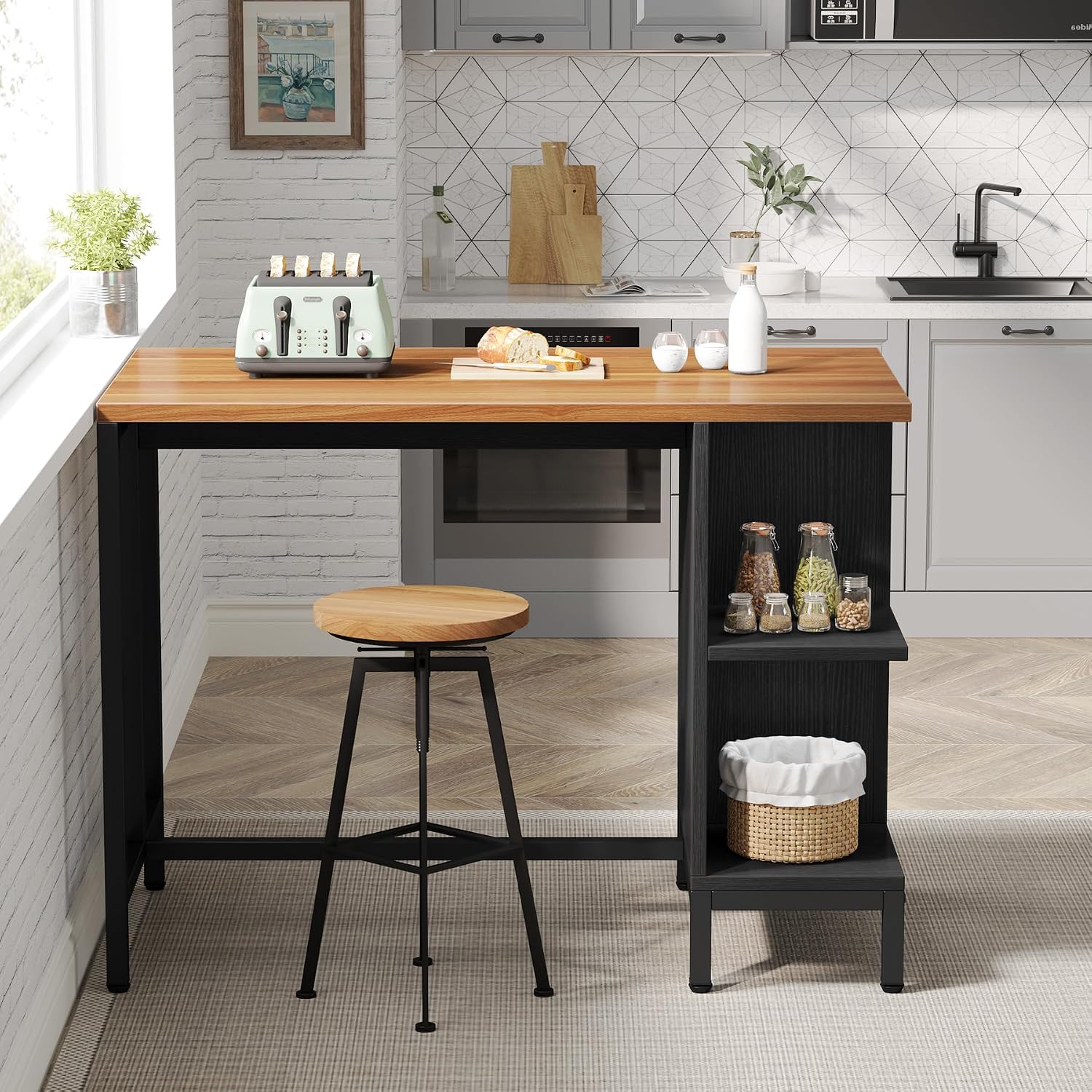
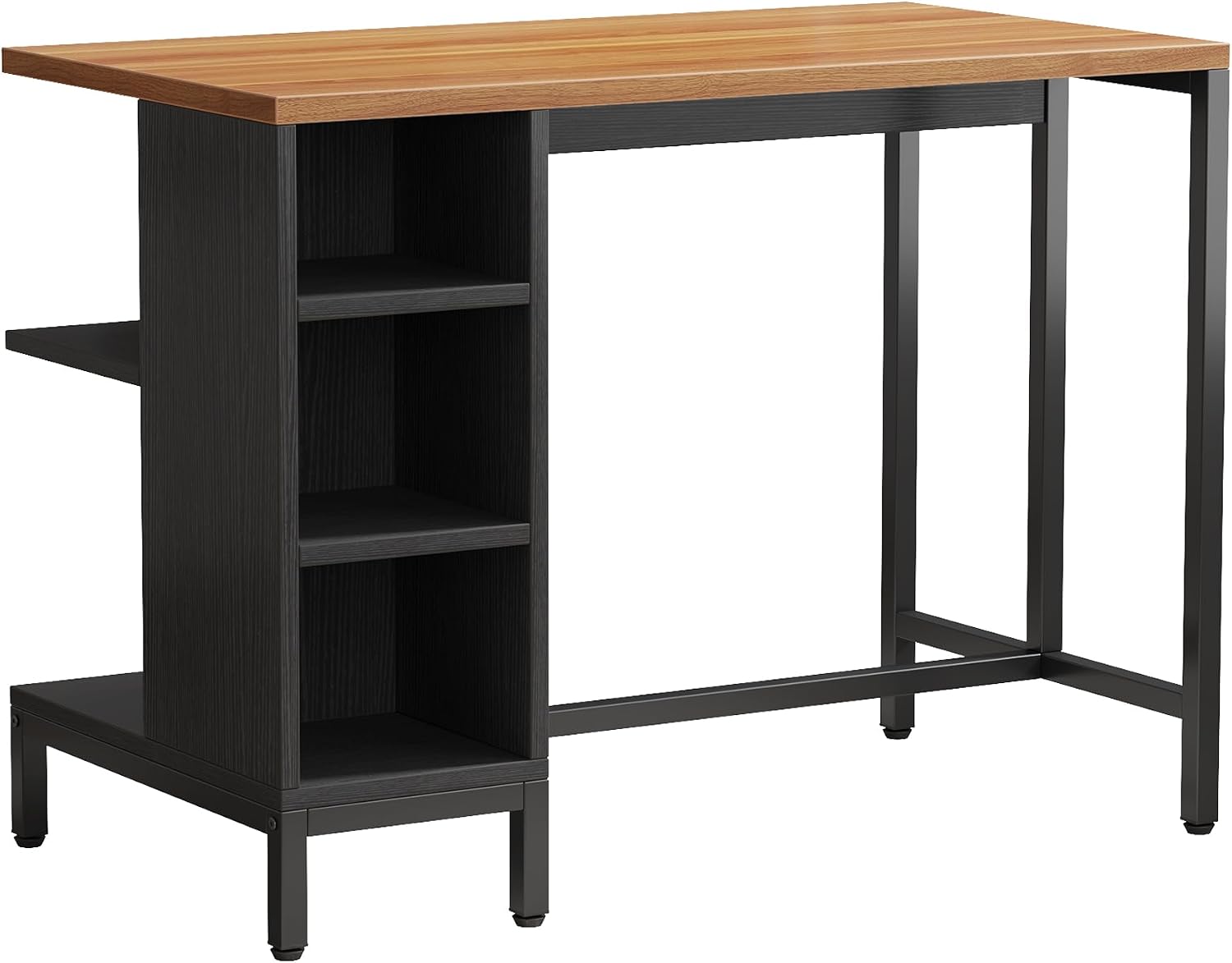
Decoding the Kitchen Island Buzz: Our Take on the Tribesigns 43″ Butcher Block
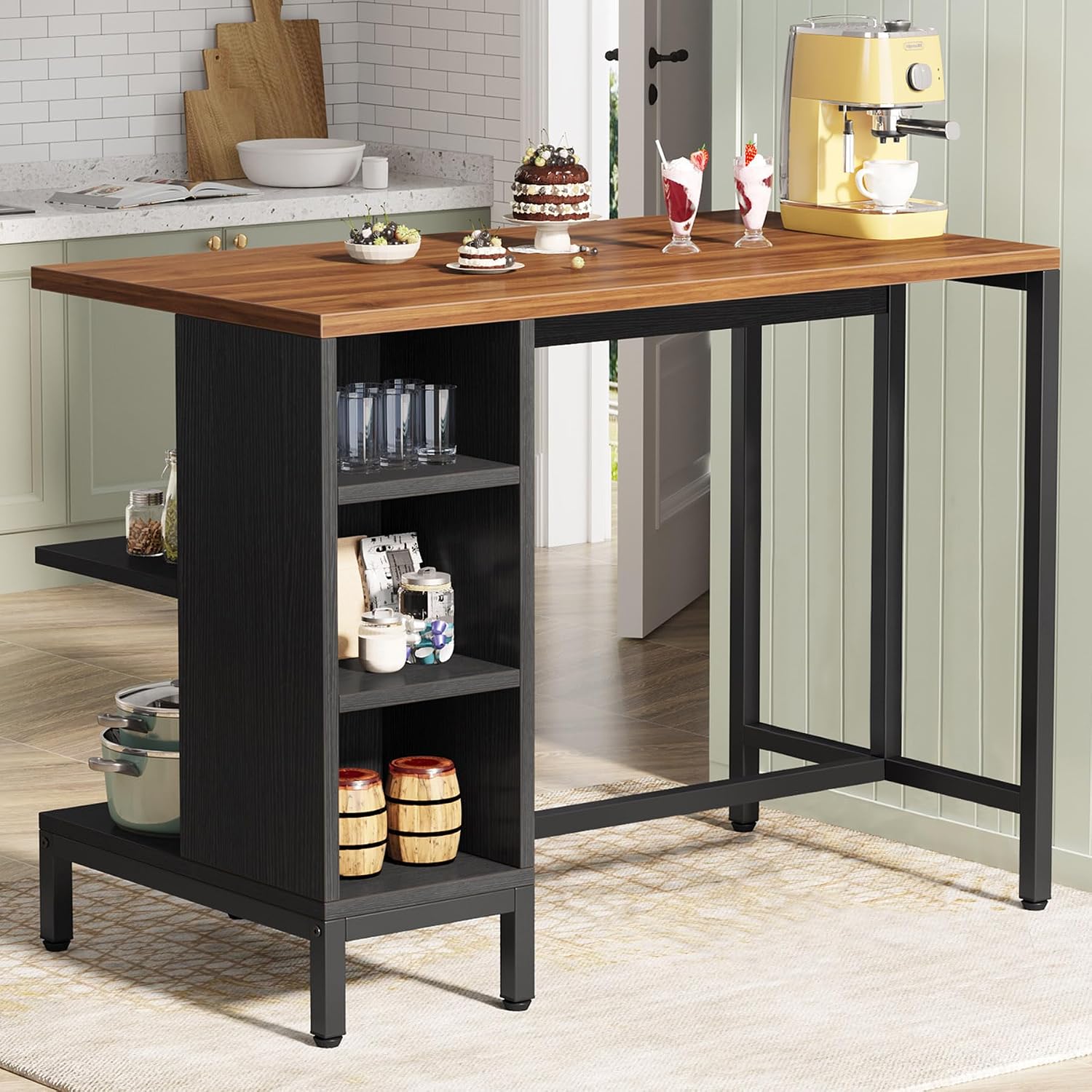
Navigating the world of home furnishings, especially for a central piece like a kitchen island, can feel like a labyrinth. This guide cuts through the noise, offering a candid look at what really matters when you’re considering a functional, stylish addition to your culinary space. We’re specifically diving into the Tribesigns Kitchen Island, a 43-inch butcher block model promising ample storage and a touch of industrial flair, to see if it truly stacks up for your kitchen, dining room, or even a home bar setup.
Quick Answer
The Tribesigns 43″ Butcher Block Island Table is a solid choice for those needing a compact, versatile piece that blends prep space with open storage and an industrial aesthetic. It’s especially well-suited for smaller kitchens or as a secondary prep area, offering good utility without a hefty footprint. If you’re after a budget-friendly option with a butcher block worktop and a distinct style, it certainly deserves a closer look.
What to Look For (The Buying Criteria)
Choosing the right kitchen island isn’t just about picking something pretty. It’s about practicality, how it fits your life, and honestly, whether it’ll just become another clutter magnet. Here’s what really matters when you’re trying to figure out if a model like the Tribesigns 43″ Butcher Block Island Table is for you.
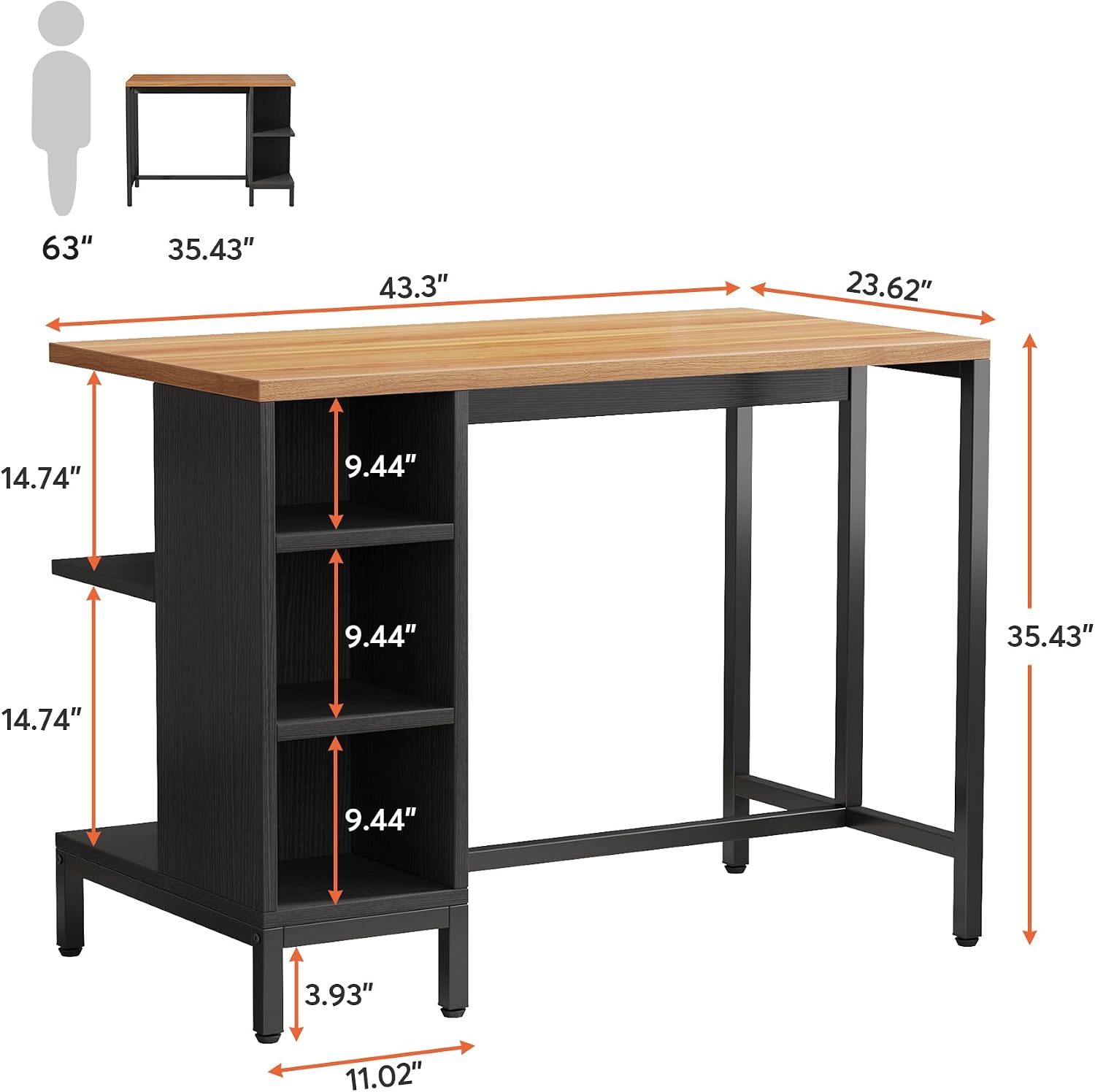
First up, size and footprint. This is non-negotiable, folks. A 43-inch island is on the smaller side for a main island, which is a blessing or a curse depending on your kitchen’s dimensions. You need adequate clearance around it – think at least 36 inches on all active sides for comfortable movement, opening appliances, and general flow. Skimp here, and you’ll regret it every single day. Measure twice. No, measure three times.
Next, worktop material and durability. The Tribesigns boasts a butcher block top. That’s a classic choice, and for good reason. It offers a warm aesthetic, can take a beating, and you can even chop directly on it (though I still recommend a cutting board, really, for longevity). The downside? Butcher block needs a bit of care. Regular oiling prevents drying and cracking, and you’ll want to wipe up spills promptly. It’s not a set-it-and-forget-it surface like granite or stainless steel. Are you prepared for that upkeep?
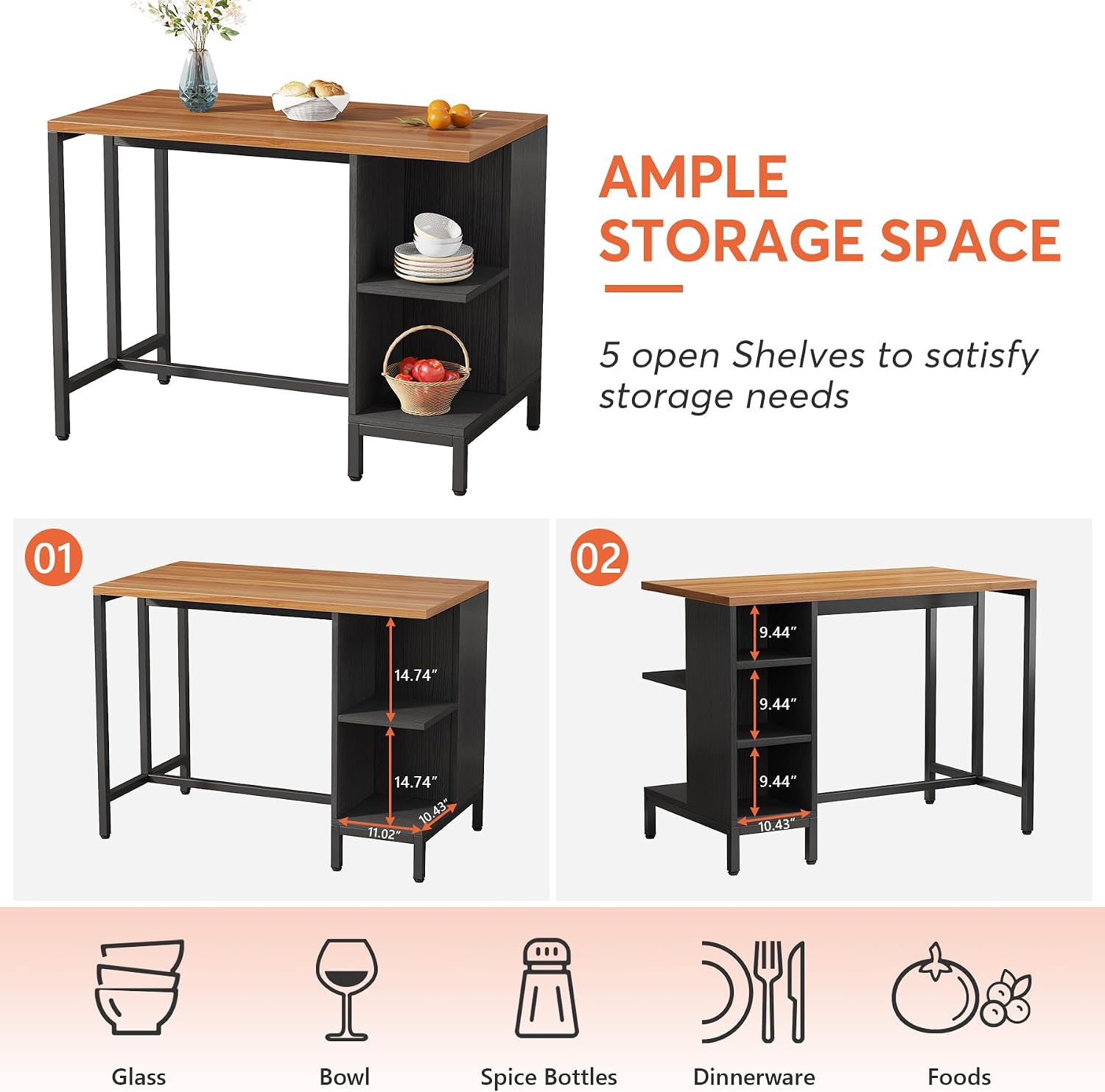
Then there’s storage capacity and type. The Tribesigns model features 5 open storage shelves. This is huge for accessibility – grab and go, right? Great for cookbooks, mixing bowls, or even displaying some nice glassware if it’s acting as a home bar setup. But it’s open. That means anything on those shelves is visible. If you’re a minimalist, fantastic. If your current storage is a chaotic mess of mismatched Tupperware, well, it’s going to show. Consider your clutter tolerance.
Mobility, or the lack thereof, is another big one. Many smaller islands offer casters for easy relocation. This specific Tribesigns model is presented as a static table, implying it stays put. If you’re constantly rearranging or need to roll it out of the way for a party, a fixed island might become a nuisance. For a dedicated prep space or a stationary dining room island, it’s fine. If you’re looking for a portable kitchen island, this probably isn’t it.
And let’s not forget style and aesthetic integration. This Tribesigns island leans hard into an industrial bar table vibe with its metal frame and butcher block top. It looks sharp in the right setting. But if your kitchen is all farmhouse chic or super modern minimalist, this might stick out like a sore thumb. Does it complement your existing decor, or will it fight with everything else? It’s not just about liking the look in a picture; it’s about how it feels in your home.
Finally, assembly complexity. Look, no one loves putting furniture together. While I can’t speak to the specifics of this model, items with multiple shelves and sturdy frames can be fiddly. It’s a trade-off: a solid piece means more components. Do you have the tools, the time, and the patience for a potential hour or two of wrenching? Or are you expecting something that pops together in ten minutes? Set realistic expectations.
How to Match the Product to Your Situation
Finding the right kitchen island means looking inward first, figuring out what kind of “kitchener” you are. This Tribesigns unit, with its butcher block worktop and open shelving, really shines for specific types of users.
First, consider The Social Entertainer. You’re always hosting, always mixing drinks, always need more surface area for appetizers. This 43-inch island could be your secondary staging ground, a compact home bar setup, or a spot for guests to lean while you’re putting the finishing touches on dinner. The industrial look? Perfect for that casual, lively atmosphere. The large worktop becomes crucial for platters.
Then there’s The Compact Kitchen Conqueror. You’ve got a smaller kitchen, but you desperately need more prep space and storage. This island fits that bill without overwhelming the room. Its relatively modest size means it won’t gobble up precious floor space, and those 5 open storage shelves are fantastic for frequently used items, keeping your main counters clear. It’s about making every inch count, isn’t it?
And finally, The Culinary Explorer. You love trying new recipes, experimenting with ingredients, but you don’t necessarily need a massive, built-in kitchen stadium. This island offers that essential extra surface for chopping, mixing, and assembling. It’s sturdy enough for serious cooking tasks. Plus, the solid wood top is just nice to work on. It’s an investment in your hobby, without breaking the bank.
Kitchen Island Options: Tiers and Trade-offs
Choosing a kitchen island involves more than just picking a favorite. It’s about balancing your needs with what’s out there. Different types and price tiers offer distinct advantages and drawbacks.
| Type/Tier | Best For | Price Tier | Key Feature | Watch-Out |
|---|---|---|---|---|
| Budget-Friendly Utility Carts | Small spaces, temporary solutions, extra storage. | Accessible | Portability (often on wheels), simple construction. | Limited prep space, less durable materials, often flimsy. |
| These rolling kitchen cart designs are fantastic for mobility and fitting into tight spots, but don’t expect them to be the centerpiece of your kitchen. | ||||
| Mid-Range Freestanding Islands | Enhanced prep, dedicated storage, specific aesthetic. | Mid-tier | Solid worktops, varied storage (shelves/drawers). | Can be bulky, assembly required, may lack customization. |
| This category, where the Tribesigns butcher block island comfortably sits, offers a significant upgrade in quality and function for most homes. | ||||
| Premium Custom/Built-In Units | Integrated design, maximum storage, long-term investment. | Higher-end | Tailored dimensions, high-grade materials, appliances. | High cost, permanent installation, no flexibility to move. |
| When you need something truly specific to your kitchen layout and you’ve got the budget, a bespoke island offers unmatched integration and function. |
Finding Your Island’s Purpose: Specific Scenarios
A kitchen island isn’t a one-size-fits-all solution; its value shifts with how you plan to use it. The Tribesigns 43″ Butcher Block Island, with its particular features, excels in a few distinct scenarios.
The Weeknight Dinner Dash: For those frantic evenings when you’re juggling school pickups, homework, and getting dinner on the table, extra prep space is gold. This island provides that crucial landing zone for chopping vegetables, assembling casseroles, or just setting down groceries as you unpack. The butcher block surface handles minor spills and scrapes with aplomb, making it less precious than, say, marble. And with those open shelves, your go-to mixing bowls or serving dishes are always within arm’s reach. It’s about efficiency, pure and simple.
The Weekend Brunch Buffet: Picture this: Sunday morning, friends are over, and you’re laying out a spread. A dedicated dining room island or an industrial bar table like the Tribesigns suddenly becomes indispensable. It’s a perfect spot for pastries, coffee carafes, or even a mimosa station. Its robust appearance handles the inevitable traffic of hungry guests without looking out of place. It transitions seamlessly from a cooking aid to a serving hub.
The Home Office Spillover: Okay, hear me out. In smaller homes, sometimes the kitchen becomes command central. Need a temporary spot to spread out papers, answer emails, or help with a school project while dinner simmers? The generous large worktop offers that temporary overflow space. It’s not its primary purpose, no, but its sturdy build and accessible height can serve as a decent impromptu workstation. Who hasn’t done this, honestly? We’re all adapting.
Common Mistakes When Choosing a Kitchen Island
Folks make some pretty standard blunders when picking out a kitchen island. Learn from them.
A classic mistake? Ignoring clearance. People get so fixated on the island itself, they forget about the space around it. You need room to walk, to open your dishwasher without bumping into the island, to pull out a chair if it’s seating height. A gorgeous butcher block island that blocks your kitchen’s natural flow is just a big, expensive obstacle. Measure your space, then measure again. Visualize.
Another frequent misstep is underestimating storage needs versus display preferences. The Tribesigns island has open storage shelves. That’s great for showing off, say, your collection of cookbooks or those pretty serving platters. But if you have a lot of odds and ends you’d rather keep hidden – small appliances, random kitchen gadgets – open shelves mean everything is on display. Do you really want everyone to see your bread maker that only comes out twice a year? Consider closed cabinets if you’re prone to clutter.
Then there’s the tendency to disregard maintenance requirements. A solid wood top, like a butcher block, isn’t maintenance-free. It needs conditioning. It can scratch. It can stain if you’re not careful. If you’re someone who wants to wipe and go, never thinking about it again, a butcher block surface might cause you mild frustration down the line. It’s not a deal-breaker, just something to be aware of. No surface is truly indestructible.
Finally, people often buy for today, not for tomorrow. You might live in a tiny apartment now, and a small kitchen island fits perfectly. But what if you move to a bigger place next year? Or your family grows? A slightly more versatile piece, one that could transition into a craft table or a larger home bar setup later, might be a smarter long-term play. Think a little ahead.
Understanding Your Kitchen Island Needs
When you’re eyeing a significant kitchen addition, like a kitchen island, some fundamental questions pop up. Let’s tackle them.
Why should I consider a kitchen island at all?
A good kitchen island provides crucial additional counter space for food preparation, a dedicated spot for serving, and often much-needed storage. It can also act as a natural gathering point in your kitchen, transforming it from a purely functional room into a social hub. For many, it truly changes how they use their kitchen space.
How do I know if a 43-inch butcher block island is right for my kitchen?
The 43-inch size is considered compact, making it ideal for smaller kitchens that can’t accommodate larger, built-in islands, or as a secondary prep space in a larger kitchen. A butcher block worktop is excellent if you appreciate its warm aesthetic and are okay with occasional maintenance. If you like the industrial bar table look and need accessible open shelving, this size and style combo could be a winner.
What kind of maintenance does a butcher block top require?
A butcher block surface needs regular oiling, typically every few weeks to months, depending on use, to prevent it from drying out, cracking, or warping. You’ll also want to wipe up spills quickly, especially acidic liquids. Light sanding can address minor scratches or dings over time, restoring its smooth finish. It’s a bit of work, but worth it for the look and feel.
FAQ
How much space do I really need around a kitchen island for it to be practical?
Aim for at least 36 inches of clear space on all sides of a kitchen island that will see regular traffic. If it’s a high-traffic area, or if you have an oven or dishwasher door opening into that space, consider even more, perhaps 42 to 48 inches. You want comfortable movement.
Can a compact island like the Tribesigns 43″ truly serve as a dining area?
It can, especially if paired with stools of appropriate height for its 36-inch counter height. For casual meals or a quick breakfast, it’s perfectly suitable. For a formal dining experience for multiple people, you’ll likely want a dedicated dining table.
What are the main benefits of open shelving compared to closed cabinets on a kitchen island?
Open shelving offers easy access and a chance to display items, which can make a kitchen feel more airy and inviting. But, and this is a big but, it also means everything is visible and prone to dust. Closed cabinets hide clutter and keep things cleaner.
Is the “industrial bar table” aesthetic of the Tribesigns island versatile?
The industrial look, characterized by materials like wood and metal, is quite versatile. It pairs well with modern, rustic, or even eclectic decor. However, it might clash with very traditional or ornate kitchen designs. It’s got a definite personality.
How durable is a butcher block worktop compared to other common kitchen counter materials?
A butcher block is quite durable against daily wear and tear and can be refinished. It’s generally more forgiving than, say, marble (less prone to chipping) but can show knife marks more readily than quartz or stainless steel. It’s a workhorse, but not invincible.
Could this Tribesigns island function as an extra workspace outside the kitchen?
Absolutely. Its sturdy construction, ample worktop, and open storage shelves make it suitable for a craft table, a potting bench in a mudroom, or even a standing desk alternative in a home office. It’s a multi-talented piece of furniture, really.
What’s the biggest advantage of a freestanding kitchen island over a built-in one?
The biggest advantage is flexibility. A freestanding kitchen island can be moved if you reconfigure your kitchen or move homes, offering far more adaptability than a permanent, built-in fixture. It’s less commitment, more freedom.
Final Recommendation
For most folks needing a blend of added prep space, accessible kitchen storage, and a dash of character without committing to a full-scale renovation, a mid-range freestanding kitchen island like the Tribesigns 43″ Butcher Block Island Table makes a compelling case. It’s a practical, stylish upgrade for smaller kitchens, a fantastic addition for a home bar setup, or just a smart way to get more out of your existing layout.
If you appreciate the warm look and feel of a butcher block worktop, don’t mind a bit of maintenance, and your space welcomes an industrial bar table aesthetic, this unit delivers. It’s a thoughtful way to add functionality and charm without overwhelming your budget or your room. Consider your current lifestyle and culinary habits – does this fit into your rhythm? If so, you’ve likely found a solid contender.
#Tribesigns #Kitchen #Island #Butcher #Block #Island #Table #Kitchen #Open #Storage #Shelves #Large #Worktop #Industrial #Bar #Table #Dining #Room #Home #Bar #Stools #Included