This site contains affiliate links. We may earn a commission on qualifying purchases.
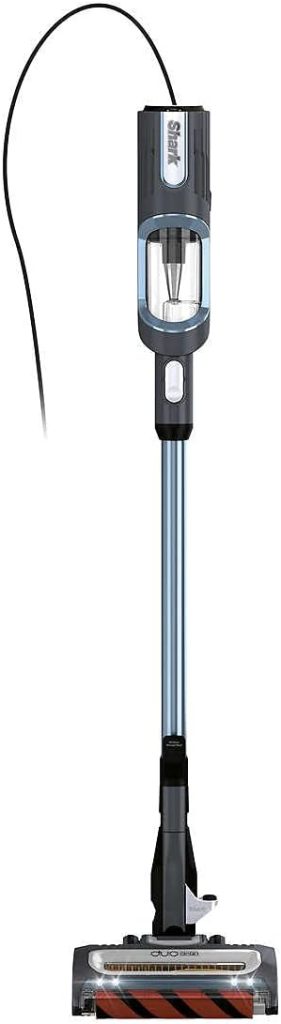
The cord decides more than the motor does. That was the thought standing in my hallway with the HV301 in one hand and its cord looped over the other wrist, looking at a staircase that sits exactly one outlet too far from the landing. These three Shark Rockets — the HV301, the UV580 with DuoClean, and the HV343AMZ — are all corded, all top-heavy by design, all sold under some version of the words ultra-light, and they behave like three different answers to the same question, which is how much floor a person can cover before the cord, the cup, or their own wrist calls the session over. I bought into this platform with my own money, no review units, and what follows is the shape of living with it rather than a spec sheet read aloud.
Start with the number nobody prints in the headline. Ultra-light describes the scale, somewhere around eight to nine pounds depending on the model, give or take, I never weighed mine on a kitchen scale and the listings round in their own favor anyway. What your arm actually feels is not the total. The motor and the dust cup sit up in your hand, at the top of the wand, so the weight works like a small hammer held by the handle end. Ten minutes of baseboards and the wrist knows. Twenty minutes of a whole downstairs and the wrist has opinions. This is the platform trade, and it is the same on all three: you get a floor head that glides because almost nothing presses it down, and in exchange your hand carries the machine the entire time. People with shoulder trouble should hear that plainly, because the advertising photo of a smiling person holding one overhead tells the truth about the weight and nothing about where the weight actually sits.
The HV301 is the honest old tool of the three. One brushroll, a swivel head that is looser than it looks, and a conversion to handheld that happens with a click at the wand. On bare floors it is fine. On low carpet it is fine. The word fine does a lot of work in that sentence, because the single bristle roll leaves the fine grit at the edge of a rug for a second pass, and everyone I know who owns one develops the same habit of slowing down at transitions without ever deciding to. Where it earns its keep is the boring stuff: it starts every time, the cup empties without a ritual, and the parts situation for a platform this old is genuinely good, which matters more in year four than any launch feature. I wrote about the cordless side of this family in the wider Shark vacuum buying guide, and the contrast is the whole story — the cordless machines free the wrist route and tax the battery, these do the opposite.
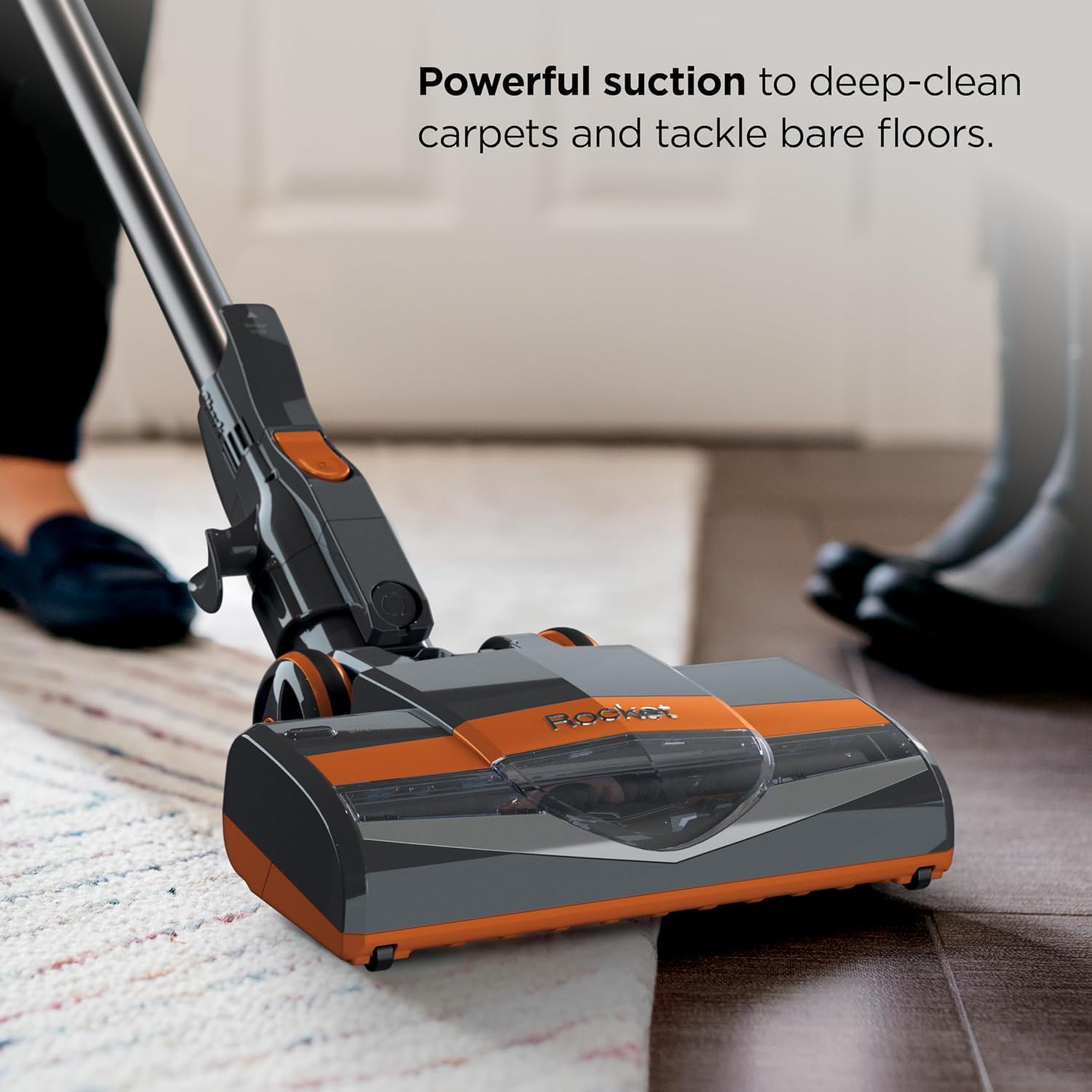
DuoClean on the UV580 is the one idea in this lineup that changes the physics rather than the brochure. There are two rollers in the head. The soft front roller pulls in the big stuff, the cereal and the litter grains that a bristle roll usually snowplows ahead of itself, while the bristle roll behind it works the carpet side. On hard floors the difference shows up in the first pass along a kitchen run, where a single-roll machine leaves that faint line of debris pushed just past the cabinets. Actually, no — that is not quite the cleanest way to say it. The line still appears if you rush. What changes is how often, and how much slower you have to go to avoid it, which in a real kitchen at a real hour is the difference that counts. The floor-type lever on the head is not a suction control, by the way. It changes roller behavior. Owners who treat it as a power dial complain about carpet performance that was never the machine’s fault.
Where the three split, in daily use
The HV343AMZ exists because of hair. Its brushroll is built to comb hair off itself as it spins and send it up into the cup instead of letting it wrap, and in a house with a shedding dog the difference between that and the HV301 is measured in minutes per week spent with scissors over a trash can, cutting wraps free. Not zero minutes. The self-cleaning claim survives contact with reality better than most, but long human hair still finds the ends of the roll, out by the bearings, where the combs do not reach. Check the ends monthly. That sentence will save somebody a motor someday, because a roll that drags at the ends is a roll the motor is working against, and these motors are sealed units — when one goes, you are not opening it up with a screwdriver and a free Saturday, or at least I am not, and I have tried on an older one. That one I cannot judge for anyone else. My sample of one died of hair, not electricity.
Dust cups, then, because cups end sessions. All three cups are small, in the neighborhood of a third of a quart to a bit under half, and the number that matters is not the printed one. Cyclonic separation holds until the cup is about two-thirds full, and past that the fine dust starts coating the foam and felt filters above the cup, which is where suction quietly goes to die. On a whole-house run with pet hair I empty twice. Not because the cup is brimming — because the second half of the house deserves the same pull as the first half. Anyone who tells you a stick vacuum lost suction at month three and cannot explain it has usually just never emptied early or washed the foam, and the foam needs a full day to dry, a full day, not an afternoon on the counter, or it goes back in damp and comes out smelling like a wet dog by Friday.
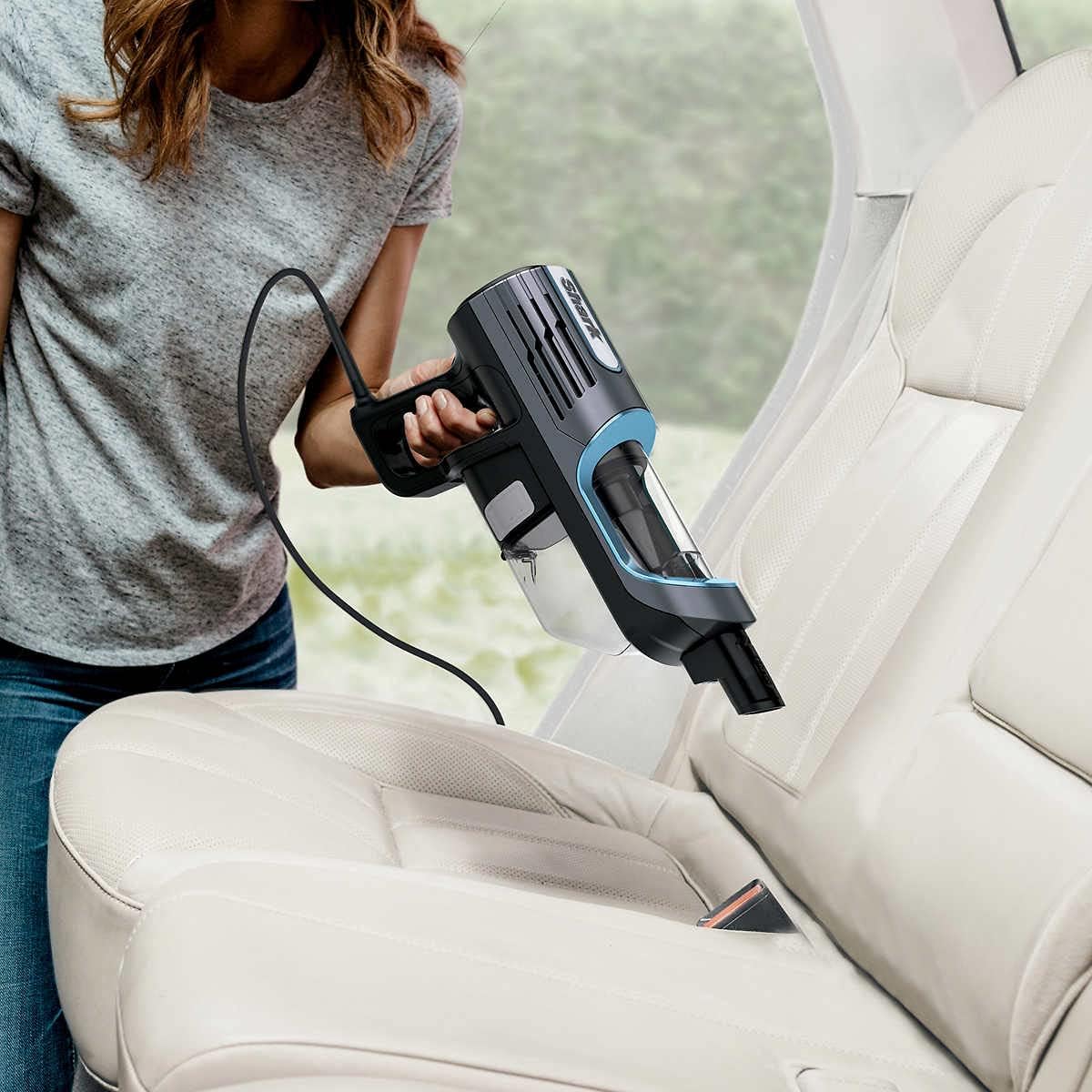
Storage is the unglamorous test this platform flunks in the same way for all three models. A top-heavy stick cannot lean casually and cannot stand on its own head, so it lives on a wall hook, on a mount, or laid flat, or — in more homes than the brochures admit — slumped in a corner it slowly slides out of at 2 a.m. Budget the hook. The handheld conversion is real and useful, stairs and car interiors and the crumbs under a high chair, though the handheld carries that same top weight in a shorter body, so it is a five-minute tool, not a twenty-minute one. The robot alternative handles the daily crumb layer without any of this, and the Shark robot vacuum verdict covers what that trade looks like when a machine does the floors on a schedule instead of on your initiative.
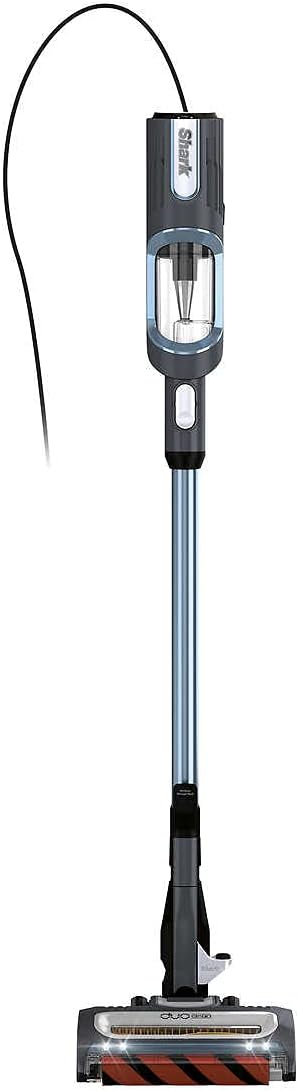
Two rollers, hard floors and carpet in one pass
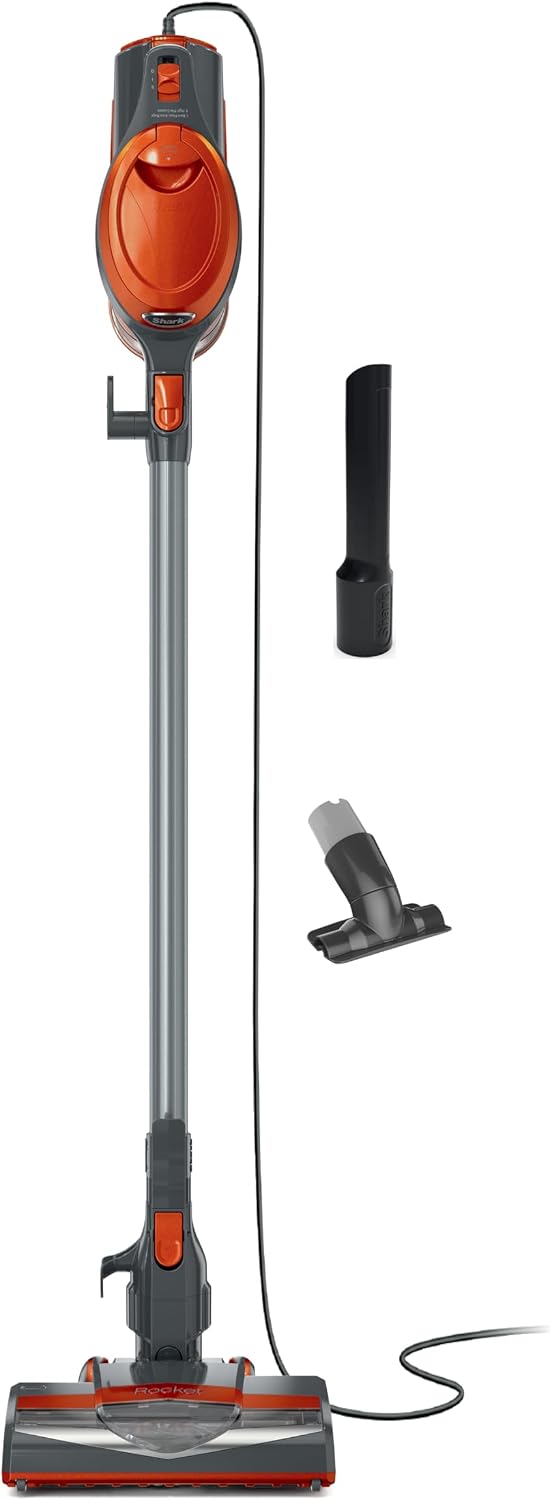
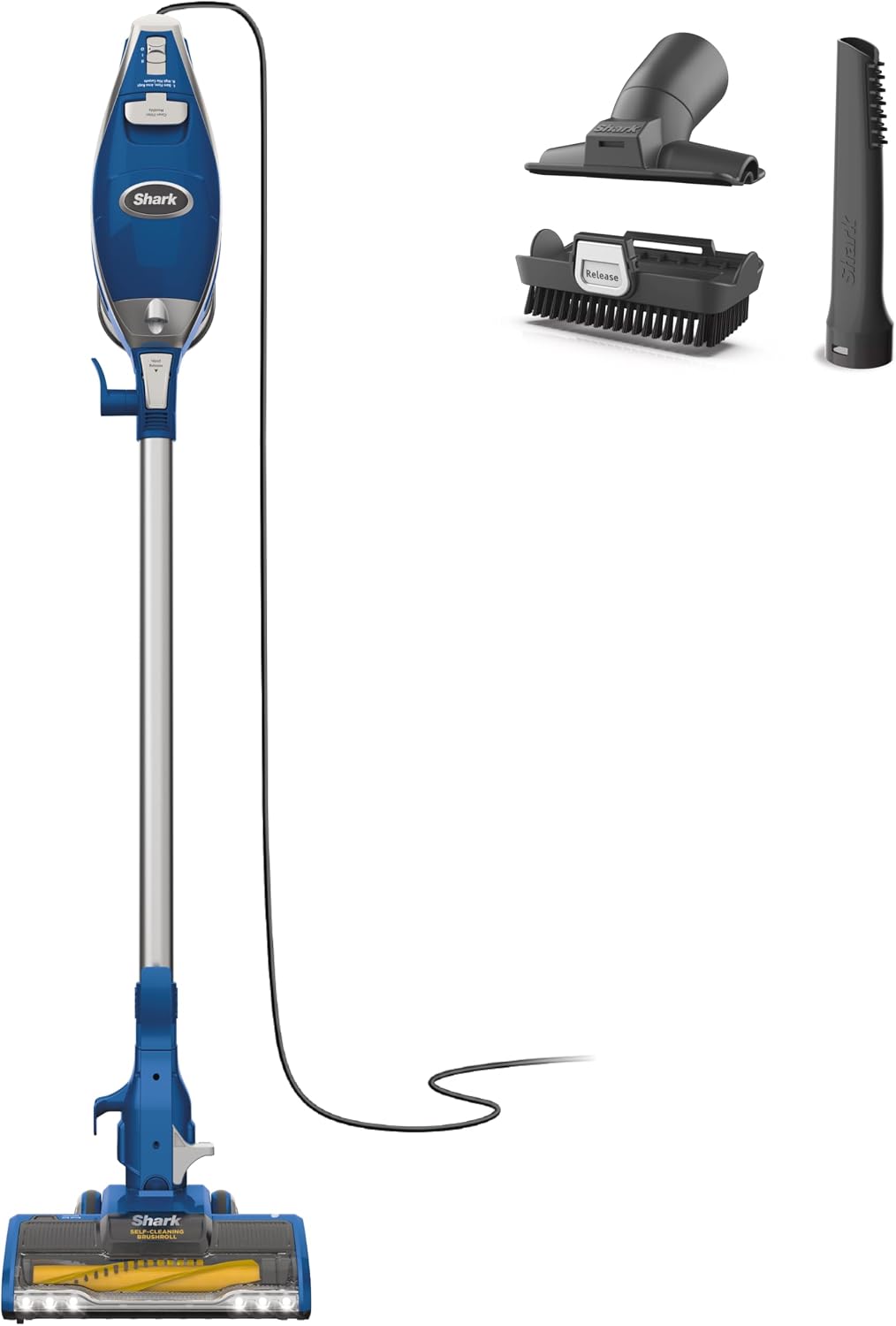
Prices and availability change; the listing is the final word.
So the split, as I have come to it. The HV301 is the one to buy cheap and keep long, for hard floors and low rugs and households that vacuum in short passes. The UV580 is the hard-floor specialist, the one whose second roller solves the snowplow problem that makes people vacuum the same strip three times. The HV343AMZ is the pet house answer, bought for its brushroll and forgiven its price because the scissors ritual is worse. None of them is the whole-house deep-clean machine for thick carpet, and I have never understood why the category keeps hinting otherwise. Deep carpet wants weight on the head and a bigger cup, and this platform traded both away on purpose, for the stairs and the quick daily pass. Judged on what it traded for, it holds up. Judged on the brochure, nothing does.
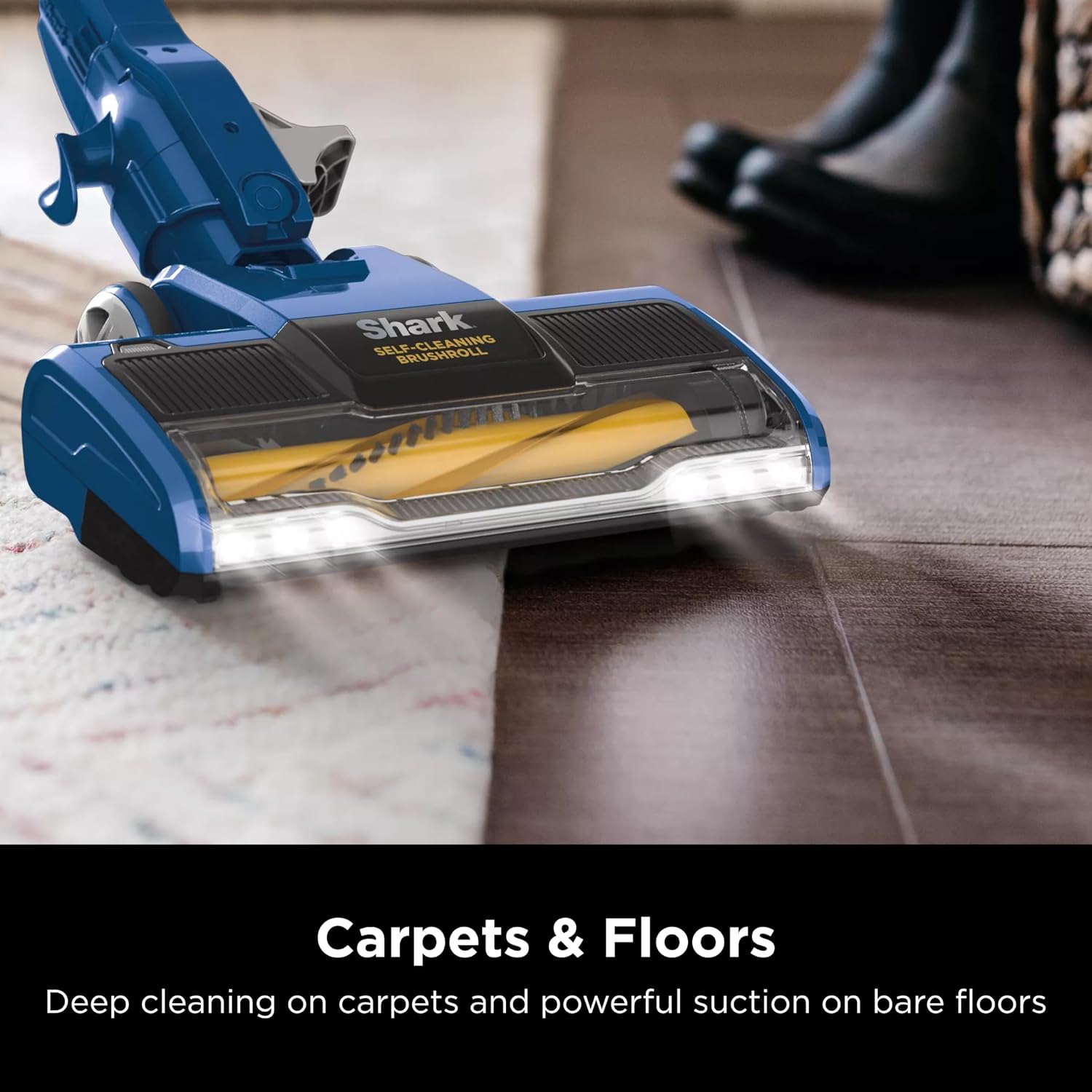
One more thing nobody mentions, and it decides satisfaction more than suction does. Measure your cleaning route against your outlets before you buy any corded stick. A cord in the mid-twenty-foot range sounds generous until the route crosses a hallway with no outlet, and then every session has a replug in the middle of it, which sounds like nothing and somehow becomes the reason the vacuum gets used less. Less is the enemy. The best vacuum in this class is the one that gets pulled out on a Tuesday for four minutes without a negotiation, and all three of these can be that machine in the right floor plan, and none of them can in the wrong one.
Questions that come up
My Rocket loses suction halfway through the house but the cup is not even full. What is going on?
The cup does not have to look full for the separation to fade. Once debris passes roughly the two-thirds line, fine dust starts loading the foam and felt filters that sit above the cup, and suction falls off in a way that feels like a dying motor. Empty earlier than the line suggests, especially with pet hair, which mats against the shroud and blocks airflow well before it blocks the view. If the foam filter has not been washed in months, wash it and let it dry a full day before judging the machine again. Most mid-house fading I hear about is this, not a motor problem.
Is DuoClean actually different, or is it a second roller doing marketing work?
It is different in one specific place: large debris on hard floors. A single bristle roll tends to push cereal-sized pieces ahead of the head, the snowplow effect, so you chase them. The soft front roller on the UV580 pulls those pieces in instead, and the bristle roll behind it handles carpet agitation. Where DuoClean does not change anything is fine dust pickup on carpet, which is about the same as the single-roll models, and it adds a second roller to keep clean. If your floors are mostly hard with a debris problem, it earns its place. If your home is wall-to-wall carpet, you are paying for a roller you barely use.
The brushroll still gets hair on it even on the self-cleaning model. Did I get a bad one?
Probably not. The self-cleaning brushroll on the HV343AMZ combs the main span of the roll as it turns, and it genuinely cuts the wrapping problem down. What it cannot reach is the last stretch at each end, near the bearings, and that is where long hair collects. Check the ends about once a month and clear them by hand. Letting the ends load up makes the roll drag, the motor works harder, and on this platform the motor is not a part you swap at the kitchen table. A minute at the ends is the cheapest maintenance the machine has.
Can one of these replace a full-size vacuum for a whole house?
For apartments and mostly hard floors, yes, and plenty of people do exactly that. For a larger house with real carpet, it replaces the full-size machine for daily and weekly passes and then loses the argument on deep-clean day, because the platform gives up head weight and cup capacity to stay light in the hand. The honest setup in carpeted houses is this class of stick for the week and something heavier for the occasional deep pass. Whether that sounds sensible or like owning two machines to do one job depends on the house, and I am still not sure the category wants to admit how often the answer is two.
Mine lives on a hook by the laundry door, cord wrapped the wrong way, probably, cup emptied later than it should be more often than I would tell anyone at a dinner party. It still gets grabbed. After all the measuring and comparing, that is the data point I keep coming back to, and I do not have a cleaner one.
This site contains affiliate links. We may earn a commission on qualifying purchases.