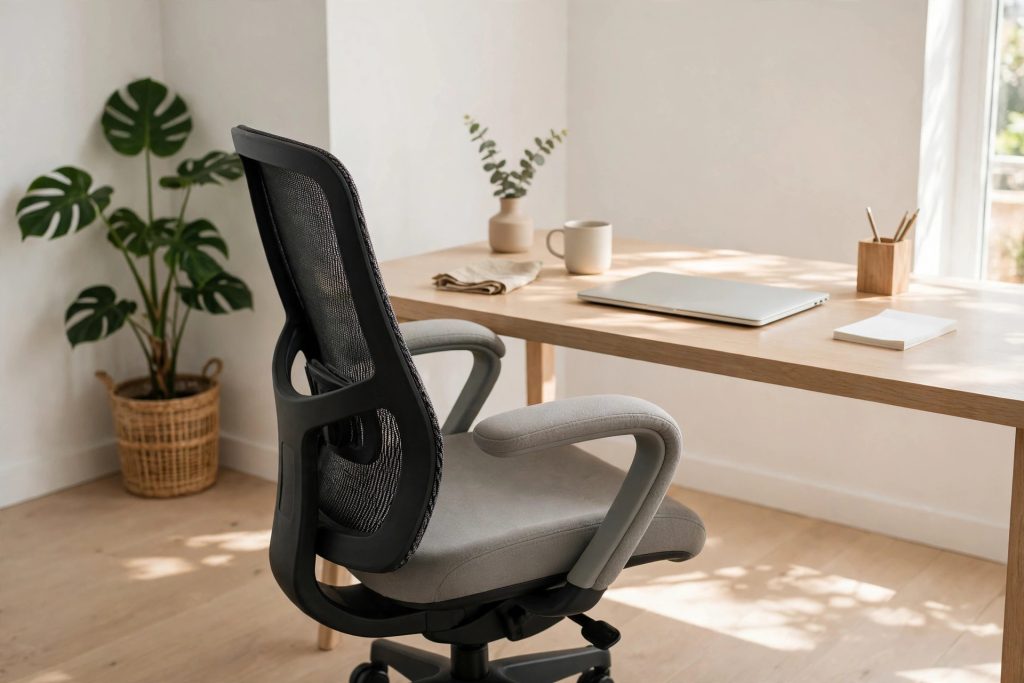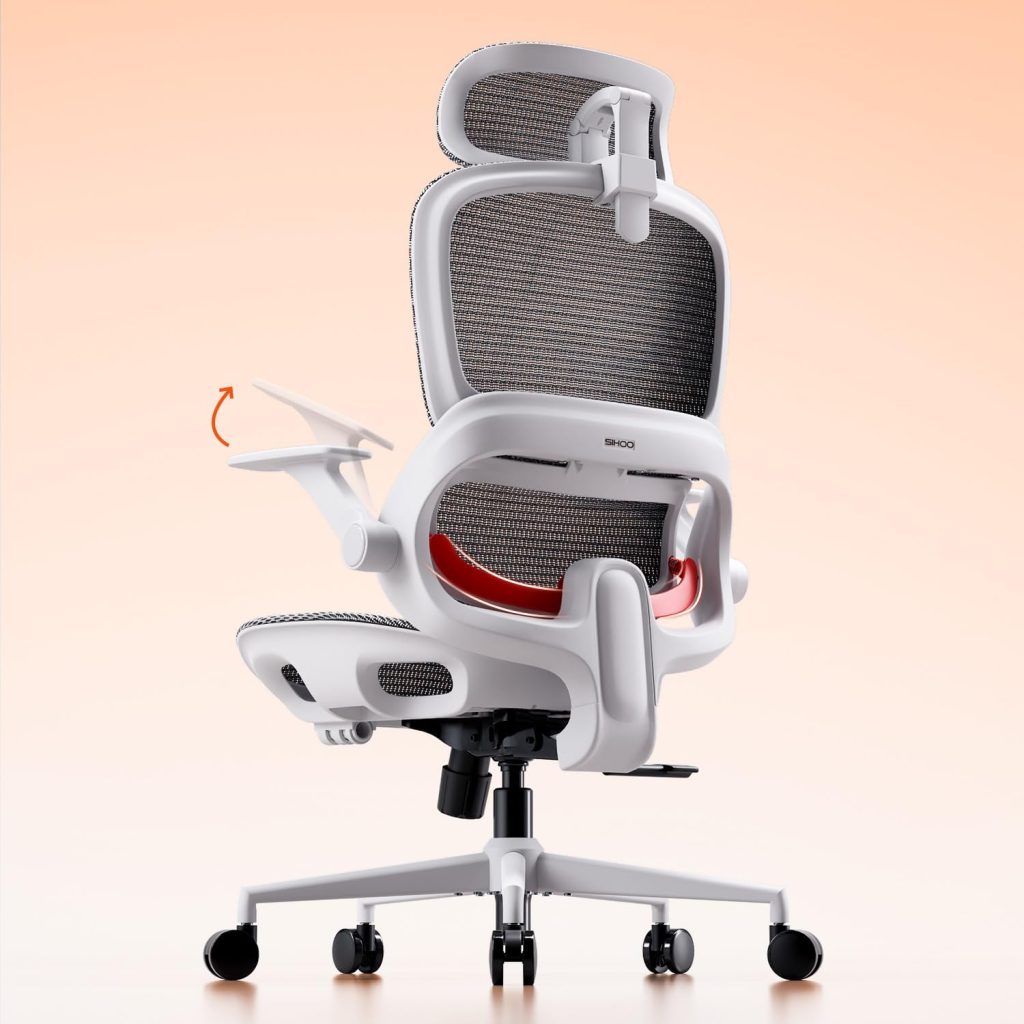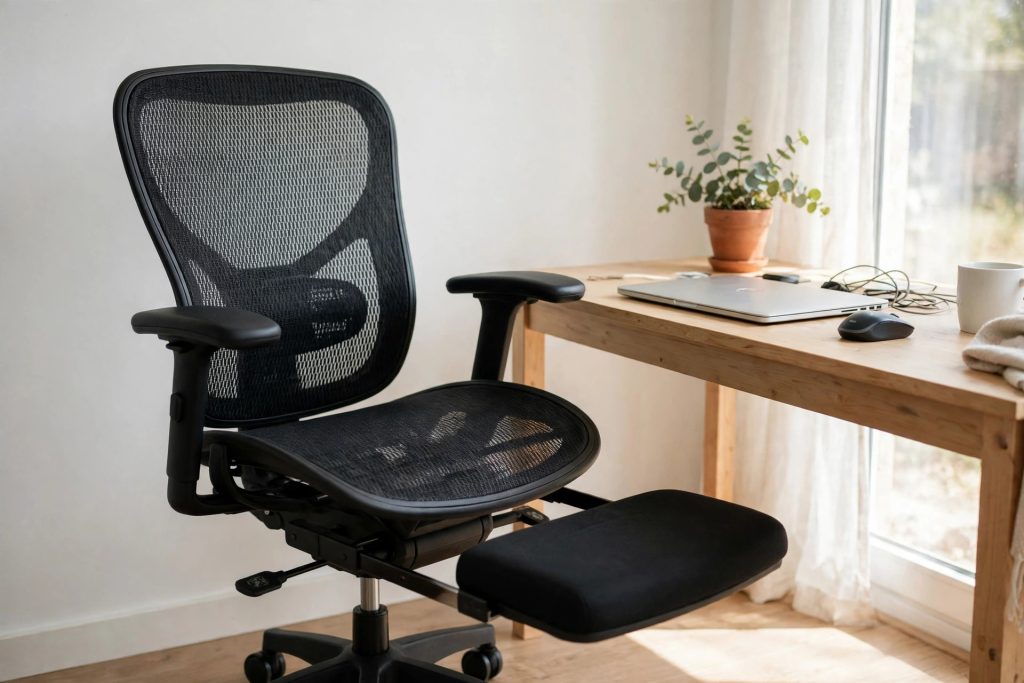
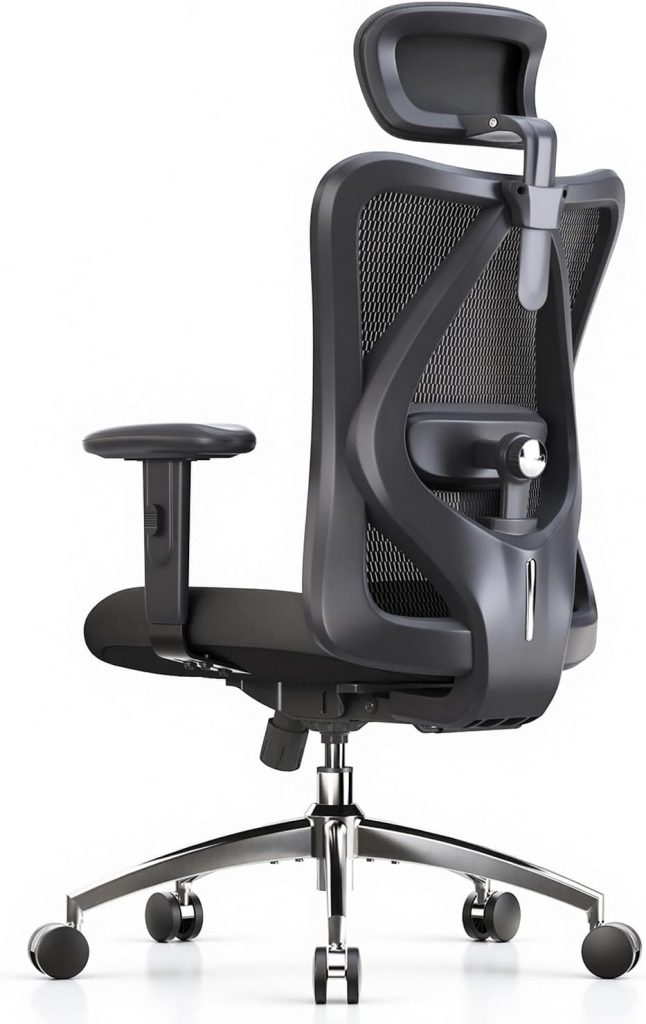
SIHOO M59AS Review: Adaptive Support Desk Chair for Personalized Comfort

Choosing the Right Ergonomic Office Chair for Back Pain: A Deep Dive into the SIHOO M59AS and Beyond

Finding the right ergonomic office chair is paramount for anyone spending significant hours at a desk, especially if you’re battling back pain, sciatica, or simply aiming for better posture. This guide will walk you through the essential considerations for selecting an ergonomic desk chair with lumbar support, focusing on how features like those found in the SIHOO M59AS Ergonomic Office Chair, Desk Chair with 3D can make a tangible difference in your daily comfort and long-term spinal health. It’s for remote workers, gamers, and anyone in between who understands their current seating setup isn’t serving their body well.

Quick Answer

An ergonomic office chair, like the SIHOO M59AS, provides crucial adjustable support that adapts to your body, mitigating back pain and fostering healthy posture during long sitting hours. Look for dynamic lumbar support, adjustable armrests, and a breathable mesh design to create a comfortable and sustainable workstation. It’s a key investment for anyone prioritizing their spinal health in a home office environment.

What to Look For in an Ergonomic Office Chair

Selecting an ergonomic office chair isn’t just about aesthetics; it’s about critical adjustability and intelligent design that supports your body’s natural curves. After fitting countless clients over fifteen years, I’ve seen firsthand how the right features can transform a user’s experience. Don’t compromise on these core elements if back pain is a concern.

Lumbar Support: This is arguably the most vital feature for anyone with back pain or looking to prevent it. An ergonomic desk chair with lumbar support should be adjustable both in height and depth. This allows you to position it precisely in your lower back curve, maintaining the natural inward curve of your spine. The SIHOO M59AS, for instance, often features dynamic lumbar support that flexes with your movement, which is a significant step up from a static pillow. However, even the most advanced lumbar support can’t compensate for poor sitting habits, so remember to engage your core.

Seat Adjustments: A proper seat ensures even weight distribution and reduces pressure points.

  • Seat Height: Your feet should be flat on the floor or a footrest, with knees at roughly a 90-degree angle. Most office chairs with wheels offer gas lift adjustment, but ensure the range accommodates your specific height. A very short person might struggle if the lowest setting is still too high.
  • Seat Depth: This prevents pressure behind your knees. You should be able to fit 2-4 fingers between the front edge of the seat and the back of your knees when seated all the way back. Some chairs, including many effective ergonomic office chair models, offer sliding seats. This is particularly beneficial for accommodating both shorter and taller users within one chair.
  • Tilt and Recline: Synchronous tilt mechanisms allow the backrest and seat to recline together, maintaining a consistent ergonomic angle. A good ergonomic chair for back pain will have tension control and multiple locking positions. Avoid chairs that only recline; a chair needs to support your posture when upright as well.

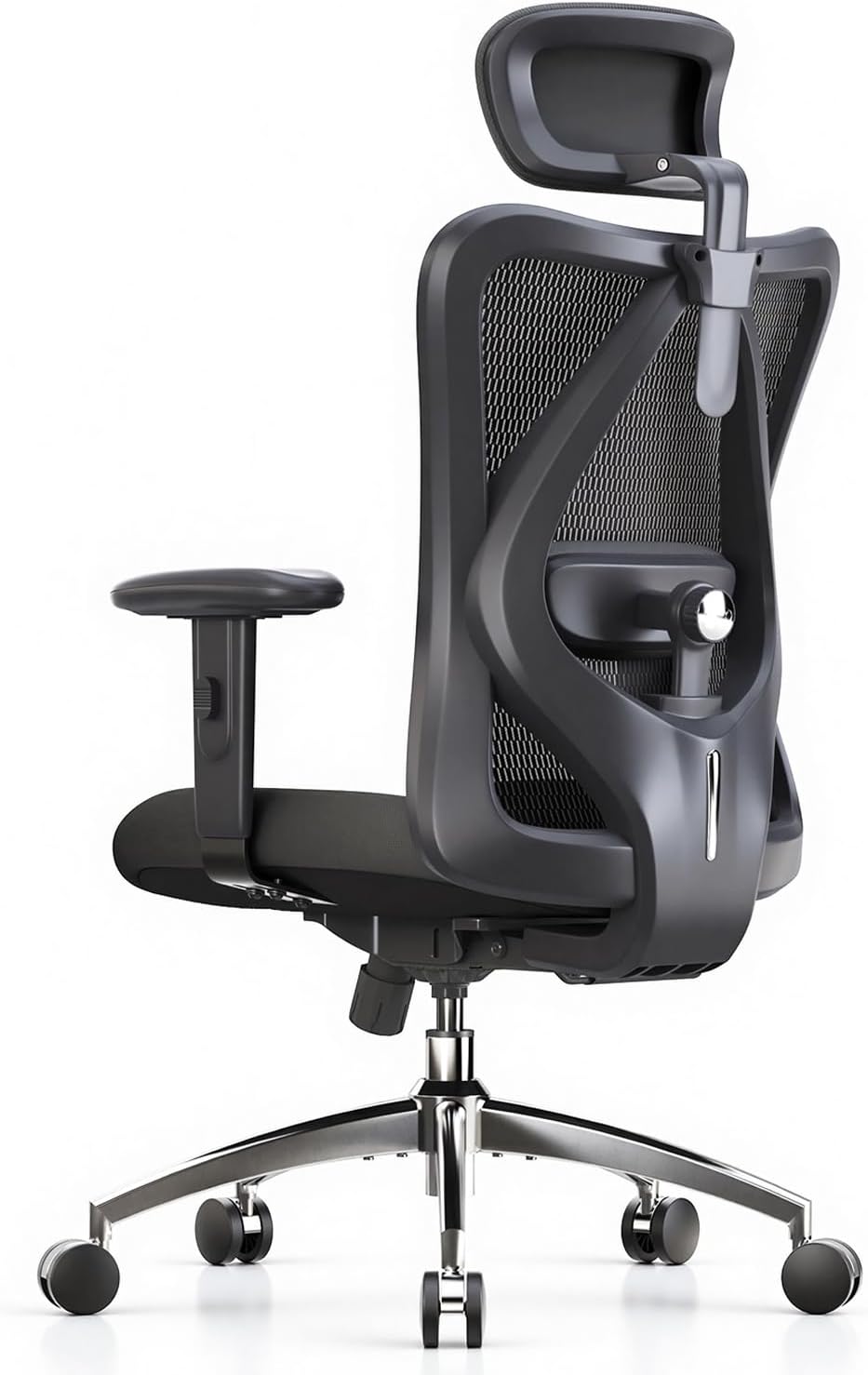
Armrests: Armrests take pressure off your shoulders and neck. For optimal ergonomics, look for 3D or 4D armrests. 3D armrests, often highlighted in chairs like the SIHOO M59AS Ergonomic Office Chair, Desk Chair with 3D, move up/down, forward/backward, and pivot inward/outward. This adjustability ensures your arms and shoulders remain relaxed, preventing slouching. Without sufficient armrest adjustment, they can either push your shoulders up or be too low to offer any real support, making them more of an obstacle than a benefit.

Headrest: An office chair with headrest is beneficial, especially for those who recline or take breaks to lean back. It should support the natural curve of your neck and head. Some high back mesh office chair designs integrate an adjustable headrest. The key is adjustability; a fixed headrest might not align with everyone’s neck height.

Materials:

  • Mesh: A mesh office chair breathable design is excellent for air circulation, preventing heat buildup during long hours. This is particularly appealing for home office desk chair with armrests setups where climate control might be less consistent. However, mesh can sometimes feel less “cushioned” than foam, and its durability varies significantly between budget and premium chairs.
  • Foam/Fabric: High-density foam offers more traditional cushioning. It’s often found in executive office chair styles. Make sure it’s high-resilience foam that won’t compress quickly, losing its support.

Stability and Durability: A sturdy base and high-quality casters are non-negotiable. An office chair with wheels should glide smoothly without wobbling. Check the weight capacity, especially if you’re a big and tall user. Even a very comfortable ergonomic chair for back pain won’t do its job if it feels unstable under pressure.

Matching an Ergonomic Chair to Your Specific Needs

Your ideal ergonomic office chair isn’t a one-size-fits-all product. It’s a personal solution tailored to your body type, work habits, and specific pain points. Understanding these factors is crucial before making a choice.

First, consider your body dimensions. Are you looking for the best office chair for short person needs, requiring lower seat height and shallower seat depth? Or an office chair for tall person 6 feet or more, needing extended backrest height and deeper seat options? Many manufacturers now design chairs with a wider adjustment range to accommodate more users, but some, like specialized big and tall office chair 330 lbs models, are built with stronger components and larger dimensions from the start. A chair like the SIHOO M59AS often offers a good general range, but for extreme heights or weights, you might need to look at more specialized options.

Next, think about your daily routine. How many hours do you spend sitting? An ergonomic office chair for long hours demands superior adjustability and durable, high-quality materials to prevent fatigue and discomfort. If you’re only sitting for an hour or two occasionally, a swivel task chair might suffice, but for all-day sitting, the investment in a truly supportive chair pays dividends. Do you frequently lean back to think or take calls? A chair with a robust recline mechanism and a well-placed office chair with headrest becomes more important.

Finally, pinpoint your pain. Do you suffer from persistent lower back pain? Then an ergonomic desk chair with lumbar support that can be precisely positioned is non-negotiable. If sciatica is an issue, a chair that promotes an open hip angle and reduces pressure on the sciatic nerve (often achieved with seat depth and tilt adjustments) will be critical. Your body will tell you what it needs; listen carefully. A chair should support you, not force you into a position.

Ergonomic Chair Categories Compared

The market offers a diverse range of chairs, all claiming ergonomic benefits. Understanding their core differences helps you navigate options, from a gaming office chair to a dedicated high-end model.

Category Best For Price Tier Key Feature Watch-Out
Dedicated Ergonomic Chairs All-day sitting, extensive adjustability, pain relief Premium Comprehensive individual adjustments (lumbar, seat, armrests) Higher initial investment, can feel complex to adjust
Task Chairs Occasional use, smaller spaces, general office work Budget Compact size, basic adjustments (height, tilt) Limited long-term support, fewer adjustments
Executive Office Chairs Aesthetic appeal, short-duration comfort, status Mid-range Plush padding, often high-back, traditional look Prioritize looks over true ergonomics, less adjustability
Gaming Office Chairs Hybrid work/play, aggressive styling, some recline Mid-range High back, bucket seat design, deep recline Often lack truly ergonomic lumbar/seat adjustability

Dedicated Ergonomic Chairs are the gold standard for anyone serious about spinal health. Brands like Steelcase and Herman Miller exemplify this category, offering granular adjustments for every part of your body. They are built for resilience and intensive daily use, often featuring advanced synchronous tilt mechanisms and sophisticated adjustable lumbar support chair designs. While they come with a premium price tag, their longevity and health benefits often justify the cost for those spending an ergonomic office chair for long hours.

Task Chairs are entry-level office seating. They’re typically smaller, lighter, and offer fundamental adjustments like height and sometimes tilt. A simple swivel task chair might work for brief periods, but it won’t provide the sustained support or customization needed for alleviating or preventing back pain during all-day sitting. Don’t expect sophisticated ergonomic features here.

Executive Office Chairs often boast a luxurious appearance with ample padding, making them visually appealing. However, many prioritize plush comfort and aesthetics over genuine ergonomic adjustability. While they might feel comfortable for an hour or two, they frequently lack the critical fine-tuning for seat depth, dynamic lumbar support, or sophisticated armrest positioning vital for maintaining proper posture and preventing discomfort over time. Their bulk can also be an issue in smaller home office desk chair with armrests setups.

Gaming Office Chairs blend the aesthetic of racing car seats with some office chair functionality. They often feature high backs, pronounced headrests, and deep recline. While many include lumbar pillows and neck cushions, these are often static or minimally adjustable, failing to provide the targeted, dynamic support of a true ergonomic chair for back pain. The “gaming chair vs ergonomic office chair” debate often boils down to this: gamers prioritize style and recline for short bursts, while ergonomic users prioritize health and sustained posture. A gaming office chair might be suitable for a hybrid work/gaming angle user, but for serious back pain, a proper adjustable lumbar support chair is usually better.

Addressing Common Back Pain Scenarios with an Ergonomic Office Chair

Many common back pain issues stem directly from unsupported sitting. An ergonomic office chair offers targeted solutions, provided you know what to look for and how to use it.

Lumbar Support for Lower Back Pain

Persistent lower back pain is incredibly common, often exacerbated by chairs that let your spine slump. If you experience discomfort in your lumbar region, a chair with effective adjustable lumbar support chair is non-negotiable. This means the support element should move up and down to fit your unique spinal curve and, ideally, in and out to provide varying degrees of pressure. The SIHOO M59AS Ergonomic Office Chair, Desk Chair with 3D often incorporates a distinct lumbar pad or flexible backrest that provides this targeted support. When adjusted correctly, it encourages your pelvis to remain in a neutral position, reducing strain on the discs and ligaments of your lower spine. Don’t just rely on a pillow; integrated, adjustable support is far more consistent.

Sciatica Relief Through Proper Positioning

Sciatica, characterized by pain radiating down the leg, often worsens with prolonged sitting that compresses the sciatic nerve. An ergonomic chair for back pain, particularly for sciatica, needs to promote an open hip angle and relieve pressure on the buttocks and thighs. Look for a chair with seat depth adjustment and a waterfall edge seat design. This allows you to position yourself so that there’s no pressure on the back of your knees, and your hips are slightly above your knees if possible. A good tilt mechanism that allows for slight forward tilt can also open the hip angle further, alleviating nerve compression. Avoiding direct, hard pressure on the tailbone is also key. Some chairs, like certain TRALT or Marsail models, feature pressure-relieving cutouts or specifically contoured seats, which can be invaluable.

Maintaining Good Posture for Long Hours

Slouching is a habitual killer of good posture and leads to myriad musculoskeletal issues. If your goal is to maintain good posture for an ergonomic office chair for long hours, you need a chair that encourages active sitting. This means a chair that guides your body into proper alignment without forcing it. A high back mesh office chair with an integrated, adjustable headrest supports your upper spine and neck, preventing forward head posture. The 3D armrests found on the SIHOO M59AS are also crucial; they allow your shoulders to relax completely, preventing upper back and neck tension. A chair that feels “too comfortable” in a slouch might be detrimental. Instead, choose one that provides feedback, gently reminding you to sit upright. You’ll feel the difference after a full workday.

The SIHOO M59AS: A Closer Look at its Ergonomic Features

The SIHOO M59AS Ergonomic Office Chair, Desk Chair with 3D frequently appears as a compelling option for those seeking effective ergonomic support without moving into the premium price tier. It’s a strong contender for a mid-range chair, bridging the gap between basic task chairs and high-end ergonomic solutions.

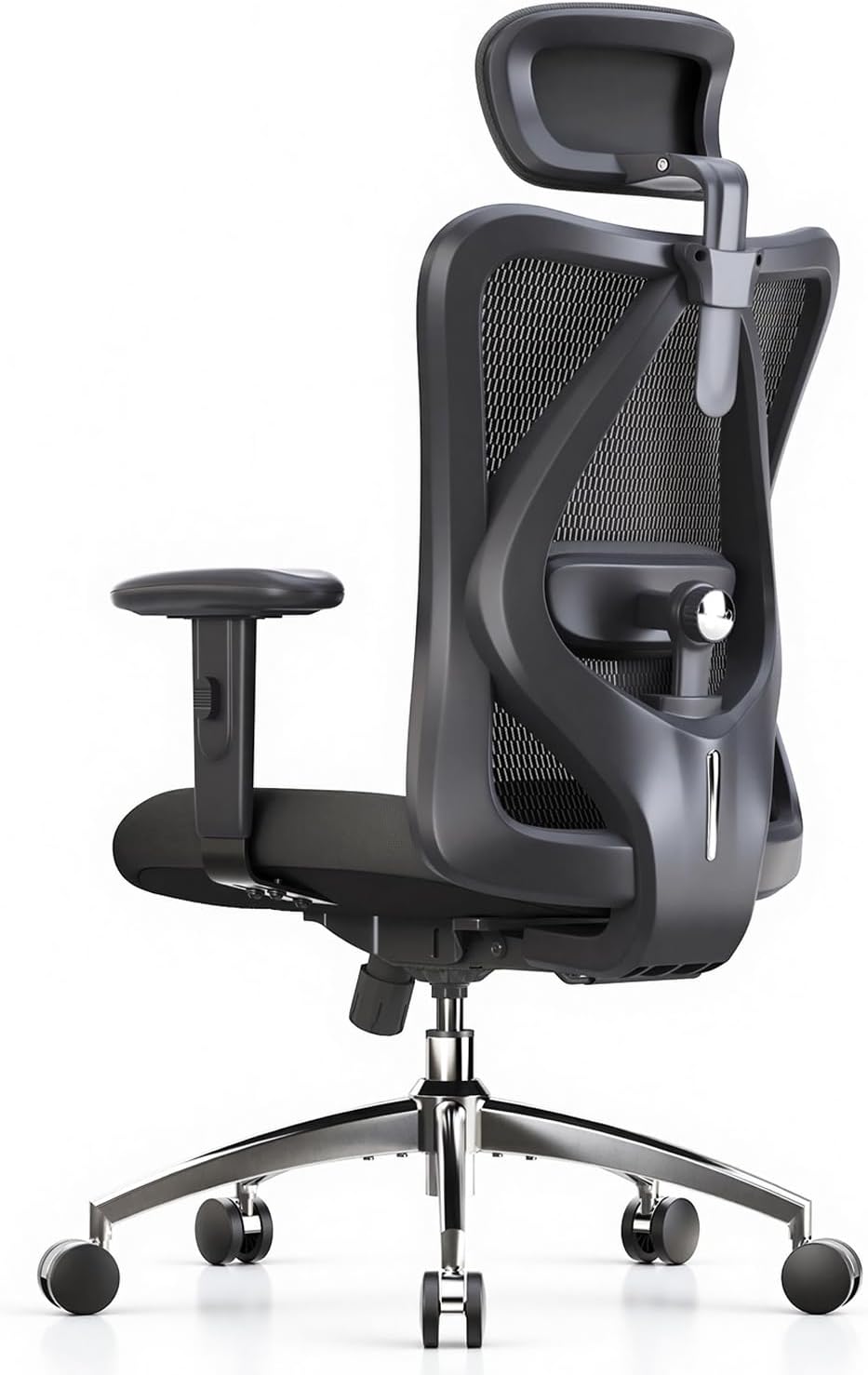
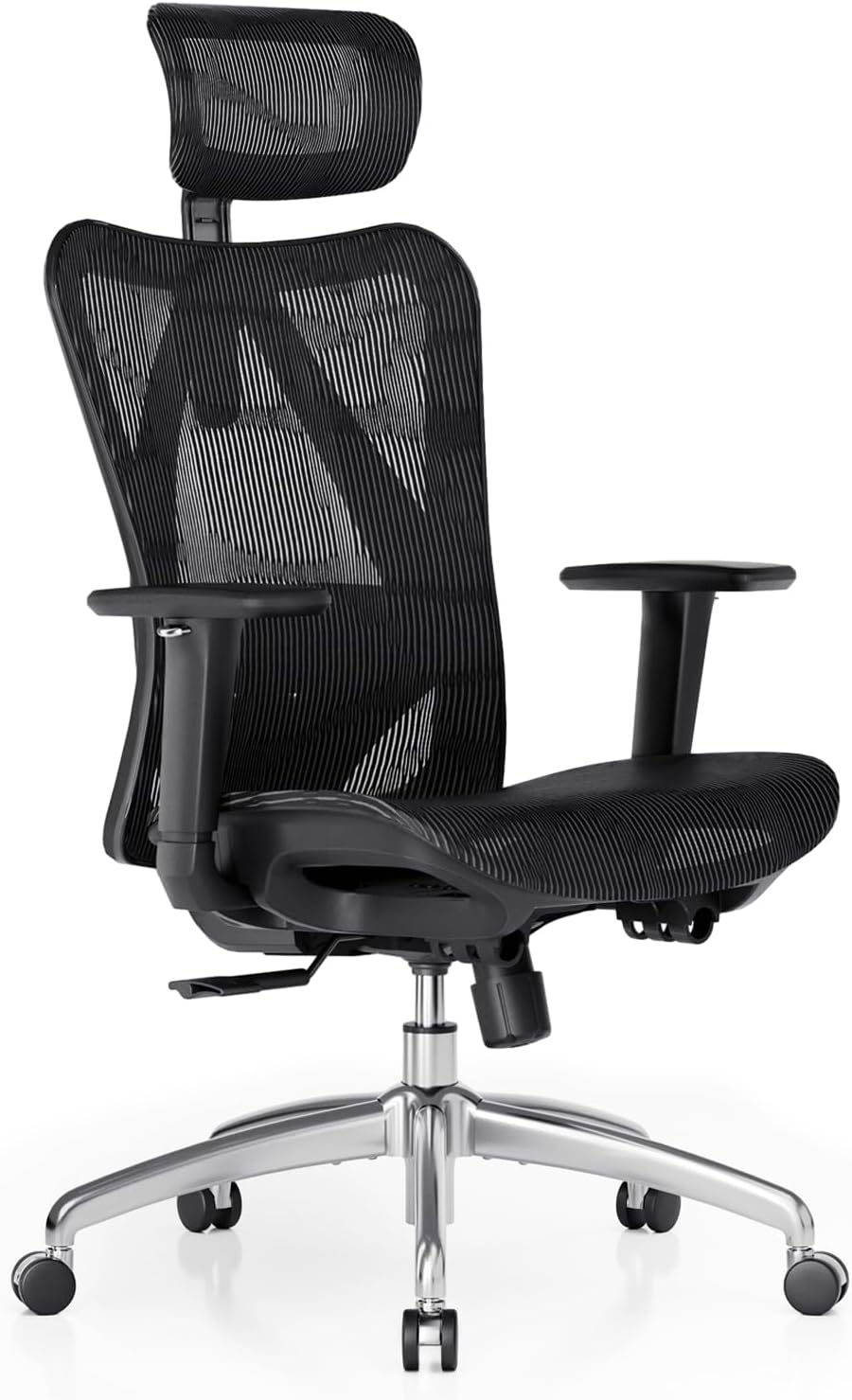
A primary advantage of the SIHOO M59AS is its 3D adjustability. This usually refers to its armrests, which can move up/down, forward/backward, and pivot, allowing users to customize arm support to a significant degree. For anyone with shoulder or neck tension, this level of armrest customization is incredibly valuable. It means your arms can rest comfortably, taking strain off your upper back and shoulders.

The chair typically features a high back mesh office chair design. This breathable mesh is a real asset for a home office desk chair with armrests, especially in warmer climates, preventing that uncomfortable sticky feeling after prolonged sitting. The mesh back often incorporates a dedicated, adjustable lumbar support system. This isn’t just a fixed curve; many SIHOO models allow you to adjust the lumbar support’s height and sometimes its depth, offering more personalized lower back comfort.

Another common characteristic is the inclusion of an office chair with headrest. The headrest on the SIHOO M59AS is often adjustable, moving up and down to accommodate different user heights, which is critical for providing proper neck and head support during reclined breaks or moments of contemplation. While it offers many beneficial adjustments for its price point, it’s important to remember that it won’t have the sheer range or ultra-fine-tuning of a chair several times its cost, such as a Steelcase Gesture. For instance, while its armrests are 3D, they might not offer the fourth dimension of side-to-side width adjustment that some users, particularly those with broader shoulders, might benefit from. Its build, while robust, might also have a slightly lower weight capacity than some of the specialized big and tall office chair 330 lbs models available from other brands.

Common Mistakes When Buying an Ergonomic Office Chair

Even with the best intentions, buyers often make crucial errors when selecting an ergonomic office chair for back pain. Avoiding these pitfalls can save you money, discomfort, and wasted time.

  1. Prioritizing Price Over Adjustability: Many fall into the trap of buying the cheapest “ergonomic” chair they can find, only to discover it lacks essential adjustments. A budget ergonomic office chair under $200 might claim ergonomic features, but if the lumbar support is static, the armrests are fixed, or the seat depth can’t be changed, it’s not truly adaptable to your body. It’s an investment in your health, not just a piece of furniture.
  2. Not Understanding Your Needs: Buyers often purchase a chair based on general recommendations rather than specific requirements. Do you have sciatica? Are you particularly tall or short? A generic mesh office chair, even a good one like the SIHOO M59AS, might not be sufficient if you have very specific musculoskeletal issues that demand a precise fit. Don’t assume one chair solves all problems; identify your problem first.
  3. Ignoring Proper Setup: Even the most sophisticated adjustable lumbar support chair won’t help if it’s not set up correctly. Many users simply sit down and don’t bother to adjust the seat height, armrests, or lumbar support. Take the time to learn how each function works and dial it in for your body and desk height. A premium chair poorly adjusted is no better than a basic one.
  4. Skipping Trial Periods: Buying an ergonomic chair for back pain without an opportunity to try it, even for a few days, is risky. While it’s not always possible to “test drive” every chair, look for retailers with reasonable return policies. Your body needs time to adapt, and what feels comfortable for five minutes might become uncomfortable after five hours.

Why/How/What

Why invest in an ergonomic office chair for back health?

Investing in an ergonomic office chair is critical because it directly addresses the biomechanical stressors of prolonged sitting, which are a leading cause of back pain and spinal issues. Unlike standard chairs, an ergonomic design actively supports your spine’s natural curves, promotes proper posture, and distributes weight evenly, significantly reducing disc compression and muscle fatigue. It’s a proactive measure against chronic pain and a fundamental tool for maintaining long-term physical well-being in a desk-bound role.

How do you properly adjust an ergonomic office chair for optimal support?

Start by setting the seat height so your feet are flat on the floor or a footrest, with knees at a 90-degree angle. Next, adjust seat depth to leave 2-4 fingers between the seat edge and your calves. Position the lumbar support to fill the curve of your lower back, then adjust armrests so your elbows are at a 90-degree angle, keeping shoulders relaxed. Finally, fine-tune the recline tension and lock mechanism to support your upright posture, only reclining for breaks.

What makes the SIHOO M59AS a contender for a truly ergonomic setup?

The SIHOO M59AS stands out with its 3D adjustable armrests, offering crucial support for shoulders and neck by allowing precise customization. Its high back mesh office chair design promotes breathability, and importantly, includes adjustable lumbar support that adapts to your lower back’s curve. Combined with an adjustable headrest, these features provide a comprehensive range of motion and support often found in more expensive models, making it a strong contender for a functional and comfortable ergonomic office chair for long hours.

FAQ

How much should I expect to pay for a decent ergonomic office chair with lumbar support?

The price range for an effective ergonomic office chair with lumbar support varies widely. You can find solid options in the mid-range tier, offering good adjustability and materials, while premium chairs with extensive features and durability will naturally command a higher investment. It truly depends on the level of adjustability and material quality you require.

Is a mesh office chair breathable design actually better for long hours of sitting?

Yes, a mesh office chair breathable design generally offers superior ventilation compared to padded fabric or leather chairs. This significantly reduces heat buildup and sweating, making it much more comfortable for ergonomic office chair for long hours, especially in warmer environments or for individuals who tend to get warm while working.

Can an ergonomic office chair for back pain help with existing sciatica?

An ergonomic office chair can certainly help manage and alleviate symptoms of existing sciatica by promoting proper posture, reducing pressure on the sciatic nerve, and improving blood flow. Features like adjustable seat depth, a waterfall seat edge, and good lumbar support are particularly beneficial for individuals dealing with sciatica.

What’s the real difference between a gaming chair vs ergonomic office chair for work?

The primary difference lies in their design philosophy: gaming chairs often prioritize aesthetics and aggressive styling, with features like deep recline for gaming, but frequently lack the fine-tuned, dynamic ergonomic adjustments crucial for long-term spinal health. In contrast, an ergonomic office chair, like the SIHOO M59AS, focuses on comprehensive adjustability and support specifically for a productive and pain-free work posture.

How do I know if an office chair with headrest is suitable for my height?

To check if an office chair with headrest is suitable, ensure it’s adjustable in height. When seated correctly, the headrest should support the natural curve of your neck, allowing you to comfortably rest your head without forcing it forward or backward. If it’s fixed, verify that its position aligns with your neck’s natural curve.

Are there good budget ergonomic office chair options under $250?

Yes, there are indeed good budget ergonomic office chair options under $250 that offer significant improvements over basic office chairs. While they won’t have the extensive adjustments or premium materials of high-end models, many, like certain SIHOO (e.g., SIHOO M59AS) or Marsail chairs, provide adjustable lumbar support, mesh backs, and basic armrest adjustments, making them a viable ergonomic office chair with lumbar support under $250.

What’s the importance of adjustable lumbar support chair features?

Adjustable lumbar support chair features are crucial because they allow you to customize the support precisely to your unique spinal curve, promoting the natural “S” shape of your spine. This prevents slouching, reduces pressure on the lower back discs, and alleviates muscle strain, which is vital for preventing and managing back pain during long periods of sitting.

Final Recommendation

For those battling back pain or seeking to prevent it through better posture, selecting the right ergonomic office chair is a transformative decision. Don’t settle for a static seat that exacerbates your discomfort. Focus on adjustability that truly adapts to your body, not just generalized comfort.

If you’re looking for a solid mid-range option that balances features and value, the SIHOO M59AS Ergonomic Office Chair, Desk Chair with 3D presents a compelling choice. Its 3D armrests, breathable mesh back, and adjustable lumbar support address many critical ergonomic needs for a home office chair for all day sitting. For very specific, severe conditions or extremely tall/heavy users, you might explore more specialized big and tall office chair 330 lbs models or premium brands. However, for the vast majority of remote workers, the SIHOO M59AS provides a significant upgrade towards a healthier, more comfortable work setup.

#SIHOO #M59AS #Ergonomic #Office #Chair #Desk #Chair

Leave a Comment

Your email address will not be published. Required fields are marked *

Shopping Cart
Privacy Overview

This website uses cookies so that we can provide you with the best user experience possible. Cookie information is stored in your browser and performs functions such as recognising you when you return to our website and helping our team to understand which sections of the website you find most interesting and useful.