Are Reusable Food Wraps Really Worth It? A Deep Dive into Durable, Plastic-Free Storage (Akeeko Included!)
Trying to ditch the plastic cling film? You’re not alone. This guide slices through the noise to help savvy shoppers understand the true value of reusable food wraps, evaluating what makes certain options, like the well-known Akeeko Reusable Beeswax Food Wraps, stand out. We’ll explore what really matters when you’re looking for plastic-free storage solutions that actually perform, moving beyond just the eco-friendly appeal. This is for anyone ready to invest in a more sustainable kitchen without sacrificing freshness or convenience.
Quick Answer
Many folks find reusable food wraps a wise investment for slashing household waste and keeping food fresh without plastic. They really shine for things like half-cut fruits, bowls of leftovers, and even packing snacks, offering a breathable, flexible seal. While they demand a bit more care than single-use options, the long-term environmental and potential financial benefits often make them a savvy swap, especially with versatile sets like those from Akeeko.
What to Look For (The Buying Criteria)
Choosing the right reusable food wraps isn’t just about grabbing the first pretty set you see. It takes a little thought. You’re looking for a sustainable kitchen tool that actually works, right? So, let’s break down the key decision-making factors.
-
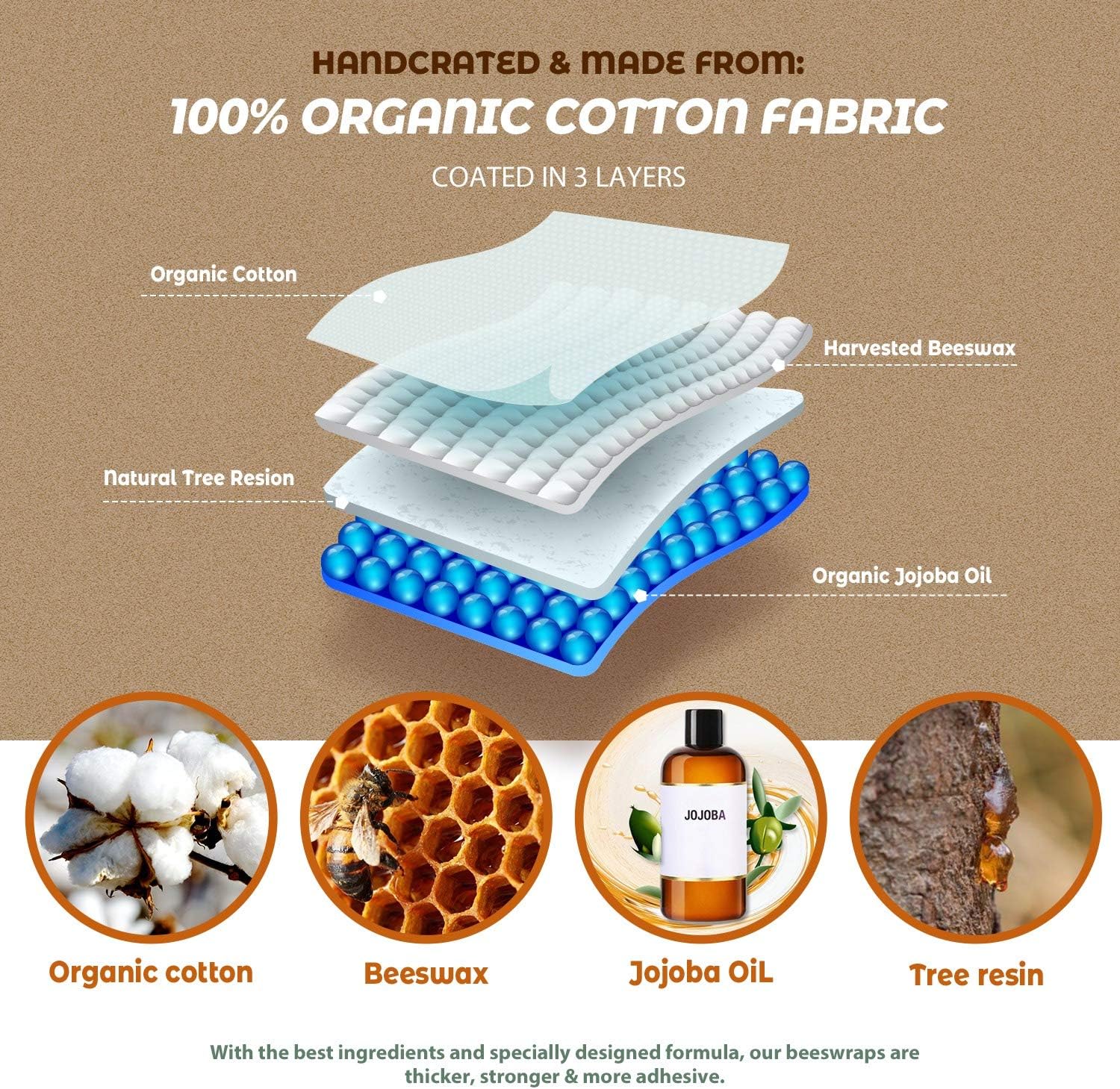
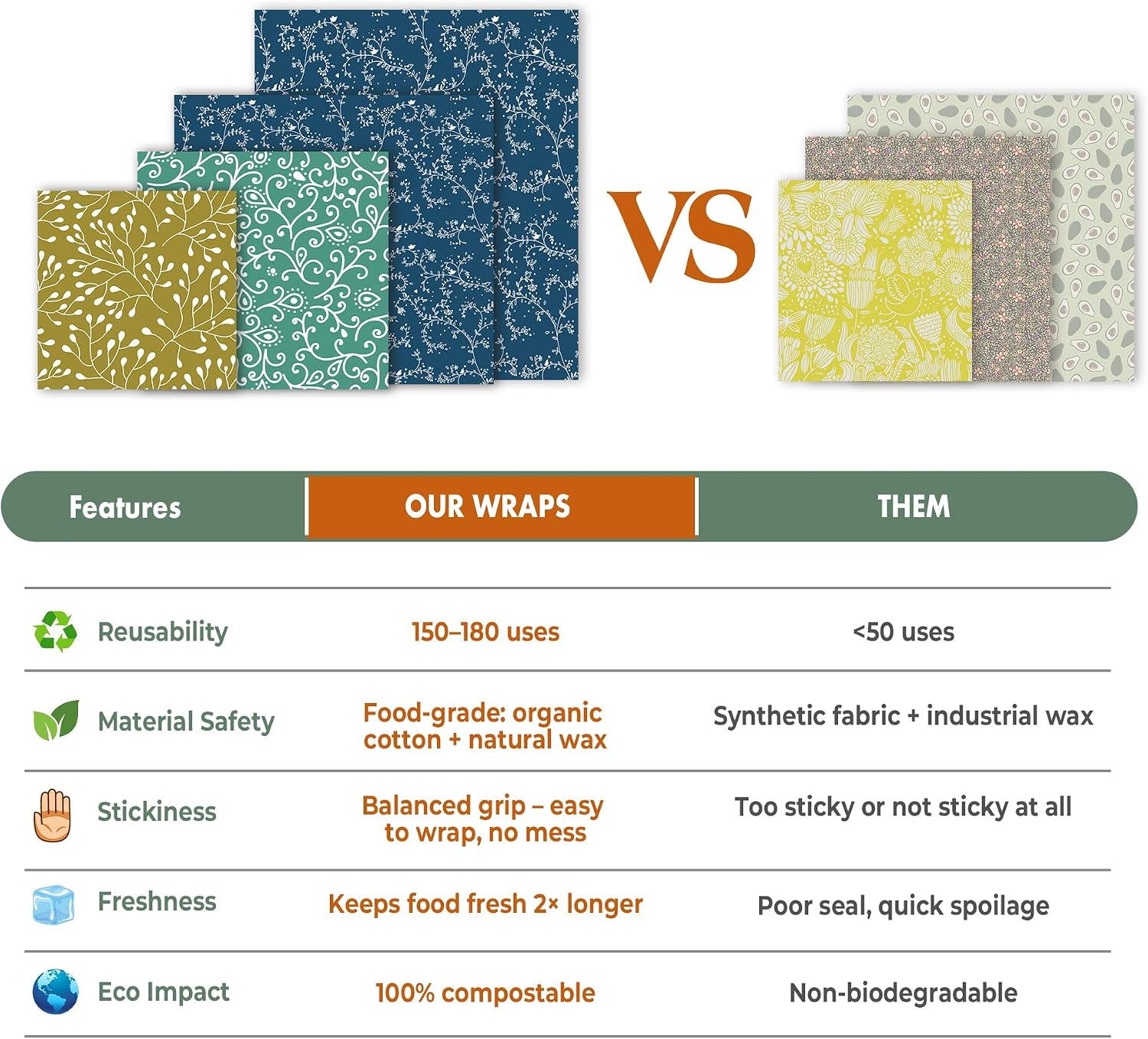
Material Composition and Durability: Most reusable food wraps lean on natural materials, typically cotton fabric coated with something sticky and pliable. The most common varieties are beeswax wraps, like the Akeeko options, or sometimes soy wax for vegan alternatives. Beeswax offers a natural antibacterial property and a good, tacky grip that softens with the warmth of your hands to form a seal. It’s a tried-and-true method. The downside? Beeswax isn’t ideal for covering raw meat or super hot items, and it’s not a set-it-and-forget-it dishwasher item. Silicone wraps, on the other hand, boast a different kind of resilience. They’re usually more robust, handle extreme temperatures better, and can often go right into the dishwasher. But they don’t breathe like wax-coated fabric, which is sometimes a plus for things like bread. Consider how often you’ll use them, and for what, before committing. A cheaper wax wrap might fall apart after a dozen washes; a quality one, like those from a reputable brand, might last significantly longer, making the upfront cost more palatable.
-
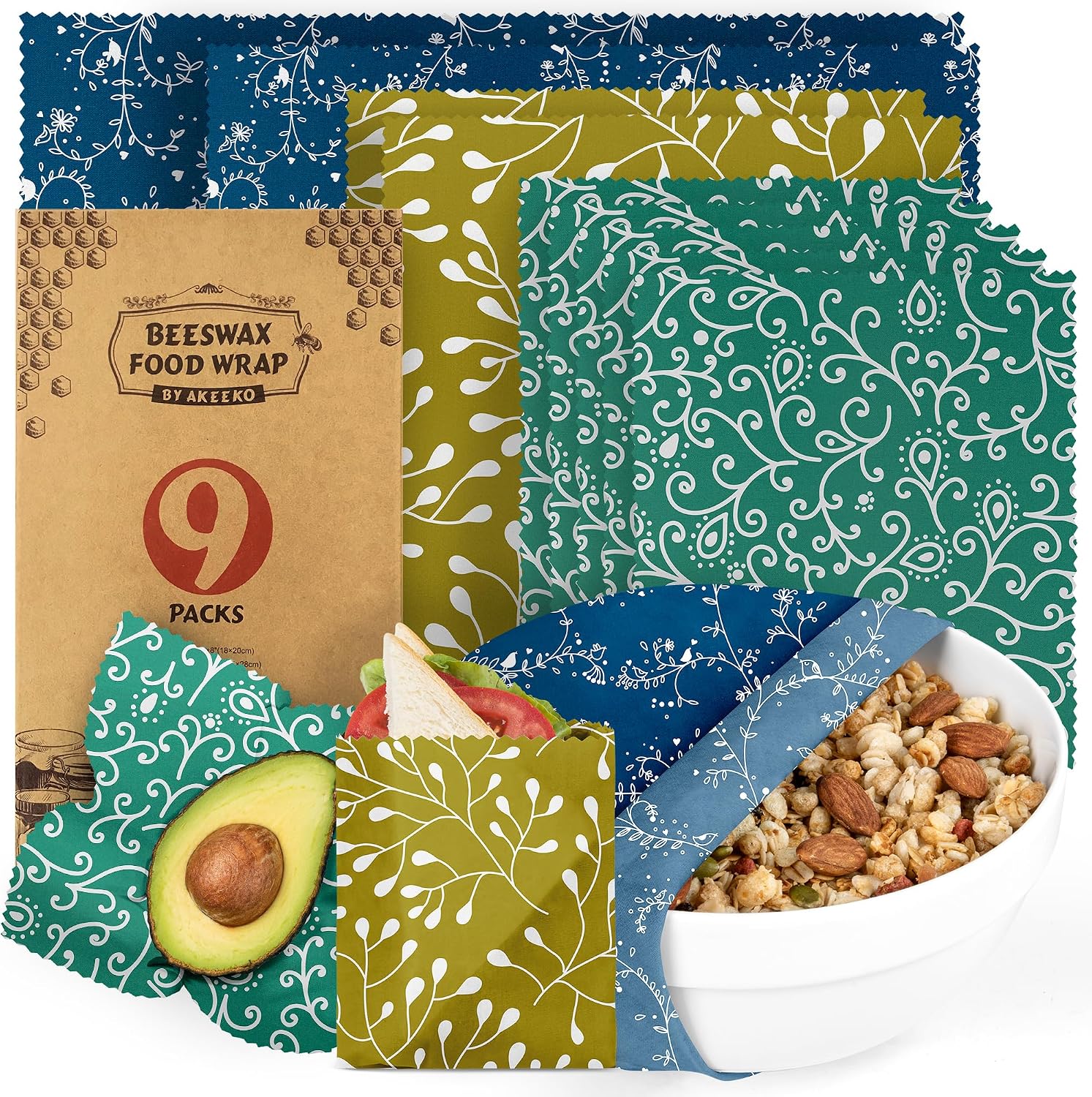
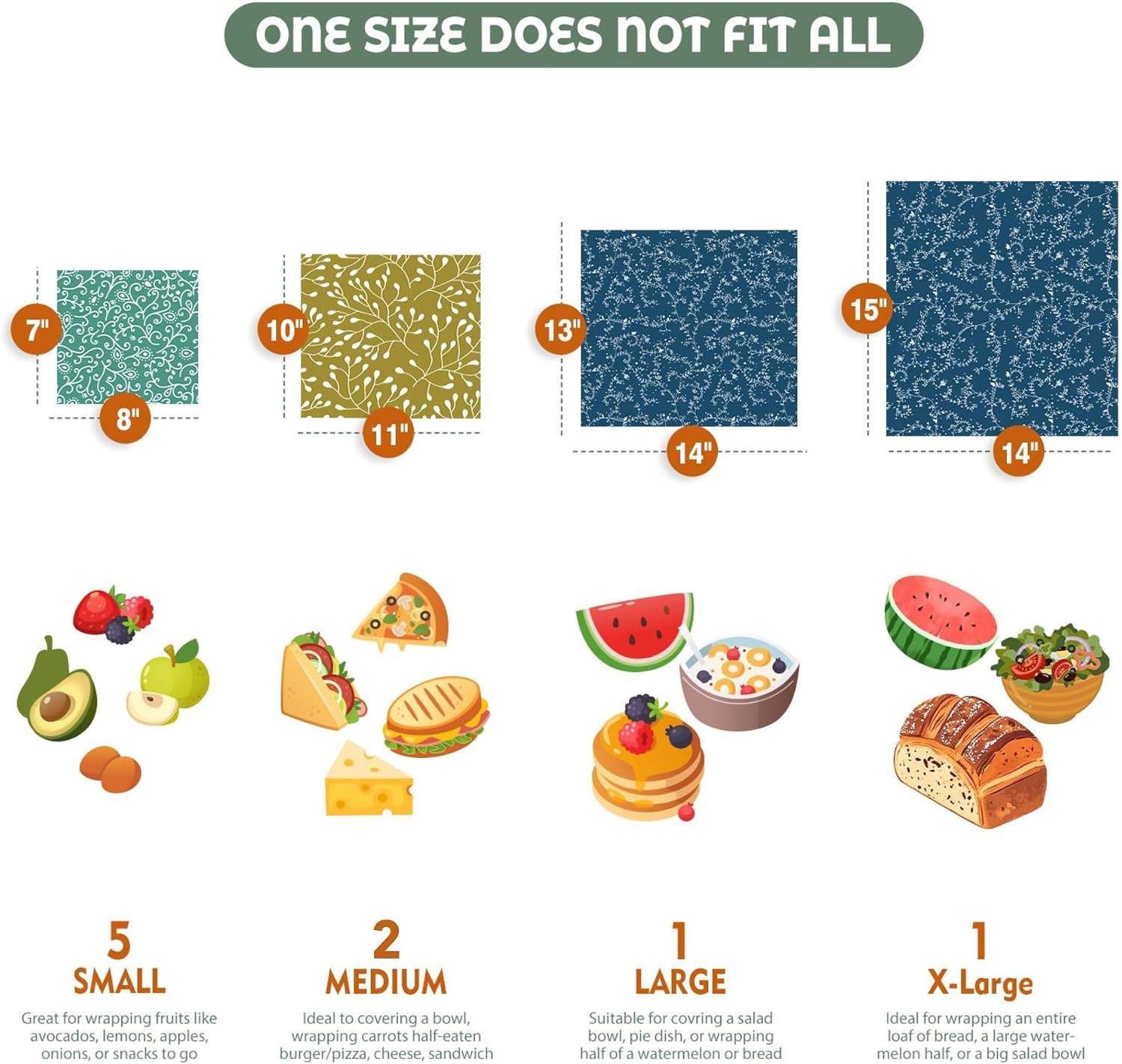
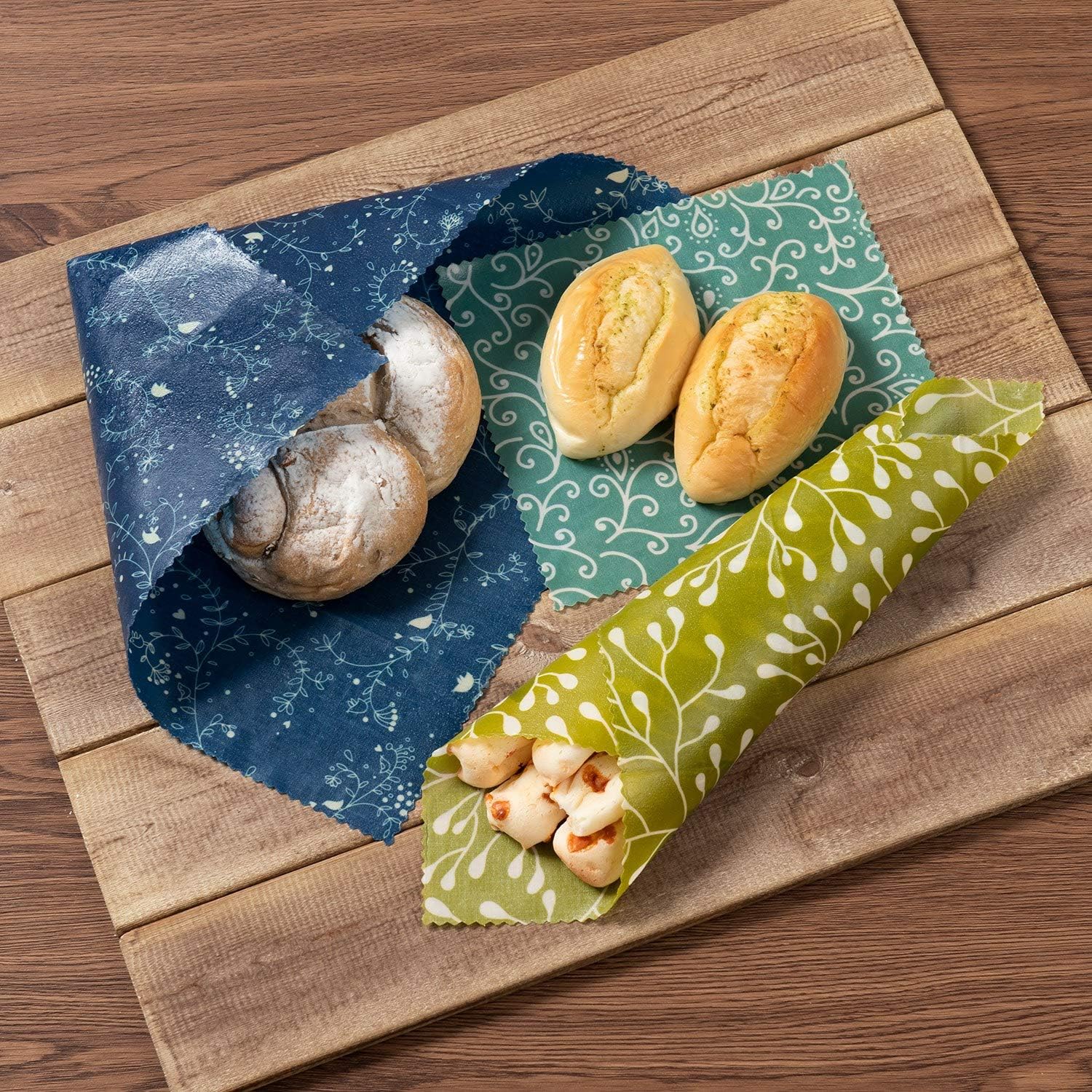
Size Assortment and Versatility: This is crucial. I’ve seen people spend way too much on features they never use, or worse, not enough on what they really need. A set of tiny wraps won’t cover your dinner plate leftovers, and a jumbo one feels overkill for a cut avocado. Akeeko’s assorted 9 packs are a smart move here, offering 5 small, 2 medium, 1 large, and 1 extra large wraps. That kind of variety covers most bases: small ones for half an onion or a block of cheese, mediums for sandwiches or small bowls, and the large/XL for bigger bowls, loaves of bread, or covering a platter. Without a good range, you’ll find yourself reaching for plastic again, which defeats the whole purpose. Think about your typical food storage habits. Do you mostly cover small bowls or larger casseroles? Your daily routine should dictate the size distribution you need.
-
Adhesive Quality and Seal Strength: What’s the point of a wrap if it doesn’t actually stick? The wax coating is designed to soften with the heat from your hands, allowing you to mold it around food or containers, creating a breathable seal. A high-quality wrap retains its stickiness through numerous washes. Some cheaper alternatives lose their tackiness after only a few uses, becoming frustratingly ineffective. You want enough cling to hug a bowl without much fuss, but not so much that it’s a wrestling match to open. It’s a delicate balance. A good wrap offers enough adhesion to keep air out but still allows a little airflow, preventing condensation and keeping produce crisper than plastic might. A poor seal, on the other hand, means food dries out, or worse, spoils quicker.
-
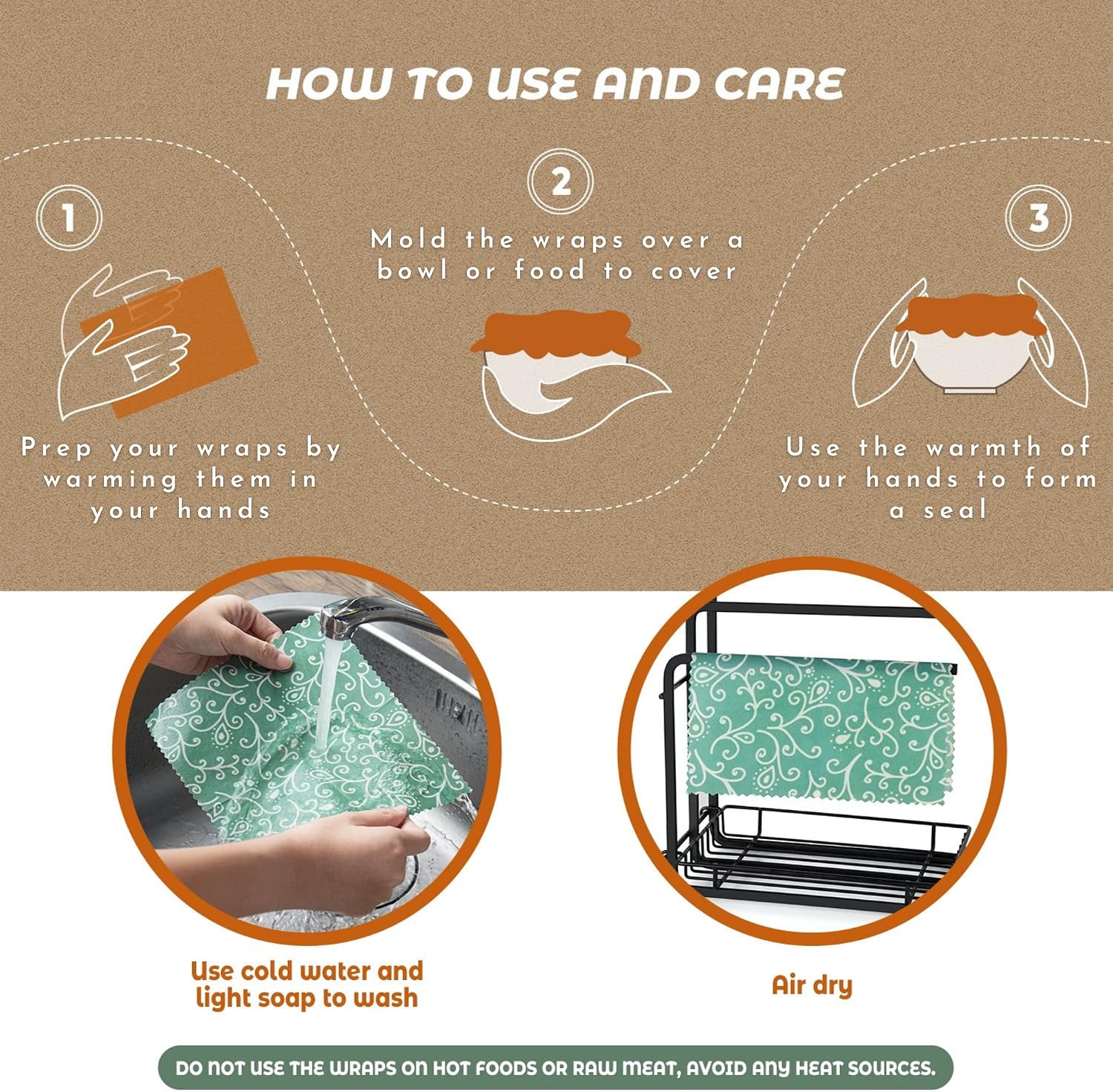
Ease of Cleaning and Maintenance: Let’s be real, if it’s a pain to clean, you won’t use it. Washable wraps are designed for convenience, but there are limits. For most beeswax varieties, it’s a cool water rinse with mild soap, then air dry. Sounds simple, right? It is. But if you’re accustomed to throwing everything in the dishwasher, this might feel like a chore. The tradeoff for natural materials is usually a slightly higher manual effort. Look for wraps that dry quickly and don’t retain odors. Some might stain easily, especially with vibrant foods like berries or turmeric. That’s not a deal-breaker for functionality, but it’s something to consider for aesthetics. Akeeko’s specific care instructions would advise this manual, gentle approach to ensure longevity.
-
Design, Pattern, and Aesthetics: While not strictly about function, the visual appeal absolutely plays a part in user experience. Who wants boring kitchen tools? The abstract curves pattern on the Akeeko wraps adds a dash of personality to your kitchen. If you’re going to reuse something over and over, you might as well enjoy looking at it. Plus, attractive wraps can sometimes make you more likely to use them, serving as a subtle reminder of your zero-waste living goals. It might sound silly, but human nature is funny that way. Don’t underestimate the power of a product that sparks joy, even in the mundane.
-
Brand Reputation and Value Proposition: With so many options out there, leaning on brands that focus on sustainability and quality can save you headaches. A brand known for its plastic-free storage commitment often means they’ve put thought into the source of their wax, the fabric, and the overall longevity of the product. Is a premium brand just charging for a name? Sometimes. But often, it reflects better materials, more rigorous testing, and ethical sourcing. When you’re considering the “worth it” factor, think about the number of single-use plastic items you’ll avoid buying over the lifespan of these wraps. That’s the real value. A set like Akeeko’s, offering a good assortment and a clear focus on eco-friendly alternatives, generally represents a solid value if it holds up as expected.
How to Match the Product to Your Situation
Finding the right reusable food wraps means taking an honest look at your lifestyle. No single wrap works for everyone, and that’s okay. It’s all about fitting the tool to the task.
- The Eco-Conscious Family: You’re probably looking to minimize waste across the board, from school lunches to family dinner leftovers. A versatile set with assorted sizes, much like Akeeko’s 9-pack, is key. You need enough wraps to cover multiple items daily without constantly washing. Durability is paramount, too. You’ll want beeswax wraps that can stand up to frequent use and gentle washing, proving themselves as robust food storage solutions. The goal here is widespread adoption, so ease of use for everyone in the household matters.
- The Meal Prep Enthusiast: You’ve got containers, you’ve got pre-portioned meals, and you need reliable covers. Your priority is a consistent, effective breathable seal that keeps your prepped food fresh for days. While plastic containers are great, these wraps offer a lovely alternative for things that might sweat too much in an airtight environment, like baked goods or sliced veggies. You might prefer wraps with a slightly firmer wax coating for a stronger initial cling. Quantity isn’t as critical as performance and the ability to conform to various bowl shapes.
- The Budget-Minded Beginner: New to zero-waste living? You might be hesitant to splurge. A smaller, mid-range starter pack makes sense. You need enough to test the waters, get into the habit of washing them, and see what sizes you use most often. Perhaps a pack focusing on a few medium-sized wraps initially. The goal here isn’t to replace all cling film overnight, but to slowly integrate sustainable kitchen practices. As you grow comfortable, you can expand your collection, maybe even experimenting with DIY wax wraps later.
Reusable Food Wrap Comparison: What’s Your Fit?
| Type/Tier | Best For | Price Tier | Key Feature | Watch-Out |
|---|---|---|---|---|
| Beeswax Wraps | Everyday items, bread, cheese, veggies, bowls | Mid-range | Natural, breathable | Sensitive to heat, not fully airtight |
| Silicone Lids | Airtight seal, microwave, freezer, heavy bowls | Mid-to-premium | High durability, versatile | Less breathable, can be bulky to store |
| Fabric Covers | Casual bowl covering, outdoor use, aesthetics | Budget-friendly | Easy wash, decorative | Not airtight, less food preservation |
| DIY Wax Wraps | Custom sizes, ultra-budget, creative projects | Very budget | Customizable, personal | Labor-intensive, inconsistent quality |
Beeswax Wraps, like the Akeeko variety, excel for general food preservation where a breathable environment is beneficial, think half-eaten apples or covering a fermenting bowl. They form a soft, protective layer that’s easy to mold.
Silicone Lids are your go-to when you need a truly airtight seal for liquids or pungent foods, plus they often handle hot food and dishwashers with ease, but they lack the natural breathability of wax.
Fabric Bowl Covers, often elasticated, are fantastic for picnics or covering items that don’t need a super tight seal, prioritizing simplicity and washability over intense food storage solutions.
DIY Wax Wraps offer the ultimate in customization for those who enjoy crafting, allowing you to choose your fabric and wax type, though the results can vary wildly depending on your technique.
Scenario-Specific Mini-Sections
Reusable food wraps aren’t a one-size-fits-all solution; their utility really shines in specific scenarios. Let’s look at a few common situations.
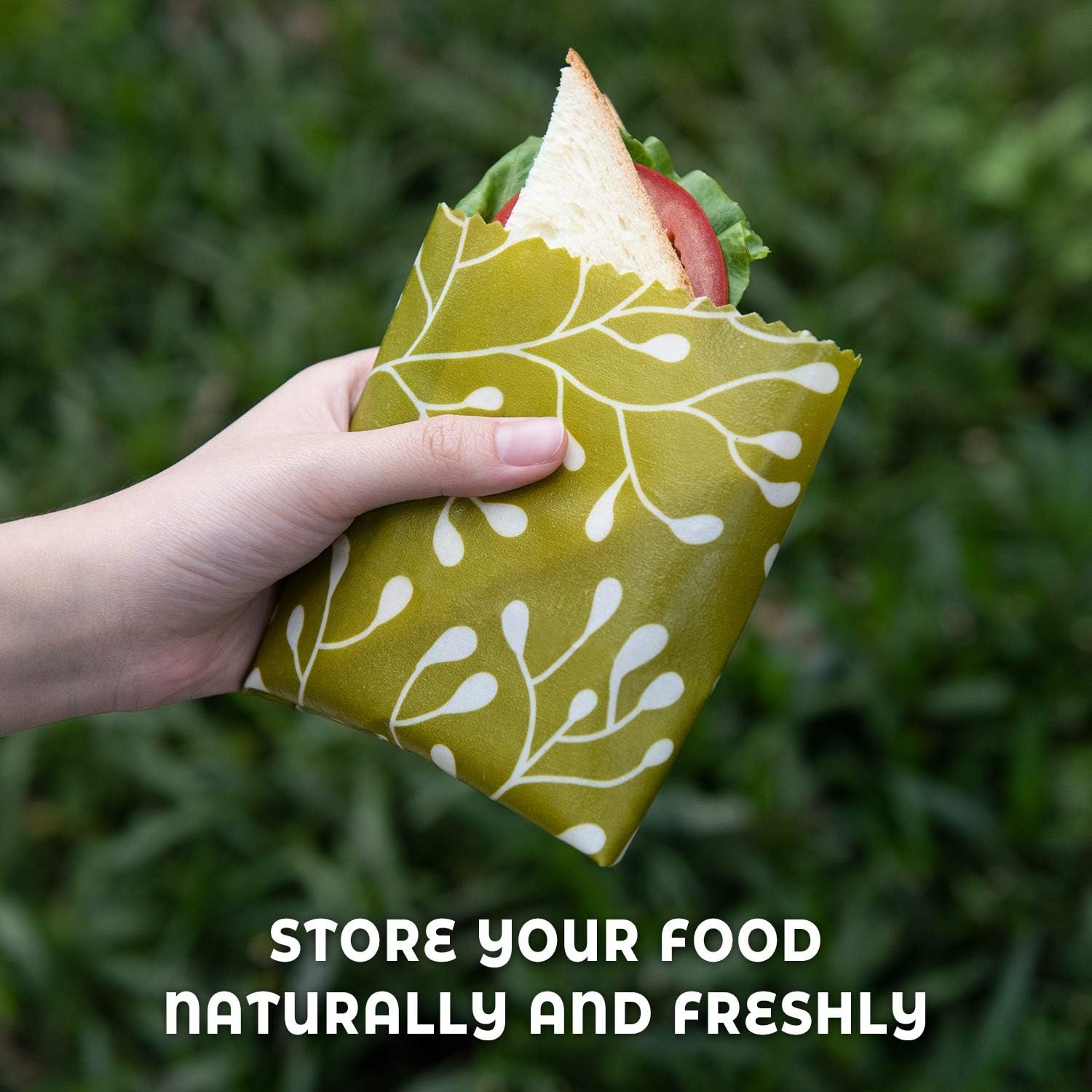
Daily Lunch Packing: For sandwiches, cut veggies, or a piece of fruit, these wraps are ideal. Small and medium sizes, like those plentiful in an Akeeko 9-pack, become indispensable here. You simply wrap your sandwich, the warmth of your hands activates the wax, and it creates a gentle cling, preventing your lunch from getting squashed or drying out. It’s a noticeable step up from a plastic baggie, which often holds moisture, making your sandwich soggy. And honestly, it just feels nicer to unwrap a colourful, fabric-based package.
Leftover Storage in the Fridge: This is where the larger wraps, the L and XL included in Akeeko’s set, really earn their keep. Covering a plate of pasta, a bowl of salad, or a baking dish with a breathable, wax-coated fabric helps prevent that weird fridge-smell transfer while still letting a little air circulate. That breathability is often a secret weapon for things like cut onions, where an entirely airtight container can just make them weep more. Plus, the abstract curves pattern on some wraps looks way better than crumpled plastic in your fridge. It’s a little thing, but it counts.
Outdoor and Picnic Use: Heading to a park or a backyard barbecue? Reusable food wraps are surprisingly handy. They’re lightweight, flexible, and much more eco-friendly than disposable foil or plastic. Use them to cover bowls of potato salad, wrap up a loaf of bread, or protect some fruit from pests. They don’t mind a little jostling in a picnic basket and clean up fairly easily back home. Just remember to avoid anything intensely oily or messy that might be tough to rinse off without a proper sink.
Common Mistakes Buyers Make
Even seasoned shoppers can sometimes stumble when adopting a new product category. With reusable food wraps, a few common pitfalls can sour the experience.
- Using Hot Water for Washing: This is probably the biggest no-no for beeswax wraps. Hot water melts the wax, stripping the wrap of its crucial stickiness and shortening its lifespan considerably. Always use cool water and a gentle, non-abrasive soap. It’s a simple rule, but one many overlook.
- Not “Warming” the Wrap Enough: The magic of wax-coated fabric lies in its ability to soften and conform with the heat from your hands. If you just try to slap it on a bowl cold, it won’t seal properly. Take a few seconds to mold it, pressing firmly around the edges. That warmth creates the necessary tackiness.
- Expecting an Airtight Seal: Unlike plastic wrap or silicone lids, most wax-based wraps offer a breathable seal. This is a feature, not a flaw, particularly for things like bread, cheese, and vegetables, which benefit from a little air. But if you need to submerge something in water or transport soup, these wraps aren’t your best bet.
- Using for the Wrong Foods: While versatile, beeswax wraps aren’t suitable for everything. They’re not recommended for raw meat or very greasy items, as cleaning them thoroughly can be a challenge and risks compromising food safety. High-acid fruits like pineapple can also break down the wax over time. Stick to things like sandwiches, cheese, herbs, veggies, and covering bowls of leftovers.
Why/How/What Mini-Section
Why choose reusable food wraps over plastic?
You make the switch primarily for environmental reasons, reducing single-use plastic waste that pollutes our planet. Beyond that, many find the breathable seal of wax wraps actually keeps certain foods, like artisan bread or cheese, fresher for longer than an airtight plastic container might. It’s about a healthier environment and smarter food preservation.
How do you properly care for beeswax wraps?
Care is straightforward: rinse your beeswax wraps under cool water with a drop of mild dish soap, gently wiping away any food bits. Pat them dry with a towel or, even better, let them air dry completely on a rack or clothesline. Keep them away from hot water, microwaves, and direct heat sources like sunny windows or oven tops to preserve the wax coating.
What foods are best suited for reusable food wraps?
Reusable food wraps shine brightest for covering cut fruits and vegetables (think half an avocado or a cucumber), wrapping blocks of cheese, storing herbs, and covering bowls of leftovers. They’re also fantastic for packing sandwiches or baked goods, allowing them to breathe without drying out too quickly. These wraps are truly a versatile part of a sustainable kitchen.
FAQ
How long do reusable food wraps last?
A good quality set of reusable food wraps, like those from Akeeko, typically lasts anywhere from six months to a year, sometimes even longer, with proper care. Their lifespan depends heavily on how often you use them and how gently you wash them.
Can you wash beeswax wraps in the dishwasher?
Absolutely not. Washing beeswax wraps in the dishwasher will melt the wax coating, rendering them useless and potentially making a mess of your appliance. Always stick to cool water and mild soap for cleaning.
Are reusable food wraps truly airtight?
No, most wax-based reusable food wraps are not truly airtight. They create a strong, breathable seal that helps preserve food without trapping moisture, which can be beneficial for many items, but they won’t prevent liquids from spilling.
What’s the difference between beeswax and vegan wax wraps?
Beeswax wraps use beeswax in their coating, which has natural antibacterial properties and a classic sticky feel. Vegan wax wraps, on the other hand, typically use plant-based waxes like soy wax, candelilla wax, or jojoba oil to achieve a similar, though sometimes slightly different, cling and flexibility.
Can I use reusable food wraps for raw meat?
It’s generally not recommended to use reusable food wraps for raw meat. The wraps can be difficult to sanitize thoroughly, posing a food safety risk. For raw meat, airtight containers or specific butcher paper are better food storage solutions.
How do I refresh a sticky reusable food wrap?
If your wax-coated fabric wrap starts to lose its stickiness, you can sometimes refresh it. Gently iron it between two sheets of parchment paper, adding a few fresh wax pellets if needed, to redistribute the wax. There are also specific wax refresher kits available.
Where can I buy good quality reusable food wraps?
High-quality reusable food wraps are widely available online and through major retailers that focus on eco-friendly home goods. Look for reputable brands known for their commitment to sustainable materials and thoughtful design. Check current availability.
Final Recommendation
When it comes down to it, are reusable food wraps worth it? For most kitchens looking to embrace more plastic-free storage and a sustainable kitchen approach, the answer is a resounding yes. They demand a little extra care compared to their disposable cousins, but the trade-off in environmental impact and the subtle improvement in how certain foods stay fresh often tips the scales.
For anyone serious about making the switch and getting immediate value, a well-rounded set with varied sizes, like the Akeeko Reusable Beeswax Food Wraps with its assorted 9 packs, is an excellent starting point. The mix of small, medium, large, and extra-large wraps ensures you’ve got the right tool for almost every job, from a cut lemon to a family-sized casserole. Its focus on natural materials and a thoughtful abstract curves pattern also means you’re investing in a product that’s both functional and visually appealing, making the daily routine of food preservation just a little bit more enjoyable.
#Akeeko #Reusable #Beeswax #Food #Wraps #Assorted #Packs #Reusable #PlasticFree #Food #Storage #Small #Medium #Large #Extra #Large #Wraps #Abstract #Curves #Pattern