Reusable Food Wraps: Are Bee’s Wrap Rolls the Smart Choice for Your Sustainable Kitchen?
Deciding on the right reusable food wraps can feel like navigating a maze of claims and materials. This guide cuts through the noise, offering savvy shoppers a practical look at value, key features, and suitability for various kitchen needs, with a particular focus on the Bee’s Wrap Beeswax Wrap Roll. We’re here to help you figure out if these popular, plastic-free food storage solutions are actually worth your hard-earned cash and if the premium choice, like Bee’s Wrap, truly delivers.
Quick Answer
For those serious about ditching plastic film and embracing a versatile, eco-friendlier kitchen, beeswax wraps like the Bee’s Wrap roll format offer a compelling blend of adaptability and natural preservation. While they represent a slightly higher initial investment compared to other options, their cut-to-size convenience and breathable qualities make them a solid, sustainable choice for many everyday food storage needs.
What to Look For (The Buying Criteria)
Picking out the right reusable food wrap isn’t rocket science, but there are definitely some nuances that separate the “meh” from the “oh, that’s clever.” You want something that actually works, right? Something that won’t just end up shoved in a drawer after a week. Here’s what I tell folks to really consider before they commit.
First off, Material Composition is paramount. Most reusable wraps fall into a few camps: beeswax-coated fabric (what Bee’s Wrap is all about), silicone, or just plain fabric. Beeswax wraps, usually made with organic cotton infused with beeswax, jojoba oil, and tree resin, offer a slightly sticky, malleable quality that molds to food and bowls. They’re breathable, which is fantastic for things like bread and certain produce that get sad in a completely airtight environment. The trade-off? They’re not great for raw meat, oily foods that can degrade the wax coating, or anything super hot. Silicone wraps, on the other hand, boast superior airtight seals and can handle higher temperatures – think microwave or freezer use. But they lack that natural breathability, and some folks find them a bit fiddly to get a truly tight seal, especially on irregular shapes. And then you’ve got simple fabric wraps, which are often just for covering things loosely, not sealing. They’re okay, but they don’t offer much in terms of preservation.
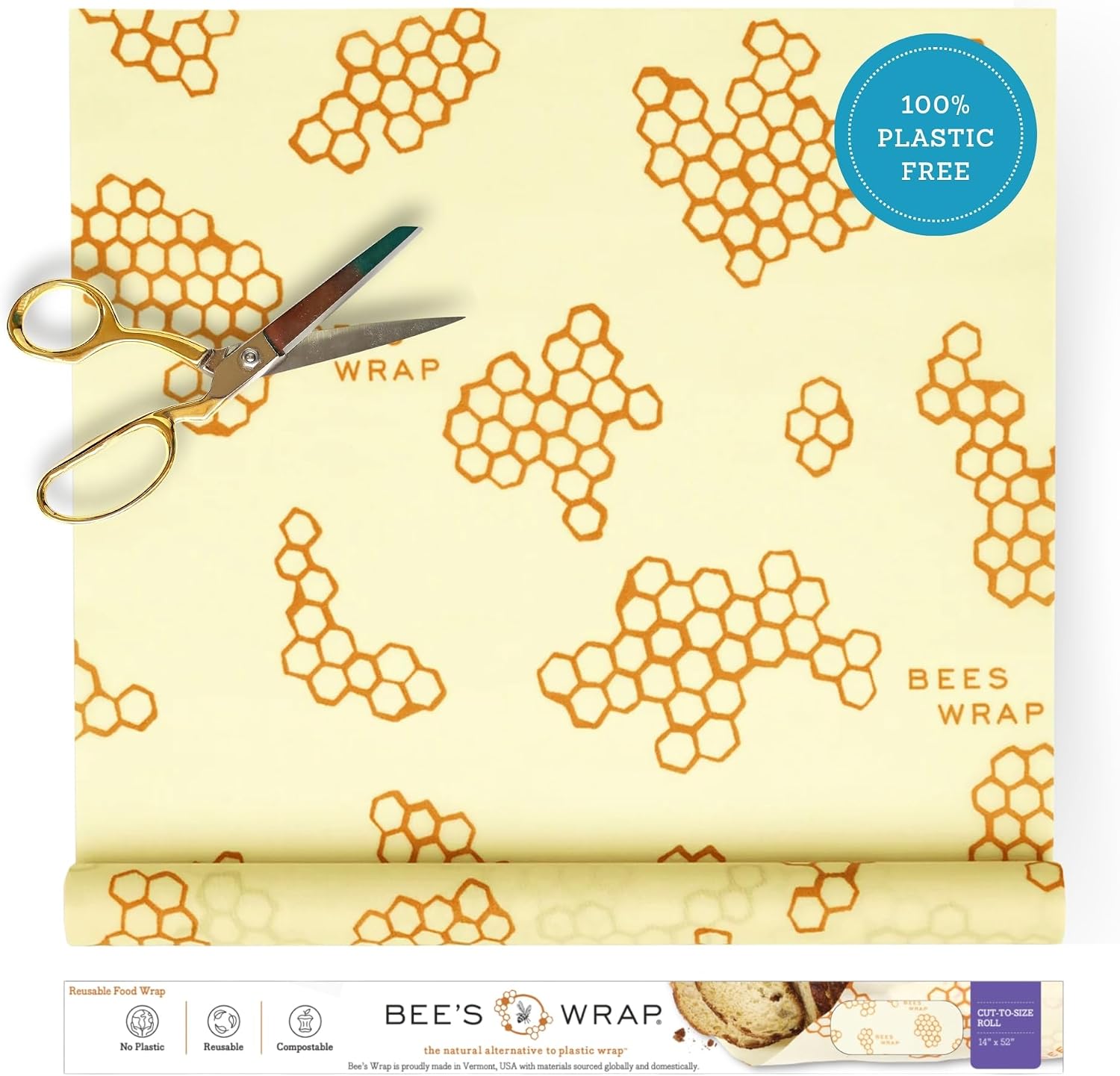
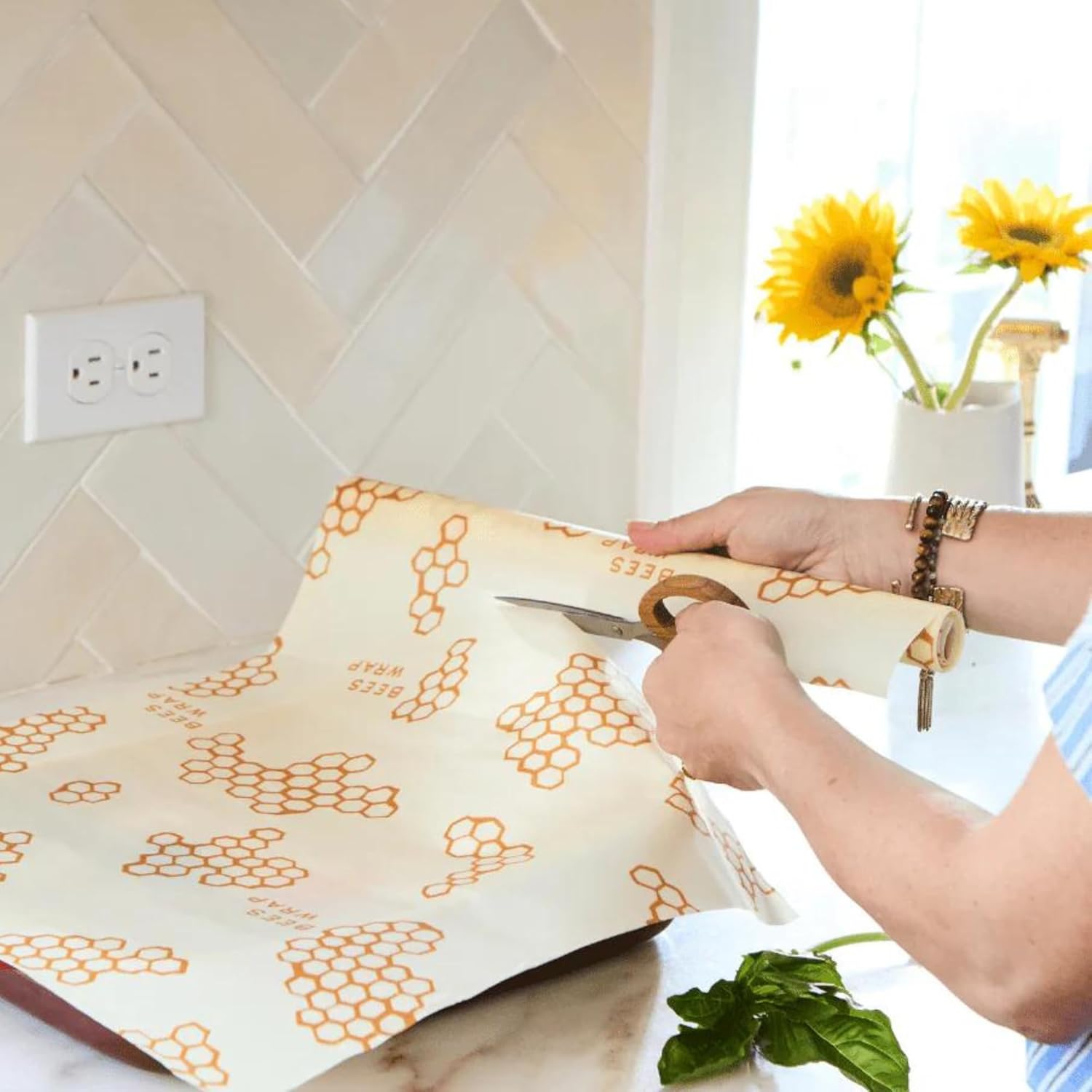
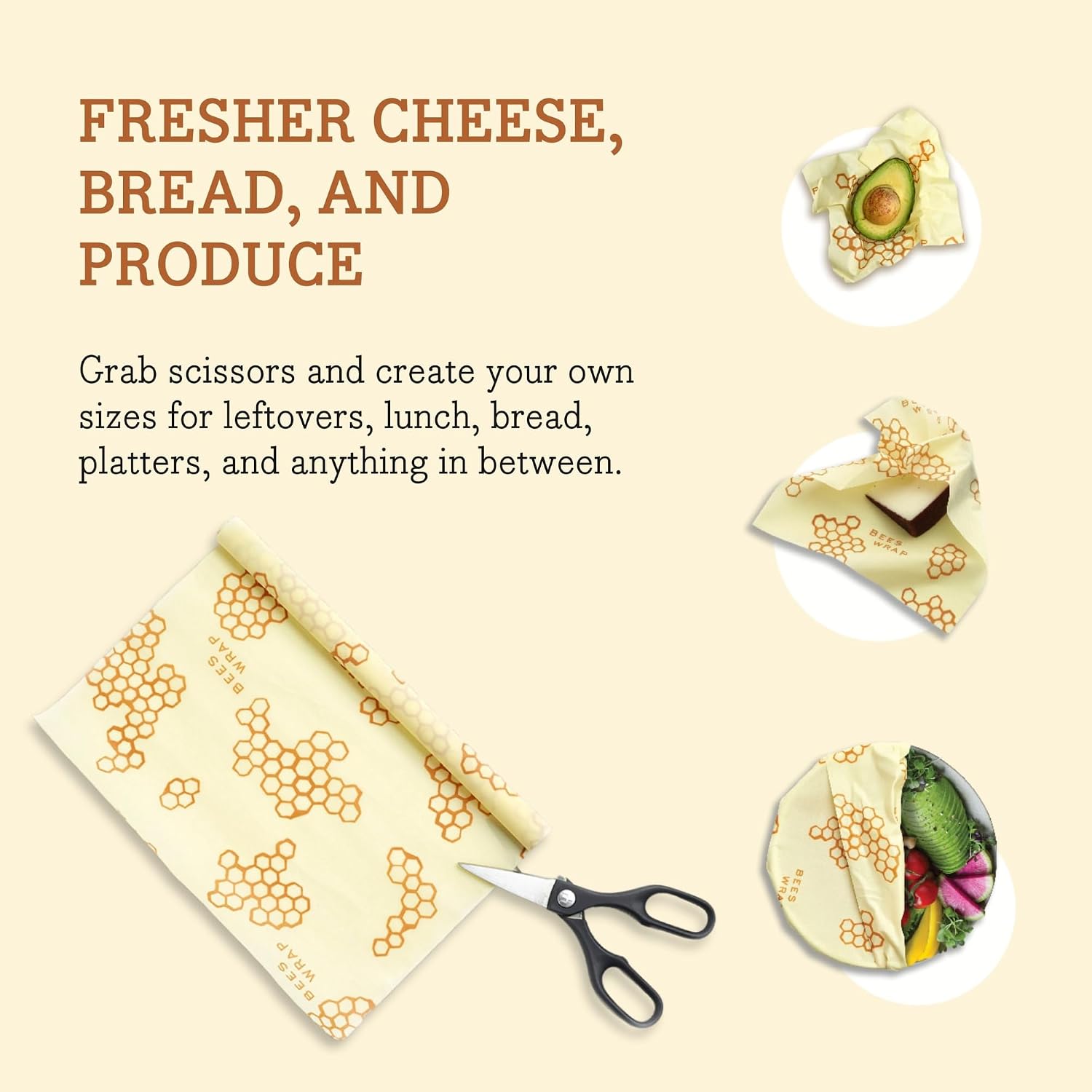
Then there’s Form Factor & Size Versatility. This is where a product like the Bee’s Wrap Beeswax Wrap Roll really shines. Many beeswax wraps come in pre-cut, fixed sizes. Small for an avocado, medium for a block of cheese, large for a sandwich. That’s fine, but what if you have a giant watermelon wedge? Or a weirdly shaped casserole dish? A roll, like the Bee’s Wrap Honeycomb model, lets you literally cut to size. Need a tiny square for a lemon half? Snip. A long strip for a baguette? Slice away. This kind of flexibility is a big deal, minimizing waste both in packaging and in actual food spoilage because you always have the right size. Of course, the downside is that you have to do the cutting yourself, and once cut, that piece is that size forever. No going back.
The Adhesive Quality & Seal is another non-negotiable. With beeswax wraps, the magic happens with the warmth of your hands. You press and hold for a few seconds, and the wrap softens, adheres, and forms a gentle, breathable seal. It’s not the vacuum-tight grip of plastic cling film, nor should you expect it to be. Instead, it’s designed to keep air circulation while still protecting food. A good quality wrap, like Bee’s Wrap, will maintain this stickiness for a decent period, usually a year or so with proper care. Lesser quality versions might lose their cling faster, becoming just… waxy fabric. Silicone wraps, by contrast, rely on suction and elasticity for their seal, which can be fantastic but sometimes less forgiving on textured surfaces.
What about Longevity & Maintenance? Let’s be real, you’re buying these to reuse them. So how long will they last? And how much of a pain are they to clean? Beeswax wraps generally last for about a year of regular use if you treat them right. “Treating them right” means hand-washing in cool water with a mild dish soap – no hot water, no scrubbing, no dishwashers, because heat will melt the wax. That’s a commitment, sure. Some brands offer re-waxing kits, but honestly, it’s often just easier to buy a new one or compost the old one. Silicone wraps are often more robust, dishwasher-safe, and can last for years and years, which is a huge plus for convenience. But again, you trade off that natural breathability.
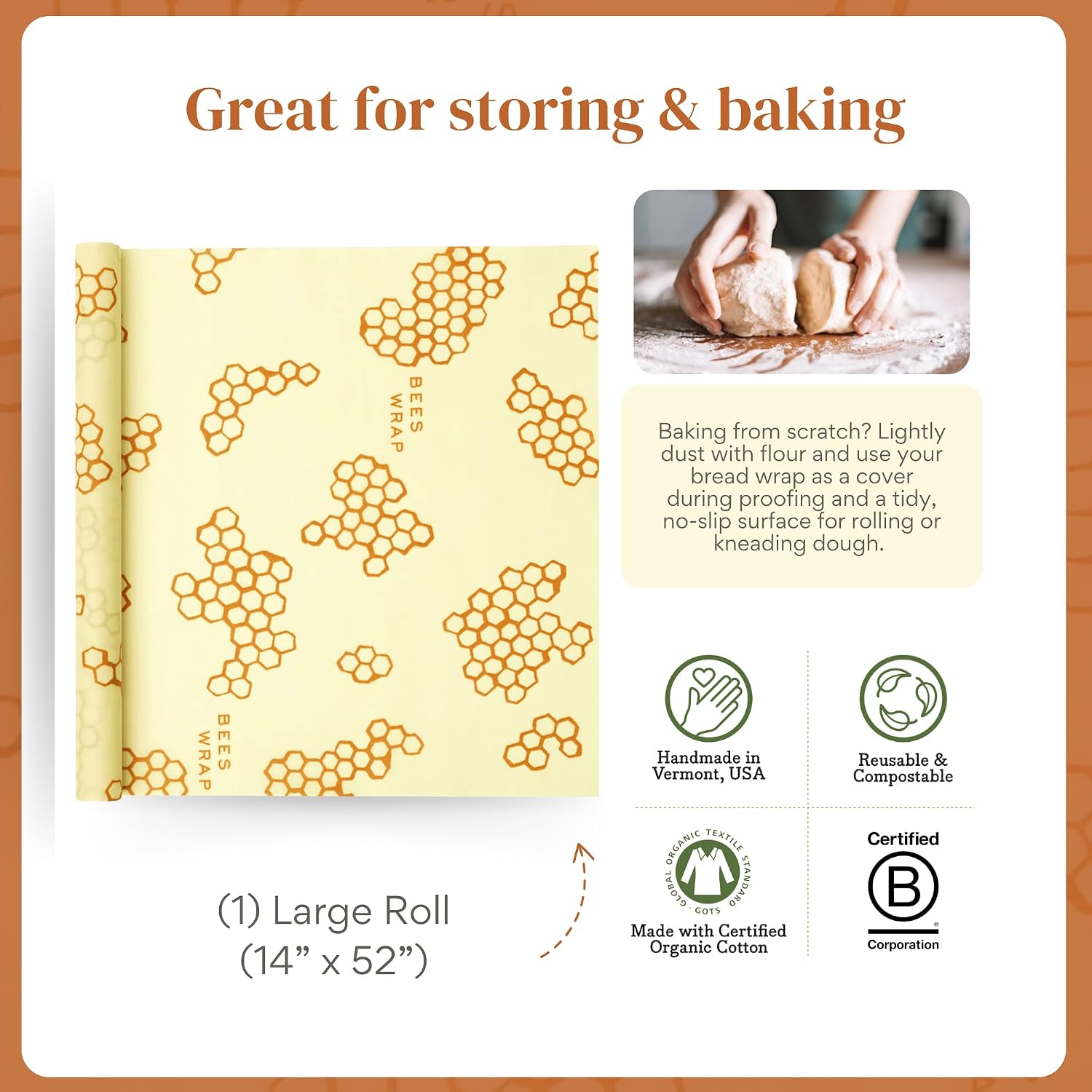
Your consideration of Environmental Impact & Sourcing might be the whole reason you’re looking at reusable options to begin with. Bee’s Wrap, for instance, emphasizes organic beeswax and GOTS-certified organic cotton, along with responsibly sourced jojoba oil and tree resin. They market themselves as a truly plastic-free food storage solution, and for good reason. They’re designed to be compostable at the end of their life cycle. This is a big win for sustainability. But it’s worth checking the credentials of any brand you consider. Not all “eco-friendly” claims are created equal. And remember, “compostable” still means you need access to a composting facility that accepts waxed fabric.
Finally, don’t overlook Scent & Taste Transfer. Beeswax has a distinct, natural aroma. Most people find it pleasant, a subtle honey-like scent that fades over time and doesn’t transfer to food. But if you’re hyper-sensitive to smells, it’s something to be aware of. Generally, it’s not an issue, especially if you’re using them for bread, cheese, or vegetables. Silicone wraps are typically odorless, making them a safe bet if you’re concerned about any fragrance affecting your food.
How to Match the Product to Your Situation
Choosing the right reusable food wrap isn’t a one-size-fits-all deal. Your kitchen habits, what you store, and how much effort you’re willing to put in really dictate what’s going to serve you best.
The Eco-Conscious Minimalist
You’re all about sustainability, reducing your footprint, and embracing natural materials. You prioritize plastic-free food storage and appreciate products that align with your values, even if it means a little extra care. For you, the Bee’s Wrap Beeswax Wrap Roll is an exceptional fit. Its organic ingredients, compostable nature, and the fact that you can cut precisely what you need means less waste from the get-go. You understand the limitations—no raw meat, hand-wash only—and view them as part of the natural product’s charm. The breathable quality is a bonus for keeping your artisan bread fresh without plastic. You’re willing to invest a bit more for a product that truly feels good to use and aligns with your overall lifestyle.
The Savvy Meal Prepper
You’re in the kitchen a lot, whipping up batches of food, slicing produce, and packing lunches for the week. You need solutions that are versatile, dependable, and can handle a variety of shapes and sizes without batting an eye. The roll format of beeswax wraps (again, think Bee’s Wrap) becomes a powerful tool here. You can tailor wraps for large bowls of pasta salad, individual portions of veggies, or even to cover the end of a half-eaten cucumber. The ability to customize means you’re not constantly searching for the “right” pre-cut size. You understand that some foods aren’t ideal, but for the bulk of your fruits, veggies, cheese, and baked goods, these wraps are a reliable part of your food waste reduction strategy. The minor inconvenience of hand-washing is offset by the consistent performance and adaptability.
The Budget-Minded Family
Your primary concern is stretching every dollar while still making eco-friendlier choices where possible. You need durability, ease of use for multiple family members, and something that doesn’t demand too much fuss. Here, the premium beeswax wraps might be a stretch initially, but their longevity can make them a wise investment over time. However, for sheer grab-and-go convenience and zero maintenance, you might lean towards silicone wraps or even a mix-and-match approach. Silicone wraps often stand up better to rough handling by kids, are dishwasher-safe, and can handle more types of food. They tend to be a higher upfront cost too, but if they simplify kitchen cleanup and last longer in a busy household, that might be worth it. For you, finding the sweet spot between upfront cost, durability, and minimal effort is key.
A Comparison of Reusable Food Wrap Options
Deciding between different reusable food wraps means weighing their strengths and weaknesses against your daily kitchen grind. It’s not just about what they do, but how they fit.
| Type/Tier | Best For | Price Tier | Key Feature | Watch-Out |
|---|---|---|---|---|
| Beeswax Wraps (Pre-cut) | Covering bowls, sandwiches, cheese, snacks | Mid-range | Breathable, natural material | Fixed sizes can be limiting, hand-wash only |
| Beeswax Wrap Rolls | Custom sizing for any food/container (e.g., Bee’s Wrap) | Premium | Ultimate size versatility | Higher initial cost, requires user cutting |
| Silicone Food Wraps | Airtight seal, high heat/freezer use, liquids | Mid-to-High | Microwave/dishwasher safe | Can be harder to seal, less breathable |
| Fabric Wraps (non-waxed) | Loose covers for fermentation, bread baskets | Budget | Very breathable, simple | Offers no real seal, food can dry out easily |
Pre-cut beeswax wraps are a solid entry point, offering the natural benefits of beeswax in convenient, ready-to-use sizes for common items, though you might find yourself wishing for a slightly different dimension. The roll format, exemplified by Bee’s Wrap, offers unmatched flexibility, letting you literally tailor your wrap to anything from a baguette to a massive mixing bowl, which can save a lot of frustration over oddly shaped leftovers. Silicone food wraps are the champions of airtightness and durability, shrugging off high temperatures and dishwashers, but they can be a bit tricky to get a consistent seal without practice and aren’t breathable for foods that need air. Finally, non-waxed fabric wraps are super budget-friendly and breathable, making them fine for things like covering rising dough or lining a bread basket, but they won’t seal your food or keep it fresh for long.
Scenarios Where Reusable Food Wraps Shine (or Don’t)
Understanding when to reach for your reusable food wraps can really make all the difference in appreciating their value. They’re not a universal solvent, after all.
Daily Lunch Packing & Snack Prep
This is a sweet spot for beeswax wraps, especially the pre-cut kind or smaller pieces from a roll. Wrapping a sandwich, a few crackers, or some carrot sticks in a beeswax wrap is easy. The wrap holds its shape around the food, keeping it neat in a lunch bag. Plus, that slight breathability? It actually helps prevent things like sandwiches from getting soggy, which is a common complaint with plastic wrap. For kids’ lunches, these wraps add a nice touch of novelty too. They’re not ideal for super saucy items or anything that might leak, though – you wouldn’t wrap a bowl of soup with one. For those, a reusable container or a silicone wrap might be a better bet.
Bread & Produce Storage
Now, this is where beeswax wraps, particularly something like the Bee’s Wrap roll where you can cut a larger piece, truly excel. Covering half a loaf of artisan bread with plastic cling film traps moisture, leading to mold. A beeswax wrap allows the bread to breathe, preventing it from drying out too quickly while also not turning into a sponge. Same goes for various vegetables like cucumbers, bell peppers, and leafy greens. They stay crisp longer, without that sad, sweaty feeling they sometimes get in plastic bags. It’s a noticeable difference. But for things like berries, which need a bit more protection from bruising and humidity, or delicate herbs, a different storage method might be more effective.
Covering Bowls & Leftovers
This is another prime use case, but with a caveat. For covering a bowl of salad, a plate of cookies, or a half-eaten casserole, beeswax wraps can be quite effective. The warmth of your hands helps them mold around the rim of almost any bowl, creating a snug, albeit not fully airtight, cover. This works particularly well for solid foods or those with minimal liquid. However, if you’re dealing with something very soupy, oily, or anything that needs a truly robust, leak-proof seal for transport, you’ll want to opt for a container with a proper lid or a silicone wrap. Beeswax wraps simply aren’t designed for that kind of liquid containment. And don’t even think about putting them on a hot bowl fresh from the oven. Melty disaster awaits.
Common Mistakes People Make with Reusable Food Wraps
Look, it’s easy to jump into the reusable game with good intentions and then hit a snag. I’ve seen it countless times. Knowing these common pitfalls can save you some frustration and ensure your wraps actually last.
One big mistake is using them for hot foods or in microwaves. Beeswax is, well, wax. Heat melts it. You pull a hot bowl of leftovers out of the microwave and immediately try to cover it? That beeswax wrap is going to get sticky, messy, and likely ruined. Don’t do it. Always let food cool down completely before wrapping. And for the love of all that’s holy, keep them out of the microwave entirely. It’s a one-way trip to a waxy catastrophe.
Another frequent misstep is improper cleaning methods. Most people are used to throwing things in the dishwasher or scrubbing vigorously. Not with beeswax wraps. Hot water will dissolve the wax, and harsh scrubbing can damage the fabric. You need to hand-wash them in cool water with a gentle dish soap. Think of it like washing a delicate silk scarf. Anything more aggressive will shorten their lifespan significantly. People often forget this, then complain their wraps aren’t sticky anymore. Well, you melted the stickiness right off!
Then there’s the expectation of an airtight seal like plastic film. This is a fundamental misunderstanding. Beeswax wraps are breathable. That’s a feature, not a bug, especially for things like cheese, bread, and many vegetables that benefit from some air circulation. If you’re expecting a hermetic seal that can hold liquids upside down, you’re going to be disappointed. For those scenarios, reach for silicone wraps or lidded containers. Beeswax wraps are about preserving freshness differently, not replicating plastic.
Finally, storing them incorrectly can impact their performance and longevity. Don’t just crumple them into a drawer or leave them bunched up. Store them flat or rolled up in a cool, dry place. Heat and excessive bending can cause the wax to crack or shed prematurely. They’re an investment, treat ’em like one. A small effort in storage goes a long way.
Quick Bytes on Your Wraps
Why use reusable food wraps?
It’s pretty simple, actually: less plastic waste. These wraps offer a sustainable alternative to single-use cling film, significantly reducing your kitchen’s contribution to landfill. Beyond that, certain foods, particularly bread and many types of produce, genuinely benefit from the breathable storage that beeswax wraps provide, often staying fresher longer than in suffocating plastic. They make a tangible difference, which is why this category keeps showing up in conversations.
How do you get a good seal with beeswax wraps?
The trick is your body heat. Place the wrap over your food or bowl, then use the warmth and pressure of your hands to mold it. Hold it for a few seconds. The beeswax will soften just enough to adhere to itself or the smooth surface of a bowl, creating a gentle, malleable seal that holds its shape as it cools. It’s not magic, just chemistry.
What foods are best for beeswax wraps?
Think solid, non-liquid, and non-oily. Bread, cheese (they let cheese breathe beautifully, preventing mold!), cut vegetables like cucumbers and bell peppers, herbs, and most fruits are fantastic choices. They’re also great for covering bowls of leftovers like roasted veggies or baked goods. Just remember to steer clear of raw meat, super oily items, or anything steaming hot, as those can damage the wax coating.
Decision Tree: Is Bee’s Wrap Right for You?
Still on the fence? Let’s walk through this.
- Do you prioritize reducing plastic waste and embracing natural materials?
- YES: Move to step 2.
- NO: Reusable food wraps might not be your top priority. Consider other storage solutions.
- Are you looking for maximum versatility in sizing your food covers?
- YES: The roll format, like Bee’s Wrap, is a strong contender. Move to step 3.
- NO: Pre-cut beeswax wraps or silicone options might be simpler if fixed sizes work for you.
- Are you okay with hand-washing your food wraps in cool water and avoiding high heat (microwave/hot food)?
- YES: Bee’s Wrap Beeswax Wrap Roll looks like an excellent fit for your needs. Its natural breathability and cut-to-size advantage will serve you well.
- NO: The maintenance might frustrate you. Consider silicone wraps for dishwasher-safe convenience, understanding you’ll sacrifice breathability.
- Do you primarily store things like bread, cheese, cut fruits, and vegetables?
- YES: Bee’s Wrap excels in these areas due to its breathable quality.
- NO: If raw meat, oily foods, or liquids are your main storage concern, you’ll need additional specialized containers.
Key Takeaways
- Customization is King: The Bee’s Wrap Beeswax Wrap Roll stands out for its unmatched ability to be cut to any size, reducing waste and boosting utility.
- Natural Breathability: Beeswax wraps are ideal for foods that benefit from airflow (bread, cheese, many veggies), keeping them fresh without trapping excess moisture.
- Eco-Friendly Choice: Made with organic materials and compostable, Bee’s Wrap aligns well with a sustainable, plastic-free kitchen ethos.
- Mind the Maintenance: They require gentle hand-washing in cool water and must be kept away from heat to ensure longevity.
- Not for Everything: Avoid raw meat, hot foods, and extremely oily or liquid-heavy items.
FAQ
Are beeswax wraps truly hygienic?
Yes, they are! Beeswax and jojoba oil naturally possess antibacterial and antifungal properties, which help keep your food fresh and protected. Just remember to clean them properly after each use.
How long do reusable food wraps last?
With consistent, gentle care—meaning hand-washing in cool water and air drying—most quality beeswax wraps, including Bee’s Wrap, will perform well for about a year. After that, they might start to lose some of their stickiness.
Can you wash beeswax wraps in the dishwasher?
Absolutely not. High heat from a dishwasher will melt the wax coating, rendering the wrap unusable and creating a mess in your machine. Always hand-wash them with cool water and mild soap.
Do they keep food as fresh as plastic wrap?
They keep food fresh in a different way. Beeswax wraps offer a breathable seal, which is superior for items like bread, cheese, and many vegetables that can “sweat” in airtight plastic. For an airtight seal, silicone wraps are a closer equivalent.
What’s the difference between pre-cut and roll wraps?
Pre-cut wraps come in fixed, standard sizes, offering convenience. Roll wraps, like the Bee’s Wrap roll, allow you to cut custom sizes for any item, offering maximum versatility but requiring you to do the cutting.
Will my food taste like beeswax?
Typically, no. The natural, subtle honey scent of beeswax usually doesn’t transfer to food. It’s often more noticeable when the wraps are new and fades quickly with use and washing.
Are all reusable food wraps compostable?
No. While beeswax wraps (especially those made with organic cotton and natural resins, like Bee’s Wrap) are designed to be compostable, silicone wraps are not. Always check the specific materials and disposal instructions for your product.
Final Recommendation
If you’re deeply committed to a sustainable kitchen and find yourself constantly needing covers for everything from half an onion to a fresh-baked sourdough loaf, the Bee’s Wrap Beeswax Wrap Roll is genuinely worth the investment. Its ability to be cut precisely to size offers a level of adaptability that pre-cut options simply can’t match, minimizing frustration and truly helping you reduce food waste. You’re trading a bit of maintenance effort for a remarkably effective, plastic-free solution that allows your food to breathe.
However, if your primary concerns are convenience, a truly airtight seal for liquids, or the ability to withstand microwaves and dishwashers, you might find more peace of mind with durable silicone food wraps. While they don’t offer the same natural breathability, their robustness can be a major advantage for busy households. For most everyday solid food storage where breathability is a bonus, the Bee’s Wrap roll is a smart, thoughtful choice that delivers on its promises.
#Bees #Wrap #Beeswax #Wrap #Roll #Honeycomb #Cut #Size #Organic #Beeswax #Wraps #Plastic #Free #Reusable #Food #Storage #Wrap #Bowls #Bread #Produce #USA