Ninja AF101 Air Fryer Review: Is This 4-Quart Workhorse Worth It?
Shopping for a 4-quart air fryer usually comes down to one uncomfortable question: do you grab the cheapest basket that gets hot, or pay more for something that still works hard a year from now? This Ninja AF101 air fryer guide is written for the second kind of shopper. Someone who wants genuinely crispy food, a footprint that doesn’t swallow the countertop, and a machine that won’t feel tired by month six. I’ve watched this category shake out for years, and the AF101 keeps surfacing in conversation for a reason.
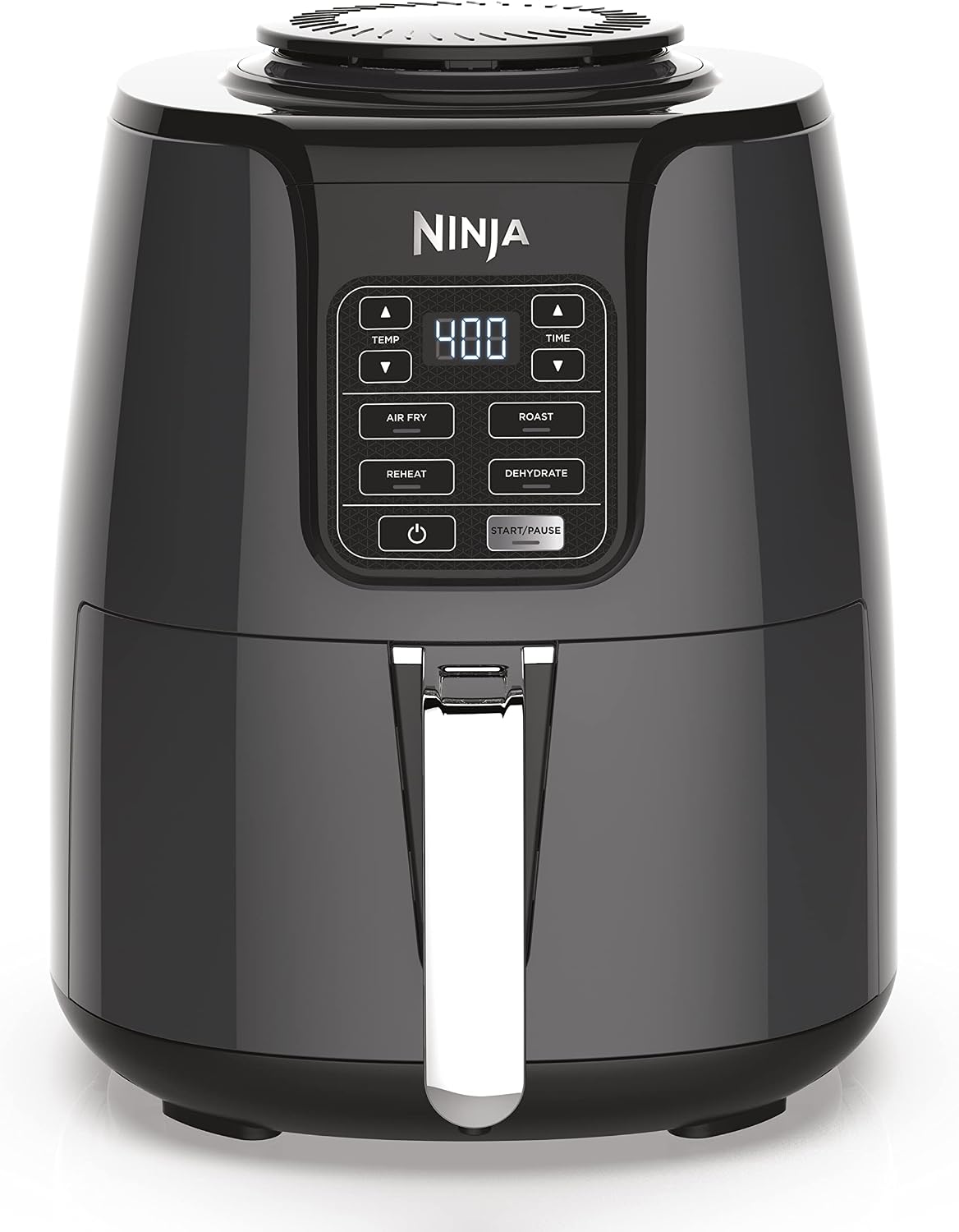
Quick Answer
Related: See our Cuisinart 4.5QT Basket Air Fryer Review for a detailed comparison.
The Ninja AF101 hits the sweet spot most buyers actually need: a 4-quart basket, four cooking functions, and cleanup that doesn’t punish you. It won’t feed a crowd, and it won’t replace your oven. But for one to three people who want crispy food fast? Hard to beat at its tier.
Compare Top 4-Quart Air Fryers
Three proven picks side by side — choose the one that fits your kitchen.
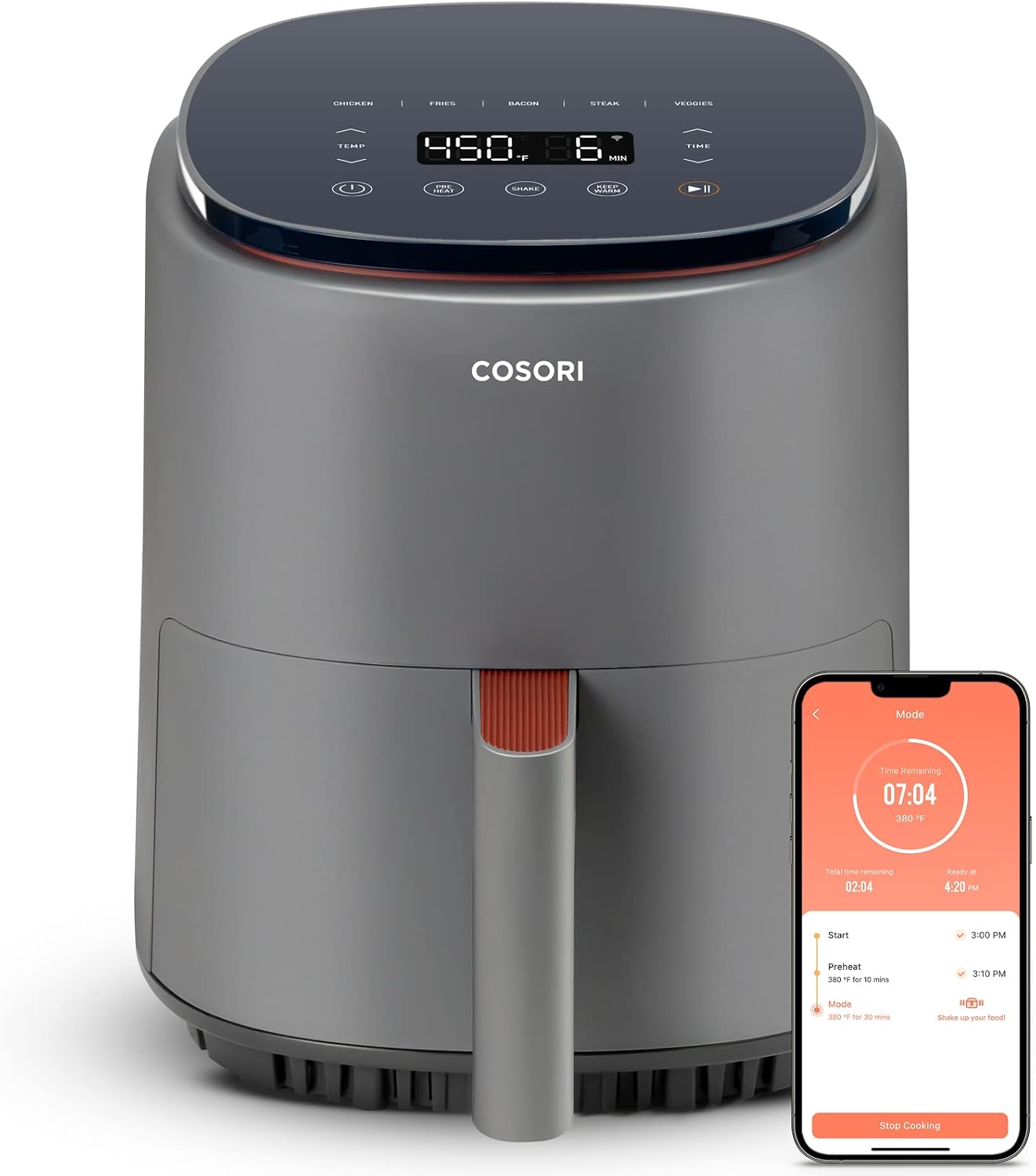
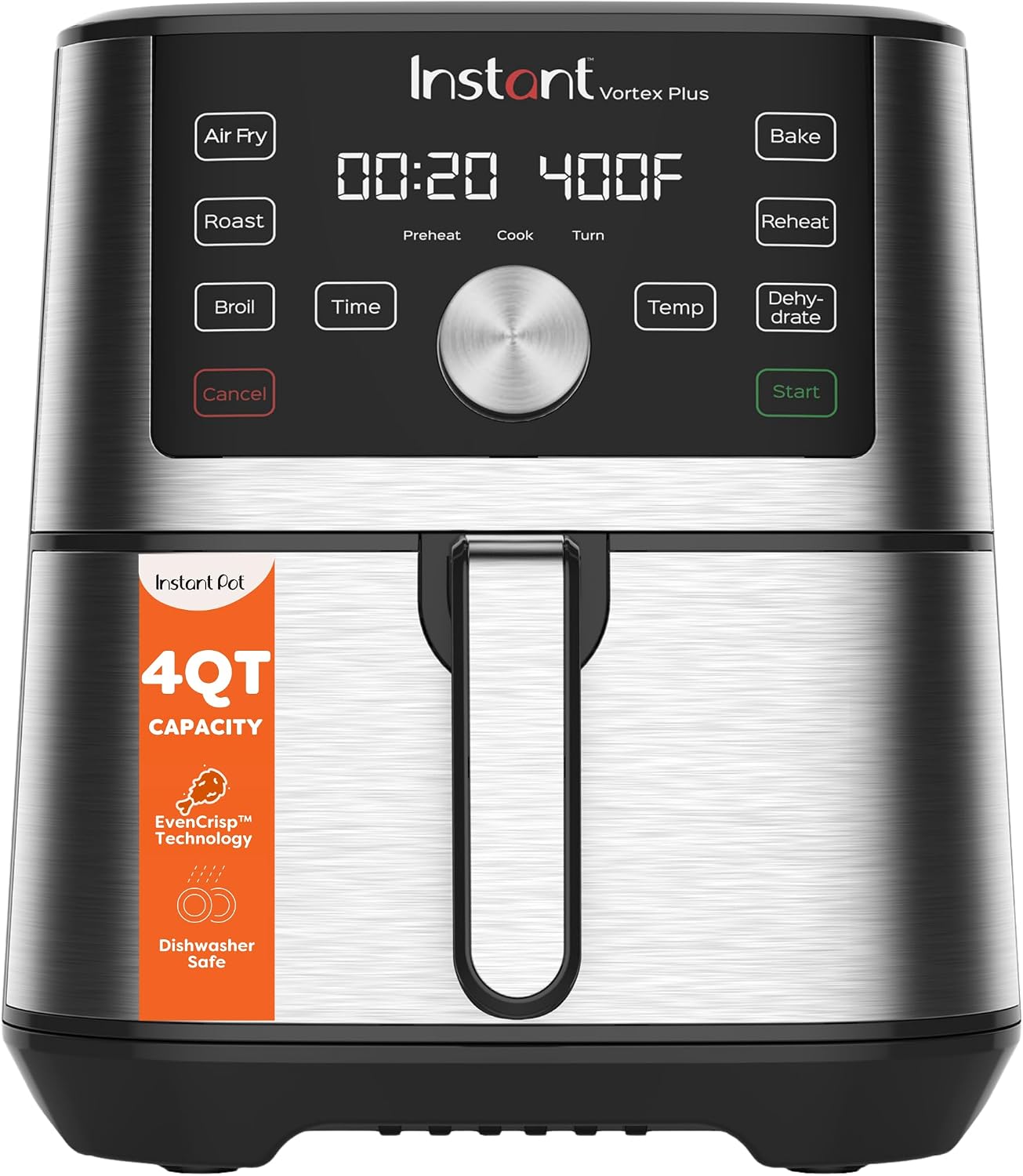
Prices and availability may vary — tap any product to check the current listing.
What to Look For When Buying an Air Fryer
Spec sheets don’t tell you how a fryer behaves on a tired Tuesday night. Here’s what actually separates the keepers from the regrets.
Capacity: buy for your real life, not your fantasy dinner party
Quart size is the first number everyone fixates on, and the first one most people get wrong. A 4-quart basket like the AF101’s comfortably handles dinner for two, or sides for three. Two pounds of fries, a whole cut-up chicken in pieces, a batch of roasted vegetables with room to breathe.
But here’s the trade-off nobody mentions in the product photos: bigger baskets need bigger counters and longer preheats. A 5.5-quart model sounds generous until it lives on your counter like a squat microwave you never asked for. And honestly? Most weeknight cooking is for two or three people. Buying an 8-quart “just in case” Thanksgiving happens is how you end up with an appliance you resent.
Undersize it and you’ll cook in batches, which defeats the whole point of fast food. Oversize it and it becomes furniture. Four quarts is the honest middle for small households.
Wattage and heat consistency: power means nothing without evenness
The AF101 runs in the 1500-watt class, which is the standard neighborhood for compact fryers. Raw wattage tells you how fast it heats up, not how well it cooks. What you actually taste is heat distribution — whether the fries at the basket’s edge crisp at the same rate as the ones in the middle.
Cheaper low-wattage models can leave you with a sad gradient: burnt on top, pale underneath. You end up shaking the basket three times per batch, which is annoying enough that people stop using the thing. A well-designed convection setup matters more than an extra hundred watts on paper.
Still, there’s a ceiling. No compact air fryer, at any wattage, reproduces a commercial deep fryer’s output. If your benchmark is restaurant fries, recalibrate now. You’ll get crispy, golden, and satisfying — just not identical.
Cooking functions: count the ones you’ll actually touch
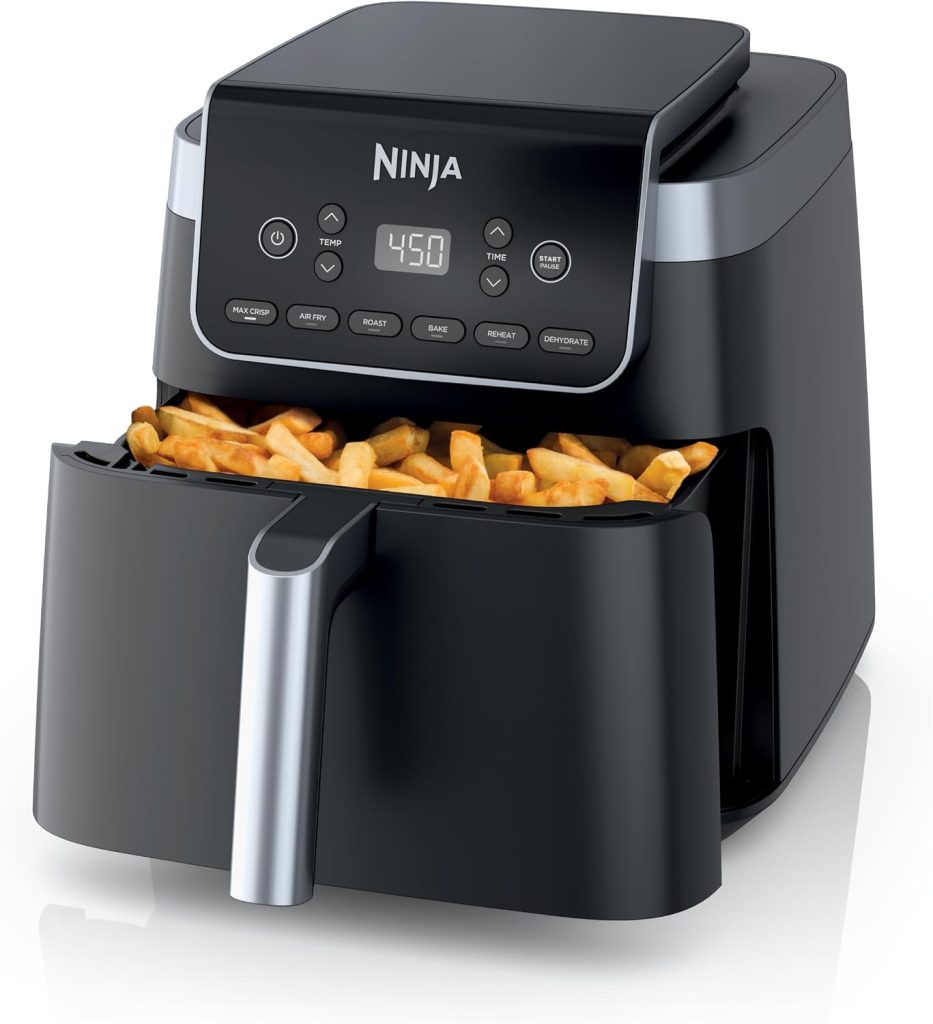
Four functions — air fry, roast, reheat, dehydrate — sounds modest next to models boasting eight or ten presets. Good. Preset inflation is one of my least favorite trends in this category. Half those buttons do the same thing with different labels.
Air fry and roast cover maybe 90% of real usage. Reheat is the sleeper hit: leftover pizza and fried chicken come back shockingly well, leagues beyond a microwave’s soggy sadness. Dehydrate is the wildcard — genuinely useful if you make jerky, dried fruit, or herb blends, completely decorative if you don’t.
Ask yourself one question: when did you last wish your oven had a dehydrate button? Your honest answer tells you whether that fourth function is a feature or a footnote.
Basket design and cleanup: the daily grind nobody reviews
Here’s a truth the glossy reviews skip: the difference between an air fryer you love and one you abandon is almost never cooking performance. It’s cleanup. A ceramic-coated nonstick basket that slides out and goes in the dishwasher is the difference between “I’ll make wings tonight” and “eh, too much hassle.”
The AF101’s basket and crisper plate are dishwasher safe, which sounds minor until you’ve hand-scrubbed a baked-on basket at 9pm. Nonstick coatings do wear, though — that’s physics, not a defect. Metal utensils and abrasive sponges will shorten its life. Treat it gently and it holds up; abuse it and you’ll be shopping again sooner than you’d like.
One more thing people overlook: the crisper plate. That perforated insert is what lifts food above the drippings so hot air circulates underneath. Fryers without a proper raised plate steam the bottom of your food. Check for it before you buy anything.
Footprint: measure your counter, then measure your patience
Compact is a selling point until it isn’t. The AF101’s whole pitch is fitting where bigger fryers can’t — apartments, galley kitchens, counters already hosting a coffee maker and a knife block. That matters enormously in real homes.
But compact cuts both ways, as noted above. There’s no engineering trick that fits a family-size batch into a small basket. If your counter space is genuinely tight, the trade-off is worth it. If you’ve got room to spare and regularly cook for four-plus, don’t let the word “compact” seduce you into batch-cooking purgatory.
Temperature range and controls: the low end matters more than you think
Everyone looks at the max temp — 400°F, hot enough to crisp. Fewer people check the bottom of the range, and that’s a mistake. A low end around 105°F is what makes dehydrating possible; without it, the “dehydrate” button is just a slow roast with marketing.
Digital controls with a clear display beat dials for precision, especially at low temps where 20 degrees makes a real difference. The AF101’s interface is straightforward — no app, no WiFi, no firmware updates for your french fries. Some people call that dated. I call it one less thing to break.
How to Match the Air Fryer to Your Situation
Forget star ratings. The right fryer is the one that fits the way you actually eat. See which of these sounds like your kitchen.
The weeknight cook
You get home, you’re hungry, and dinner needs to happen in 25 minutes. Two people, maybe a kid. Frozen fries, chicken thighs, roasted broccoli, the occasional batch of wings. For you, a 4-quart basket is the sweet spot — big enough for a real meal, small enough to preheat fast. The reheat function will quietly become your favorite feature. Leftover pizza alone justifies the counter space.
The meal-prepper
Sunday afternoons are for batching: chicken breasts, sweet potato wedges, roasted chickpeas for the week’s lunches. You’ll run the fryer two or three cycles in a row, so even heating and a nonstick basket that wipes clean between batches matter more than extra presets. The trade-off? Four quarts means true bulk prep takes a few rounds. If you’re cooking for the whole week in one go, a larger model might serve you better — at the cost of counter space and preheat time.
The kitchen experimenter
You bought it for fries but stayed for the weird stuff: dehydrated apple chips, homemade jerky, roasted garlic, proofing dough on the low setting. The dehydrate function and wide temperature range are your playground. Fair warning — dehydrating takes hours, and the small basket limits each batch. It’s a hobby-sized tool, not a production line. But for dipping a toe into food dehydration without buying a dedicated unit? Genuinely fun.
How the Tiers Compare
Air fryers cluster into a few clear tiers. Knowing where the AF101 sits — and what you’d gain or lose by moving up or down — is the fastest way to a confident decision.
| Type / Tier | Best For | Price Tier | Key Feature | Watch Out |
|---|---|---|---|---|
| Budget basket fryers (2–3 qt) | Dorm rooms, solo snacks | Budget-friendly | Tiny footprint, simple dials | Uneven heating, flimsy baskets |
| Mid-range 4–5 qt (AF101’s tier) | Couples and small families | Mid-range | Balanced size, dishwasher-safe parts | Batch cooking for 4+ gets tedious |
| Dual-basket models | Cooking two things at once | Premium | Independent time/temp per basket | Huge footprint, higher cost |
| Oven-style air fryers | Replacing a toaster oven | Premium | Racks, rotisserie, multi-level cooking | Slower crisping, harder cleanup |
Budget baskets are fine for reheating nuggets in a dorm, but uneven heat and thin nonstick wear them out fast — most become donation-box residents within a year.
The mid-range tier, where the AF101 lives, is where the value curve peaks: you get even cooking, durable-feeling build, and parts that survive the dishwasher, without paying for a second basket you’ll rarely sync up.
Dual-basket models solve a real problem — fries and chicken finishing simultaneously — but they demand serious counter real estate and a premium budget, and most owners admit one basket does 80% of the work.
Oven-style units appeal to minimalists wanting one appliance, yet the boxy chamber crisps less aggressively than a compact basket, and cleaning three racks plus a drip tray gets old fast.
Questions People Ask Before Buying
These are the questions shoppers actually type into search and AI assistants when they’re close to buying. Straight answers, no fluff.
Should I buy an air fryer, or just keep using my oven?
If you cook for one to three people and value speed, buy the air fryer. It preheats in minutes, crisps better than a conventional oven, and costs less to run per meal. Keep your oven for big roasts and baking. Most owners end up using the fryer four or five nights a week and the oven on weekends. They complement each other rather than compete.
Is the Ninja AF101 worth the money compared to cheaper models?
Yes, if you’ll use it weekly. Cheaper basket fryers cook fine on day one but tend to develop hot spots, wobbly baskets, and flaking nonstick within a year of regular use. The AF101’s even heating and dishwasher-safe parts hold up over time. If this is a curiosity purchase you might abandon in a month, start cheap and upgrade later.
What size air fryer should I buy for two people?
Four quarts. It’s the sweet spot for two: big enough for a real dinner, small enough to preheat fast and store without a fight. Go smaller and you’ll cook in frustrating batches. Go bigger and a half-empty basket circulates air poorly, drying food out before it crisps.
Ninja AF101 vs COSORI — which one should I buy?
Both are proven 4-quart picks, so choose by priority. Pick the Ninja AF101 if you want the dehydrate function and the widest temperature range. Pick the COSORI Lite if app control and built-in recipe guidance appeal to you. Day-to-day crisping performance is close between them. This decision comes down to features, not food quality.
Do air fryers really use less oil?
Yes, dramatically less. Air frying needs only a light spray of oil — sometimes none at all — versus the cups of oil deep frying demands, while still producing a crispy, browned exterior. That’s the entire value proposition: real crunch without the vat of oil, easier cleanup, and food that feels lighter.
Small Kitchen? Here’s How It Fits
Apartment counters are brutal real estate. Every appliance has to earn its square inches monthly or it migrates to a cabinet — which is the same as throwing it away, because out of sight means unused.
The AF101 earns its spot by being genuinely narrow. It tucks beside a coffee maker without staging a turf war. And because preheat is quick at this size, you’ll actually reach for it on busy nights instead of defaulting to delivery. That’s the real test of any small appliance: not what it can do, but how often you bother.
One honest caveat. Compact also means you can’t shove a whole meal in at once. Protein plus veggie side usually means two rounds. For solo cooks that’s a non-issue; for couples it’s a mild rhythm you adapt to within a week.
Cooking for One or Two? This Is Your Tier
Here’s something the “family-size” marketing never says: oversized fryers are worse for small households, not just unnecessary. A half-empty large basket circulates air poorly around a small portion. Food dries out before it crisps. You end up with worse results from a bigger, pricier machine.
A 4-quart basket filled properly — single layer, a little breathing room — is the physics sweet spot for one or two servings. Things crisp instead of steam. And cleanup for a small basket takes ninety seconds, which means you’ll use it on nights when motivation is low. That frequency matters more than any feature list.
Common Mistakes Buyers Make
1. Buying big “just in case”
The most expensive air fryer is the one you stop using. Oversized models gather dust because they hog the counter, take forever to preheat, and feel like overkill for a Tuesday-night snack. Match the size to your everyday cooking, not your once-a-year party.
2. Overcrowding the basket
This is the number-one reason homemade fries disappoint. Air frying works by circulating hot air around food — pile it two inches deep and the middle steams while the top burns. Single layer, space between pieces. Yes, it means smaller batches. No, there’s no shortcut. Your patience will be rewarded with actual crispiness.
3. Treating the nonstick basket like cast iron
Metal tongs, steel wool, stacking it under a pile of dishes in the sink — all of it shortens the coating’s life. Use silicone-tipped tools, soft sponges, and give it a minute to cool before washing. A little care here adds years. Neglect it and you’ll be rebuying sooner than the price difference between tiers would have cost you.
4. Expecting deep-fryer results, then blaming the machine
An air fryer is a small, fierce convection oven — not a vat of oil. It makes food crispy with a fraction of the fat, which is the entire point. But if your mental benchmark is a restaurant fryer, you’ll always be disappointed, no matter which model you buy. Judge it against your oven, not the fry cook at your favorite joint. Against the oven, it wins on speed and crispness every time.
Why, How, What: Quick Answers
Why do some recipes say to preheat an air fryer?
Because dropping food into a cold basket is like putting a steak in a cold pan — the first minutes steam instead of sear. A few minutes of preheat means the food starts crisping on contact, which is the whole texture you’re after. That said, not every cook needs it; for longer roasts the difference is marginal. For frozen snacks and anything breaded, though, preheating is the gap between golden and merely warm. Most compact fryers preheat in under five minutes, so it’s a small habit with an outsized payoff.
How do you keep food from drying out?
Two levers: temperature and time, in that order. Most drying happens because people crank the heat and walk away — air fryers are unforgiving that way, since circulating air strips surface moisture fast. A light coating of oil on lean proteins helps enormously; it conducts heat and protects the surface. And check early. You can always add two minutes, but you can’t un-dry a chicken breast. A quick shake or flip halfway redistributes both heat and moisture, which is why the basket-shake ritual exists in the first place.
What can you actually dehydrate at home?
More than you’d guess: apple and banana chips, jerky, dried herbs, citrus slices for cocktails, even fruit leather if you’re patient. The low-temperature setting — around that 105°F floor — is what makes it possible, gently driving out moisture without cooking the food. The honest limitation is scale. A 4-quart basket yields a modest handful of dried apple chips per multi-hour batch. It’s perfect for experimenting and small gifts, less practical if you’re trying to preserve a harvest. Think hobby, not homestead.
Frequently Asked Questions
Is the Ninja AF101 big enough for a family of four?
For full meals, it’s tight — you’ll likely cook in two batches. For sides, snacks, and reheating, it handles family duty fine. Many four-person households use a 4-quart fryer as a complement to the oven rather than a replacement, and in that role it earns its keep. If air-frying is your primary cooking method for every dinner, size up.
How long does the nonstick coating last?
With gentle care — silicone utensils, soft sponges, no aerosol cooking sprays which can gum up coatings — several years of regular use is realistic. With metal tools and harsh scrubbing, noticeably less. The dishwasher-safe design helps, since hand-scrubbing is where most coating damage happens. Treat it like a good pan, not a beater pan.
Can you cook frozen foods straight from the freezer?
Yes, and this is secretly one of the best use cases. Frozen fries, nuggets, potstickers, and breaded fish go straight in — just add a few minutes to the cook time and shake halfway. No thawing, no planning. The results genuinely rival the oven version in a fraction of the time. It’s the feature that converts skeptics.
Is it worth it over a cheaper basket fryer?
Depends on your timeline. A budget fryer gets you 80% of the crispiness for day-one cooking. Where the mid-range earns its keep is month eight: even heating that hasn’t degraded, a basket that still looks new, controls that still respond. Cheap models tend to reveal their compromises through daily use — hot spots, wobbly baskets, coatings that flake. If you’ll use it weekly, the step up pays for itself in longevity. If it’s a curiosity purchase, start cheap.
Does food really taste fried?
Close, not identical — and anyone promising otherwise is selling something. You get a crispy, browned exterior with a fraction of the oil, which satisfies the craving for most people most of the time. Breaded and battered foods translate best; delicate items can dry out if overcooked. Think of it as its own delicious category rather than a fried-food impersonator, and you’ll never be disappointed.
Final Recommendation
So, is the Ninja AF101 worth it? For one to three people who want fast, crispy food without surrendering the countertop — yes, and it’s not particularly close at its tier. The 4-quart basket nails the portion physics for small households, the four functions cover everything you’ll actually do (with dehydrate as a fun bonus), and dishwasher-safe parts mean you’ll still be using it in a year instead of resenting the cleanup.
Skip it if you’re routinely cooking for four or more as your primary method — batch fatigue is real, and a larger or dual-basket model will serve you better. But for the weeknight cook, the meal-prepper, or anyone in a kitchen where counter space is precious, this is the tier where the value curve peaks. Buy for your real life, keep the basket uncrowded, treat the nonstick gently, and it’ll pay you back in crispy dinners for years.
Decision Tree: Should You Buy It?
→ Cooking for 1–3 people most nights? Yes → strong candidate.
→ Counter space tight? Yes → its compact size is a genuine advantage.
→ Need to feed 4+ in one go, nightly? Yes → look at larger or dual-basket models instead.
→ Mostly reheating snacks and frozen foods? A budget model might suffice — but you’ll replace it sooner.
Key Takeaways
• 4 quarts is the sweet spot for 1–3 person households — big enough for real meals, small enough to preheat fast.
• Cleanup determines whether you’ll still use it in a year; dishwasher-safe, ceramic-coated parts are the feature that matters most day-to-day.
• Don’t overcrowd the basket, treat the nonstick gently, and judge it against your oven — not a deep fryer.