Vitamix 5200 Review: 64oz Professional Blender with 7-Year Warranty
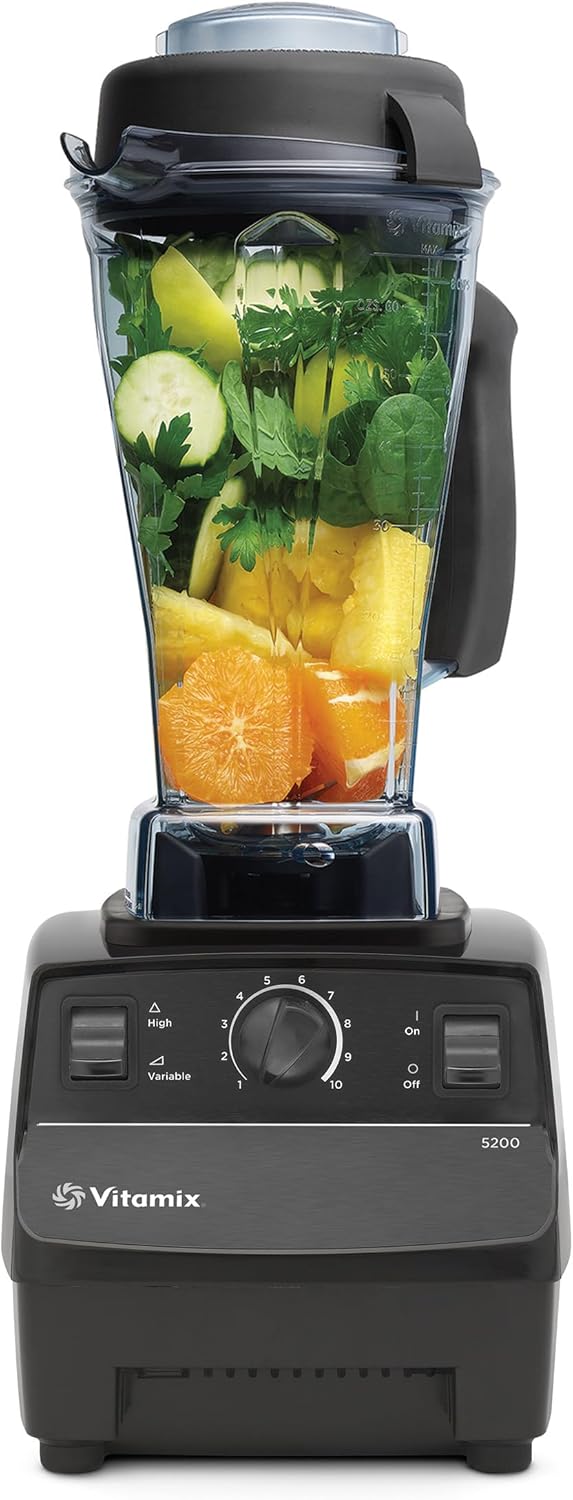
The Vitamix 5200 is the blender people buy when they’re done replacing blenders — a high-powered classic with a big 64-ounce container, manual variable speed control, and a 7-year warranty that says everything about how long it’s built to last. This guide weighs whether the premium is worth it, how the Blendtec and Ninja alternatives compare, and which kind of cook actually needs this much machine.
Quick Answer
The Vitamix 5200 is worth it if you blend daily — smoothies, soups, nut butters, frozen desserts — and want a machine that lasts a decade rather than a couple of years. The 7-year warranty backs that up. If you blend weekly at most, the Ninja BN701 does the job for much less; if you prefer presets over manual control, look at the Blendtec Total Classic.
Compare Top High-Power Blenders
Three proven picks side by side — choose the one that fits your needs.
Vitamix 5200
The buy-it-once classic — 64oz container, manual speed control, and a 7-year warranty.
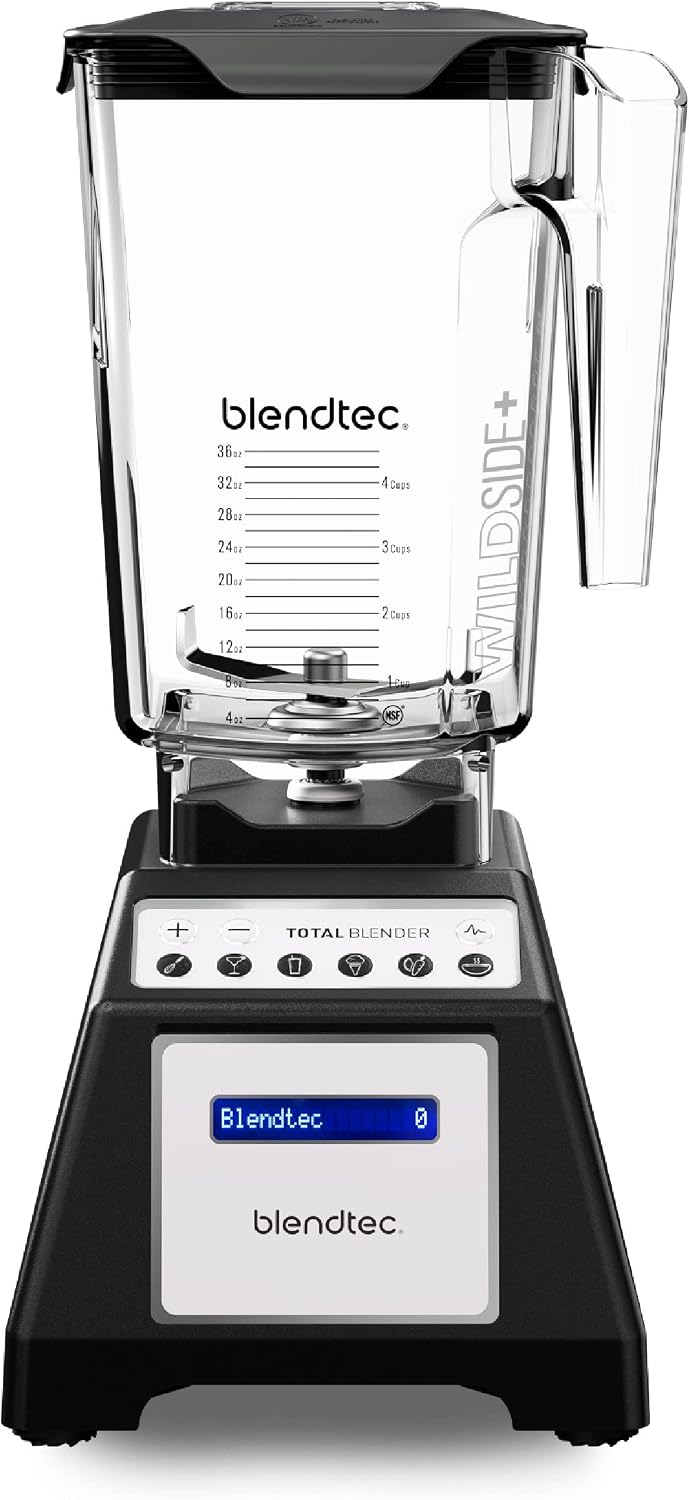
Blendtec Total Classic
The classic rival — pre-programmed cycles and blunt-blade design for set-and-forget blending.
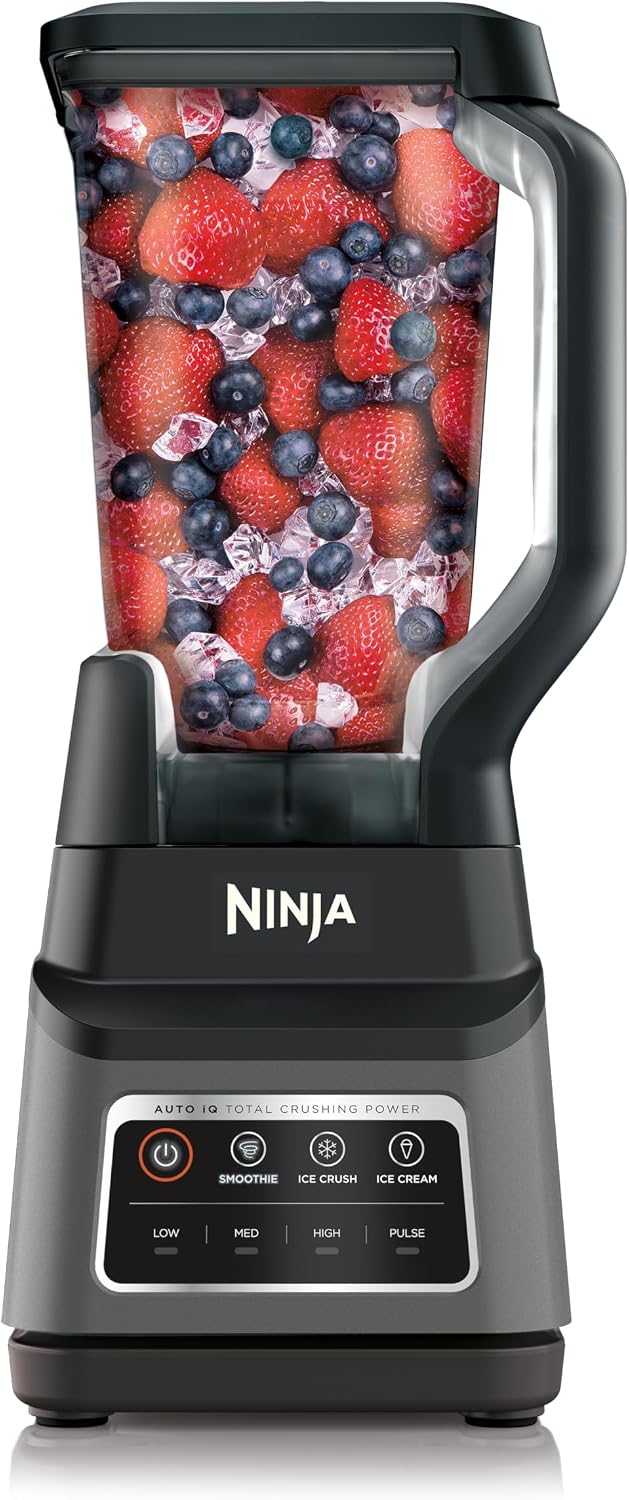
Ninja BN701 Professional Plus
The budget-friendly powerhouse — Auto-iQ presets and a big pitcher for much less money.
Prices and availability may vary — tap any product to check the current listing.
What to Look For When Buying a High-Power Blender
Blenders live on a spectrum from “ice-cube assassin” to “expensive smoothie stirrer,” and the price tags don’t always tell you which is which. Here’s what actually separates a decade-long workhorse from a countertop regret.
Power that means something
Wattage numbers are the most abused spec in small appliances — peak watts, rated watts, marketing watts. What matters isn’t the number on the box but what the motor does under load: does it bog down on frozen fruit, or power through without the smell of hot electronics? High-power blenders like the Vitamix 5200 and Blendtec Total Classic share one trait that cheap blenders don’t — they maintain blade speed when the jar gets thick. That’s the difference between silky nut butter and a seized motor.
The Ninja BN701 punches above its price here — its high peak power handles ice and frozen fruit better than anything near its tier has a right to. But sustained heavy loads (nut butters, dough-thick blends, daily double smoothies) are where the premium motors earn their keep over years, not weeks.
Jar size and shape: bigger isn’t always better
The 5200’s 64-ounce container is generous — great for families, batch soups, and entertaining. But here’s the wrinkle nobody mentions at purchase: big jars need minimum volumes to blend well. Making a single small smoothie in a 64oz jar means the blades spin mostly air above a sad puddle. If you cook for one, a big jar is actually a worse experience than a smaller one.
Jar shape matters as much as size. Tall narrow jars create the vortex that pulls ingredients down into the blades; short wide jars (like Blendtec’s) rely on brute force instead. Both work. The tall-jar vortex just needs that minimum fill level to form — respect it and the machine rewards you.
Control style: manual dial vs. presets
This is the great philosophical divide. The Vitamix 5200 gives you a variable speed dial and a pulse switch — total manual control, no programs. You learn the machine; the machine doesn’t decide for you. Cooks who like control love this. The Blendtec goes the opposite direction: pre-programmed cycles for smoothies, soups, ice cream — press a button, walk away.
The Ninja splits the difference with Auto-iQ presets that run timed patterns. Honestly? There’s no wrong answer, only a wrong match. If you’ll never touch a dial and just want the button, the Vitamix’s manual purity is wasted on you — get the Blendtec or Ninja and enjoy the automation. If presets feel like training wheels, the 5200 is your machine.
Blade design and the tamper question
Vitamix ships the 5200 with a tamper — a plunger that lets you push thick blends down into the blades while running, without stopping. It looks like an afterthought; it’s actually the secret weapon for nut butters and frozen desserts. Blendtec’s blunt-blade design claims no tamper needed, using jar geometry instead. Both philosophies produce results. But if you’re buying the Vitamix, use the tamper — it’s the difference between the machine working and you cursing at it.
Warranty as a quality signal
A 7-year warranty isn’t marketing — it’s a financial commitment the manufacturer makes because their failure data supports it. Companies don’t offer long warranties on products that die young; the math would bankrupt them. The Vitamix’s 7-year coverage versus the typical 1-year on budget blenders tells you more about expected lifespan than any spec sheet. When you amortize the purchase over a decade of daily use, the “expensive” blender often costs less per year than the cheap one you replace twice.
Noise: the elephant in the kitchen
Let’s not sugarcoat it — high-power blenders are loud. All three of these will have a conversation pausing when they hit full speed. The Vitamix’s manual control is actually an advantage here: you can ramp up gradually instead of slamming to max. Early-morning smoothie people in apartments should know what they’re signing up for. It’s the price of power, and there’s no quiet way to pulverize frozen strawberries.
How to Match the Blender to Your Situation
Three cooks, three right answers.
The daily smoothie ritualist
You blend every morning, sometimes twice. Frozen fruit, greens, protein powder — the standard drill. The Vitamix 5200 is built exactly for you: the motor won’t flinch at daily frozen loads, the variable dial lets you nail your texture, and over years the per-use cost drops below anything cheaper. This is the use case where “buy it once” stops being a slogan and becomes arithmetic.
The soup-and-sauce cook
You want silk — butternut soup without a single fiber, tomato sauce with body, hummus smoother than store-bought. Power plus time is the formula, and the 5200’s sustained blending turns hot ingredients into velvet (the friction even heats soup, famously). The Blendtec’s soup cycle is the lazy alternative and it works well. Either way, you’re in premium territory because cheap blenders leave texture behind — and texture is the whole point.
The occasional blender
Weekly smoothies, party margaritas, the odd milkshake. Be honest: you don’t need a Vitamix. The Ninja BN701 handles all of this happily for a fraction of the price, and its presets mean guests can use it without a tutorial. Save the difference for something you’ll actually use daily. I’ve seen people spend way too much on features they never use — a premium blender gathering dust is the kitchen’s saddest status symbol.
How the Tiers Compare
High-power blenders fall into clear tiers. Here’s the field.
| Type / Tier | Best For | Price Tier | Key Feature | Watch-Out |
|---|---|---|---|---|
| Premium manual classic (Vitamix 5200) | Daily heavy use, control lovers | Premium | Variable speed dial, tamper, 7-year warranty | Big jar needs minimum volumes; no presets |
| Premium preset rival (Blendtec Total Classic) | Set-and-forget fans | Premium | Pre-programmed cycles, blunt blade, no tamper needed | Shorter warranty; less fine control |
| Budget powerhouse (Ninja BN701) | Weekly blending, value seekers | Budget-friendly | Auto-iQ presets, big pitcher, strong peak power | 1-year warranty; less suited to daily punishment |
| Personal / single-serve | Solo smoothie drinkers | Budget-friendly | Compact, blend-and-go cups | Can’t do soups, nut butters, or batches |
The premium manual tier is for people who blend like it’s a lifestyle — the machine becomes an extension of the cook, and the warranty backs the commitment.
The premium preset tier answers the same power question differently: same league of performance, but the machine makes the decisions. Ideal for the button-presser.
The budget powerhouse tier is the value sweet spot for everyone else — most of the practical capability at a fraction of the price, with a shorter warranty reflecting lighter-duty design.
The personal tier is honest about its lane: one smoothie, one person, done. Don’t ask it for soup.
Questions People Ask Before Buying
These are the questions shoppers actually type into search and AI assistants when they’re close to buying. Straight answers, no fluff.
Is the Vitamix 5200 really worth the money, or is it just hype?
It’s worth it if you blend daily — the motor handles frozen loads and thick blends without bogging down, the variable dial gives you real texture control, and the 7-year warranty means the manufacturer is financially betting on a decade of service — but if you blend weekly at most, it’s genuinely overkill, and the Ninja BN701 will make your smoothies and margaritas just as happily for much less money.
The worth-it math is per-use cost over years, not sticker price. Daily users win; occasional users don’t.
Vitamix vs Blendtec — which one is actually better?
Neither is objectively better — they’re different philosophies: the Vitamix 5200 gives you manual variable-speed control plus a tamper for thick blends, rewarding cooks who like to drive, while the Blendtec Total Classic gives you pre-programmed cycles and a blunt-blade design that needs no tamper, rewarding people who’d rather press a button and walk away — so the “better” one is whichever control style matches how you actually cook.
Try this test: do presets feel like freedom or training wheels? Your answer picks your blender.
Can the Ninja BN701 really replace a Vitamix?
For weekly smoothies, frozen drinks, and everyday blending — yes, honestly, it gets you most of the way there for much less money, with strong peak power and convenient Auto-iQ presets — but for daily heavy punishment like nut butters, thick frozen desserts, and back-to-back batches, the premium motors’ sustained power and multi-year warranties are built for a workload the Ninja’s 1-year-warranty design isn’t really aimed at.
Is the 64oz container too big if I’m only cooking for one or two?
Often yes — big jars need minimum liquid volumes for the vortex to form, so single small smoothies blend poorly in a 64oz container while the blades spin above a sad puddle — which means solo blenders are usually happier with a smaller jar (or a personal-blender tier), and the 5200’s big container truly shines for families, batch soups, and entertaining where you’re filling it properly.
What can it actually do beyond smoothies — is it a one-trick machine?
It’s the opposite of one-trick — the same power that crushes frozen fruit also makes silk-smooth hot soups (friction heat does the cooking), nut butters, frozen desserts, hummus, sauces, and even dough-thick blends with the tamper’s help — which is precisely why daily users justify the premium: it replaces several single-purpose gadgets, but only if you’ll actually use those tricks rather than just making the same smoothie forever.
Small Kitchen, Big Blender? Let’s Talk
The 5200 is not small. Tall jar, real footprint, real weight — this thing announces itself on the counter. If your kitchen is tight, you have two honest options: give it a permanent home (under-cabinet clearance matters — measure, because the tall jar doesn’t fit under low cabinets) or accept that a heavy blender you have to haul out of a cabinet gets used half as often.
Here’s the uncomfortable truth about big appliances: accessibility determines usage. A premium blender buried behind the air fryer is a premium paperweight. If counter space is truly scarce, the smaller-footprint Ninja or even a personal blender you’ll actually reach for beats the Vitamix you dread lifting. Buy the blender that fits your kitchen, not the one that fits your aspirations.
Upgrading from a Cheap Blender? What Changes
Everything, and the first blend is the revelation. Where your old blender left fibrous bits and needed three rounds of shaking, the 5200 just… finishes. Greens disappear. Frozen mango surrenders. The texture difference isn’t subtle — it’s the gap between “homemade smoothie” and “why does this taste like the juice bar.”
What doesn’t change: you still have to like blending. A shocking number of premium blenders get bought on January enthusiasm and shelved by March. If your cheap blender died from overuse, upgrade with confidence — you’ve proven the habit. If it died from neglect, a more expensive machine won’t fix the habit. Harsh, but cheaper than a dusty Vitamix.
Common Mistakes Buyers Make
Blending thick stuff on low speed
Counterintuitive but true: thick blends need high speed to form the vortex that pulls food into the blades. Low speed just lets the blades carve an air pocket and spin uselessly. When in doubt, ramp up — the machine is built for it.
Ignoring the tamper
The tamper looks optional. It isn’t — for nut butters and frozen desserts it’s the difference between success and a seized, steaming jar. Push ingredients down while blending; that’s literally its job.
Overfilling the jar
Past the max line, pressure builds and the lid becomes a projectile-adjacent situation. Hot soups are the worst offenders — fill halfway, blend in batches. Patience beats cleanup.
Expecting it to be quiet
It’s a high-power motor pulverizing frozen solids. It will be loud. Ramp speed gradually instead of slamming to max — easier on ears and on the motor.
Why, How, What: Quick Answers
Why do Vitamix owners keep them for a decade?
Because the machines keep working — the motors are overbuilt for home duty, parts are replaceable rather than disposable, and the 7-year warranty signals a company that expects longevity. There’s also a subtler reason: once a blender becomes part of your daily ritual, replacing it feels like betrayal. Loyalty in this category is earned in years, not features.
How does the variable speed dial change results versus presets?
Presets run a fixed program; the dial lets you respond to what’s happening in the jar. Too chunky? Nudge up. Getting foamy? Back off. That feedback loop is how you learn textures no program can anticipate — and it’s also why the 5200 rewards experience. Beginners get good results immediately; veterans get exactly the result they imagined.
What can’t a high-power blender do?
It can’t juice (that’s a different machine — blenders keep the fiber, juicers remove it), it can’t replace a food processor’s slicing discs, and it can’t make a small batch in a big jar. It also can’t fix bad ingredients. A premium blender is a texture machine, not a miracle machine — feed it well and it sings.
Frequently Asked Questions
Can the Vitamix 5200 really make hot soup?
Yes — blend on high for several minutes and friction heat brings cold ingredients to steaming. Start with room-temperature ingredients, don’t fill past halfway, and vent the lid. It’s genuinely effective, not a gimmick — but it’s loud for those minutes, so maybe not at midnight.
Do I need the tamper, or is it just upsell?
You need it for thick blends — nut butters, frozen desserts, hummus. For thin smoothies and soups, you’ll rarely touch it. It comes in the box, so this isn’t a purchase decision; it’s a “actually use the thing” reminder.
How do I clean it without scrubbing for ten minutes?
The classic method: warm water, a drop of dish soap, run on high for 30-60 seconds, rinse. Done. For stubborn residue (nut butter, I’m looking at you), let it soak first. Never put the jar in the dishwasher’s high heat routinely — hand-cleaning takes a minute and extends its life.
Will it fit under my kitchen cabinets?
Maybe not — the tall 64oz jar makes this one of the taller countertop blenders. Measure from counter to cabinet bottom before buying. If clearance is tight, plan a permanent spot elsewhere or consider that a dealbreaker; a blender that doesn’t fit its home won’t get used.
Is it overkill for just smoothies?
For daily smoothies with frozen ingredients, no — that’s its core job and it excels. For a weekly banana-and-milk shake, yes, honestly overkill; a budget powerhouse handles that fine. Match the machine to the frequency, not the fantasy.
What does the 7-year warranty actually cover?
It covers defects in materials and workmanship under normal home use — the motor, the base, the parts that matter. It doesn’t cover abuse, commercial use, or cosmetic wear. Register the product and keep your receipt; warranty claims go through the manufacturer directly and owners generally report a smooth process.
Final Recommendation
The Vitamix 5200 is the blender you buy when you’re done thinking about blenders — daily-duty power, manual control that rewards skill, and a 7-year warranty that makes the premium feel like arithmetic rather than indulgence. If you blend every day and cook with it beyond smoothies, it’s the right machine.
Get the Blendtec Total Classic if you’d rather press a button than turn a dial. Get the Ninja BN701 if you blend weekly and want most of the capability for much less. But if the blender is a daily ritual and you want the last one you’ll buy for a very long time? This is it. Use the tamper, respect the max line, and it’ll outlast your kitchen remodel.
OUR TOP PICK
Vitamix 5200
The buy-it-once classic — 64oz container, manual speed control, and a 7-year warranty.
Decision Tree: Should You Buy the Vitamix 5200?
→ Blend daily (smoothies, soups, frozen desserts)? Yes → strong buy. This is its exact use case.
→ Prefer presets over a manual dial? Yes → look at the Blendtec Total Classic.
→ Blend weekly at most? Yes → the Ninja BN701 covers you for much less.
→ Cooking for one with small batches? Yes → the 64oz jar works against you — consider a smaller-jar or personal tier.
→ Want the last blender you’ll buy for years? Yes → the 7-year warranty is the tiebreaker.
Key Takeaways
• Worth-it math is per-use cost over years — daily blenders win, occasional blenders should buy the Ninja.
• Manual dial vs. presets is a cooking-style choice, not a quality ranking — pick the one you’ll actually enjoy using.
• Use the tamper for thick blends, respect the max fill line, and measure your cabinet clearance before buying.
• A 7-year warranty is a financial signal about lifespan — companies don’t offer them on machines that die young.