This site contains affiliate links. We may earn a commission on qualifying purchases.
People ask me what a used multicooker is worth and they always expect the answer to track the feature list. It does not. I move open-box and secondhand kitchen gear, and the money follows size and completeness, in that order, with the program count trailing so far behind it might as well be a different race. So a guide that puts the Pro against the Duo Plus is, from where I sit, really a guide about what the second owner will pay for in three years, because that is the price hiding inside the price you pay today.
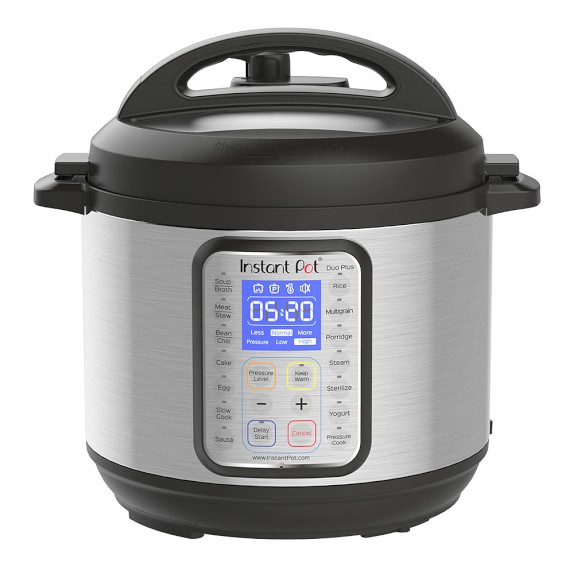
Start with the Pro, since it is the one wearing the bigger number. Ten functions, twenty-eight smart programs on the listing, an inner pot with handles, a lid that goes in the dishwasher without an argument. The handles sound like a brochure line until you have lifted a full pot of stew out of a pressure cooker with oven mitts and a prayer. With handles it is a two-handed carry, steady, no wobble over the sink. That one detail shows up in my world too. A Pro with its handled pot photographs well, reads as the newer machine, and holds its money. A Pro missing its steam release cover, though. Different story. That little cap walks away in moves and estate cleanouts, and an incomplete Pro sells like a Duo with better paint.
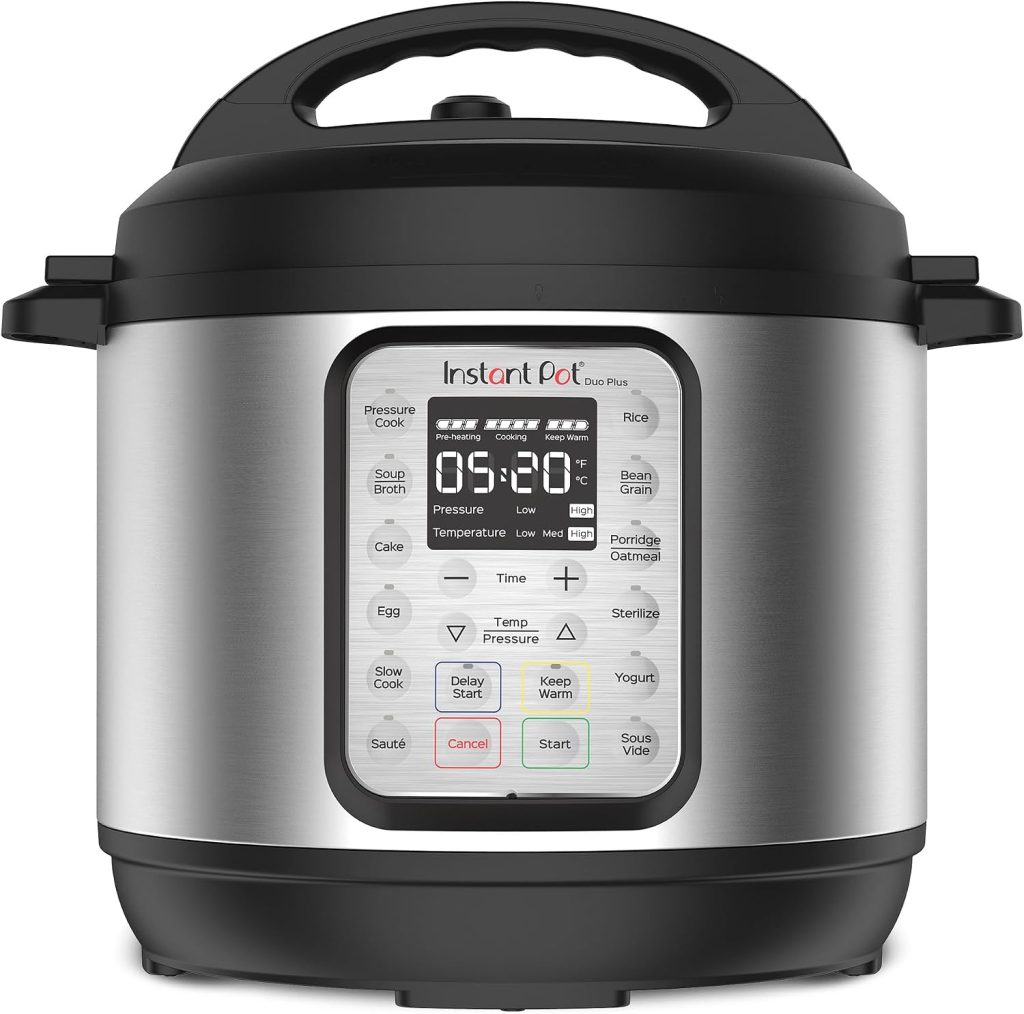
The Duo Plus sits one rung down and confuses people because the name promises more than the plain Duo while delivering most of it sideways. Nine functions. The quiet release cover, the angled display you can read standing up, a lid that parks in the handles instead of dripping on the counter. Cooking-wise the pressure core is the same animal as the Pro for beans, rice, short ribs, the weeknight rotation. Where it gives ground is the pot itself, no handles, and a program list that is shorter in ways nobody cooking dinner will ever locate. I have sold both, back to back, same week. The Duo Plus buyer asked about noise. The Pro buyer asked about the pot. Nobody asked about programs, not once, which tells you where the twenty-eight number actually lives.

Then there is the plain Duo underneath both of them, seven functions, the older display, a release valve with no softening cover and no interest in your feelings. It is in the box below because any honest version of this comparison has to admit the Duo exists and keeps undercutting its siblings. On the used market it is the volume king. Cheap new, cheaper used, and the spread between a clean one and a tired one is almost entirely the inner pot. Bottom scratched grey and cloudy, price drops. Bottom bright, it moves. The pot is the odometer on these machines and every experienced buyer knows to ask for the photograph nobody puts in the listing.
Size is the other place this guide usually gets sloppy, so let me be plain about the 6-quart question. Six quarts is the brim. The cooking line inside the steel sits at two-thirds for most food and half for anything that foams, which means the working pot is about four quarts of actual dinner. The Pro also comes in an 8-quart body and the Duo Plus line has an 8-quart sibling that this site covered in its Duo Plus 8-quart write-up, and the 8 is the one that holds money best of all, because families buy them, keep them, and rarely let them go. I have not owned the 8-quart Pro myself, so I cannot judge its counter manners. The spec sheet says deeper, not wider, and in a small kitchen that difference is the whole decision.
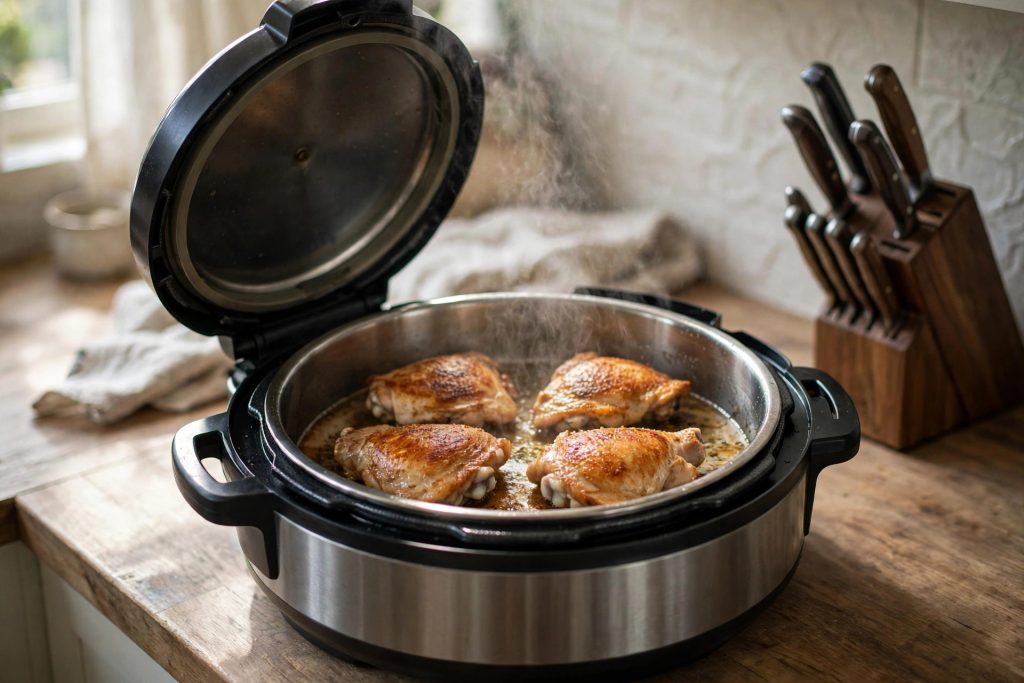
The comparison I keep coming back to is not Pro versus Plus at all. It is new versus the geography of your cabinets. The site’s Duo Plus 6-quart review measured the open-lid height problem better than I can, the lid leaning back into the cabinet zone, and that problem does not care which badge is on the front. A pot that has to live in a closet between uses gets used less, then sold sooner, then listed by someone like me with the phrase lightly used doing heavy lifting. Buy the one that fits open, not the one that fits closed. That sentence has never once appeared in a listing and it decides more purchases than any program count.
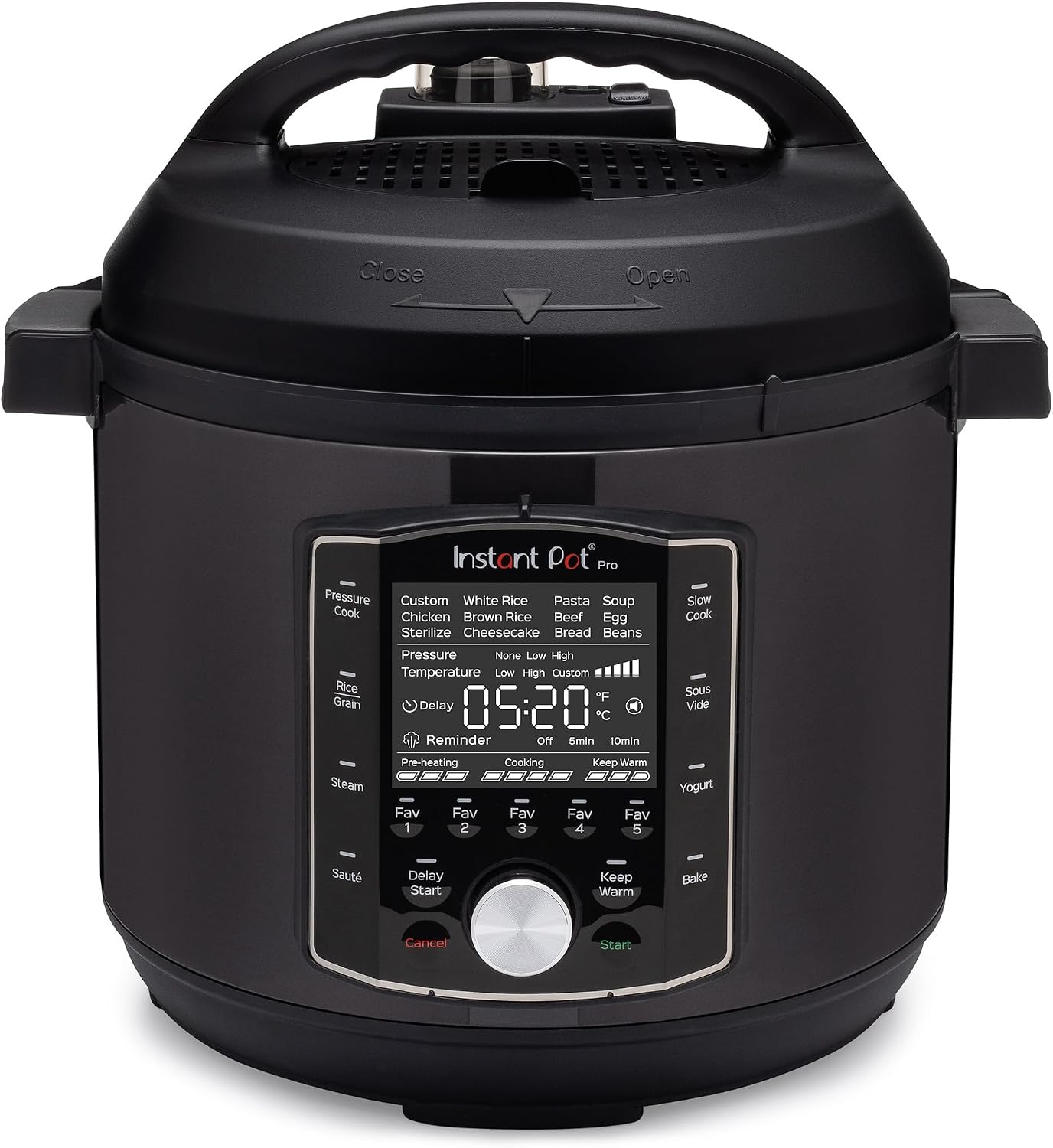
The upgrade pick – handled inner pot, 28 smart programs, dishwasher-friendly lid
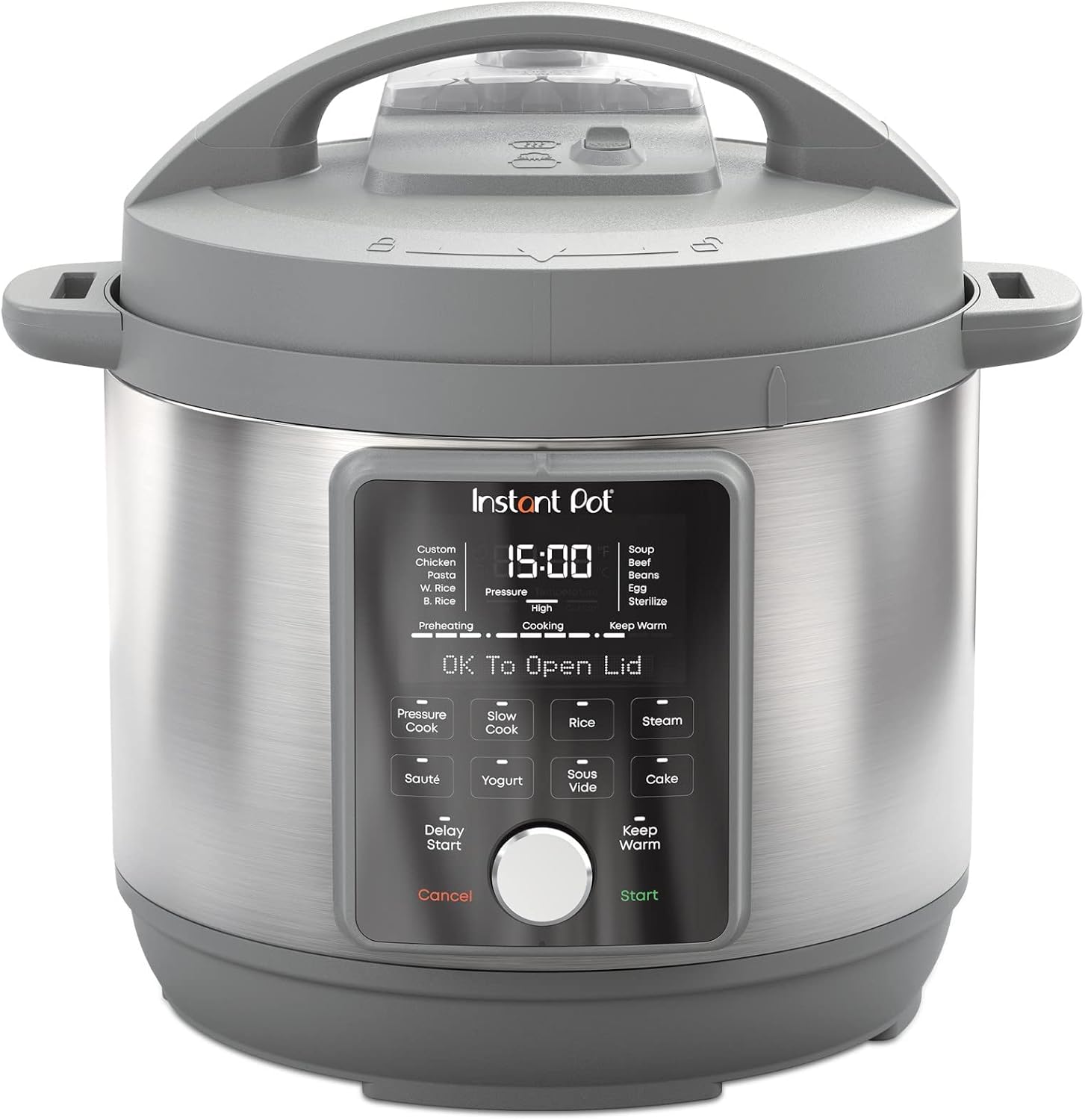
The quiet-release Plus – same pressure core, softer vent, no pot handles
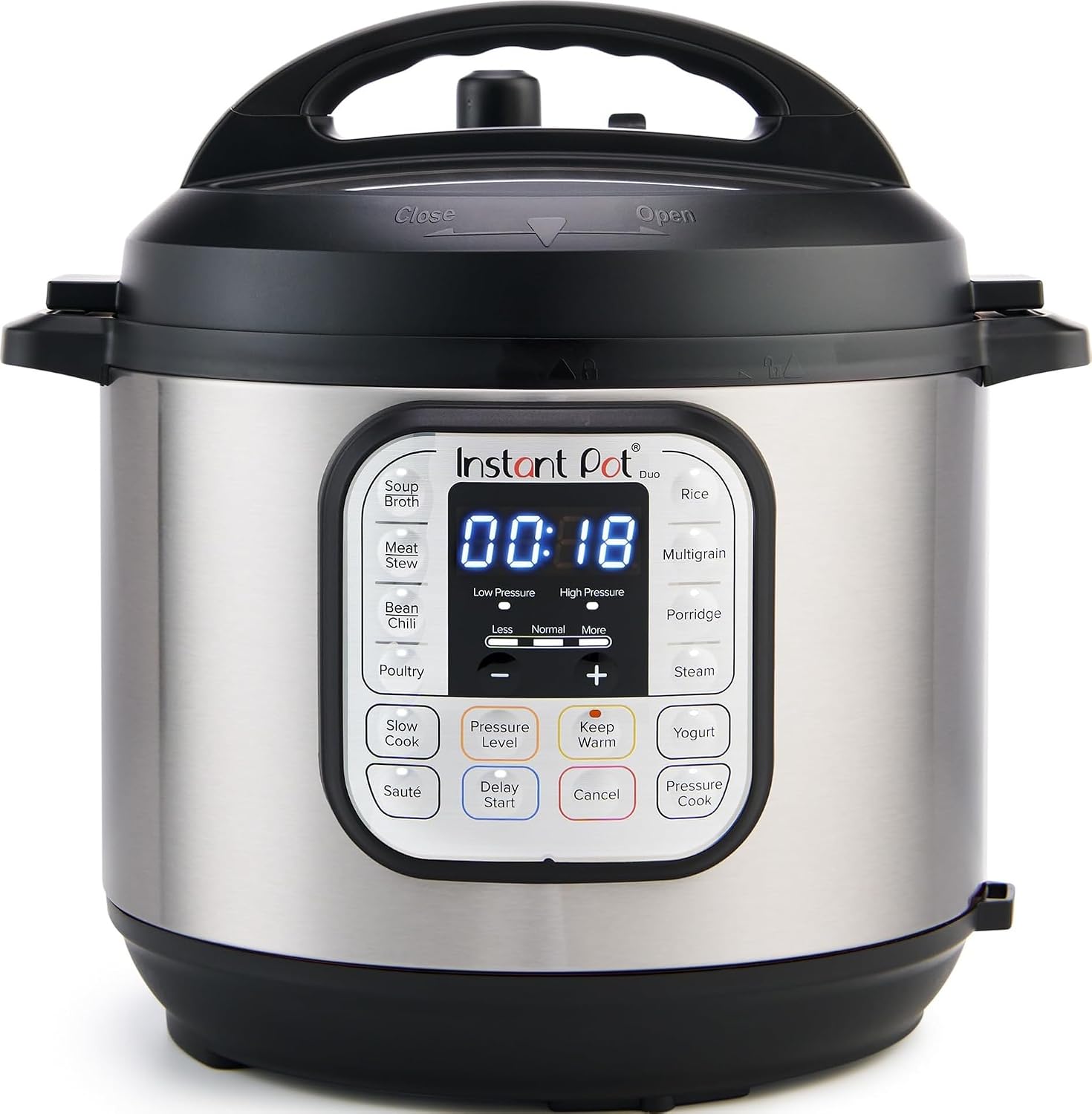
The plain Duo – older display, louder release, usually the lowest price in the family
Prices and availability change often. The button shows the current listing.
What breaks first, since people always ask me that too, expecting the electronics. Almost never the electronics. The float valve cap hardens, the silicone seal stretches and starts holding smells hostage, the little condensation cup at the back cracks or vanishes. On the Pro the handled pot adds one more small thing, the handle rivets, which loosen on a small share of hard-used pots and announce themselves as a faint rattle. None of this is fatal and most of it is cheap, but a used buyer should price a machine as pot plus seal plus cover, because that is what they are actually buying. The heating base is the part that lasts. Everything that touches food is a consumable wearing a disguise.
Actually, no. Let me correct myself on the seal point, because I said it wrong at a market stall last month and got schooled by a woman who cooks dal four times a week. The seal does not stretch first. It absorbs first, flavors first, and the stretching comes later and matters less, because a smelly seal still seals and a stretched one gets replaced for the smell long before it fails at the job. Order of operations matters when you are deciding what a used pot needs. Rinse the release cover, sniff the seal, photograph the pot bottom. That is the inspection, the whole inspection, and it takes ninety seconds.
The Pro’s extra programs deserve one more pass, because twenty-eight is doing marketing work that the kitchen will not cash. Soup, beans, rice, yogurt, sous vide if you count the Pro’s low steady hold, which is a real difference and the one program on the long list I would defend in an argument. The rest are pressure and time in different hats. The Duo Plus covers the daily nine and the Duo covers the daily seven, and the overlap among all three is where dinner actually happens. If the price gap between Pro and Plus is small on the day you buy, the handles and the sous vide tip it. If the gap is wide, the Plus cooks the same beans and the money you saved buys the spare seal you were going to need anyway.

One habit from the resale side that buyers at any price should steal. Keep the box. Keep the foam. A multicooker in its original box sells faster, ships safer, and reads as cared-for in a way a bare machine on a blanket never will. It costs you a closet corner for three years and returns real money, which is a better rate than most kitchen purchases offer. The same goes for the spare trivet and the little tools that rattle around the drawer. Completeness is a feature. Listings never say so. Buyers pay like it is one.
And the question I opened with, what is it worth, still does not have the clean answer people want, because worth splits the day you buy it. There is the cooking worth, where the Plus and the Pro are near enough to twins, and the exit worth, where the Pro’s handles and finish hold a line the Plus does not. Which one should lead depends on how long you keep machines, and I have watched enough lightly used listings scroll past to know most people keep them shorter than they swear they will.

Frequently Asked Questions
The Pro lists 28 programs and the Duo Plus lists far fewer. Will I actually feel that difference at dinner?
On a normal week, no, and I say that as someone who has watched buyers hunt for differences that never show up at the table. The daily work, pressure cooking, rice, saute, steam, yogurt, runs the same on both machines because the pressure core is shared. The Pro earns its longer list at the edges, sous vide being the honest one, a low steady hold the Plus does not really offer. Cake and egg and the rest are time and pressure wearing name tags. If your cooking lives in the middle of the list, the two pots are twins. If it lives at the edges, the Pro stops being a badge and starts being a tool.
I found a used Pro with no steam release cover. Walk away or buy it cheap?
Buy it cheap, if the pot bottom is bright and the seal smells like nothing much. The cover is a small replaceable part and its absence is the most common incompleteness I see on used listings, because it pops off for cleaning and then lives in a drawer that does not move house with the machine. Price the pot as if you are buying the cover yourself, because you are, and check that the float valve still rises and falls freely while you are at it. A missing cover is a discount. A scored pot bottom is a warning. People mix those two up constantly.
Is the 6-quart big enough for a family of five, or is that marketing optimism?
It depends on what dinner looks like, which is a dodge, but an honest one. Four quarts of working space handles a stew or a soup for five with bread doing support work. It does not handle five servings of rice plus a main cooked in the same pot at the same time, and it sulks at a whole large chicken. Foamy foods cut the space in half again. Households of five who cook one-pot meals most nights tend to end up at the 8-quart within a year, and the used market is full of exactly that story, 6-quarts listed by people who liked the machine fine and outgrew the geography.
Why do used Duo listings vary so much in price when the machines look identical?
Because the photograph that matters is the one of the pot bottom, and half the listings do not include it. A bright bottom means gentle use, hand washing, no metal utensil warfare. A grey, scratched bottom means years of hard service and the price should say so. After that it is seals and completeness, box, trivet, cover, cup. Two machines with the same badge can be three years apart in real wear while looking like twins in the hero shot. Ask for the bottom. Always ask for the bottom, even new-adjacent listings, especially those.
There is a Pro on my shelf right now with a bright pot, no box, and a seal that smells faintly of somebody else’s chili, and I still have not decided what to ask for it, which is maybe the most honest summary of this whole comparison I can give.
This site contains affiliate links. We may earn a commission on qualifying purchases.