
Decoding the Dilemma: Is a Specialty Baking Sheet Set Truly Worth It?
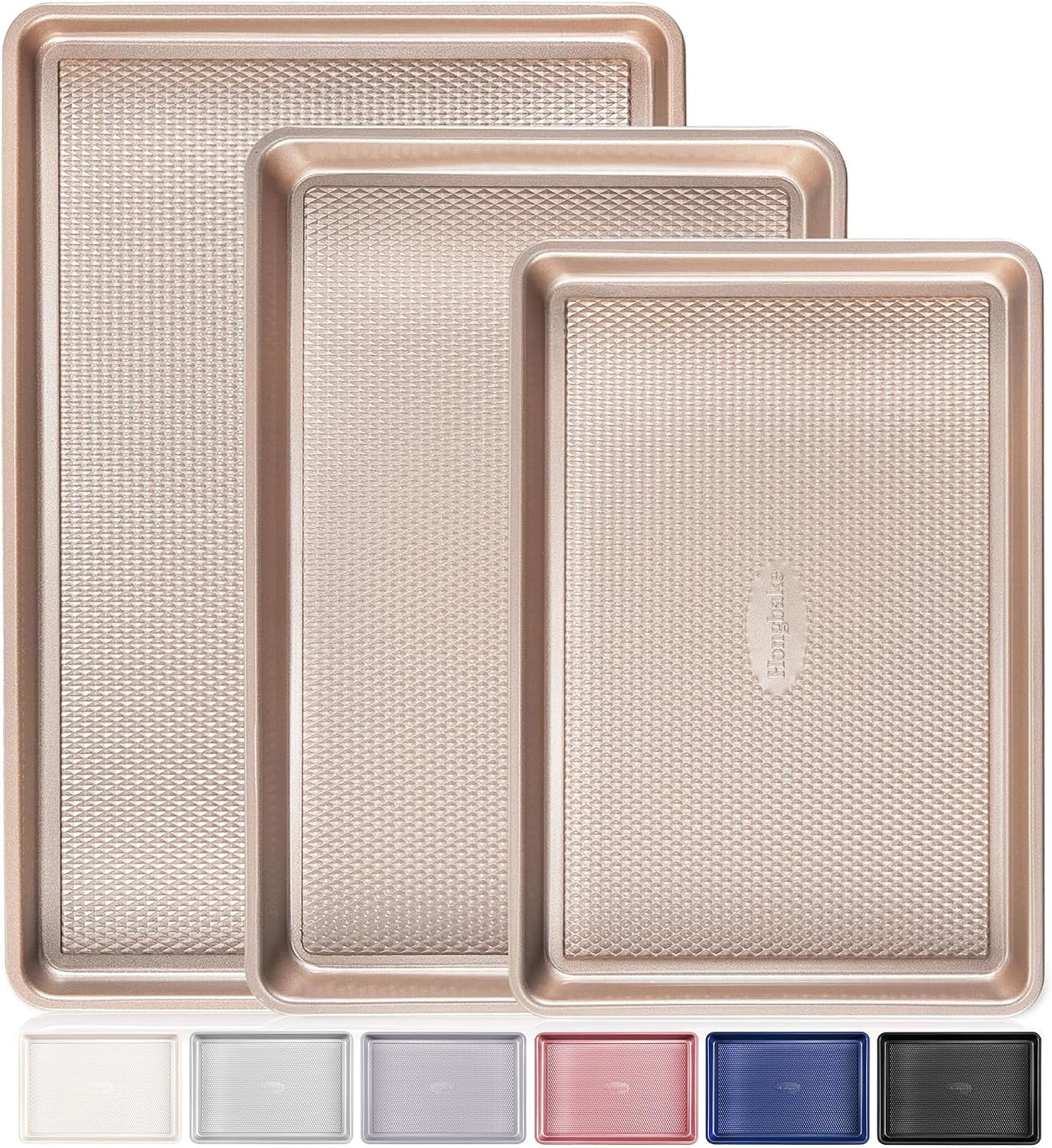
Anyone who spends real time in the kitchen knows the humble baking sheet is far from humble. It’s the workhorse, the unsung hero, the silent partner in countless culinary triumphs and, let’s be honest, a few minor disasters. This guide cuts through the noise, helping you figure out whether a specialized offering, like a Baking Sheet Pan Set of 3 touting features like a diamond texture pattern and a champagne gold finish, really earns its spot in your cupboard or if a basic model still reigns supreme. We’re talking about smart spending for savvy home cooks, folks.
Quick Answer
For most home bakers and cooks, a quality mid-range baking sheet set — particularly one with some thoughtful design choices like a textured nonstick surface — offers a significant step up from basic models in terms of durability and performance, often justifying the slightly higher cost. While simple aluminum sheets are undeniably functional, the enhanced release and easier cleanup of a well-designed nonstick bakeware set can genuinely improve your cooking experience and the longevity of your pans, making that initial investment feel pretty sound.
What to Look For (The Buying Criteria)
Choosing the right baking sheet isn’t rocket science, but ignoring a few key factors can lead to endless frustration. You want something that performs consistently, doesn’t warp after a few uses, and, ideally, makes cleanup less of a chore. Here’s what really matters when you’re sizing up a new set of cookie sheets.
First off, material matters, a lot. Most baking sheets are either aluminum, aluminized steel, or sometimes stainless steel or even carbon steel. Straight-up aluminum is a fantastic heat conductor, meaning your food cooks evenly. It’s usually lighter, too. But bare aluminum can react with acidic foods and is prone to warping if it’s not a heavy enough gauge. Aluminized steel, on the other hand, offers the even heating of aluminum with the strength of steel, often making for a sturdier pan less likely to buckle under high heat. Stainless steel baking pans are robust and non-reactive, but they don’t conduct heat as efficiently as aluminum, so you might find hotspots. There’s a trade-off, always. Carbon steel baking trays are often found in darker finishes and can get incredibly hot, yielding deep browning, but they need careful seasoning and maintenance to prevent rust, which isn’t for everyone.
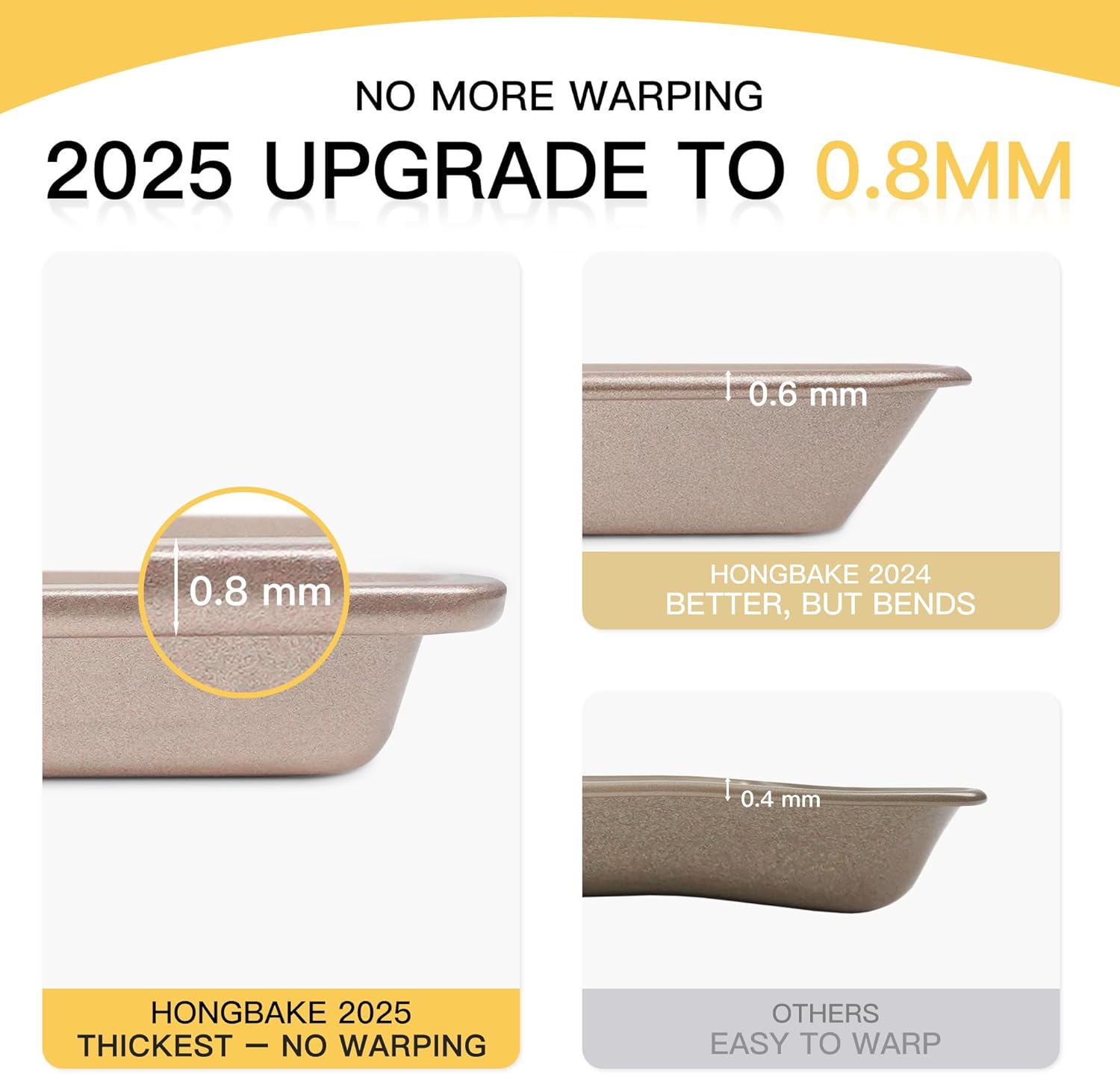
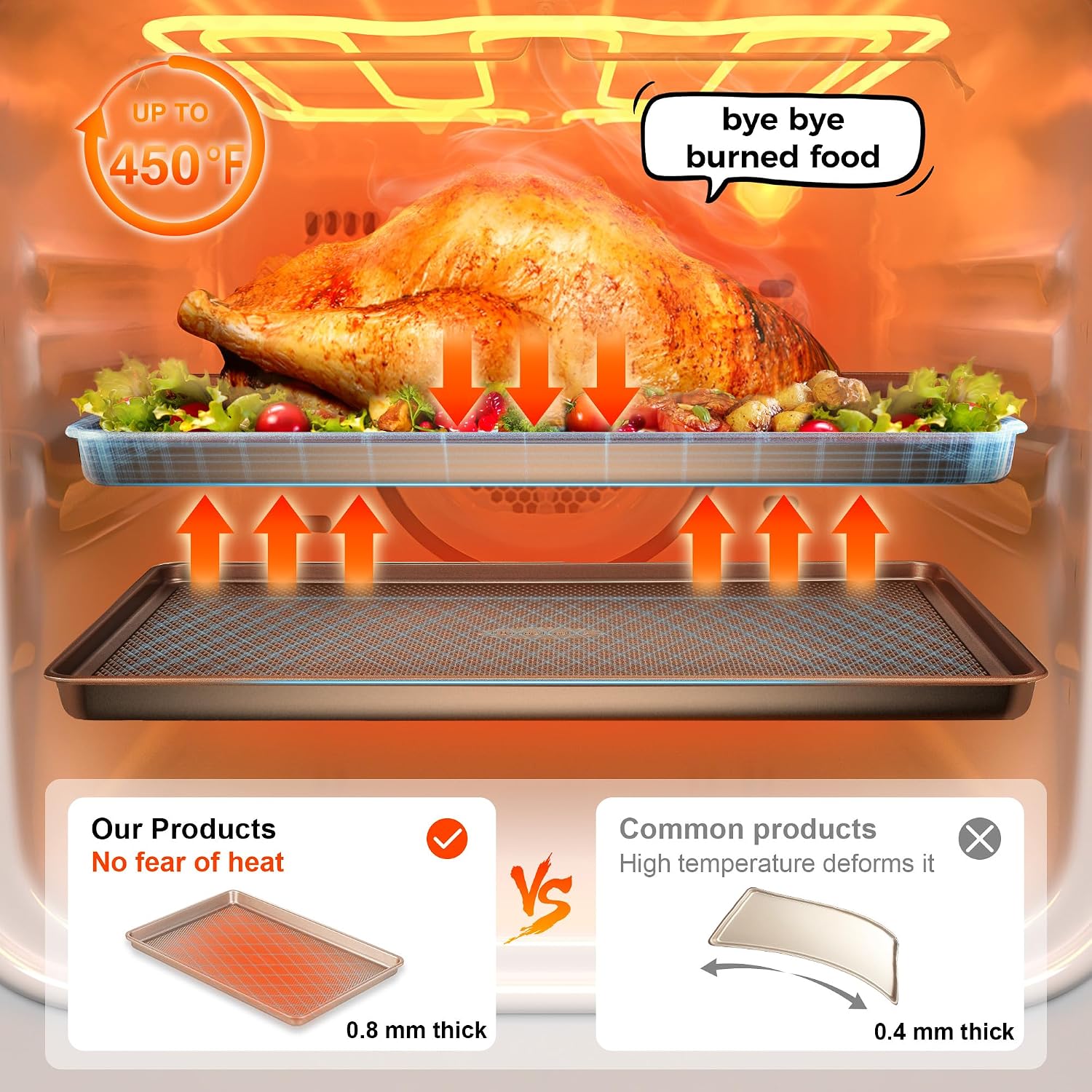
Then there’s the gauge or thickness of the metal. This is one of those subtle things that makes a huge difference. Thin, flimsy sheets are cheap for a reason: they warp. They twist and ping in a hot oven, startling you, and creating uneven cooking. A thicker gauge sheet, like those described as “heavy duty,” distributes heat more consistently and is far more resistant to warping. It’s a simple durability measure, really. You’re buying less stress.
Nonstick coating is another big one, and it’s where things get interesting. Many folks absolutely swear by a good nonstick surface for easy food release and cleanup. It’s undeniably convenient for things like cookies or roasted vegetables. However, nonstick coatings, particularly the darker ones, can sometimes lead to faster browning or even scorching if you’re not careful. They also have a lifespan; eventually, they wear down, scratch, or lose their efficacy, especially with high heat or abrasive cleaning. So, while a nonstick bakeware set sounds great, remember it’s not forever. Some people just prefer to line an uncoated pan with parchment paper alternative or a silicone mat, keeping their options open and avoiding the coating wear.
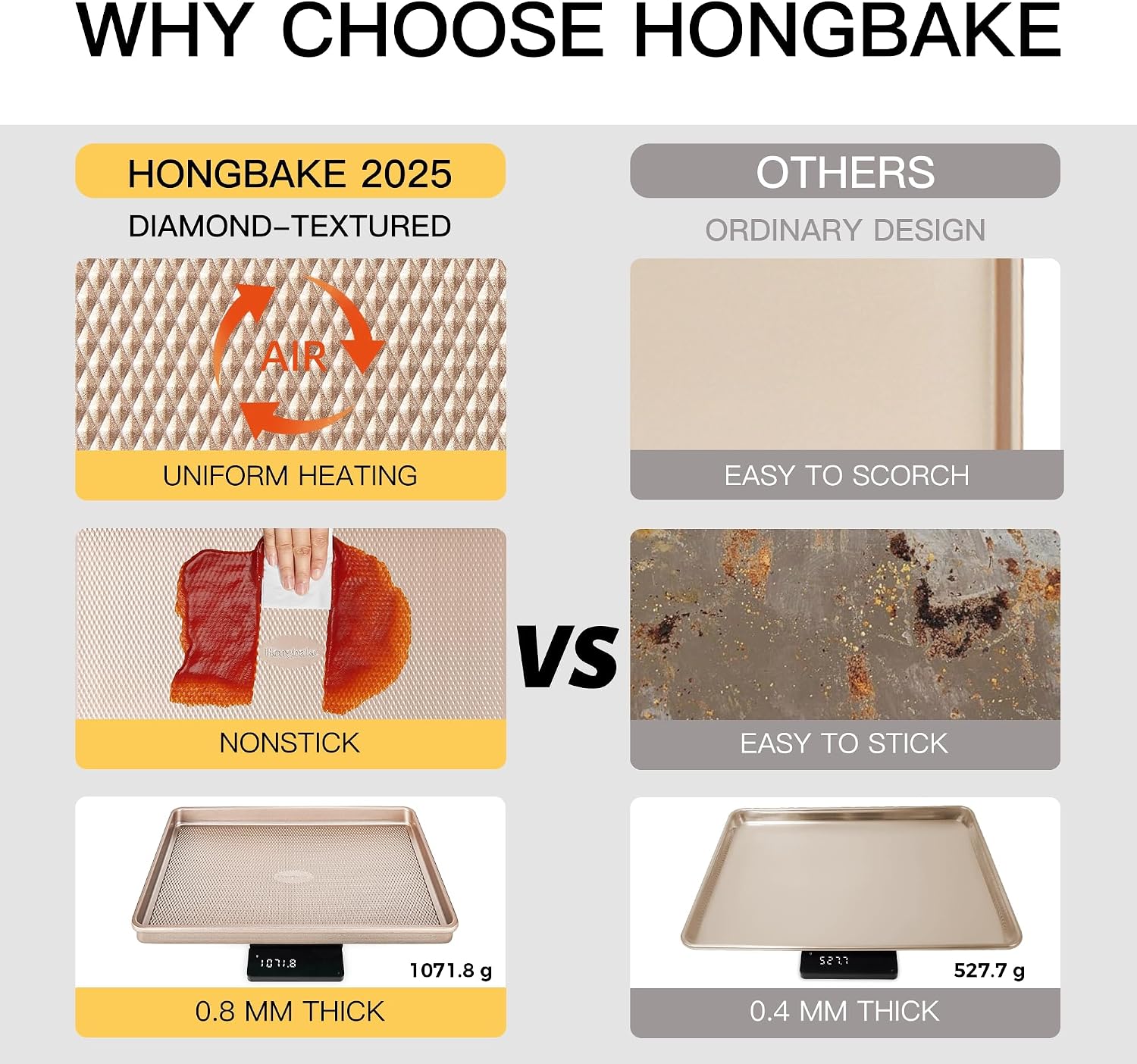
Consider the design features. This is where you see things like the diamond texture pattern mentioned in some sets. This isn’t just for looks; it’s supposed to improve airflow around food, prevent sticking by minimizing contact points, and sometimes even reinforce the pan’s structure against warping. Does it work? Often, yes, it can contribute to more even cooking and easier release, especially for delicate items. But it also adds to the surface area, which might make cleaning tiny stuck-on bits a bit trickier than a completely smooth surface. A rolled edge is another small detail that adds strength and prevents sharp edges, a definite plus for longevity and safety.
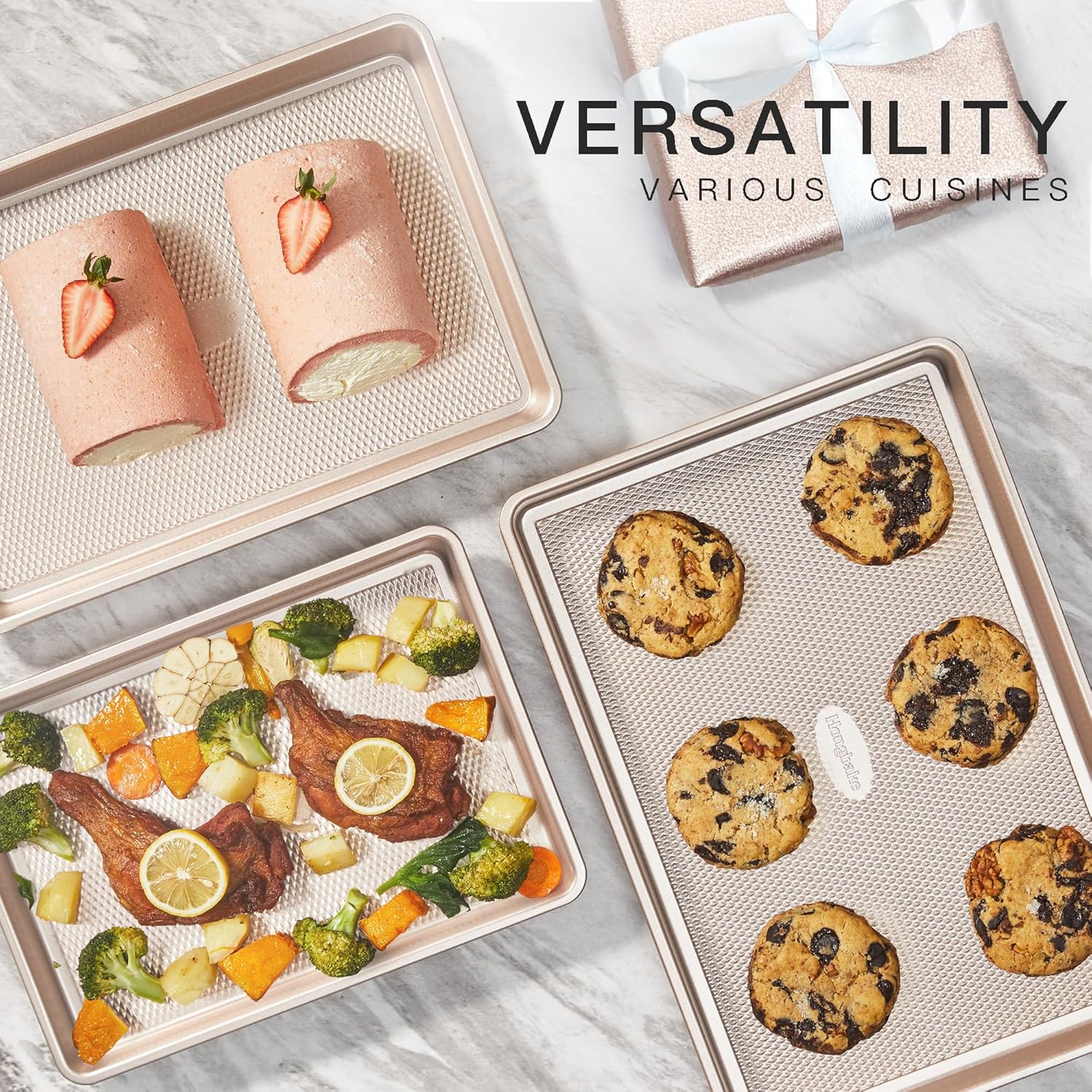
Finally, think about size and versatility. A half sheet pan (roughly 18×13 inches) is the undisputed champion of the home kitchen. It fits most standard ovens and handles everything from a dozen cookies to a sheet pan dinner. Quarter sheet pans (about 9×13 inches) are incredibly handy for smaller portions or fitting into compact toaster ovens. A jelly roll pan is essentially a half sheet pan but with slightly taller sides, making it ideal for baking cakes like a jelly roll (duh) or anything with a bit of liquid. A good set often includes a mix of these sizes, giving you options without overwhelming your storage space. But don’t just grab a monster pan if your oven can’t fit it. Seems obvious, but I’ve seen it happen.
How to Match the Product to Your Situation
Finding the right baking sheet set really boils down to how you cook, how often, and what you prioritize. There’s no one-size-fits-all answer, no secret sauce. It’s about aligning the tool with the task, and your lifestyle.
The Casual Cook: You bake cookies occasionally, roast some veggies now and then, but you’re not trying to open a bakery. For you, ease of use and simple durability are key. You probably appreciate a nonstick bakeware surface for fuss-free cleanup and don’t want to baby your pans. A mid-tier Baking Sheet Pan Set of 3 with a nonstick coating and a reasonable gauge steel would be a solid choice. You don’t need commercial-grade heft, just something reliable that won’t warp every time you turn on the oven. The diamond texture could actually be a bonus here, helping those infrequent roasts slide right off.
The Avid Baker: You’re in the kitchen a few times a week, tackling everything from delicate pastries to hearty loaves. You might even be experimenting with different crusts or high-temperature roasting. You need versatility and serious performance. While a nonstick cookie sheet is convenient, you might also want a robust, uncoated aluminum bakeware option for maximum browning and to avoid any coating interference. A heavier gauge aluminized steel set or a high-quality aluminum set is crucial for preventing warping under sustained high heat. You’re probably more meticulous about care, too, so seasoning a carbon steel pan might not scare you away. You’re often dealing with even baking, and inconsistent heat distribution is a real buzzkill.
The Batch Prep Pro: Your kitchen time is all about efficiency. You’re cooking meals for the week, roasting huge trays of vegetables, or prepping ingredients en masse. You need multiple pans, and they need to hold up to frequent, rigorous use and potentially high heat. Stackability for storage is a huge plus, as is resistance to scratching if you’re scraping off lots of food. For you, the 0.8mm thick heavy duty cookie tray description really hits home. Durability against warping is non-negotiable, and a larger half sheet pan or two will be your primary companions. A champagne gold finish might look pretty, but you’re more concerned with how it performs day in, day out. You’re looking for workhorses.
| Type/Tier | Best For | Price Tier | Key Feature | Watch-Out |
|---|---|---|---|---|
| Basic Aluminum Sheets | Budget-conscious, occasional use, high heat. | Budget-friendly | Excellent heat conduction, lightweight. | Prone to warping if thin; can react with acidic foods. |
| Mid-Range Nonstick Sets | Everyday cooking, easy cleanup, decent durability. | Mid-range | Nonstick coating, often good value, sometimes textured. | Nonstick can degrade over time; may not brown as aggressively. |
| Heavy-Gauge Aluminized Steel | Frequent use, warp resistance, even baking. | Mid-range | Superior durability, resists warping, good heat distribution. | Heavier weight; usually not nonstick, requires lining or seasoning. |
| Premium Specialty Bakeware | Specific tasks, aesthetic appeal, advanced features. | Premium | Unique textures, specialized coatings, distinctive finishes. | Higher cost; features might not always translate to performance gains. |
Basic aluminum sheets are fantastic heat conductors and quite affordable, making them a solid choice for someone just starting out or needing many pans. Mid-range nonstick sets typically offer a balance of convenience and acceptable performance, often including thoughtful designs like a diamond texture pattern for better food release. Heavy-gauge aluminized steel is the workhorse option, built to last and resist buckling, though you’ll often need to use parchment or silicone liners. Premium specialty bakeware, perhaps with a striking champagne gold finish, might offer unique benefits but commands a higher price tag for features that sometimes lean more into aesthetics.
For the Oven Roasting Enthusiast
If you’re someone who uses your baking sheet primarily for roasting vegetables or proteins, you’re looking for a pan that can handle high heat without complaint. You need something that won’t warp and spill pan juices all over your oven floor. A thicker gauge sheet, even if it’s not nonstick, often gives better results for roasted foods, promoting that lovely char and caramelization. You might not care much about a diamond texture here, as long as the pan can take a beating and deliver consistent browning.
For the Delicate Cookie Crafter
Making cookies, especially those that spread or are prone to sticking, is a different game entirely. Here, a nonstick cookie sheet with a lighter-colored surface can be your best friend. The lighter color prevents over-browning on the bottom, while the nonstick surface ensures those delicate morsels slide off gracefully. A subtle feature like the diamond texture pattern could actually be a boon, allowing a bit of air underneath and preventing sticking without heavy greasing. This is where a specialized set might truly shine.
For the Busy Weeknight Cook
Your weeknights are hectic. You want dinner on the table, fast, and with minimal fuss. This means sheet pan dinners are your jam. You need a half sheet pan that’s durable, cleans up easily, and is big enough for a family meal. A nonstick bakeware set is a lifesaver here, cutting down on scrubbing time after a long day. The convenience factor is paramount. You’re not looking for fancy; you’re looking for functional, reliable, and maybe even that champagne gold finish if it doesn’t make cleaning harder.
Common Mistakes When Buying Baking Sheets
People make some pretty common blunders when picking out baking sheets, and honestly, it’s usually because they don’t think about the long game.
One big one is prioritizing price over gauge. You grab the cheapest cookie sheets because “they all look the same.” Guess what? They are not all the same. Those super thin, feather-light ones? They’ll buckle and twist into a roller coaster ride in your oven faster than you can say “unevenly cooked.” Spending a tiny bit more for a heavier gauge pan pays dividends in avoiding frustration and getting better results.
Another frequent misstep is over-relying on nonstick for everything. Nonstick is fantastic for many things, but it’s not indestructible. Metal utensils, abrasive scrubbers, and excessively high oven temperatures are its enemies. For extremely high-heat roasting or broiling, sometimes an uncoated, heavy-duty pan lined with parchment paper alternative is actually a smarter, more durable choice. You extend the life of your nonstick when you don’t abuse it.
Finally, people often neglect pan size in relation to oven size. That extra-large baking sheet might look impressive, but if it barely squeezes into your oven, or worse, touches the oven walls, it’ll mess with air circulation and lead to uneven cooking. Always measure your oven’s interior before committing to an oversized pan. It’s a simple step that saves a lot of headaches later.
Why/How/What
Why does my baking sheet keep warping?
Your baking sheet is likely warping because of sudden, uneven temperature changes. Thin metal expands and contracts quickly, causing it to buckle. Thicker gauge materials or those reinforced with rolled edges are much better at resisting this common kitchen annoyance, especially under high heat.
How do I clean a nonstick baking sheet without damaging it?
To clean a nonstick bakeware item like a cookie sheet without damage, let it cool completely first. Then, use warm, soapy water and a soft sponge or cloth. Avoid abrasive scrubbers, harsh detergents, or metal utensils that can scratch the nonstick coating. Gentle is the name of the game for longevity.
What’s the real benefit of a diamond texture pattern on a baking sheet?
A diamond texture pattern on a baking sheet primarily aims to improve airflow around your food and reduce surface contact, which can minimize sticking and promote more even baking. It can also add rigidity to the pan, potentially helping it resist warping and creating a slightly stronger pan structure. It’s a subtle but often effective design choice.
FAQ
What’s the difference between a baking sheet, cookie sheet, and jelly roll pan?
Generally, a baking sheet or half sheet pan refers to a flat pan with a raised edge on all four sides. A cookie sheet often implies one or more sides might be flat or lowered for easy sliding of cookies. A jelly roll pan is specifically a baking sheet with slightly higher sides, traditionally used for baking thin cakes that are then rolled.
Is a darker-colored baking sheet better for baking?
Darker baking sheets absorb more heat, which can lead to faster and more aggressive browning or crisping, sometimes even burning. Lighter-colored sheets reflect heat, resulting in more even, gentle baking. For most cookies and delicate items, a lighter finish is often preferred.
Can I use aluminum bakeware with acidic foods?
Bare aluminum bakeware can react with highly acidic foods like tomatoes or lemons, potentially imparting a metallic taste or causing discoloration of the food and pan. For such ingredients, a non-reactive option like stainless steel, glass, or an anodized or coated aluminum pan is a better choice.
How do I prevent food from sticking to my baking sheet if it’s not nonstick?
To prevent sticking on a non-nonstick baking sheet, liberally grease the pan with butter, oil, or cooking spray, or line it with parchment paper alternative or a silicone baking mat. A good-quality silicone mat is a game-changer for sticky situations.
Are those heavy-duty, thicker-gauge cookie sheets really worth the extra cost?
Absolutely, for most serious home cooks. A heavy duty cookie tray resists warping far better than thin pans, leading to more even baking and a longer lifespan. The initial investment usually saves you money and frustration in the long run. Durability just makes sense.
What does a champagne gold finish mean for performance?
A champagne gold finish is primarily aesthetic, offering a pleasing visual to your bakeware. It might indicate an anodized or special coating, which can offer some nonstick properties or durability benefits, but its primary impact is typically visual. It looks pretty in the cupboard.
Should I get a baking sheet with a rim or rimless?
For versatility, always go with a rimmed baking sheet (like a half sheet pan). The rims keep liquids, fats, and smaller ingredients contained, preventing spills in your oven. Rimless sheets are very specific, mostly for cookies or specific pastries, and aren’t as universally useful.
Final Recommendation
For the vast majority of home cooks who want reliable performance without breaking the bank, a mid-range baking sheet set — something along the lines of the described Baking Sheet Pan Set of 3 with its nonstick surface and diamond texture pattern — hits a sweet spot. The thoughtful design elements typically translate to better food release and more consistent results than basic, flimsy options. You’re investing in less fuss, fewer stuck-on messes, and pans that won’t warp into modern art after a single use.
If you’re really pushing the boundaries of your oven or demand absolute longevity for specific high-heat applications, a truly heavy-gauge aluminized steel pan without any coating might be your champion. But for everyday versatility, ease of cleanup, and just plain enjoyable cooking, those specialized nonstick sets offer a compelling value proposition. They bridge the gap between pro-level durability and home cook convenience, making them a smart choice for many kitchens.
#Baking #Sheet #Pan #Set #Cookie #Sheets #Oven #Nonstick #HalfQuarterJelly #Roll #Pans #Diamond #Texture #Pattern #0.8mm #Thick #Heavy #Duty #Cookie #Tray #Champagne #Gold
Reviews
There are no reviews yet.