
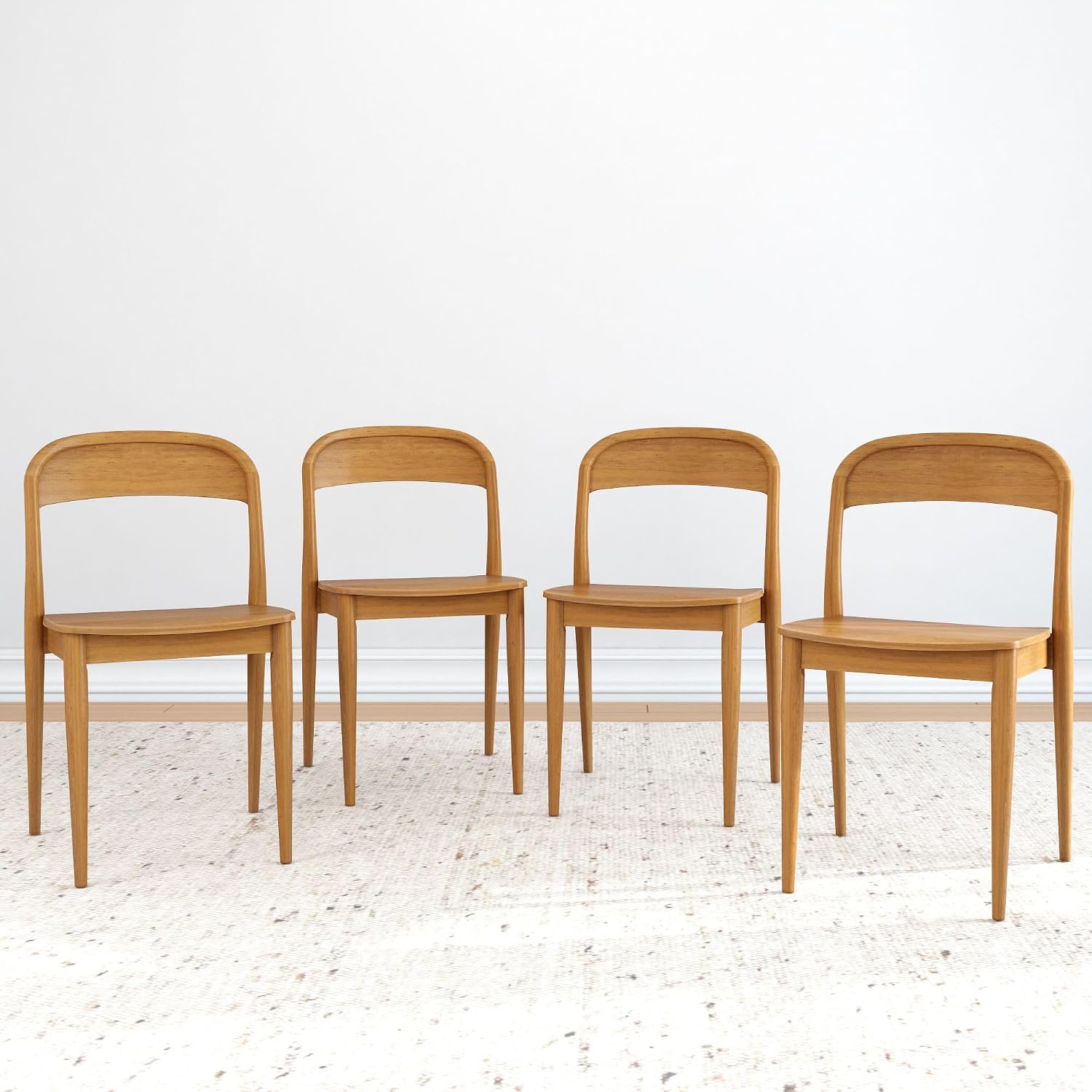
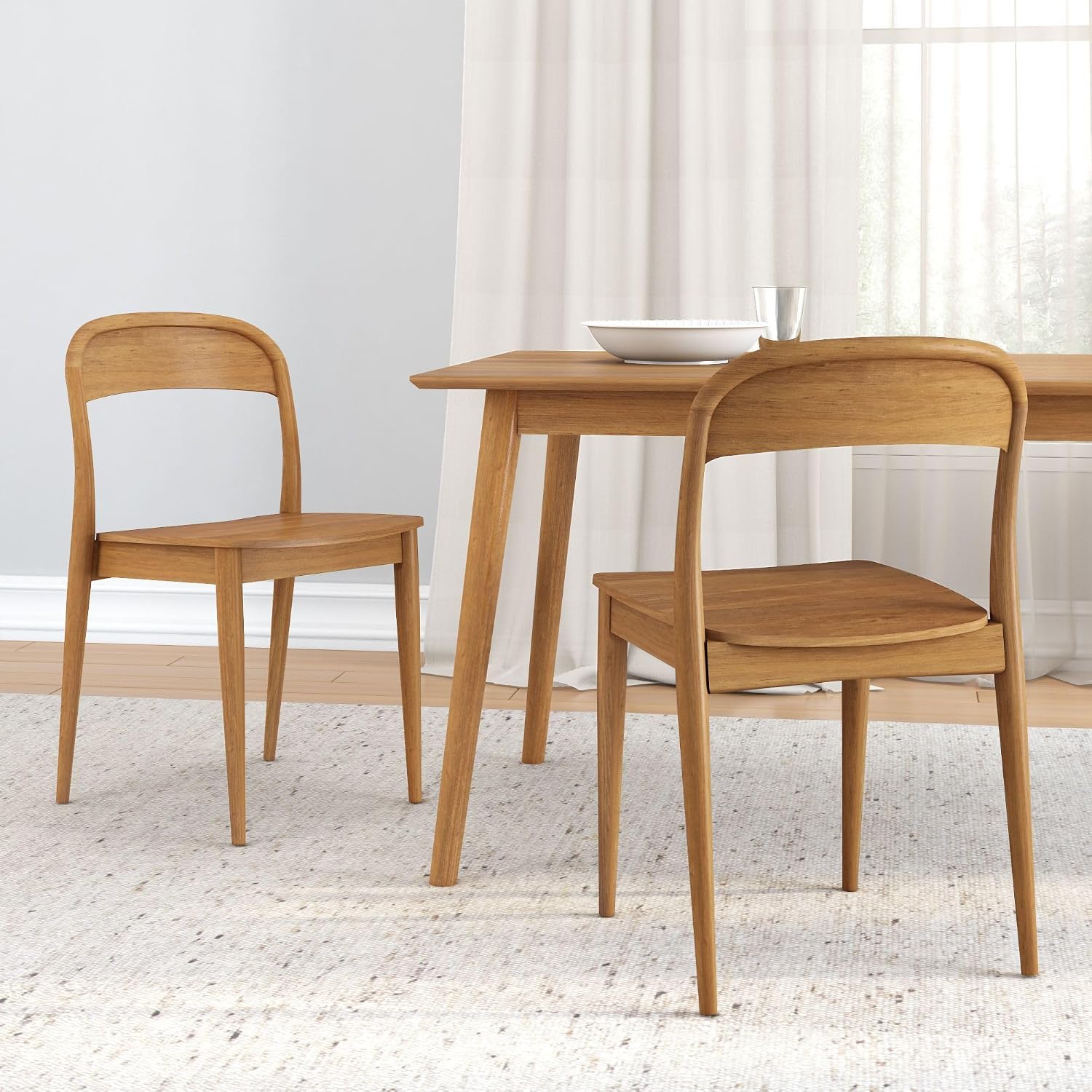
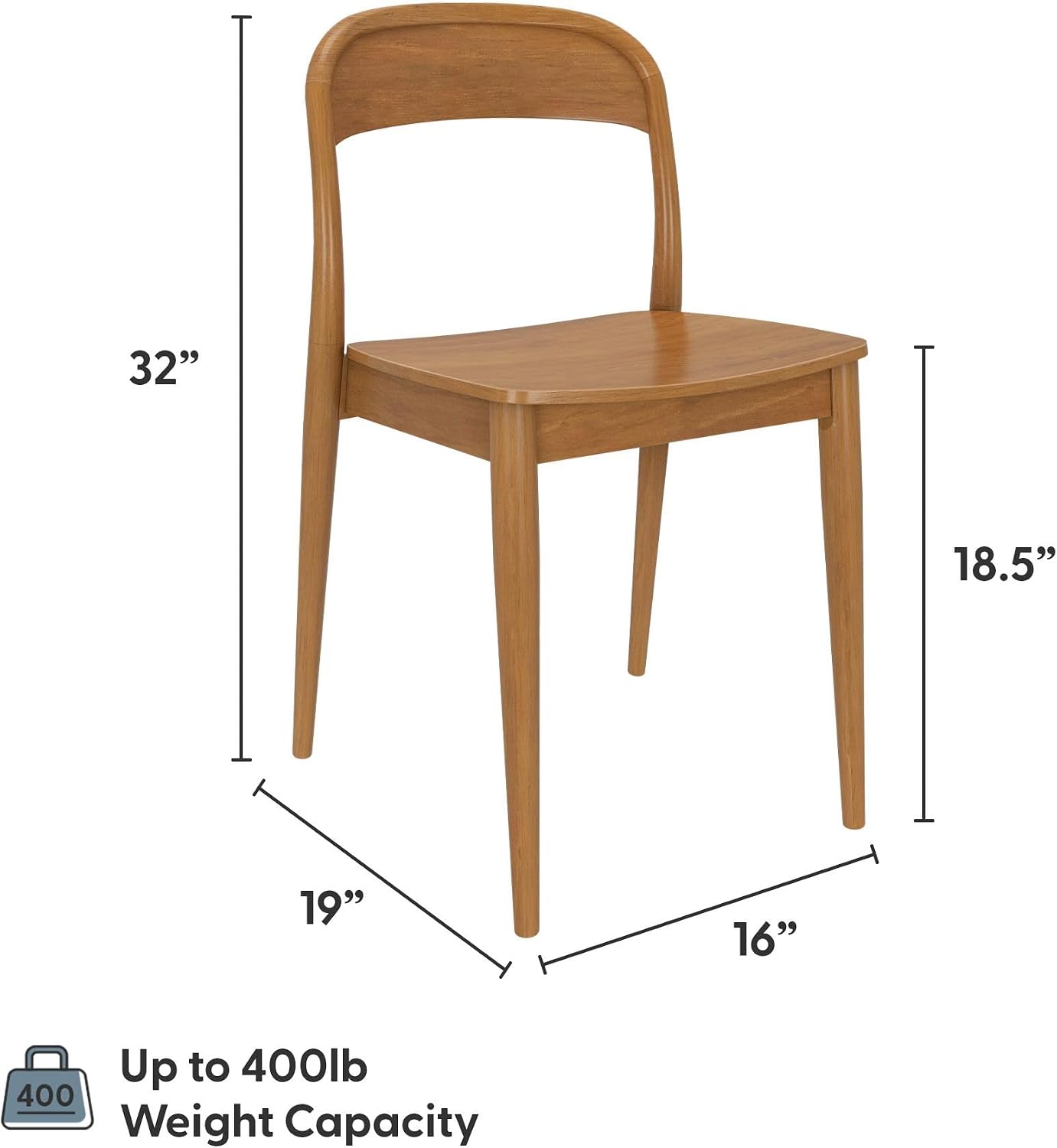
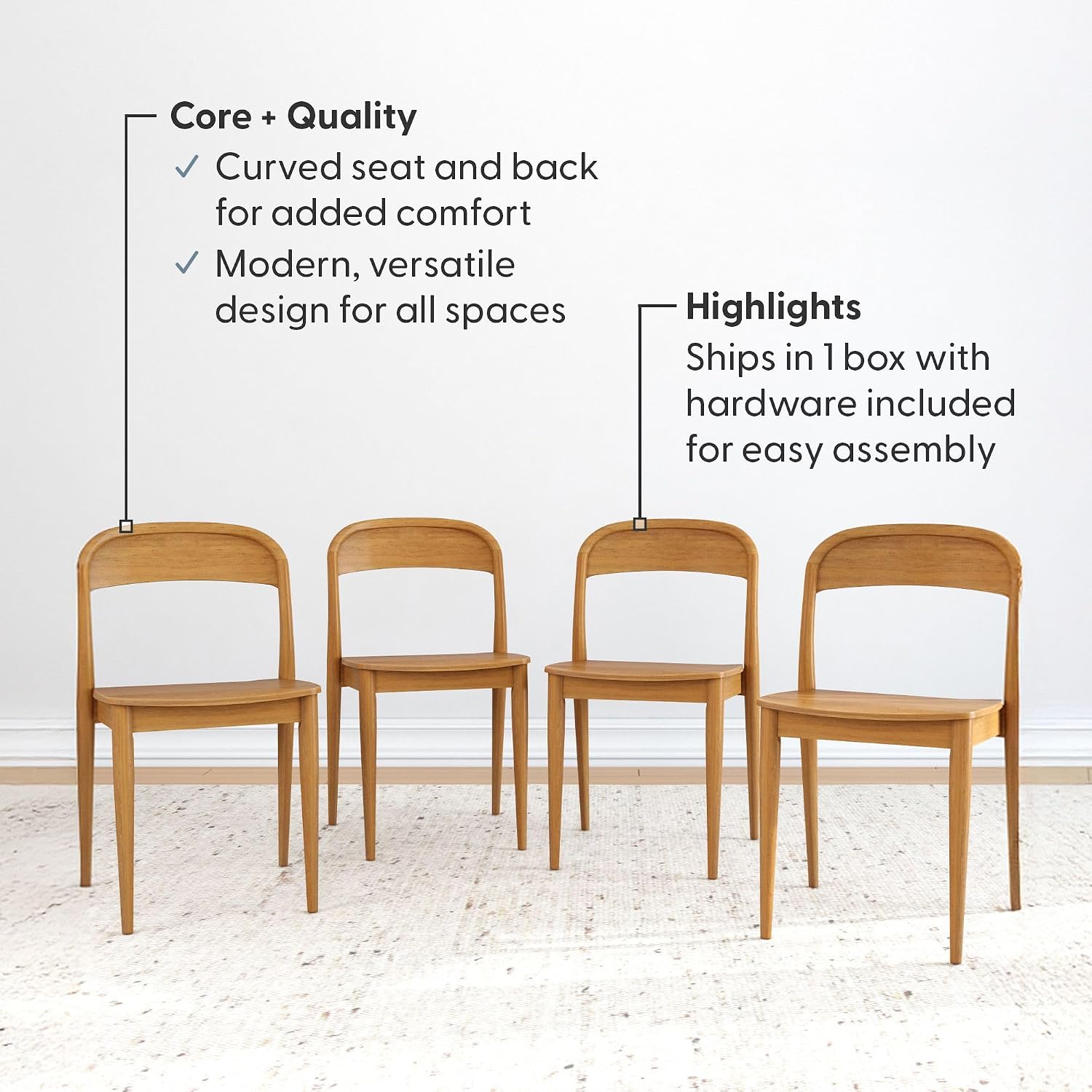
Picking the Perfect Dining Table: Do Plank+Beam Loar Chairs Make Sense for Your Mid-Century Dreams?
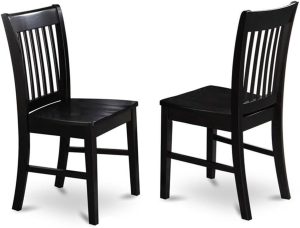
So, you’re on the hunt for a new dining table, maybe even eyeing a specific set of chairs, like the Plank+Beam Loar Dining Chair, Set of 2, Pecan. That’s a smart move. This isn’t just about finding a flat surface for meals; it’s about crafting a space, an aesthetic, and making a sensible furniture investment. This guide cuts through the noise, helping savvy shoppers understand the real value proposition of different dining table setups, especially when a particular Mid-Century design, like those Loar chairs, catches your eye. We’ll explore what truly matters in this category, comparing options, and hopefully, making your next big dining room decision a whole lot clearer.
Quick Answer
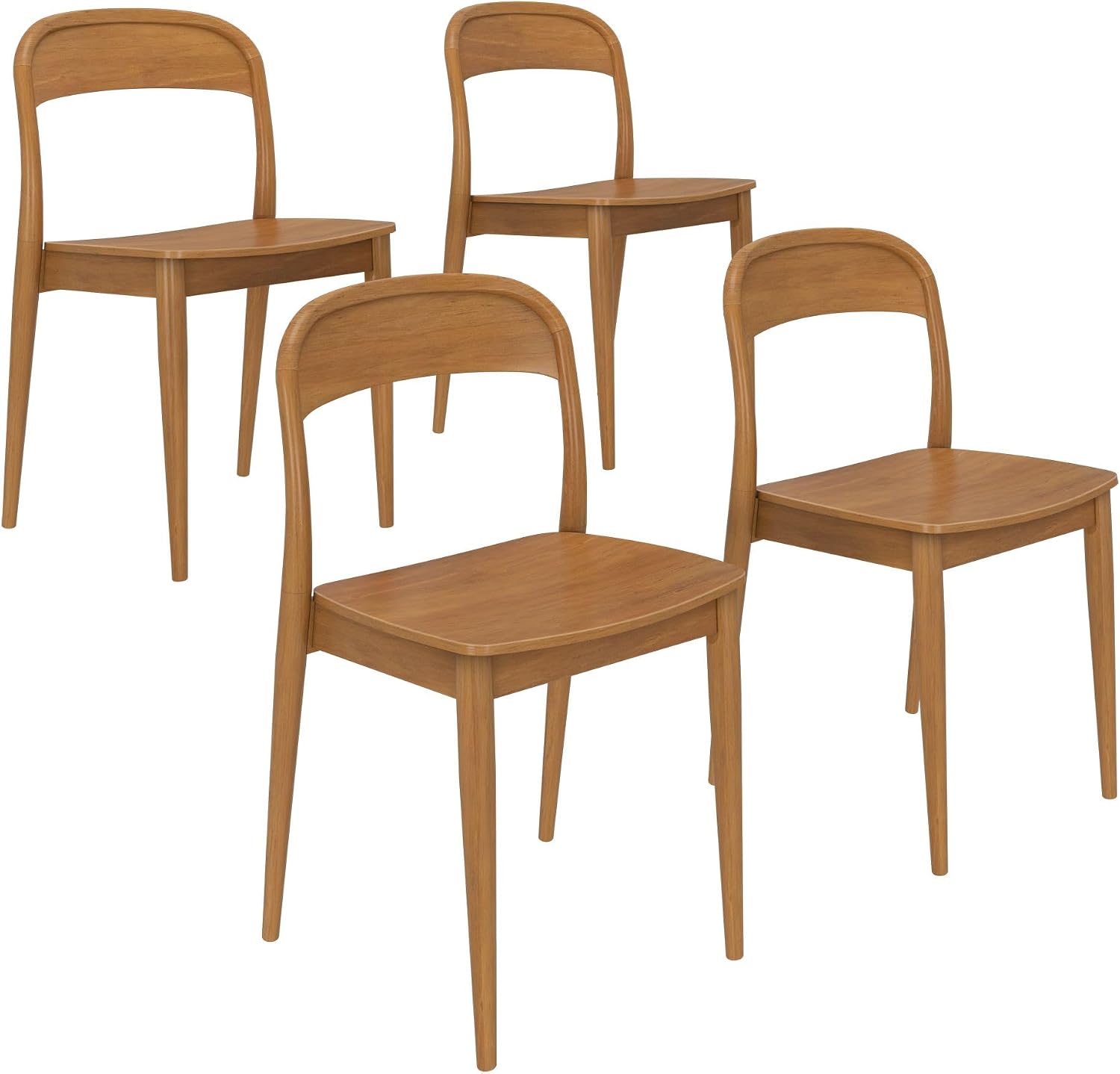
The Plank+Beam Loar Dining Chairs, with their distinctive Pecan finish and Mid-Century design, are a solid choice for those prioritizing style and a warm, inviting aesthetic. They represent a mid-tier furniture investment, offering good value in engineered wood with low-VOC finishes. Pairing them successfully with a dining table means focusing on complementary styles, appropriate sizing, and understanding that while assembly is straightforward, long-term durability might not match solid hardwood heirloom pieces.
What to Look For (The Buying Criteria)
Choosing a dining table isn’t just about picking one that looks nice in a picture. It’s a multi-faceted decision, especially when you’ve got specific companion pieces in mind, like those Plank+Beam Loar chairs with their very particular Mid-Century style. Honestly, many people get swept up in the visuals and forget the practicalities. Let’s dig into the nitty-gritty.
Size, Shape, and the Dance Floor Factor
First things first: your space. This sounds obvious, right? But you’d be surprised how many folks end up with a dining table that either dwarfs their room or leaves no breathing room for chairs. Think beyond the tabletop itself. You need at least 36 inches, ideally 42-48 inches, from the table edge to any wall or other furniture piece. This allows people to slide chairs in and out comfortably. Those Plank+Beam Loar chairs? They’re not overly bulky, but you still need space to pull them out without hitting something.
Consider the shape too. Rectangular tables are classic, fitting well in most dining rooms and accommodating more people. Round tables are fantastic for conversation, fostering a more intimate feel, and can sometimes fit better in smaller, squarer rooms. Ovals offer a softer edge than rectangles but still allow for decent seating. Square tables work for smaller, regular gatherings. Matching the table’s shape to the room’s flow is crucial; a too-large round table can make a small room feel cramped, while a tiny square one in a grand dining hall looks… well, a bit lost. Remember, the Mid-Century style of the Loar chairs often pairs well with simple, clean-lined tables, whether rectangular or round.
Material Matters: Beyond Just Looks
The material of your dining table dictates its durability, weight, maintenance, and of course, its price. Solid hardwood — think oak, walnut, maple — is the gold standard for longevity. It’s robust, can be refinished multiple times, and often becomes a genuine heirloom. But it comes with a premium cost, and solid wood can scratch or dent if you’re not careful. It’s also quite heavy.
Then you have engineered wood, which is what the Plank+Beam Loar chairs feature. This often involves a core of plywood or MDF, covered with a veneer of real wood or a laminate. It’s generally more stable than solid wood in fluctuating humidity, less prone to warping, and usually much lighter on the wallet. The trade-off? Veneers can chip, and they can’t be sanded and refinished endlessly like solid wood. If the veneer is thin, damage can expose the core underneath, which isn’t the prettiest sight. Still, for a lot of households, engineered wood offers a sensible balance of cost, stability, and looks, especially when paired with chairs of a similar construction. Metal bases are popular for stability and a modern aesthetic, while glass tabletops offer an airy feel but show every smudge. Choose wisely.
Style Cohesion: More Than Just “Looking Good”
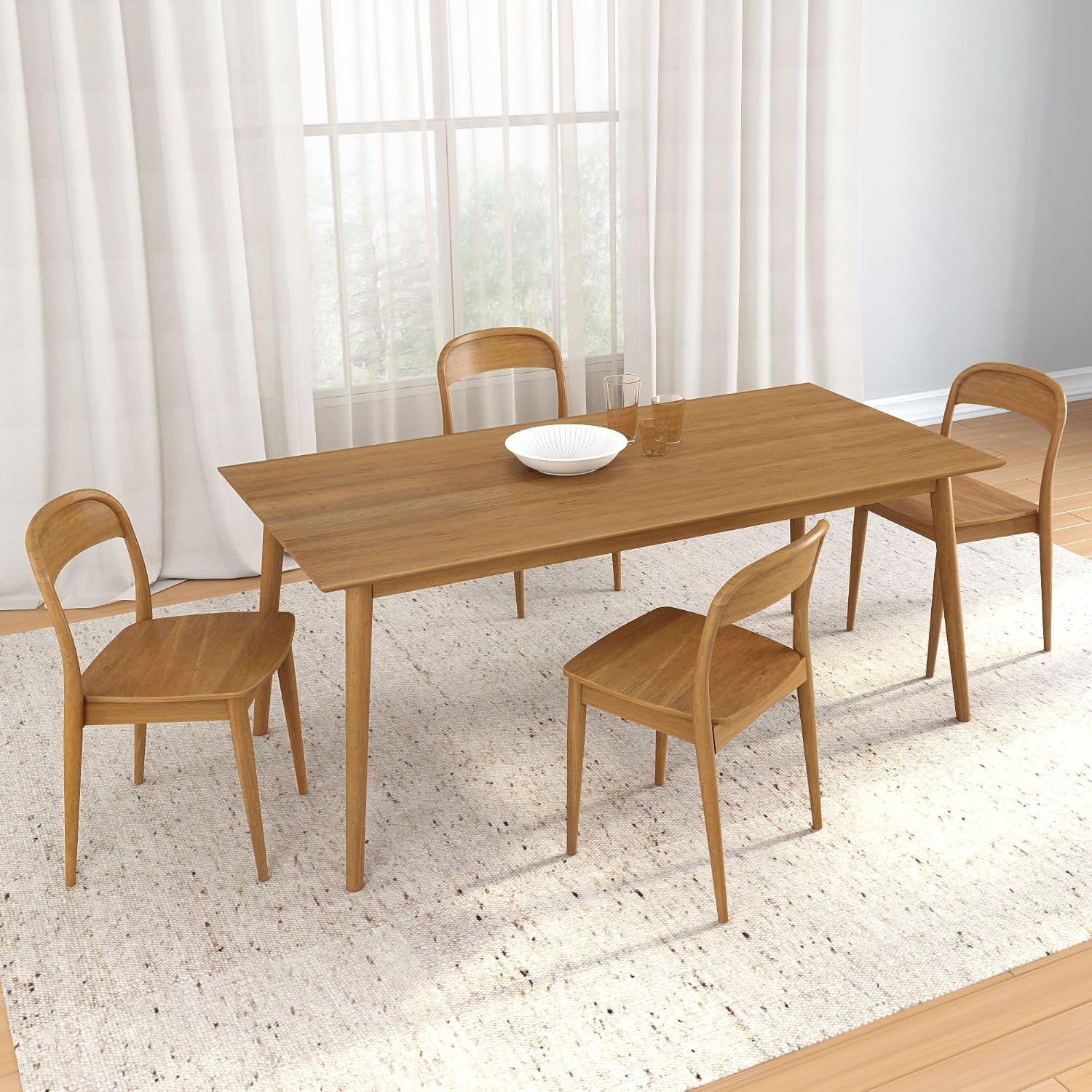
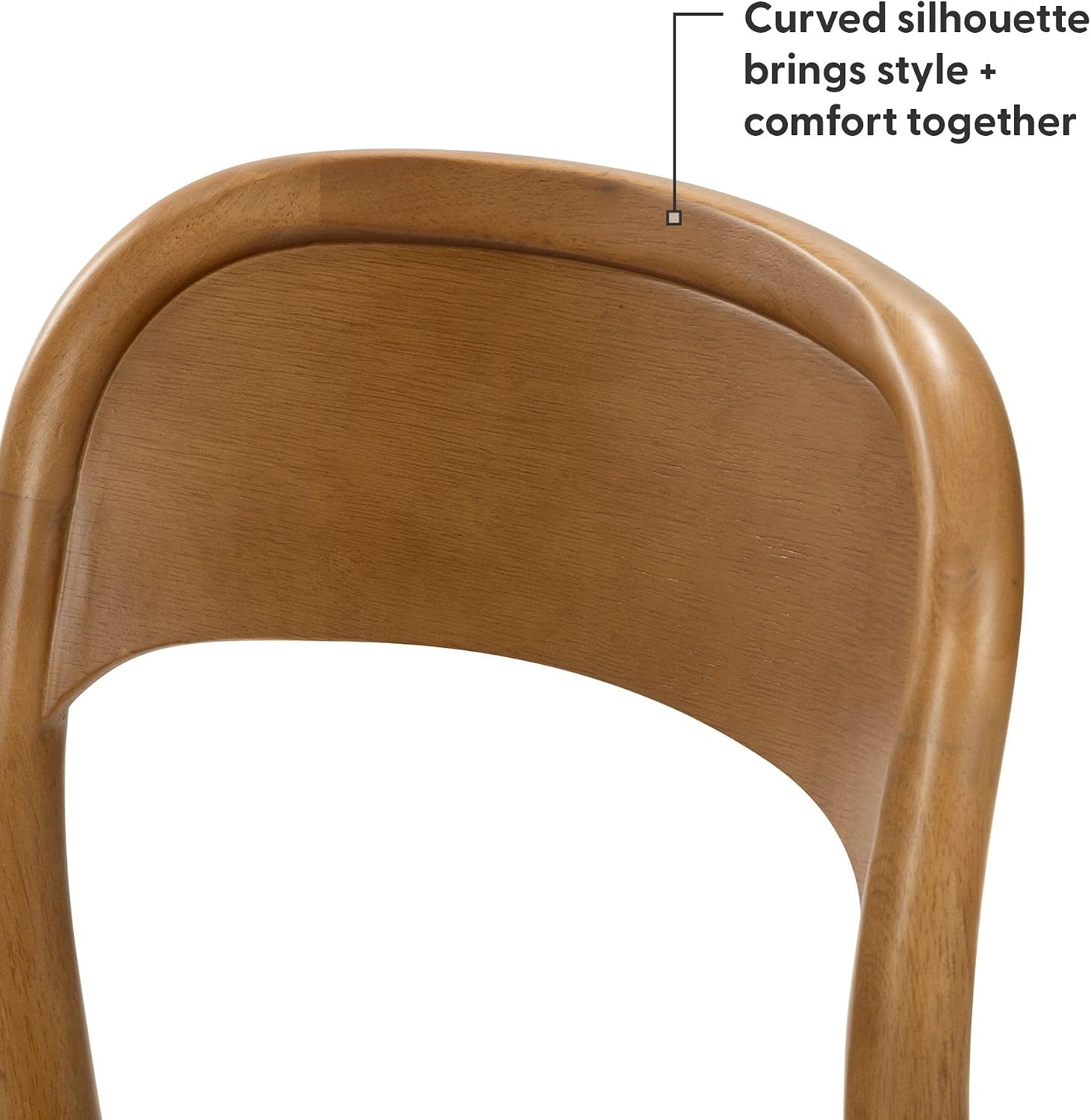
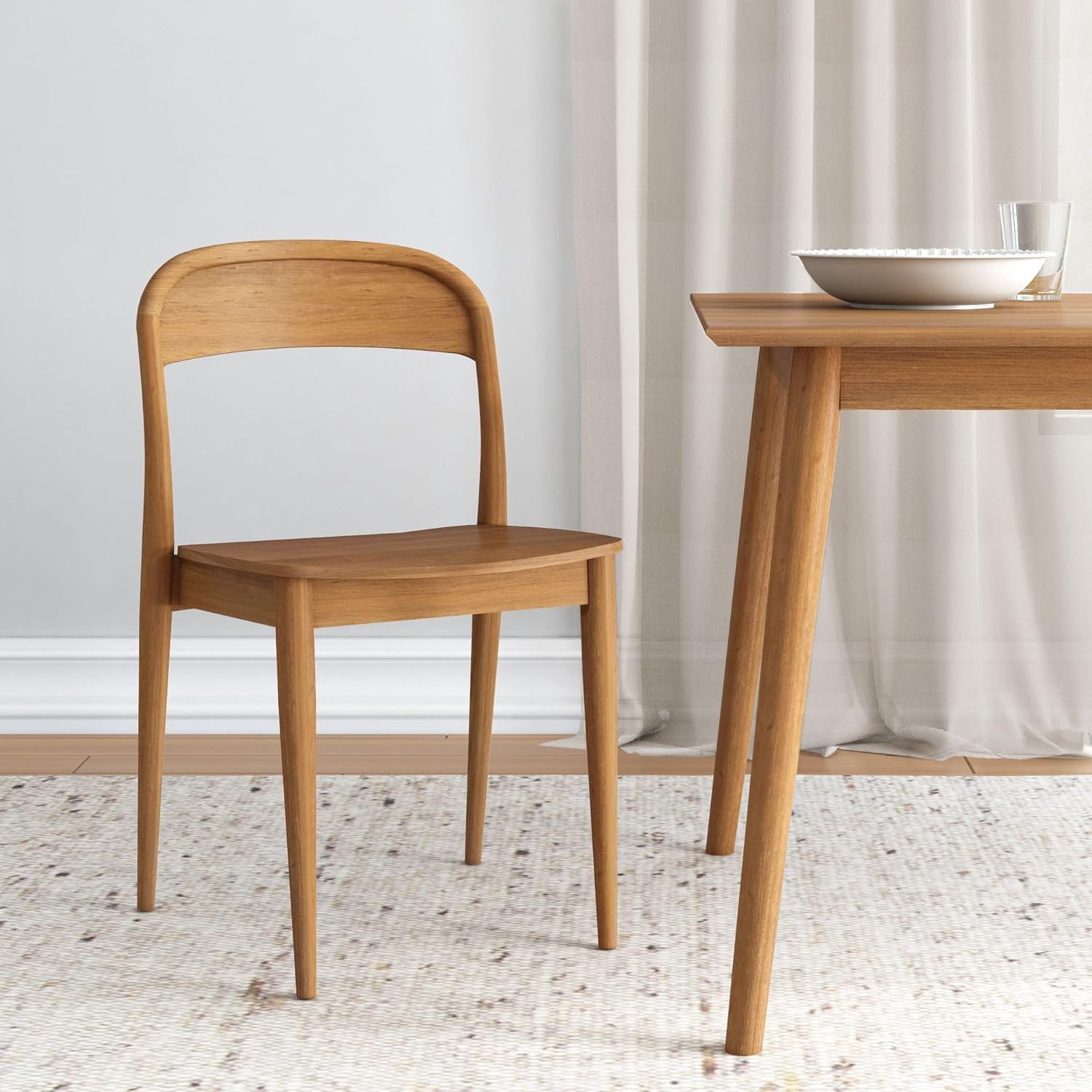
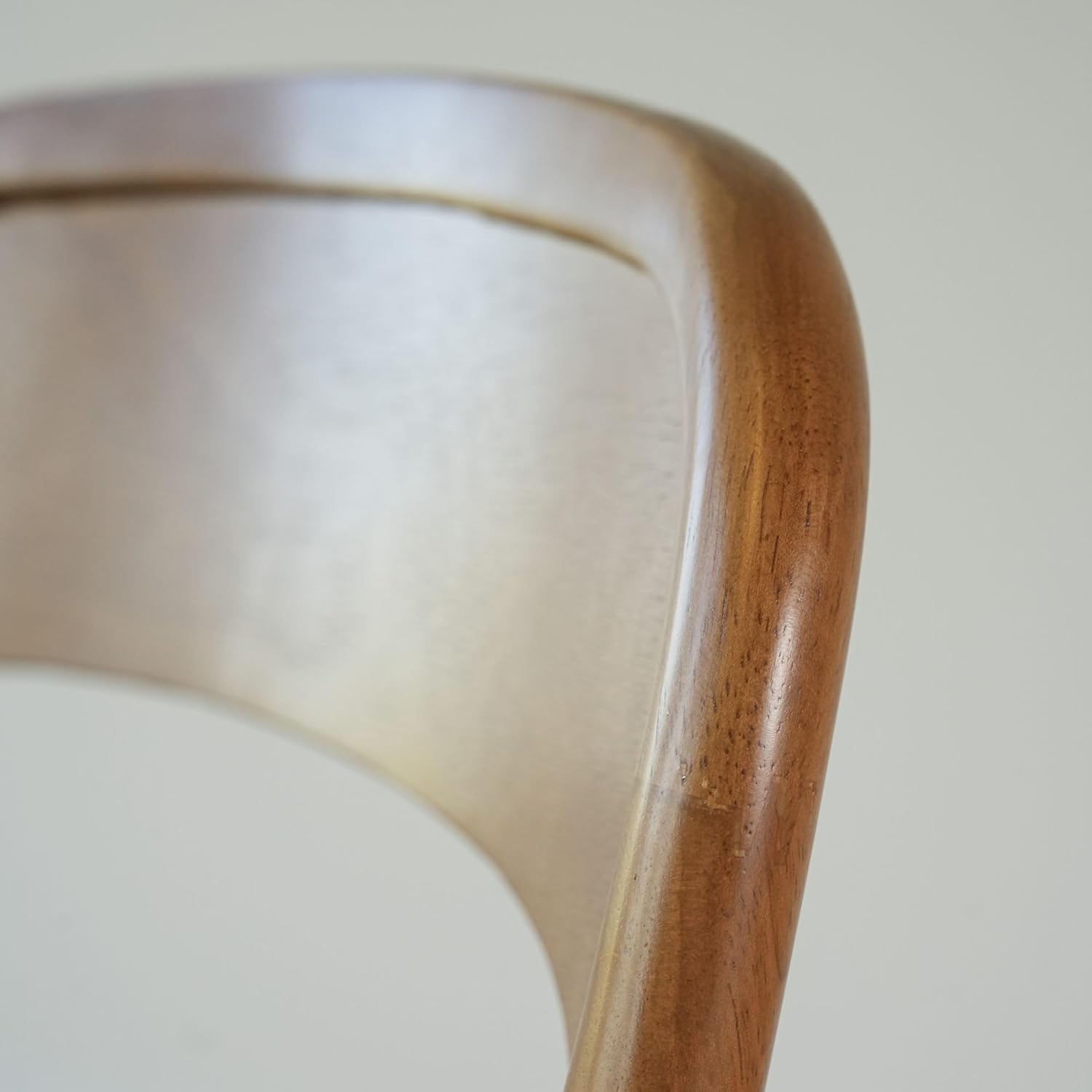
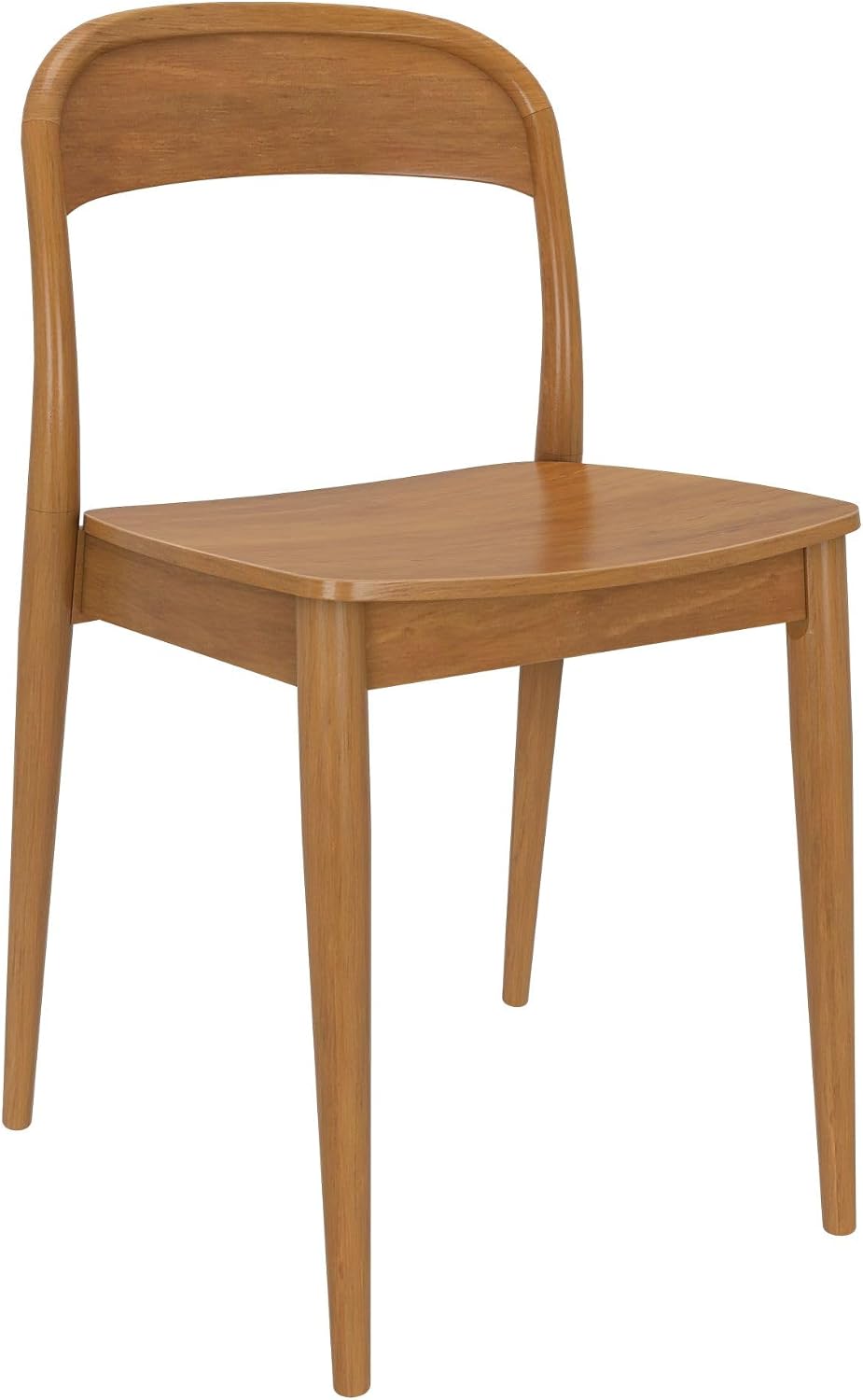
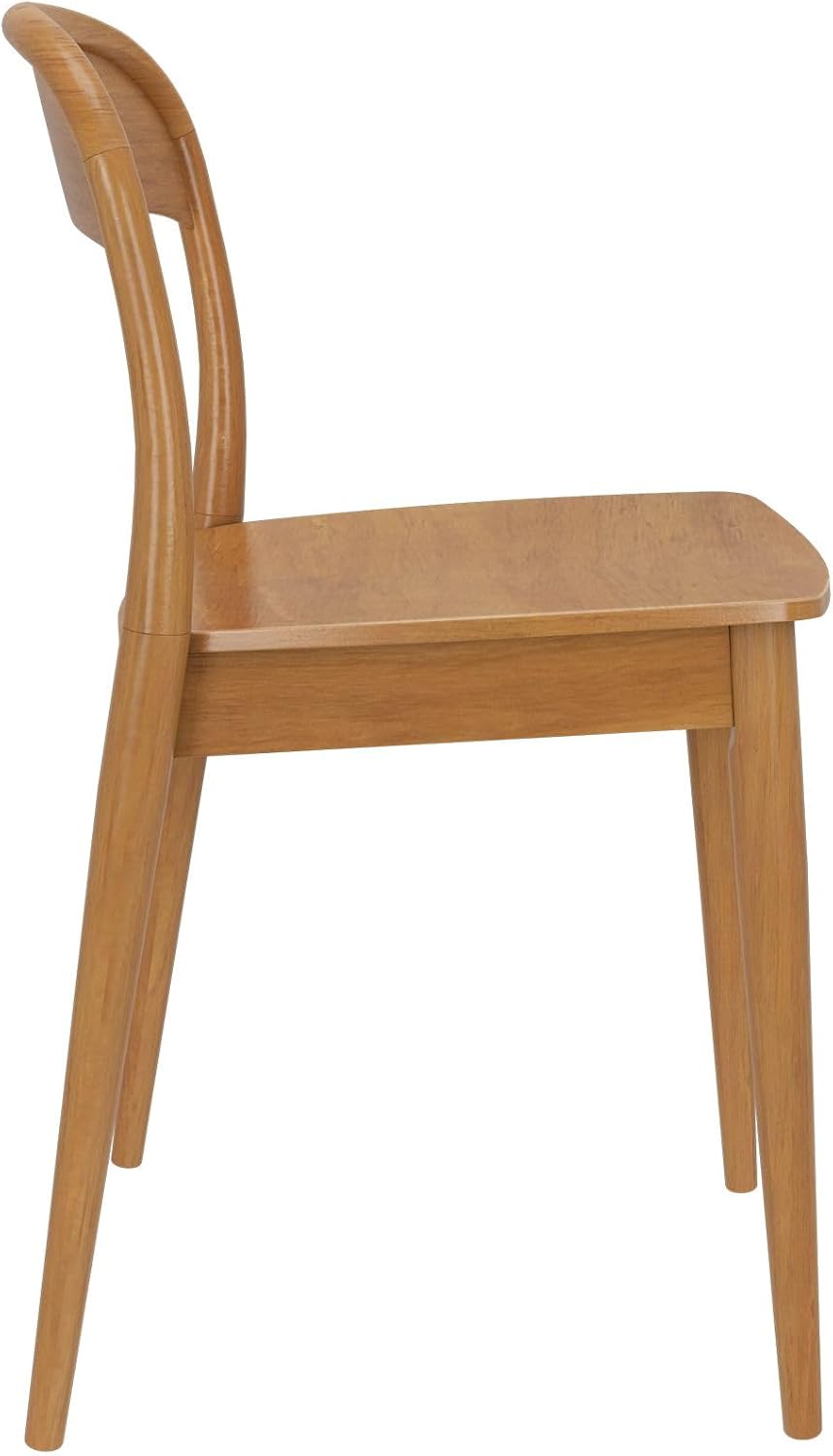
This is where the Plank+Beam Loar Dining Chairs really come into play. They boast a distinct Mid-Century design with that warm Pecan finish. So, when picking a dining table, you absolutely must consider how it will harmonize with this specific aesthetic. A rustic farm table with heavily distressed wood probably won’t quite mesh. A sleek, minimalist table with clean lines and possibly tapered legs, echoing the chairs’ own design? Now we’re talking.
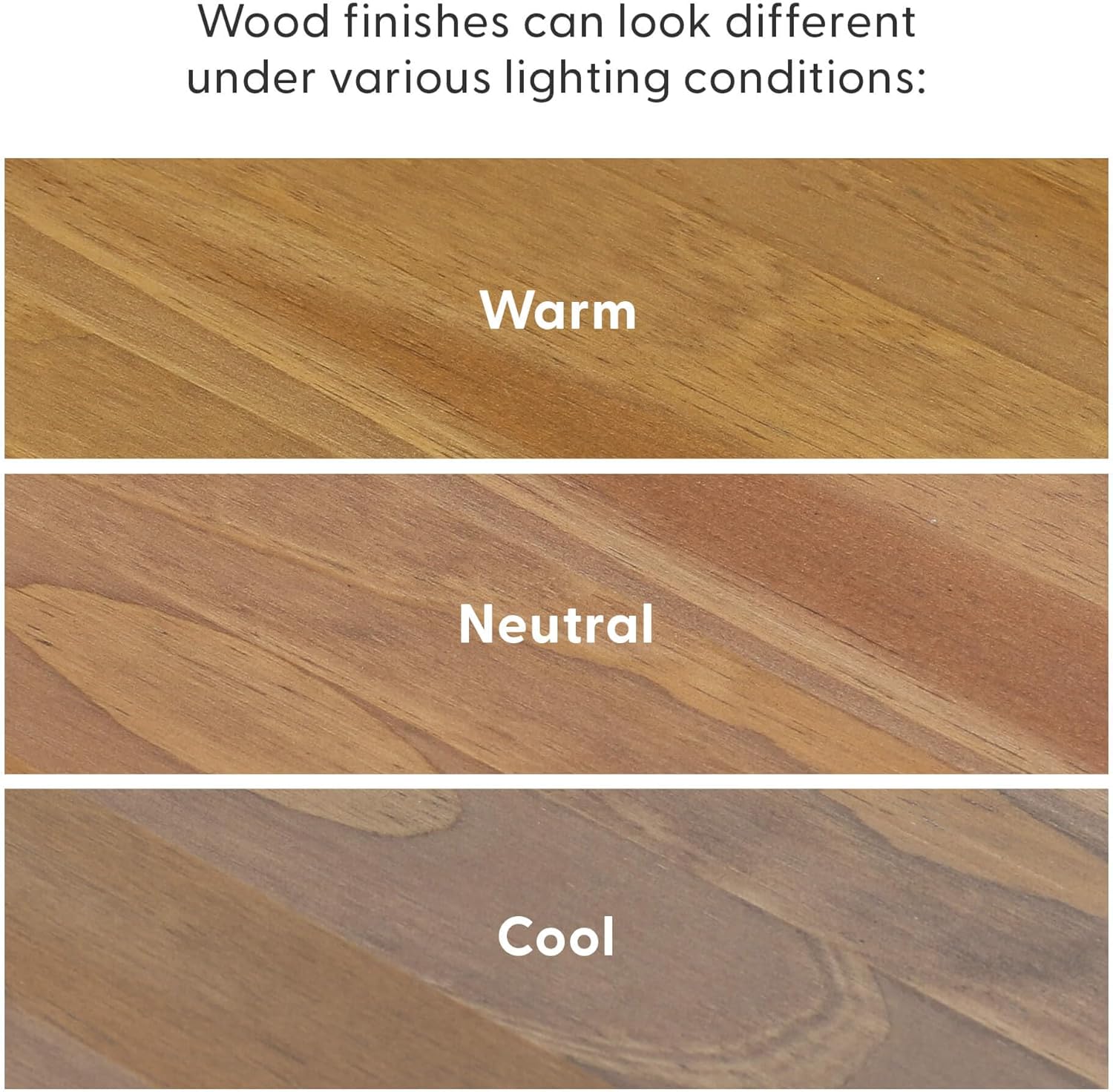
Mid-Century style often means simplicity, functionality, and organic shapes. Think atomic era, clean lines, gentle curves, and natural wood tones. Your table doesn’t have to be an exact match in finish to the Pecan chairs, but it should be a complementary tone. A slightly lighter oak or a darker walnut could work beautifully. A dark metal or even a white lacquer top with Mid-Century inspired legs can also create a stunning contrast, allowing the Pecan finish of the chairs to pop. The goal is a cohesive narrative, not a mismatched jumble. This is where I’ve seen people get it wrong time and time again – they buy pieces they love individually, but together? It’s chaos.
Finish & Maintenance: Living with Your Choices
Beyond the material itself, the finish is crucial. Some tables come with a durable polyurethane coat, offering good protection against spills and scratches. Others might have an oil finish, which looks beautiful and natural but requires more frequent reapplication and care. Given the low-VOC finishes on the Plank+Beam Loar chairs, you might want a table that also leans into a healthier home environment. Low-VOC means fewer volatile organic compounds off-gassing into your air, a definite plus for anyone with sensitivities or just generally preferring cleaner indoor air.
Think about your lifestyle. Do you have kids? Pets? Are you prone to spilling red wine? Some finishes are far more forgiving than others. Glass, while elegant, is a constant battle against fingerprints. Matte finishes hide minor imperfections better than high-gloss ones. Whatever you pick, understand the maintenance commitment. A beautiful piece isn’t worth the headache if you’re constantly worried about ruining it.
Assembly Experience: “Easy” Isn’t Always Easy
The product description for the Plank+Beam Loar chairs mentions “easy assembly.” This is a big selling point for many, and honestly, it should be a consideration for your dining table too. Some tables arrive fully assembled, which is fantastic but typically means higher shipping costs or a higher initial price. Others are flat-packed, requiring you to put them together.
“Easy assembly” usually means clear instructions, well-aligned holes, and minimal specialized tools needed—often just an Allen wrench that’s included. A poorly designed assembly process can turn an exciting new purchase into an absolute nightmare, complete with stripped screws and wonky legs. Look for tables from reputable brands known for good assembly instructions and quality hardware. It’s often worth paying a bit more for a table that goes together smoothly, rather than wrestling with something for hours only to have it feel flimsy. A table with complex joinery will obviously be harder to assemble than one that simply bolts a top to a base.
Value & Longevity: A Furniture Investment
Is this a piece you plan to keep for years, even decades, or something that will serve its purpose for a few years before you move on? Your answer profoundly impacts what you should be willing to spend and what level of quality you need. A high-quality solid wood table, while a higher upfront cost, can appreciate in sentimental value and offer decades of use. It’s a genuine furniture investment.
Engineered wood tables, like those that would pair well with the Plank+Beam Loar chairs, generally offer excellent value for their price point and lifespan. They might not be multi-generational heirlooms, but they can easily last a decade or more with proper care, looking sharp all the while. If you’re someone who likes to refresh your home decor every few years, an excellent mid-range table might be a smarter choice than overspending on something you’ll eventually replace anyway. Don’t confuse “expensive” with “worth it.” Sometimes, the perfectly priced mid-tier option is exactly what you need.
How to Match the Product to Your Situation
Finding the right dining table and chairs isn’t a one-size-fits-all problem. Your lifestyle, living space, and personal priorities will dictate what makes the most sense. Let’s break down a few common scenarios and see how the Plank+Beam Loar chairs might fit in.
Persona 1: The Urban Apartment Dweller
You live in a smaller space, likely an apartment or a compact city home. Every square inch counts. You might host friends occasionally, but daily meals are usually for one or two. You crave style but need practicality.
- Your Need: A compact, visually light dining table that doesn’t overwhelm the room. Something versatile, possibly with an extendable leaf for guests. Mid-Century design appeals because it often boasts clean lines and an uncluttered feel.
- The Fit: A round or small rectangular table (four-seater max, expandable to six). Look for tables with slender, tapered legs—a hallmark of Mid-Century style—which align beautifully with the aesthetic of the Plank+Beam Loar Dining Chairs. Engineered wood tables are often lighter and easier to move than solid wood, a plus in smaller dwellings. The Low-VOC finishes on the Loar chairs are a bonus for potentially smaller, less ventilated urban spaces. A lighter Pecan finish on the chairs would help keep the room from feeling too heavy.
Persona 2: The Entertainment Host
Your home is the gathering spot. Weekend brunches, dinner parties, holiday feasts—you live for entertaining. You need a robust, stylish dining table that can accommodate a crowd and stand up to frequent use, all while making a statement.
- Your Need: A substantial, long dining table, probably rectangular or a large oval, that can comfortably seat six to eight, maybe more. Durability is key, but so is a sophisticated aesthetic that impresses guests.
- The Fit: A solid hardwood table would be a premium choice here, offering the durability to withstand frequent use and the gravitas to be a focal point. You could also opt for a high-quality engineered wood table with a thick, protective finish. The Plank+Beam Loar chairs, with their Mid-Century design and warm Pecan finish, would add a touch of timeless elegance. Their engineered wood construction is plenty sturdy for regular use, and their style makes them a conversation starter. Make sure the table you choose has enough legroom to accommodate the arms of the Loar chairs if they have them (the product description doesn’t specify, but many mid-century chairs do).
Persona 3: The Young Family Homestead
Life is busy, a bit messy, and practicality often trumps pristine aesthetics. Your dining table is not just for meals; it’s for homework, craft projects, and everyday life. Durability, ease of cleaning, and safety are paramount.
- Your Need: A sturdy, forgiving dining table that can take a beating without looking worn after a year. Rounded corners might be a plus for safety. Easy-to-clean surfaces are non-negotiable.
- The Fit: A table with a durable laminate or a well-sealed engineered wood top would be a smart choice, as it’s less prone to staining and easier to wipe down than porous solid wood. Avoid delicate glass tops. While the Plank+Beam Loar chairs offer a stylish look and Low-VOC finishes (a definite benefit for families concerned about indoor air quality), their Mid-Century aesthetic might require a bit more careful handling than a utilitarian, kid-proof chair. Still, their engineered wood construction makes them fairly resilient, and the Pecan finish is generally forgiving of minor scuffs. Just manage expectations on keeping them spotless with toddlers around.
Comparison of Dining Table Tiers
When you’re out there looking for a dining table, especially one to pair with specific chairs like the Plank+Beam Loar, you’ll encounter a few distinct product tiers. Understanding the differences is key to making a truly smart buy. It’s not just about the price tag; it’s about what that tag actually gets you.
| Type/Tier | Best For | Price Tier | Key Feature | Watch-Out |
|---|---|---|---|---|
| Budget-Friendly | Temporary setups, rentals, evolving tastes. | Entry-level | High affordability; often lightweight. | Lower durability, limited style options. |
| Mid-Range | Daily family use, style-conscious buyers, long-term value. | Accessible premium | Good balance of style, durability, and materials. | Veneer damage, potential for less refined finishes. |
| Premium | Heirloom pieces, frequent entertaining, design statements. | Significant investment | Superior craftsmanship, solid materials, lasting beauty. | Can be very heavy, often requires specific care. |
- Budget-Friendly: These tables are typically made from particleboard or thin engineered wood with basic laminate finishes. They are generally the most affordable option, making them ideal if you’re furnishing a temporary space or aren’t ready to commit to a long-term piece. However, their longevity isn’t their strong suit; they can scratch easily and might not hold up to heavy, daily use over many years. When pairing with Plank+Beam Loar chairs, ensure the budget table’s style doesn’t clash too harshly with the chairs’ Mid-Century elegance.
- Mid-Range: This tier is often where you find well-constructed engineered wood tables, some with real wood veneers (like what the Plank+Beam Loar chairs offer), and even some mixed-material designs. They strike a balance, giving you better durability and more sophisticated design than budget options without the steep price of premium solid wood. You’ll find more attention to detail in the finishes and joinery. These tables are generally a fantastic match for the Plank+Beam Loar Dining Chairs, aligning in material quality and design intent, offering a cohesive Mid-Century style without breaking the bank. The main caution here is to examine the veneer thickness and edge banding, as these are common points of wear.
- Premium: This category is dominated by solid hardwood tables, often handcrafted or featuring intricate design details. These are built to last generations, offering unparalleled durability and the ability to be refinished multiple times. They are often significant statement pieces, but they come with a substantial price tag. While a premium solid wood table would undoubtedly elevate the Plank+Beam Loar chairs, you’ll need to decide if that much of an investment for the table is justified if the chairs themselves are a mid-tier engineered wood product. The durability mismatch isn’t a problem, but the aesthetic and perceived value gap might be a personal consideration.
Scenario-Specific Considerations
The type of dining table you need, especially with specific chairs like the Plank+Beam Loar, shifts dramatically depending on how you actually live. It’s not just about what looks good. It’s about functionality in real life.
For the Everyday Meal & Homework Hub
Your dining table is likely the busiest surface in your home. Breakfast, lunch, dinner, then it morphs into a homework station, an arts and crafts table, or even a temporary home office. It needs to be a workhorse. Resilience is key. Forget delicate finishes or materials that stain easily. You’ll want a table with a robust, sealed surface—something that can handle spilled juice, crayon marks, and the occasional gouge from a compass. Engineered wood with a thick, durable laminate or polyurethane top can be a real hero here. While the Plank+Beam Loar chairs bring that lovely Mid-Century aesthetic, you have to be realistic about how pristine they’ll remain in such a high-traffic, high-activity environment. The Pecan finish is relatively forgiving, but constant abuse will eventually show. Prioritize ease of cleaning above all else for the tabletop itself.
Hosting Occasional Dinner Parties
When entertaining is your primary goal, your dining table becomes a stage. Aesthetics, the ability to expand for more guests, and seating comfort for extended periods become paramount. A table that can grow from a four-seater to an eight-seater with an extension leaf is invaluable. Here, you might lean towards a more elegant finish, perhaps a solid wood veneer or even a real wood top that shows off beautiful grain. The Mid-Century design of the Plank+Beam Loar chairs truly shines in this setting; their clean lines and warm Pecan finish set a sophisticated tone for any gathering. The focus is less on crayon-proof durability and more on creating an inviting, stylish atmosphere. Ensure the table’s base or legs don’t impede guests’ legroom, especially if you’re packing extra chairs around it.
Making a Design Statement
For some, the dining table is the absolute centerpiece of the room, an intentional piece of art. Functionality is still there, but form takes a more prominent role. You’re looking for unique shapes, perhaps a striking pedestal base, or an interesting material combination—maybe a concrete top with a metal base, or a solid live-edge slab. The Mid-Century style of the Plank+Beam Loar chairs fits perfectly into this mindset. They’re already making a design statement themselves. So, you’d want a table that complements this, either by mirroring their refined simplicity or by offering a compelling contrast. A strong, distinctive table design that harmonizes with the chairs’ Pecan finish and tapered legs can create a truly cohesive and visually stunning space. This is where you might spend a bit more on unique joinery, specific wood species, or a designer-led piece.
Common Mistakes When Buying a Dining Table
It’s easy to get excited about new furniture, but that excitement can sometimes lead to regrettable decisions. When it comes to a dining table, especially when you’re thinking about chairs like the Plank+Beam Loar, there are a few common pitfalls to sidestep.
One major blunder is underestimating the true footprint of the table and chairs. People often measure just the tabletop, forgetting about the chairs. Those Plank+Beam Loar chairs, while sleek, still need space to be pulled out from the table and for people to walk behind them. You need that 3-4 feet of clearance, minimum, around the entire table. Cramming a large table into a small room makes everything feel tight, uncomfortable, and just plain wrong. Visualizing the space with painter’s tape on the floor can save you a lot of headache.
Another frequent misstep is ignoring chair compatibility entirely. You’ve got these lovely Plank+Beam Loar chairs, with their specific Mid-Century vibe and Pecan finish. Buying a table that’s completely out of sync – say, a super rustic, distressed farmhouse table – will create an jarring aesthetic. It’s not just about style either; it’s about height. Make sure the table’s apron (the frame under the tabletop) doesn’t hit the arms of the chairs, and that there’s comfortable legroom between the seat and the tabletop. A chair’s seat height should be roughly 10-12 inches shorter than the tabletop. This is an absolute deal-breaker for comfort.
Then there’s the mistake of overspending on features you’ll never use or trends that will quickly fade. That fancy extendable table that goes from tiny to huge, but you only host once a year? Is it worth the premium? Or maybe a very trendy, brightly colored table that clashes with the timeless Mid-Century design of the Loar chairs after a year? A classic, well-made table, even if it’s engineered wood with a good veneer, paired with those Mid-Century chairs, will have far more staying power. Don’t let marketing hype convince you that every bell and whistle is a necessity.
Finally, many buyers neglect the long-term maintenance needs of their chosen table. You pick a beautiful, unfinished solid wood slab because it looks so natural, but then balk at the idea of oiling it regularly. Or you choose a glass top, only to realize you hate constantly wiping away fingerprints. The Plank+Beam Loar chairs, with their engineered wood and low-VOC finishes, require fairly standard care. Your table should align with that level of commitment. Be honest with yourself about how much effort you’re willing to put into upkeep.
Why, How, What
Some questions just keep popping up when people are considering a significant furniture purchase like a dining table. Let’s tackle a few, keeping our Plank+Beam Loar chairs in mind.
Why invest in quality dining chairs?
Look, your dining table is a big statement, but the chairs are where people actually sit. Day in, day out, they take the brunt of the use. Investing in quality dining chairs, like the Plank+Beam Loar set, means better comfort, greater stability, and a design that holds up visually for years. Flimsy chairs creak, wobble, and just feel cheap. A good chair enhances the entire dining experience, making meals more enjoyable and your guests feel more welcome. It’s a fundamental part of the overall comfort and aesthetic.
How to ensure your new dining table and chairs complement each other?
It’s about harmony, not necessarily perfect matching. First, consider the style. The Mid-Century design of the Loar chairs should guide your table choice – look for clean lines, tapered legs, and a sense of understated elegance. Second, think about materials and finishes. A Pecan finish works well with various wood tones, from lighter oaks to darker walnuts, or even contrasting materials like dark metal or white lacquer. The key is to find complementary elements that share a similar “design language,” so they look like they belong together, not just purchased separately.
What are Low-VOC finishes, and do they really matter?
Low-VOC refers to “Low Volatile Organic Compounds.” These are chemical compounds that off-gas from paints, finishes, and glues, and they can impact indoor air quality. Yes, they absolutely matter, especially for furniture that will be in your home for a long time, like a dining table and chairs. Products with low-VOC finishes, such as the Plank+Beam Loar chairs, contribute to healthier indoor environments by reducing the release of potentially harmful chemicals. It’s a small detail that makes a big difference for your family’s health and comfort, particularly if you’re sensitive to strong chemical smells or want to minimize your exposure.
Decision Tree
Navigating the dining table market when you have specific chairs in mind, like the Plank+Beam Loar, requires a deliberate approach. Here are some questions to guide your decision-making process.
-
Is a distinct Mid-Century aesthetic your top priority for the whole dining area?
- If yes: Focus on tables with simple, clean lines, tapered legs, or classic pedestal bases. Look for wood tones that complement the Pecan finish of the Loar chairs.
- If no: You have more flexibility but still need to ensure visual harmony. Perhaps a modern industrial table for contrast, but make sure the scale and formality align.
-
How frequently will your dining table be used and for what activities (e.g., daily family meals, occasional entertaining, work/crafts)?
- For daily, heavy use: Prioritize durability in the tabletop material (sealed engineered wood, robust laminate, or solid hardwood with a strong finish). Be realistic about how well the stylish Loar chairs will hold up to constant abuse.
- For occasional entertaining/lighter use: You can lean more into aesthetic choices and less on absolute indestructibility. Focus on expandability and a more refined finish.
-
Is “easy assembly” for the table as important to you as it is for the Plank+Beam Loar chairs?
- If yes: Look for tables with straightforward designs, clear instructions, and minimal parts. Be prepared that some higher-end tables might involve more complex construction, even if pre-assembled.
- If no: You’re open to more complex assembly or even a fully assembled table, which might broaden your options but could involve higher delivery costs or more personal effort.
-
Are you looking for a long-term furniture investment or a piece for your current living situation (e.g., 5-10 years)?
- For a long-term investment: Consider solid hardwood tables that can be refinished. While they cost more, they offer enduring value. The Loar chairs, while stylish, are likely a mid-term investment due to their engineered wood construction.
- For current needs: Mid-range engineered wood tables are a sensible choice, offering good looks and durability for a significant period without the heirloom price tag. They pair perfectly with the Loar chairs in this regard.
Key Takeaways
Making a smart decision on a dining table, especially when you’re already committed to a specific chair like the Plank+Beam Loar, boils down to a few core principles.
First, prioritize harmony over exact matching. The Mid-Century design of those chairs gives you a clear style direction. Seek out tables with complementary lines, materials, and finishes rather than trying to find an identical Pecan-finished table, which might actually look too matchy-matchy.
Second, be realistic about durability versus cost. The Loar chairs are engineered wood, a fantastic mid-tier material offering style and decent longevity. Your table choice should align with that expectation. Don’t expect a budget-friendly table to last as long as a premium solid wood piece, but don’t overspend on a solid wood table if your chairs are designed for a more practical lifespan.
Finally, always measure your space twice, buy once. The biggest regret people have is buying a dining table that simply doesn’t fit their room or their lifestyle. Leave room for those chairs to move. Consider how those Low-VOC finishes on your chairs fit into your overall desire for a healthy home environment when choosing your table.
FAQ
H3: How do I know if a dining table is the right size for my dining room?
Measure your room carefully, then subtract at least 3 feet from each wall where a chair will be. This buffer allows enough space for chairs to pull out and for people to walk around comfortably. Use painter’s tape on the floor to visualize the table’s footprint before buying.
H3: What’s the deal with engineered wood versus solid wood for a dining table?
Engineered wood, often layered with a veneer, is generally more stable in varying humidity and usually more budget-friendly. Solid wood is incredibly durable, can be refinished many times, and offers a premium feel, but it’s heavier and more expensive. Both can be excellent choices, depending on your priorities.
H3: Can Mid-Century style dining chairs fit into a modern room?
Absolutely. Mid-Century design, like that of the Plank+Beam Loar chairs, is remarkably versatile. Its clean lines, simple forms, and natural materials often complement contemporary, minimalist, and even industrial modern aesthetics beautifully. It’s a timeless style that blends well.
H3: Are Low-VOC finishes a big deal for indoor furniture?
Yes, they can be. Low-VOC finishes release fewer volatile organic compounds into your home’s air, which can improve indoor air quality. This is particularly beneficial for those with allergies, sensitivities, or anyone wanting to reduce their exposure to chemicals in their living space.
H3: What should I do to make sure the assembly isn’t a nightmare?
Check reviews for mentions of assembly difficulty, look for clear, illustrated instructions, and ensure all hardware is present before you start. Many “easy assembly” products, including items like the Plank+Beam Loar chairs, are well-designed for home setup, but a little patience goes a long way.
H3: Do I really need a full set of matching dining chairs?
Not necessarily! While a matching set, like the Plank+Beam Loar chairs, creates a cohesive look, mixing and matching can add personality. You could use the Loar chairs on the long sides of a rectangular table and bring in two different end chairs for a more eclectic, personalized feel.
H3: What’s a good approach to furniture investment for a dining area?
Think of it in tiers. If your budget is tight, prioritize a sturdy table and durable chairs that fit your space. For a mid-range approach, focus on quality engineered wood with good finishes, like the Plank+Beam Loar chairs, for lasting style and value. For a long-term heirloom, invest in a solid hardwood table that can endure generations.
Final Recommendation
For those specifically drawn to the Plank+Beam Loar Dining Chair, Set of 2, Pecan, with its unmistakable Mid-Century design and practical engineered wood construction, your best bet for a complementary dining table lies firmly in the mid-range. Look for tables that echo the chairs’ clean lines and tapered legs, whether rectangular for larger gatherings or round for a more intimate feel. A table made from quality engineered wood with a durable veneer in a complementary wood tone (like a lighter oak or a deeper walnut) or even a minimalist table with a white lacquer or dark metal top would create a cohesive, inviting space. This pairing offers a fantastic balance of sophisticated style, functional durability, and sensible value, perfect for daily use and occasional entertaining without demanding the care level or investment of a full solid hardwood heirloom set.
Ultimately, your dining area should feel personal and functional. The Plank+Beam Loar chairs set a strong stylistic foundation. By choosing a dining table that respects their Mid-Century aesthetic, while aligning with your practical needs for durability and maintenance, you’ll create a dining space that truly serves your home for years to come.
#PlankBeam #Loar #Dining #Chair #Set #Pecan #MidCentury #Design #MidCentury #Style #LowVOC #Finishes #Engineered #Wood #Easy #Assembly
Reviews
There are no reviews yet.