The Real Deal on Trivets: Are Pricey Cork Mats Worth It for Your Hot Pots?
Look, keeping your countertops and dining tables safe from scorching hot pots and pans isn’t rocket science. It requires something—anything, really—to stand between that searing casserole dish and your prized surfaces. That’s where trivets come in. This guide cuts through the noise, helping you decide if those fancy, thick cork options, particularly the larger rectangular ones often sold as a set of four, truly deliver on their promise of superior heat resistance and table protection, or if a simpler solution might do the trick. We’re talking about smart spending for practical kitchen essentials, not throwing money at marketing fluff.
Quick Answer
For everyday kitchen warriors and those who frequently entertain, a set of high-density, fine particle cork trivets offers a compelling blend of effective heat insulation, surface grip, and a genuinely appealing aesthetic. While budget-friendly options exist, the durability and consistent performance of a mid-range or premium cork selection often justifies the slightly higher outlay, especially when protecting valuable furniture.
What to Look For (The Buying Criteria)
Choosing the right trivet isn’t overly complicated, but a few key details make all the difference between a handy kitchen helper and a frustrating dud. Seriously, nobody needs a hot pad that slides around or warps after a few uses.
First off, material matters. You’re primarily looking at cork, silicone, bamboo, or sometimes even cast iron. Each has its pros and cons. Cork, specifically natural cork, is a standout for its thermal insulation and natural grip. It doesn’t scratch surfaces easily, which is a big plus for delicate finishes. But not all cork is equal; some cheaper versions can crumble. Silicone trivets are flexible, often vibrant, and easy to clean, yet they can sometimes feel a bit… squishy under a heavy pot, and some folks aren’t keen on synthetic materials around food. Bamboo offers a rigid, sometimes rustic look, but can be prone to charring if the heat source is too intense and direct over time, or even splitting with moisture exposure. Cast iron trivets? They’re sturdy, sure, but heavy, noisy, and can be overkill unless you’re serving industrial-sized cookware.
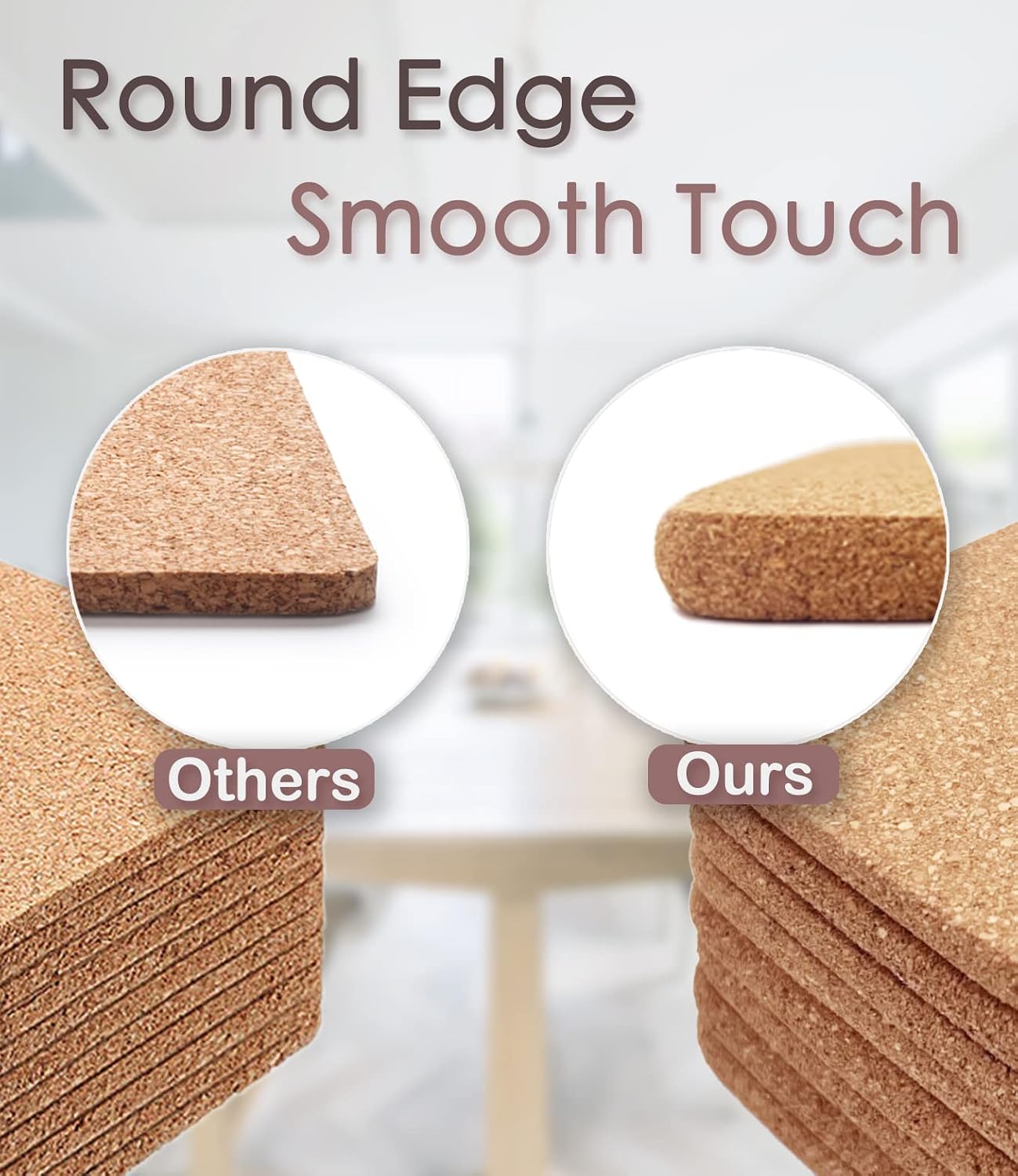
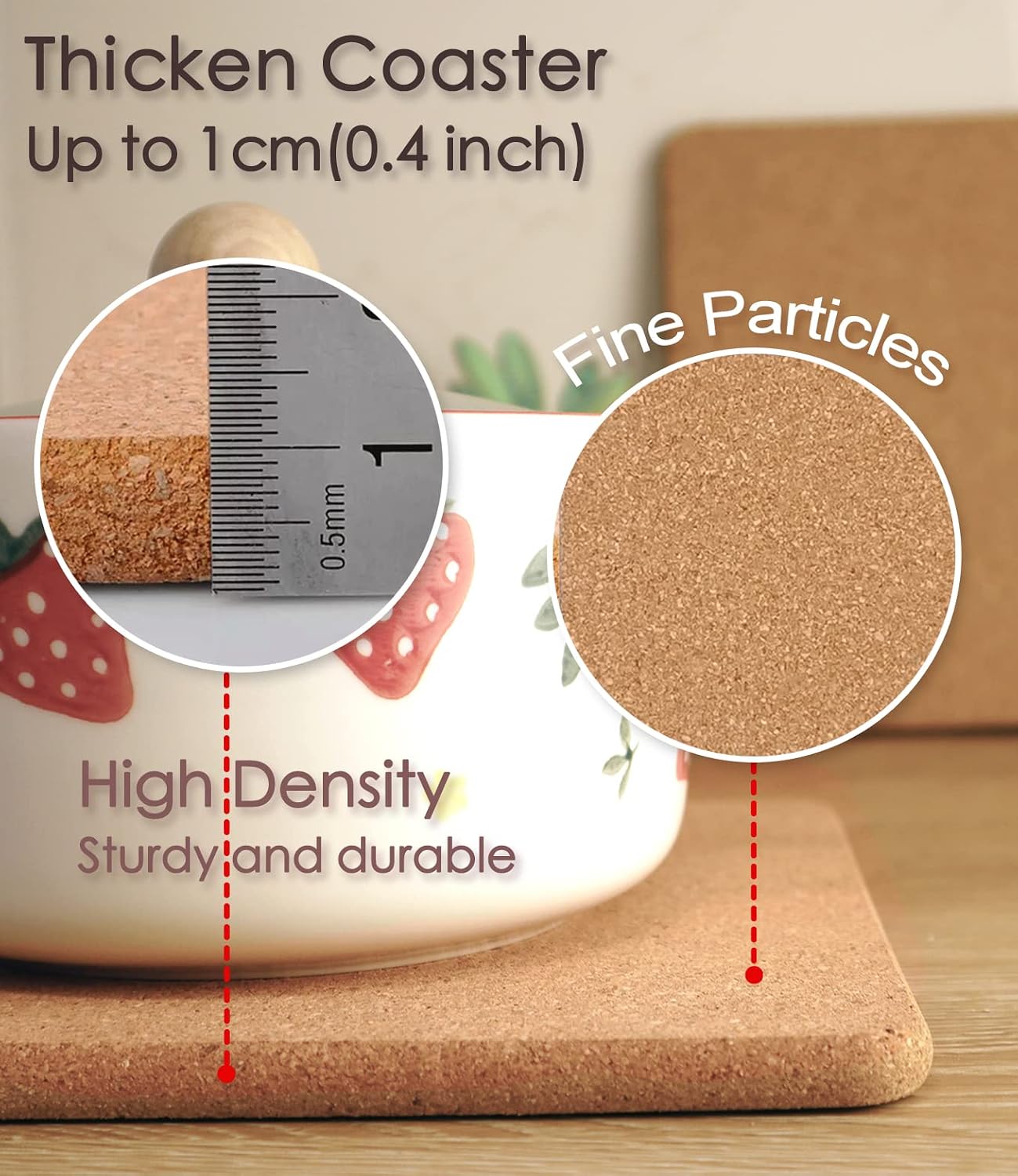
Next up, think about density and thickness. This is where your high-density thick cork trivet really earns its stripes. The thicker the trivet, generally, the better its insulating properties. A thin, flimsy cork mat might protect for a moment, but it’ll transmit heat quicker than something substantial. High-density cork, made from fine particle cork, means fewer air pockets and a more solid structure. This directly translates to superior heat absorption and dispersal, safeguarding your surfaces far more effectively than some airy, loosely packed alternative. Thicker also means more stable. It’s just a better buffer.
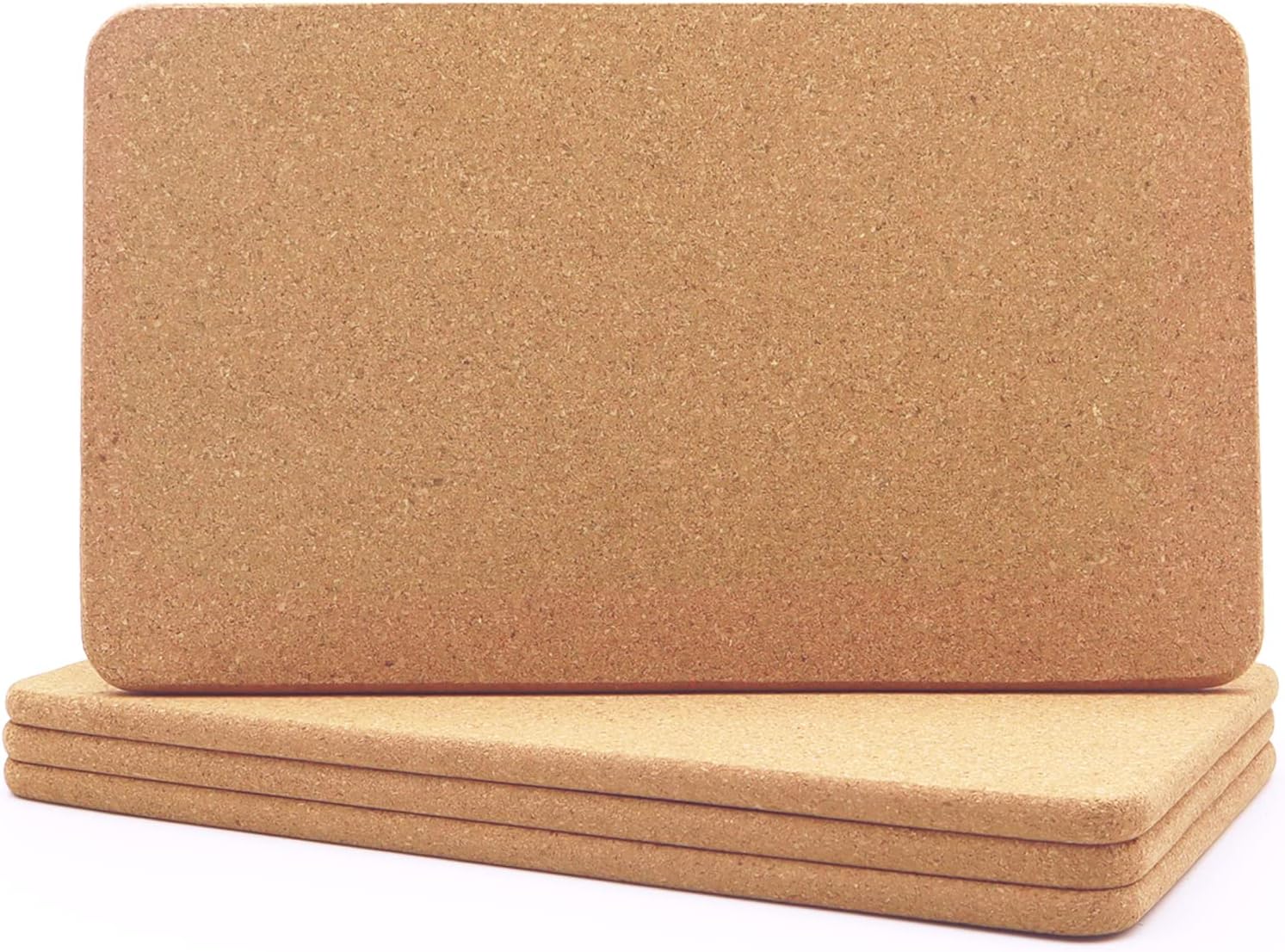
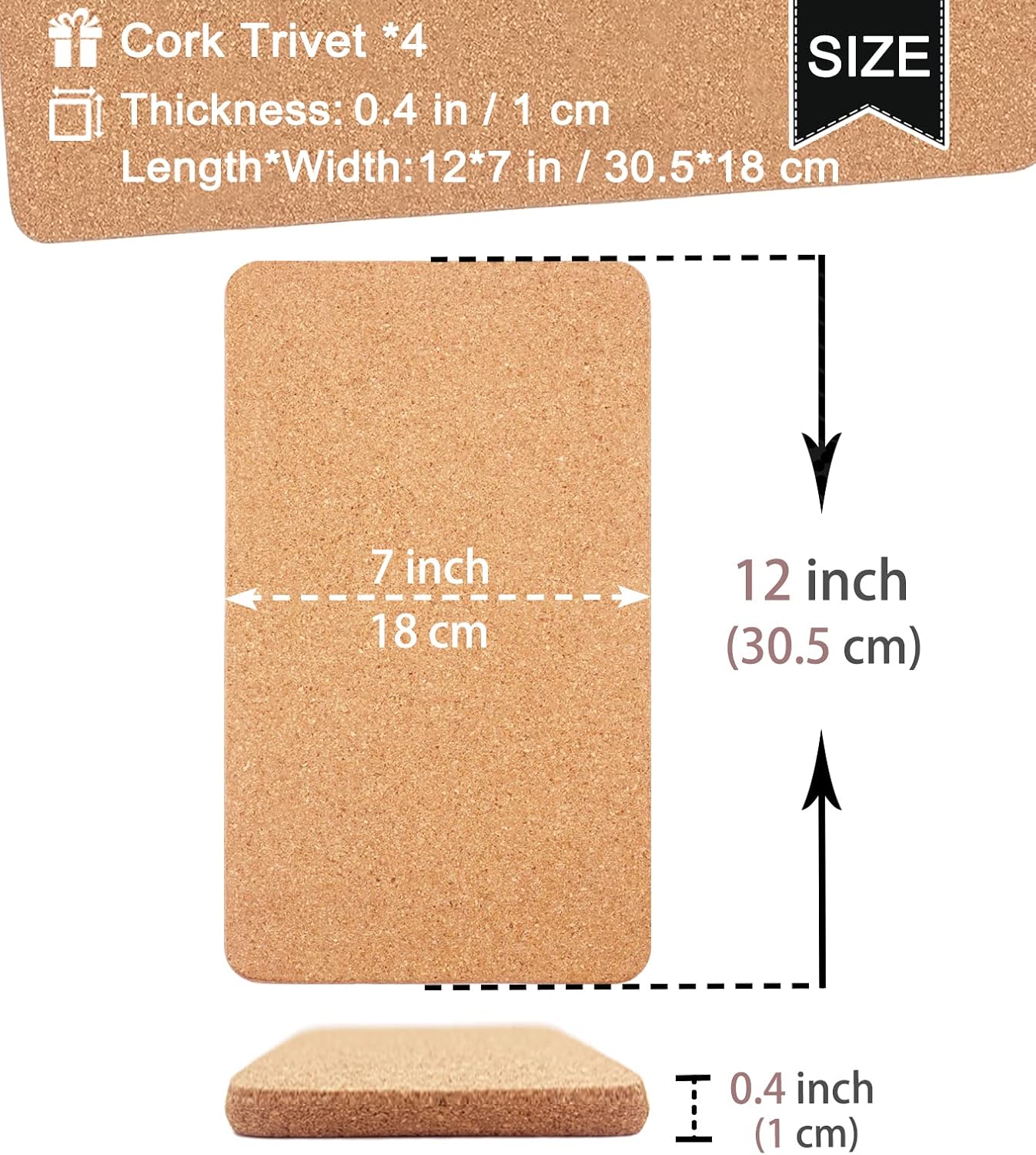
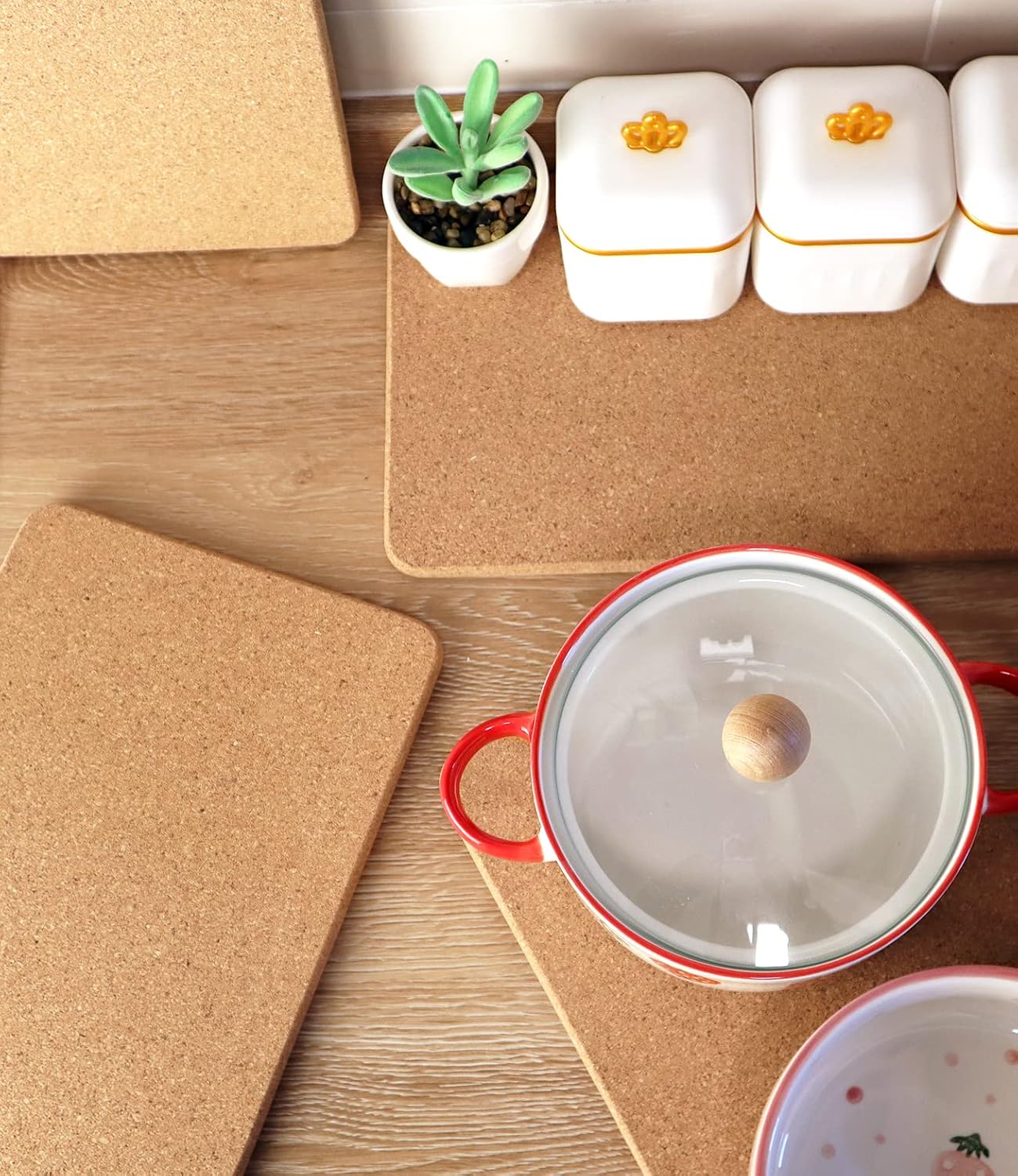
Then there’s size and shape. The standard for many households often gravitates toward larger, often rectangular cork placemats or mats, perhaps around 12 x 7 inches. Why? Because most serving dishes, baking pans, and hot pots and pans aren’t little dainty things. They need real estate. A tiny round trivet might work for a small teapot, but it’s useless for a roasting pan. Consider the actual dimensions of your typical serving ware. Do you usually put out one big casserole, or several smaller dishes? A set of four, like the ones often available, gives you flexibility. You can use them individually for smaller items or line them up to create a protective runner for larger platters. Don’t underestimate the utility of matching the trivet to the dish.
Durability and longevity can’t be overlooked. You want something that holds up, not something you’ll replace every few months. Again, fine particle cork compressed into a high-density format tends to be more resilient to wear and tear. It resists flaking and crumbling far better than coarser, lower-density cork. If it feels lightweight and brittle in your hand, walk away. Good cork should have some heft and firmness. And a drawback to note about cork, generally speaking, is its vulnerability to liquid. Spill a lot of water or oil on it, and it can stain or even start to degrade. It’s not a coaster for drinks; it’s a heat shield.
Finally, consider storage and aesthetics. Are these trivets going to be tucked away in a drawer, or will they live on your countertop? Cork has a warm, neutral look that blends with most kitchen decors, making it an easy choice for visible storage. Some people actually prefer leaving their cork hot pads out, viewing them as part of the kitchen’s natural texture. But if space is tight, look for designs that stack neatly or even have holes for hanging. There’s nothing worse than kitchen clutter that doesn’t stack.
How to Match the Product to Your Situation
Finding the right trivets isn’t about picking the absolute “best” one, but the one that fits your life. We all use our kitchens differently, right?
The Everyday Home Cook: You’re in the kitchen most nights, whipping up family dinners. Maybe you’re pulling a lasagna from the oven, or moving a sizzling skillet from stove to dining table. For you, heat resistant hot pads need to be readily available, sturdy, and reliable. You’re not looking for a showpiece, but something practical that holds up to frequent use. A multi-pack of rectangular cork placemats (12 x 7 inch, perhaps) is your go-to. They’re versatile, provide ample coverage for most baking dishes, and they won’t break the bank. You need functionality, plain and simple.
The Entertainer/Host with the Most: Weekends mean potlucks, dinner parties, holiday feasts. You’re serving multiple hot dishes at once, often directly onto your prized dining table or buffet. Presentation matters, but so does serious table protection. For this scenario, investing in high-density thick cork trivets makes a lot of sense. You’ll appreciate their superior insulation, which is critical when a roast sits out for a while. Plus, the uniform, clean look of fine particle cork adds a touch of understated elegance without distracting from your culinary creations. You might even consider having a mix of sizes – some larger rectangles and a few smaller round trivets for side dishes or gravy boats.
The Minimalist/Occasional User: Your kitchen is pristine, and you don’t cook elaborate meals daily. Maybe you mostly use the microwave, or order in a lot. But every now and then, you bake a frozen pizza or heat up a take-out container. For you, simple, budget-friendly cork trivets that get the job done without taking up much space are ideal. You might not need the absolute thickest, highest-density option. A standard set of thin to medium-density cork will suffice. The goal here is basic surface defense, not heavy-duty, commercial-grade protection. You don’t want to overspend for features you’ll rarely tap into.
Decision Tree: Choosing Your Cork Trivets
- Do you frequently serve large, hot dishes directly to your dining table or delicate surfaces?
- YES: Look for high-density thick cork trivets (e.g., 12 x 7 inch rectangular). Prioritize durability and superior insulation. Mid-range to premium tier.
- NO: (Mostly smaller items, or less frequent use)
- Do you prioritize affordability and basic protection?
- YES: Standard density cork trivets or simpler hot pads. Budget-friendly tier.
- Do you want a balance of durability, aesthetics, and good protection for everyday use?
- YES: Mid-density, decent thickness natural cork options. Mid-range tier.
- Do you prioritize affordability and basic protection?
Key Takeaways
- Density is key for cork: Higher density = better heat resistance and longevity.
- Size it right: Match trivet dimensions to your most common hot dishes.
- Material choices matter: Cork offers a solid blend of insulation, grip, and aesthetic appeal.
- Don’t overspend for occasional use: Basic protection is fine if you’re not a heavy user.
Trivet Type/Tier Comparison
Sometimes, seeing options side-by-side really clarifies what you need. Here’s a quick rundown of different trivet types and what they’re truly good for, along with a few things to watch out for.
| Type/Tier | Best For | Price Tier | Key Feature | Watch-Out |
|---|---|---|---|---|
| Standard Thin Cork | Light pots, quick transfers, very budget-conscious | Budget-friendly | Inexpensive, simple, natural look | Less durable, lower insulation, prone to crumbling |
| High-Density Thick Cork | Heavy hot pots, oven dishes, frequent use, entertaining | Mid-range | Superior heat resistance, solid construction, aesthetic | Can be stained by liquids, not as flexible |
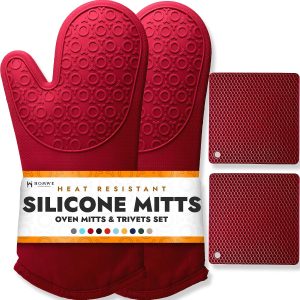
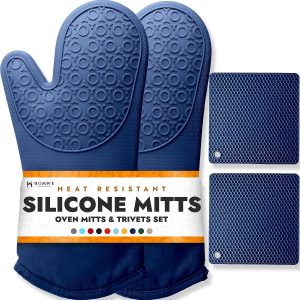
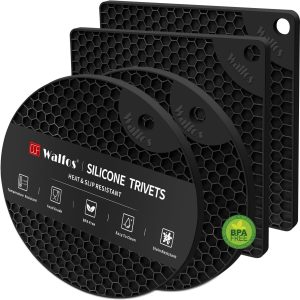
| Silicone Mats | Super versatile, non-slip, easy cleaning, colorful | Mid-range | Flexible, dishwasher-safe, good grip | Can be flimsy for heavy items, some find them less appealing |
| Bamboo/Wood Slats | Rustic decor, light to medium heat, bread baskets | Budget-friendly to Mid-range | Natural, rigid, sometimes foldable | Can char, split with moisture, less insulating than thick cork |
- Standard Thin Cork: These are your entry-level hot pads. They’ll shield your counter from a slightly warm plate, but don’t expect miracles with a blazing hot cast iron pan. They’re cheap, though.
- High-Density Thick Cork: This is the sweet spot for many. These cork trivets provide robust table protection for virtually anything you pull from the oven or stovetop. Their durability and natural feel often win out.
- Silicone Mats: If you value flexibility and zero fuss with cleaning, silicone is a contender. It’s heat resistant to high temps and offers fantastic grip, but it won’t give you the rigid support of cork or bamboo for the heaviest items.
- Bamboo/Wood Slats: Visually appealing for certain styles, these trivets offer decent protection but can be less reliable for intense heat over extended periods. And watch those cracks.
When to Use What: Scenarios for Your Trivets
Let’s get specific about how these trivets fit into different kitchen rhythms. Because what works for a quick weeknight isn’t always what you want for Sunday dinner.
The Weeknight Dash
You’ve got dinner on the table in record time, kids are hungry, and you just need to get that bubbling casserole dish off the counter before it leaves a mark. For this, accessibility and quick deployment are key. You’ll want trivets that are easy to grab, don’t require fussing, and provide immediate, reliable protection. A stack of rectangular cork placemats (like a 4-pack of 12 x 7 inch units) near the stove or dining area is invaluable. They’re substantial enough for most family-sized dishes, non-slip, and you don’t have to think twice about them. Speed and efficiency, that’s the name of the game.
Hosting a Dinner Party
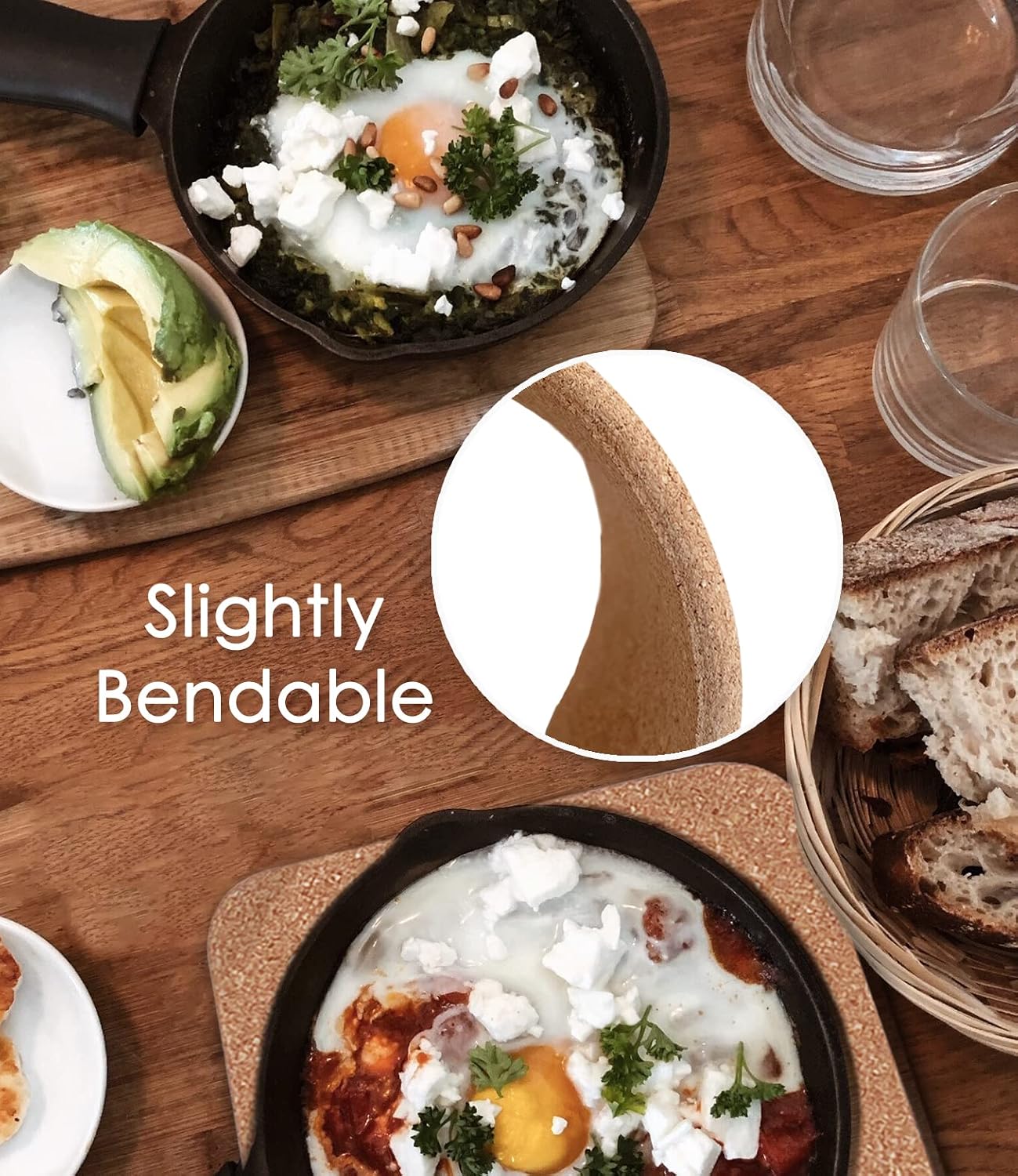
Okay, the stakes are a little higher here. You’ve put effort into your tablescape, and a scorching hot serving dish could ruin the varnish—and the mood. This is where those high-density thick cork trivets really shine. Their superior insulating properties mean you can leave dishes out longer without worrying about heat transfer. Plus, the uniform, understated aesthetic of fine particle cork complements a more formal setting. You’re not just protecting; you’re presenting. Using a few strategically placed larger heat resistant pads ensures every hot item has a safe landing spot, from the gravy boat to the main course.
Outdoor Grilling and Serving
Picture this: backyard barbecue, burgers sizzling, and a big bowl of corn on the cob just came off the grill. You want to serve it immediately on your outdoor dining table, but it’s still piping hot. Plastic tables can warp, and even sturdy wood can get marked. Cork trivets, especially the thicker ones, are surprisingly useful here. They’re lightweight enough to carry out easily, and they provide that crucial barrier. They handle the heat from a freshly grilled item effortlessly. Just remember they aren’t waterproof, so if it’s raining or splashes are likely, you might need to wipe them down quickly afterward.
Common Mistakes Buyers Make
Even with something as seemingly straightforward as trivets, folks often make a few blunders. And these mistakes can lead to ruined surfaces or needing to replace your “protective” gear far too often.
One big one? Underestimating the size needed. People often buy cute, small trivets only to find their baking dishes or serving platters completely dwarf them. A tiny pot holder under a huge roast pan is just begging for trouble. Always visualize your most common hot items sitting on the trivet. Are the edges of the dish still hanging off, potentially touching your surface? That’s a fail. A set of generous rectangular cork placemats, say 12 x 7 inches each, is often a much safer bet than a collection of small round trivets.
Another common pitfall is prioritizing aesthetics over actual heat resistance. Sure, that decorative metal trivet looks beautiful, but if it has big open spaces, or its feet are too short and transfer heat easily, it’s not doing its job. The purpose of a trivet is to create an insulating barrier. A beautiful, flimsy option is just window dressing. Always check the thickness and material density, especially with cork; thinner cork might look nice, but it simply won’t insulate as well as a high-density thick cork trivet.
And here’s one I’ve seen people spend way too much on features they never use: buying too many specialized types. Do you really need a specific trivet for every single pot, pan, and dish in your kitchen? Probably not. A versatile set that handles most of your needs is usually more practical. You don’t need a cast iron behemoth if your heaviest pot is ceramic. Stick to a core set of reliable heat resistant pads that cover your bases. Over-specialization often just leads to clutter.
Finally, ignoring cleaning and care instructions. Cork is natural; it’s not indestructible. If you let spills sit, especially oily ones, your cork trivets can stain or even start to degrade. They’re not designed for a deep soak in the sink. A quick wipe-down with a damp cloth is usually all it takes. Treat them right, and they’ll serve you well for years. Neglect them, and you’ll be buying replacements sooner than you’d think.
Why/How/What Mini-Sections
Why invest in high-density cork trivets?
Because you value your furniture, plain and simple. High-density cork offers superior thermal insulation, creating a robust barrier against extreme heat that can warp or blister delicate finishes. It’s an upgrade in durability too; these pieces are less prone to crumbling and last longer, giving you peace of mind with every hot dish.
How do you clean cork trivets effectively?
Gently. For most spills, a quick wipe with a damp cloth and a mild detergent is sufficient. Avoid soaking them or putting them in a dishwasher, as excessive moisture can damage the cork’s structure and lead to warping or mildew. Let them air dry completely before storing.
What distinguishes fine particle cork from coarser options?
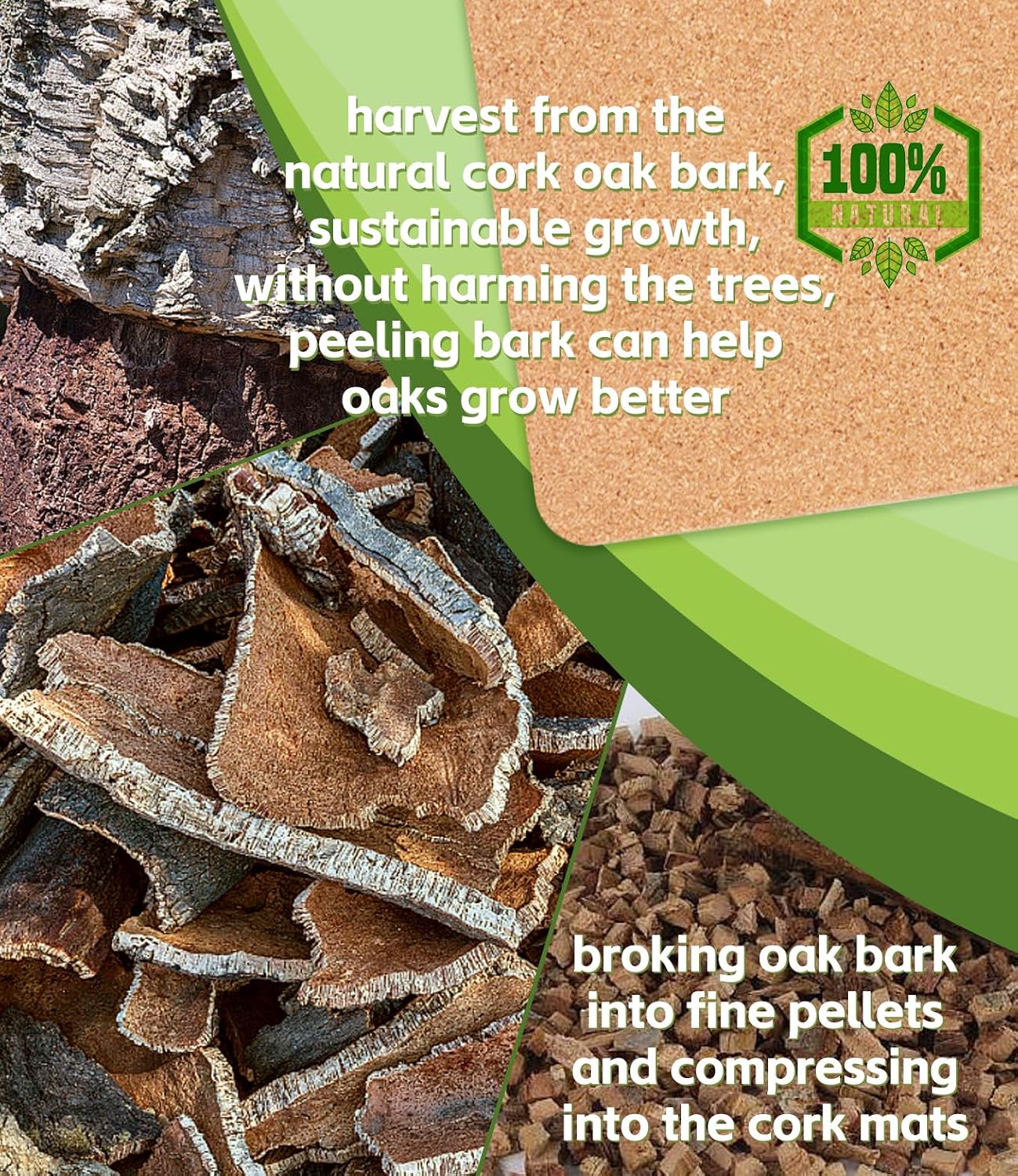
Fine particle cork is exactly what it sounds like—it’s made from smaller, more uniformly compressed cork granules. This results in a denser, smoother, and more resilient surface compared to coarser, loosely packed cork. It means better insulation, less shedding, and a more refined aesthetic, making it the preferred choice for premium cork trivets.
FAQ
Are cork trivets actually effective for very hot items?
Yes, high-density thick cork trivets are quite effective. Cork is a natural insulator, and a thick, dense piece creates a substantial thermal barrier, protecting surfaces from temperatures that would otherwise cause damage.
Can I use a single cork trivet for multiple small dishes?
You can, but it depends on the size. A large rectangular cork placemat (e.g., 12 x 7 inches) can often accommodate a few smaller items, but ensure all hot surfaces are completely on the trivet, not just partially.
Do cork trivets slip on smooth surfaces?
Generally, no. Natural cork has a decent amount of friction, providing a good grip on most countertops and dining tables. This non-slip property is one of its underrated benefits, keeping your hot dishes stable.
How long do cork trivets typically last?
With proper care, a well-made, high-density cork trivet can last for many years. Longevity depends on frequency of use, how hot the items placed on them are, and whether they are kept dry.
Are there any specific types of hot dishes I shouldn’t place on cork trivets?
Cork handles most kitchen heat. Very rarely, if a pot is left on direct, extreme heat for an exceptionally long time, it could scorch. Just don’t drag very sharp utensils across it, as cork can be gouged.
What’s the difference between cork trivets and cork placemats?
Often, the terms are interchangeable when referring to larger, rectangular pieces, especially when they function as heat resistant pads. The main difference is intent: a placemat might be thinner and more focused on individual place settings, while a trivet is specifically for heat protection.
Can cork trivets be used outdoors?
Absolutely. They’re lightweight and effective for outdoor serving tables. Just remember to bring them in if it rains heavily, as prolonged exposure to moisture isn’t ideal for cork.
Final Recommendation
For most households, particularly those who cook regularly and value their kitchen and dining furniture, a set of high-density thick cork trivets—specifically those robust, larger rectangular types often sold in sets of four—represents the smartest investment. They offer that crucial blend of reliable heat resistance, understated style, and durability that cheaper, flimsier options simply can’t match. You’re not just buying a mat; you’re buying peace of mind.
While budget-friendly thin cork options have their place for very light, occasional use, and silicone offers flexibility, it’s the solid, substantial feel of a quality cork product that really stands up to the rigors of everyday cooking. It’s a workhorse that looks good doing it. So, skip the flimsy stuff. Go for the cork that feels dense in your hand; your tables will thank you.
#Cork #Trivets #Hot #Dishes #Hot #Pots #Pans #Inch #Pcs #High #Density #Thick #Cork #Trivet #Fine #Particle #Cork #Heat #Resistant #Hot #Pads #Rectangle #Cork #Placemats #Kitchen