Is a Le Creuset Dutch Oven Worth Its Price Tag? Deciphering Enameled Cast Iron Value
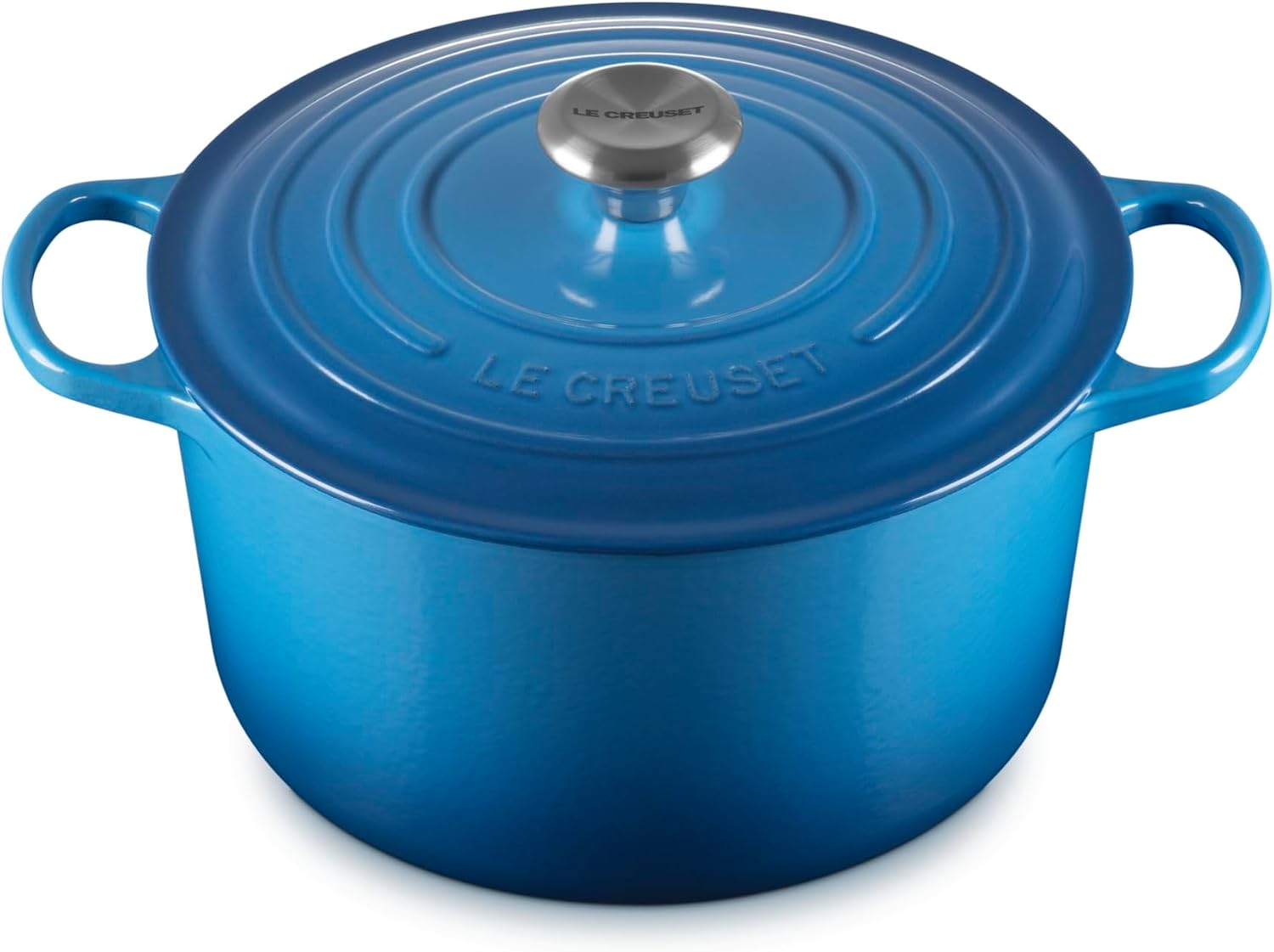
Thinking about a Dutch oven for your kitchen? You’re not alone. This guide slices through the marketing noise to help you decide if a premium option, specifically the Le Creuset Enameled Cast Iron Signature Deep Round Oven, 6.5 qt., in that striking Marseille color, really justifies its significant cost. We’ll compare its merits against other popular choices, giving you the real talk on where to spend and where to save.
Decision Tree: Is the Le Creuset 6.5 qt. Signature Deep Round Oven for You?
- You’re an Aspiring Home Chef / Passionate Cook: YES. Its consistent heat, durability, and versatility will be invaluable for everything from braises to artisan bread.
- You Prioritize Kitchen Aesthetics & Lifelong Durability: YES. The iconic Le Creuset design and robust construction mean it’s an heirloom piece that performs.
- You’re on a Strict Budget for Essential Cookware: PROBABLY NOT YET. While a fantastic performer, more budget-friendly enameled cast iron options exist that still do a decent job for most everyday tasks.
- You Need a Reliable Workhorse for Diverse Cooking: YES. Slow cooking, searing, deep-frying, baking — this Dutch oven handles it all with aplomb, minimizing hot spots.
What to Look For (The Buying Criteria)
Choosing an enameled cast iron Dutch oven isn’t just about picking a pretty color; there’s a lot going on under that glossy surface. You’ll want to consider these factors deeply before pulling the trigger, especially when eyeing a substantial investment like the Le Creuset Signature Deep Round Oven.
First up, Material Composition and Enamel Quality. This is paramount. True enameled cast iron offers incredible heat retention and even heat distribution, which is precisely why it’s so prized for slow cooking and braising. But not all enamel is created equal. Le Creuset, for instance, uses a multi-layer enamel process that’s incredibly durable and resistant to chipping, staining, and cracking over time. Cheaper alternatives often have thinner, more brittle enamel that can degrade quicker, especially if subjected to high heat or thermal shock. The trade-off? That higher-quality enamel comes with a higher price, and sometimes even the best enamel can chip if dropped or scraped hard enough.
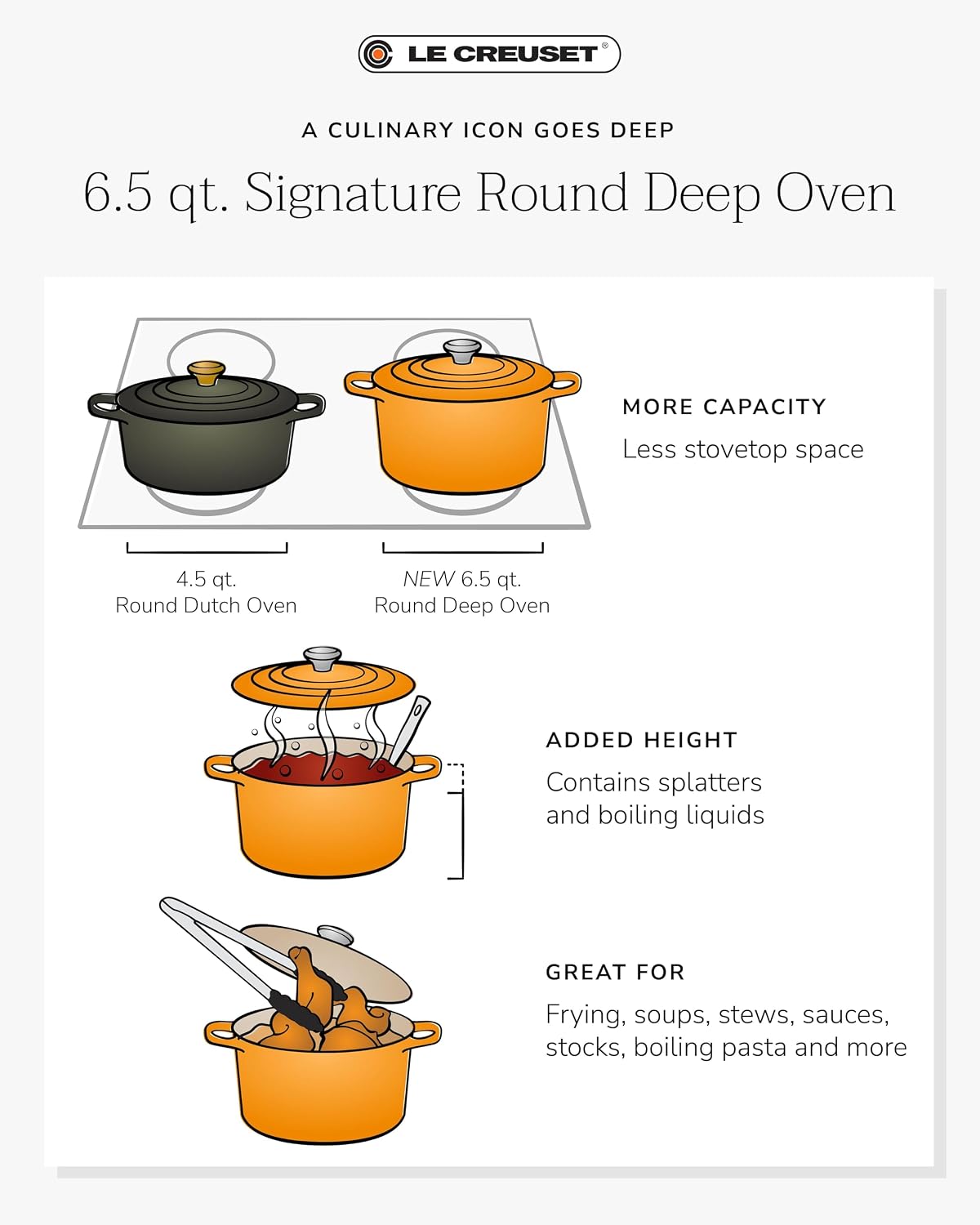
Then there’s Capacity and Weight. The 6.5-quart size of the Le Creuset Signature Deep Round Oven is a workhorse, ideal for families of four to six, or for preparing larger roasts, soups, and stews. Too small, and you’ll be cooking in batches or struggling with overflow. Too large, and it takes up unnecessary space and often feels unwieldy. And speaking of unwieldy, these things are heavy. Le Creuset is known for its relatively lighter cast iron compared to some competitors like Staub, which is a subtle but significant distinction if you’ve got wrist issues or just prefer easier handling. Still, any large enameled cast iron pot will be a beast to move, especially when full.
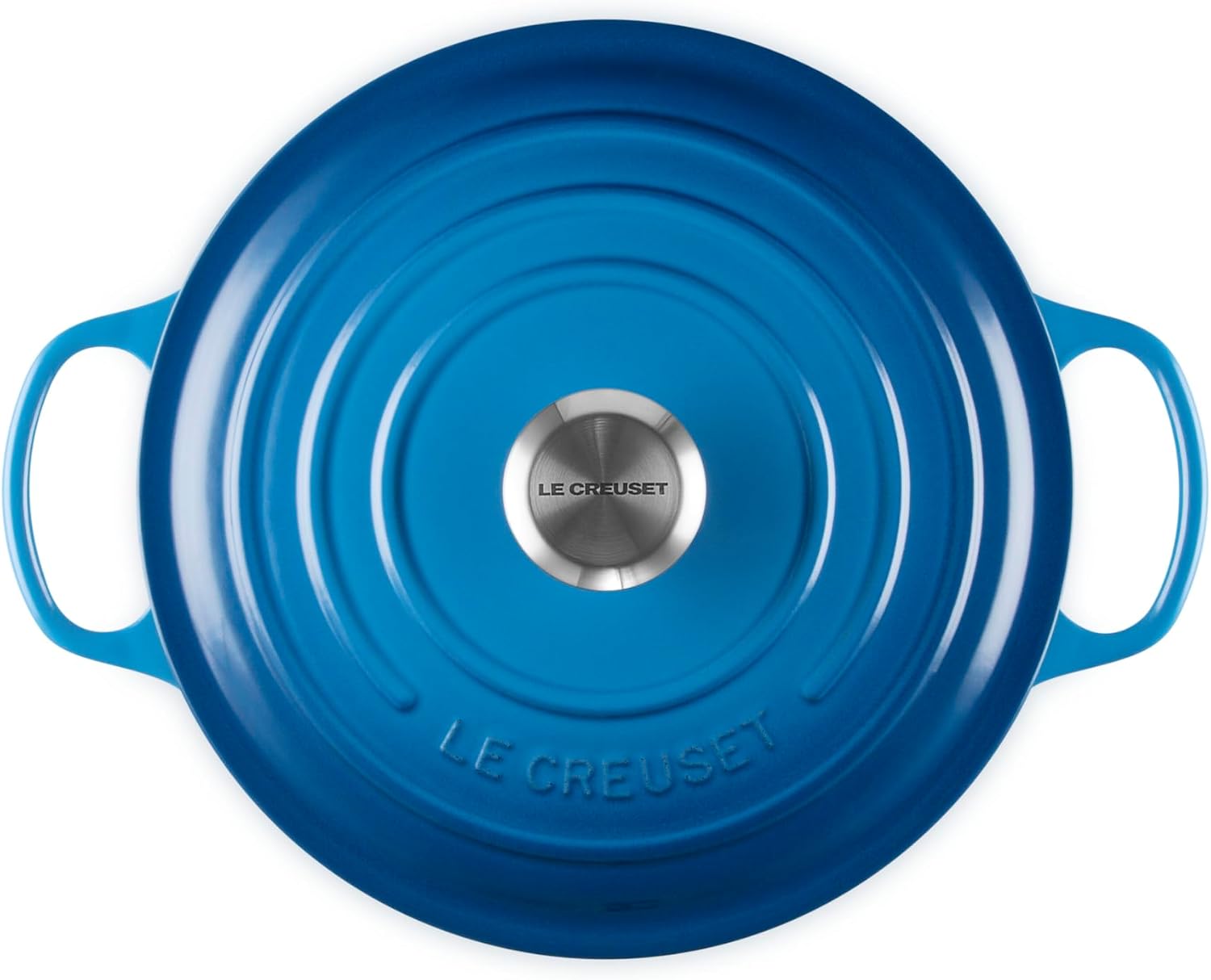
Next, think about the Lid Fit and Condensation Rings. A well-fitting lid is crucial for effective braising and slow cooking. It traps moisture, creating a self-basting environment that keeps food from drying out. Le Creuset lids are designed to fit snugly, minimizing steam escape. Some brands, like Staub, feature “self-basting” nubs or rings on the underside of the lid to promote moisture distribution. The Le Creuset Deep Round Oven doesn’t have these specific nubs, but its heavy lid still does an excellent job. The downside to a tight lid? Sometimes it can be a bit too tight, creating a vacuum seal if cooled rapidly, which is a minor annoyance you’ll learn to work around.
Don’t overlook Handle Design and Ergonomics. This might sound trivial until you try to lift a hot, heavy Dutch oven out of a scorching oven. Le Creuset’s Signature line features large, loop handles designed for a secure grip, even with oven mitts. Some less expensive models skimp here, offering smaller or less robust handles that are harder to grasp, making transport genuinely precarious. This is definitely one of those “you get what you pay for” areas. Small handles on a huge pot? No thanks.
Interior Enamel Color actually matters more than you’d think. Le Creuset typically uses a light-colored sand-colored interior enamel. This is a blessing for cooking because it allows you to easily monitor fond development (those delicious browned bits at the bottom of the pot) and see how your food is browning. Darker interiors, common in some other brands, can make it harder to judge the color of your caramelizing onions or the searing on your meat, sometimes leading to accidental burning. The trade-off for the light interior is that it shows stains more readily, requiring a bit more vigilance in cleaning. But honestly, who wants to cook blind?
Finally, Heat Distribution and Retention. This is the core superpower of cast iron. It heats slowly, evenly, and retains that heat like nobody’s business, making it ideal for maintaining consistent temperatures over long cooking times or for searing that needs a steady, hot surface. The Le Creuset excels here, reducing hot spots that can cause food to stick or burn in one area. This evenness is a huge advantage over thinner pots and pans, which tend to fluctuate more in temperature. It’s not a flaw, per se, but remember that cast iron takes its sweet time to heat up; patience is a virtue here.
How to Match the Product to Your Situation
Finding the right Dutch oven means thinking about your kitchen, your cooking style, and your budget. A Le Creuset isn’t for everyone, and that’s okay. It’s about fitting the tool to the task and the user.
The Aspiring Home Chef
You’re someone who loves to cook, views it as a creative outlet, and regularly tackles recipes that call for long braises, hearty stews, or even artisanal sourdough bread. You appreciate quality ingredients and tools that perform consistently. For you, the Le Creuset Enameled Cast Iron Signature Deep Round Oven, 6.5 qt., Marseille, is a solid investment. Its superior heat retention, durable enamel, and comfortable handling will elevate your cooking experience. You’re willing to pay for longevity and performance, and you’ll actually use it enough to justify the cost. Think of it as a kitchen workhorse that makes those Sunday roasts and elaborate weeknight dinners a joy rather than a chore. You won’t regret the splurge here.
The Budget-Conscious Cook
Your priority is getting the job done efficiently without breaking the bank. You cook frequently, but perhaps you’re not looking for a “forever” piece right now, or you just can’t justify the premium pricing. You’re savvy; you know value doesn’t always mean the cheapest option, but you also understand diminishing returns. For you, a mid-range enameled cast iron Dutch oven from a reputable brand (like Cuisinart or Tramontina) often makes more sense. You’ll still get decent heat distribution and retention, and it’ll handle most tasks well. Just be prepared for potentially less durable enamel or slightly less refined ergonomics. It might not last three generations, but it’ll certainly see you through many delicious meals. And that’s often good enough.
The Entertainer or Family Cook
You’re constantly feeding a crowd, hosting dinner parties, or managing a bustling family kitchen. Capacity and versatility are key, but presentation matters, too. You need a pot that can go from stovetop to oven to table and look good doing it. The Le Creuset 6.5 qt. Deep Round Oven fits this bill perfectly. Its generous size is ideal for batch cooking large meals, and the vibrant Marseille color makes a stunning statement on any dining table. You’re paying for a combination of high performance and aesthetic appeal. Plus, its ability to keep food warm at the table for extended periods is a definite bonus for entertaining. You’ll appreciate the easy-to-clean enamel after a big feast, too.
| Type/Tier | Best For | Price Tier | Key Feature | Watch-Out |
|---|---|---|---|---|
| Premium Enameled Cast Iron | Serious cooks, heirloom quality, aesthetic appeal | Premium | Superior durability, even heating | Significant upfront investment, very heavy. |
| These pieces, like the Le Creuset, are built to last generations, offering unmatched performance and a timeless look for those who demand the absolute best and aren’t afraid of the cost. | ||||
| Mid-Range Enameled Cast Iron | Regular home cooks, good value, reliable performance | Mid-range | Solid heat retention, versatile | Enamel might be less chip-resistant, handles can be smaller. |
| Brands in this tier strike a balance between cost and quality, providing a sturdy, functional Dutch oven that performs well for most daily cooking needs without the top-tier price tag. | ||||
| Budget Enameled Cast Iron | Entry-level, occasional use, price sensitive | Budget | Affordable entry point, basic function | Enamel quality often questionable, prone to chipping/staining. |
| These options are good for those dipping their toes into Dutch oven cooking but expect a shorter lifespan and potential issues with uneven heating or sticky surfaces over time. | ||||
| Bare Cast Iron | Rustic cooking, high-heat searing, bread baking | Budget | Unmatched searing, natural non-stick | Requires seasoning and meticulous maintenance to prevent rust. |
| While incredibly durable, bare cast iron demands a different kind of care, lacking the easy-clean convenience of enamel and reacting poorly to acidic foods if not properly seasoned. |
Scenario-Specific Considerations for Your Dutch Oven
A Dutch oven isn’t just a pot; it’s a statement piece, a workhorse, a legacy item. But how you intend to use it truly shapes which one makes sense for you.
For Everyday Meals vs. Special Occasions
If you plan to use your Dutch oven multiple times a week for everything from pasta sauces to quick braises, the Le Creuset Signature Deep Round Oven really shines. Its ease of cleaning and consistent performance simplify daily cooking routines. You won’t dread pulling it out. The superior enamel holds up to frequent use and various ingredients without complaint. However, if it’s primarily for those big holiday meals or elaborate weekend projects, a slightly less expensive, but still good quality, mid-range option might serve you perfectly well. It’ll handle those infrequent heavy-duty tasks without the everyday wear and tear that truly justifies the premium price of a Le Creuset. Think about frequency before you buy.
For Braising and Slow Cooking vs. Bread Baking
Both are classic Dutch oven applications, but they place different demands on the pot. For braising and slow cooking, consistent, even heat, excellent moisture retention, and durable enamel (to handle acidic ingredients like tomatoes and wine) are paramount. The Le Creuset excels in this, creating tender, fall-off-the-bone results thanks to its cast iron core. For bread baking, especially no-knead artisan loaves, extreme high heat and the ability to trap steam are key. Again, the Le Creuset handles this beautifully, giving you that coveted crispy crust. Some bakers actually prefer bare cast iron for its ability to get screaming hot and create a dry heat environment post-steam, but then you’re back to seasoning. The versatility of an enameled model for both tasks is a significant advantage, especially if you dabble in different culinary arts.
For Kitchen Aesthetics vs. Pure Function
Let’s be honest, the vibrant Marseille blue of the Le Creuset 6.5 qt. Deep Round Oven is undeniably gorgeous. It’s a design icon, a piece of art that brightens any kitchen or dining table. For many, part of the “worth it” equation includes this aesthetic appeal and the pride of ownership. If your kitchen is a showpiece, and you enjoy having beautiful, high-quality tools on display, then the aesthetic value of a Le Creuset is a genuine factor. If, however, you care only about how well it cooks and aren’t bothered by how it looks, a more utilitarian, functional, and often less expensive enameled cast iron Dutch oven will get you almost identical cooking results. There’s no shame in prioritizing function. None at all. But sometimes, a little beauty just makes the cooking experience that much better.
Common Mistakes Buyers Make
So many people jump into buying a Dutch oven without thinking a few things through. Don’t be one of ’em.
One big misstep is ignoring the weight and size. Seriously, a 6.5-quart enameled cast iron Dutch oven isn’t a feather. Before you commit, imagine lifting it, full of food, out of a hot oven. Does your cabinet have space for it? Will it fit comfortably on your stovetop alongside other pots? Many get caught up in the “bigger is better” mindset and then struggle with storage or handling.
Another common mistake? Assuming all enameled cast iron is the same quality. As we’ve discussed, there’s a huge spectrum. Cheaper options often have thinner enamel that chips easily, stains, or even develops hairline cracks under stress. This can expose the bare cast iron, leading to rust and food sticking. Investigate the enamel quality if you’re not going premium.
People often neglect proper maintenance out of laziness. Enameled cast iron is not non-stick in the Teflon sense, and while durable, it’s not indestructible. High heat with no oil, using metal utensils that scratch the enamel, or harsh abrasive cleaners can all damage the interior. And running it through the dishwasher? You really shouldn’t, unless you like dull enamel and potential gasket issues on some models. A little handwashing with warm soapy water goes a long way.
Finally, buying based solely on brand prestige without considering actual use. Yes, Le Creuset is iconic. It’s a status symbol for some. But if you only plan to cook chili once a year, are you really getting your money’s worth out of a premium product? Assess your actual cooking habits before succumbing to the allure of the label. An expensive pot that sits unused is just… an expensive pot.
Why/How/What Mini-Section
Why invest in a premium Dutch oven?
You’re investing in durability, consistent performance, and a better cooking experience. Premium options, like the Le Creuset Enameled Cast Iron Signature Deep Round Oven, offer superior heat distribution, highly chip-resistant enamel, and thoughtful ergonomic design. This means fewer hot spots, easier cleanup, and a pot that will likely outlast you, performing reliably whether you’re searing, braising, or baking. It’s a tool that inspires confidence in the kitchen.
How to care for enameled cast iron?
Easy peasy: hand wash it with warm, soapy water and a non-abrasive sponge. Avoid metal utensils to protect the enamel. For stuck-on food, let it soak, then gently scrub with a plastic scraper. Don’t plunge a hot pot into cold water (thermal shock is bad news for enamel). Dry it completely before storing to prevent any potential rust on exposed edges.
What makes enameled cast iron different?
It’s the best of both worlds. You get the incredible heat retention and even cooking properties of traditional cast iron, but with a smooth, easy-to-clean glass-like enamel coating. This enamel prevents rust, eliminates the need for seasoning, and allows you to cook acidic foods without reacting with the metal. It truly marries the robust performance of cast iron with modern convenience.
Key Takeaways
- Premium enameled cast iron, like Le Creuset, offers unmatched durability and consistent cooking performance, making it a true heirloom piece. Its multi-layer enamel and excellent heat distribution justify its higher cost for serious cooks.
- Consider your actual cooking frequency and types of dishes. If you’re a daily cook who loves braises, stews, and baking, the investment pays off over time. For occasional use, a mid-range option might be more practical.
- Don’t underestimate the importance of features like handle design, lid fit, and interior enamel color. These details significantly impact ease of use and cooking results, especially the lighter interior enamel for monitoring food.
- Maintenance is crucial for longevity. Hand washing and avoiding harsh abrasives will keep your enameled cast iron performing beautifully for years.
FAQ
Is Le Creuset really better than cheaper options?
Often, yes. The difference lies in the quality of the cast iron itself, the multi-layer enamel’s durability, and the precision of manufacturing. This translates to more even heating, less chipping, and a pot that holds up to decades of rigorous use, unlike many budget alternatives.
How big of a Dutch oven do I need for a family of four?
A 5.5 to 7-quart Dutch oven is generally ideal for a family of four, providing enough room for roasts, larger stews, or batch cooking. The 6.5-quart Le Creuset Deep Round Oven discussed here is quite versatile for this size.
Can I put a Dutch oven in the oven?
Absolutely! Most enameled cast iron Dutch ovens are designed to be oven-safe, often up to 500°F or more. They excel at dishes that start on the stovetop and finish baking in the oven.
What’s the best way to clean enameled cast iron?
Warm soapy water and a soft sponge or nylon brush are your best friends. For stubborn, stuck-on bits, let the pot soak with some water and baking soda, then gently scrape with a plastic tool.
What’s the difference between a Dutch oven and a slow cooker?
A Dutch oven is a versatile, heavy pot used on the stovetop or in the oven for a variety of cooking methods, including slow cooking. A slow cooker is an electric appliance designed specifically for long, low-temperature cooking, offering hands-off convenience.
Can I use a Dutch oven on an induction stovetop?
Yes, enameled cast iron is magnetic, so it works perfectly on induction cooktops. It’s actually a great pairing, as induction heats efficiently, and the cast iron distributes that heat beautifully.
Do colors like Marseille matter for cooking?
No, the color of the exterior enamel, whether it’s Marseille blue or any other shade, has absolutely no impact on the cooking performance of the Dutch oven. It’s purely an aesthetic choice.
Final Recommendation
For the avid home cook who prioritizes durability, exceptional cooking performance, and a stunning kitchen piece, the Le Creuset Enameled Cast Iron Signature Deep Round Oven, 6.5 qt., Marseille absolutely represents a worthwhile investment. Its ability to evenly distribute and retain heat, coupled with its robust, chip-resistant enamel, means it will be your reliable companion for countless culinary adventures for years to come. Yes, it’s a premium item, but for those who value quality and will truly utilize its full potential, it delivers on its promise.
However, if you’re dipping your toes into Dutch oven cooking or simply need a functional workhorse without the brand prestige, a solid mid-range enameled cast iron option will serve you well. It won’t have quite the same heirloom quality or refined finish, but it’ll get the job done for most everyday braises and stews. Ultimately, the “worth it” factor hinges on your personal cooking passion and how much you’ll lean on this versatile kitchen cornerstone.
#Creuset #Enameled #Cast #Iron #Signature #Deep #Oven #Marseille