Is a Premium Cast Iron Skillet Really Worth It? A Deep Dive into Durable Cookware
Navigating the world of cast iron skillets can feel like stepping into a culinary debate club. Everyone’s got an opinion, a favorite brand, or a horror story about rusty pans. This guide cuts through the noise, focusing on what truly matters when you’re considering durable cookware, especially when eyeing a premium option like the Stargazer 13.5-Inch Cast Iron Skillet. We’re here to help savvy shoppers understand the trade-offs, weigh the value, and decide if investing in a high-end, seasoned cast iron skillet is the right move for their kitchen.
Quick Answer
A premium cast iron skillet like the Stargazer 13.5-inch model offers superior build quality, often a smoother cooking surface, and better ergonomics compared to more budget-friendly options, making it a potentially worthwhile investment for serious home cooks who value longevity and a refined cooking experience. For many, the enhanced cooking versatility and often heirloom quality justify the higher initial outlay. But hey, it’s not for everyone.
What to Look For: The Buying Criteria
Deciding on the right cast iron skillet isn’t just about grabbing the first heavy pan you see. There’s a surprising amount of nuance here, especially when you’re comparing a basic workhorse to something meticulously crafted like the Stargazer.
Material and Finish: Beyond Just “Cast Iron”
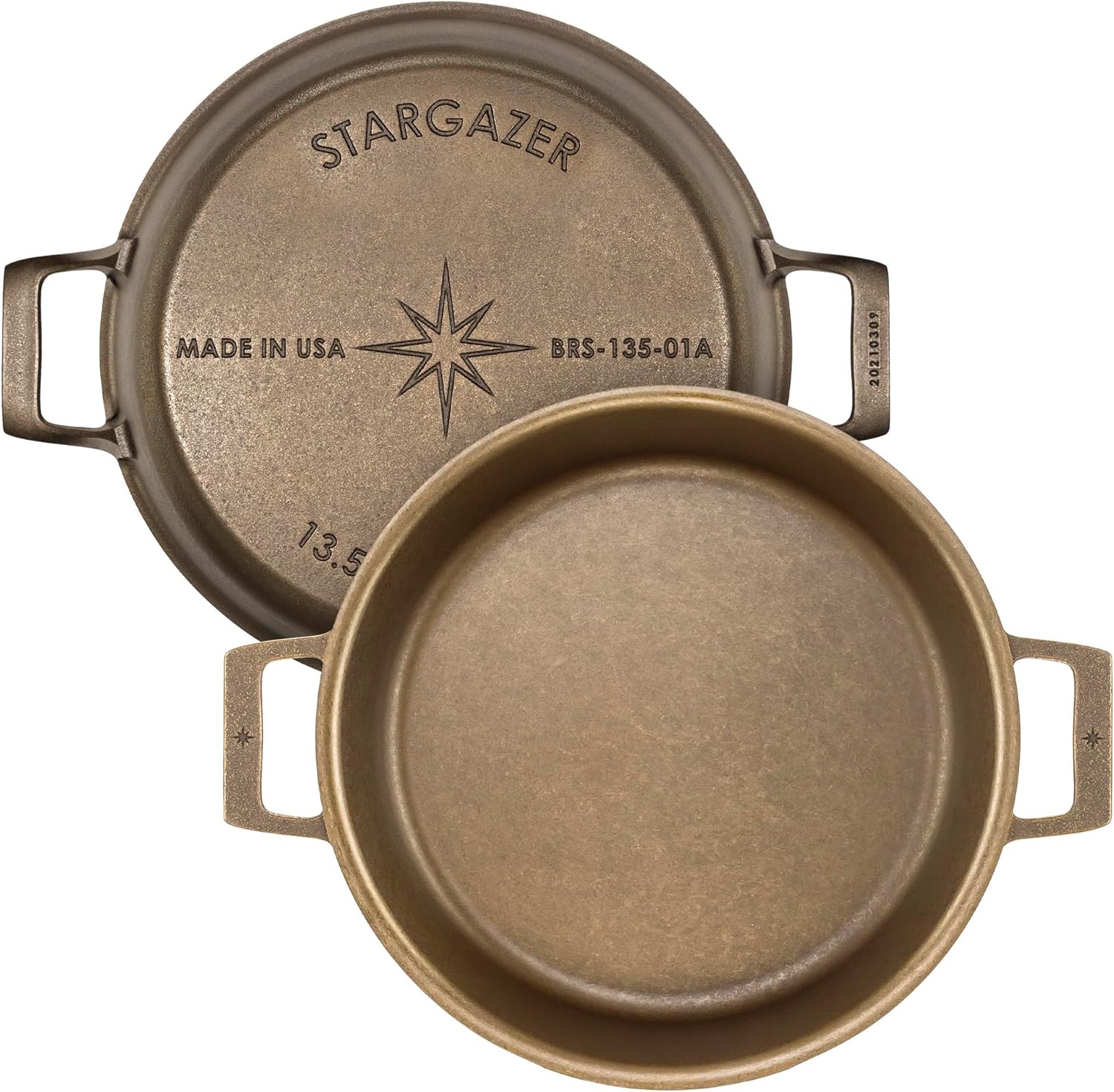
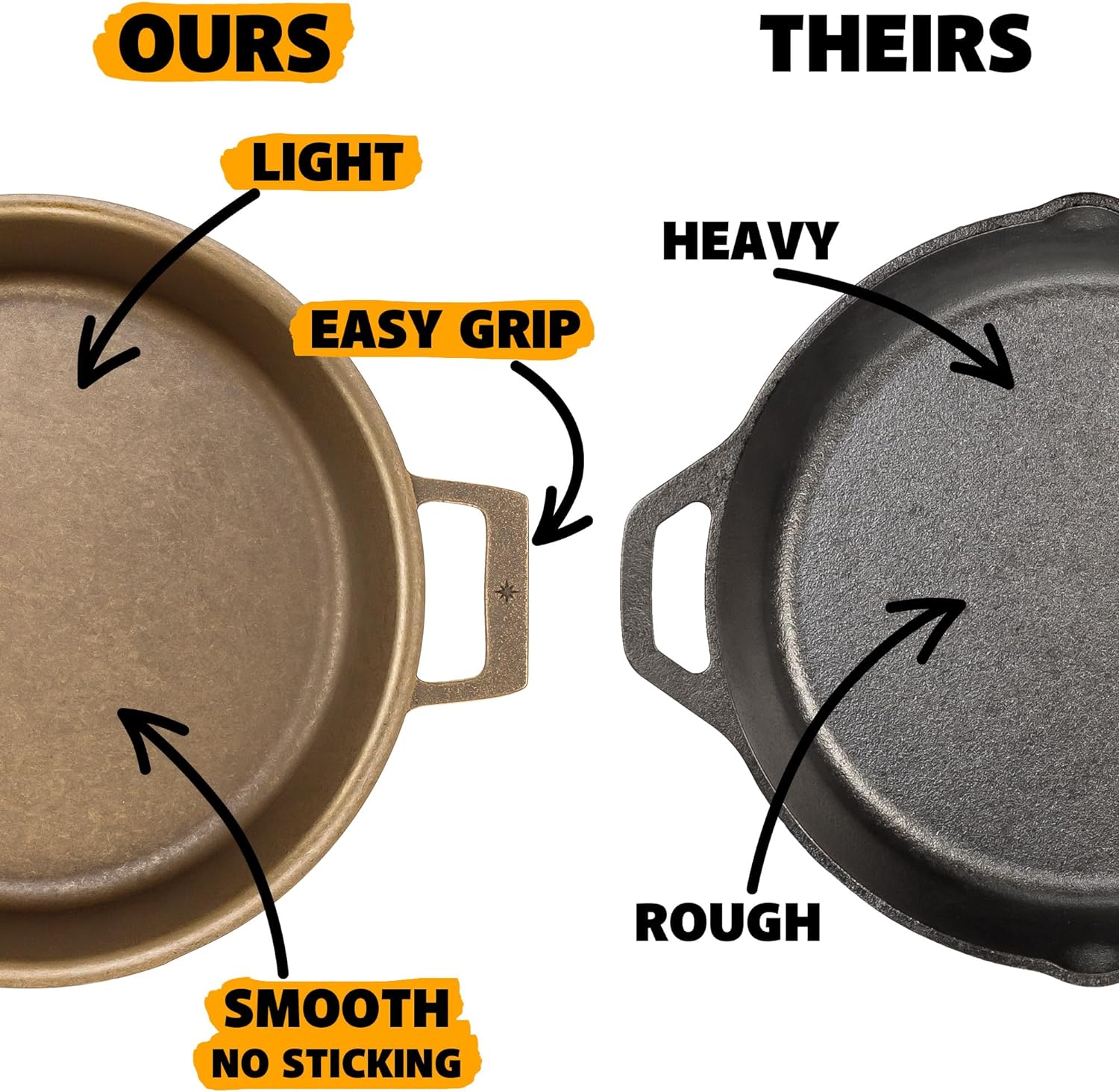
All these pans are, well, cast iron. But the devil, as they say, is in the details – specifically, the finish. Many entry-level cast iron skillets come with a somewhat pebbly, textured surface. This isn’t inherently bad; it holds seasoning, sure, but it can be a bit grabby, especially when you’re trying to flip delicate items. A smooth cooking surface, like the one Stargazer touts, is a completely different beast. It minimizes sticking, makes searing a dream, and generally provides a more pleasant experience once it’s properly seasoned. The downside? That extra machining to get it buttery smooth often means a higher price tag. You’re paying for the artisan’s touch, the refinement.
Size and Weight: Is Bigger Always Better?
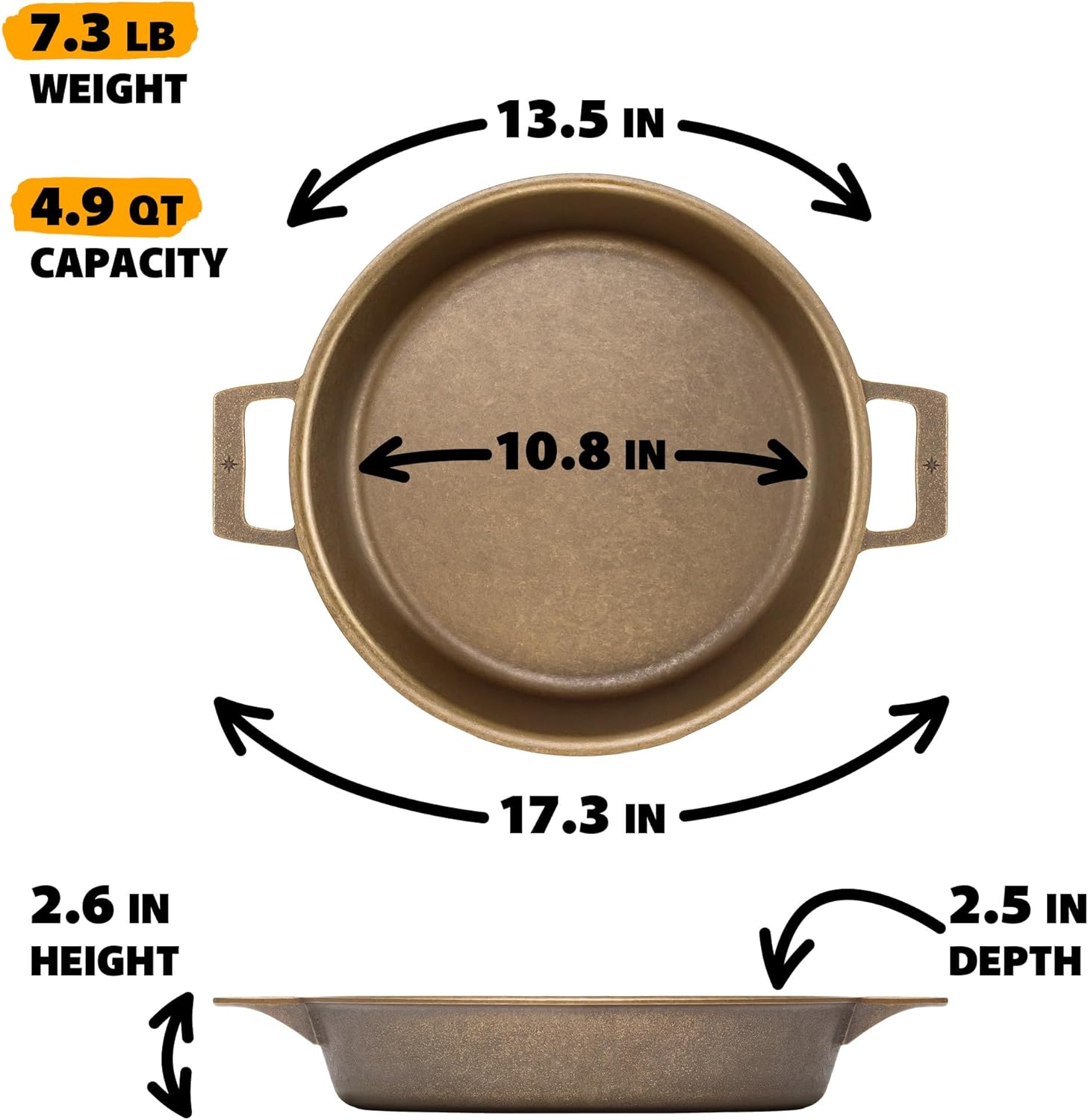
The 13.5-inch skillet from Stargazer is a serious piece of equipment. It’s generous, capable of handling a whole chicken or a family-sized breakfast. But its size means it’s also heavy. Really heavy. If you’re not planning on cooking for a crowd or prefer a lighter touch in the kitchen, a smaller 10-inch or 12-inch pan might be more practical. Consider your stove space, too. A huge skillet can dominate your cooktop, sometimes unevenly heating on smaller burners. A hefty pan like this is a commitment, demanding two hands for maneuvering, especially when full.
Handle Design and Ergonomics: More Than Just a Stick
You wouldn’t think a handle could be such a big deal, but trust me, it is. Cheaper pans often have short, stubby handles that get blazing hot and offer poor grip. Premium options like the Stargazer often feature longer, more thoughtfully designed handles. They might still get hot, but they generally dissipate heat better and provide a more secure, comfortable hold. Some have a helper handle, which is practically essential on a 13.5-inch pan. Without one, lifting a full, hot skillet from the oven is a dangerous proposition. It’s a small detail, but ergonomically, it makes a massive difference in day-to-day usability.
Heat Retention and Distribution: The Heart of Cast Iron
This is where cast iron shines. Its ability to hold onto heat is unparalleled, which is why it’s fantastic for searing, getting that perfect crust on a steak. But not all cast iron is created equal in terms of distribution. Thicker, more substantial pans often distribute heat more evenly across the cooking surface, reducing hot spots. This is usually where premium pans excel, their heavier gauge material ensuring consistent temperatures. A thinner, lighter pan might heat up faster, but it also loses heat quicker, especially when cold food hits the pan. So, while it’s all about heat retention, the consistency of that heat across the entire pan matters just as much.
Durability and Longevity: The Heirloom Quality Promise
One of the big draws of cast iron is its incredible durability. This isn’t disposable cookware; a well-maintained skillet can literally last generations. We’re talking heirloom quality. A premium brand like Stargazer leans into this, crafting pans designed to withstand a lifetime of abuse (and love). They often use higher quality castings and offer a more robust finish that, with proper care, will only improve over time. A cheaper pan will also last forever, probably, but it might not season as beautifully, and those rough edges could stay rough. Is a slightly rougher surface a deal-breaker? For some, yes. It’s about how much you value that refined, enduring quality.
Price and Brand Reputation: The Big Question Mark
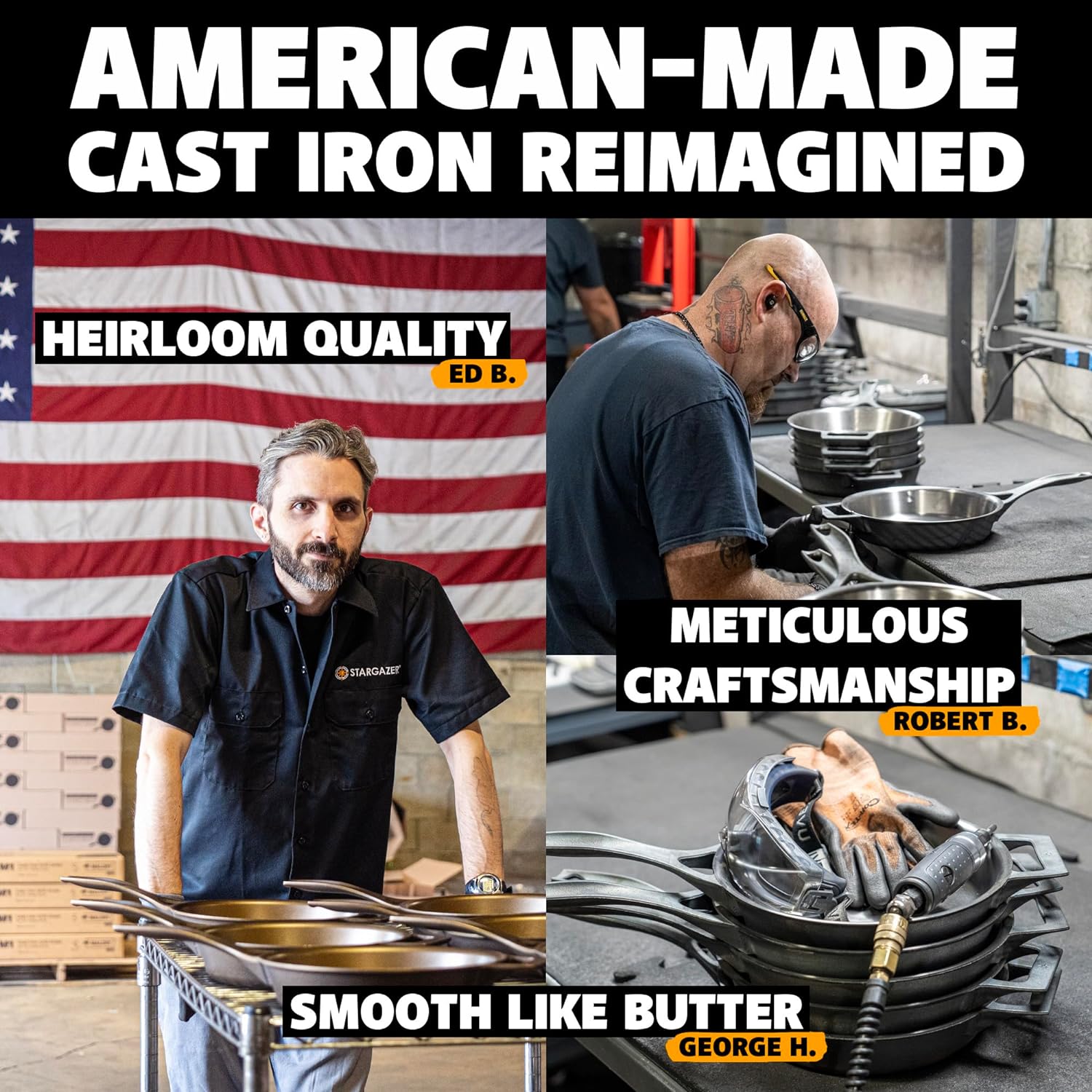
Okay, let’s talk brass tacks. Cast iron skillets run the gamut from incredibly budget-friendly Lodge Cast Iron models to ultra-premium, artisan pieces from Smithey Ironware or Finex, with Stargazer sitting firmly in that upper tier. What are you paying for at the high end? Often, it’s the meticulous finishing, the pre-seasoning (which can save you a ton of effort), the ergonomic design, and a certain aesthetic appeal. You’re also paying for the brand’s commitment to quality and often, Made in USA craftsmanship. A Lodge will cook just fine, undeniably. But the experience of cooking on a perfectly smooth, beautifully balanced Stargazer? That’s what people pay up for. It’s a bit like comparing a reliable sedan to a luxury car. Both get you to your destination, but one does it with a lot more panache and comfort.
How to Match the Product to Your Situation
Finding the right cast iron skillet means taking a hard look at your actual cooking habits and needs. Who are you in the kitchen?
The Everyday Cook
If you’re someone who just needs a reliable pan for weeknight dinners – maybe some eggs, a quick stir-fry, or browning ground meat – then a standard, seasoned 10-inch or 12-inch cast iron skillet is probably your best bet. You don’t need to break the bank. You want something functional, easy to clean, and something you won’t fret over. A pan from a widely available brand will serve you well. You’ll get the benefits of cast iron without the premium cost or the slight anxiety of potentially marring a beautifully finished artisan piece.
The Aspiring Chef/Enthusiast
This is where the allure of a Stargazer 13.5-Inch Cast Iron Skillet really starts to make sense. You’re not just cooking; you’re culinarily exploring. You’re grilling steaks, searing scallops, perhaps even baking cornbread in the oven. For you, the smoother cooking surface, the better heat distribution, and the more refined ergonomics of a premium pan translate directly into better results and a more enjoyable process. You appreciate the nuances of cooking versatility and see the pan as an extension of your craft. You’re willing to invest a bit more for a tool that elevates your cooking.
The Collector/Heirloom Seeker
For this persona, a cast iron skillet isn’t just a utilitarian tool; it’s a statement, a piece of art, a future family heirloom. You’re drawn to brands with a story, to craftsmanship, and to the idea of passing down durable cookware through generations. The Stargazer fits this bill perfectly, as do names like Finex or Smithey. The premium price is less about a single meal and more about the enduring value, the aesthetic appeal, and the satisfaction of owning a meticulously crafted object. You appreciate the fine details, the pour spouts, the balanced weight, the pre-seasoned finish. This pan isn’t just for cooking; it’s part of your kitchen’s legacy.
A Comparison of Cast Iron Skillet Types/Tiers
| Type/Tier | Best For | Price Tier | Key Feature | Watch-Out |
|---|---|---|---|---|
| Entry-Level Workhorse | Everyday cooking, first-time users, camping | Budget-friendly | Unbeatable value, basic functionality | Often rougher texture, less refined handles |
| Mid-Range Upgrade | More frequent cooks, improved experience | Mid-range | Smoother finish than basic, better handle designs | Still might not have the truly refined surfaces |
| Premium/Artisan | Enthusiasts, heirloom quality seekers | Premium | Smooth cooking surface, superior ergonomics | Significant investment, might be heavier |
| Enameled Cast Iron | Acidic foods, no seasoning required | Mid to Premium | Easy to clean, no rust worries | Can chip, doesn’t build up a natural nonstick layer |
- Entry-Level Workhorse: These pans are incredibly robust and offer fantastic value, proving that you don’t need to spend a lot to get a functional piece of durable cookware. Their main limitation often comes down to a less-refined casting texture that requires more rigorous initial seasoning work from you.
- Mid-Range Upgrade: Bridging the gap, these often boast a slightly smoother finish and more comfortable handles than their budget counterparts, offering a noticeable step up in user experience without hitting the top-tier prices. However, they usually won’t match the mirror-smoothness of truly premium options.
- Premium/Artisan: This tier, where the Stargazer 13.5-Inch Cast Iron Skillet resides, offers an unparalleled cooking experience thanks to meticulous finishing, superior handle design, and exceptional heat retention. The main drawback is, predictably, the cost and the often considerable weight.
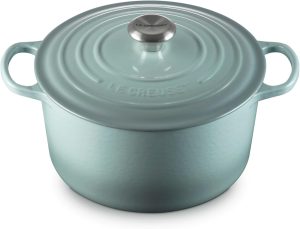
- Enameled Cast Iron: Not requiring seasoning, these pans are super convenient for things like braises and sauces where acidic ingredients can strip seasoning from traditional cast iron. Just remember, while easy to clean, that enamel isn’t indestructible.
Scenario-Specific Considerations for Your Cast Iron Skillet
A cast iron skillet isn’t just one thing; it’s many things, depending on how you use it.
For High-Heat Searing
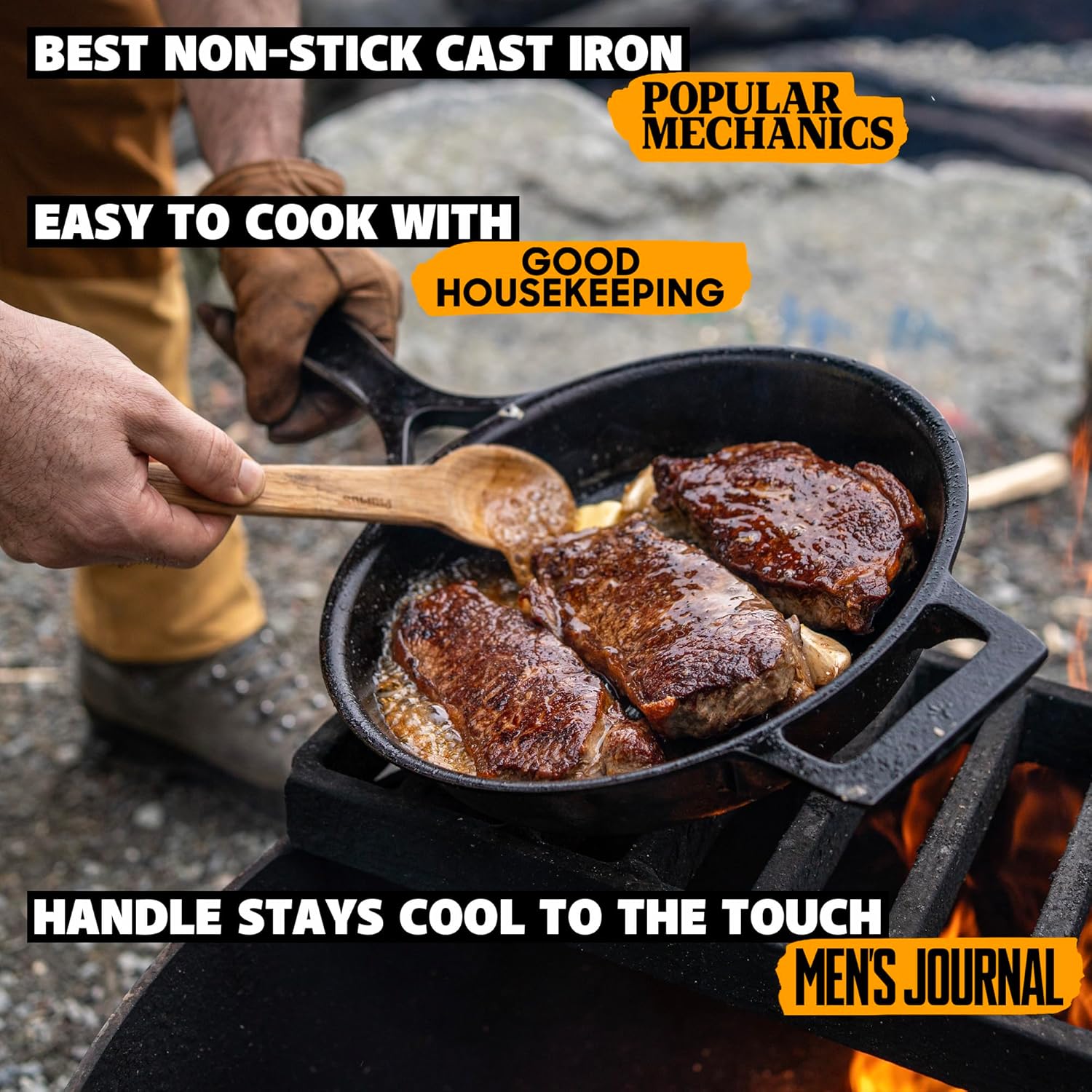
This is where cast iron truly excels. For that perfect reverse-seared steak, a thick, substantial pan with excellent heat retention is non-negotiable. A pan like the Stargazer 13.5-inch skillet, with its substantial mass and even heat distribution, will give you that coveted crust every single time. Lighter pans might lose too much heat when the cold steak hits the pan, resulting in a less-than-ideal sear. You want consistent, blazing heat. That’s the secret.
For Oven Baking and Roasting
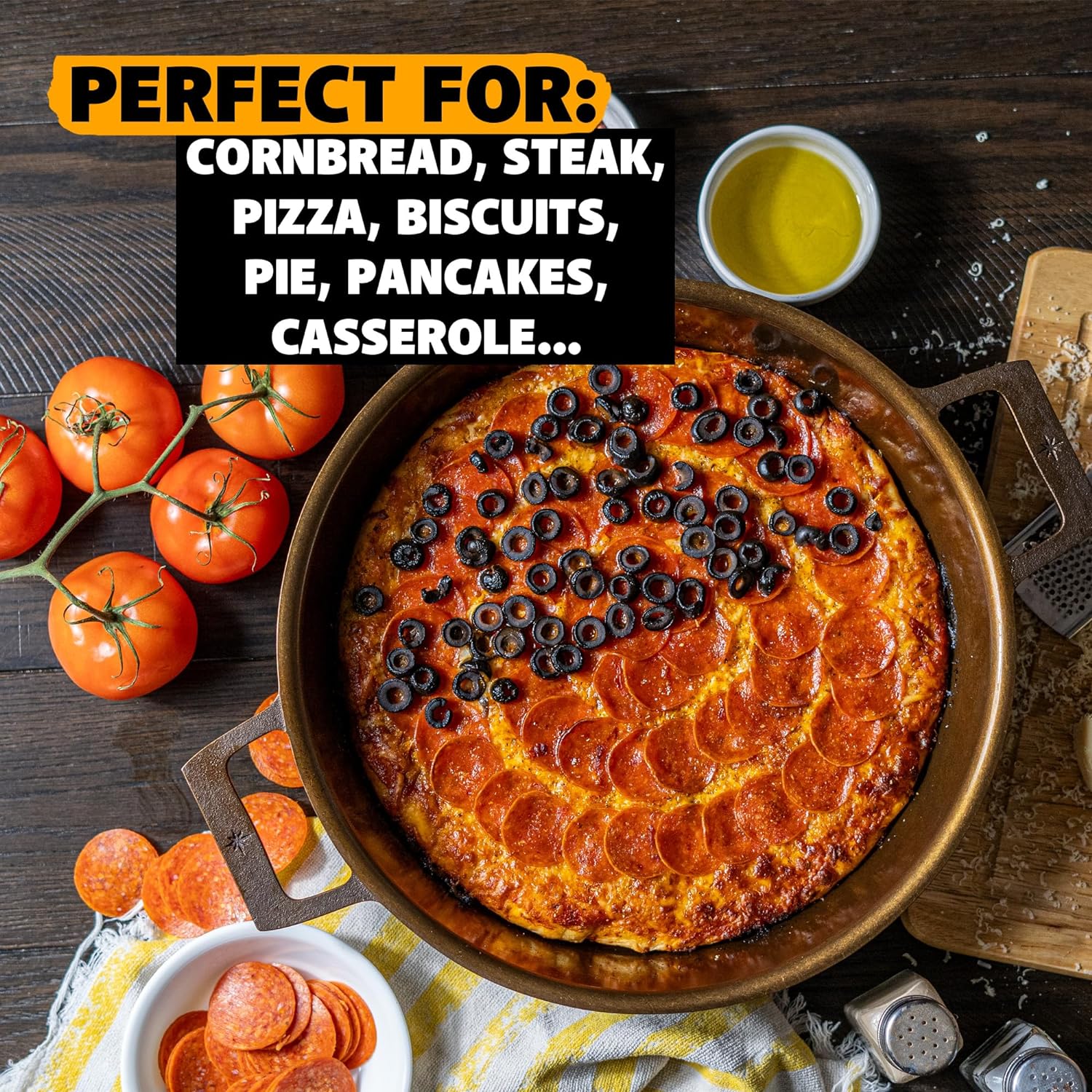
Yes, you can bake in it! From cornbread to frittatas, a cast iron skillet transitions beautifully from stovetop to oven. Here, the handle design matters less for grip and more for oven safety. A pan with an integrated cast iron handle (no plastic, no wood) is essential. The 13.5-inch skillet size is fantastic for larger roasts or baking a big skillet cookie to share. Just remember, it’ll hold onto that heat for ages once it’s out of the oven.
For Outdoor Grilling and Campfire Cooking
Taking your cast iron skillet outdoors is a joy. The ruggedness is perfect for open flames and uneven surfaces. A pan that’s already well-seasoned, perhaps with an extra-smooth finish for easy cleanup, is a boon here. The durable cookware aspect means it can handle the rough and tumble of camp life. But beware: while the pan itself is tough, a carefully maintained, premium finish might get scratched or dinged up on an open fire. You might opt for a more affordable, basic pan for dedicated outdoor use, saving your Stargazer for the kitchen.
Common Mistakes People Make with Cast Iron Skillets
Oh, the blunders people make! There’s a reason this category keeps showing up in conversation — it solves a real annoyance, but only if you play by its rules.
- Not seasoning it properly (or at all): This is the number one sin. A well-seasoned pan is naturally nonstick and a joy to cook with. Skipping this vital step, or assuming a pre-seasoned pan needs no further attention, is a recipe for sticking food and frustration. Even a seasoned cast iron pan benefits from a little TLC and repeated oil applications.
- Using too much soap or abrasive scrubbers: While a little soap is fine for modern cast iron, aggressively scrubbing with harsh detergents or steel wool will strip away your hard-earned seasoning. Stick to warm water, a stiff brush, and maybe a little chainmail scrubber for stuck-on bits. Then dry it completely.
- Letting it air dry: Water is cast iron’s nemesis. Leaving your pan to air dry even for a short time can lead to rust spots, especially in humid environments. Always dry it immediately and thoroughly, ideally by heating it gently on the stovetop for a minute or two until all moisture evaporates, then apply a tiny amount of oil.
- Cooking acidic foods too often in a new pan: Tomatoes, wine, vinegar – these can strip away your seasoning, particularly on newer pans that haven’t developed a robust, layered finish. It’s not a hard ban, but be mindful. Cook acidic items quickly and clean your pan immediately after. Some people just don’t get this.
Quick Questions Answered
Why bother with cast iron when there are nonstick pans?
Look, nonstick pans are convenient, sure, but they have a limited lifespan and can’t handle high heat. A cast iron skillet, especially a premium one, develops a natural, incredibly durable nonstick properties over time through seasoning, handles scorching heat like a champ for perfect searing, and can literally last for generations. It’s a different kind of performance.
How do you really clean a cast iron skillet without ruining it?
Scrape out food with a spatula, then rinse with hot water. Use a stiff brush or a chainmail scrubber for stubborn bits; a tiny dab of mild soap is okay for a quick clean if needed. Rinse again, then immediately dry it completely on the stovetop over low heat. Once dry, wipe with a very thin layer of cooking oil.
What exactly is “seasoning” and why is it so crucial?
Seasoning is essentially a layer of polymerized oil baked onto the surface of your cast iron skillet. It fills in microscopic pores, creates a slick, nonstick cooking surface, and protects the iron from rust. Each time you cook with oil and heat, you’re contributing to this layer, making your pan better and better over time. It’s not just maintenance; it’s improvement.
FAQ
Is a cast iron skillet difficult to maintain?
Not really, but it requires specific care. It’s more about consistent habits than difficult tasks: clean, dry, and lightly oil after each use. Once you get the hang of it, it becomes second nature.
Can I really cook anything in a cast iron skillet?
Almost anything! Grilling, searing, baking, frying – it excels at high-heat cooking and can go from stovetop to oven. Extremely acidic dishes or delicate items that require very low, controlled heat might be better suited for other pans until your cast iron develops a truly robust seasoning.
What’s the difference between a Stargazer and other premium brands?
Stargazer focuses on a meticulously smooth finish and thoughtful handle design, prioritizing ergonomics and a refined cooking experience. Other premium brands like Finex or Smithey Ironware also offer high quality but might differentiate on aesthetic details, unique handle shapes, or specific casting processes.
Do I need to re-season my cast iron skillet often?
You don’t need to do a full oven re-seasoning often, maybe once a year if your pan sees heavy use or if you notice dull spots. Regular cooking with oil and light stove-top oiling after cleaning usually maintains the seasoning just fine. It’s about ongoing care, not sporadic overhauls.
Can I use soap on my cast iron?
Yes, a small amount of mild dish soap is generally fine for modern, well-seasoned cast iron. The old advice to avoid soap entirely came from a time when soaps contained lye, which would strip seasoning. Today’s soaps are much milder. Just don’t let it soak.
Are cast iron skillets heavy to lift?
Absolutely. A 13.5-inch skillet is particularly substantial. While this weight contributes to excellent heat retention, it definitely requires two hands, especially when full. It’s a trade-off for the durability and cooking performance.
Is cast iron safe for all cooktops?
Yes, cast iron skillets are compatible with gas, electric, induction, and even open flames. Just be mindful on glass-top stoves, as their weight can scratch the surface if dragged. Always lift, don’t slide.
Final Recommendation
So, is a premium cast iron skillet like the Stargazer 13.5-Inch Cast Iron Skillet worth the investment? For the everyday cook simply seeking a reliable pan for basic meals, a more budget-friendly cast iron skillet will certainly get the job done without complaint. You’ll gain all the core benefits of durable cookware without the sticker shock.
However, if you’re the kind of home cook who truly enjoys the art of cooking – someone passionate about perfect searing, who values precise temperature control, and appreciates the tactile pleasure of using a beautifully crafted tool – then the Stargazer is absolutely worth considering. Its smooth cooking surface, superior ergonomics, and undeniable heirloom quality transform cooking from a chore into a genuinely elevated experience. For those who seek the very best in cooking versatility and want a pan that feels like it was made for them, the premium price is less a cost and more an investment in countless delicious meals and a lifetime of culinary satisfaction.
#Stargazer #13.5Inch #Cast #Iron #Skillet #USA #Seasoned #Premium #Frying #Pan #Grilling #Searing #Baking #Durable #Cast #Iron #Smooth #Cooking #Surface