
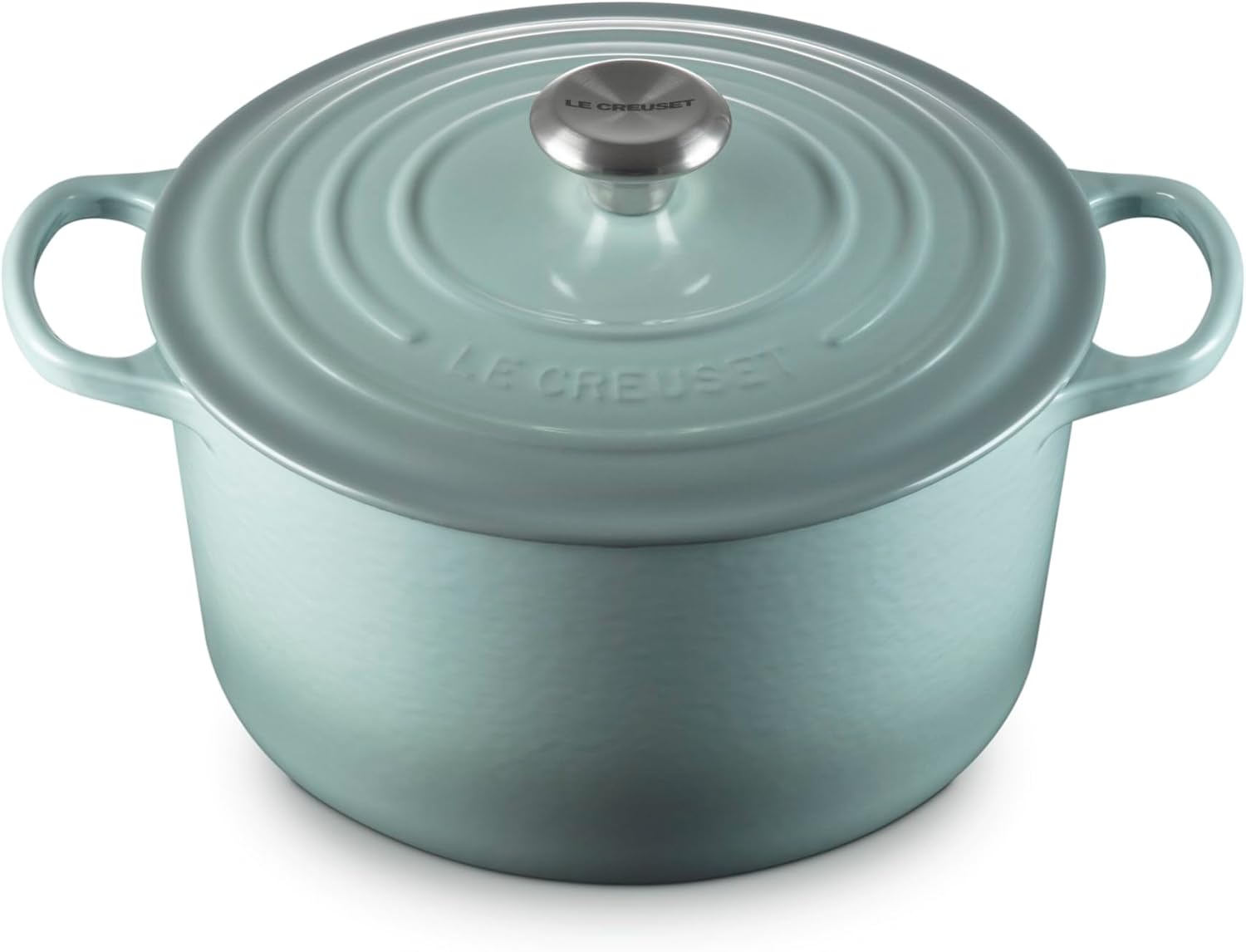
Is a Le Creuset Dutch Oven Worth the Splurge? Deciphering the 6.5 qt. Signature Deep Round Oven in Sea Salt
Trying to figure out if that fancy enameled cast iron pot is really worth its considerable price tag? You’re in the right spot. This guide cuts through the marketing fluff surrounding Dutch ovens, specifically looking at the lauded Le Creuset Enameled Cast Iron Signature Deep Round Oven, 6.5 qt., Sea Salt. We’ll unpack what makes a premium piece like this tick, where it shines, and whether your kitchen actually needs it over a more budget-friendly option.
Quick Answer Box
The Le Creuset Enameled Cast Iron Signature Deep Round Oven, 6.5 qt., Sea Salt, is a top-tier choice for serious home cooks who prioritize heirloom quality, exceptional cooking performance, and iconic design. While it’s a significant investment, its durability and versatility for everything from braising to baking sourdough make it a worthwhile consideration for those who cook frequently and value long-term performance. For occasional users, however, there are more economical options that still perform well.
What to Look For (The Buying Criteria)
Choosing a Dutch oven isn’t just about picking a pretty pot. It’s about understanding a few core factors that dictate performance, longevity, and ultimately, whether you’ll even use the thing. Don’t rush this part.
First off, material matters. We’re primarily talking about enameled cast iron here. Bare cast iron offers similar heat retention but demands a different kind of care—seasoning, for starters—which many find a hassle. The enamel coating on models like the Le Creuset is a game-changer. It prevents rusting, makes cleanup much easier, and allows for acidic ingredients without reacting. But that enamel isn’t indestructible. Drop it wrong, or use metal utensils carelessly, and you can chip it. That’s a real bummer on an expensive pot.
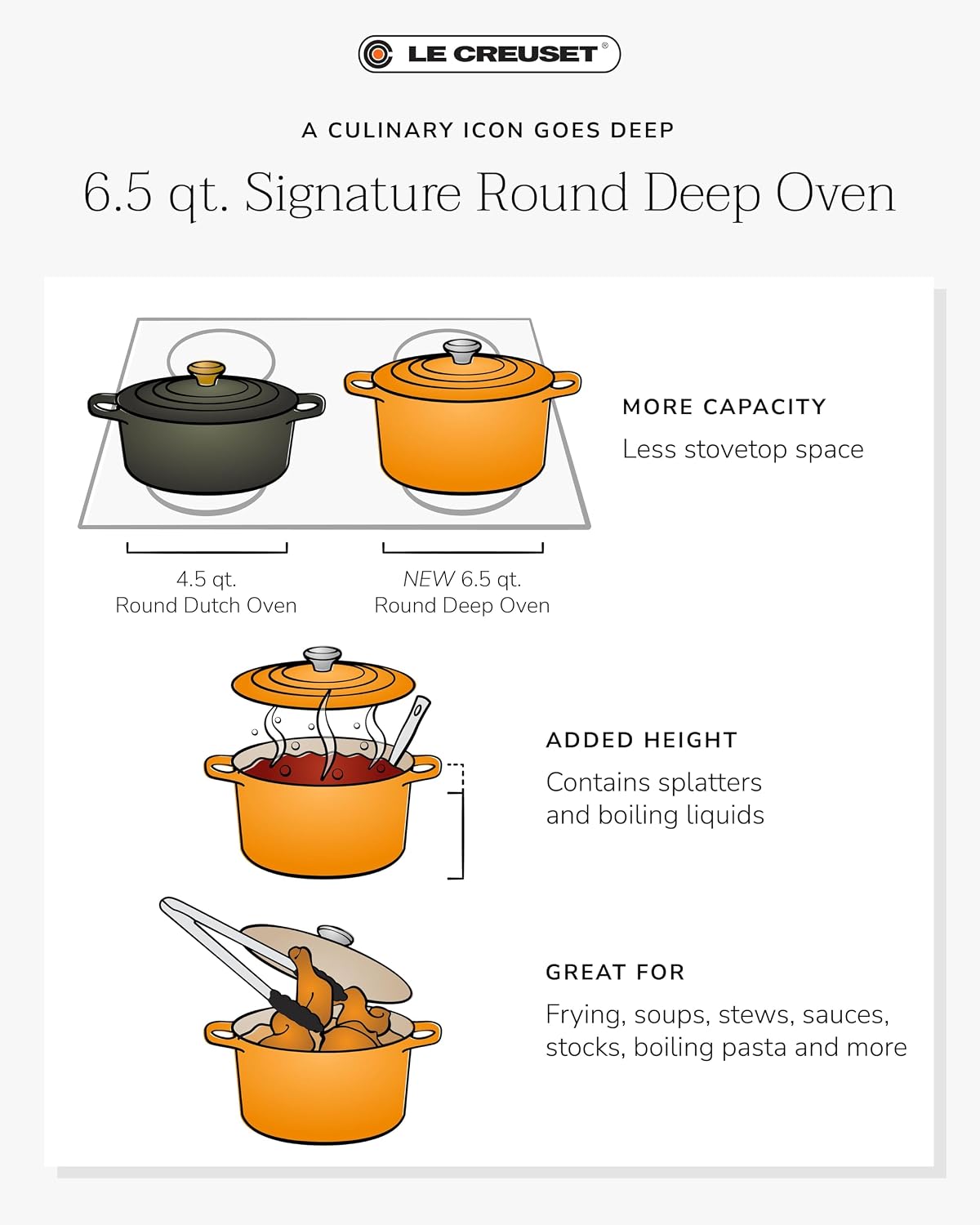
Next, consider size and capacity. The 6.5 quart size, like our featured Le Creuset model, is incredibly versatile. It’s big enough for family-sized stews, roasting a small chicken, or baking a substantial loaf of bread. Too small, and you’re making multiple batches. Too big, and it’s unwieldy, takes up too much stove space, and needs more liquid to cover food. For most households of 3-5 people, this capacity hits a sweet spot.
Then there’s heat distribution and retention. This is where cast iron, especially good quality enameled cast iron, truly excels. It heats up slowly but holds that heat incredibly well and distributes it evenly across the cooking surface. This translates to consistent browning, gentle simmering, and dishes that cook through without hot spots. Cheaper models might have thinner walls or less consistent casting, leading to some unevenness. You really notice it when trying to achieve a perfectly crusty sourdough.
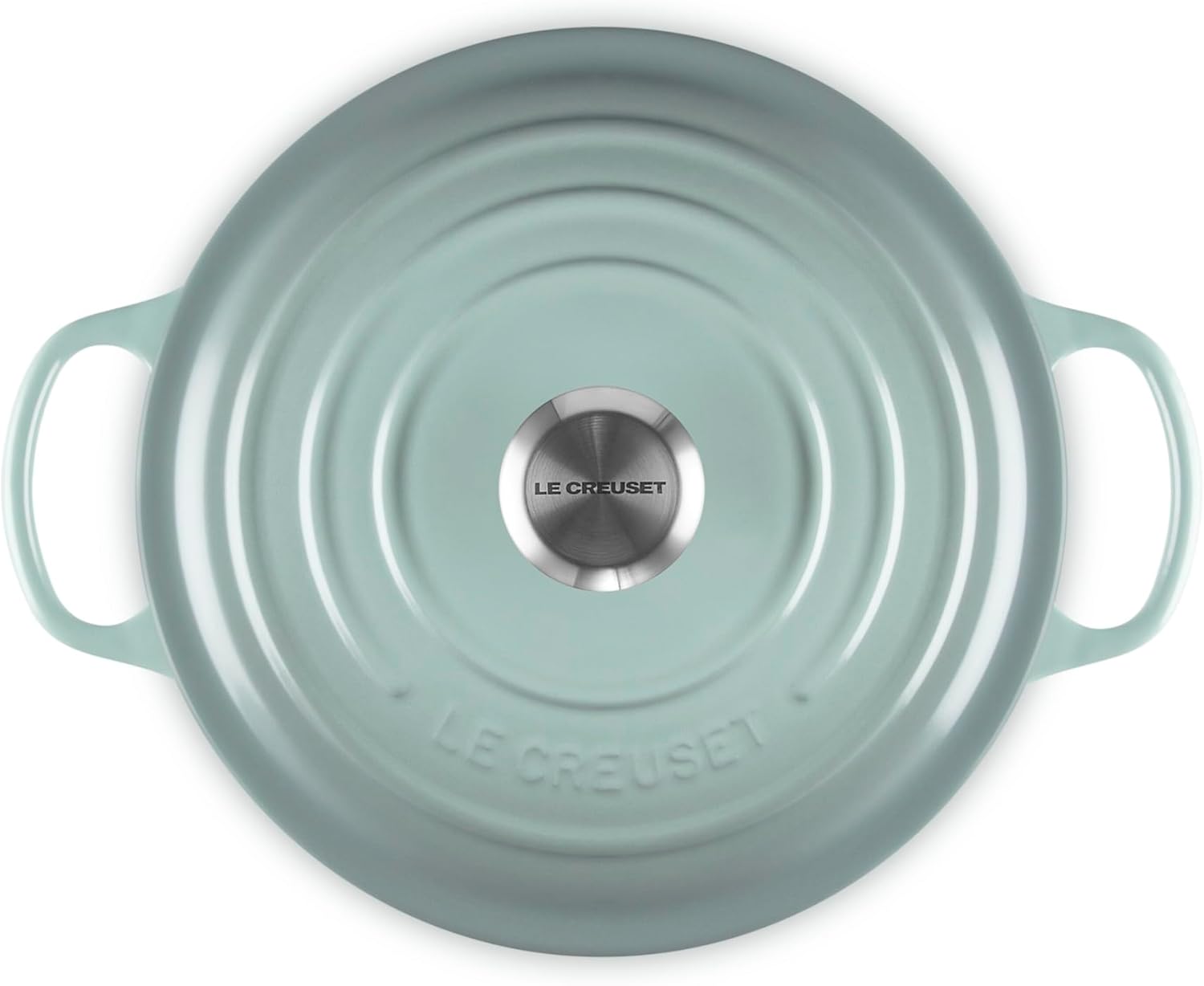
Lid fit is often overlooked, but it’s crucial for slow cooking. A tight-fitting lid minimizes moisture loss, trapping steam inside to self-baste food and keep things juicy. This is especially important for braises or roasts. The weight of a quality cast iron lid, designed to create a good seal, means less evaporation and more flavor concentrated in your dish. A flimsy lid? That’s just a soup pot, not a proper braiser.
Handle design and weight are also significant. A 6.5 qt. Dutch oven full of food is heavy. Seriously heavy. You want wide, sturdy handles that you can grip comfortably, even with oven mitts. Some handles are too small, making it awkward and potentially dangerous to move from stove to oven or to the table. And yes, the sheer weight can be a drawback for some users, making washing up or simply lifting it a bit of a workout. Don’t underestimate this.
Finally, think about aesthetics and durability. For many, a Le Creuset isn’t just cookware; it’s a statement piece, an heirloom. The “Sea Salt” color is beautiful, no doubt. These pots are built to last generations, assuming proper care. Cheaper alternatives might perform okay for a few years, but their enamel might stain, chip, or crack faster. Paying more often gets you better enamel formulation and overall construction. But is that worth double or triple the price of a mid-range option? That’s the million-dollar question.
How to Match the Product to Your Situation
Finding the right Dutch oven isn’t a one-size-fits-all deal. Your cooking habits and lifestyle play a huge role. Let’s break down a few common scenarios.
The Avid Home Chef (Persona 1): You cook several times a week, often experimenting with new recipes, and you truly appreciate quality tools that perform consistently. You regularly make stews, roasts, sourdough bread, and possibly even jams. You see cooking as a creative outlet and an investment in your home. For you, the Le Creuset Enameled Cast Iron Signature Deep Round Oven, 6.5 qt., Sea Salt, is likely an excellent fit. The consistent even heating and heat retention will elevate your results, especially with delicate braises or tricky bakes. You’ll use it often enough to justify the premium, and you’ll love having a piece that looks as good on your stovetop as it performs. Plus, the durability means it’ll be part of your kitchen for decades.
The Practical Family Cook (Persona 2): You cook daily for your family, leaning towards tried-and-true recipes that feed hungry mouths efficiently. Durability is important, but you’re also budget-conscious. You need something reliable, easy to clean, and large enough for family meals, but perhaps you don’t need the absolute top-tier brand name. A mid-range enameled cast iron Dutch oven would probably serve you better. You’d get many of the core benefits – good heat retention, decent enamel – without the sticker shock. While the Le Creuset is a dream, a slightly less expensive, well-regarded brand might make more financial sense, freeing up funds for other kitchen essentials or groceries.
The Occasional Entertainer / Beginner (Persona 3): Maybe you cook a big pot of chili once a month, or you’re just starting to explore braising and stewing. You’re not ready to commit to a major investment, but you want something functional. For this user, a budget-friendly Dutch oven makes the most sense. You can get a perfectly serviceable pot that will handle your occasional needs without breaking the bank. It won’t have the same fit and finish or quite the same enamel longevity as a Le Creuset, but it will allow you to explore the benefits of enameled cast iron without overspending. If you find yourself using it constantly, then you can consider an upgrade. There’s no shame in starting small.
Comparison of Dutch Oven Tiers
Here’s a quick breakdown of the different Dutch oven types you’ll encounter, weighing their benefits and drawbacks.
| Type/Tier | Best For | Price Tier | Key Feature | Watch-Out |
|---|---|---|---|---|
| Budget-Friendly | Beginners, occasional use, specific recipes | Economical | Low entry cost, basic functionality | Enamel prone to chipping/staining, less even heating, can be lighter weight |
| Mid-Range | Regular family meals, exploring new techniques | Mid-tier | Good balance of performance and value, decent durability | Enamel not as robust as premium, minor hot spots possible, fewer color options |
| Premium (e.g., Le Creuset) | Avid cooks, daily use, heirloom quality, gifting | High-end | Exceptional heat retention, robust enamel, iconic design, extreme durability | Significant investment, very heavy, can chip if mishandled |
Budget-Friendly Dutch ovens are your gateway drug to slow cooking. They let you try out the technique without much commitment. However, don’t expect them to last for decades without showing some wear, and you might find the cooking isn’t quite as uniform.
Mid-Range Dutch ovens represent a sweet spot for many, delivering solid performance for braising and stewing without the premium price tag. You’ll get more consistent results than budget options, and they’ll stand up to regular use for a good while, but they’re not quite the multi-generational piece the top brands offer.
The Premium Dutch ovens, like the Le Creuset Enameled Cast Iron Signature Deep Round Oven, 6.5 qt., Sea Salt, are built like tanks and perform beautifully. Their heavy-duty construction and superior enamel mean they hold up to heavy use and look good doing it. Still, the upfront cost is a hurdle, and their weight demands respect when moving them around a busy kitchen.
Scenario-Specific Considerations for Your Dutch Oven
Cooking Frequency:
If you’re someone who practically lives in their kitchen, whipping up hearty meals, artisan breads, and slow-cooked delights multiple times a week, a premium Dutch oven like the Le Creuset 6.5 qt. Signature Deep Round Oven starts to make a lot more sense. Its superior heat retention and robust construction will genuinely improve your cooking results and stand up to the constant demands. You’re getting value from its consistent performance and incredible durability day in and day out. But if it’s destined to gather dust most of the time? Well, that’s just a really expensive countertop ornament, isn’t it?
Kitchen Space and Storage:
A Dutch oven is a substantial piece of cookware. The 6.5-quart size is big. Really big. This isn’t something you can easily tuck away in a small cupboard. If your kitchen is cramped, you need to factor in where this pot will live. Many proud owners of the Le Creuset Enameled Cast Iron Signature Deep Round Oven, 6.5 qt., Sea Salt, display it on their stovetop because, frankly, it’s beautiful and too heavy to constantly move. But if you lack counter space, or prefer a minimalist aesthetic, its sheer bulk might become a nuisance rather than a feature. Think about it: will it fit in your oven without taking up too much room for other dishes?
Cleaning and Maintenance Style:
Enameled cast iron is easier to clean than bare cast iron, but it’s not entirely hands-off. The enamel, while durable, can be damaged by abrasive scrubbers or harsh detergents. While the Le Creuset enamel is famously tough, it still benefits from gentle care. If you’re the type who throws everything in the dishwasher without a second thought, you might be setting yourself up for disappointment with any enameled cast iron, let alone a premium one. These pieces prefer a soft sponge and warm soapy water. Is that something you’re willing to commit to? Or do you need something that can truly take a beating in the dishwasher?
Common Mistakes Buyers Make
People make a few common blunders when diving into the Dutch oven world, and honestly, they’re pretty avoidable.
One big mistake? Going too small. Folks often underestimate how much volume they actually need for a decent batch of chili or a family roast. A 3-quart pot seems cute, but it’s often barely enough for two people, let alone leftovers. That 6.5 qt. like the Le Creuset? It sounds big, but it’s often just right for most general cooking. You can always cook less food in a larger pot, but you can’t cook more food in a smaller one.
Another common pitfall involves heat management. Many new users blast their Dutch oven with high heat right away. This is a recipe for disaster. Cast iron heats slowly, yes, but it retains heat extremely well. High heat can scorch food, damage the enamel over time, and isn’t necessary for the kind of low-and-slow cooking these pots are designed for. Start lower, be patient, and let the pot do its work.
And here’s a big one: ignoring proper care instructions. People treat enameled cast iron like stainless steel, using metal utensils that scratch the enamel, or putting hot pots directly into cold water, which can cause thermal shock and crack the enamel. The Le Creuset Enameled Cast Iron Signature Deep Round Oven is tough, but it’s not invincible. Using wood or silicone utensils, handwashing, and letting the pot cool down before cleaning will drastically extend its life. You wouldn’t put premium car tires through a mud pit every day and expect them to last, would you?
Why/How/What Mini-Section
Why are Dutch ovens so popular for sourdough bread?
The enclosed, heavy environment of a Dutch oven creates the perfect steamy conditions that sourdough needs to develop a thick, crispy crust and a good “oven spring.” It mimics a professional baker’s steam injection oven right in your home oven. The cast iron’s ability to maintain high, consistent heat is also crucial for even baking.
How do you choose between a deep round oven like the Le Creuset 6.5 qt. and a more shallow, oval one?
A deep round oven, like the one we’re discussing, is incredibly versatile for anything from soups and stews to baking bread and deep-frying. Oval Dutch ovens are often preferred for longer cuts of meat, such as a whole chicken or a large roast, which might not fit as well in a round pot. For general cooking, a round shape is usually more practical.
What makes the Le Creuset 6.5 qt. Signature Deep Round Oven stand out from other premium brands, like Staub?
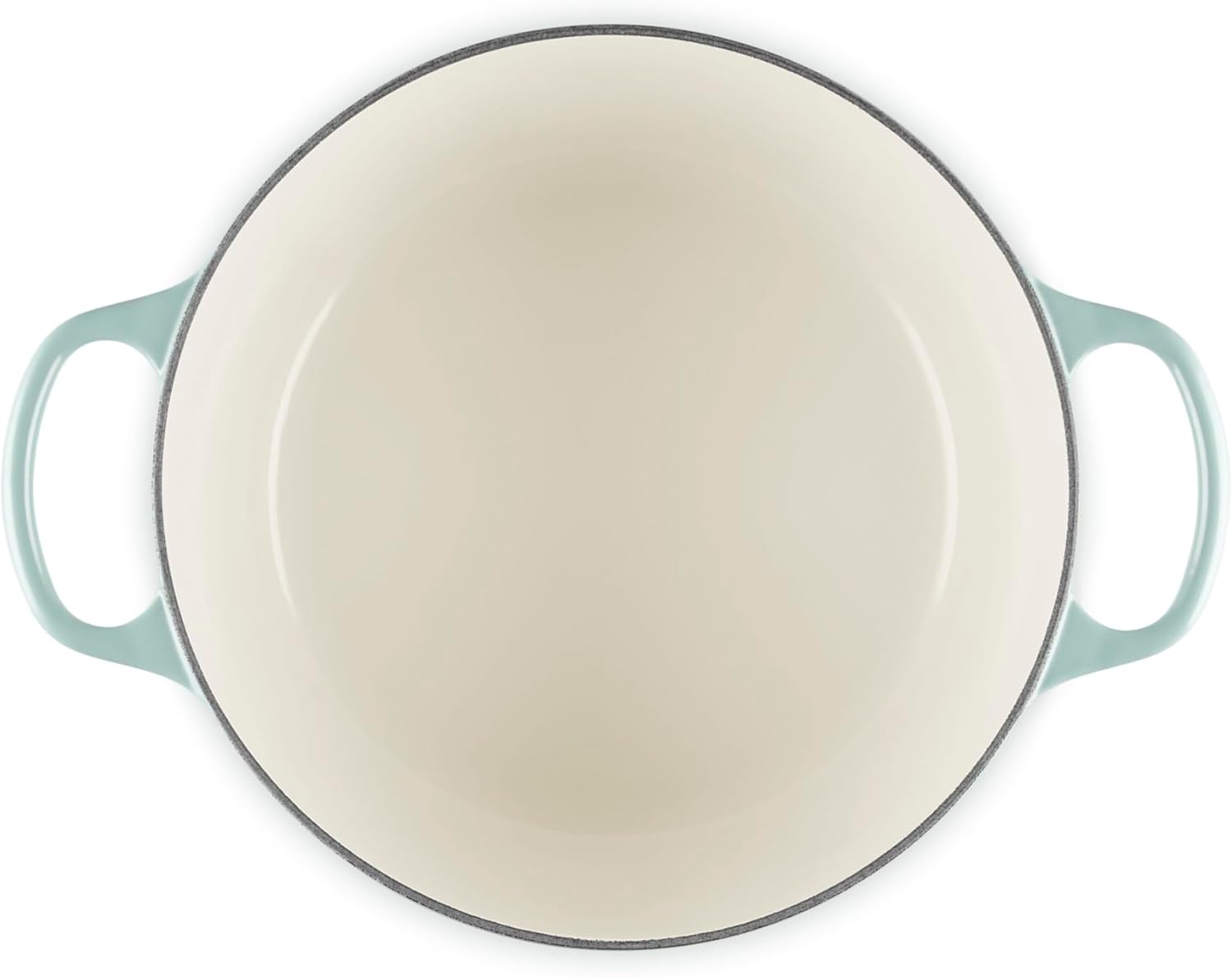
While both Le Creuset and Staub are top-tier, the Le Creuset often features a lighter-colored interior enamel, making it easier to monitor browning and prevent scorching. Staub typically has a black matte enamel interior which some find better for searing due to slightly different heat distribution characteristics, but it can be harder to see fond development. The lid design is also slightly different; Le Creuset has a flatter lid while Staub’s often features self-basting spikes.
FAQ
Is the Le Creuset 6.5 qt. Signature Deep Round Oven really worth the extra cost over a less expensive brand?
For passionate home cooks who prioritize durability, superior heat retention, and consistent results, yes, it often is. Its robust enamel and construction offer decades of reliable performance, making it an investment that pays off over time. For casual use, a budget or mid-range option might be more suitable.
Can I bake bread, especially sourdough bread, in this Dutch oven?
Absolutely. The Le Creuset 6.5 qt. Signature Deep Round Oven is a fantastic vessel for baking bread, providing the necessary high, even heat and steam retention that helps loaves develop a perfect crust and rise. Many bakers consider it their go-to tool.
What kind of recipes are best suited for a 6.5 qt. Dutch oven?
This size is incredibly versatile. It’s ideal for braising meats, slow-cooking stews, making large batches of soup, roasting whole chickens or smaller cuts of meat, and yes, baking that artisanal sourdough bread. It can comfortably serve 4-6 people.
How do I care for my Le Creuset Enameled Cast Iron Dutch Oven to make it last?
Always handwash with warm soapy water and a soft sponge. Avoid abrasive cleaners or metal scouring pads, which can scratch the enamel. Let the pot cool completely before washing, and use wooden or silicone utensils to protect the interior.
Is the Sea Salt color purely aesthetic, or does it have any functional difference?
The “Sea Salt” color, like all the vibrant hues Le Creuset offers, is purely an aesthetic choice. It lets you personalize your kitchen with a pop of color, but it doesn’t impact the cooking performance of the enameled cast iron itself.
Can I use this Dutch oven on an induction stovetop?
Yes, Le Creuset Enameled Cast Iron Dutch ovens are compatible with all stovetop types, including induction, gas, electric, and ceramic hobs. Their cast iron core ensures efficient heating on induction surfaces.
What’s the maximum temperature I can use the Le Creuset 6.5 qt. Dutch Oven in the oven?
Le Creuset recommends oven temperatures up to 500°F (260°C) for their enameled cast iron, including the lid. This covers virtually all home baking and roasting needs.
Final Recommendation
So, should you pull the trigger on that Le Creuset Enameled Cast Iron Signature Deep Round Oven, 6.5 qt., Sea Salt? Look, if you’re a dedicated cook who spends a fair bit of time in the kitchen, values tools that perform consistently, and wants something truly durable that could outlast you, then this specific Dutch oven is genuinely worth considering. Its even heating, robust enameled cast iron construction, and the sheer joy of using such a well-crafted piece will elevate your cooking. It’s an investment, absolutely, but one that pays dividends in culinary results and longevity.
However, if your cooking habits are more occasional, or you’re just dipping your toes into the world of braising and stewing, then a mid-range or even budget-friendly enameled cast iron Dutch oven will serve you well without the significant upfront cost. Start there. See if you fall in love with the process. If you find yourself reaching for it constantly, then you’ll know it’s time to consider the heirloom-quality piece. No need to overspend if you won’t use it to its full potential. Choose smart, cook well.
#Creuset #Enameled #Cast #Iron #Signature #Deep #Oven #Sea #Salt
Reviews
There are no reviews yet.