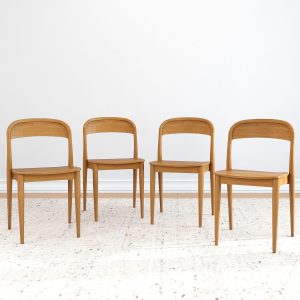
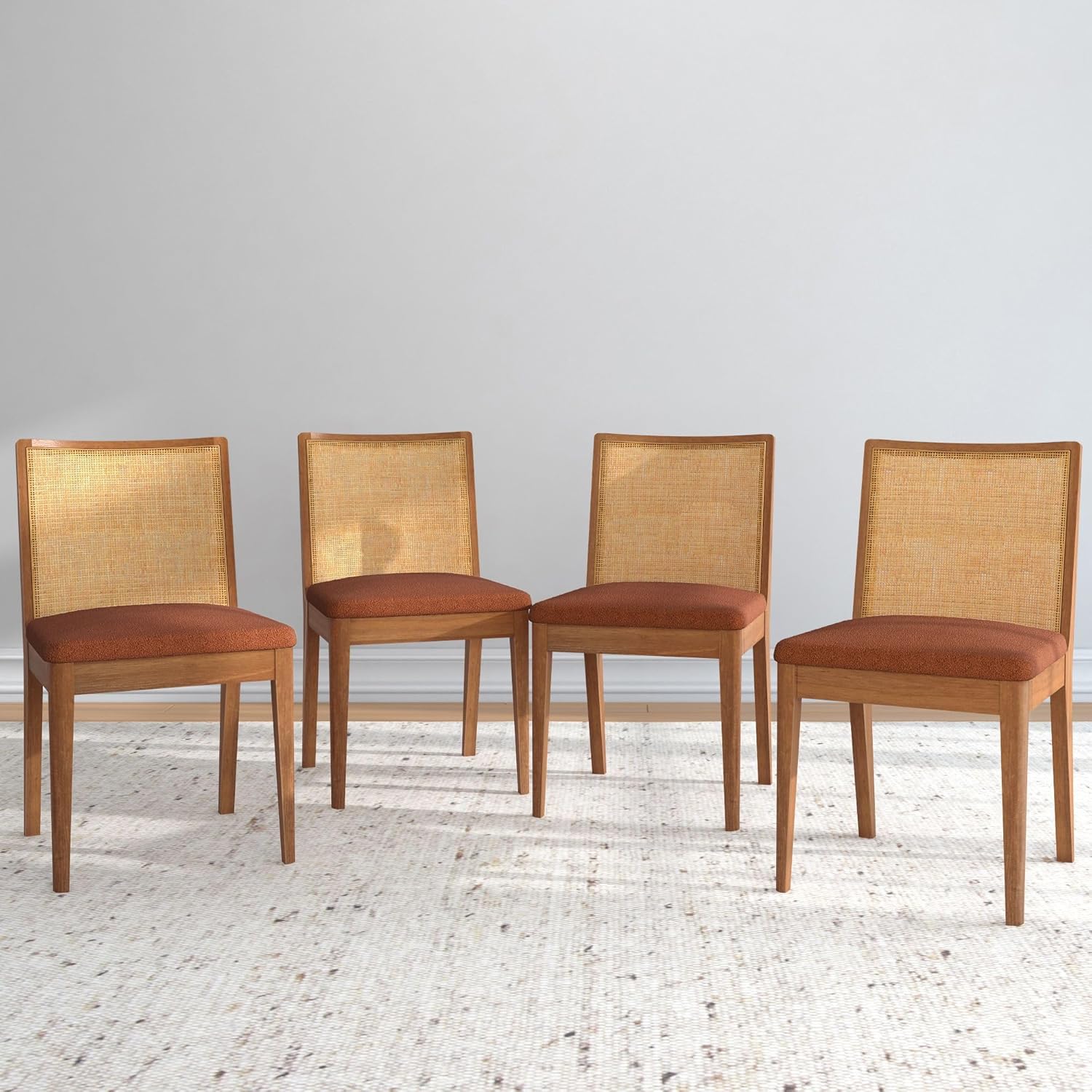
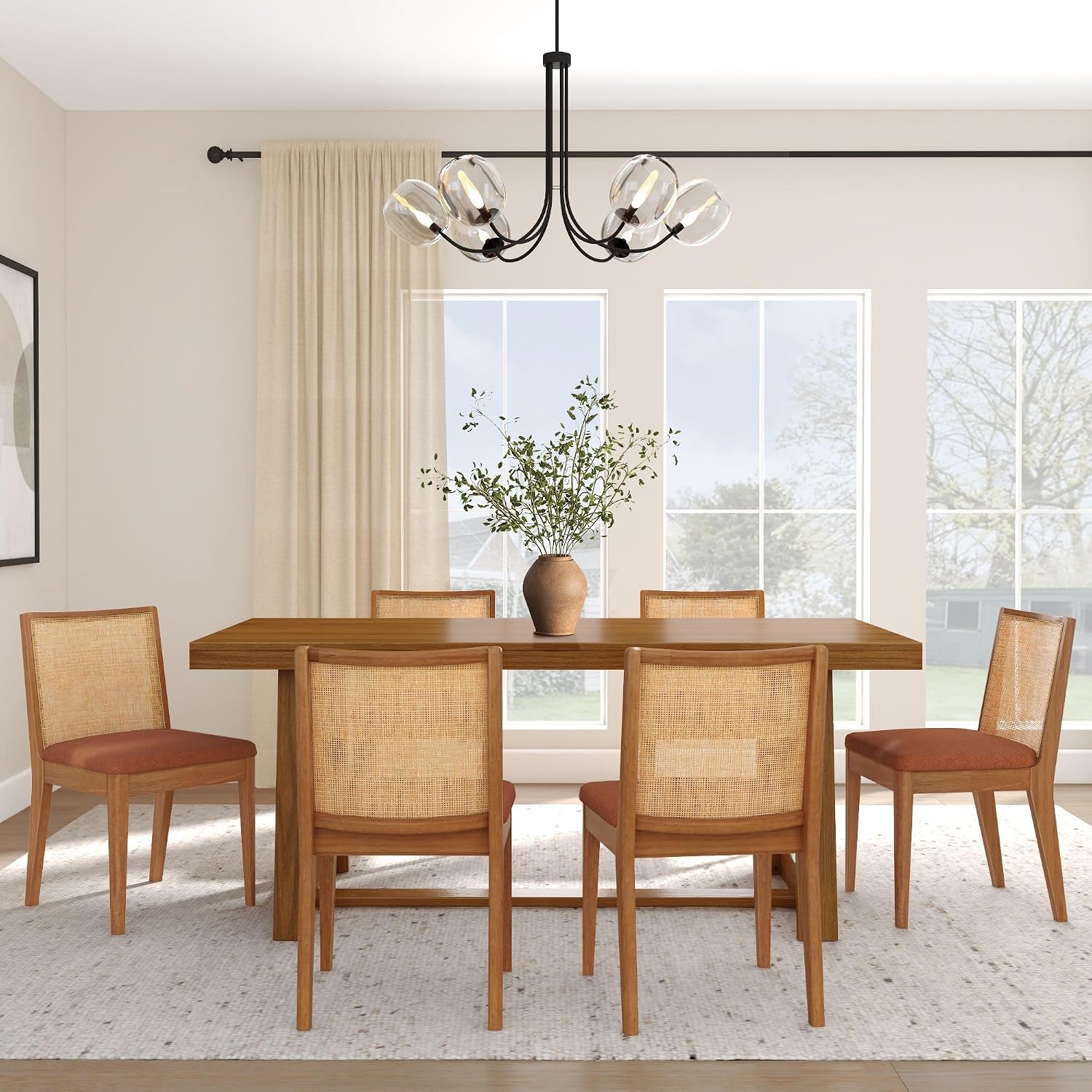
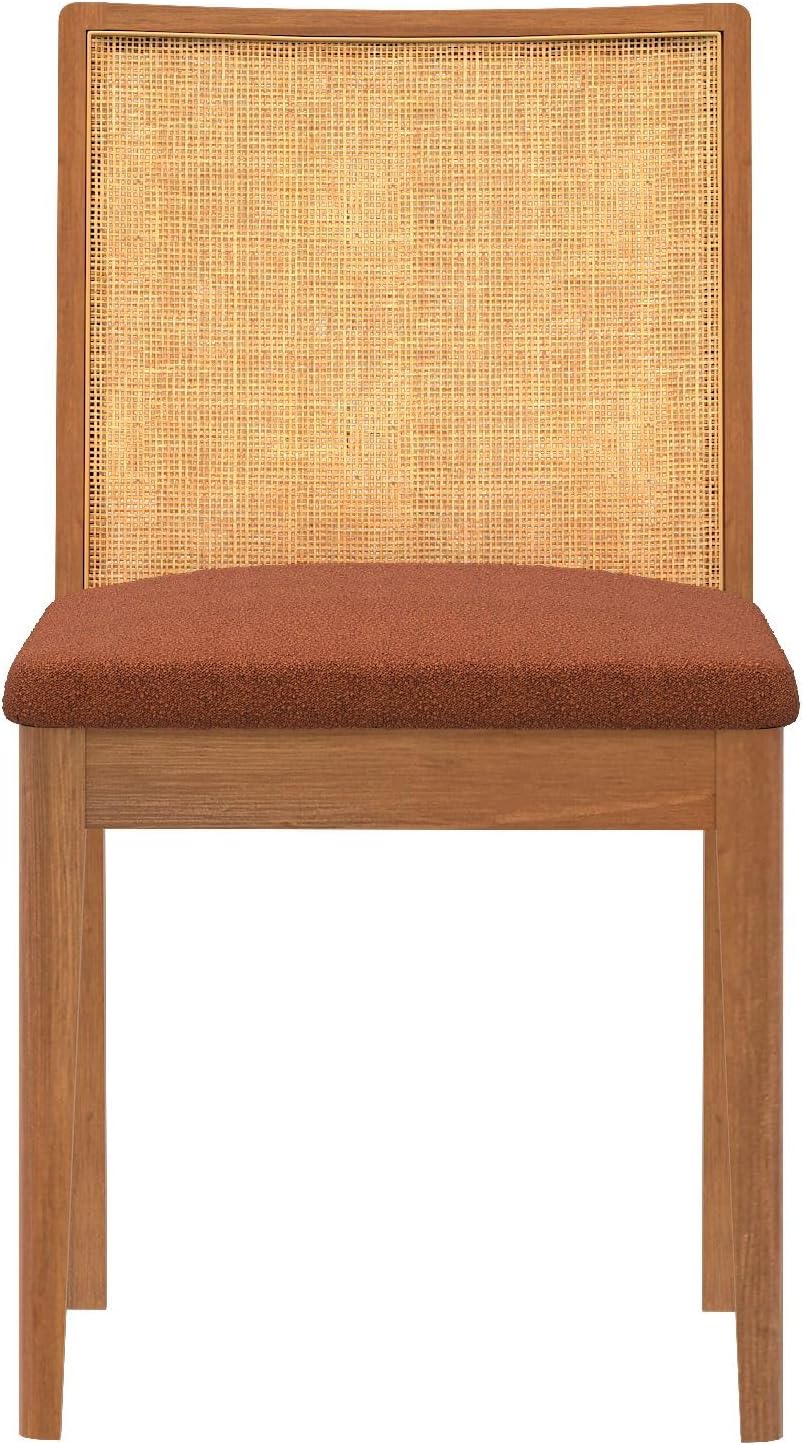

Your Dining Table’s New Best Friend? Sizing Up the Plank+Beam Elio Dining Chair
Let’s be honest: your dining table is more than just a place to eat. It’s the hub for family meetings, late-night chats, homework sessions, and those quick morning coffees. Picking the right chairs for it? That’s not just about aesthetics; it’s about making sure that space actually works for your life. This guide cuts through the fluff, helping you figure out if a set like the Plank+Beam Elio Upholstered Dining Chairs — the ones in Pecan/Terracotta with that engineered wood and “easy assembly” promise — really deserves a spot at your table. We’re talking practicality, comfort, and how they fit into your everyday.
Before You Buy: Practical Considerations for Your Dining Table Seating
Before you even start eyeing specific chair models, take a step back and really look at your dining table and the room it lives in. This isn’t just about what looks good; it’s about what fits and functions.
First off, measure your dining table’s dimensions. This sounds obvious, right? But you’d be surprised how many folks fall in love with a chair only to realize its arms bump the tabletop, or it’s too tall, or too wide to tuck neatly underneath. You need to know your table’s height from the floor to the underside of the apron (that’s the wooden skirt just below the tabletop). That gap dictates your chair’s armrest height, if it has them. Also, how much length does your table have? That tells you how many chairs can comfortably sidle up without feeling like a sardine can. For a set of four, like the Plank+Beam Elio, you’re usually thinking about a smaller to mid-sized table, often around 48 to 60 inches long. Don’t forget the depth, either, especially if you plan to push chairs in fully.
Next, consider your lifestyle. Really, think about it. Are you a single person who occasionally eats at the dining table, or do you have a bustling household with kids, pets, and frequent dinner parties? Upholstered chairs, even with “thoughtful details” like the Elio, might demand more gentle handling than, say, a solid wood or metal chair. Muddy shoes, spilled juice, cat claws — these are realities, not just hypothetical scenarios. If your table sees heavy, often messy, action, you’ll want chairs that can take a beating and clean up without a fuss. The terracotta upholstery on the Plank+Beam Elio? It looks great, but what’s the fabric content? Is it resilient or more decorative? That’s a crucial question for real-world use.
Finally, assess your existing decor and functional needs. Does your dining room lean modern, rustic, or something in between? The pecan finish and terracotta fabric on the Elio chairs suggest a warm, contemporary vibe. Will that clash with your grandmother’s antique sideboard? Sometimes a little contrast is good, but a full-on aesthetic war isn’t. And beyond looks, what do you do at your dining table? Is it primarily for meals, or does it double as a temporary office, craft station, or homework zone? The comfort and ergonomics of the chairs become far more critical if you’re sitting in them for extended periods beyond dinner. A comfortable seat might mean the difference between getting work done or constantly shifting to relieve pressure.
What to Look For: The Buying Criteria for Your Dining Table Chairs
Choosing dining chairs, especially for that central dining table, involves more than just picking a color you like. There are practicalities. Real-world considerations. Here’s what matters:
Construction & Materials: Durability for Daily Life
The core of any chair’s longevity lies in its build. The Plank+Beam Elio chairs boast engineered wood, often a smart choice for furniture these days. What does that really mean? It’s usually a composite material, like MDF or particleboard, but specifically manufactured to be stronger and more stable than raw wood, often with a wood veneer finish. This can resist warping or cracking better than solid wood in fluctuating humidity, which is a definite plus for furniture that sees regular use in various home environments. But here’s the rub: not all engineered wood is created equal. Some higher-density versions are incredibly sturdy, while cheaper variations can be prone to dings and moisture damage if not properly sealed. It’s a trade-off: you often get consistency and a lower price point compared to solid hardwood, but sometimes at the expense of that dense, “heirloom quality” feel. The frame’s joinery matters, too. Screws and glue? Or more robust mortise and tenon? Even “easy assembly” can sometimes hint at simpler joinery.
Comfort & Ergonomics: Sit Down, Stay Awhile
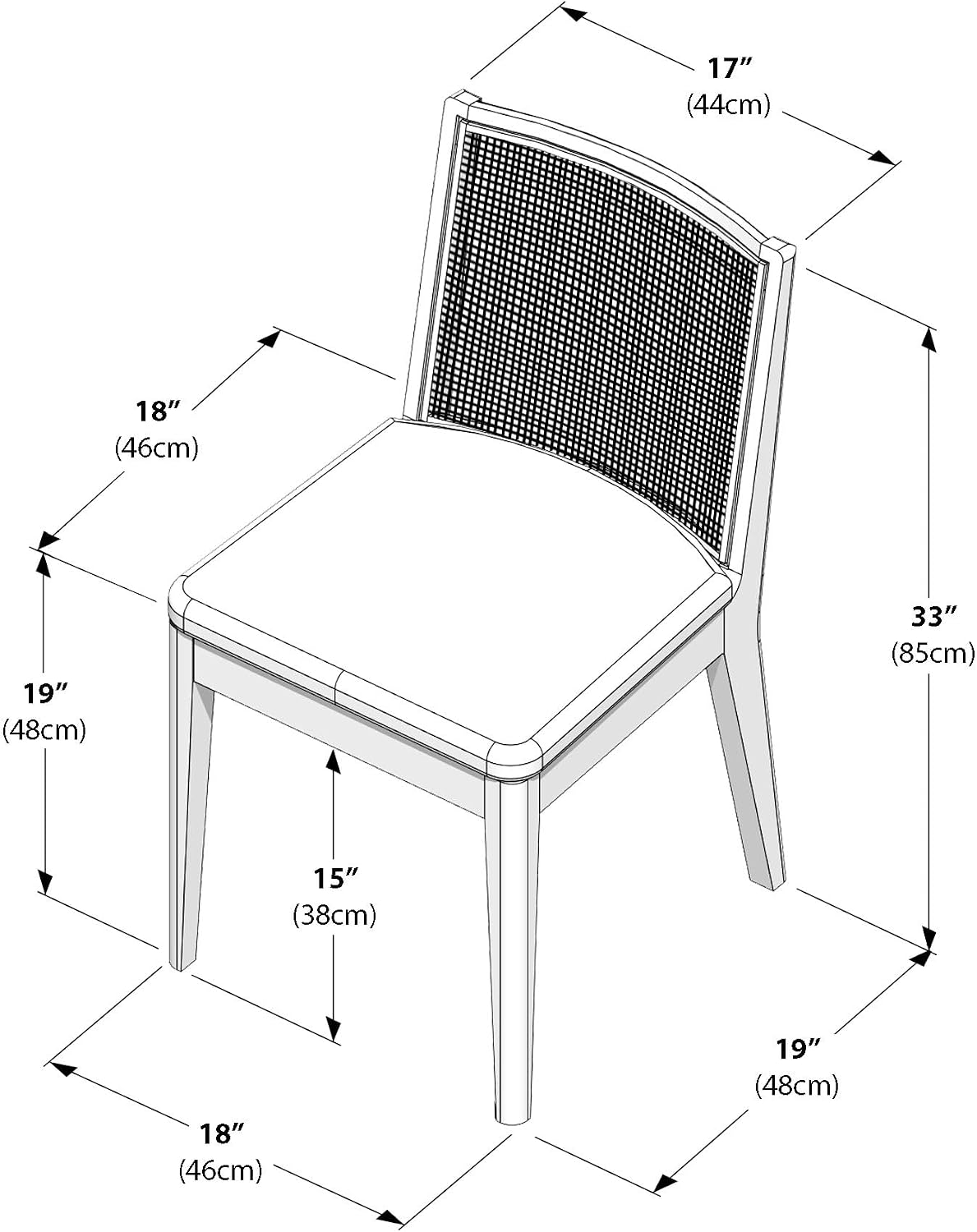
Nobody wants to squirm through dinner. Comfort is paramount, especially if your dining table sees more than just quick meals. For upholstered dining chairs like the Elio, the quality of the cushioning is a big deal. Is it a dense foam that will hold its shape for years, or something that flattens out after a few months? The seat depth is also crucial. Too shallow, and taller folks feel like they’re perched; too deep, and shorter people can’t lean back comfortably. The Elio’s dimensions would indicate a relatively standard seat depth, probably designed for general comfort. Then there’s back support. A slight curve can make a world of difference, cradling your lower back. Some chairs prioritize a sleek, minimalist aesthetic over ergonomic curves, which can look stunning but might become a literal pain during a long dinner party. It’s a classic tension: plush, sink-in comfort often means a bulkier design, while a slender profile might be less forgiving after an hour.
Style & Aesthetics: Setting the Table’s Tone
Your chairs are a major part of your dining table’s overall look. The Pecan finish on the Plank+Beam Elio chairs offers a warm, inviting tone that often pairs beautifully with a range of dining tables, from contemporary to even some transitional styles. And the Terracotta upholstery? It’s a bold, earthy choice that can inject personality into a space. This color isn’t a neutral beige, so you need to be sure it harmonizes with your existing wall colors, rugs, and any other prominent decor. A strong color choice like this is a commitment. It can absolutely tie a room together, giving your dining table a focal point, but it might also limit future decor changes more than a neutral fabric would. Consider if you’re looking for a trendy splash of color or something that will feel timeless for years to come.
Durability & Maintenance: Living with Your Choice
Let’s talk about living with these chairs. Upholstery lifespan is a real concern. Fabric can wear, pill, or stain. A quality upholstery, even if it’s not a natural fiber, will be tightly woven and resistant to abrasion. For the Pecan/Terracotta Elio chairs, understanding the fabric blend is key. Is it a synthetic blend that’s surprisingly stain-resistant, or something softer but more delicate? Spills happen at the dining table. Knowing how to clean the fabric without damaging it is essential. Are they spot-clean only? Do they require professional cleaning? This is a trade-off: luxurious fabrics often feel incredible but are harder to maintain, while some practical synthetics can be surprisingly resilient but might lack that certain tactile elegance. Keep in mind that a chair designed for “easy assembly” might also have components that are less forgiving over time if subjected to rigorous stress.
Assembly & Setup: The “Easy” Factor
The phrase “Easy Assembly” is always music to a shopper’s ears, especially when buying a set of four chairs. It generally means minimal tools are required, and the instructions are straightforward. For chairs like the Plank+Beam Elio, you’re likely looking at attaching legs to the seat and backrest frame. While this is convenient and can save on shipping costs (hello, flat-pack!), it’s worth asking how robust those connections will be over months and years of use. Will they stay tight? Or will you need to periodically re-tighten screws to prevent wobbling? Sometimes that convenience of flat-pack furniture translates into a little more ongoing maintenance. It’s the classic compromise: you save upfront on cost and hassle, but perhaps gain a bit of upkeep.
Scale & Fit with Your Dining Table: Making Space Work
This is where the rubber meets the road. A “set of 4” immediately tells you these are for smaller dining tables or as supplemental seating. Before you commit, pull out that tape measure again. Ensure there’s adequate space between chairs when they’re pushed in. You want at least 6 inches of space between each chair when someone is seated to prevent elbow bumping. Consider the height of the chair back relative to your table. Does it complement or overwhelm? And what about legroom? If the chairs have substantial aprons or stretchers (crossbars between legs), make sure they won’t interfere with comfortable seating at your dining table. A big, comfy chair might look inviting, but if it eats up all your legroom or makes your dining area feel cramped, it’s not actually doing you any favors.
How to Match Your Dining Table Chairs to Your Situation
Your chairs, alongside your dining table, define a major functional zone in your home. Matching them to your specific needs isn’t just smart; it’s essential for daily happiness.
The Busy Family: Prioritizing Resilience and Easy Care
If your dining table is ground zero for spilled milk, sticky fingers, and frantic homework sessions, you need chairs that can genuinely take a beating. For families, the Plank+Beam Elio chairs, with their engineered wood construction, offer a certain robustness against daily wear compared to delicate solid wood that might dent easily. But that terracotta upholstery? You’ll want to seriously consider how stain-resistant that fabric is. If it’s not specifically treated, you might be scrubbing frequently. Look, kids are messy. A family often needs chairs that are super stable — no wobbly legs – and easy to wipe down. Comfort is still key, of course, for those long family meals, but durability and simple cleaning jump to the top of the list. You want to spend time with your family, not constantly cleaning up after them.
The Entertainer: Balancing Style with Sustained Comfort
Do you love hosting? For the social butterfly, your dining table and its chairs are a stage. You want them to look impressive, reflecting your personal style, but also to keep guests comfortably seated for hours of conversation and good food. The Elio chairs’ “thoughtful details” and distinct Pecan/Terracotta aesthetic could absolutely fit the bill, adding a touch of contemporary flair. The key here is sustained comfort. Is the cushioning supportive enough for a leisurely three-course meal? Will the backrest remain pleasant even after two hours? An entertainer needs chairs that encourage lingering, not fidgeting. While style is important, don’t let it completely overshadow the practical need for chairs that feel as good as they look. Nobody remembers the food if their backside hurts.
The Budget-Conscious Decorator: Value, Aesthetics, and Manageable Setup
You appreciate good design and a cohesive look for your dining room, but you’re also savvy about your spending. For you, the Plank+Beam Elio set of four represents a compelling value proposition, especially with its “easy assembly” feature which can significantly reduce costs. You’re looking for that sweet spot where attractive design meets an accessible price point, without compromising too much on quality. The engineered wood and upholstered finish give a premium look without the premium price tag of solid hardwood or designer fabrics. The trade-off might be slightly less robust construction than high-end options, or a fabric that requires a bit more care. But if you’re willing to spend a little time on assembly and mindful maintenance, these chairs can provide a stylish upgrade to your dining table without breaking the bank. It’s about getting the most bang for your buck in terms of visual appeal and basic functionality.
Comparing Dining Chair Types/Tiers
When furnishing your dining table, you’ll encounter a few distinct categories of chairs, each with its own perks and pitfalls.
| Type/Tier | Best For | Price Tier | Key Feature | Watch-Out |
|---|---|---|---|---|
| Basic Utility Chairs | High-traffic, casual kitchens, rental units | Budget-friendly | Stackable, easy to clean, highly durable | Often lack comfort, can feel institutional, limited aesthetic appeal |
| Mid-Range Upholstered | Everyday comfort, family dining, stylish homes | Mid-range | Balanced comfort and style, diverse materials | Upholstery can stain, assembly might be required, longevity varies by construction |
| Premium Solid Wood/Designer | Formal dining rooms, heirloom quality, statement | Premium | Exceptional craftsmanship, superior materials | Significantly higher cost, often heavier, can be very specific in design |
Basic utility chairs are your workhorses – think molded plastic or simple metal frames. They shrug off spills, are easy to move, but they won’t win awards for comfort or sophisticated style. They’re fine for a quick meal at a casual kitchen table.
Then you have mid-range upholstered options, like the Plank+Beam Elio. These are where most people find their sweet spot, offering a noticeable step up in comfort and aesthetic appeal. You get cushions, often in interesting fabrics, and more considered designs, all without soaring into the stratosphere price-wise. But, yes, that fabric can be a magnet for spills, and you’ll often be doing some assembly yourself.
Finally, premium solid wood or designer chairs are an investment. These are often handcrafted, use high-grade materials like solid oak or walnut, and feature intricate joinery. They’re built to last for generations and often become a focal point for your dining table. The big downside? The price tag. And they’re usually heavier, so not ideal if you’re constantly reconfiguring your dining area.
Scenario-Specific Seating Solutions
Different dining table situations demand different chair considerations. There’s no one-size-fits-all solution.
Small Space Dining:
When your dining area is cozy, every inch counts. You can’t afford bulky chairs that make the room feel cramped or block pathways. For a smaller dining table, you’ll want chairs with a slender profile, minimal armrests (or no armrests at all), and perhaps a design that allows them to tuck fully under the table when not in use. The Plank+Beam Elio chairs, with their relatively compact footprint and armless design, are actually a decent contender here. They won’t overwhelm a tighter space the way some larger, more plush dining chairs might. But always double-check those dimensions against your table and available floor space. Nobody wants to feel boxed in.
High-Traffic Households:
Your dining table gets used. A lot. Maybe it’s not just for meals, but also for homework, crafting, and even as a temporary remote office. For such a high-traffic environment, you need chairs that prioritize resilience above all else. Solid construction, durable finishes, and easily cleanable upholstery are paramount. While the Elio chairs’ engineered wood offers stability, the terracotta upholstery might give some pause for households with young kids or pets unless the fabric proves to be remarkably stain-resistant. You want chairs that can withstand daily pushes, pulls, and the occasional bump against the wall. Think about chair legs, too. Are they prone to scuffs? Because in a busy home, they will get scuffed.
Formal vs. Casual Dining:
The vibe around your dining table matters. Is this a space primarily reserved for special occasions and dinner parties, or is it a relaxed, everyday spot? For a more formal dining setting, aesthetic appeal and a certain sophistication are key. Here, the “thoughtful details” and unique color of the Plank+Beam Elio chairs could really shine, elevating the dining experience. They provide a comfortable, inviting look that encourages guests to linger. In a casual dining scenario, however, the emphasis shifts slightly towards robustness and sheer practicality. While style is still important, ease of cleaning and everyday durability might take precedence over a delicate aesthetic. The Elio chairs hit a nice balance, capable of working in either, depending on how heavily they’re used and how much maintenance you’re willing to put in. They’re versatile, which, let’s face it, is a pretty appealing trait.
Common Mistakes When Buying Dining Chairs
Even seasoned shoppers can trip up when buying new chairs for their dining table. Avoid these common pitfalls:
- Ignoring Table Height and Chair Dimensions: This is probably the biggest offender. People fall for a chair’s looks but forget to measure their dining table’s apron height or the chair’s seat height. You need a good 10-12 inches between the top of the chair seat and the top of the table for comfortable dining. Armrests? Make absolutely sure they can tuck under the table. Otherwise, you’re left with chairs that perpetually stick out, or worse, scratch your table’s apron. It’s just an annoying scenario.
- Underestimating Assembly Time or Difficulty: “Easy assembly” is a claim, not a guarantee. While the Plank+Beam Elio chairs are likely designed for straightforward setup, assembling four chairs can still take a couple of hours and require careful attention. Don’t plan a dinner party for the same night your chairs arrive. And if you’re not handy, or just plain hate assembly, factor in the mental cost (or actual cost, if you pay for assembly services) before you commit to flat-pack furniture.
- Prioritizing Looks Over Comfort and Durability: We’ve all done it. Bought that gorgeous, sculptural chair only to realize it’s a torture device after 20 minutes. Or a beautiful fabric that stains if you so much as look at it with a glass of water. Especially for your primary dining table, where people will spend significant time, comfort and material resilience need to be high on your list. A chair should support, not punish. And if it’s going to see daily use, it needs to be built to last.
- Forgetting About Maintenance and Cleaning: Those lovely upholstered chairs, like the Plank+Beam Elio in terracotta, will need attention. How will you clean spills? Is the fabric prone to fading in sunlight? What about pet hair? Think about the care aspect before the purchase. Some chairs, while stunning, are just not practical for real-life spills and daily grime, especially in a busy dining room.
Your Dining Table Seating Questions, Answered
Why choose upholstered chairs for your dining table?
Upholstered chairs, like the Plank+Beam Elio, offer a significant boost in comfort compared to plain wood or metal chairs. The cushioning makes longer meals or conversations much more pleasant. They also bring a softness and texture to your dining room, which can make the space feel more inviting and less stark, adding a touch of warmth that hard surfaces just can’t replicate.
How important is chair material for everyday use?
Critically important, actually. The material dictates how well the chair stands up to daily wear, how easy it is to clean, and its overall lifespan. For instance, a durable, tightly woven fabric will resist snags and spills better than a delicate linen. Solid wood offers longevity but can dent; engineered wood, like in the Elio chairs, provides stability and warp resistance, but its outer veneer still needs protection from heavy impacts.
What does “engineered wood” mean for dining chair longevity?
Generally, engineered wood implies good stability against temperature and humidity changes, which means less warping or cracking than solid wood in some environments. It’s often used for consistent strength and a smoother finish. For chairs, this can mean a reliable frame, but the type of engineered wood and the quality of its finish will ultimately determine how well it resists dings and scratches over many years of pulling up to the dining table. It’s a solid, practical choice, often for a more accessible price point.
FAQ
Are dining chairs sold individually or in sets?
It varies widely! Many budget-friendly or mid-range options, like the Plank+Beam Elio, are sold in sets—often 2 or 4 chairs together. Premium or designer chairs are more frequently sold individually, allowing you to mix and match or customize quantities.
How do I clean terracotta upholstery?
The specific cleaning method depends entirely on the fabric blend. Generally, for upholstered dining chairs, you’ll need to spot-clean spills immediately with a mild detergent and a damp cloth, blotting, not rubbing. Check for care tags or the manufacturer’s specific recommendations to avoid damaging the distinctive terracotta color.
Can these chairs really fit any dining table?
Not truly any table, no. While the Plank+Beam Elio chairs are versatile, their dimensions (seat height, armless design) will dictate how well they pair with your specific dining table. Always measure your table’s height, especially the apron, to ensure adequate legroom and that the chairs tuck in properly.
What’s the real difference with engineered wood in chairs?
Engineered wood typically offers consistent strength and stability, often resisting warping better than solid wood in changing climates. It’s usually more cost-effective. The main difference in daily use is often less about strength and more about the surface finish and resistance to deep dents or scratches compared to dense, solid hardwood.
Is “easy assembly” always true for furniture?
“Easy assembly” usually means the process is designed to be straightforward with common tools (sometimes included). For chairs, it typically involves attaching legs and backrests. While often manageable for one person, it can still take some time, and you’ll want to ensure all bolts are tightened properly for stability.
How many chairs do I need for my dining table?
A good rule of thumb is to allow about 24-30 inches of table length per person for comfortable seating. So, a typical 60-inch dining table comfortably seats two on each long side, plus perhaps one at each end, totaling six. A 48-inch table is more suitable for four chairs, perfectly matching a set like the Elio.
Should my dining chairs match my dining table exactly?
Absolutely not! Matching can feel a bit too coordinated, almost like a showroom. Often, contrasting your chairs with your dining table – perhaps a lighter chair with a darker table, or a pop of color like terracotta against a neutral wood – creates a more dynamic and interesting dining space. It’s about harmony, not identical replication.
Final Recommendation
If you’re seeking a balance of style, comfort, and practical features for your dining table without venturing into premium price territory, the Plank+Beam Elio Upholstered Dining Chair set offers a compelling solution. These chairs, with their engineered wood construction and striking Pecan/Terracotta aesthetic, are particularly well-suited for mid-sized dining tables in homes that prioritize a warm, contemporary look. They’re a solid choice for the busy family looking for reasonable durability and comfort for everyday meals, or for the entertainer who wants inviting seating that still looks sharp.
The “easy assembly” promise and sale in a set of four makes them a convenient, value-conscious option for those furnishing a new dining space or refreshing an existing one. Just be mindful of that bold terracotta upholstery if your household is prone to frequent, hard-to-clean spills – and always measure your dining table to ensure a perfect fit. They really do hit a sweet spot for practical, stylish dining.
#PlankBeam #Elio #Dining #Chair #Upholstered #Set #PecanTerracotta #Thoughtful #Details #Engineered #Wood #Easy #Assembly