The Enduring Allure of a Le Creuset: Is That Artichaut Dutch Oven Really Worth It?
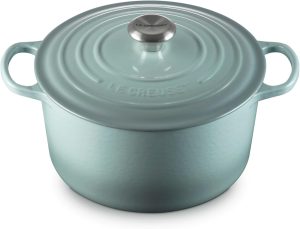
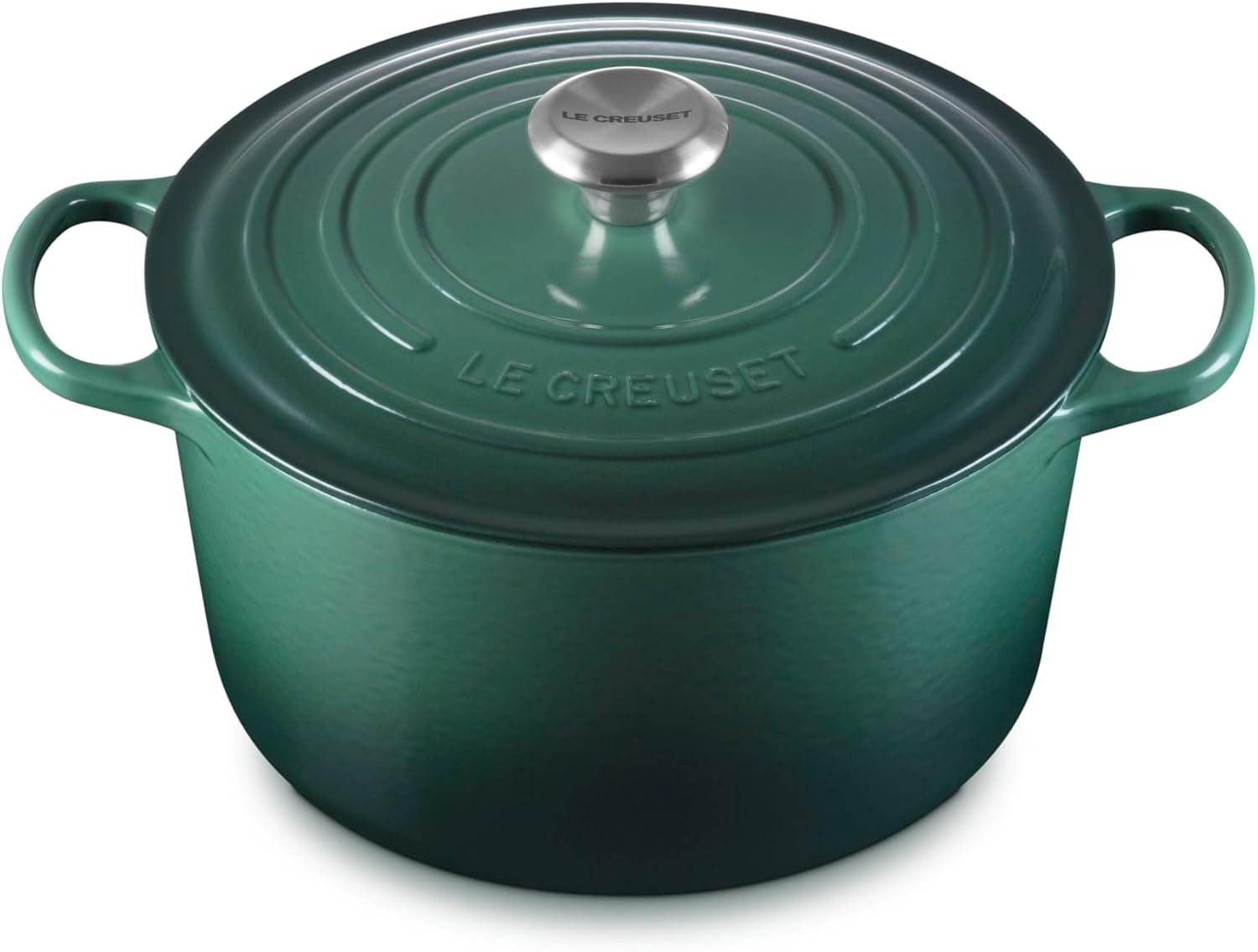
Navigating the world of Dutch ovens can feel a bit like sifting through a mountain of kitchen gadgets, all promising culinary miracles. This guide cuts through the noise to help you figure out if a premium piece, specifically the Le Creuset Enameled Cast Iron Signature Deep Round Oven, 6.5 qt., Artichaut, truly earns its place in your cooking arsenal. We’re here to talk value, durability, and whether shelling out for the top-tier makes sense for your kitchen life.
Key Takeaways
A premium enameled cast iron Dutch oven like the Le Creuset is a significant investment, but it delivers on performance, longevity, and even aesthetics. While budget alternatives exist, they often come with trade-offs in heat distribution, enamel quality, and overall durability. For daily use, demanding recipes, or as a true heirloom piece, the Le Creuset excels; for occasional, lighter tasks, a more affordable option might be perfectly adequate.
Decision Tree: Should You Invest in a Premium Dutch Oven?
-
Do you cook regularly (3+ times a week) and value consistent, even heating for braising, slow cooking, or baking bread?
- Yes → Go to 2
- No → Consider a mid-range or budget option.
-
Are you looking for a single, versatile pot that can handle stovetop searing, oven roasting, and serve as an attractive centerpiece?
- Yes → Go to 3
- No → You might be fine with more specialized cookware.
-
Is long-term durability, chip resistance, and a lifetime investment important to you? Do you prefer a product with a strong brand reputation for quality?
- Yes → Go to 4
- No → A mid-range enameled cast iron piece could be a smart compromise.
-
Is the aesthetic appeal of your cookware a factor? Do you want a piece that adds a touch of sophistication to your kitchen and table?
- Yes → A Le Creuset Enameled Cast Iron Signature Deep Round Oven, perhaps in a striking color like Artichaut, is likely a fantastic fit.
- No → While still performing beautifully, a Staub or high-quality mid-tier brand might offer similar cooking performance with a slightly different aesthetic, potentially saving you a bit.
What to Look For (The Buying Criteria)
Choosing a Dutch oven isn’t just about picking a color, though the Artichaut hue is undeniably tempting. It’s about understanding what makes these heavy pots tick and how that translates to your cooking. There’s a lot more under the hood than meets the eye.
Material and Construction: Beyond Just Cast Iron
At its heart, a Dutch oven is cast iron. But it’s the enameled part that really changes the game for modern kitchens. Traditional cast iron needs seasoning, constant care to prevent rust, and is reactive to acidic foods. Enameled cast iron, however, is a non-reactive cooking surface. It means you can simmer tomato sauce all day without worrying about metallic flavors or damaging the pot.
The quality of that enamel, though, differs wildly. Premium brands like Le Creuset are known for their multi-layer enamel, fused at extremely high temperatures. This makes it incredibly durable, resistant to chipping, staining, and sticking. Cheaper versions? They often have thinner, more brittle enamel that can chip easily, especially around the rim or handles. Once that enamel chips, the bare cast iron underneath is exposed, leading to rust and potential food safety issues. This isn’t just about aesthetics; it’s about longevity and peace of mind.
Heat Distribution and Retention: The Unsung Hero
This is where cast iron truly shines. It heats up slowly, but once hot, it holds and distributes that heat with remarkable consistency. For braising, where you want gentle, even simmering for hours, nothing beats it. Same goes for slow cooking stews, chilis, or even baking no-knead bread. You get even browning, no hot spots that scorch food, and a stable temperature throughout.
Cheaper pots might claim even heat, but often the cast iron itself isn’t as uniformly thick, leading to some spots getting hotter than others. This matters for delicate dishes or anything that needs a precise, stable environment. Think about a crusty loaf of bread; consistent heat is critical for that perfect rise and deep, dark crust. A less expensive model might work fine for boiling water, but for demanding cooking, the heat retention of a premium piece is simply superior.
Size and Capacity: Finding Your Sweet Spot
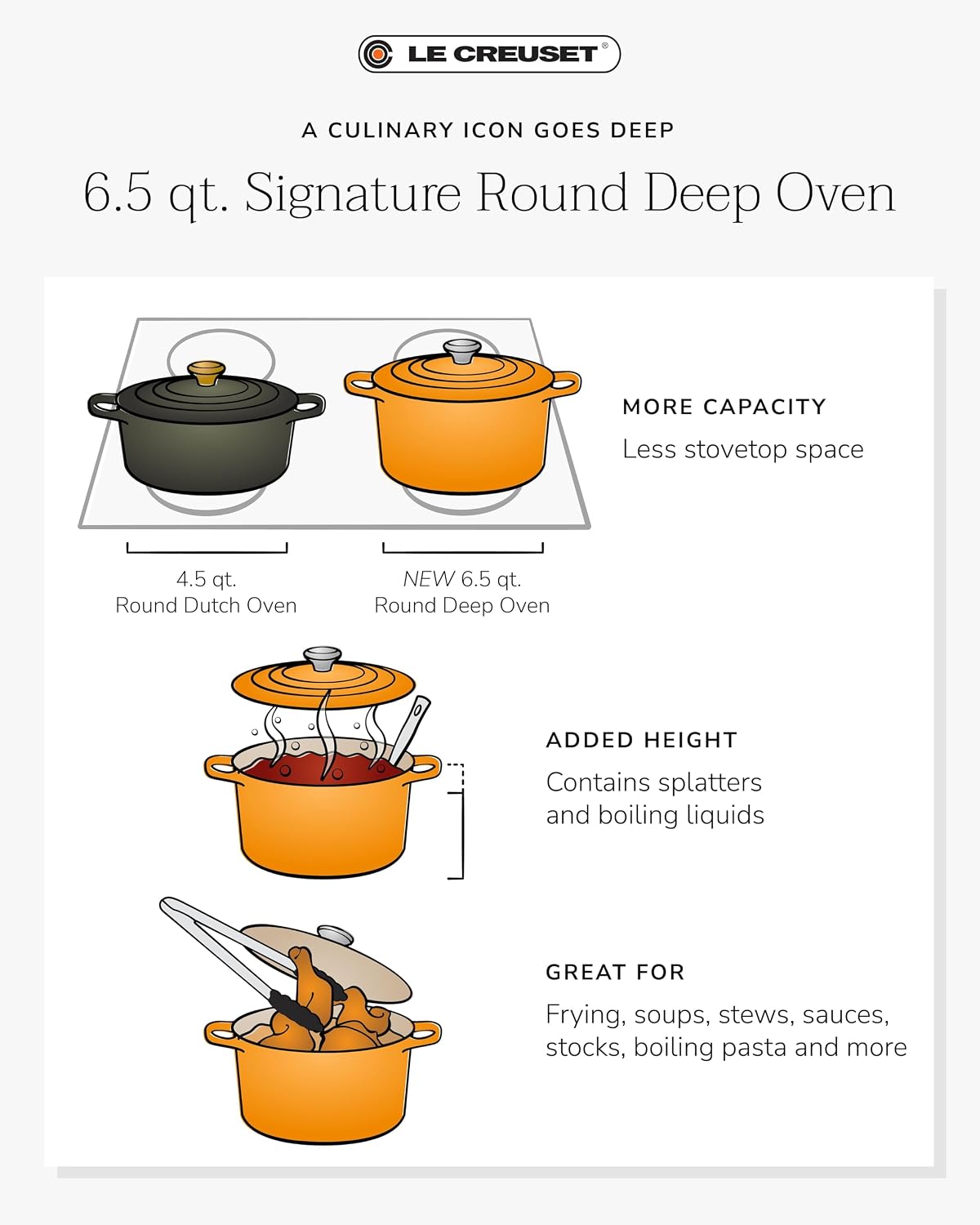
A 6.5 quart Dutch oven is a very popular size for a reason. It’s big enough to comfortably feed a family of four to six, roast a small chicken, or handle a sizable batch of soup. But it’s not so enormous that it’s cumbersome to store or too big for everyday use. Going smaller, say 3-4 quarts, is fine for a couple or side dishes, but limits your options significantly. Much larger, 8-9 quarts, and you’re getting into serious batch cooking territory, which also means a much heavier pot.
Consider your typical cooking volume. If you’re generally cooking for one or two, a 6.5 qt might feel a little big, leading to less efficient cooking. But if you often host, meal prep, or have a growing family, it’s a versatile workhorse. There’s a trade-off here: smaller means lighter and easier to handle, larger means more capacity but also more bulk and weight.
Lid Fit and Design: More Than Just a Cover
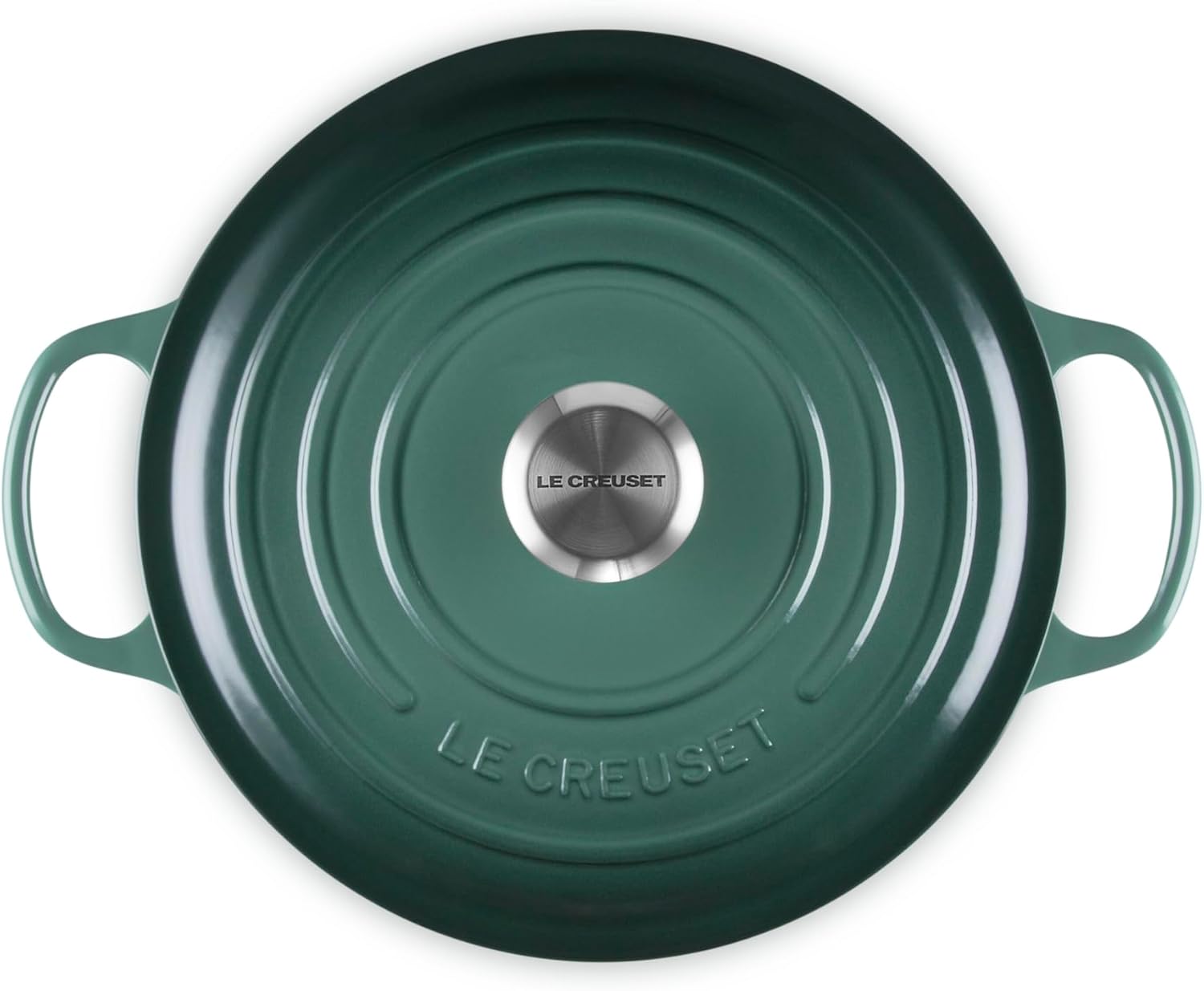
The lid on a Dutch oven is far more than just a lid. It’s an integral part of its function, trapping moisture and creating a self-basting environment, especially crucial for braising. A tight-fitting lid prevents steam from escaping, keeping food moist and flavorful. Some lids even have small nubs or rings on the underside to encourage condensation to drip back down evenly.
With the Le Creuset Signature Deep Round Oven, the lid fit is precise, almost vacuum-sealed, ensuring minimal moisture loss. The handles, often cast iron themselves with stainless steel knobs, are designed to stay cooler (though still get hot!) and are oven-safe to very high temperatures. Cheaper pots sometimes have lids that wobble, letting out precious steam, or knobs that aren’t quite as robust or heat-resistant. This might seem like a minor detail, but a leaky lid can turn a succulent braise into dry, disappointing fare.
Handles and Weight: Practicality in the Kitchen
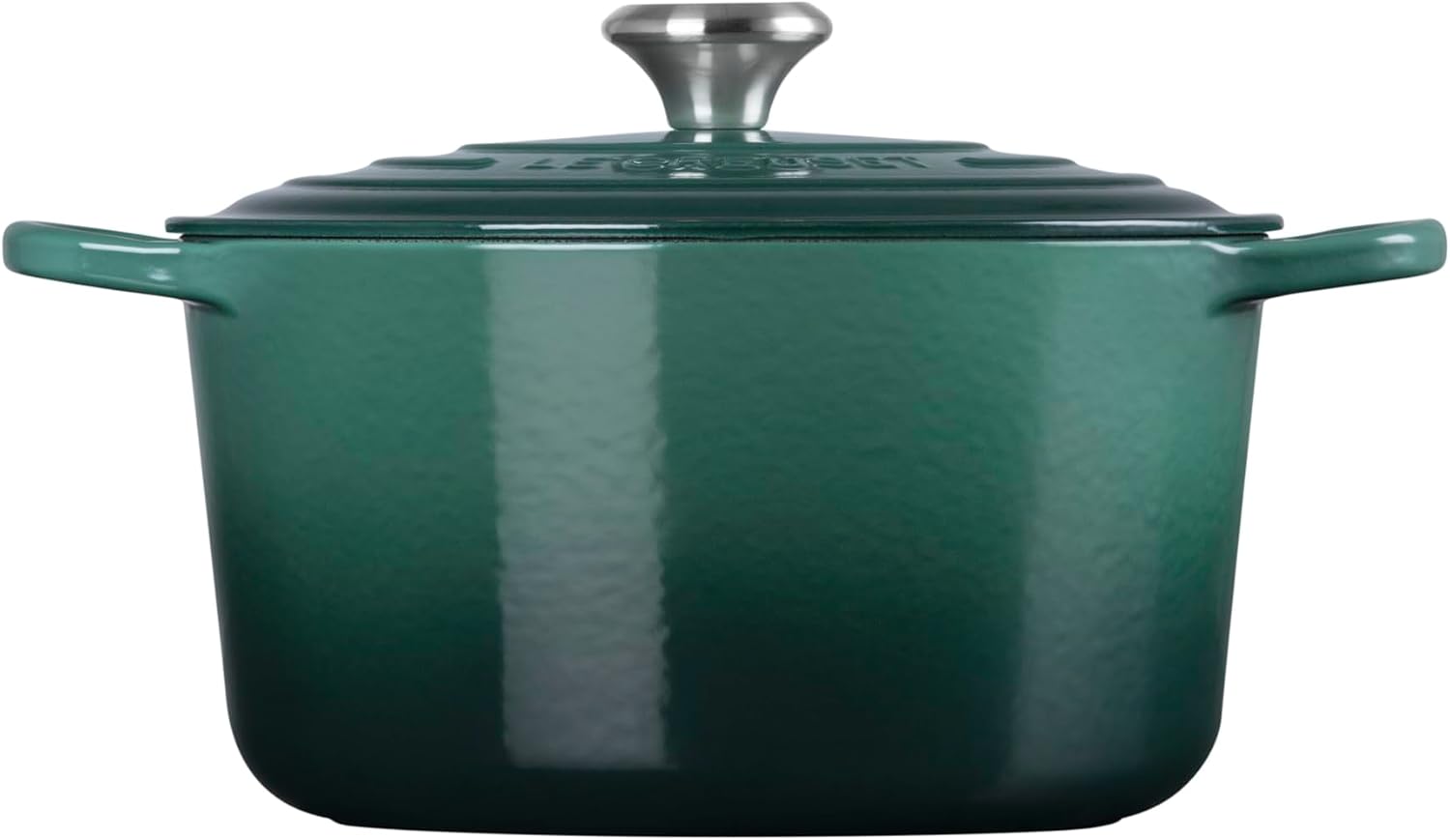
Let’s be honest: these pots are heavy. A 6.5-quart enameled cast iron Dutch oven, empty, already has some heft. Fill it with a rich stew? You’re talking serious weight. This is where good handle design comes in. The wider, more ergonomic handles on a Le Creuset are a blessing. They provide a secure grip, even with oven mitts, making it safer and easier to transfer the hot pot from stovetop to oven to table.
Lesser quality models often have smaller, more restrictive handles that are tough to grab, especially when the pot is full and scorching hot. And the weight, while a sign of quality in terms of heat retention, is also a limitation. Can you comfortably lift and maneuver a heavy, hot pot? Some people find the sheer mass of these pots a deal-breaker. It’s not a flaw in the product; it’s just a reality of the material.
Aesthetics and Color: A Personal Statement
Okay, this might sound superficial, but hear me out. For many, a Dutch oven isn’t just cookware; it’s a centerpiece. The rich, vibrant Artichaut color on a Le Creuset isn’t just paint; it’s part of its identity. These pots are often brought directly to the table, and they look stunning. They become part of your kitchen’s decor.
Budget options rarely offer the same depth of color or the flawless finish. And honestly, for a piece of kitchen equipment that will last decades, aesthetics do matter to some people. It’s part of the emotional connection to a tool you’ll use frequently. Is it essential for cooking? Absolutely not. But is it a factor in overall satisfaction and pride of ownership? For many, it definitely is.
How to Match the Product to Your Situation
Your ideal Dutch oven depends entirely on your cooking habits, budget, and priorities. Let’s break down a few common types of cooks.
The Everyday Enthusiast
- Who they are: You love to cook, try new recipes, and often host dinner parties. You appreciate quality tools that make cooking easier and more enjoyable. You might be making soups, stews, roasted chicken, or even venturing into bread baking a few times a week.
- What you need: Reliability, versatility, and durability. You’re likely to get your money’s worth from a premium piece because you’ll use it constantly. The Le Creuset Enameled Cast Iron Signature Deep Round Oven, 6.5 qt., Artichaut, or a similar high-end model, is a fantastic fit. Its superior heat retention and non-reactive surface are invaluable for varied, consistent cooking. You’ll use it for everything from chili to coq au vin.
The Budget-Conscious Beginner
- Who they are: You’re just starting to explore more complex cooking or have limited kitchen space. You want a Dutch oven for occasional use, maybe a hearty soup on a cold day, but you’re not ready to commit to a major investment.
- What you need: A solid, entry-level performer that won’t break the bank. You don’t need all the bells and whistles, but you still want decent heat distribution. A reputable mid-range brand will offer good value. Just be mindful of potential chipping with heavy use, and don’t expect the same flawless finish or multi-generational durability as the premium options.
The Heirloom Collector
- Who they are: You view kitchenware as investments, items to be cherished and passed down. You prioritize craftsmanship, timeless design, and a brand’s legacy. You appreciate the “buy once, own forever” philosophy.
- What you need: The absolute top tier. For you, the Le Creuset Enameled Cast Iron Signature Deep Round Oven, 6.5 qt., Artichaut, is less about a purchase and more about an acquisition. You’re buying into the brand’s reputation for enduring quality, aesthetic appeal, and the joy of using a truly exceptional piece of equipment. The cost is justified by the decades of reliable performance and the intrinsic value you place on such items.
Comparison of Dutch Oven Tiers
| Type/Tier | Best For | Price Tier | Key Feature | Watch-Out |
|---|---|---|---|---|
| Premium | Daily use, demanding recipes, heirloom piece | High | Superior enamel, heat control | Significant initial cost. |
| Mid-Range | Frequent use, good value, versatile cooking | Mid-level | Solid performance, decent durability | Enamel might not be as chip-resistant. |
| Budget-Friendly | Occasional use, beginners, basic dishes | Entry-level | Affordable, functional | Thinner enamel, less even heat distribution. |
Premium Tier: This category includes brands like Le Creuset and Staub. They feature multi-layered, highly durable enamel, exceptional heat distribution, and typically come with impressive warranties. While pricey upfront, these pieces are often considered multi-generational.
Mid-Range Tier: Here you’ll find brands offering a solid enameled cast iron product at a more approachable price. They generally perform well for most cooking tasks, but their enamel might be a single, thinner layer, meaning it could be more prone to chipping with rough handling.
Budget-Friendly Tier: Often found under various store brands or less-known labels. These can be good for dipping your toes in Dutch oven cooking without a big commitment. However, expect potential compromises in enamel quality, handle design, and overall heat retention compared to their pricier counterparts.
Scenario-Specific Uses
The Weekend Baker’s Dream
For anyone serious about bread baking, especially the popular no-knead varieties, a Dutch oven isn’t just helpful; it’s almost essential. The high, consistent heat and trapped steam inside create an oven-within-an-oven effect, leading to a crackling crust and a moist, airy interior that’s hard to achieve otherwise in a home oven. The Le Creuset 6.5 quart size is particularly good for standard-sized loaves, allowing ample room for expansion without crowding. And that oven-safe lid? Crucial.
Weeknight Wonders & Slow Cooking Savior
Let’s be real, after a long day, the idea of complex cooking often falls flat. This is where the Dutch oven becomes your best friend for slow cooking. You can quickly sear meat on the stovetop, toss in your vegetables and liquids, then pop the whole thing into the oven to gently simmer for hours. Minimal fuss, maximum flavor. A durable piece like the Le Creuset Signature Deep Round Oven handles this transition flawlessly, and its superior heat retention means your meal stays warm at the table too. Cleanup is generally straightforward with that smooth enamel.
Serving a Crowd or Meal Prepping
When you’re feeding a large family, hosting friends, or simply trying to get ahead with meal prep for the week, the 6.5 quart capacity truly shines. It easily holds enough chili, soup, or stew to serve six to eight people, or enough to portion out for several lunches. Because it’s so robust, you don’t have to baby it when cooking larger quantities. It’s built to take on those bigger culinary projects without complaint, year after year.
Common Mistakes Buyers Make
So, you’re eyeing that beautiful Artichaut pot. Here are a few traps to avoid before you take the plunge:
- Ignoring the Weight: These things are heavy. Seriously heavy. I’ve seen people spend way too much on a gorgeous Dutch oven, only to find they rarely use it because it’s too cumbersome to lift, especially when full. Before buying, go to a store and lift a similar size. Imagine it full of liquid. Can you handle it? Be honest with yourself.
- Skipping the Pre-Heat: Enameled cast iron needs to heat gradually. Throwing it on high heat instantly, especially when empty, can shock the enamel or, at the very least, lead to uneven heating and potentially scorched food. Patience is a virtue here. Start low, go slow.
- Using Metal Utensils: While durable, the enamel surface isn’t invincible. Metal spatulas or spoons can scratch and chip the coating, compromising its non-stick properties and even its aesthetic. Stick to wood, silicone, or plastic tools. It’s a simple rule that adds years to your pot’s life.
- Improper Cleaning: A common mistake is scrubbing too aggressively or using harsh abrasive cleaners. Most cooked-on food will release after a good soak in warm, soapy water. For stubborn spots, a little baking soda paste often does the trick without damaging that precious enamel. Don’t throw it in the dishwasher unless the manufacturer explicitly says it’s safe – and even then, handwashing is usually gentler and better.
Why/How/What Mini-Section
Why are Dutch ovens so good for braising?
They’re absolutely stellar for braising because of their incredible heat retention and tight-fitting lids. This creates a moist, consistent, low-heat environment for long periods, slowly breaking down tough cuts of meat and infusing them with flavor. The even heat means no hot spots, which prevents burning and ensures everything cooks uniformly, leading to fork-tender results.
How do I care for my enameled cast iron to make it last?
Caring for enameled cast iron is surprisingly simple, but requires a gentle touch. Always pre-heat gradually. Use wooden or silicone utensils to protect the enamel. Hand wash with warm, soapy water and a soft sponge. For stuck-on bits, soak the pot for a while, then use a baking soda paste. And always, always dry it thoroughly before storing to prevent any rust on exposed rims or hardware.
What’s the real difference between a Le Creuset and a cheaper brand when it comes to cooking performance?
The core difference often boils down to the quality and thickness of the enamel, and the consistency of the cast iron itself. A Le Creuset, like the Signature Deep Round Oven, provides more consistent, even heat distribution, heats up a touch slower, but holds its temperature like a champ. The enamel is also typically more durable and less prone to staining or sticking, making for a truly non-reactive cooking surface that cleans up beautifully. Cheaper brands might have thinner spots, leading to hot spots, and their enamel might degrade or chip faster over time.
FAQ
Is a Le Creuset Dutch oven worth the investment?
For serious cooks who use their Dutch oven frequently, value durability, consistent cooking performance, and appreciate timeless design, a Le Creuset is absolutely worth the investment. It’s a tool that genuinely lasts for decades.
What size Dutch oven is best for a family of four?
A 6.5 quart Dutch oven is an ideal size for a family of four. It’s large enough for main dishes, roasts, and stews, but not so big it becomes unwieldy for everyday cooking.
Can I bake bread in a Dutch oven?
Yes, Dutch ovens are fantastic for baking bread, especially no-knead varieties. The enclosed, superheated environment mimics a professional bakery oven, creating a wonderful crust and consistent crumb.
How do I prevent my Dutch oven from sticking?
Always use some fat (oil or butter) when cooking in your enameled cast iron Dutch oven. And allow food to naturally release; don’t try to force it. Also, ensure your pot is properly preheated before adding ingredients.
What’s the best way to clean burnt food from a Dutch oven?
Fill the pot with warm water, add a few tablespoons of baking soda, and bring it to a simmer on the stovetop. Let it cool, then gently scrape with a wooden or silicone utensil. The burnt bits should lift away.
Can I put my Le Creuset Dutch oven in the dishwasher?
While some claim it’s okay, most manufacturers, including Le Creuset, recommend handwashing enameled cast iron. Dishwasher detergents can be harsh on the enamel, and the high heat can damage the finish over time. Handwashing preserves its longevity.
Is the “Artichaut” color just a fad?
The Artichaut color is a distinctive, rich green that adds a touch of sophistication. While specific colors come and go, classic tones tend to remain popular. It’s a statement piece, but whether it “goes out of style” depends more on personal taste than current trends.
Final Recommendation
So, you’ve made it this far. You’re still thinking about that Le Creuset Enameled Cast Iron Signature Deep Round Oven, 6.5 qt., Artichaut. Here’s the deal: if you’re an everyday cook who values quality, consistency, and a piece of cookware that will truly stand the test of time—and frankly, look gorgeous doing it—then yes, the premium investment is sound. You’ll get unmatched heat distribution for everything from braising to bread baking, a non-reactive surface, and a pot that could very well become a family heirloom.
However, if your cooking is more sporadic, or if budget constraints are a major concern, don’t feel obligated to jump straight to the top tier. A well-regarded mid-range option can still deliver excellent results for most home cooks. Just remember those trade-offs in long-term durability and enamel resilience. For those of us who cook often and hard, who appreciate tools that truly perform, a premium Dutch oven like the Le Creuset is more than just a pot; it’s an essential partner in the kitchen, proving its worth with every delicious meal.
#Creuset #Enameled #Cast #Iron #Signature #Deep #Oven #Artichaut