Getting Smart About Your Next Garden Bench: What’s Really Worth It?
So, you’re looking for a new garden bench. Not just any old seat, right? You want an outdoor bench garden bench that stands up to the elements, offers a comfortable spot, and doesn’t fall apart after a season or two. This guide cuts through the marketing fluff to help you understand the real differences between options, whether you’re eyeing a “weatherproof anti-rust heavy-duty outside benches clearance” deal or something more substantial for your front porch, patio, or park-like setting. We’ll talk materials, design, and what genuinely makes one bench a better value than another.
Quick Answer
Choosing a worthwhile garden bench boils down to understanding its intended use and the local climate. For most, a mid-range cast aluminum or powder-coated steel bench offers the best blend of durability, aesthetics, and reasonable cost, far outlasting cheaper plastic options and requiring less upkeep than traditional wrought iron. Don’t cheap out on construction; a solid frame saves headaches later.
What to Look For (The Buying Criteria)
Navigating the sea of garden benches, from quaint patio seating to robust park benches, can be surprisingly tricky. There are more factors than just how pretty it looks. Here’s what seasoned buyers really think about when dropping coin on outdoor furniture.
1. Material Matters – A Lot: This is probably the biggest differentiator in terms of longevity and maintenance.
- Wrought Iron: Classic, heavy, incredibly sturdy. There’s a certain timeless elegance to a properly designed wrought iron bench. But, and this is a big “but,” it will rust if not maintained. That beautiful scrollwork? It’s a pain to clean and repaint, especially in humid climates. Expect to commit to some upkeep, or you’ll regret it.
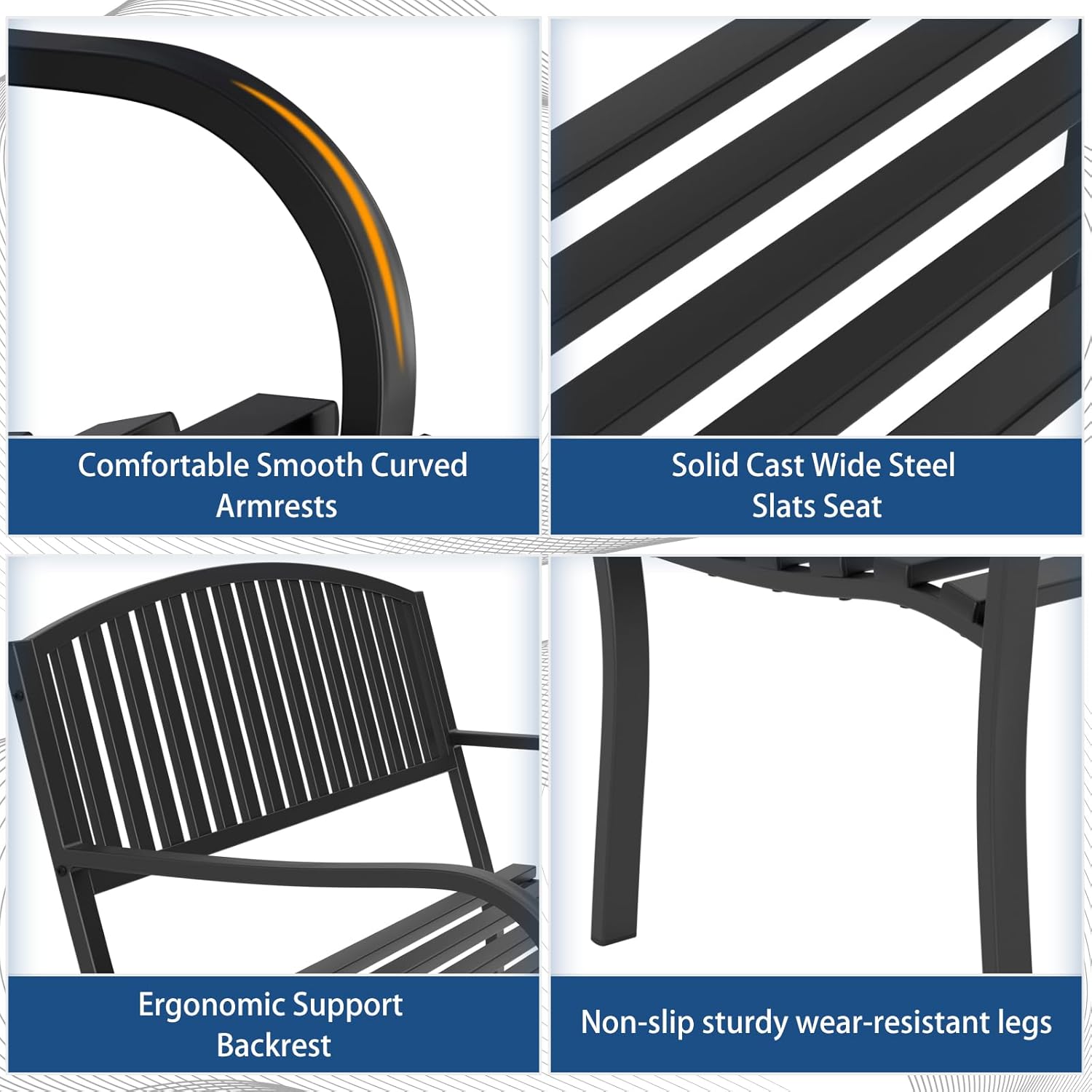
- Cast Aluminum: Often mistaken for wrought iron because of similar designs, cast aluminum is a fantastic choice. It’s lighter, strong, and crucially, rust-proof. It won’t ever rust like iron, though its finish can chip or fade over time. It typically comes in a powder-coated finish, which holds up pretty well but isn’t invincible against hard knocks.
- Steel (Powder-Coated): Many
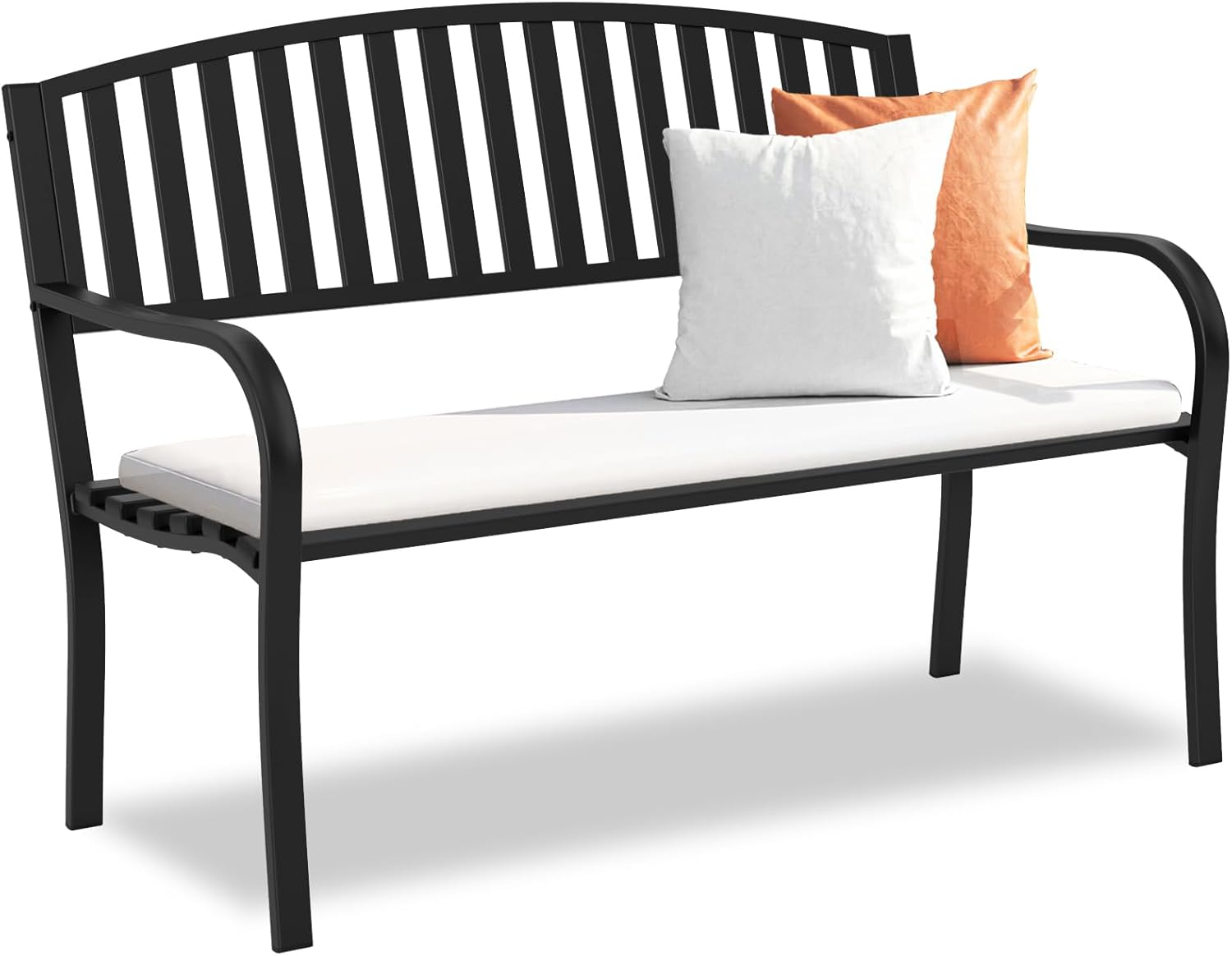
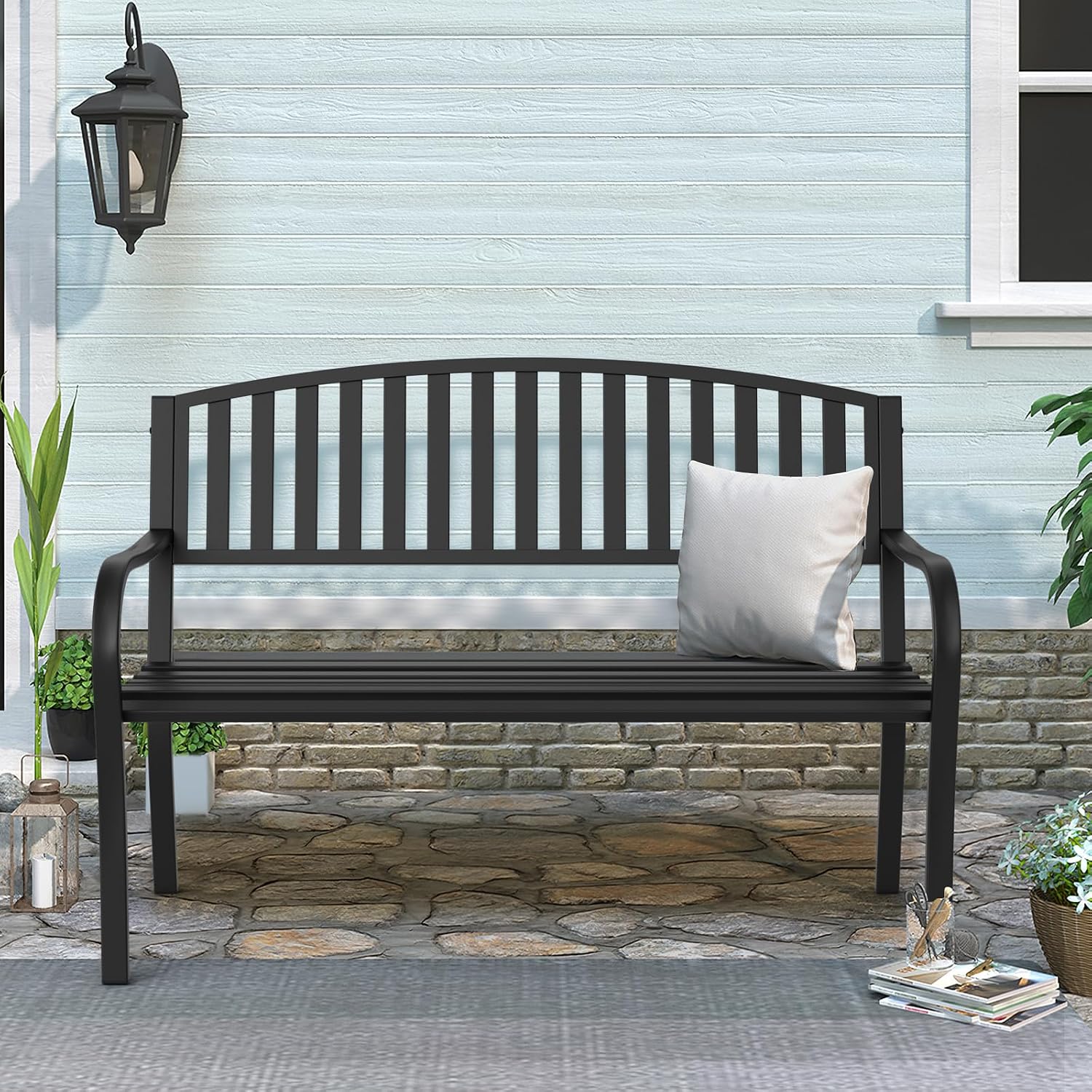
heavy-duty outside benchesfall into this category. It’s strong, more affordable than cast aluminum, and the powder coating offers decent weather resistance. The catch? If that coating scratches deeply, exposing the bare metal, rust becomes an issue. Not as fast as raw iron, mind you, but it’s still something to keep an eye on. Regular inspections are key here. - Wood: Teak, cedar, and acacia are popular. They look natural, feel warm, and can be very durable. Teak, especially, is known for its natural oils that resist rot and pests, but it’s often a premium choice. The downside? Wood requires the most maintenance. Sealing, staining, or oiling annually is often necessary to prevent rot, cracking, and splintering. Many prefer the weathered gray patina, but even then, UV exposure takes its toll.
- Composite/Recycled Plastics: These are often very low maintenance and incredibly durable against the elements, including fading. They’re usually heavy enough to stay put and won’t rust, rot, or splinter. They don’t always have the classic aesthetic of metal or wood, though, which can be a deal-breaker for some seeking that traditional
wrought iron metal benchlook.
2. Construction and Stability: Don’t overlook how a bench is put together.
- Are the joints welded or bolted? Welded joints generally offer superior strength and fewer points of failure over time, especially for
weatherproof anti-rustclaims. Bolted construction isn’t inherently bad, but check the quality of the hardware. Thin, cheap bolts will loosen and corrode, leading to wobbles and an early demise for youroutdoor bench. - The weight of the bench matters too. A
heavy-dutydesignation often implies sufficient heft to prevent tipping in strong winds or when someone shifts their weight abruptly. Flimsy benches just feel… sad, honestly. They never quite instill confidence.
3. Ergonomics and Comfort: A bench is for sitting, right?
- Consider the height of the seat, the depth, and the angle of the backrest. Too upright or too reclined, and it becomes a torture device rather than a relaxing spot.
- Many metal benches can get hot in direct sun or cold in winter. This is a common trade-off for their durability. Adding cushions is almost a necessity for prolonged comfort, which then becomes an extra cost and another item to store when not in use. Some slatted designs are more forgiving than solid seats, allowing for better airflow.
4. Design and Aesthetics: This is where personal taste comes in.
- Does it match your
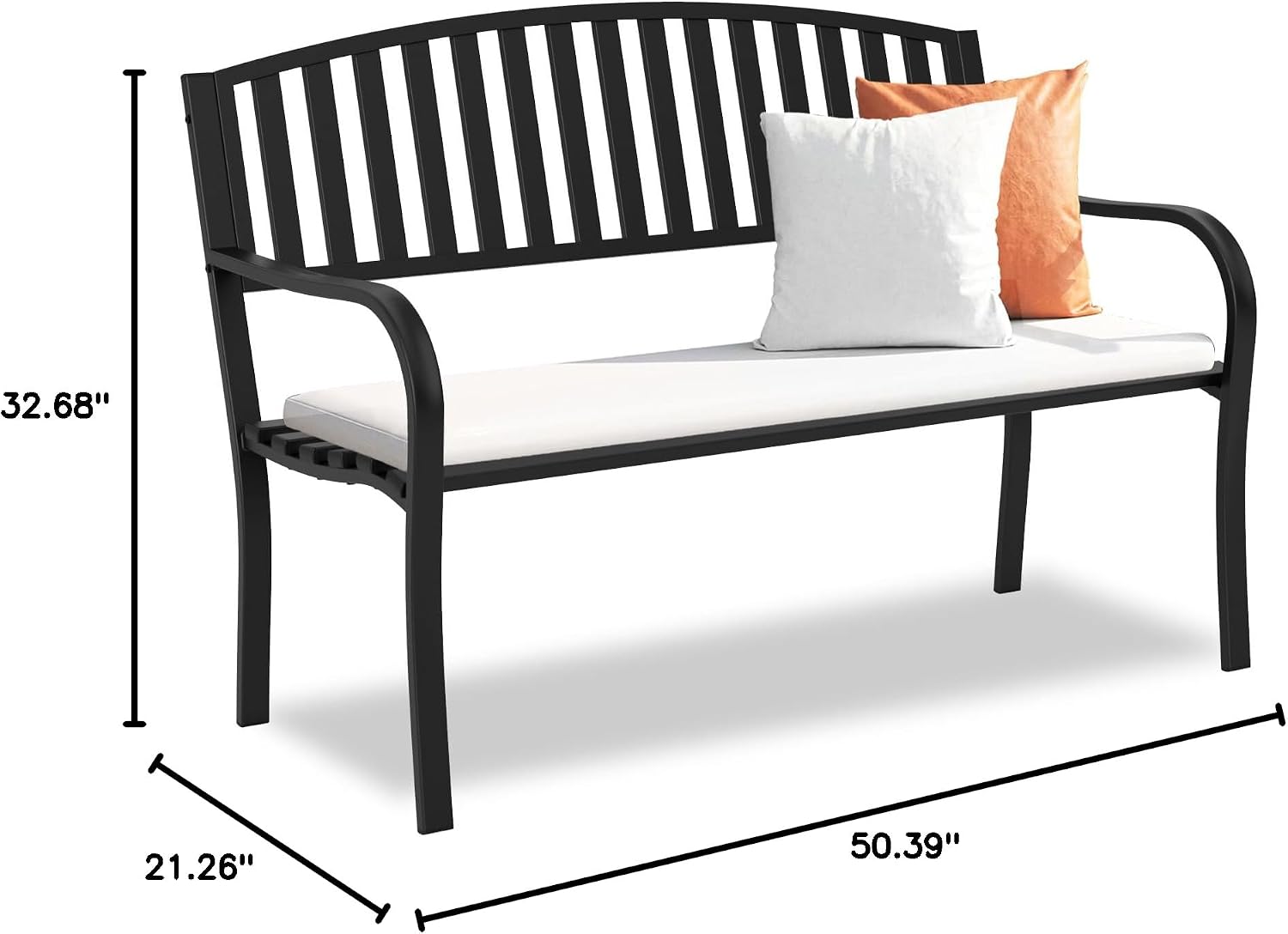
front porchorpatiodécor? A highly ornatewrought iron metal benchmight look out of place in a super modern garden, just as a sleek, minimalist bench could clash with a rustic theme. - Consider the scale. A tiny bench can look lost in a sprawling yard, while a massive one might overwhelm a small balcony. You want it to feel harmonious. It’s not just about what you like, but what fits the space.
5. Assembly & Maintenance: Nobody wants a nightmare assembly.
- Many benches arrive flat-packed, requiring some assembly. Look for clear instructions and decent hardware. If it involves a hundred tiny screws and a flimsy hex key, you’re in for a frustrating afternoon.
- As discussed with materials, different benches demand different levels of ongoing care. Are you okay with regular oiling, painting, or covering, or do you want to set it and forget it? Be realistic about your commitment. Most folks just want to sit on their garden bench, not make it a hobby.
How to Match the Product to Your Situation
Finding the right garden bench isn’t about finding the “best” bench, but the best bench for you. Here are a few common scenarios and what to consider.
1. The “Set It and Forget It” Minimalist:
- Who you are: You want a
garden benchthat requires practically zero upkeep. You’re busy, you don’t want to sand, paint, or worry about rust. You just want a reliable spot to sit and enjoy your outdoor space. Weather resistance is non-negotiable. - What to look for: Composite or cast aluminum benches are your best friends. They’re inherently anti-rust and very
weatherproof. Pick a design that you find appealing, knowing it won’t demand much attention after assembly. Expect to pay a bit more upfront for true peace of mind.
2. The Classic Aesthetic Enthusiast:
- Who you are: You adore the timeless charm of a
wrought iron metal benchor a beautiful hardwood piece. Aesthetics are a high priority, and you’re willing to put in some effort to maintain that classic look. This isn’t just outdoor seating; it’s a statement. - What to look for: A genuine wrought iron bench or a high-quality teak wood bench. Be prepared for regular maintenance – think annual rust treatments and repainting for iron, or oiling/sealing for wood. The reward is unmatched character. Just don’t buy one thinking it’ll be maintenance-free. That’s a pipe dream.
3. The Savvy Shopper on a Budget for a Clearance Find:
- Who you are: You’re looking for value, always. You want a durable
garden benchbut aren’t looking to break the bank. You don’t mind a bit of a hunt or maybe even some minor touch-ups if it means a significant saving. - What to look for: Keep an eye out for powder-coated steel benches during sales or
clearanceevents. They offer a robust structure at a more accessible price point than cast aluminum. Scrutinize the quality of the welds and the thickness of the steel. Also, consider benches made from less expensive but still decent woods like acacia, understanding they might need more diligent care than teak. The trick here is finding something solid that isn’t just cheap, but genuinely aheavy-dutydeal.
Outdoor Bench Tiers: A Quick Comparison
Here’s a breakdown of common outdoor bench types you’ll encounter, helping you figure out which tier aligns with your expectations.
| Type/Tier | Best For | Price Tier | Key Feature | Watch-Out |
|---|---|---|---|---|
| Budget-Friendly Plastic/Basic Steel | Temporary seating, tight budgets, minimal care. | Entry-level | Lightweight, very low cost, often stackable. | Flimsy feel, can fade/crack, short lifespan. |
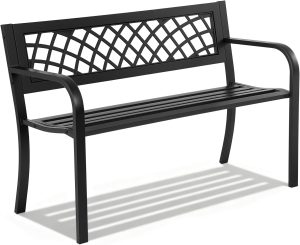
| Mid-Range Powder-Coated Steel | Everyday use, decent durability for most homes. | Mid-range | Good strength, classic designs, moderate weather resistance. | Scratches to coating can lead to rust, heavier than plastic. |
| Premium Cast Aluminum/High-Quality Wood | Longevity, classic aesthetics, low long-term maintenance. | Upper mid-range | Rust-proof (aluminum), naturally weather-resistant (teak). | Higher initial investment, wood needs oiling, aluminum can chip. |
| Luxury Wrought Iron/Artisan Hardwood | Statement piece, heirloom quality, authentic feel. | Premium | Unmatched durability, timeless beauty, substantial presence. | Significant investment, considerable maintenance for iron, very heavy. |
- Budget-Friendly Plastic/Basic Steel: These are your go-to for a quick, affordable solution, but don’t expect them to last more than a few seasons exposed to harsh elements.
- Mid-Range Powder-Coated Steel: This tier is where most folks find a good balance; they offer solid construction and a decent look without requiring a second mortgage, though rust can be a lurking threat if the finish is compromised.
- Premium Cast Aluminum/High-Quality Wood: Here, you’re paying for materials engineered for the outdoors, offering significantly less worry about rust or rot, making them a wise long-term choice despite the higher upfront tag.
- Luxury Wrought Iron/Artisan Hardwood: These are investments, often bought for their heritage feel and the promise of enduring beauty; be ready to embrace the specific care requirements that come with such authenticity.
Scenario-Specific Bench Considerations
Different spots around the home or garden cry out for different garden bench solutions. Let’s dig into a few.
1. The Front Porch Welcomer:
For a front porch bench, you’re often looking for something that makes a statement. It’s the first thing guests see. Here, aesthetics and curb appeal are paramount, but comfort for short sits matters, too. Think classic designs. A well-maintained wrought iron bench can be stunning here, though a cast aluminum piece offers similar visual weight without the rust worries. Don’t go too utilitarian; this spot deserves something charming. And maybe a comfy cushion.
2. The Patio Conversation Starter:
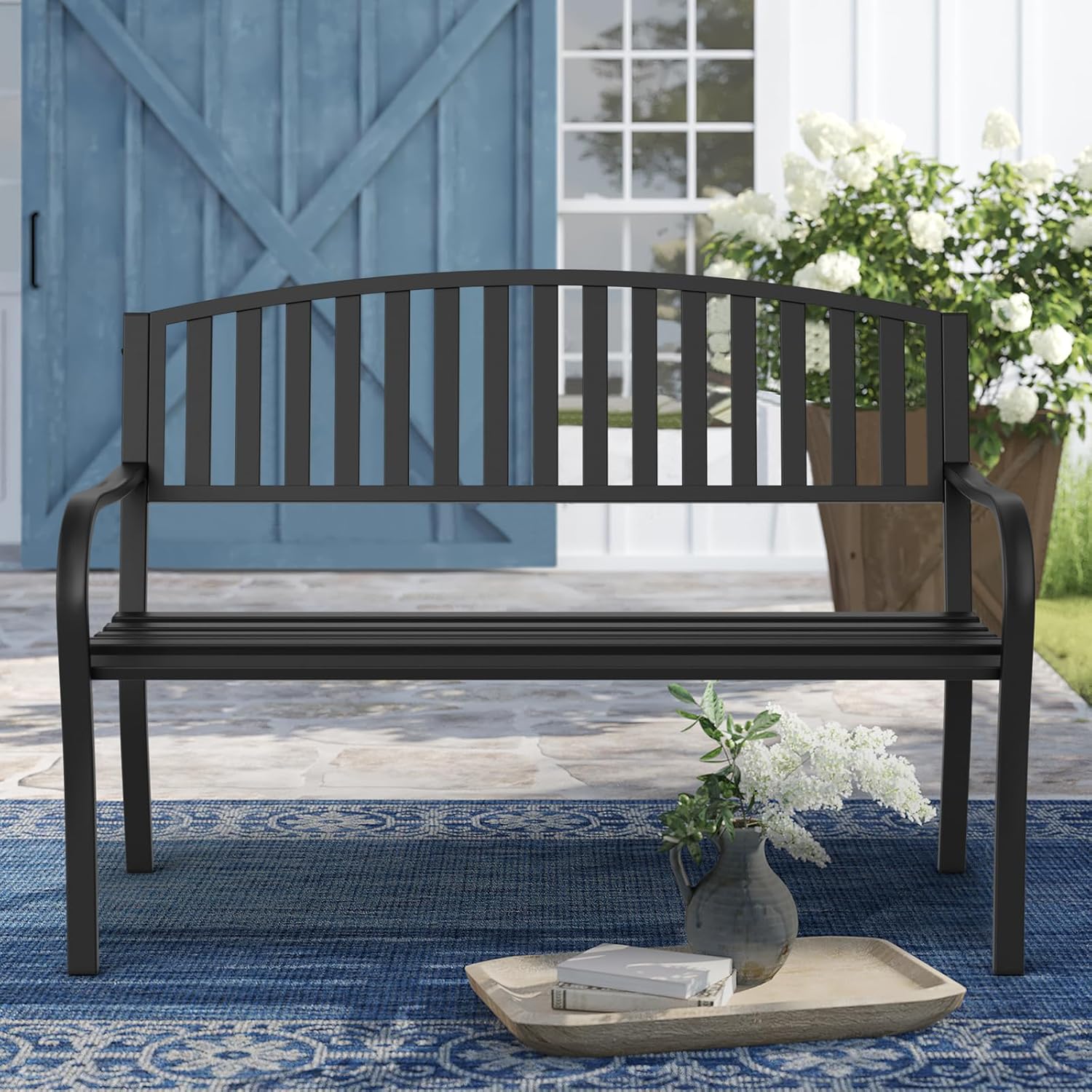
A patio bench usually means more frequent use, maybe for longer stretches, perhaps as part of a larger outdoor seating arrangement. Durability and comfort become even more important. You need something robust enough for regular family use, something that can handle a spill or two. Powder-coated steel or composite benches are strong contenders here, offering resilience and easy cleaning. Consider a bench with a slightly deeper seat for lounging.
3. The Serene Park Nook:
When you’re thinking park bench — even for a personal garden park nook — you’re probably envisioning something truly sturdy and built to last, often in a slightly more rustic or traditional style. This bench might be exposed to the elements constantly, far from the shelter of a roof. Here, a heavy-duty build is non-negotiable. Think thick-gauge steel, substantial cast aluminum, or high-quality, treated hardwood like teak. Stability and extreme weather resistance are key.
Common Mistakes When Buying a Garden Bench
Look, we all make mistakes. And I’ve seen people spend way too much on features they never use, or worse, skimp on the wrong things. Here are a few common pitfalls when shopping for a garden bench:
- Underestimating Maintenance: This is a big one. People fall in love with the look of a
wrought iron metal benchbut utterly ignore the fact that iron rusts. Or they buy a gorgeous wooden bench, then complain when it turns gray and splinters because they never oiled it. Be honest with yourself about how much effort you’re willing to put in. Rust-proof doesn’t mean maintenance-free for everything. - Ignoring Weight and Stability: A
clearanceoutdoor benchmight seem like a steal, but if it’s super lightweight and flimsy, a strong gust of wind could send it flying. Or worse, someone could tip it over. Especially for thoseheavy-dutyclaims, give the bench a good once-over. Does it feel substantial? Are the legs wide enough to provide a stable base? Don’t just assume. - Forgetting About Comfort (or Lack Thereof): A pretty bench is nice, but if sitting on it feels like punishment, what’s the point? Metal benches, particularly, can be unforgiving. Consider the need for cushions if the design is too hard or too cold/hot. Factor in the cost and storage of those cushions. It’s not just about the bench itself.
- Misjudging Scale: I’ve seen small patios absolutely swallowed by an oversized
park bench, or a vast garden where a tinygarden benchlooks like a doll’s toy. Measure your space, and visualize the bench within it. Use painter’s tape on the ground if you need to. A bench needs to complement the space, not fight it.
Why/How/What About Garden Benches
Why bother with a heavy-duty outdoor bench if a cheaper one exists?
Because durability in outdoor furniture isn’t a luxury; it’s a necessity. Cheaper benches often use thinner materials, inferior fasteners, and less robust finishes, leading to premature rusting, structural failure, or cracking after just one or two seasons exposed to the elements. Investing in a truly heavy-duty option saves you the hassle and cost of replacement, and the frustration of having a dilapidated piece detracting from your outdoor space. It’s often cheaper in the long run.
How do I protect my wrought iron metal bench from rust?
Protection for wrought iron involves a few steps. Regularly clean it to remove dirt and debris, then inspect it for any chips or scratches in the paint or sealant. If you find any, sand the area lightly, apply a rust-inhibiting primer, and then touch up with a weather-resistant outdoor paint. A good quality cover during harsh weather or off-season months significantly extends its life. This isn’t a “one and done” task; it’s ongoing.
What are the key differences between cast aluminum and wrought iron benches?
The main difference is their composition and weight. Wrought iron is a form of iron, making it incredibly heavy and prone to rust if its protective coating is compromised. Cast aluminum is much lighter, and crucially, it won’t rust. It might corrode or pit over time in extremely salty air, but it won’t develop the orange, flaky rust that plagues iron. Both can be crafted into intricate designs, but aluminum offers significantly less maintenance burden against corrosion.
FAQ
Can I leave my metal garden bench outside all year?
Most metal garden benches, especially those labeled weatherproof anti-rust, are designed for year-round outdoor exposure. However, covering them or moving them to a sheltered spot during extreme weather like heavy snow or prolonged ice can significantly prolong their life and preserve their finish. It’s about minimizing wear and tear.
Are wrought iron benches truly heavy-duty?
Absolutely. Wrought iron metal benches are known for their exceptional weight and structural integrity, making them extremely stable and resistant to tipping or damage from impacts. They are arguably some of the most heavy-duty outdoor seating options available, provided you manage their susceptibility to rust.
How do I clean my outdoor bench?
For most metal benches (wrought iron, steel, aluminum), a simple wash with mild soap and water, followed by a rinse and dry, works wonders. Wooden benches might need a soft brush to remove algae or mildew before a gentle wash. Avoid harsh chemicals, which can damage finishes.
Do I need cushions for my garden bench?
While not strictly necessary for every bench, cushions can dramatically improve comfort, especially for metal or slatted designs. They also add a pop of color and softness. Many find them essential for prolonged sitting, turning a simple bench into a truly inviting spot.
What’s the typical lifespan of a good patio bench?
A well-constructed patio bench made from cast aluminum, high-quality powder-coated steel, or durable hardwood like teak, with proper care, can easily last 10-20 years, sometimes even more. Cheaper plastic or thinly constructed steel benches might only give you 3-5 years before showing significant wear.
Is “clearance” on outside benches always a good deal?
Not always. A clearance price might indicate an older model, a slight defect, or simply end-of-season inventory. It’s a great opportunity to find value, but always inspect the bench carefully for quality of construction, material thickness, and the integrity of the finish. A true deal is a durable bench at a lower price, not a poor-quality bench marked down.
Should I anchor my garden bench?
For very lightweight benches in windy areas, or for park benches in public spaces, anchoring might be a sensible precaution against theft or tipping. Many heavy-duty metal benches are substantial enough not to require anchoring in most residential settings, but it’s an option for added security.
Key Takeaways for Your Garden Bench Hunt
Look, the world of garden bench options is broad, but knowing what matters simplifies the hunt. Focus on material first: cast aluminum for hassle-free durability, steel for value, and wood/wrought iron if you crave classic charm and don’t mind the upkeep. Prioritize solid construction over flimsy aesthetics, because a wobbling bench is a useless bench. And be realistic about how much maintenance you’re actually going to do. Trust me, I’ve seen too many grand plans for regular refinishing go awry.
Final Recommendation
For most homeowners seeking a reliable, attractive, and largely low-maintenance garden bench that offers solid value for the long haul, I’d steer you toward a mid-to-premium tier cast aluminum bench. It hits that sweet spot of being genuinely weatherproof anti-rust, offers a heavy-duty feel without the immense weight of iron, and often mimics the elegant designs of traditional wrought iron metal benches. You’ll pay a bit more upfront than for steel or lesser woods, but the peace of mind from not having to worry about rust or constant refinishing makes it well worth the investment. It’s a workhorse that cleans up nice, for your front porch, patio, or that special spot in your park area.
#Outdoor #Bench #Garden #Bench #Weatherproof #AntiRust #HeavyDuty #Benches #Clearance #Wrought #Iron #Metal #Bench #Front #Porch #Patio #Park