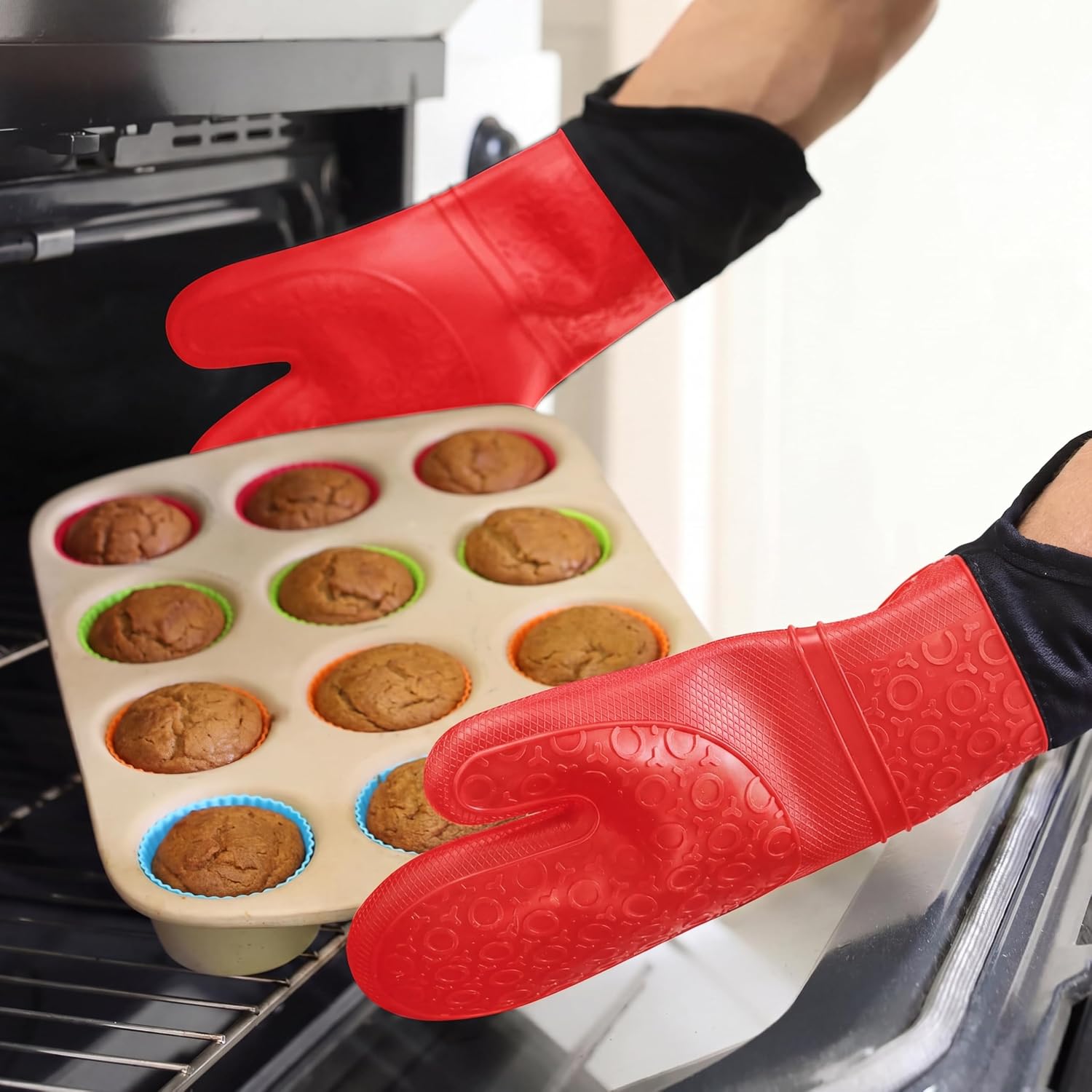
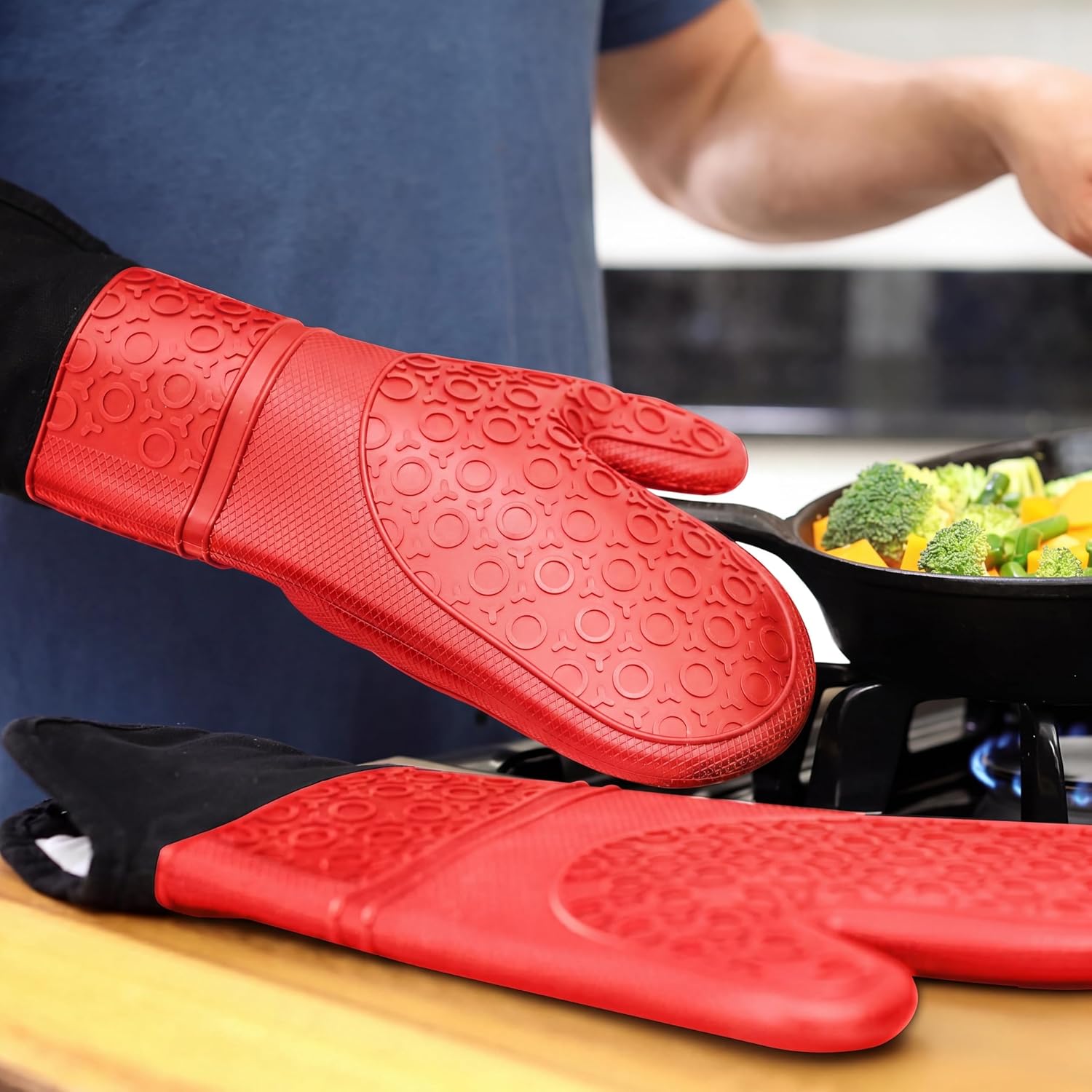
Smart Choices for BPA-Free Soft Silicone Oven Mitts: Your Guide to Ultra Heat Resistant Oven Mitts with Thick Cotton Liner
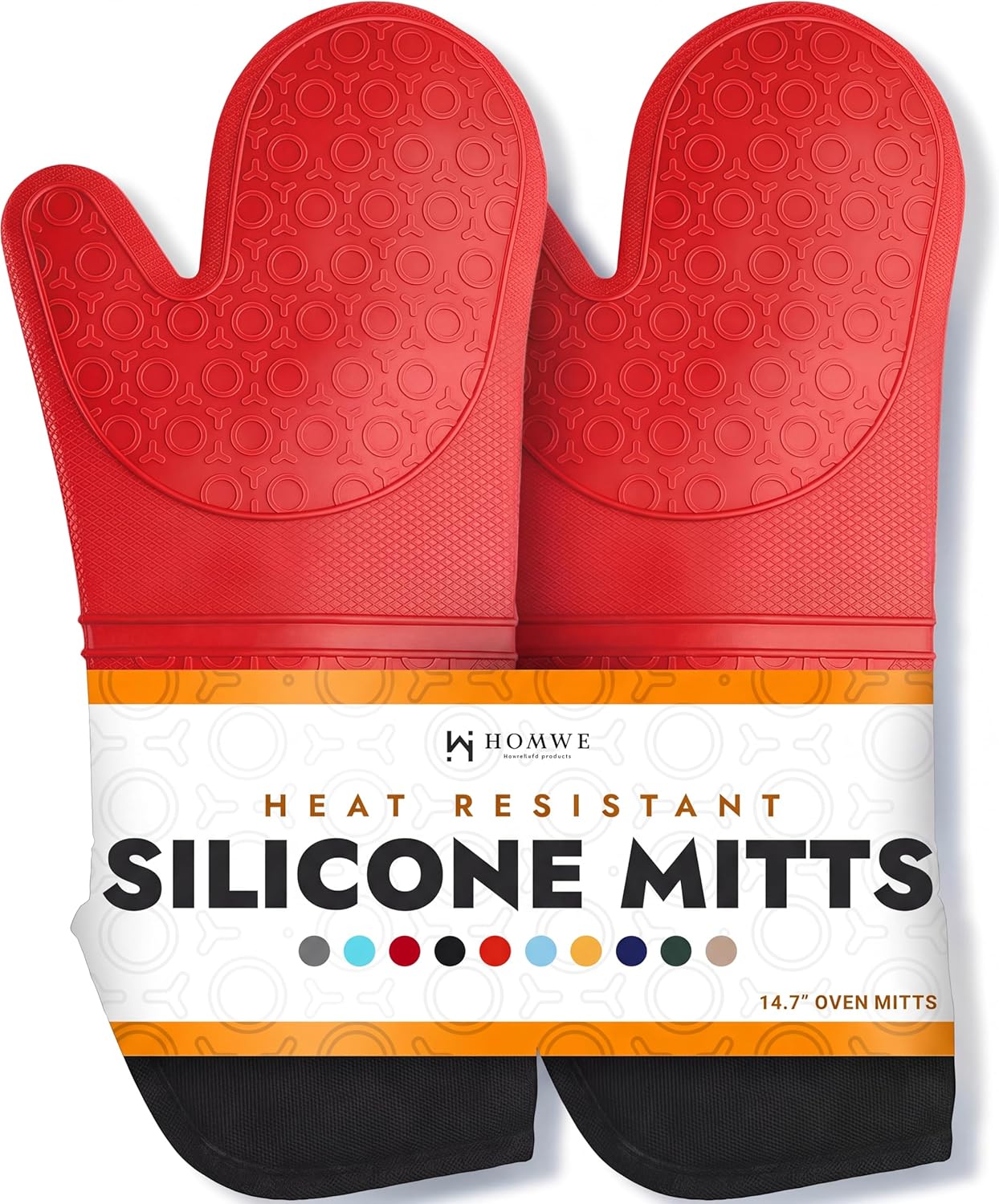
Navigating the sea of kitchen gadgets can be tricky, especially when you’re looking for something as essential as hand protection. This guide cuts through the marketing fluff to help you pick the right silicone oven mitts for your cooking and baking adventures. We’re talking specifically about those BPA-Free Soft Silicone Oven Mitts with a thick cotton liner – the kind that promise ultra heat resistant performance and often boast an extra long design. It’s for anyone tired of flimsy fabric or stiff, unreliable gloves, who just wants to handle hot cookware without fear.
Quick Answer
For most home cooks, a mid-tier pair of silicone oven mitts featuring a robust thick cotton liner and an extra long cuff offers the sweet spot of protection, flexibility, and longevity. Look for genuinely BPA-free silicone and good texture on the outside for a truly slip resistant grip. Don’t skimp here; your hands are worth it.
What to Look For (The Buying Criteria)
Choosing the right pair of flexible oven gloves isn’t rocket science, but there are a few key factors that separate the good from the “oh, I just burned my wrist again” kind. You’ll want to consider each of these points carefully; they really do make a difference to your oven safety and overall experience.
Heat Resistance Rating
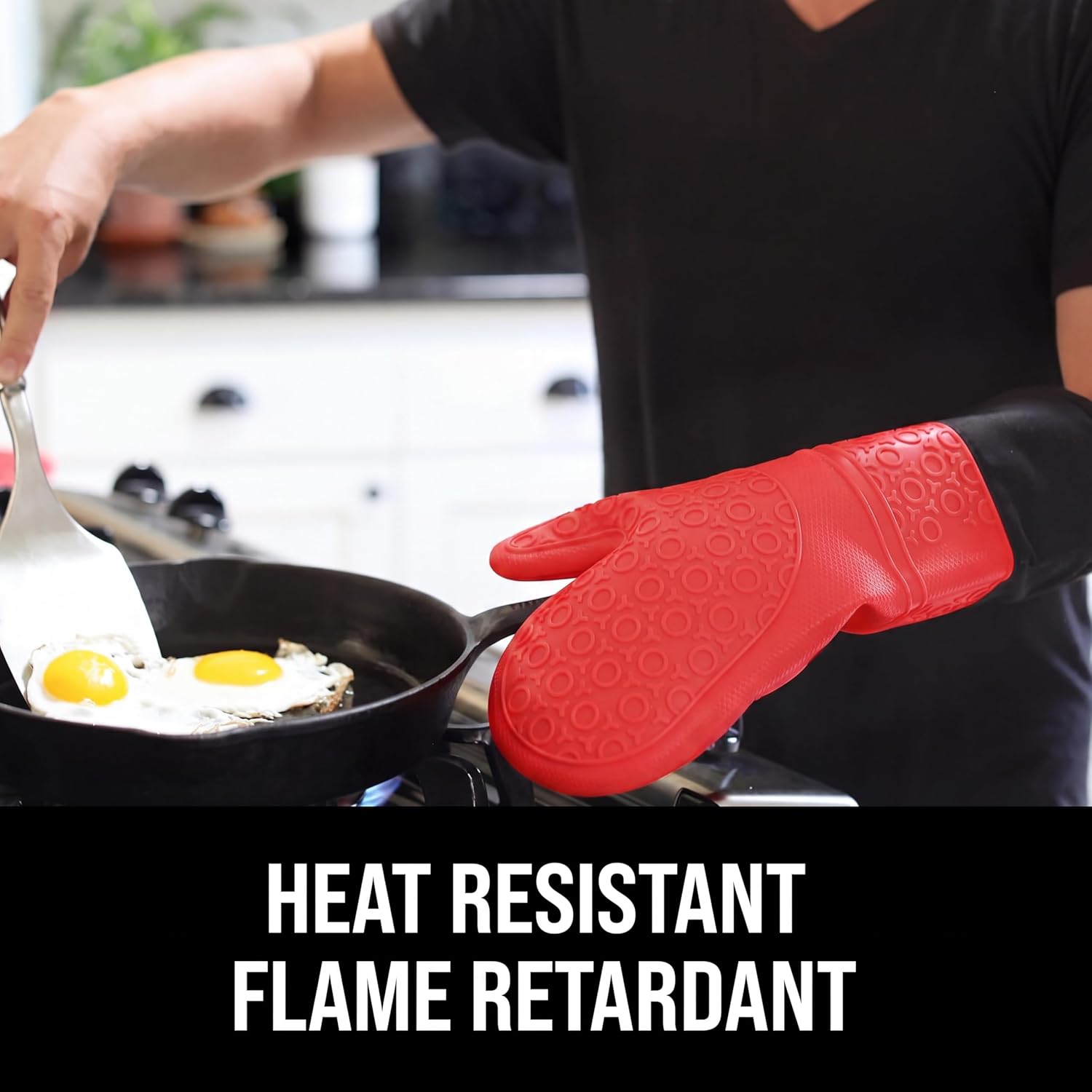
This is probably the most obvious, right? But it’s also where things get a bit murky. Every pair claims to be “ultra heat resistant,” yet the actual temperatures they can withstand, and for how long, vary wildly. You’ll see numbers ranging from a few hundred degrees Fahrenheit to over 500 or even 600. For everyday baking or stovetop work, a mitt rated for around 450-500°F is usually sufficient. But if you’re pulling heavy cast iron from a searing hot oven, or reaching into a deeper grill, more protection is always better. The real kicker isn’t just the temperature, it’s the duration. A mitt might handle high heat for a quick grab, but can it maintain that barrier for a sustained lift? That’s the real question. Some cheaper options degrade quickly under prolonged exposure, leaving you feeling the heat sooner than you’d like.
Liner Material and Thickness
Look, the silicone shell does the heavy lifting against direct heat, but it’s that thick cotton liner inside that provides the comfort and a crucial second layer of insulation. A good liner should feel soft against your skin, not scratchy. It needs to wick away a bit of sweat – because kitchens get hot, let’s be real – and it absolutely cannot clump up or pull out when you’re taking the mitt off. That’s super annoying. Some less thoughtful designs skimp on liner quality, making the mitt feel stiff or leaving your fingers swimming in too much fabric. A poorly integrated liner can also make it surprisingly difficult to get your hands in and out, which isn’t ideal when you’re in a hurry to grab hot dishes.
Length and Forearm Protection
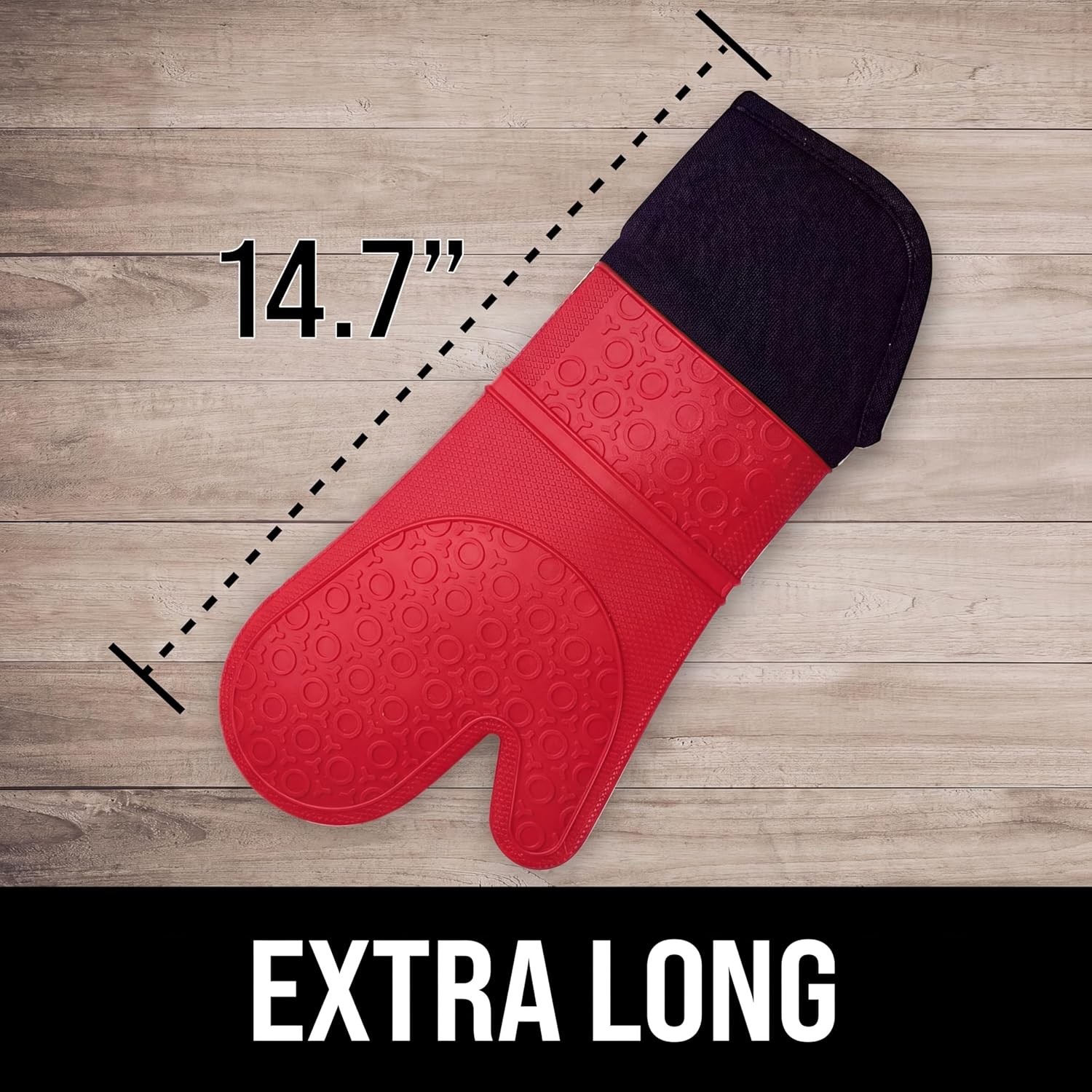
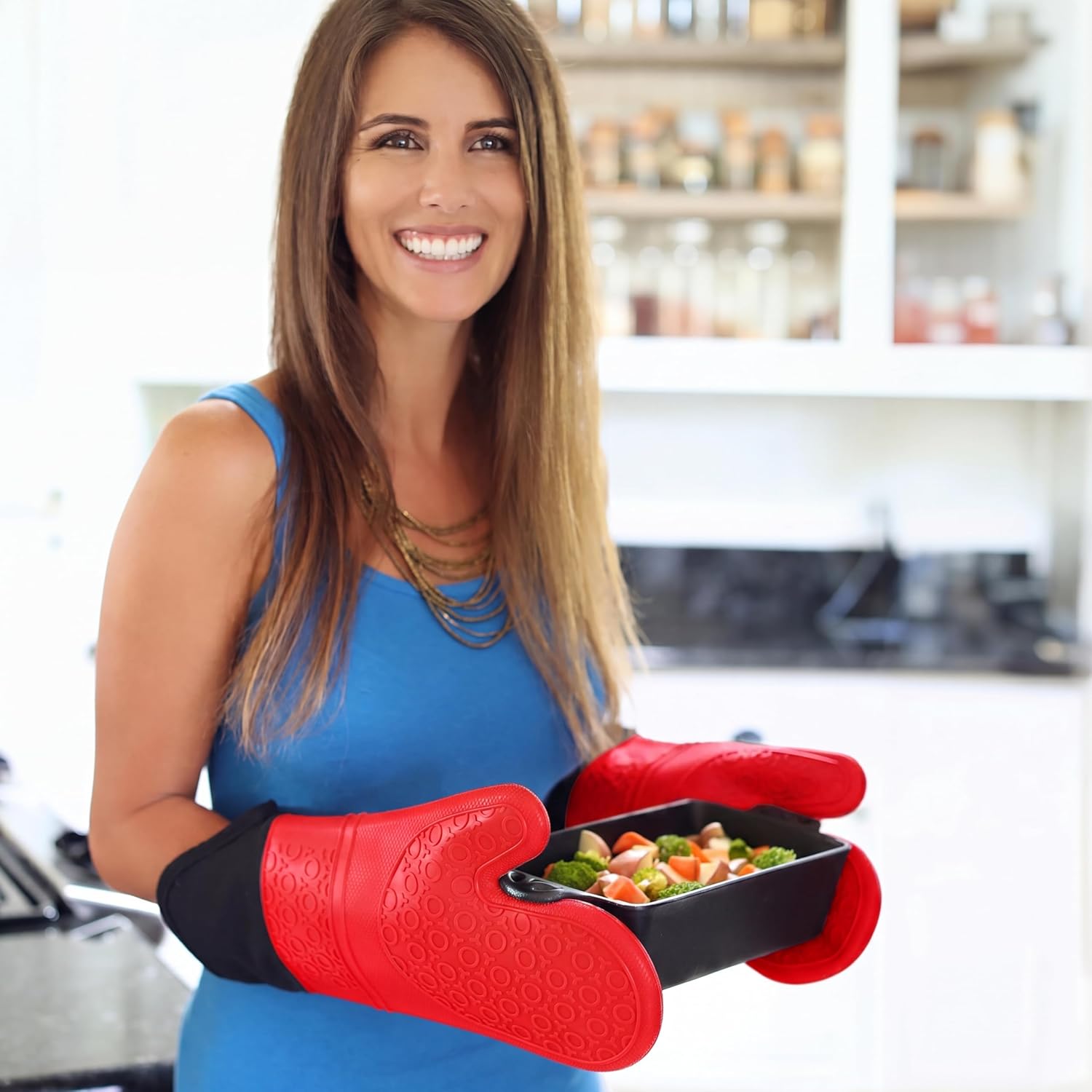
Nobody wants a steam burn on their forearm. Honestly, I’ve seen people spend way too much on features they never use, but this one? It’s critical. Many standard oven mitts stop right at the wrist, leaving a vulnerable gap. This is where extra long oven mitts shine. They typically extend well past the wrist, sometimes nearly to the elbow, offering comprehensive forearm protection. Think about reaching deep into a hot oven to retrieve a large casserole, or maneuvering items on a grill. The longer cuff protects against accidental brushes with hot racks and splash-backs. A shorter mitt might be fine for quick pot handling, but for serious baking tools or grilling protection, that extra length is non-negotiable.
Grip and Dexterity
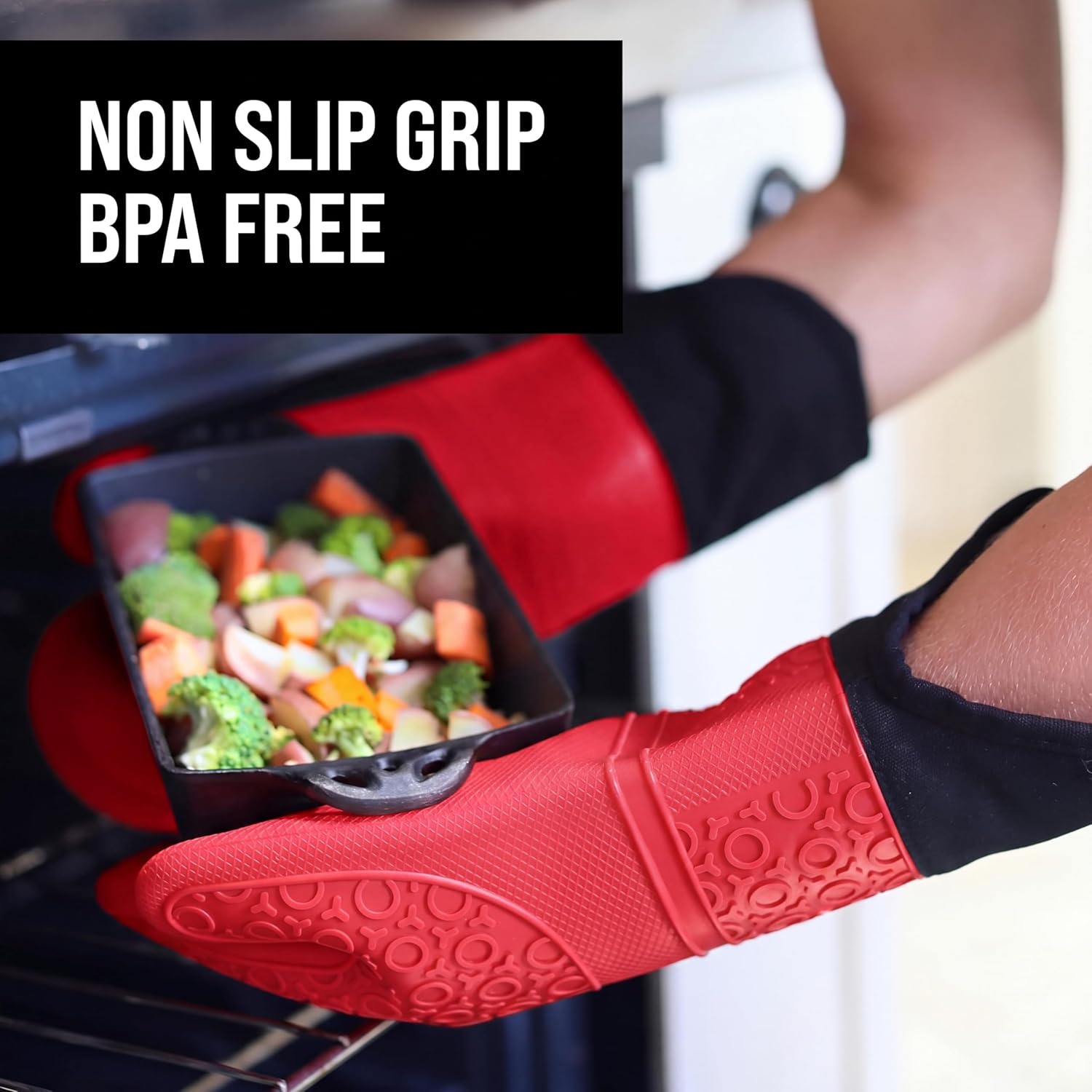
The whole point of using silicone oven mitts is that they offer a better grip than traditional cloth. But not all silicone is created equal. You want a robust, textured surface – often with ridges, dots, or a honeycomb pattern – that provides a genuinely slip resistant hold, even when wet. It’s not just about picking up a pan; it’s about holding it securely, with confidence. Some smoother silicone designs can actually feel quite slick, especially if there’s any grease or moisture involved. And what about dexterity? While no oven mitt will give you the finger-by-finger finesse of bare hands, better designs allow for a reasonable range of motion, letting you grasp pot handles and baking sheets with relative ease. Stiff mitts are just frustrating.
BPA-Free Certification and Material Quality
Given that these mitts are used around food, and sometimes come into direct contact with it, the “BPA-free” claim isn’t just marketing jargon. It’s about food safety. BPA-free silicone ensures you’re not introducing unwanted chemicals into your cooking environment. Always confirm this, though it’s pretty standard for reputable manufacturers these days. Beyond BPA, consider the overall quality of the silicone itself. Is it thick enough to provide real insulation without feeling clunky? Does it have a strong chemical smell, which might indicate lower-grade materials? High-quality silicone should be flexible, durable, and odorless, resisting tears and punctures even with frequent use. It should hold up over time.
Ease of Cleaning and Storage
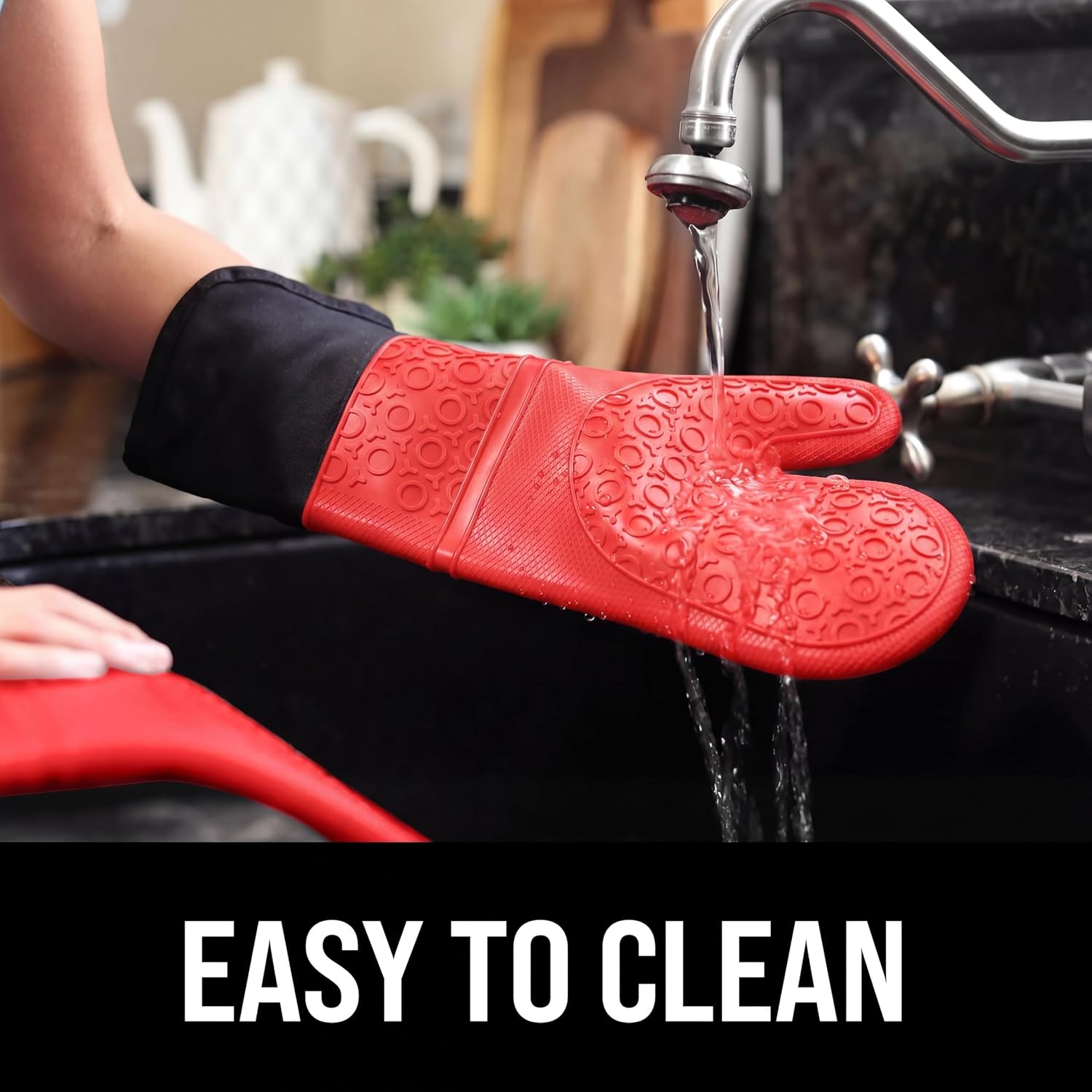
Silicone is generally easy to clean. A quick rinse under the tap, maybe a wipe with a soapy sponge, and you’re good. Many are even dishwasher safe – a huge plus for busy cooks. But what about that thick cotton liner? If it’s permanently attached, does it dry quickly? Can it get moldy if not dried properly? Some mitts have removable liners, which is a fantastic feature for hygiene and faster drying. When it comes to storage, hooks are usually integrated, allowing you to hang them within easy reach. They should be flexible enough to store easily in a drawer too, without taking up too much space. A rigid, unwieldy mitt becomes a cluttered nuisance.
How to Match the Product to Your Situation
Your ideal silicone oven mitts depend a lot on how you cook and what you’re cooking. Different lifestyles call for different features.
The Casual Kitchen Explorer
You cook a few times a week, bake the occasional batch of cookies, and mostly deal with standard sheet pans and pots. You need something reliable, comfortable, and not overly expensive. You’re not pulling scorching hot pizza stones out of a 700-degree oven every night.
- Recommendation: Look for mid-range silicone oven mitts with a decent thick cotton liner and a good slip resistant texture. An average length is probably fine, but consider extra long for peace of mind. BPA-free silicone is a given. These mitts will handle most kitchen tasks with ease, offering a noticeable upgrade from basic cloth. They’re a solid, dependable choice.
The Dedicated Baker & Roaster
Your oven is practically a second home. You’re handling heavy dutch ovens, intricate pastry molds, and large roasting pans, often at high temperatures for extended periods. Steam burns are a real threat. Precision and sustained protection matter.
- Recommendation: Invest in premium ultra heat resistant oven mitts that are explicitly extra long oven mitts. The more extreme the temperatures you work with, the more critical the higher heat rating. Look for multi-layered liners or advanced insulating materials beyond just cotton for superior comfort and protection against radiant heat and steam. High-grip patterns are essential for securely maneuvering cumbersome items.
The Outdoor Grilling Master
You split your time between the kitchen and the grill, dealing with flare-ups, searing heat, and potentially wet or greasy surfaces. You need maximum grilling protection and a robust grip that won’t fail you when handling hot grates or moving coals.
- Recommendation: Prioritize flexible oven gloves with a very high heat resistance rating and extreme length, possibly even a full gauntlet style. The silicone should be particularly rugged and easy to clean from grease and marinades. Look for specialized features like reinforced stitching or articulation for better hand movement, as grilling often requires more finesse than simply moving a baking sheet. Durability in outdoor conditions is a key consideration here.
A Quick Comparison: Silicone Oven Mitts Tiers
| Type/Tier | Best For | Price Tier | Key Feature | Watch-Out |
|---|---|---|---|---|
| Basic Utility Mitts | Light cooking, occasional hot dish handling | Budget | Standard silicone shell, basic cotton liner | Shorter length, lower heat resistance, liner may shift |
| Everyday Pro Mitts | Regular home cooking, baking, casual grilling | Mid-range | Extra long, thick cotton liner, better grip | May lack extreme heat rating for specialized tasks |
| Heavy-Duty & Specialty | Intense baking, BBQ, professional use | Premium | Ultra heat resistant, advanced insulation | Can be bulkier, less initial flexibility |
- Basic Utility Mitts are a step up from basic cloth, but often have a thinner silicone and a less substantial inner liner that can sometimes feel flimsy. They usually provide just enough protection for quick grabs from a moderately hot oven.
- Everyday Pro Mitts strike a solid balance, offering significant forearm protection with their extra long design and a noticeably cozier thick cotton liner. The slip resistant patterns on these are generally more effective, making them a trustworthy workhorse for most kitchens.
- Heavy-Duty & Specialty options are built for serious heat. Think incredibly robust BPA-free silicone engineered for extreme temperatures, often with multi-layered liners that go beyond simple cotton for peak insulation. They prioritize safety in demanding situations, though their bulk might take a moment to get used to.
Common Mistakes When Buying Silicone Oven Mitts
People often overlook some pretty basic stuff, and it can lead to frustration or, worse, minor burns. Don’t be that person.
- Ignoring the Liner: Many focus only on the silicone shell. But a thin, poorly stitched liner can make even the most “ultra heat resistant” mitt uncomfortable, causing sweat or allowing heat to seep through too quickly. Check its quality.
- Underestimating Length Needs: That short mitt might look cute, but it won’t save your forearm when you’re pulling a roasting pan from the back of the oven. A common oversight! Always consider how deep your oven or grill is.
- Forgetting About Grip: A smooth silicone surface might look sleek, but it’s a disaster when trying to grasp a heavy, slippery dish. Texture, people, texture! It’s what makes them truly slip resistant pot holders.
- Skipping Cleaning Instructions: Just because it’s silicone doesn’t mean it’s indestructible or self-cleaning. Liners, especially, need proper drying to prevent mildew, which can make your otherwise BPA-free silicone mitts smell, well, not so fresh.
Why/How/What
Why choose BPA-free silicone for oven mitts?
You want to minimize exposure to potentially harmful chemicals, especially in items that come into contact with food or heat. High temperatures can cause chemicals to leach from non-BPA-free plastics, and while silicone isn’t plastic, the “BPA-free” designation ensures a higher standard of material purity. It’s about peace of mind.
How do silicone oven mitts compare to traditional fabric mitts?
Silicone oven mitts offer superior heat resistance, often handling much higher temperatures for longer periods than fabric. They’re also waterproof, which means protection from hot liquids and steam – a huge advantage. Plus, they’re far easier to clean. Fabric mitts, while sometimes more flexible initially, can absorb liquids and transfer heat more quickly.
What makes an “extra long” oven mitt truly useful?
An extra long oven mitt provides critical forearm protection from accidental contact with hot oven racks, grill grates, and even splashes of boiling water or oil. It’s not just about gripping the hot item; it’s about confidently maneuvering in a hot environment without worrying about brushing against something scorching. That added length means genuine oven safety.
FAQ
Are silicone oven mitts truly ultra heat resistant?
Yes, good quality silicone oven mitts are designed for impressive heat resistance, often protecting up to 500°F or more. Their effectiveness comes from silicone’s inherent thermal properties, which slow heat transfer.
Can BPA-free silicone oven mitts protect against steam?
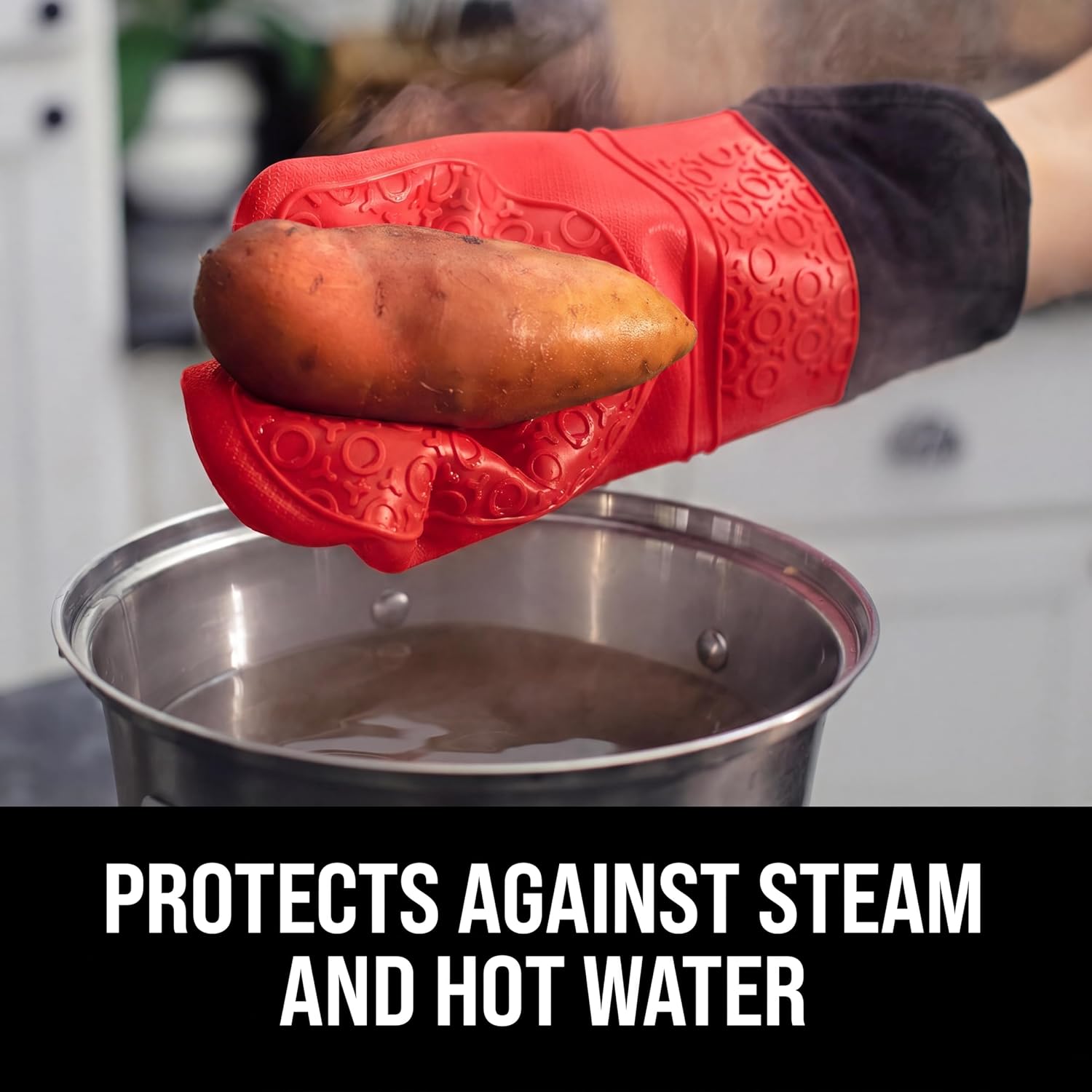
Absolutely. One of the biggest advantages of silicone oven mitts over cloth is their waterproof nature. This shields your hands and forearms from painful steam burns when lifting lids or draining pasta.
How do I clean my silicone oven mitts with a thick cotton liner?
For most, a quick rinse with soap and water is enough for the silicone exterior. If the thick cotton liner is removable, wash it separately according to its fabric care instructions. If fixed, ensure thorough drying after washing to prevent mildew.
Will these flexible oven gloves still allow me to grip things easily?
Generally, yes. Modern flexible oven gloves are designed with ergonomics in mind, allowing for a good range of motion. The textured, slip resistant surface on the silicone exterior helps immensely with securely grasping hot cookware.
Is the “extra long” feature really necessary for casual cooks?
While perhaps not strictly “necessary” for every single task, the extra long design provides invaluable forearm protection that prevents common kitchen mishaps. It offers an additional layer of oven safety that most users appreciate once they experience it. It’s a nice upgrade.
How often should I replace my silicone oven mitts?
That depends on usage. Inspect them regularly for tears, holes, or hardening of the silicone, and for any degradation of the thick cotton liner. If they start feeling noticeably warmer when handling hot items, it’s definitely time for a new pair.
Final Recommendation
For most home kitchens, the sweet spot lies with mid-range silicone oven mitts that clearly advertise being BPA-free and boast an extra long cuff. Specifically, you want to focus on a model with a truly thick cotton liner—one that’s well-integrated and comfortable. This combination gives you the peace of mind of genuine ultra heat resistant performance, the crucial forearm protection, and the reliable slip resistant grip you need without overspending. These models deliver a significant upgrade in oven safety and comfort over basic options, making them a worthwhile investment for daily cooking and baking.
#BPAFree #Soft #Silicone #Oven #Mitts #Ultra #Heat #Resistant #Oven #Mitts #Thick #Cotton #Liner #Extra #Long #Slip #Resistant #Pot #Holders #Flexible #Oven #Gloves