
Is That Fancy Double-Layer Sink Strainer Worth It? A No-Nonsense Buying Guide
Shopping for something as mundane as a kitchen sink strainer might seem simple, but trust me, there’s more to it than just grabbing the first thing you see. This guide is for the savvy homeowner or renter tired of clogged drains and flimsy kitchen sink strainers that don’t quite do the job. We’re diving deep into the world of drain baskets, particularly those “upgraded double-layer safe design” models, to help you figure out what’s genuinely worth your hard-earned cash and what’s just marketing fluff.
Quick Answer Box
Most folks looking for a new sink strainer want something effective, easy to clean, and durable. The upgraded double-layer safe design kitchen sink strainer, often with a 4.5-inch outer diameter, offers improved debris catching and a significant step up in user safety compared to older, sharper models. For many, the peace of mind and enhanced performance make it a sensible upgrade.
What to Look For (The Buying Criteria)
Alright, let’s cut to the chase. You want a sink strainer that actually works, doesn’t rust after a month, and ideally, won’t slice your fingers when you’re wrestling out a handful of soggy rice. Here’s what matters:
Material Matters — Durability vs. Flexibility
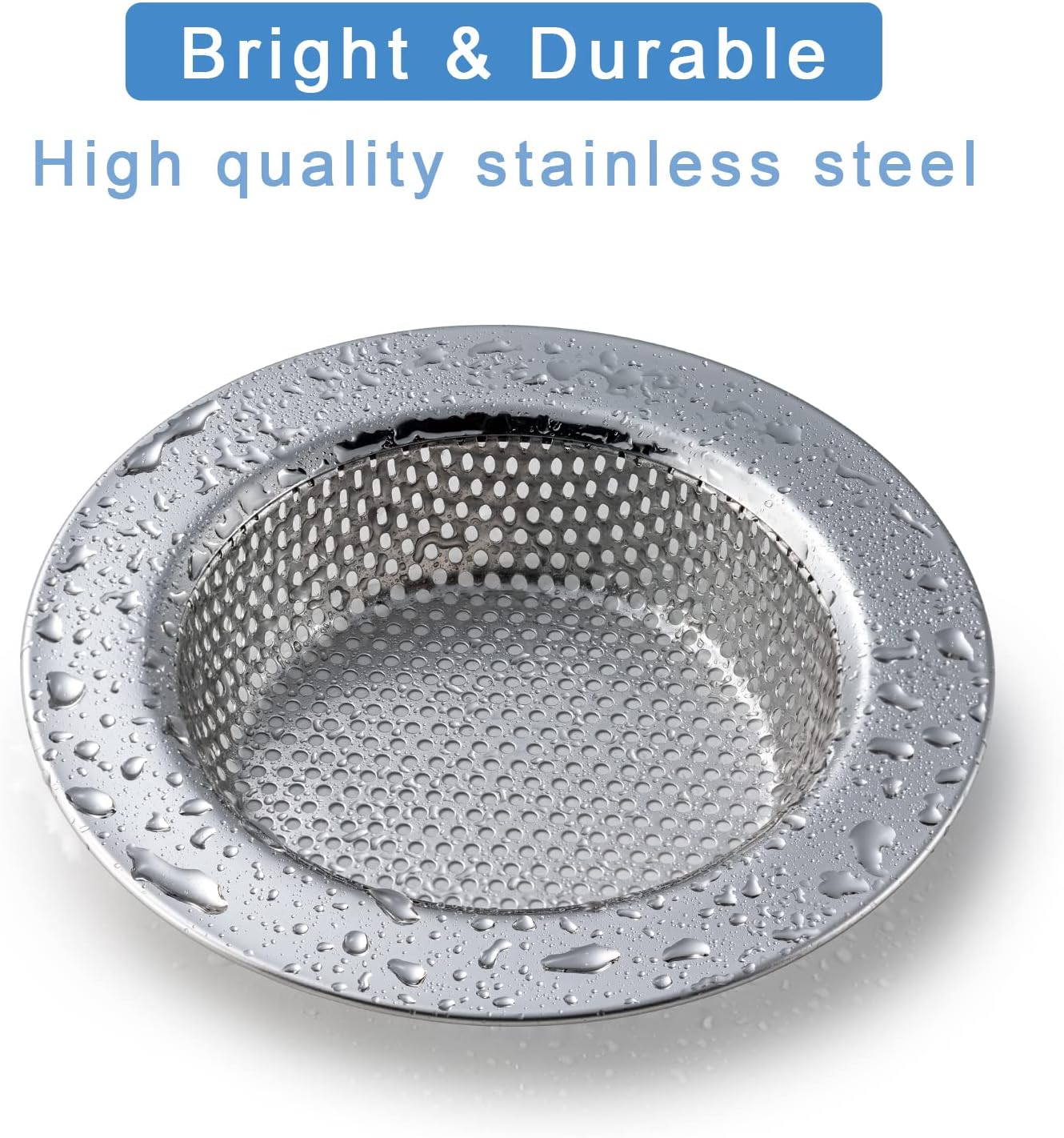
The material of your kitchen sink strainer dictates its lifespan, how easy it is to clean, and frankly, whether it’ll become a rusty eyesore. Stainless steel strainers are the undisputed champions for durability and rust resistance, especially those made from higher grades like 304. They hold up to hot water, detergents, and general kitchen abuse. The catch? They can be rigid. If it’s even slightly off-size for your drain, you’ll have gaps. And some older designs, while robust, might have sharp edges.
Then there are silicone or rubber strainers. These are fantastic for flexibility, molding to slight drain imperfections, and they’re often touted as “no scratch” for delicate sinks. They’re usually softer, making them very gentle on hands. However, silicone can sometimes stain over time, especially with tomato sauces or turmeric, and the softer material might be less effective at holding its shape when heavy debris builds up. A purely plastic option? Honestly, just skip it unless you’re truly on a shoestring budget and expect to replace it often. It’s often flimsy, can crack, and usually yellows or degrades quickly.
The Double-Layer Design – Catching More, Safer Hands
This is where the “upgraded” part often comes in. Traditional sink strainers are usually just a single perforated piece of metal or plastic. A double-layer design, particularly one with a fine mesh strainer on top of a more robust, larger-holed basket, is designed to catch significantly smaller food particles without completely blocking water flow. Think coffee grounds, rice, tiny pasta bits that always seem to sneak through. This layered approach is a big deal for preventing clogs further down your plumbing.
But here’s a potential drawback: more layers can mean more places for gunk to get stuck, making cleaning slightly more involved if the layers aren’t easily separable or designed for quick rinsing. Still, the trade-off for clog prevention is usually worth it.
“No Finger Cuts” – A Real Game Changer for Safety
This isn’t just a marketing buzzword; it’s a genuine improvement. How many times have you reached into a drain basket, trying to dislodge some food, only to feel a surprisingly sharp edge? Traditional stamped metal strainers often have unfinished edges that can be quite nasty. A safe design specifically mentioning “no finger cuts” means the edges, particularly the rim and any inner basket edges, are rolled, smoothed, or encased in a safer material like silicone.
This is a huge factor, especially if you have kids helping in the kitchen or if you’re just clumsy like me. It might not seem like a big deal until you’re bleeding over your dishes. The down side? Sometimes, achieving this smoothness means a slightly thicker rim, which could (rarely) impede perfect flush seating in a very tight drain opening.
Size and Fit – That 4.5-Inch Outer Diameter Question
“Fits Most Sinks” is a common claim, and a 4.5-inch outer diameter is indeed pretty standard for many kitchen sink drains. But “most” isn’t “all.” You absolutely must measure your existing drain opening before buying. Don’t eyeball it. A strainer that’s even a quarter-inch too small will let debris slip around the edges, rendering it useless. Too large, and it won’t sit flush, creating a tripping hazard for pots and pans and, again, letting stuff bypass the actual filter.
The challenge is that drain openings aren’t always perfectly uniform, even within standard sizes. Some might have a slight lip or an unusual bevel. A rigid stainless steel strainer needs a very precise fit, while a model with a flexible silicone rim might be more forgiving of minor discrepancies.
Ease of Cleaning – Because Nobody Wants a Gross Strainer
You’re going to interact with this thing daily, sometimes several times a day. If it’s a nightmare to clean, you won’t do it, and then what’s the point? Look for designs with smooth surfaces and minimal crevices where food can get permanently lodged. A fine mesh strainer, while effective, can sometimes be a pain to rinse out if the holes are too fine or if the trapped debris is particularly sticky.
Some upgraded kitchen sink strainers feature a central handle or a removable inner basket, making it easier to lift and dump debris without having to plunge your hand directly into the muck. That’s a definite plus. Models that are dishwasher-safe are also a win, though a quick rinse under the tap usually does the trick for most.
Drainage Efficiency – Keeping Water Flowing
A sink strainer’s primary job is to catch debris, but its secondary, equally important job is to let water drain unimpeded. Some designs, especially those with very dense, fine mesh or poor hole distribution, can actually slow down your drain significantly, creating a mini-pool in your sink while you wash dishes. This can be annoying.
Look for a design that balances debris catching with ample open surface area for water flow. The double-layer concept often shines here because the outer layer can have larger holes for bulk water flow, while the inner, finer mesh does the detailed catching. If you’re constantly noticing water backing up, even with a clean strainer, it’s a sign of poor design. It’s a tricky balance to get right, isn’t it? Catch everything, but let everything pass.
How to Match the Product to Your Situation
Finding the right kitchen sink strainer isn’t a one-size-fits-all deal. Your kitchen habits, your budget, and even who lives in your house play a role.
The Busy Home Cook
You’re constantly prepping meals, rinsing pots, and dumping everything from pasta water to vegetable scraps down the sink. For you, the primary concern is clog prevention and efficiency. You need a sink filter that can handle a high volume of varied debris without slowing down your workflow or requiring constant emptying. A double-layer safe design kitchen sink strainer with a larger capacity inner basket and an effective fine mesh strainer is your best bet. It will catch virtually everything, protecting your plumbing, and the improved safety features mean less risk during those hurried clean-ups. Look for robust stainless steel construction. It’s an investment, but worth it to avoid plumbing emergencies.
The Rental Resident / Budget-Conscious User
You’re not looking to invest heavily in kitchen accessories, but you still need something functional and reliable. Maybe you move often, or perhaps you just don’t see the point in spending a fortune on a drain protector. For you, value and basic functionality are key. A standard stainless steel basket strainer with a decent rim would be a solid choice. It’s budget-friendly, generally effective for larger debris, and durable enough for typical use. You might have to compromise on the “no finger cuts” safety or the ultra-fine debris catching of a double-layer design, but it’ll get the job done. Just be prepared to be a bit more diligent about what goes down the drain.
The Maintenance Averse
Let’s be honest, you hate cleaning the sink strainer. You want something that’s practically set-it-and-forget-it, or at least super easy to empty and rinse. For you, ease of cleaning and low fuss are paramount. A silicone-rimmed double-layer strainer might be a surprisingly good fit. The silicone makes it easy to handle and flexible, and the overall design for safety usually means it’s also smooth and less prone to grime sticking in nooks. Plus, many are dishwasher safe. You get the benefit of superior debris catching without the hassle of a tricky clean-up. The potential trade-off here might be durability against very heavy impacts, as silicone isn’t as rigid as full stainless steel.
A Comparison of Popular Sink Strainer Types
Here’s a breakdown of common types you’ll encounter and who they’re for.
| Type/Tier | Best For | Price Tier | Key Feature | Watch-Out |
|---|---|---|---|---|
| Basic Flat Strainer | Temporary fixes, very light use | Budget-friendly | Simple, low profile, wide holes | Catches only large debris, prone to shifting |
| Standard Basket Strainer | Everyday use, decent value | Mid-range | Good debris catching, often has a handle | Edges can be sharp, not always rust-proof |
| Upgraded Double-Layer | Heavy cooking, clog prevention, safety | Mid-to-premium | Superior fine debris capture, “no finger cuts” | Can be pricier, slightly more complex cleaning |
| Premium Silicone/Hybrid | Gentle on sinks, easy handling, durability | Premium | Flexible fit, rust-proof, often integrated handle | Can stain, softer material may allow some shifting |
- Basic Flat Strainer: These are often cheap, thin metal or plastic, sitting flush or just above the drain. They’re fine for really large chunks of food but let almost everything else through. Don’t expect much from these beyond the absolute basics.
- Standard Basket Strainer: This is probably what most people think of – a perforated cup that sits in your drain. They’re a step up, catching more, and many have a small central post or handle for removal. The quality varies wildly, though, and cheaper ones can rust fast or have sharp edges.
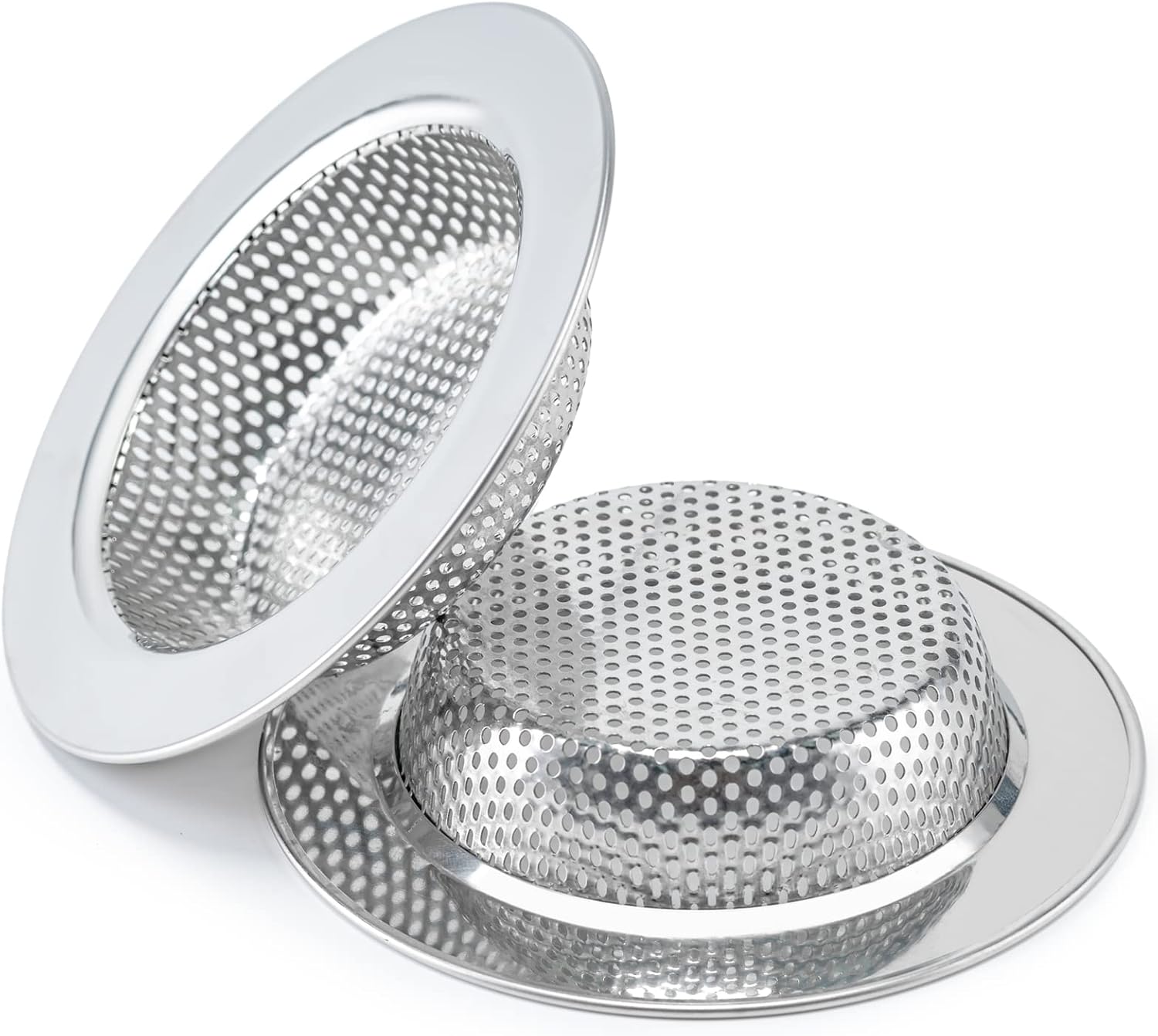
- Upgraded Double-Layer Design Strainer: This is the star of our show, offering advanced filtering with its layered mesh and emphasizing safety features like no sharp edges. You’re paying for better performance and peace of mind, especially with the 4.5-inch outer diameter designs.
- Premium Silicone/Hybrid: These models often combine the best of both worlds – a stainless steel core for rigidity and filtering, surrounded by a durable silicone rim or base for flexibility and sink protection. They’re usually well-designed and easy to clean, but they definitely sit at the higher end of the price spectrum.
Scenario-Specific Sink Strainer Solutions
Sometimes, your specific situation dictates what kind of drain protector makes the most sense.
For Heavy-Duty Use and Commercial-Adjacent Kitchens
If you run a household where the kitchen is perpetually active, churning out meals for a large family, or perhaps you’re catering small events from home, your sink sees a lot of action. We’re talking substantial food scraps, grease, and varied debris. For this kind of intense environment, you absolutely need a robust, stainless steel double-layer safe design kitchen sink strainer. The 4.5-inch outer diameter should be standard, but ensure it’s a tight fit. The fine mesh strainer in these models is crucial for catching everything, minimizing the risk of expensive plumbing calls. Look for something that feels substantial, heavy, and has a well-integrated, sturdy handle for frequent emptying. Durability is king here; you don’t want to be replacing it every few months.
For Minimalist Kitchens and Aesthetic Concerns
Maybe you don’t cook much, or your kitchen design is sleek and modern, and you want everything, even your sink strainer, to blend in seamlessly. For this, a low-profile, visually unobtrusive sink strainer is the way to go. You might still want the double-layer benefits, but perhaps in a design where the outer rim is very thin or almost flush with the sink. Silicone-rimmed models can often achieve a cleaner look and come in various neutral colors that might match your sink. While function is always important, here, the aesthetic plays a slightly bigger role. You’re balancing effective debris capture with a clean, uncluttered visual appeal. Does it have to scream “sink strainer”? Probably not.
For Households with Kids – Safety First, Always
Anyone with young children knows that tiny hands will explore everything. A sharp edge on a sink strainer is not just an annoyance for adults; it’s a genuine hazard for curious little fingers. In this scenario, the “no finger cuts” safe design isn’t just a nice-to-have feature; it’s practically a requirement. A kitchen sink strainer that has rolled edges, smooth finishes, or a protective silicone outer rim will provide significant peace of mind. The double-layer aspect is still beneficial for catching food and preventing clogs, but the emphasis shifts heavily to user safety. You want something that’s easy for anyone to handle, dump, and rinse without worrying about nicks and cuts. It’s a small detail, but it makes a world of difference when you’re not constantly worrying about accidents.
Common Mistakes When Buying a Sink Strainer
People often make a few avoidable blunders when picking out a new drain protector. Let’s fix that.
1. Ignoring Actual Drain Size
This is the big one. Assuming “universal fit” is a trap. I’ve seen people spend way too much on fancy strainers only to find they wobble around or don’t even sit in the drain. Always measure your drain opening – the internal diameter of the hole itself. A 4.5-inch outer diameter kitchen sink strainer is common, but drains vary. Get it wrong, and debris will just bypass the strainer completely. It’s a waste of money, pure and simple.
2. Choosing Solely Based on Price
Look, nobody wants to overspend on a sink strainer. I get it. But opting for the absolute cheapest often means you’re getting flimsy material that rusts, bends, or simply isn’t effective. That budget-friendly plastic model might save you a few bucks today, but it’ll likely end up in the trash (and then the landfill) much sooner than a well-made stainless steel strainer. Sometimes, a little more upfront cost saves a lot of hassle and repeat purchases down the line.
3. Neglecting Cleaning Ease in the Design
You’d be surprised how many effective debris catchers are absolute nightmares to clean. If it has tiny, inaccessible crevices, or mesh so fine it traps everything but won’t let go, you’ll dread emptying it. This leads to neglect, which then leads to a stinky, grimy strainer that harbors bacteria. Always consider how easily you can rinse or wipe it clean. A straightforward design, even with a double-layer, is key to sustained hygiene.
4. Overlooking the “No Finger Cuts” Aspect
For a long time, drain baskets were just… sharp. We got used to it. But with upgraded safe design options out there, there’s no excuse for constantly risking a nick. Especially if kids are around the sink, or if you’re just not paying full attention (who always is?). This isn’t just about comfort; it’s about minimizing those annoying little injuries that turn a simple kitchen chore into a minor irritation.
Why/How/What Mini-Section
Why are double-layer strainers gaining popularity?
Simple: they solve a long-standing frustration. Traditional single-layer strainers often let small but problematic debris like rice, coffee grounds, or tiny vegetable scraps slip through, leading to slow drains and eventual clogs. The added fine mesh strainer layer in these designs acts as a much more effective filter, catching those tiny culprits before they can cause mischief in your pipes. It’s a practical evolution in a humble kitchen tool.
How do you know if a sink strainer fits properly?
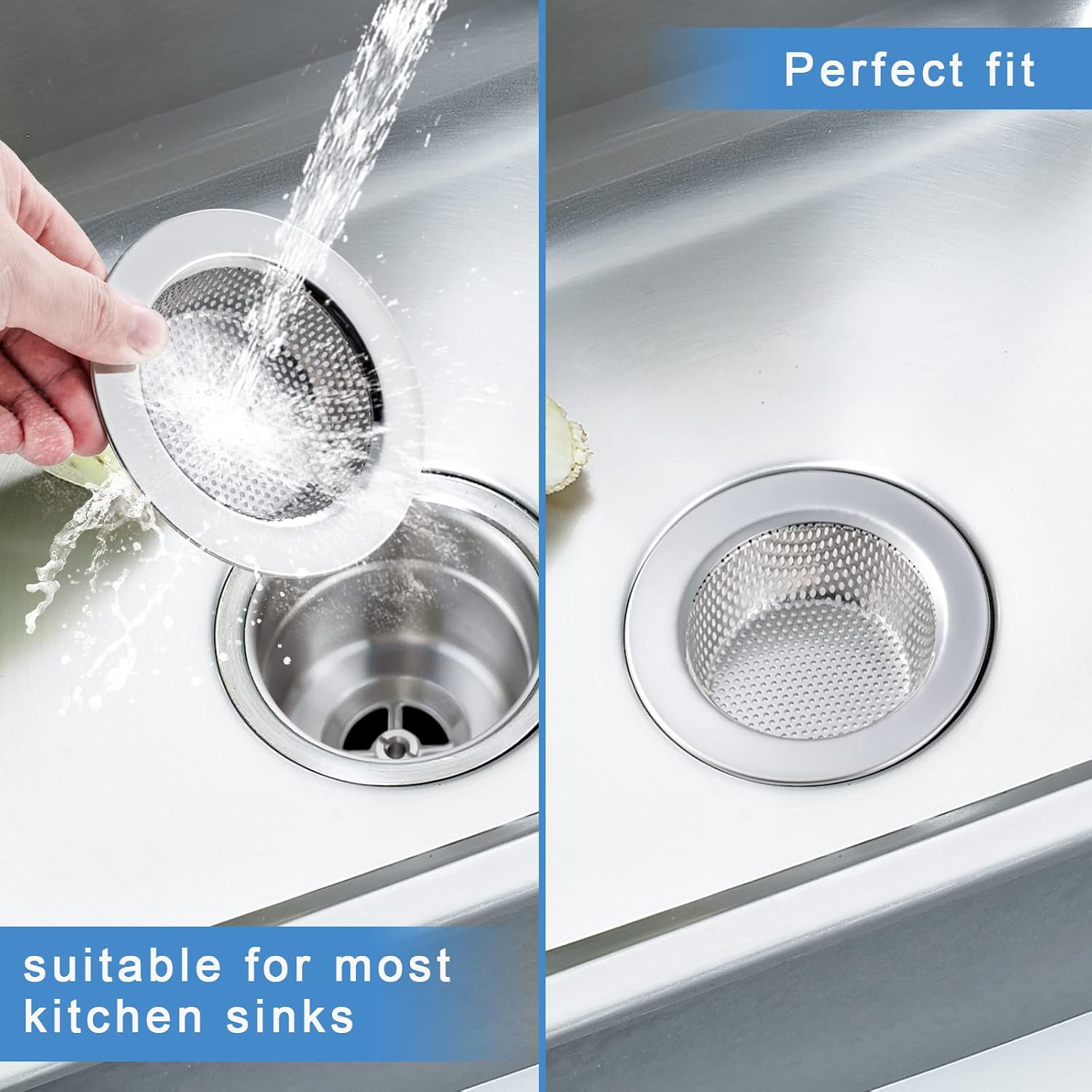
A properly fitting sink strainer should sit flush or very nearly flush with the bottom of your sink basin. There should be no noticeable gaps around the rim where small particles could escape. When water is running, it shouldn’t wobble or lift easily. If it has a central post or plug, it should insert smoothly without forcing, but also not feel overly loose. Trust your instincts on this; if it feels off, it probably is.
What makes a sink strainer a “safe design”?
“Safe design” for a sink strainer primarily refers to the absence of sharp edges that could cut or scratch you. This is achieved through manufacturing techniques like rolling the metal edges smooth, encasing them in a softer material like silicone, or using completely seamless construction. It means you can reach into the drain basket to retrieve food waste without worrying about painful nicks or cuts, which, honestly, is a pretty nice improvement.
FAQ
Are double-layer strainers genuinely more effective?
Yes, generally. The dual-layer approach, especially with a fine mesh strainer as one of the layers, is far better at capturing small food particles and debris that often slip through standard, larger-holed strainers. This significantly reduces the chances of pipe clogs.
How often should I clean my kitchen sink strainer?
Ideally, you should empty and rinse your sink strainer after every use or at least once a day if you’re doing a lot of cooking. This prevents food residue from rotting, causing odors, and becoming stubbornly stuck in the mesh. A quick daily rinse keeps it hygienic.
Can a fine mesh strainer slow down drainage?
It can, yes, if the mesh is too fine or if it’s quickly overwhelmed with debris. However, most well-designed fine mesh strainers, particularly those in a double-layer setup, balance debris capture with enough open surface area to allow for efficient water flow, preventing significant slowdowns.
What’s the deal with “no finger cuts” designs?
These designs focus on user safety by ensuring all edges, especially the rim and inner basket sections, are smoothed, rolled, or covered to eliminate sharp points. This means you can handle, empty, and clean the strainer without the risk of accidentally cutting your fingers. It’s a noticeable comfort improvement.
Will a universal 4.5-inch strainer truly fit most sinks?
Many kitchen sinks in North America do have a drain opening close to 4.5 inches in outer diameter. So, “most” is often accurate. However, drain sizes aren’t absolutely standardized. It’s still crucial to measure your specific drain opening to ensure a snug, effective fit before purchasing.
Are silicone sink strainers durable?
Quality silicone sink strainers are quite durable, resisting rust and deformation from heat. They are flexible and gentle on sink surfaces. While they won’t scratch, they can sometimes stain over time with certain foods, and their softer nature means they might be less rigid under heavy loads than stainless steel.
When should I replace my sink strainer?
You should replace your sink strainer when it shows signs of significant wear, like rusting, bending out of shape, cracking, or if the mesh becomes damaged, allowing debris to pass through. If it’s consistently letting small particles slip by or becoming difficult to clean, it’s time for an upgrade.
Final Recommendation
For most households, especially those with an active kitchen, opting for an upgraded double-layer safe design kitchen sink strainer is hands down the smarter move. The slight bump in cost over basic models is quickly recouped by avoiding plumbing issues and the sheer convenience of catching more gunk with less fuss. The added “no finger cuts” feature really is a quality-of-life improvement you don’t realize you need until you have it.
If your kitchen sees less action, or if you’re really watching pennies, a sturdy standard stainless steel basket strainer can work. But if you want to avoid those tiny bits of rice and coffee grounds making it into your pipes, and you appreciate a bit of thoughtful design that just works without slicing your finger, then go for the double-layer. It’s a small change that makes a big difference in daily kitchen peace.
#Pcs #Sink #Strainer #DoubleLayer #Safe #Design #Kitchen #Sink #Drain #Basket #Upgraded #DoubleLayer #Safe #Kitchen #Sink #Strainer #Finger #Cuts #Inch #Outer #Diameter #Fits #Sinks


Reviews
There are no reviews yet.