
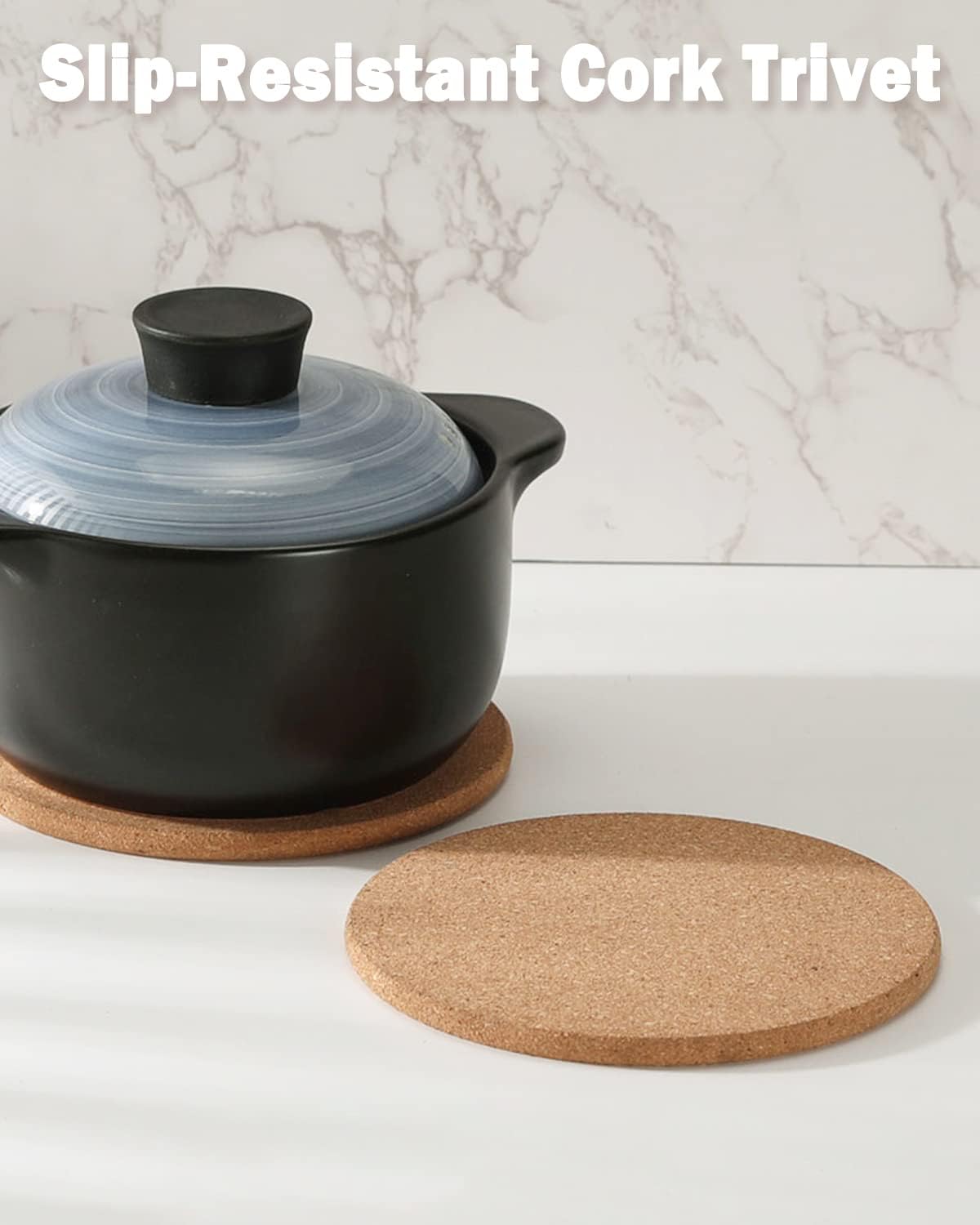
Hot Protection for Your Surfaces: Are Premium Trivets Truly Worth It?
Navigating the world of kitchen essentials can be surprisingly tricky, even for something as seemingly simple as trivets. This guide cuts through the noise, offering straight talk for savvy home cooks and entertainers wondering about the real value of different options. We’re zeroing in on cork trivets, especially those touted for hot dishes, hot pots and pans, examining whether a high-density, thick cork trivet is truly a kitchen essential or just another gadget taking up space. You’ll find out what really matters when you’re looking for proper heat protection.
Quick Answer
For most households, a set of reliable, mid-range cork trivets offers ample heat resistance and countertop protection without breaking the bank. Premium, high-density options are worth considering if daily intense use or specific aesthetic demands are at play, but don’t overspend on features you simply won’t use.
What to Look For (The Buying Criteria)
Choosing the right trivets isn’t rocket science, but ignoring a few key factors can lead to melted surfaces or, worse, shattered dishes. Here’s what discerning shoppers typically consider.
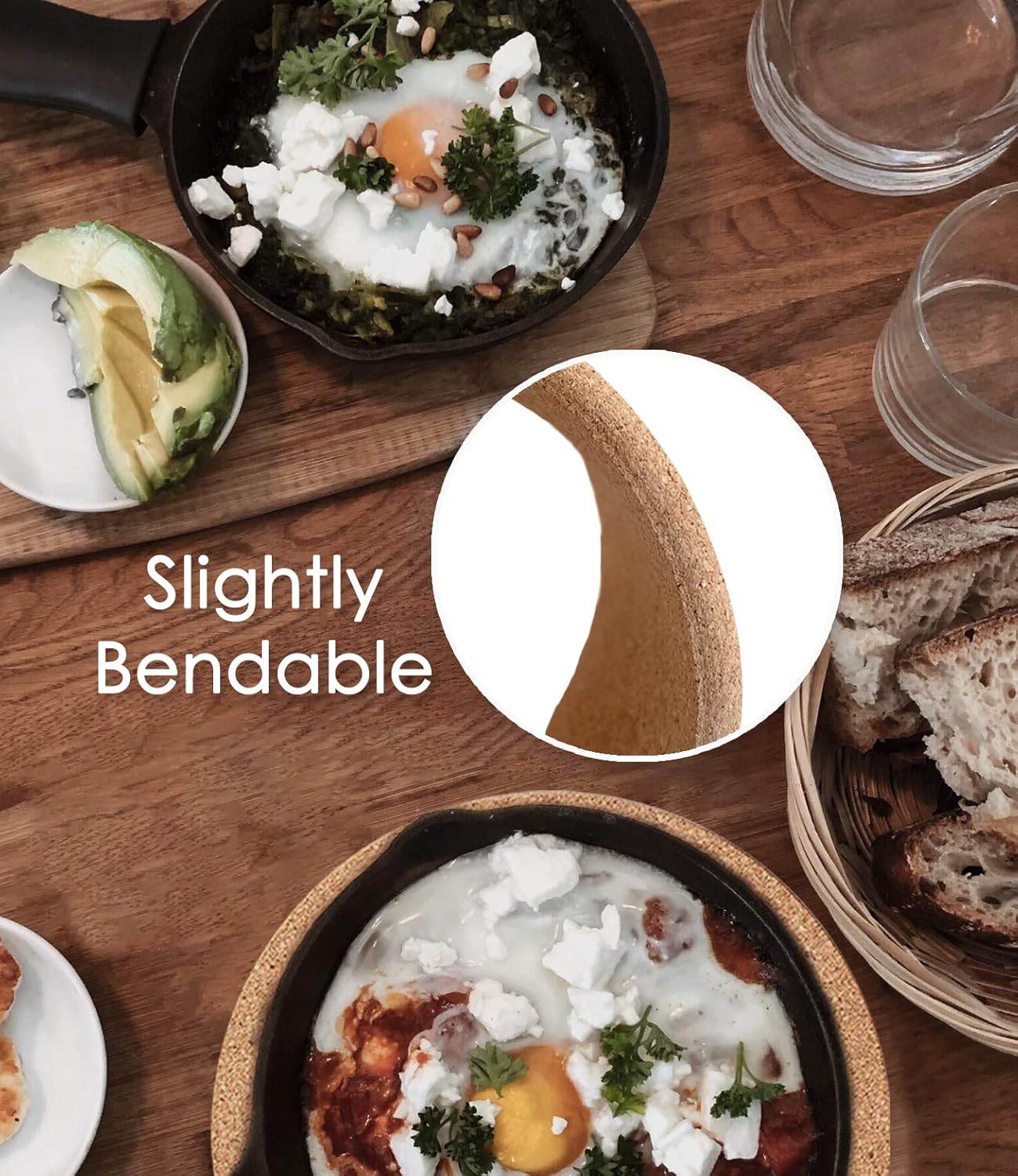
1. Material and Heat Resistance: This is the big one, right? Most folks are thinking about cork trivets, and for good reason. Cork is naturally insulating. But not all cork is created equal. You’ve got everything from thin, crumbly bits to robust, high-density cork versions. Look for material that feels substantial. Thin cork, while often budget-friendly, won’t stand up to a searing hot cast iron skillet for long. It might protect your table from a warm serving dish, sure, but a straight-from-the-oven casserole? That’s pushing it. The trade-off is often thickness versus flexibility; denser, thicker options offer superior heat resistance but can be a bit more rigid or less “bendy” than silicone alternatives, for instance.
2. Thickness and Density: Ah, the unsung heroes of table protection. A genuinely thick cork trivet creates a significant barrier between your sizzling pot and your precious countertop. We’re talking about insulation here. Thin pads might prevent scratching, but they won’t dissipate heat effectively enough for sustained exposure. Low-density cork, even if it’s somewhat thick, compresses easily and doesn’t hold up. You want that good, solid feel. The downside? Thicker trivets take up more drawer space, which, let’s be honest, can be a major consideration in smaller kitchens.
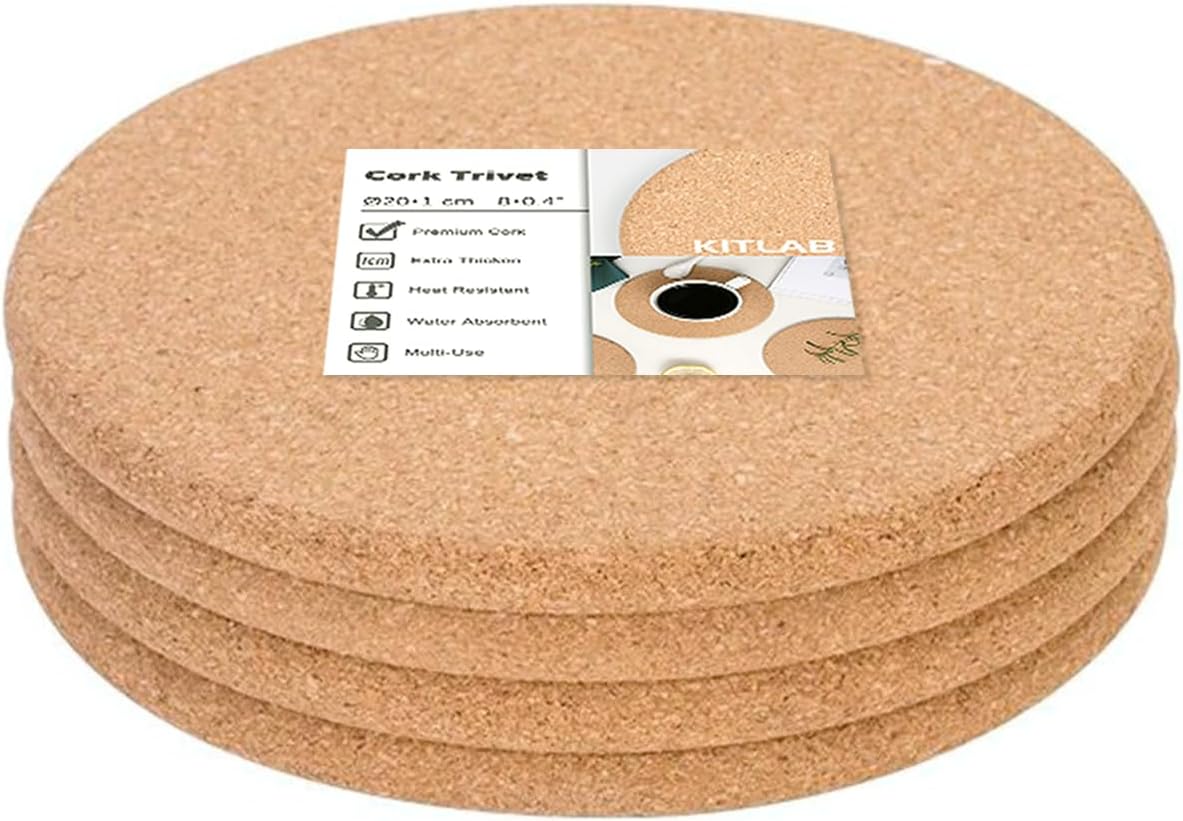
3. Size and Shape: Most trivets come in common sizes—think 8-inch or 10-inch circles, squares, or sometimes more decorative shapes. The standard 8-inch size is usually fine for everyday pots and pans, but what about that oversized roasting pan you pull out for holidays? Or a deep Dutch oven? A set of larger coasters for kitchen use might actually be a better fit for bigger serving platters. Don’t just grab the first multi-pack you see. Consider the dimensions of your most-used cookware and serving dishes. Too small, and you’re risking a scorched spot. Too large? Just unnecessary bulk.
4. Durability and Longevity: Nobody wants to buy trivets every year. Good cork trivets should last. This ties back to material quality and density. Cheap cork can crumble, crack, or flake after repeated heating and cooling cycles, or if it gets wet too often. They just break down. You want something that can handle a bit of moisture (accidental spills happen, right?) and continuous thermal stress without disintegrating. A more durable option might cost a bit more upfront, but it pays off by not needing constant replacement.
5. Aesthetic Appeal and Integration: Let’s face it, your kitchen isn’t just a utilitarian space. These are kitchen essentials that often sit on display. Do you want something purely functional, or something that complements your decor? Natural cork has a warm, earthy look that blends well with many styles. Some people prefer a minimalist vibe, others like intricate laser-cut designs. Think about how they’ll look on your dining table or kitchen island. Don’t neglect this! An ugly trivet, even if functional, just feels… off.
6. Quantity and Value in a Pack: Many cork trivets come in multi-packs, like a set of four. This is generally a good thing, offering hot pads for countertop needs for various dishes simultaneously. But do you actually need four? Or would two larger ones be more practical? Consider how many hot items you typically have on the table at any given time. A set of four 8-inch squares is versatile, yes, but for a single person, it might be overkill. For a big family dinner, it might be just right. Always weigh the quantity against your actual usage.
How to Match the Product to Your Situation
Finding the right trivets isn’t about finding the objectively “best” ones; it’s about finding the best fit for your kitchen, your cooking style, and your budget. Let’s look at a few common scenarios.
The Casual Cook & Occasional Entertainer: You love cooking, but it’s not a daily deep dive. Maybe you host a dinner party once a month, or warm up a casserole for family. You need reliable table protection but don’t want to overspend.
- Recommendation: A standard set of cork trivets, perhaps 8-inch squares or circles, will serve you well. Look for options described as “thick” rather than “thin.” You don’t need industrial-grade, but avoid anything that feels flimsy. A mid-range price point usually delivers decent quality for this use case. It’s a solid compromise between cost and performance.
The Everyday Culinary Enthusiast: Your kitchen is a hub of activity. Hot pans are coming off the stove, dishes are moving from oven to table frequently. Durability and serious heat resistance are paramount, and you appreciate tools that perform consistently.
- Recommendation: This is where high-density thick cork trivets start to make a real case for themselves. Investing a bit more in a premium set ensures they can handle the constant thermal assault without breaking down quickly. You’ll likely need a few different sizes – maybe some standard 8-inch hot pads and a larger coaster for kitchen use to accommodate roasting pans. You’re valuing longevity and peace of mind over the lowest possible price.
The Minimalist & Style-Conscious Host: Functionality is key, sure, but aesthetics matter, too. You want your kitchen essentials to look good, blend with your decor, and not clutter your space. Maybe you only need one or two trivets, but they have to be just right.
- Recommendation: Focus on design and material finish. Some premium cork trivets offer refined edges, unique patterns, or even combinations with other materials like metal. While you’re still looking for heat resistant qualities, you might prioritize a sleek, thin profile if you’re not dealing with extreme heat sources, or a very specific aesthetic that complements your serving dishes. It’s less about raw power and more about refined utility. You’re paying for form as much as function, and that’s perfectly okay.
Trivet Types and Their Place
Different materials bring different things to the table. Let’s stack them up.
| Type/Tier | Best For | Price Tier | Key Feature | Watch-Out |
|---|---|---|---|---|
| Basic Cork Trivets | Light to moderate heat, general table protection, budget-conscious buyers | Budget-friendly | Natural, lightweight | Prone to crumbling or scorching with intense heat |
| High-Density Cork Trivets | Regular use, heavy pots, superior heat resistance, long-term durability | Mid-range | Excellent insulation | Can be bulky, slight odor when new |
| Silicone Trivets | Versatility, easy cleaning, vibrant colors, non-slip grip | Mid-range | Extreme heat tolerance | Can sometimes absorb odors or attract lint |
| Cast Iron / Metal Trivets | Maximum heat, heavy duty, decorative statements, traditional kitchens | Premium | Indestructible | Very heavy, can scratch delicate surfaces, conduct heat at edges |
- Basic Cork Trivets are your entry point into table protection, offering a simple, natural barrier for warm dishes and minor spills.
- High-Density Cork Trivets step up the game, providing robust defense against sizzling hot pots and pans, making them a solid choice for active kitchens.
- Silicone Trivets offer a modern, highly flexible solution, superb for hot dishes right from the oven, and they’re often dishwasher-safe.
- Cast Iron / Metal Trivets are the heavyweights, providing a timeless look and ultimate heat resistant capabilities, though their weight means they’re not for every surface.
Scenarios Where Trivets Really Shine (or Fail)
It’s not just what you buy, but how you use it. Trivets aren’t magic shields for every possible scenario.
1. The “Daily Dinner Rush” Situation: Imagine your kitchen counter during an average weekday evening. You’ve got a hot skillet coming off the burner, a pot of pasta draining, and maybe a baking dish cooling. This isn’t a special occasion; it’s just Tuesday. For this kind of consistent, moderate-to-heavy use, your everyday hot pads for countertop have to be up to snuff. They’ll endure repeated temperature shifts and maybe a splash or two. A good set of cork trivets, especially those thicker ones, means you’re not constantly worrying about your counters. Thin, cheap options simply won’t cut it here; they’ll quickly show wear, scorch marks, and become more of an annoyance than a help.
2. The “Formal Dinner Party” Environment: Okay, now you’re pulling out the fine china, the linen tablecloth, and those lovely serving dishes. Aesthetics suddenly matter more. You need trivets that protect your table and look the part. Here, a large coaster for kitchen use might be less about raw heat protection (though still important) and more about presenting your meal elegantly. You definitely don’t want a flimsy, singed trivet under a beautiful roasted chicken. This is where those more refined or visually appealing kitchen essentials come into play. People often overlook this, assuming any old trivet will do. Nope. You want something that adds to the presentation, not detracts from it.
3. The “Bare Minimum” Protection: Let’s say you live alone, rarely cook from scratch, and mostly heat up takeout or microwave meals. Your hot items are usually just warm plates or a small bowl. Do you really need a full set of high-density thick cork trivets? Probably not. A couple of basic, thin cork trivets or even simple woven fabric pot holders might be perfectly adequate. Over-investing here is a waste. It’s like buying a heavy-duty truck when you only need to pick up groceries. Assess your actual needs. A single, solid heat resistant pad might be all you need.
Common Mistakes
Even with something as straightforward as a trivet, people make some blunders. Avoid these common pitfalls.
- Underestimating Heat: This is the big one. Thinking a thin, decorative trivet will handle a 450-degree casserole dish fresh from the oven? Think again. Your table surface will thank you for using a truly heat resistant option. Many folks assume “hot pad” means any hot pad, but ovens reach temperatures far higher than a coffee cup.
- Ignoring Size Requirements: Grabbing a small, round trivet for that massive lasagna pan is a recipe for disaster. You need the heat source to sit entirely on the protected area. That often means you need larger options, or maybe multiple smaller ones placed strategically. Don’t compromise on the area of table protection.
- Neglecting Material Quality: All cork isn’t created equal. Some budget cork trivets are made from loosely bound, low-density material that degrades rapidly. They might look fine in the package, but give them a few rounds with hot dishes, and they start to crumble. Look for uniform, dense construction.
- Skipping Regular Cleaning (Especially for Cork): Cork is a natural material. Spills, especially greasy ones, can stain it permanently if not wiped up quickly. While many cork trivets are resilient, they aren’t impervious to everything. A quick wipe-down can extend their life and keep them looking fresh. Otherwise, they start to look… well, gross.
Why/How/What Mini-Section
Why are cork trivets so popular for hot dishes?
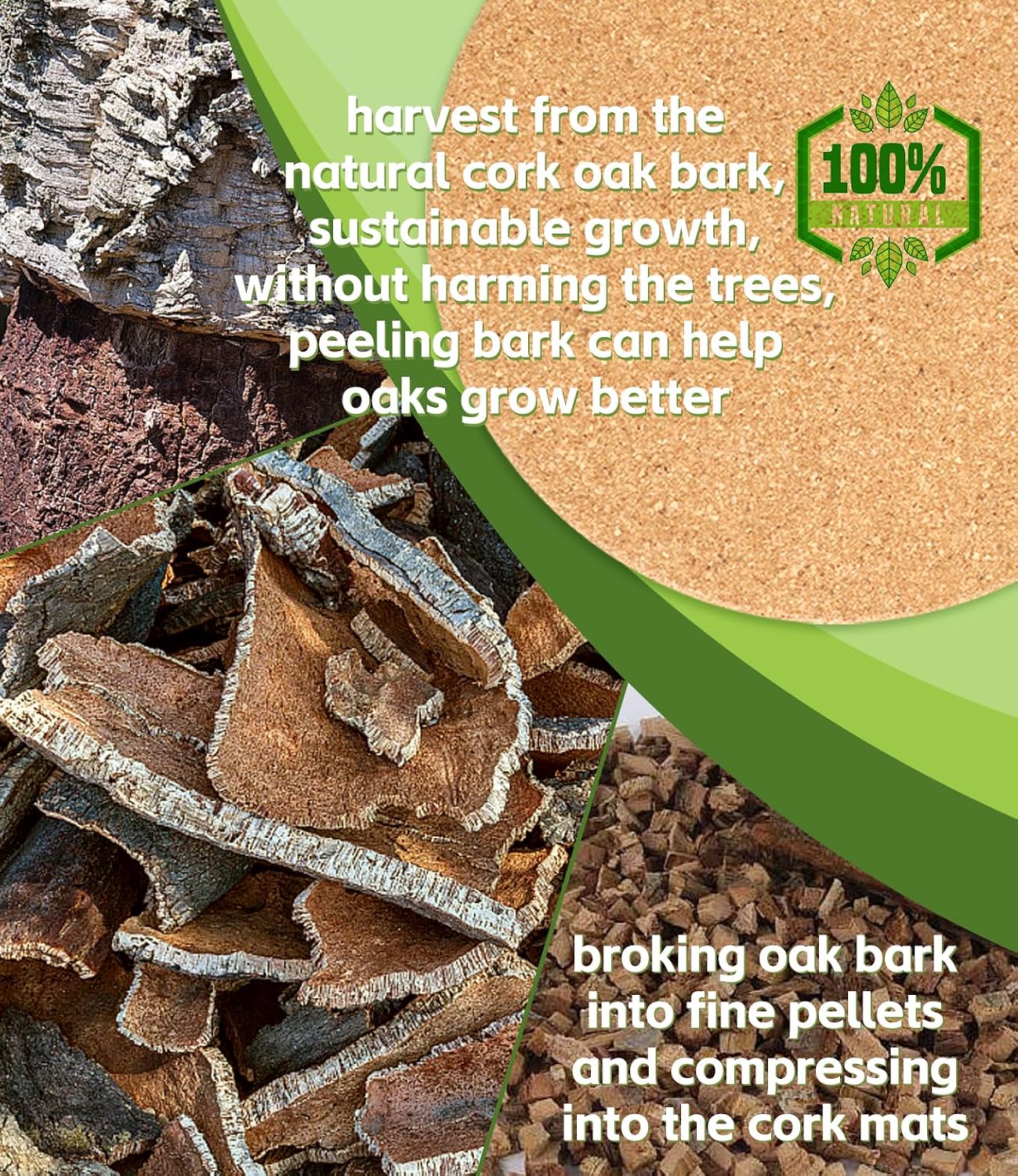
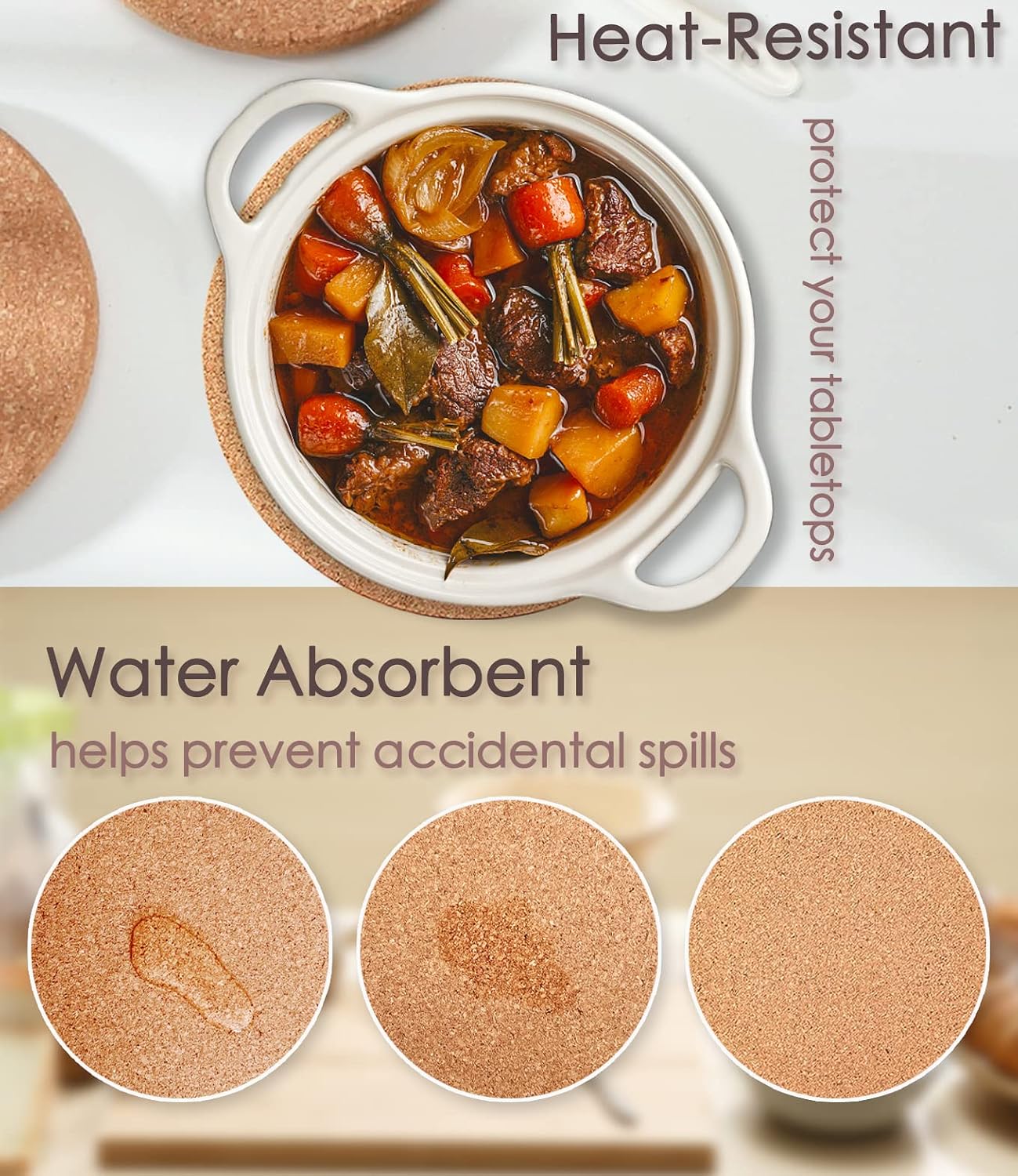
Cork is naturally insulating, meaning it doesn’t conduct heat well. This makes it an ideal material for creating a barrier between a scorching hot pot and pan and your delicate surfaces. It’s lightweight, relatively inexpensive, and has a pleasing, organic aesthetic that many find appealing in the kitchen. Plus, it’s pretty sustainable, which is a nice bonus these days.
How do I clean my cork trivets for kitchen use?
For most cork trivets, a simple wipe-down with a damp cloth is all you need. Avoid soaking them in water, as excessive moisture can cause the cork to swell, warp, or even break down over time. For tougher stains, a bit of mild soap on the cloth can help, but always let them air dry completely before storing to prevent mildew or mold growth. Don’t put them in the dishwasher, seriously.
What’s the difference between a trivet and a pot holder?
While both serve as hot pads for countertop and hands, a trivet is designed specifically for resting hot items on a surface, offering stable table protection. Pot holders, on the other hand, are primarily for handling hot items, like gripping a pot handle or pulling a baking dish from the oven. Many pot holders can double as trivets, but dedicated trivets often provide more rigid, stable, and sometimes more aesthetically pleasing surface protection. They are optimized for the task, you know?
FAQ
What size trivets do I really need for everyday cooking?
For most household pots, pans, and serving dishes, trivets in the 7 to 9-inch range work perfectly. Consider purchasing a set that includes both round and square options for maximum versatility. It covers most bases.
Can cork trivets prevent all heat damage to my counters?
They’re designed to provide significant heat resistant protection, yes. However, extreme, prolonged heat, especially from very thin-bottomed pans, might still transmit some warmth. Always use high-density cork for your hottest items.
Are these cork options easy to store in a small kitchen?
Yes, generally. Many cork trivets are thin enough to stack neatly in a drawer or cupboard. Look for sets that are uniform in size and shape for the most efficient storage, maximizing your limited space.
Do cork trivets have any natural odors?
New cork trivets might have a subtle, earthy, woody scent, which is completely natural. This usually dissipates fairly quickly with a bit of airing out. It’s not usually strong enough to be bothersome.
How many trivets should I buy?
A set of four 8-inch trivets is often a good starting point for a typical family, allowing you to protect surfaces from multiple hot dishes at once. If you frequently host large gatherings, consider an additional two or three.
Can I use cork trivets outside for barbecues?
Absolutely! Cork trivets make great coasters for kitchen use outdoors, too. They’re fantastic for protecting patio tables from hot grill accessories or serving platters, just be mindful of prolonged sun exposure which can dry them out over time.
What should I do if my trivet gets a burn mark?
Minor scorch marks on cork trivets are sometimes inevitable with very high heat. For small marks, you might try gently sanding the area with fine-grit sandpaper. However, if the mark is deep or affects the integrity, it’s probably time for a replacement.
Key Takeaways
When you’re sifting through options for trivets, especially those touted as kitchen essentials for hot dishes or hot pots and pans, remember a few things. Don’t cheap out on density and thickness if you cook often or with high heat; that extra investment in high-density thick cork trivets pays dividends in table protection. However, if your needs are light and occasional, a basic, budget-friendly set will do just fine. It’s about finding that sweet spot for your habits.
Final Recommendation
For the average household, one that cooks regularly but isn’t running a professional kitchen, a mid-range set of high-density cork trivets is truly the smartest move. Why? They strike an excellent balance between cost and performance, offering dependable heat resistant properties without the sometimes unnecessary expense of overly premium options. These types will handle everything from a simmering pot to a freshly baked casserole with aplomb. You’re getting solid durability, peace of mind, and genuinely effective hot pads for countertop use, all without feeling like you’ve overspent. If you’re hosting large family meals or frequently use oversized roasting pans, consider augmenting that set with a couple of larger-sized coasters for kitchen use. It just makes sense.
#Cork #Trivets #Hot #Dishes #Hot #Pots #Pans #Inch #Pcs #High #Density #Thick #Cork #Trivet #Heat #Resistant #Large #Coaster #Kitchen #Kitchen #Essentials #Hot #Pads #Countertop

Reviews
There are no reviews yet.