Finding Your Fit: A Guide to the SIHOO M57 Ergonomic Office Chair and Comprehensive Ergonomic Support
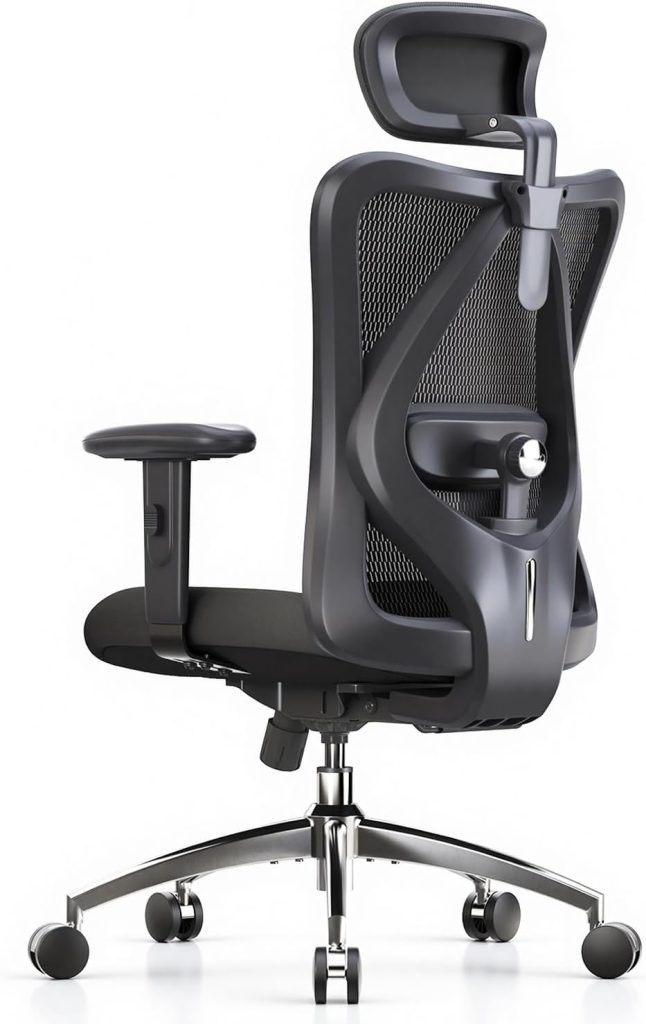
Searching for the right ergonomic office chair can feel overwhelming, especially when you’re dealing with long hours at your desk or persistent back discomfort. This guide dives deep into what makes an ergonomic office chair truly effective, using the SIHOO M57 Ergonomic Office Chair, Mesh Back Desk Chair with, as a prime example of a popular model in the mid-range category. We’ll explore crucial features, common pitfalls, and how to select a chair that genuinely supports your posture and well-being.
Quick Answer
An ergonomic office chair is designed to support your body’s natural posture and reduce strain, particularly for those sitting for extended periods. Key features include adjustable lumbar support, seat depth, armrests, and recline functions. The SIHOO M57, with its breathable mesh back and multi-dimensional adjustments, represents a strong contender for individuals seeking better support and comfort without venturing into premium price tiers.
What to Look For in an Ergonomic Office Chair
Choosing the right ergonomic office chair isn’t just about comfort; it’s about investing in your long-term health and productivity. With 15 years of experience fitting chairs, I’ve seen firsthand how a well-chosen home office desk chair with armrests can transform someone’s workday. Here’s a detailed breakdown of the critical features to evaluate:
Comprehensive Adjustability is Non-Negotiable
A truly ergonomic chair must adapt to your body, not the other way around. Look beyond basic height adjustment.
- Seat Height: The pneumatic cylinder should allow your feet to rest flat on the floor with your knees at a 90-degree angle, or slightly lower than your hips. The SIHOO M57 typically offers a generous range, accommodating users from roughly 5’2″ to 6’2″. Don’t settle for anything less than smooth, reliable adjustment.
- Seat Depth: This is vital for maintaining proper leg circulation and distributing weight evenly. A sliding seat pan allows you to adjust the seat forward or backward, ensuring a 2-3 finger gap between the edge of the seat and the back of your knees. Without this, you risk pressure points and numb legs. Many basic chairs skip this crucial feature, forcing a compromise.
- Lumbar Support: This is where many chairs fall short, especially for those seeking an ergonomic desk chair with lumbar support for back pain. Effective lumbar support mimics the natural inward curve of your lower spine. It should be both height and depth adjustable. Static lumbar support, common on budget models, might feel good to some but cause discomfort for others. Dynamic lumbar support, like the type often found in an adjustable lumbar support chair such as the SIHOO M57, can provide consistent support as you shift. However, even the best adjustable lumbar support won’t magically fix poor posture if you’re not engaging your core.
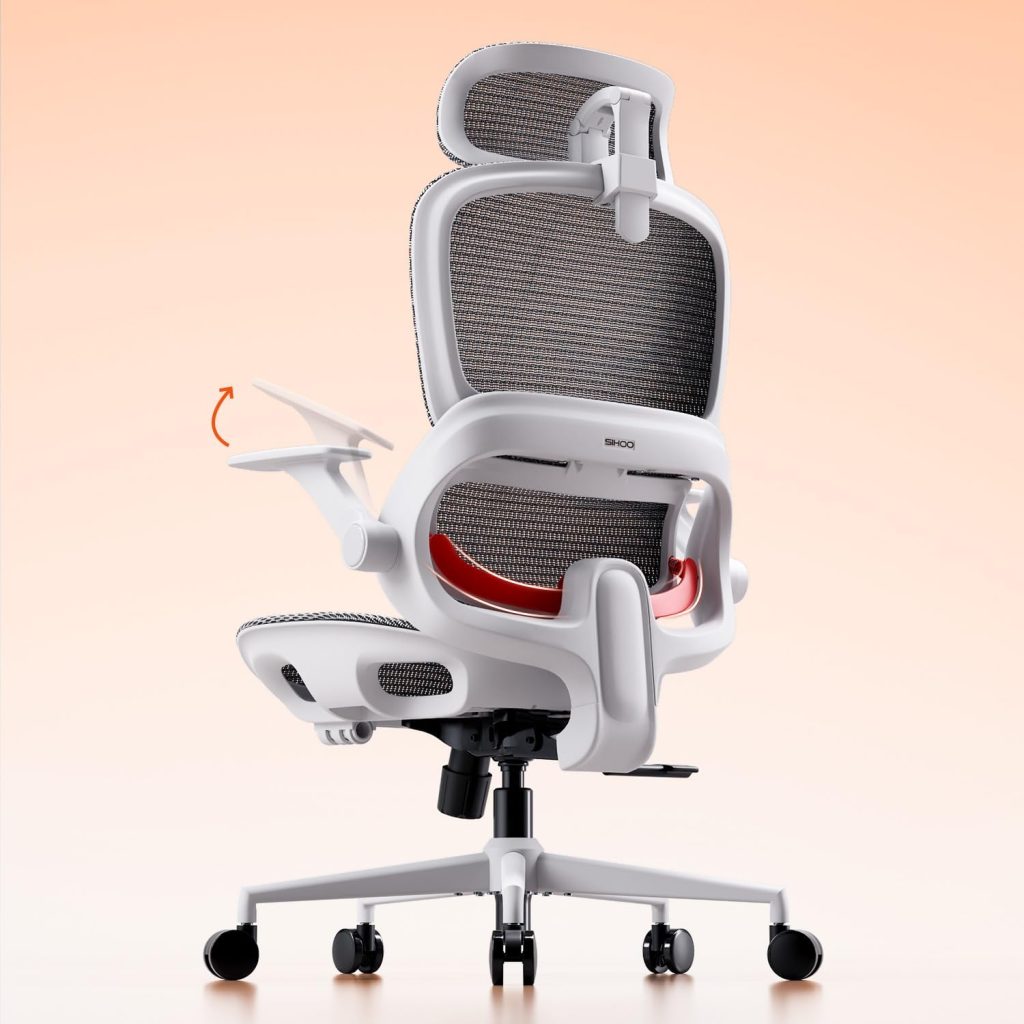
- Armrests: These aren’t just for resting your elbows. Proper armrests should support your forearms, allowing your shoulders to relax and preventing strain on your neck and upper back. Look for armrests that adjust in height, depth (forward/backward), pivot (in/out), and even width (4D armrests). The SIHOO M57 usually offers 3D adjustable armrests, which is a significant upgrade from static or 1D options. Without adequate arm support, you’re prone to hunching.
- Backrest Recline and Tilt Tension: A good high back mesh office chair allows you to recline comfortably, easing pressure on your spine. Look for a tilt lock to secure your preferred angle and adjustable tilt tension, which controls the resistance when you recline. This ensures the chair moves with you, preventing sudden jerks or excessive recline. A synchronized tilt, where the seat angle subtly adjusts with the backrest, promotes an open hip angle, crucial for long sitting hours.
- Headrest: A well-designed office chair with headrest supports the natural curve of your upper neck, not your entire head. It should be height and angle adjustable. Its primary purpose is to provide support during recline, not to bear the full weight of your head while working upright. If it pushes your head forward, it’s doing more harm than good.
Material Choice: Mesh vs. Other Fabrics
The material of your chair impacts comfort, breathability, and durability.
- Mesh: A mesh office chair breathable design, like the SIHOO M57, is highly sought after, especially in warmer climates or for individuals who tend to run hot. Mesh promotes airflow, preventing heat and moisture buildup. It also often conforms well to the body. The trade-off? Some lower-quality mesh can sag over time or feel too firm if the tension isn’t right. Not all mesh is created equal; look for high-tensile, durable mesh.
- Fabric: Fabric chairs offer a softer feel and can be very durable, but they generally lack the breathability of mesh. They can also absorb spills more readily.
- Leather/PU Leather: Often found in executive office chair styles, these offer a plush, premium aesthetic. However, they’re the least breathable and can become sticky in warm environments. Durability varies greatly with quality; PU leather often cracks and peels over time.
Build Quality and Durability
Don’t overlook the bones of the chair.
- Frame: A sturdy frame, often made of nylon or aluminum, is essential for longevity and stability. Check the advertised weight capacity. A chair rated for 250 lbs might not last long if you consistently push its limits, especially if you’re considering a big and tall office chair 330 lbs.
- Casters (Wheels): The wheels should roll smoothly on your flooring. Hard casters are typically for carpet, while soft casters are for hard floors. Low-quality casters can scuff floors and get stuck. Most office chair with wheels come with standard plastic casters, but upgrading is often an option.
- Gas Lift Cylinder: This dictates seat height adjustment. Class 3 or 4 gas lifts are preferable for durability and stability.
How to Match an Ergonomic Office Chair to Your Situation
Finding the ergonomic office chair that fits your unique needs requires assessing your body type, the duration of your daily sitting, and specific comfort concerns. It’s not a one-size-fits-all solution.
For Long Hours and Back Pain Relief
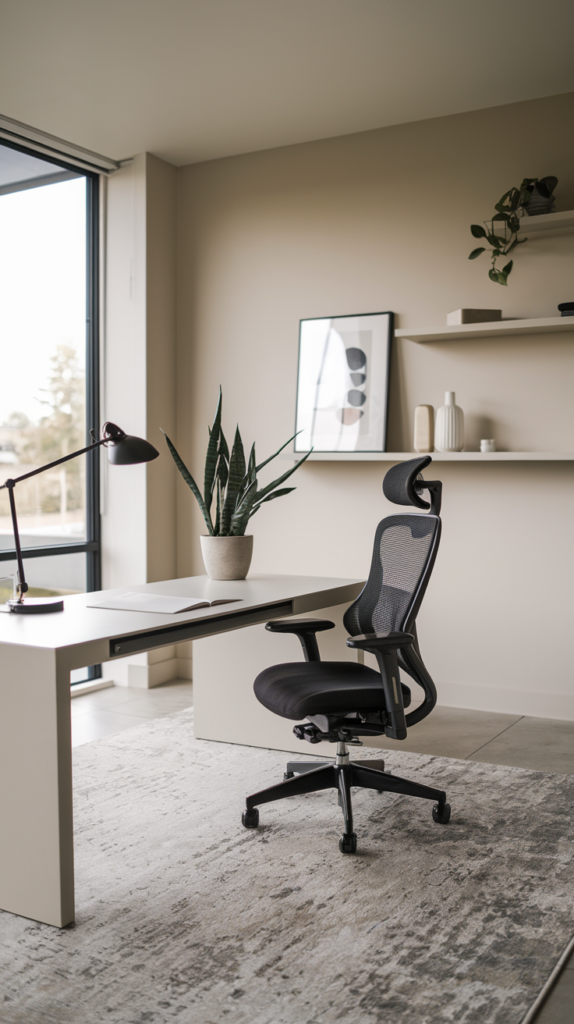
If you’re sitting for 8+ hours daily and experiencing back pain or even sciatica, adjustability becomes paramount. You need an ergonomic chair for back pain that offers robust, adjustable lumbar support. The SIHOO M57, as an ergonomic desk chair with lumbar support, provides a good foundation for many users. Look for chairs with synchronized tilt and multiple lockable positions, allowing you to shift posture throughout the day. A high back mesh office chair with an adjustable headrest can also prevent neck strain during periods of recline. For significant pain, consider models that allow for a deeper recline and offer more dynamic lumbar support that moves with you.
For Specific Body Types: Short, Tall, and “Big & Tall”
The general “average” chair doesn’t work for everyone.
- Best Office Chair for Short Person: Petite users often struggle with seat depth and minimum seat height. Look for chairs with a shallow seat pan (or excellent seat depth adjustment) and a low minimum height. Your feet must be flat on the floor. An office chair with footrest can be a temporary workaround for too-high chairs, but ideally, the chair itself should fit.
- Office Chair for Tall Person 6 Feet+: Tall individuals need a high backrest, often a high back mesh office chair, that adequately supports their shoulders and neck, and a seat pan that extends enough to support their thighs without cutting off circulation. A properly adjustable headrest is also crucial here. Ensure the armrests can extend high enough to provide support without forcing shoulder shrugging.
- Big and Tall Office Chair (e.g., 330 lbs): These chairs are engineered with stronger components – heavier-duty gas lifts, reinforced frames, and wider, deeper seats. Don’t compromise on weight capacity; choosing a standard chair that’s just “big enough” will lead to premature failure and inadequate support. Look for wider armrest spacing and broader backrests.
Balancing Budget with Ergonomics
You don’t always need a premium chair to get ergonomic office chair benefits, but be realistic about trade-offs.
- Budget Ergonomic Office Chair Under $200: Chairs in this tier, while appealing, often have limitations. They might offer basic adjustments, less durable materials, and static lumbar support. They can work for occasional use or shorter sitting durations. You might find an office chair with lumbar support under $250, but confirm its actual adjustment range.
- Mid-Range (like SIHOO M57): This is often the sweet spot for many. Chairs like the SIHOO M57 provide a good balance of adjustable features (lumbar, armrests, headrest), durable mesh, and a sturdy build at a more accessible price point. You get a significant upgrade in support and adjustability compared to budget models, making them a solid choice for home office chair for all day sitting.
- Premium: These chairs offer the most extensive adjustability, highest-quality materials, and often innovative ergonomic technologies (like dynamic lumbar systems). They are designed for decades of daily use and intense ergonomic needs but come with a substantial investment.
Ergonomic Chair Categories: A Comparative Look
Here’s a snapshot of common chair categories and where they fit into the ergonomic office chair landscape:
| Category | Best For | Price Tier | Key Feature | Watch-Out |
|---|---|---|---|---|
| Full-Feature Ergonomic | All-day professional use, serious back pain | Premium | Extensive, precise adjustments for all body types | Significant investment, can be overwhelming to adjust |
| Mesh Task Chair | General home office, breathability, moderate hours | Mid-range | Breathable mesh back, good essential adjustments | Lumbar support might be basic, not always for very tall/heavy users |
| Executive Office Chair | Aesthetic appeal, executive look, occasional use | Mid-range to Premium | Plush padding, often leather/PU, impressive appearance | Often lacks critical ergonomic adjustments for long hours |
| Gaming Office Chair | Gamers, hybrid work-gaming, aggressive styling | Budget to Mid-range | High back, bucket seat design, often vivid colors | Ergonomics often secondary to aesthetics, can force posture |
- Full-Feature Ergonomic: These chairs, like some from Steelcase or Herman Miller, are the gold standard for dedicated ergonomic office chair for long hours. They offer unparalleled adjustability, but their cost reflects this.
- Mesh Task Chair: This category, represented well by the SIHOO M57, strikes a balance. You get a mesh office chair that’s breathable and typically includes a swivel task chair functionality, making it suitable for many home office setups. The key is to find one with strong lumbar and armrest adjustments.
- Executive Office Chair: While they might look impressive, many executive chairs prioritize plush comfort and aesthetics over true ergonomics. They often lack crucial adjustments like seat depth or multi-dimensional armrests, making them a poor choice for home office chair for all day sitting if you have specific ergonomic needs.
- Gaming Office Chair: Often marketed as a gaming office chair, these chairs prioritize a sporty aesthetic, often with bucket seats and aggressive side bolsters. While some offer basic recline and height adjustments, their “ergonomics” frequently mimic racing car seats, which aren’t ideal for long-term spinal health. For serious ergonomic needs or ergonomic chair for back pain, a dedicated ergonomic office chair is almost always a better choice than a gaming chair vs ergonomic office chair debate.
Common Mistakes Buyers Make
Even with good intentions, buyers often fall into traps when seeking an ergonomic office chair:
- Prioritizing Price Over Fit: Buying the cheapest option without considering personal fit or adjustment needs is a recipe for discomfort. A budget office chair with lumbar support under $250 might seem like a win, but if the lumbar support isn’t adjustable to your back, it’s not truly ergonomic for you.
- Ignoring Weight Capacity: Overlooking the chair’s stated weight limit leads to premature wear, instability, and potential safety hazards. If you’re above average weight, specifically look for chairs marketed as big and tall office chair 330 lbs or higher.
- Forgetting About Armrests and Seat Depth: Many focus solely on lumbar support and height. However, poorly adjusted armrests cause shoulder and neck tension, and an ill-fitting seat depth can cut off circulation, leading to numbness. These are often overlooked yet critical features for any home office desk chair with armrests.
- Mistaking “Plush” for “Supportive”: A chair with thick, soft padding might feel comfortable initially, but if it lacks underlying structural support and adjustability, it won’t provide the long-term ergonomic benefits needed for ergonomic office chair for long hours.
- Not Testing (Even Briefly): If possible, try to sit in the chair for at least 10-15 minutes. How does the mesh feel? Do the adjustments move smoothly? Can you achieve a neutral posture? While you might not be able to test every specific model like a SIHOO M57, understanding the feel of different features (e.g., mesh tension, lumbar support type) is invaluable.
Why, How, What: Core Ergonomic Chair Questions
Why is an ergonomic office chair important for back pain?
An ergonomic office chair is crucial for back pain because it’s designed to maintain your spine’s natural S-curve, reducing disc pressure and muscle strain. Proper lumbar support prevents slouching, which can exacerbate conditions like sciatica. Without this support, your body constantly works to hold itself upright, leading to fatigue and increased pain over time.
How do I properly adjust my SIHOO M57 for optimal posture?
To properly adjust your SIHOO M57, start with feet flat on the floor, knees at 90 degrees. Adjust seat height first. Then, slide the seat pan to leave 2-3 fingers between the seat edge and your knees. Position the adjustable lumbar support to gently push into the small of your back, ensuring your spine maintains its natural curve. Finally, adjust armrests to support your forearms, keeping shoulders relaxed and elbows at 90-100 degrees.
What’s the real difference between a gaming chair vs ergonomic office chair?
The fundamental difference lies in their primary design goals. A gaming office chair prioritizes aesthetics, often featuring high-back racing-style seats that might restrict natural movement and promote a forward-leaning posture. An ergonomic office chair, conversely, focuses on promoting neutral posture, spinal health, and comprehensive adjustability for long-term comfort and productivity. For truly supportive ergonomic chair for back pain, the dedicated office chair almost always wins.
Keep reading: SIHOO M59AS Review: Adaptive Support Desk Chair for Personalized Comfort · SIHOO Doro C300 Ergonomic Office Chair Review: Ultra Soft 3D Comfort
FAQ
What should be my top priority when buying an ergonomic office chair?
Your top priority should be adjustability, specifically for seat height, seat depth, and lumbar support. These core adjustments ensure the chair can truly conform to your unique body dimensions and provide proper spinal alignment.
Is a mesh office chair breathable enough for hot climates?
Yes, a mesh office chair is significantly more breathable than padded fabric or leather chairs, making it an excellent choice for hot climates or for individuals who tend to get warm while sitting. The open weave allows for continuous airflow, preventing heat and moisture buildup.
Can an ergonomic desk chair with lumbar support help with sciatica?
An ergonomic desk chair with lumbar support can certainly help alleviate sciatica symptoms by promoting proper spinal alignment and reducing pressure on the sciatic nerve. However, it’s a supportive tool, not a cure; consistent good posture and regular movement are also vital.
Are office chair with headrest designs always better than those without?
Not always. A good office chair with headrest provides valuable neck support when reclining, helping to relax your upper back. However, a poorly designed or non-adjustable headrest can push your head forward, leading to strain. Prioritize a headrest that adjusts significantly in height and angle.
What’s a reasonable expectation for a budget ergonomic office chair under $200?
A budget ergonomic office chair under $200 will typically offer basic ergonomic features like height and tilt, but often with limited lumbar adjustment and less durable materials. It’s suitable for occasional use or shorter sitting durations, but don’t expect the comprehensive support of mid-range or premium models.
How do I know if my home office chair for all day sitting is adjusted correctly?
You’ll know your home office chair for all day sitting is adjusted correctly when your feet are flat on the floor, knees at a 90-degree angle, and there’s a small gap behind your knees. Your lower back should feel gently supported, and your forearms should rest comfortably on the armrests with relaxed shoulders.
What’s the expected lifespan of a quality ergonomic office chair?
The expected lifespan of a quality ergonomic office chair varies, but mid-range models like the SIHOO M57 often last 5-10 years with proper care. Premium chairs from brands like Steelcase or Herman Miller can easily last 15-20 years or more due to their superior materials and construction.
Final Recommendation
For most individuals seeking a reliable, supportive ergonomic office chair without the premium price tag, particularly those focused on managing or preventing back pain during extended workdays, a well-selected mid-range option like the SIHOO M57 Ergonomic Office Chair, Mesh Back Desk Chair with, represents an excellent choice. Its blend of breathable mesh, adjustable lumbar support, headrest, and multi-dimensional armrests addresses many common ergonomic needs.
If you’re an individual who sits for long hours, values breathability, and needs solid core adjustments to maintain a healthy posture and relieve existing back discomfort, you’ll find chairs in this category offer substantial value. Remember to always prioritize adjustability that truly fits your body, as a chair’s effectiveness lies in its ability to adapt to you.
#SIHOO #M57 #Ergonomic #Office #Chair #Mesh #Desk #Chair
Common Questions About the SIHOO M57 Ergonomic Office Chair
Is the SIHOO M57 good for long hours at a desk?
The SIHOO M57 is a strong mid-range ergonomic chair for long desk hours, because it offers the adjustability that actually matters — seat height, seat depth, adjustable lumbar support, armrests, recline with tilt tension, and a headrest — in a breathable mesh design.
Its mesh backrest promotes airflow that prevents heat buildup during 8+ hour days, and the ergonomic support targets the posture problems that cause back pain and sciatica. The sturdy frame and quality casters provide the stability a daily work chair needs.
It suits home-office workers and anyone with persistent back discomfort; casual sitters can save money with a simpler chair.
What adjustments matter most in an ergonomic office chair?
Comprehensive adjustability is non-negotiable: the chair must adapt to your body, not the other way around.
Look beyond basic height adjustment to seat depth (a 2-3 finger gap behind your knees), lumbar support that mimics your spine's natural curve, armrests that let shoulders relax, and recline with adjustable tilt tension. A well-designed headrest supports the neck's natural curve during recline.
If a chair lacks these adjustments, no amount of padding will make it ergonomic for full-time use.
Mesh vs fabric vs leather office chair: which is best?
Choose mesh if you run hot or sit long hours — it promotes airflow and prevents heat and moisture buildup — and choose fabric or leather only if you prefer a softer feel or a premium look.
Mesh is the most breathable option and the standard for ergonomic chairs. Fabric feels softer but absorbs spills and breathes less. Leather and PU leather look premium but are the least breathable and can get sticky in warm rooms.
For warm climates and all-day sitting, mesh is the practical winner.
How do I tell if an office chair is well built?
Check the frame material, weight capacity, caster quality, and gas lift class — the bones determine whether the chair lasts.
A sturdy nylon or aluminum frame, a weight rating with real margin above your weight, smooth-rolling casters matched to your flooring (hard casters for carpet, soft for hard floors), and a Class 3 or 4 gas lift are the durability signals. Low-quality casters scuff floors and get stuck; a weak gas lift sinks within a year.
A chair rated for 250 lbs will not last long if you consistently push its limits.
What office chair features help with back pain and sciatica?
For back pain and sciatica, prioritize robust adjustable lumbar support, seat depth adjustment, and recline with tension control — features that let the chair fit your specific body and pain points.
Petite users should verify minimum seat height and depth so feet rest flat without the seat edge pressing behind the knees. Sitting 8+ hours with back pain makes adjustability paramount; a basic task chair will not cut it.
A good chair helps significantly, but persistent pain deserves medical advice too.