Don’t Get Burned: Is That Fancy Baking Sheet Pan Set Really Worth It?
Picking a new baking sheet might seem like a no-brainer, but trust me, there’s more to it than just grabbing the first flat metal thing you see. This guide is for home cooks and bakers, from casual weeknight dinner preppers to serious cookie crafters, who want to understand the real differences in cookie sheets for oven use and whether a premium nonstick half/quarter/jelly roll pans set, especially one with a diamond texture pattern and heavy duty cookie tray build, actually delivers. We’re cutting through the marketing fluff to help you spend smart.
Quick Answer
For most home kitchens, a well-built heavy duty cookie tray with a good nonstick surface, often found in half-sheet pan or jelly roll pan sizes, offers the best blend of performance and durability. While some folks chase the lowest price, investing a bit more upfront in a quality baking sheet pan set can save you frustration (and burnt food) in the long run.
What to Look For (The Buying Criteria)
Alright, so you’re staring down a wall of baking sheets. Aluminum, steel, coated, uncoated, light, dark… it’s a lot. Don’t sweat it; we’ll break down what truly matters. We’re talking about the backbone of your oven adventures here, so choose wisely.
First up, Material Matters. Most baking sheets you’ll encounter are either aluminum or carbon steel. Aluminum, especially the lighter gauge stuff, heats up quickly. That’s a double-edged sword, though. It’s responsive, sure, but can also be prone to warping if it gets a sudden blast of heat. Ever heard that loud POP from your oven? Yeah, that’s often a cheap aluminum sheet pan protesting. It usually flattens back out, but it’s annoying. Carbon steel, on the other hand, is a sturdier, heavier material. It takes a little longer to get to temperature, but it holds heat incredibly well and is far less likely to warp. The trade-off? It often costs more, and it can be a bit heavier to maneuver, especially when loaded with a big batch of roasting veggies.
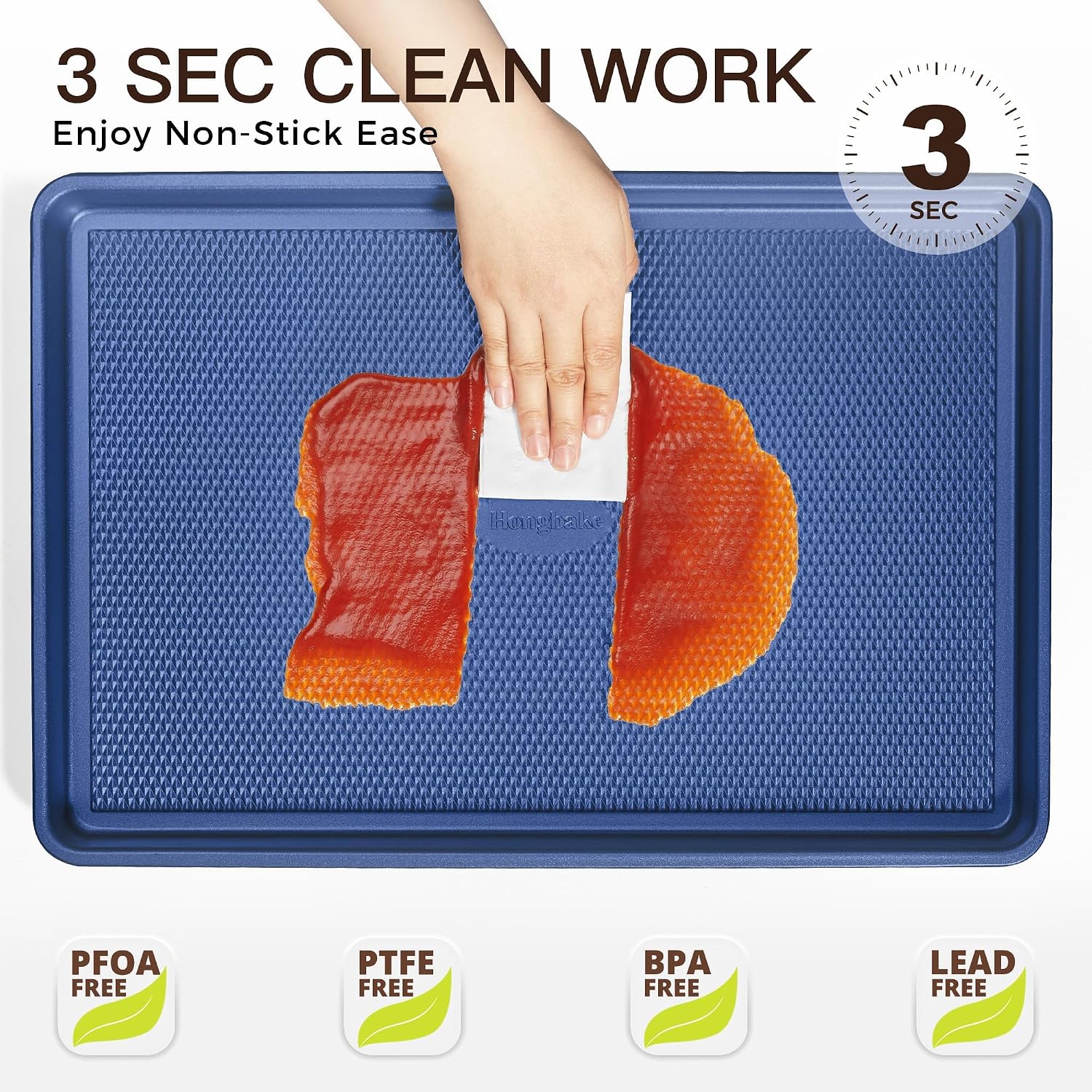
Then there’s the Nonstick Factor. Oh, the nonstick debate! Everyone loves easy cleanup, right? A good nonstick baking surface, especially on cookie sheets, is a godsend. Food slides off without a fight, reducing the need for parchment paper or excessive greasing. But here’s the rub: nonstick coatings, over time, will degrade. They scratch, they peel, they lose their magic. Even the best ones have a finite lifespan. So, while a nonstick option is wonderfully convenient, it’s not a forever solution. Some higher-end sheets use a ceramic or silicone-based nonstick, which can be more durable, but still require gentle care.
Consider Construction and Gauge. This goes hand-in-hand with material. A heavy duty construction often means thicker gauge metal. Think about it: a flimsy piece of foil vs. a solid cookie tray. Thicker metal distributes heat more evenly, which means less hot spots and more consistent results, whether you’re baking delicate cookies or crisping up some sheet pan chicken. You don’t want your oven pans buckling under pressure. Thicker gauges also resist warping better. The downside of beefier construction is usually the price tag and the weight. Moving a fully loaded, thick-gauge half-sheet pan out of a hot oven requires a steady hand and maybe two mitts.
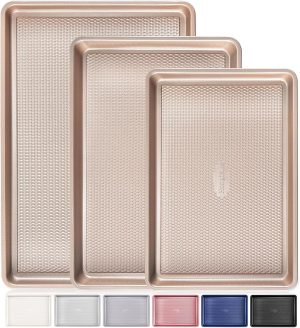
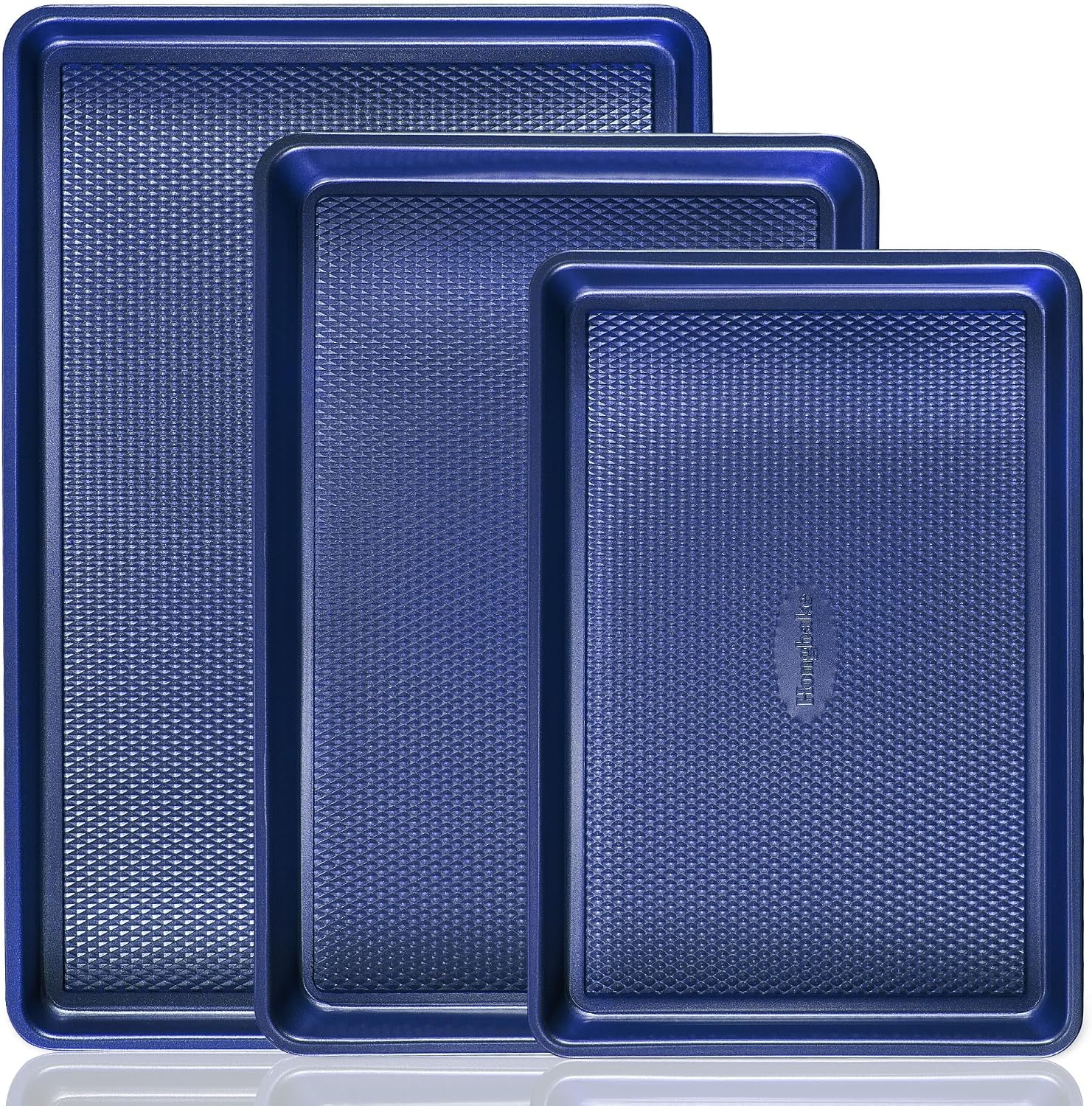
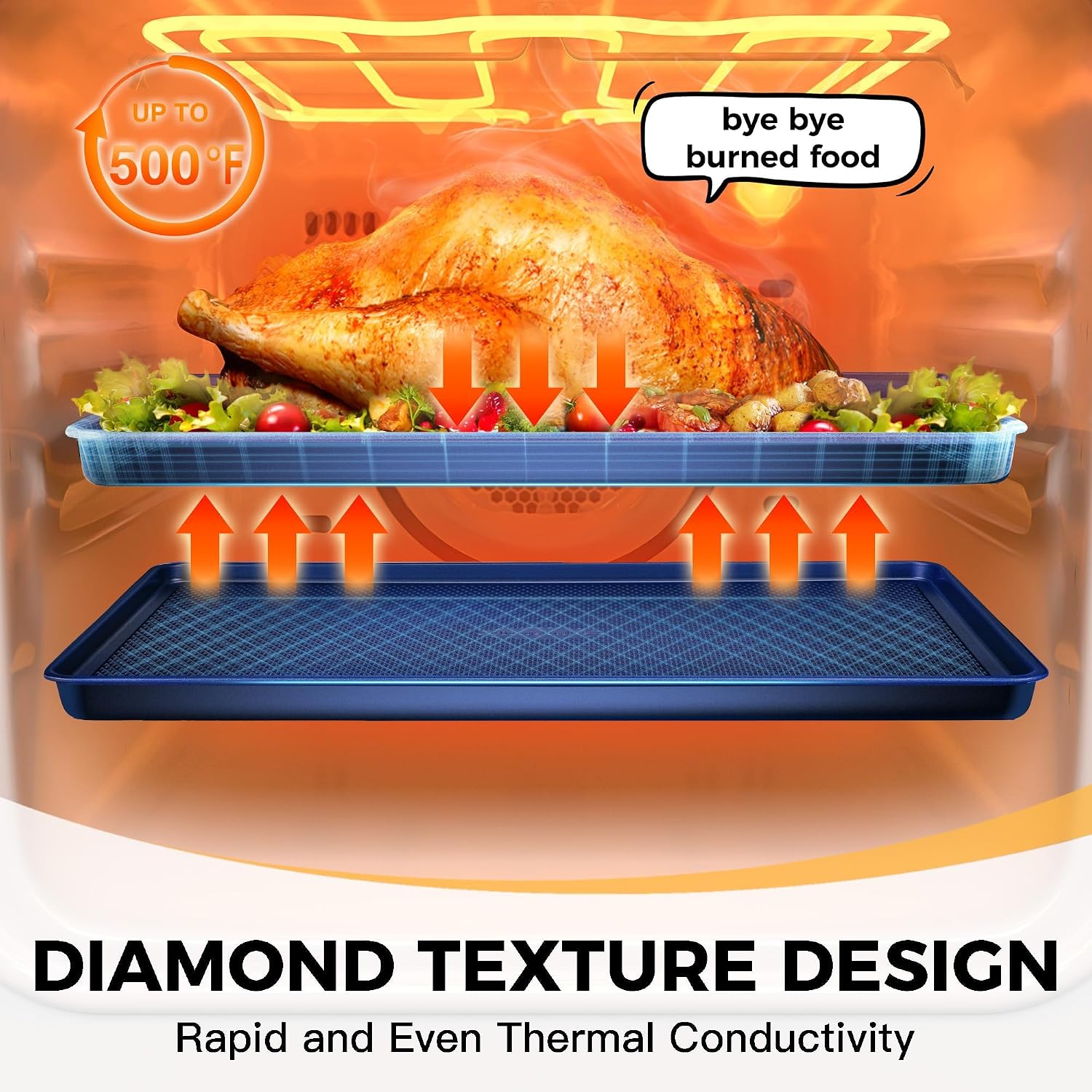
Next, The Surface Texture. You’ve probably seen diamond texture pattern or similar raised patterns touted as a feature. Is it just marketing? Not entirely. These textures are designed to promote better airflow around your food. In theory, this leads to more even browning and crispier bottoms without burning. It can also help food release more easily by reducing the surface area contact, so there’s less sticking. The practical upshot? Your fries might get crispier. Your cookies might brown more consistently. The only real drawback I’ve seen is that they can sometimes be a smidge harder to clean than a perfectly smooth surface if anything really sticks into those nooks and crannies.
Edge Design isn’t just aesthetic, believe it or not. Look for rolled edges. These aren’t just for looks; they add structural rigidity to the pan, further preventing warping. A fully encapsulated rim means no exposed metal where water can get trapped and cause rust, especially important for carbon steel or those with inner steel cores. You don’t want water sneaking in, then causing corrosion. Nobody wants that.
Finally, Color Matters More Than You Think. Most folks don’t give this a second thought beyond “dark blue looks cool.” But dark-colored baking sheets, like the dark blue finish mentioned in our target, absorb and radiate more heat than lighter, reflective ones. What does this mean for your food? Faster browning, often crispier exteriors, and a higher chance of over-browning or even burning if you’re not careful. If you’re used to a light aluminum sheet, you’ll need to adjust your oven temperature or baking time downwards when using a dark one. It’s not necessarily a bad thing, just a factor you must account for.
How to Match the Product to Your Situation
Okay, so who are you in the kitchen? This isn’t about judging your culinary skills, just figuring out what kind of baking sheet will actually serve you best.
The Casual Cook & Weeknight Warrior: You’re not baking soufflés, but you regularly roast vegetables, make sheet pan dinners, or maybe warm up frozen pizzas. You need practicality and ease. A mid-range nonstick baking surface is probably your sweet spot. You don’t need to break the bank for professional-grade gear, but you don’t want something so flimsy it warps after two uses. A standard half-sheet pan or two, perhaps with a decent dark blue finish if you’re willing to adjust for faster browning, will handle most tasks. Durability over decades isn’t your top concern, but ease of use and cleanup definitely are.
The Avid Home Baker: You’re making cookies, sheet cakes, pastries, maybe even some bread. Consistency is key. You need something that distributes heat evenly and won’t suddenly buckle in the oven. For you, a heavy duty construction is non-negotiable. Look at carbon steel options or thicker gauge aluminum sheets, especially those with features like a diamond texture pattern for better airflow and browning. A baking sheet pan set with a jelly roll pan and a half-sheet pan gives you versatility. You’ll appreciate the nonstick but understand its limitations, likely supplementing with parchment paper for delicate bakes.
The Meal Prep Master: You’re roasting batches of chicken, prepping veggies for the week, and probably using your oven a few times a week. You’re a workhorse in the kitchen. What you need is sheer, unadulterated durability and capacity. A heavy duty cookie tray or two half-sheet pan options that can stand up to constant use and high heat without warping is crucial. While nonstick is nice, you might lean towards uncoated, thicker aluminum or carbon steel that can develop a natural patina, because you’ll be using these constantly and want maximum lifespan. Who has time for delicate care with nonstick surfaces when you’re feeding a small army for the week?
Comparison of Baking Sheet Types
| Type/Tier | Best For | Price Tier | Key Feature | Watch-Out |
|---|---|---|---|---|
| Basic Aluminum Pan | Budget-conscious, light use, quick heating | Budget | Excellent heat conduction | Prone to warping, can stain easily, typically no nonstick coating. |
| Nonstick Carbon Steel | Everyday baking, easy release, even heating | Mid-range | Robust construction, reliable nonstick surface | Nonstick coating lifespan, heavier, requires careful cleaning to preserve coating. |
| Textured High-Gauge Steel | Avid bakers, consistent browning, durability | Mid-range+ | Superior airflow, resistance to warping, sturdy | Can be pricey, textured surface might be slightly harder to clean. |
| Premium Anodized Aluminum | Professional results, superior evenness, longevity | Premium | Enhanced durability, non-reactive, strong heat distribution | Higher upfront cost, often doesn’t have a nonstick coating (requires parchment). |
Basic Aluminum Pans are your entry-level options, getting the job done but often with some trade-offs in durability and even baking. Nonstick Carbon Steel offers a step up, providing a sturdier base and the convenience of easy food release, though you’ll need to be mindful of its care. Textured High-Gauge Steel is where you start seeing features like diamond texture pattern really shine, giving you more consistent results and impressive longevity for a modest increase in cost. For the truly dedicated, Premium Anodized Aluminum delivers commercial-grade performance and robustness, making it a long-term investment that pays off in consistent, professional-level outcomes.
Scenario-Specific Picks
Let’s get specific. Your ideal baking sheet isn’t just about general criteria; it’s about how often and for what you’ll actually use it.
For the Occasional Baker (Think Holidays and Birthday Cakes):
You don’t need a commercial kitchen’s worth of oven pans, but when you do bake, you want it to work without a hitch. For this sporadic but important use, a sturdy mid-range nonstick half-sheet pan or a jelly roll pan is your friend. The convenience of nonstick means less fuss getting that batch of cookies off the pan. And because you’re not using it daily, the nonstick coating should last you a good long while. Just make sure it’s got some decent heft; a flimsy pan will still warp even if used infrequently.
For the Everyday Roaster (Sheet Pan Dinners are Your Jam):
If your baking sheet sees the inside of your oven almost every night, tackling everything from roasted broccoli to full sheet pan fajitas, then durability and resistance to warping are paramount. Forget the super-delicate nonstick if you’re constantly scraping. You’ll want a heavy duty cookie tray—think thick, uncoated aluminum or a robust carbon steel. The slight cleanup effort is a small price to pay for a pan that won’t buckle under high heat, allowing you to consistently get those perfectly caramelized edges on your veggies. And honestly? A well-seasoned uncoated pan can almost become nonstick over time, a beautiful thing.
For the Dedicated Cookie and Pastry Artist:
Precision is your game. You need even heat distribution and a surface that promotes consistent browning without hot spots. Here, a baking sheet pan set that includes half-sheet pan and quarter-sheet pan sizes, possibly with a diamond texture pattern, will serve you well. Materials like heavier gauge carbon steel or anodized aluminum are ideal because they provide that crucial thermal stability. If you’re really serious, you might even opt for an uncoated surface and rely on parchment paper or silicone mats for nonstick, giving you ultimate control over browning and an incredibly long-lasting pan.
Common Mistakes When Buying Baking Sheets
People make some head-scratching mistakes when it comes to these kitchen staples. Let’s talk about a few of the most common ones.
First up, prioritizing price over durability. Look, I get it, we all love a deal. But a super cheap, thin baking sheet will likely warp, create hot spots, and generally make your baking experience less pleasant. That loud BONG from the oven as your pan deforms? Not fun. Spending a little extra upfront for a heavy duty construction is an investment that pays dividends in consistent results and longevity. Don’t be penny wise and pound foolish here.
Another big one? Ignoring the impact of pan color. That sleek dark blue finish might look appealing, but as we discussed, darker colors absorb more heat. If you bake your usual cookie recipe on a new dark sheet without adjusting, you’re going to get burnt bottoms. This isn’t a defect in the pan; it’s a difference in thermal properties you need to acknowledge and adapt to. Don’t blame the pan when you didn’t adjust your technique.
Then there’s the classic over-reliance on nonstick coatings without proper care. A nonstick baking surface is fantastic, no doubt. But it’s not invincible. Using metal spatulas, abrasive scrubbers, or running it through a high-heat dishwasher cycle regularly will strip that coating faster than you can say “burnt cookie.” If you want your nonstick to last, treat it gently. Hand wash, use silicone or wooden tools, and don’t stack it without protection. Seriously, it’s not that hard.
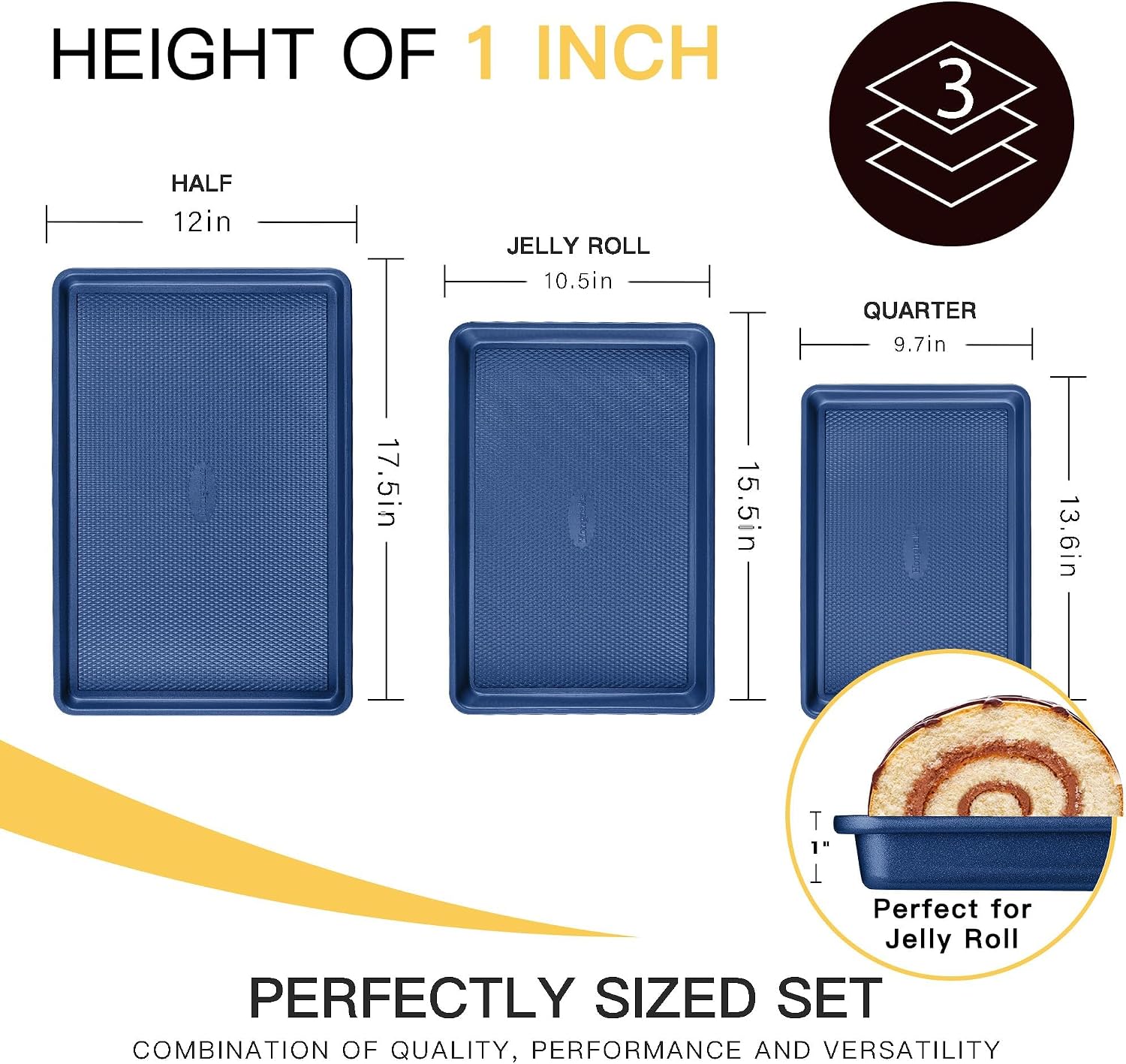
And finally, some folks just buy the wrong size for their oven or needs. You might see a jelly roll pan and think, “perfect!” only to realize it barely fits in your compact oven, or that it’s too small for your batch of roasted vegetables. Always measure your oven’s interior space before committing to a baking sheet pan set. And think about what you actually cook. A single quarter-sheet pan isn’t going to cut it for a family meal prep session.
Why/How/What
Why does a diamond texture pattern matter on a baking sheet?
That diamond texture pattern isn’t just for looks, though it certainly can add some visual appeal to a dark blue finish. The raised pattern actually minimizes direct contact between your food and the pan surface. This allows hot air to circulate more freely underneath whatever you’re baking or roasting, leading to more even browning, crispier results, and often, easier release. It’s a clever bit of engineering.
How do I prevent my baking sheets from warping?
Warping is the bane of many a baker’s existence, typically happening to thinner gauge metal oven pans when exposed to sudden, extreme temperature changes. To avoid it, preheat your oven and the pan together if possible, allowing it to heat gradually. Avoid placing a cold pan into a screaming hot oven, or conversely, plunging a hot pan into cold water. Thicker, heavy duty construction and rolled edges also dramatically reduce the likelihood of warping, making those options a wise investment.
What is the practical difference between a half-sheet pan and a jelly roll pan?
The main difference is subtle but important: size. A half-sheet pan is a standardized commercial size, typically around 18×13 inches, offering ample space for roasting, baking large batches of cookies, or making family-sized sheet pan dinners. A jelly roll pan is usually slightly smaller, often closer to 15.5×10.5 inches, and traditionally used for baking thin cakes that are rolled up (hence the name). While you can certainly use a jelly roll pan for smaller batches of cookies or roasting, a half-sheet pan provides significantly more usable surface area for most home cooking needs.
FAQ
Is it really worth spending more on a “heavy duty” baking sheet?
Absolutely, if you plan to use it regularly. Heavy duty construction means thicker metal, which resists warping and distributes heat more evenly. This translates to more consistent cooking results and a pan that will last you years, not months.
Can I use my dark blue baking sheet at the same temperature as a silver one?
You can, but you probably shouldn’t without adjustment. The dark blue finish absorbs more heat, causing faster browning. You’ll likely need to reduce your oven temperature by 25°F or shorten baking times to prevent burning, especially for delicate items.
How long does the nonstick coating on a cookie sheet typically last?
It varies wildly, but with proper care (hand washing, no metal utensils), a quality nonstick baking surface on cookie sheets might last a few years. Abusing it will shorten that lifespan dramatically; expect peeling and reduced effectiveness.
Are baking sheet pan sets with multiple sizes actually useful?
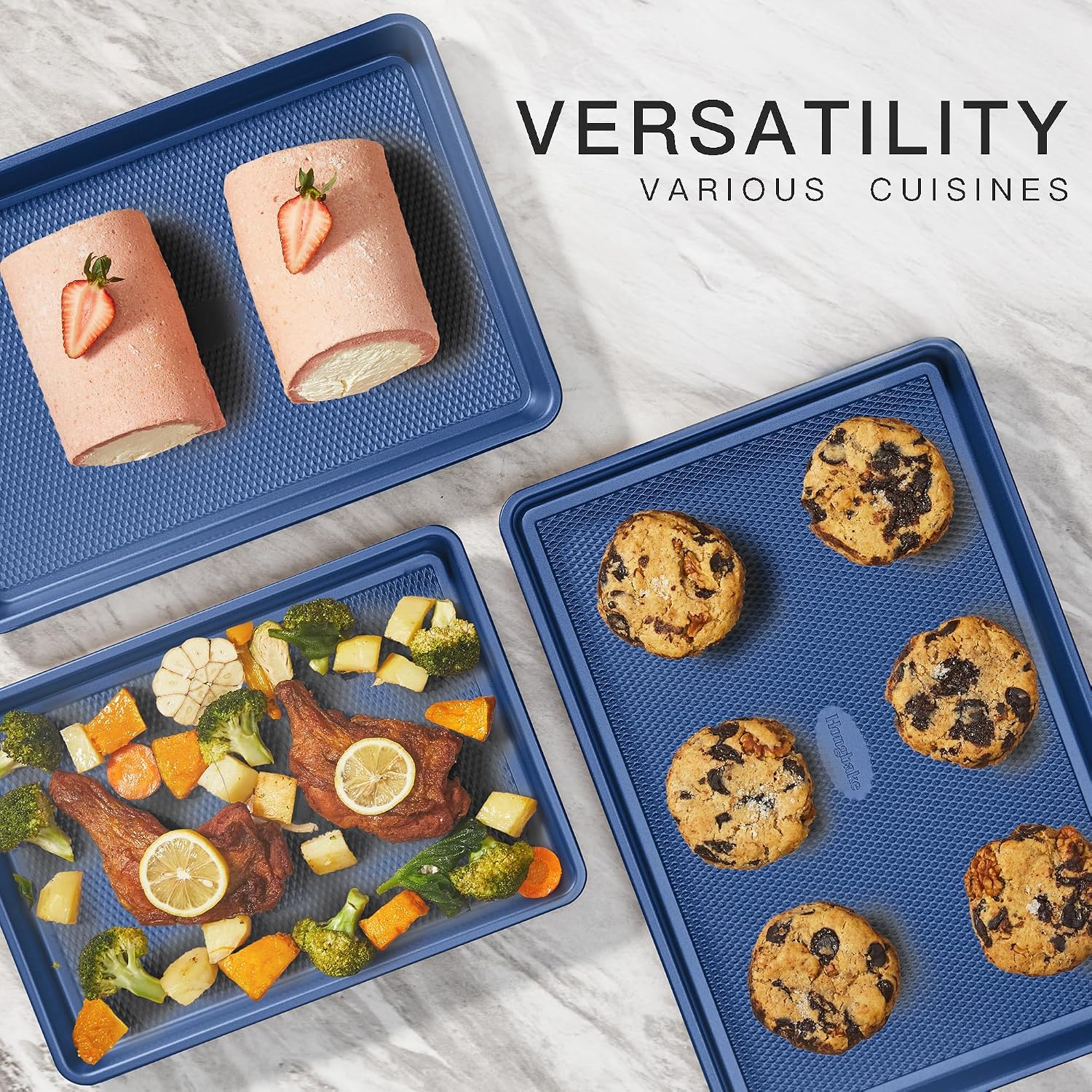
Yes, very! A good baking sheet pan set that includes half-sheet pan, quarter-sheet pan, and maybe a jelly roll pan gives you incredible versatility. You’ll always have the right size for small tasks or larger batches, saving you from washing and reusing mid-cooking.
What’s the best way to clean a nonstick baking sheet with a diamond texture pattern?
Warm, soapy water and a soft sponge are your best friends. For stubborn bits stuck in the diamond texture pattern, a soft nylon brush can work wonders. Avoid abrasive scrubbers or steel wool, which will damage the nonstick coating.
Is carbon steel a better material than aluminum for oven pans?
It depends on your priority. Carbon steel, common in a heavy duty cookie tray, is incredibly durable, resists warping, and holds heat beautifully. Aluminum, especially commercial-grade, heats faster and is lighter. For sheer resilience and even heating over time, many prefer carbon steel.
Can I use these oven pans for high-temperature roasting, like for vegetables at 450°F?
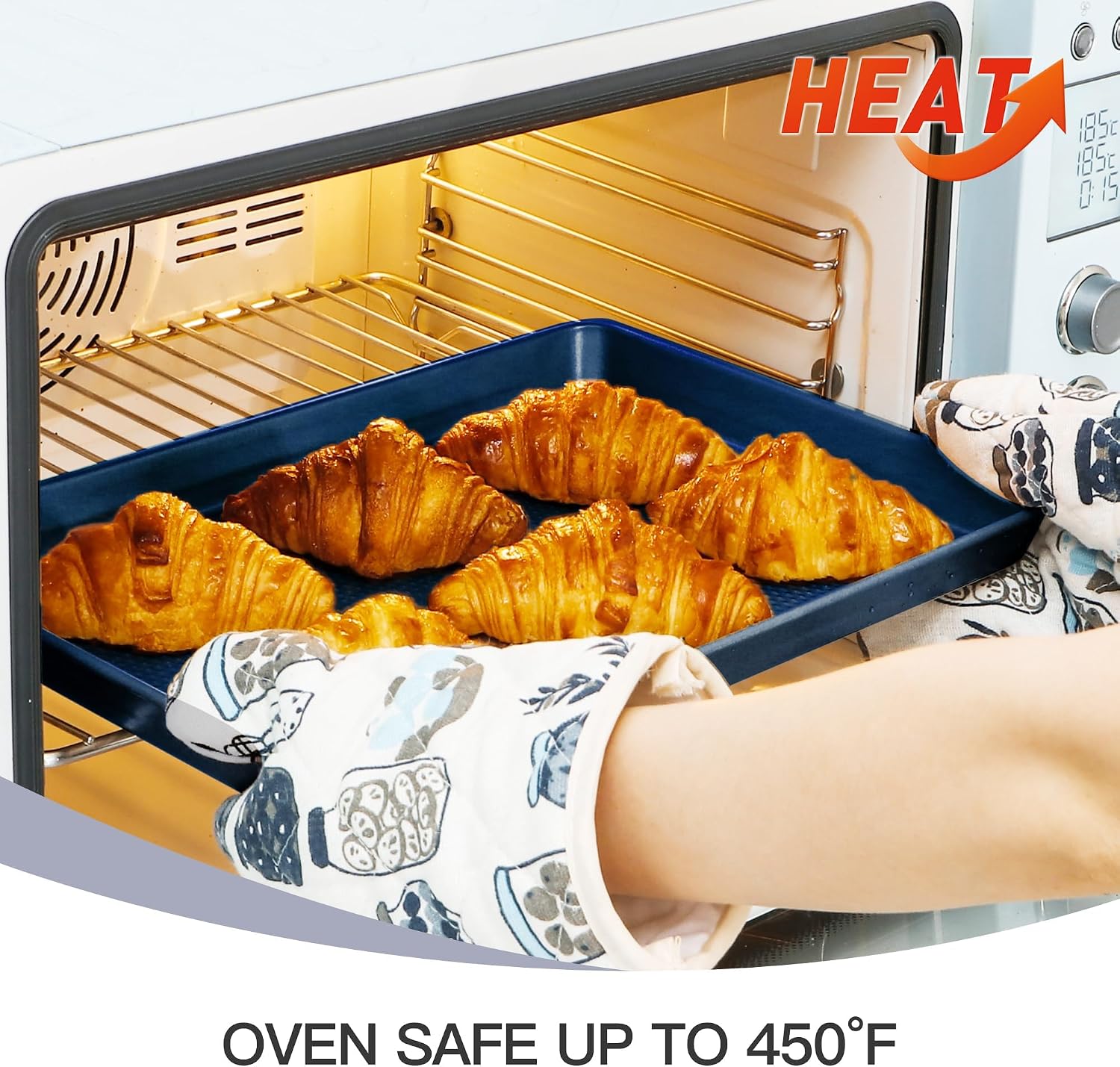
Yes, most quality oven pans, particularly those with heavy duty construction and no flimsy handles, are designed to handle high oven temperatures like 450°F or even higher. Just ensure any nonstick coating is rated for such heat, as some lower-grade coatings might not tolerate extreme temperatures well.
Final Recommendation
When it comes to getting a baking sheet pan set that truly delivers, you’re generally looking for a sweet spot between initial cost and lasting performance. For the majority of home cooks who want consistent results without constant fuss, I’d steer you towards a heavy duty cookie tray made from a robust carbon steel or a thick-gauge aluminum, ideally with a quality, durable nonstick coating. That diamond texture pattern is more than just marketing; it genuinely helps with airflow and browning.
While the appeal of a dark blue finish is undeniable, just remember to adjust your baking. If you’re someone who bakes frequently, consider a set with a half-sheet pan and a quarter-sheet pan to maximize your kitchen’s utility. Don’t pinch pennies on something that’s going to be a foundational piece of your cooking arsenal; a slightly higher investment upfront will pay you back in perfectly roasted vegetables and evenly baked cookies for years to come.
#Baking #Sheet #Pan #Set #Cookie #Sheets #Oven #Nonstick #HalfQuarterJelly #Roll #Pans #Diamond #Texture #Pattern #Heavy #Duty #Cookie #Tray #Dark #Blue