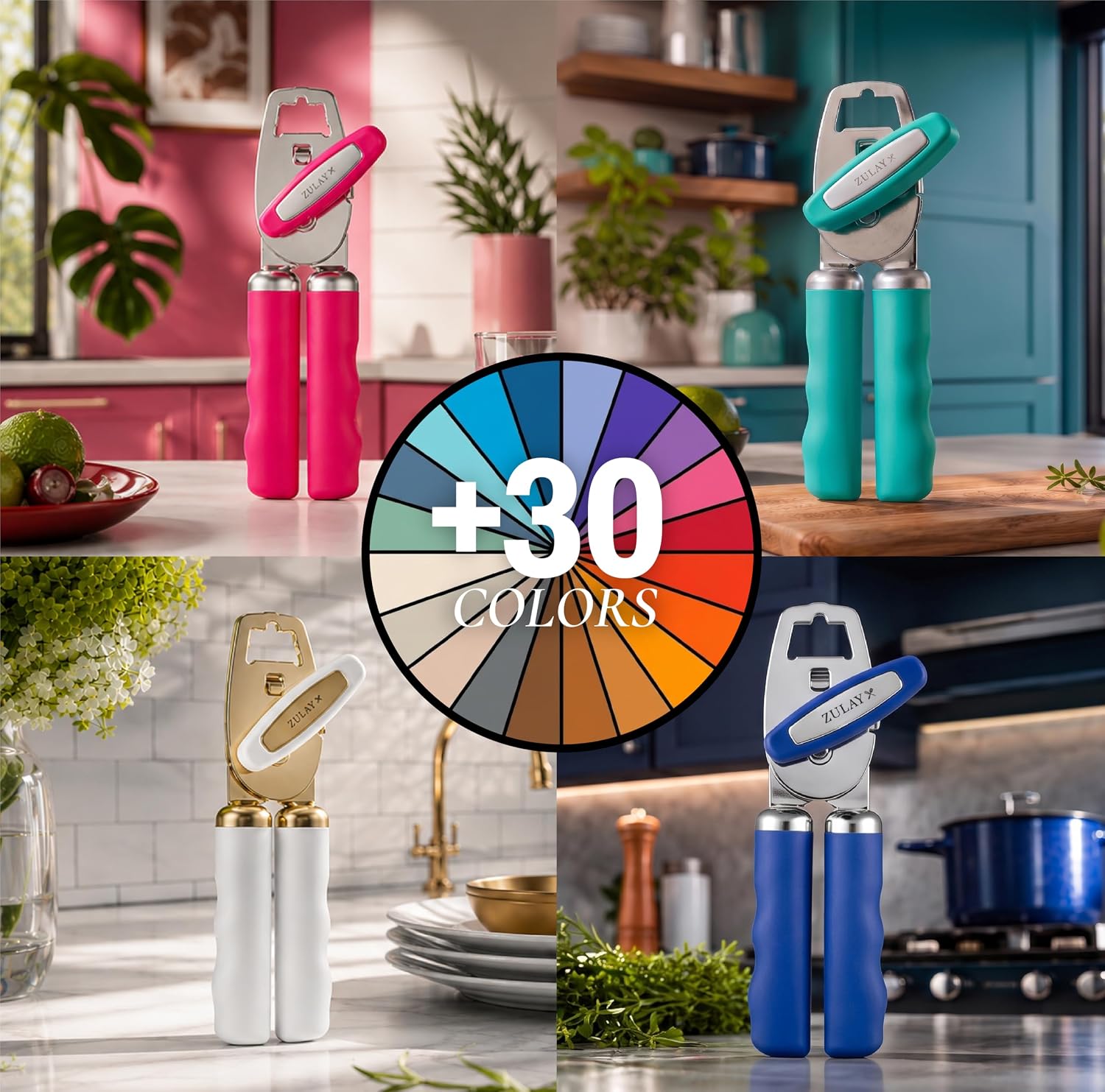
Is a Zulay Kitchen Heavy Duty Stainless Steel Manual Can Opener Really Worth It?
Let’s cut right to it. You’re here because you’re tired of finicky kitchen gadgets and you’re wondering if that specific Zulay Kitchen Heavy Duty Stainless Steel Can Opener manual model with its “rust proof” promise and comfy grip handles is actually a smart buy. This guide dives deep into what makes a can opener truly reliable, compares the options, and helps you decide if a premium manual can opener like the Zulay is the kitchen workhorse you need. We’re sifting through the noise to tell you what genuinely matters for your everyday cooking.
Quick Answer
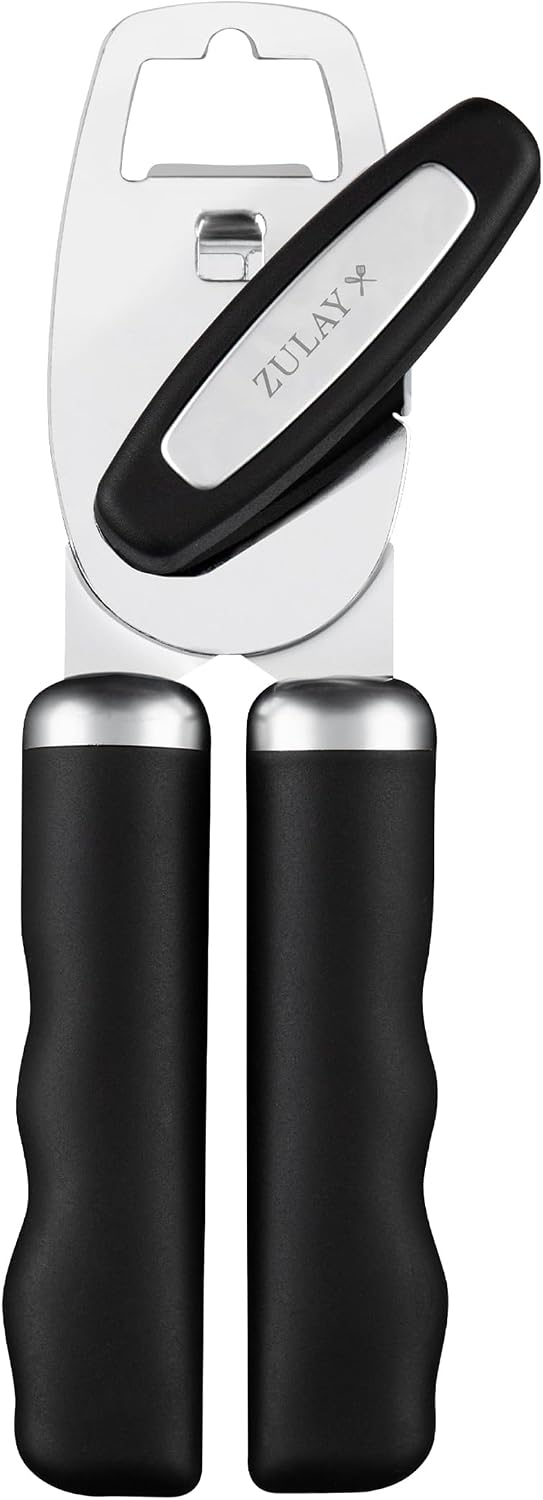
For many, yes, the Zulay Kitchen Heavy Duty Stainless Steel Can Opener is absolutely worth the investment, particularly if you value durability, a comfortable grip, and consistent performance over the long haul. It’s a robust, traditional-style manual can opener built to handle years of kitchen duty without the rust woes plaguing cheaper models, offering a dependable experience most budget options simply can’t match.
What to Look For (The Buying Criteria)
Choosing a reliable can opener isn’t rocket science, but there are definite traps. It’s not just about getting a can open, is it? It’s about getting it open every time, without a fight, and without cutting yourself in the process. Here’s what savvy shoppers consider.
The Type of Cut: Traditional vs. Side-Cut vs. Electric
First up, how does the thing even open a can? Most manual can openers, including the Zulay Kitchen model, are traditional top-cutters. They clamp onto the top rim, piercing the lid and cutting inward, leaving a potentially sharp edge. These are generally reliable, but that sharp edge can be a real nuisance, sometimes even dangerous. Then there are side-cut (or smooth-edge) can openers. These clever gadgets cut just below the rim, separating the lid without creating a jagged edge. Much safer, often leaving a re-sealable lid. But here’s the rub: smooth-edge models can be trickier to engage initially, and some struggle with oddly shaped or dented cans. Electric can openers? They do all the work, but they take up counter space, need power, and can be slower than a practiced manual user. If you want something straightforward and proven, a top-cutter like the Zulay is often the fastest, most direct path, even with the sharp-edge trade-off.
Durability & Materials: The Stainless Steel Promise
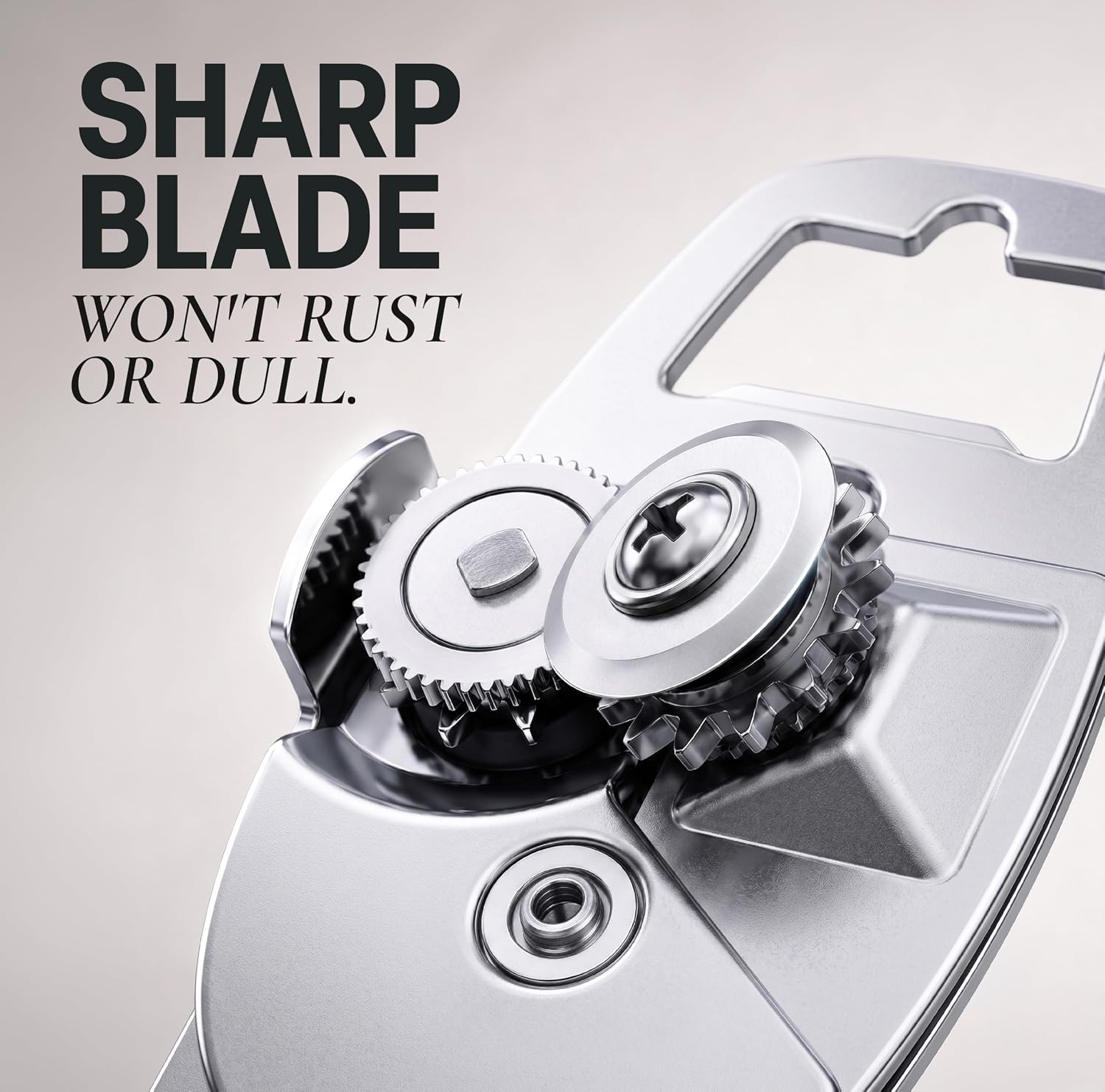
This is where the “heavy duty” and “rust proof” claims really matter. A cheap can opener usually features chrome-plated steel, which looks shiny for about two weeks, then starts to chip, exposing the base metal to moisture. Rust. You know it. It gets everywhere, makes the opener sticky, and eventually renders it useless. A truly heavy duty stainless steel can opener, like the Zulay Kitchen model implies, resists corrosion much better. It’s denser, often has thicker gears, and just feels more substantial. You want something that won’t bend or warp when it hits a tough can. Paying a little more for a rust-resistant material? It pays dividends in longevity. Don’t underestimate this.
Ergonomics & Grip: Comfort in Your Hand
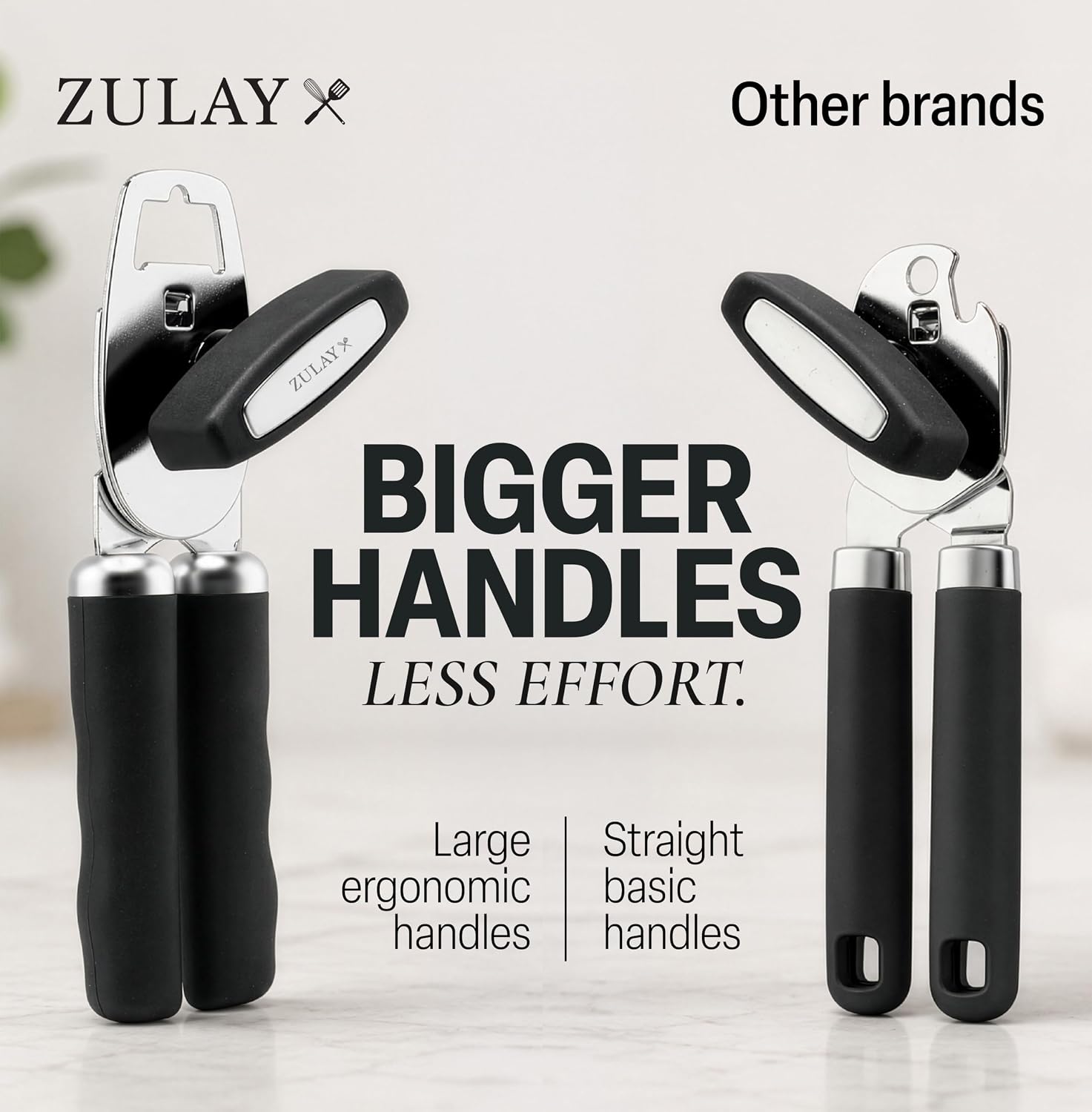
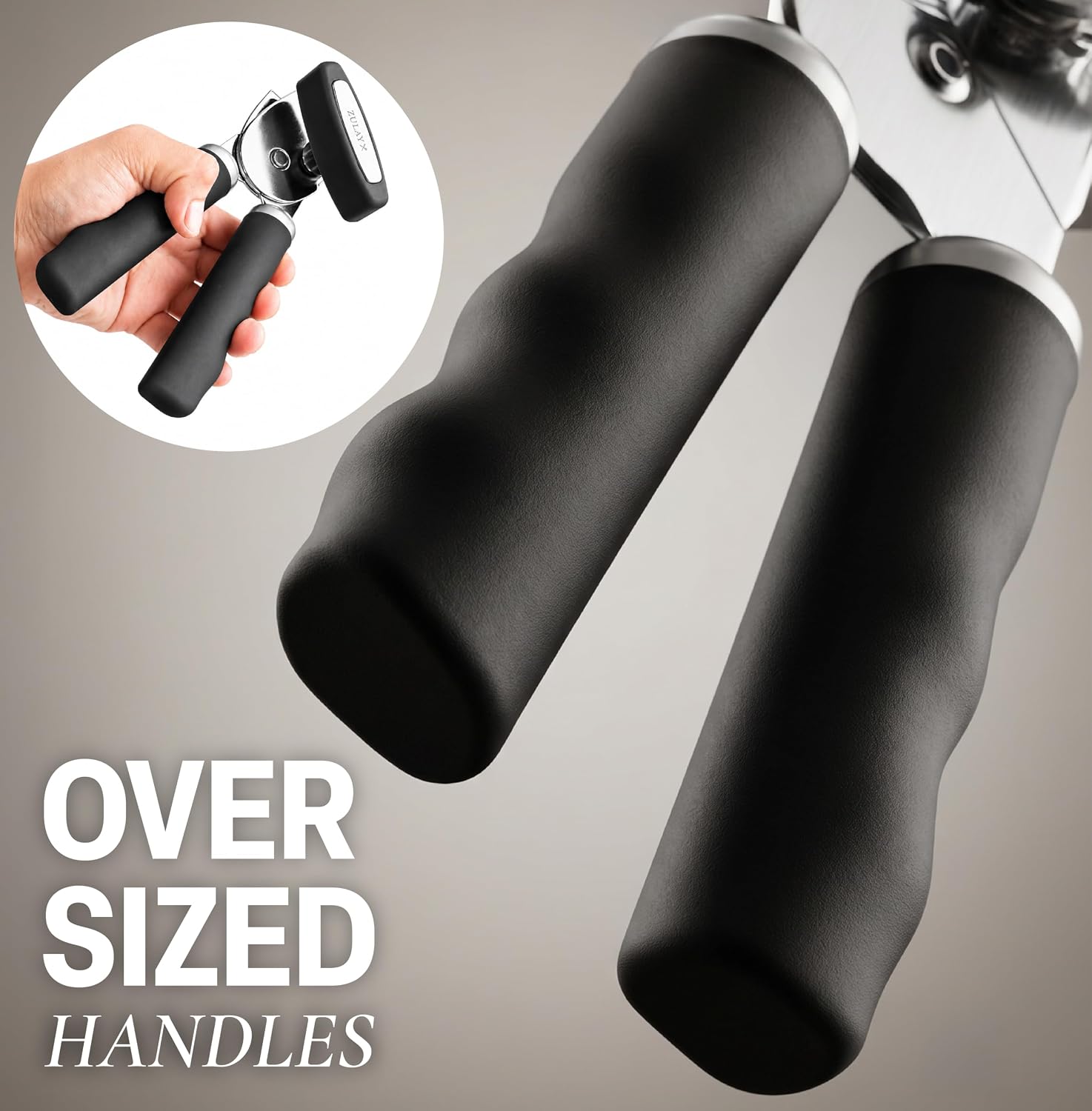
Picture this: you’re trying to open a can of diced tomatoes, and the can opener handle is digging into your palm. Or the turning knob is too small and slippery. Not fun. Ergonomic handles with a soft grip, a feature highlighted on the Zulay, make a huge difference, especially if you have a lot of cans to open or experience any kind of hand fatigue. Look for handles that fit well in your hand, aren’t too thin, and offer some non-slip material. The turning knob itself should be generous in size and textured for easy gripping, even with wet hands. A comfortable grip isn’t a luxury; it’s a necessity for anyone who cooks regularly. The downside? More ergonomic designs can sometimes be bulkier to store.
Ease of Use: Engaging, Turning, Releasing
Some can openers are just… fussy. You clamp it on, and it slips off. You turn the knob, and it jams halfway around. A good can opener engages easily with the can rim, holds firmly, and glides smoothly as you turn. The turning mechanism should be fluid, not stiff or requiring excessive force. Releasing the can after cutting should also be a cinch – no wrestling the opener off. This is one of those areas where cheaper models often fall short, with misaligned gears or flimsy construction making the whole process a headache. The manual turn knob on the Zulay indicates a classic, straightforward mechanism, which usually means less to go wrong if manufactured well.
Cleaning & Maintenance: Keeping it Pristine
Rust isn’t the only enemy. Food gunk, particularly around the cutting wheel, is gross and unhygienic. Is the can opener easy to wipe clean? Can you rinse it without worrying about water getting trapped and causing corrosion? Some can openers have intricate nooks and crannies that are a nightmare to clean. A simpler, more open design often fares better. While many manufacturers say “dishwasher safe,” for something like a rust proof stainless steel can opener, hand washing and towel drying is often the real secret to extending its life, especially if you want to keep those gears running smooth.
Integrated Features: Bottle Opener & Beyond
The Zulay Kitchen model boasts a bottle opener combo. Is this a must-have or just an extra bit of clutter? For many, a bottle opener is a handy addition, saving you from rummaging through a drawer for another tool. It means one less thing to own, one less thing to lose. However, sometimes these integrated features add bulk or compromise the primary function if poorly designed. With a manual can opener, a well-placed bottle opener isn’t usually intrusive, but it’s worth a quick check to make sure it doesn’t make the handles awkward to grip.
How to Match the Can Opener to Your Situation
Your ideal can opener really depends on who you are and how you live. One size doesn’t fit all here.
The Everyday Home Cook
You’re someone who actually cooks. Multiple meals a week, maybe even daily. You’re opening cans of beans, tomatoes, coconut milk, pet food, you name it. For you, reliability is king. You don’t have time for a can opener that jams or struggles. A robust, heavy duty can opener like the Zulay Kitchen Heavy Duty Stainless Steel Can Opener is practically a non-negotiable. Its stainless steel construction means it’ll stand up to frequent use and cleaning, and a comfortable soft grip handle prevents hand strain. You want something that feels solid and performs consistently, every single time. Honestly, a flimsy model would drive you absolutely batty.
The Occasional User / Small Kitchen Dweller
Maybe you don’t cook from scratch every night. Cans are an occasional convenience, not a daily staple. Or perhaps your kitchen is tiny, and every inch of drawer space counts. For you, storage and straightforward function are paramount. You still want something that works when you need it – nobody likes a struggle-bus can opener for that once-a-month chili night – but you might not need the absolute most ergonomic or heavy-duty model if usage is minimal. However, considering the frustrations a truly cheap can opener can cause, even for infrequent use, something like the Zulay offers a sweet spot: it’s built to last without being overly complex or gigantic. Its bottle opener combo adds versatility without adding much bulk.
The Preparedness Enthusiast / Camper
You’re thinking beyond the kitchen. Power outages. Camping trips. Emergency kits. For these scenarios, an electric can opener is useless. You need a manual can opener that’s tough, doesn’t require power, and can handle a variety of can sizes. The rust proof stainless steel aspect of the Zulay is a huge win here; you can toss it in a camp box or emergency bin without worrying about it corroding in storage. Its heavy duty nature means it can take a few knocks and still perform. The ergonomic handle is also a plus if you’re trying to open a can in less-than-ideal conditions. Durability for the long haul in unpredictable environments? This model ticks those boxes.
Manual Can Opener Types & Tiers: A Smart Shopper’s Breakdown
So, what are your options in the can opener universe? It’s more varied than you might think.
| Type/Tier | Best For | Price Tier | Key Feature | Watch-Out |
|---|---|---|---|---|
| Basic Manual (Traditional) | Light use, tight budgets | Budget | Simple, compact | Prone to rust, gears can slip, sharp edges |
| Premium Manual (Traditional) | Frequent use, durability, comfort (like Zulay) | Mid-range | Heavy duty, ergonomic, rust-resistant | Still leaves sharp edges |
| Smooth-Edge Manual (Side-Cut) | Safety, cleaner edges, re-sealing lids | Mid-range | No sharp can edges | Can be finicky, struggles with dented cans |
| Electric Countertop | Limited hand strength, high volume | Mid-to-Premium | Hands-free operation | Bulky, needs power, harder to clean |
The Basic Manual can openers are everywhere, cheap as chips. But they often rust quickly and their gears give up the ghost after a dozen cans, sometimes less. You’ve probably owned a few.
Premium Manual models, exemplified by the Zulay Kitchen Heavy Duty Stainless Steel Can Opener, are where you start seeing genuinely robust construction, better materials like stainless steel, and thoughtful ergonomics like soft grip handles. These are built to last and perform consistently.
Smooth-Edge Manual openers are a fantastic option if you’re concerned about sharp edges and want a clean cut. They create a lid that can sometimes even be placed back on the can for temporary storage, which is pretty neat. Just be aware they sometimes require a bit of a learning curve or have trouble with oddly shaped cans.
Electric Countertop units are all about convenience. Press a button and let it do its thing. They’re particularly helpful for those with arthritis or limited hand strength. The biggest drawback, beyond the price, is their footprint; they demand valuable counter space.
Can Opener Scenarios: When a Zulay Shines (and When it Doesn’t)
Let’s get practical. Where does the Zulay Kitchen model truly excel, and where might you be better off with something different?
Scenario 1: The Home Kitchen Workhorse
You’re cooking for family dinners, meal prepping, or just generally spending a fair bit of time in the kitchen. Here, the Zulay Kitchen Heavy Duty Stainless Steel Can Opener makes a lot of sense. Its heavy duty build means it’s not going to buckle under pressure, and the rust proof promise is a game-changer for longevity. You don’t want to replace your can opener every year, do you? The comfy soft grip handles will save your hands from soreness during batch cooking sessions, and its straightforward manual operation is quick and efficient once you get the hang of it. It simply works, day in and day out, which is exactly what a busy kitchen needs.
Scenario 2: Camping & Outdoor Adventures
Imagine you’re out in the wilderness, miles from electricity. What good is a fancy electric opener then? None. This is prime territory for a reliable manual can opener, and the Zulay Kitchen model fits the bill perfectly. Its stainless steel construction is robust enough to handle being knocked around in a cooler or gear bag, and the rust proof feature means it won’t deteriorate from exposure to dampness. The integrated bottle opener is another outdoor perk. Portability, durability, and no reliance on power — essential traits for any adventure, and ones this specific can opener boasts. It’s a tool you can genuinely trust when options are limited.
Scenario 3: Users with Grip Challenges or Hand Sensitivity
This is a trickier one, and here’s where a traditional manual opener like the Zulay, despite its comfy soft grip handles and turn knob, might not always be the absolute best fit. While the ergonomics are certainly superior to a flimsy basic model, the act of clamping firmly and continuously turning a knob can still be a challenge for someone with severe arthritis, carpal tunnel, or significant hand weakness. In these specific situations, an electric can opener often provides the ultimate relief, requiring minimal effort. However, for mild to moderate grip challenges, the Zulay’s design with its larger, softer handles and smoother action is a significant step up from standard manual options, making it a viable consideration before jumping to electric.
Common Can Opener Mistakes
Look, we’ve all been there. You grab the first can opener you see, or stick with the one that came in a cheap kitchen set. But there are pitfalls.
One of the biggest blunders is ignoring material quality for the sake of a few bucks. A dollar-store can opener often uses inferior metals that will pit and rust almost immediately, especially if you ever dare to rinse it. That rust isn’t just unsightly; it can gum up the gears and make the whole operation grind to a halt. You might save a few pennies initially, but you’ll be replacing it constantly.
Another common mistake? Underestimating handle comfort. You don’t think about it until your hand starts aching halfway through a stack of chili cans. Flimsy, thin, or hard plastic handles are a recipe for discomfort and can make what should be a simple task feel like a chore. For anyone who cooks regularly, this is a real oversight that leads to daily frustration.
Then there’s neglecting cleaning and basic maintenance. Just because it’s a kitchen tool doesn’t mean it cleans itself. Little bits of food and liquid can get trapped around the cutting wheel. Over time, this gunk dries, hardens, and can jam the gears, not to mention become a hygiene issue. A quick rinse and dry after each use can dramatically extend a can opener’s life, even for a rust proof stainless steel model.
Finally, too many people assume all manual can openers are interchangeable. They’re really not. The difference between a budget model that barely latches and a well-engineered heavy duty can opener like the Zulay is night and day in terms of performance and user experience. Thinking they’re all the same leads to repeat purchases of frustrating, short-lived tools.
Why/How/What of Can Openers
Why do some can openers fail so quickly?
It usually boils down to cheap materials and poor manufacturing. Many budget can openers use flimsy, thin metal for the body and cutting wheel, which bends and dulls easily. The gears inside, often made of soft metal or even plastic, strip or misalign under pressure. Add in chrome plating that quickly flakes off, exposing the base metal to rust, and you’ve got a recipe for rapid failure.
How do you properly care for a manual can opener like the Zulay?
Simple steps ensure longevity. After each use, wipe down the cutting wheel and gears, and rinse under warm water, avoiding harsh abrasives. Crucially, dry it immediately with a towel. Don’t let it air dry or sit wet, even a rust proof stainless steel model. While designed to resist rust, moisture can still get into nooks and crannies, and prompt drying helps keep the cutting edge sharp and the gears smooth.
What makes a “heavy duty” can opener genuinely different?
A truly heavy duty can opener distinguishes itself through its materials and construction. It means thicker gauge steel for the body, robust, often hardened, gears that resist stripping, and a solid, secure pivot point. The Zulay Kitchen’s description points to this — it’s not just about aesthetics; it’s about the substantial feel and the underlying structural integrity that allows it to tackle stubborn can after stubborn can without bending, slipping, or breaking.
FAQ
Are manual can openers better than electric ones?
“Better” depends on your priorities. Manual can openers, especially heavy duty ones like the Zulay Kitchen model, are portable, don’t require power, and are often faster for experienced users. Electric models excel for those with limited hand strength or when opening many cans, but they take up counter space and need an outlet.
What’s the deal with smooth-edge can openers?
Smooth-edge can openers cut the can from the side, leaving a dull, safe edge on both the can and the lid. They’re a fantastic safety feature, especially if you worry about sharp can edges. However, they can sometimes be more challenging to position initially and might struggle with dented or irregularly shaped cans.
How long should a good can opener last?
A high-quality manual can opener, particularly a stainless steel or heavy duty model like the Zulay, should easily last 5-10 years, potentially even longer with proper care. Cheap, chrome-plated models? You’ll be lucky to get a year out of them without rust or gear issues.
Can you really get a rust-proof can opener?
While few things are truly “proof” against everything, a rust proof stainless steel can opener like the Zulay Kitchen model is highly resistant to corrosion. It won’t develop the unsightly, sticky rust that plagues cheaper, chrome-plated openers. Consistent drying after washing is still key to maximizing its lifespan.
Is the Zulay Kitchen can opener good for seniors or those with weak hands?
The Zulay Kitchen with its comfy soft grip handles and turn knob offers significantly better ergonomics than many basic manual openers. This makes it a much stronger candidate for individuals with some hand weakness or discomfort. For severe arthritis or extremely limited grip, however, an electric model might still be the easier choice.
What’s the trick to getting a stubborn can open?
Sometimes, a stubbornly difficult can is a sign of a cheap opener with dull cutters or misaligned gears. With a good heavy duty can opener, ensure it’s firmly clamped and try a consistent, steady turn rather than jerky movements. If the can is dented, try to start the cut on an undamaged section of the rim.
Does a can opener’s handle material actually matter?
Absolutely it does. Thin, hard plastic or bare metal handles can become uncomfortable quickly, digging into your hand, especially if you’re opening multiple cans. A soft grip handle provides cushion, improves traction, and significantly reduces hand fatigue, making the whole experience far more pleasant and less painful.
Final Recommendation: Is the Zulay Kitchen Can Opener Your Next Kitchen Staple?
So, back to our original question: is the Zulay Kitchen Heavy Duty Stainless Steel Can Opener manual model worth it? For the vast majority of home cooks and anyone who values reliability and comfort, the answer is a resounding yes. If you’re tired of replacing flimsy can openers that rust, slip, or simply fall apart, this model represents a smart upgrade. Its heavy duty stainless steel construction, rust proof qualities, and ergonomic comfy soft grip handles mean it’s built to perform consistently and last for years.
While an electric can opener might offer more assistance for those with severe hand strength issues, and a smooth-edge model gives you a safer lid, the Zulay Kitchen offers the best of the traditional manual world: straightforward function, robust build, and a pleasant user experience. It’s the kind of reliable kitchen tool you buy once and don’t think about again, which, let’s be honest, is exactly what you want from something as basic yet essential as a can opener.
#Zulay #Kitchen #Heavy #Duty #Stainless #Steel #Opener #Manual #Bottle #Opener #Rust #Proof #Manual #Opener #Turn #Knob #Comfy #Soft #Grip #Handles #Black