Is Investing in Premium Reusable Food Wraps Really Worth It? A Deep Dive into Bee’s Wrap
If you’re eyeing reusable food wraps, trying to ditch the plastic, you’ve probably stumbled across brands like Bee’s Wrap Beeswax Food Wraps. This guide cuts through the marketing fluff to help you figure out if these popular, often pricier options, specifically the 3-pack assorted honeycomb design made from organic beeswax, truly deliver value. We’re talking about smart shopping here, folks — making sure your hard-earned cash actually gets you something that performs for your specific kitchen needs.
Quick Answer
For most households aiming for a genuinely plastic-free kitchen and willing to invest in a durable, effective solution, Bee’s Wrap Beeswax Food Wraps are indeed a worthwhile upgrade. They offer superior breathability for produce and cheeses, a satisfying seal, and a tangible step towards sustainability that budget alternatives sometimes miss. The upfront cost is higher, but their longevity often makes them a smarter long-term play.
What to Look For: The Buying Criteria for Reusable Food Wraps
Alright, let’s get real about what matters when you’re looking at reusable food wraps. It’s not just about a pretty pattern. There’s a whole bunch of factors that’ll make or break your experience, and honestly, some brands get it right, others… not so much.
First up, Material Composition. This is the core. Most quality beeswax wraps, like Bee’s Wrap, typically use organic cotton infused with beeswax, jojoba oil, and tree resin. Why does this mix matter? The beeswax provides that crucial pliability and natural antimicrobial properties, the jojoba oil keeps it supple, and the tree resin gives it the cling. A cheap wrap might skimp on these, leading to a stiff, less effective product that doesn’t hold its shape or seal well. And that’s just frustrating. On the flip side, silicone food wraps offer a different kind of seal – often airtight – but lack the breathability some foods, like crusty bread or certain produce, really thrive on.
Then we’ve got Durability and Lifespan. This is where the “worth it” question really comes into play. A truly reusable wrap should last you a good while – a year, maybe more, with proper care. If you’re constantly replacing them, where’s the eco-friendliness? And the savings? Quality materials and a robust infusion process mean the coating won’t flake off after a few washes. Bee’s Wrap, for instance, is known for its relatively long life, a key factor given its mid-range to premium price tag. Still, they aren’t immortal; they’ll eventually lose their cling and might need a refresh or retirement. Nothing lasts forever, right?
Next on the list is Sealing Efficacy. What’s the point of a wrap that doesn’t actually seal? We’re talking about creating a snug barrier around your leftovers, cheese blocks, or sandwich wraps. Beeswax wraps rely on the warmth of your hands to activate the stickiness, molding it around bowls or food. Some brands achieve a far better, more reliable cling than others. If it doesn’t create a proper seal, your food dries out faster. Simple as that. This can be a minor annoyance or a major dealbreaker, depending on what you’re trying to preserve.
Consider Ease of Cleaning and Maintenance. You want something that’s easy to wash and dry. Most beeswax wraps just need a quick wipe with cool water and mild soap, then air drying. Hot water, harsh detergents, or scrubbing will strip away the beeswax coating, shortening their life dramatically. If you’re a “throw everything in the dishwasher” kind of person, beeswax wraps are probably not your jam. They demand a little TLC, which for some, is a trade-off.
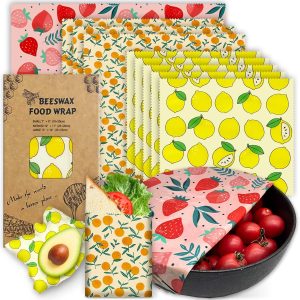
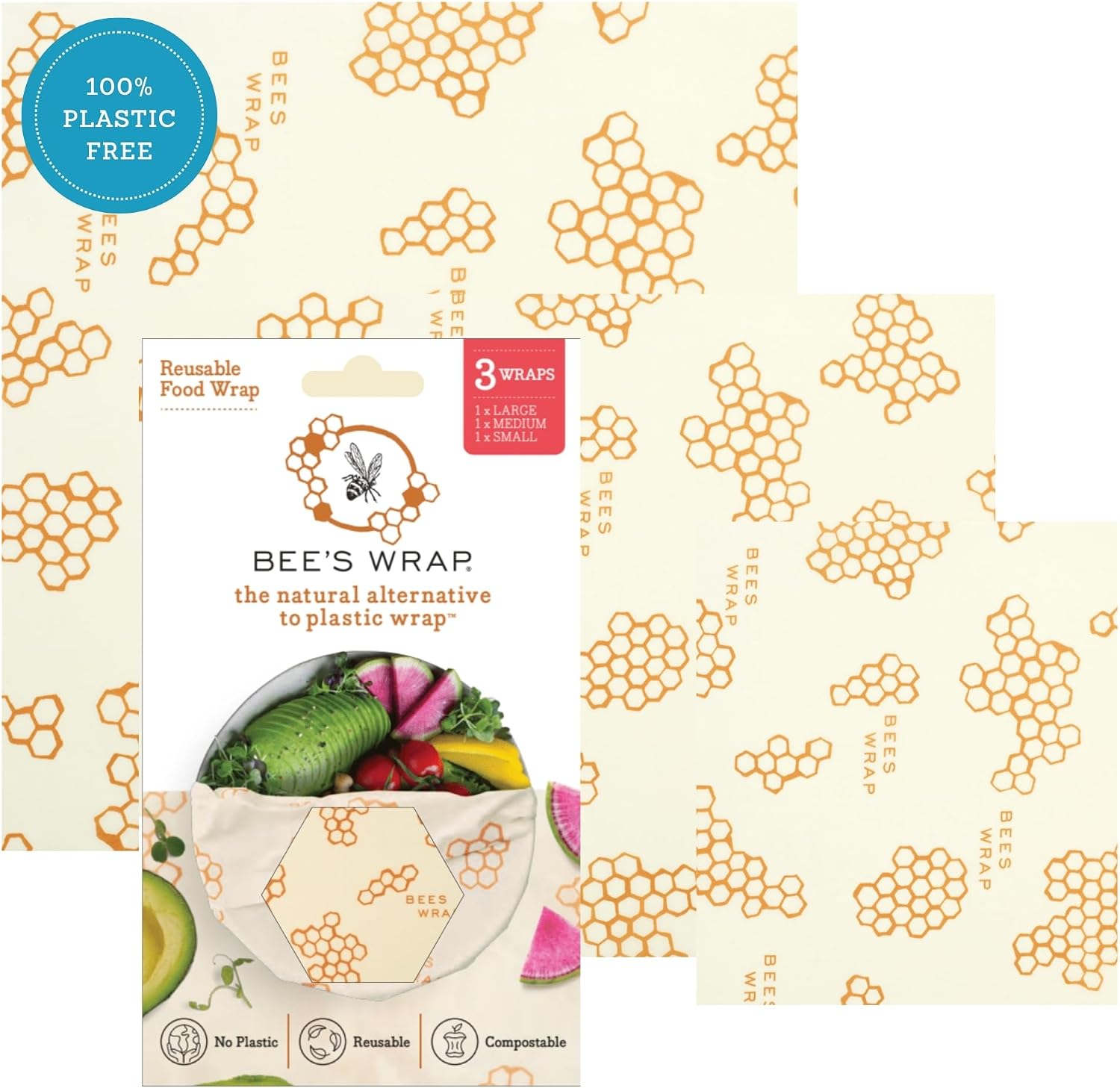
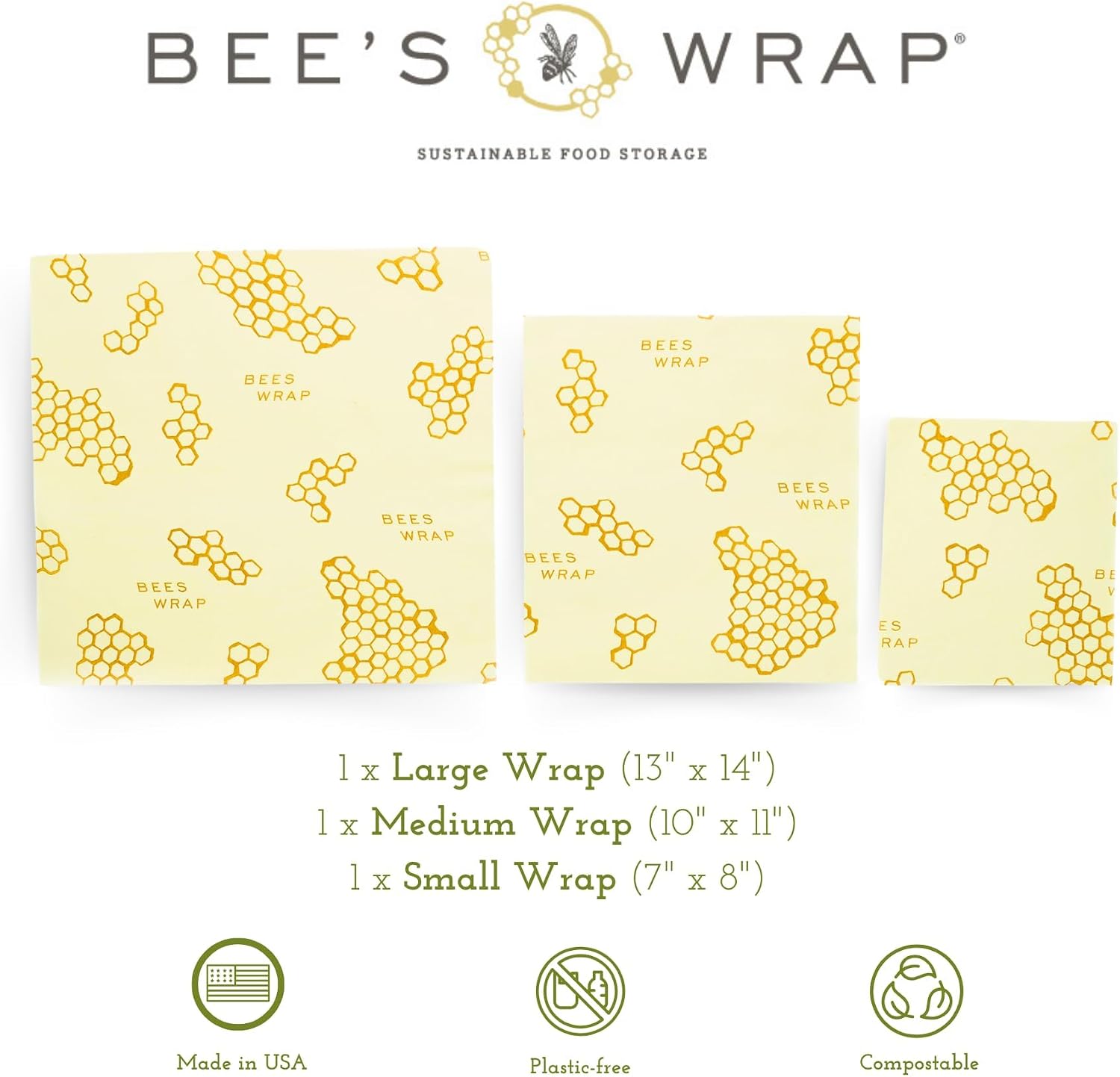
Size and Assortment are surprisingly crucial. A single-size pack just won’t cut it for diverse kitchen needs. You’ll need smaller wraps for half an avocado or a block of cheese, medium ones for a bowl of leftovers, and larger ones for covering bread or a casserole dish. That’s why the Bee’s Wrap 3-pack with assorted sizes (small, medium, large) is often a smart starting point. It offers versatility, meaning you don’t end up with a dozen small wraps when you really needed a couple of big ones.
Finally, think about Breathability versus Air-Tightness. This is a subtle but important distinction. Silicone wraps often aim for an air-tight seal, great for liquids or foods prone to strong odors. Beeswax wraps, however, are naturally breathable. This isn’t a flaw; it’s a feature. This breathability is actually superior for keeping produce crisp, bread from getting soggy, and cheese from sweating. Ever wrapped cheese in plastic wrap only to find it slimy? That’s the lack of breathability doing its dirty work. Beeswax wraps avoid that specific pitfall beautifully, but they won’t stop liquids from spilling. Can’t have it all.
How to Match the Product to Your Situation
Choosing the right reusable food wrap isn’t a one-size-fits-all thing. Your lifestyle dictates what’ll work best, and what’ll just end up in the back of a drawer.
The Eco-Conscious Home Cook:
If you’re the type who meticulously sorts recycling, buys local produce, and genuinely wants to reduce your household waste, you’ll appreciate the craft and intent behind premium beeswax wraps. Bee’s Wrap, with its organic cotton, sustainably sourced beeswax, and commitment to plastic-free storage, speaks directly to this mindset. You’re not just buying a wrap; you’re buying into a whole ethos. The slightly higher cost aligns with your values, and you’ll likely be diligent with the care instructions, maximizing their lifespan. You care about where your food comes from, and where your waste goes.
The Budget-Minded but Curious Starter:
Maybe you’re new to the world of eco-friendly living and aren’t quite ready to commit a bunch of cash. You want to experiment with reusable food wraps but need to prove the concept to yourself. For you, a basic set of beeswax wraps from a less premium brand, or even a mixed pack including some fabric bowl covers, might be a better entry point. You’ll get a feel for how they work, how to clean them, and whether they fit into your routine, without breaking the bank. The drawback? They might not last as long, or the cling might not be as robust, which could unfairly sour you on the whole idea.
The Busy Family Jugger:
You’ve got kids, work, errands – time is a luxury. While you appreciate the idea of plastic-free food storage, finicky cleaning routines or wraps that don’t quite seal perfectly are just going to add stress. For you, the reliability of a known brand like Bee’s Wrap becomes more appealing. They perform consistently. The various sizes mean you can grab a sandwich wrap for lunchboxes or cover a plate of leftovers without a fuss. The trade-off is the hand-washing; it’s a step, but a quick one, not a multi-stage chore. You need tools that make life simpler, not more complicated. Anything that makes you think, “Is this going to work this time?” just won’t cut it.
Comparison of Reusable Food Wrap Options
Alright, let’s lay out some typical options you’ll encounter when shopping for alternatives to plastic film. It’s not just one type of reusable wrap out there.
| Type/Tier | Best For | Price Tier | Key Feature | Watch-Out |
|---|---|---|---|---|
| Bee’s Wrap (Premium Beeswax) | Fresh produce, cheeses, bread, bowls, sandwiches | Premium | Superior breathability, natural cling, organic materials | Requires hand-washing, not ideal for raw meat/liquids |
| Generic Beeswax Wraps | Budget-conscious eco-swappers, initial trials | Budget-friendly | Natural materials, basic cling | Varies widely in quality, shorter lifespan, weaker seal |
| Silicone Food Wraps/Covers | Airtight seals, liquids, strong odors, microwave | Mid-range | Very durable, leak-proof, high heat tolerance | Less breathable, can be bulky, less pliable for odd shapes |
| Fabric Bowl Covers | Covering bowls, fermenting, proofing dough | Budget-friendly | Washable, decorative, breathable | No seal, purely a cover, not for direct food contact |
- Bee’s Wrap (Premium Beeswax): These are your top-tier beeswax wraps. They really shine when it comes to keeping produce crisp and cheese perfectly aged, thanks to that natural breathability, and the cling feels robust and reliable after a few seconds of hand warmth. Sure, you’re paying a bit more, but you’re getting a product designed for longevity and consistent performance.
- Generic Beeswax Wraps: On the other hand, you’ll find plenty of other beeswax wraps out there. Some are decent, offering a good introduction to plastic-free living, but many lack the consistent quality in their beeswax-jojoba oil-resin blend, often resulting in a weaker, less durable cling that wears out quickly. It’s a bit of a lottery, frankly.
- Silicone Food Wraps/Covers: When you absolutely need an airtight seal, like for a bowl of soup or preventing strong garlic odors from escaping, silicone is the way to go. These are incredibly versatile, you can even microwave some of them, and they are tough as nails. The main downside is that they don’t breathe at all, which isn’t ideal for every type of food.
- Fabric Bowl Covers: These aren’t really “wraps” in the clingy sense, but they’re a popular reusable alternative for covering bowls. They’re super washable and come in loads of patterns, perfect for dough rising or just keeping flies off a salad outdoors, but they offer no sealing capability whatsoever.
Scenarios for Your Reusable Food Wraps
Different folks, different strokes, right? How you’ll actually use your reusable food wraps totally impacts which ones you should consider.
The Freshness Fanatic
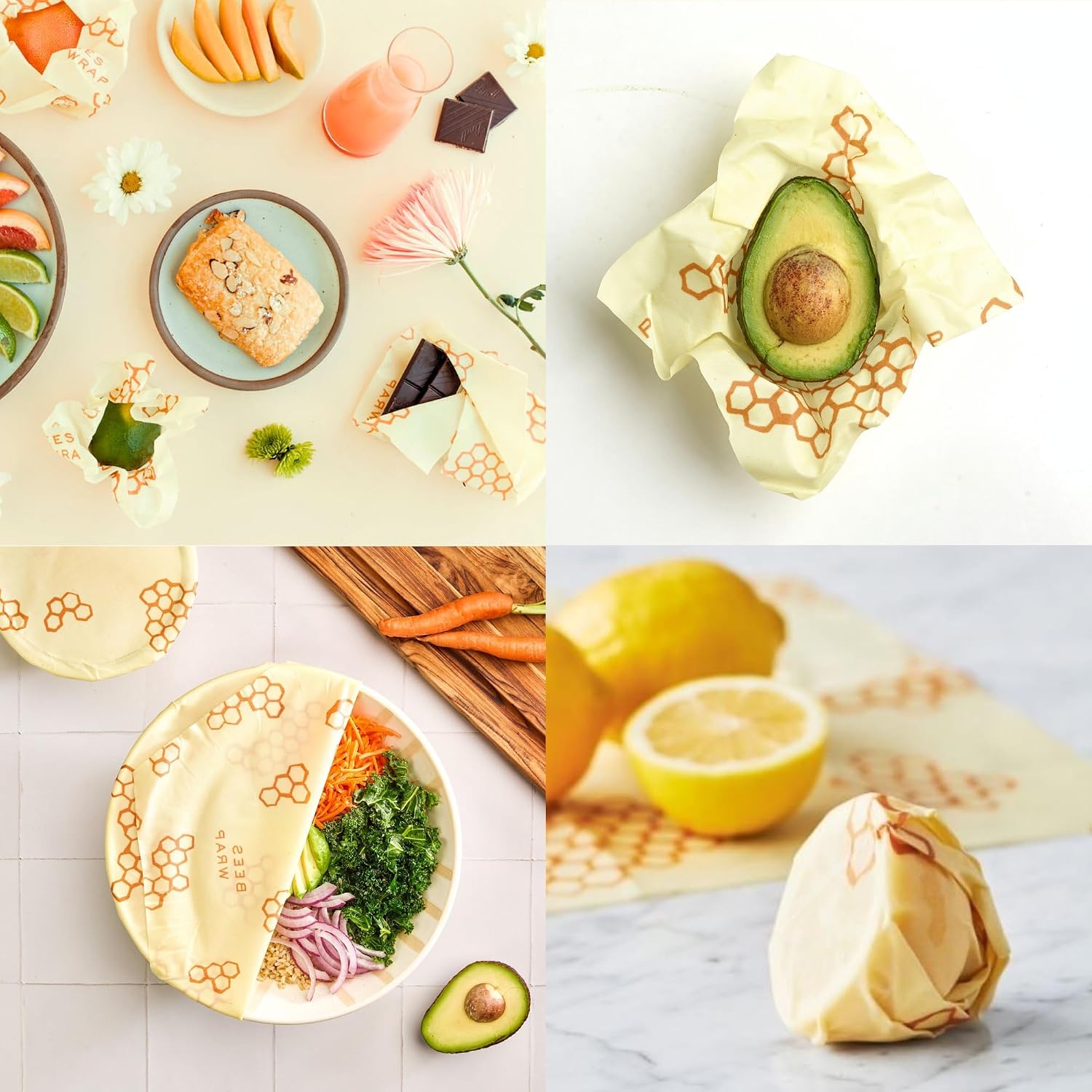
You’re all about making your farmers’ market haul last. You want those greens crisp, that artisan cheese breathing just right, and your half-eaten avocado from turning brown too fast. For you, the unique properties of beeswax wraps are a game-changer. The natural breathability of Bee’s Wrap prevents moisture buildup that often turns veggies slimy in plastic, and it lets cheese “age” rather than sweat in its own plastic prison. Using the small beeswax wraps for herbs or half a lemon, and larger ones for a loaf of rustic bread, means less food waste. And that’s a win.
The Lunchbox Dynamo
Packing lunches daily? Sandwiches, carrot sticks, apple slices – they all need wrapping. While plastic bags are easy, they’re not exactly eco-friendly. A good set of reusable food wraps can make your packed lunch routine feel more mindful. The medium Bee’s Wrap is particularly good as a sandwich wrap, molding perfectly around a tuna melt or a PB&J, and it holds up well in a lunch bag. Plus, it just looks nicer than a crumpled piece of plastic. It folds up small when empty, too, so it’s not a pain to bring home and wash. It’s practical, simple.
The Leftover Genius
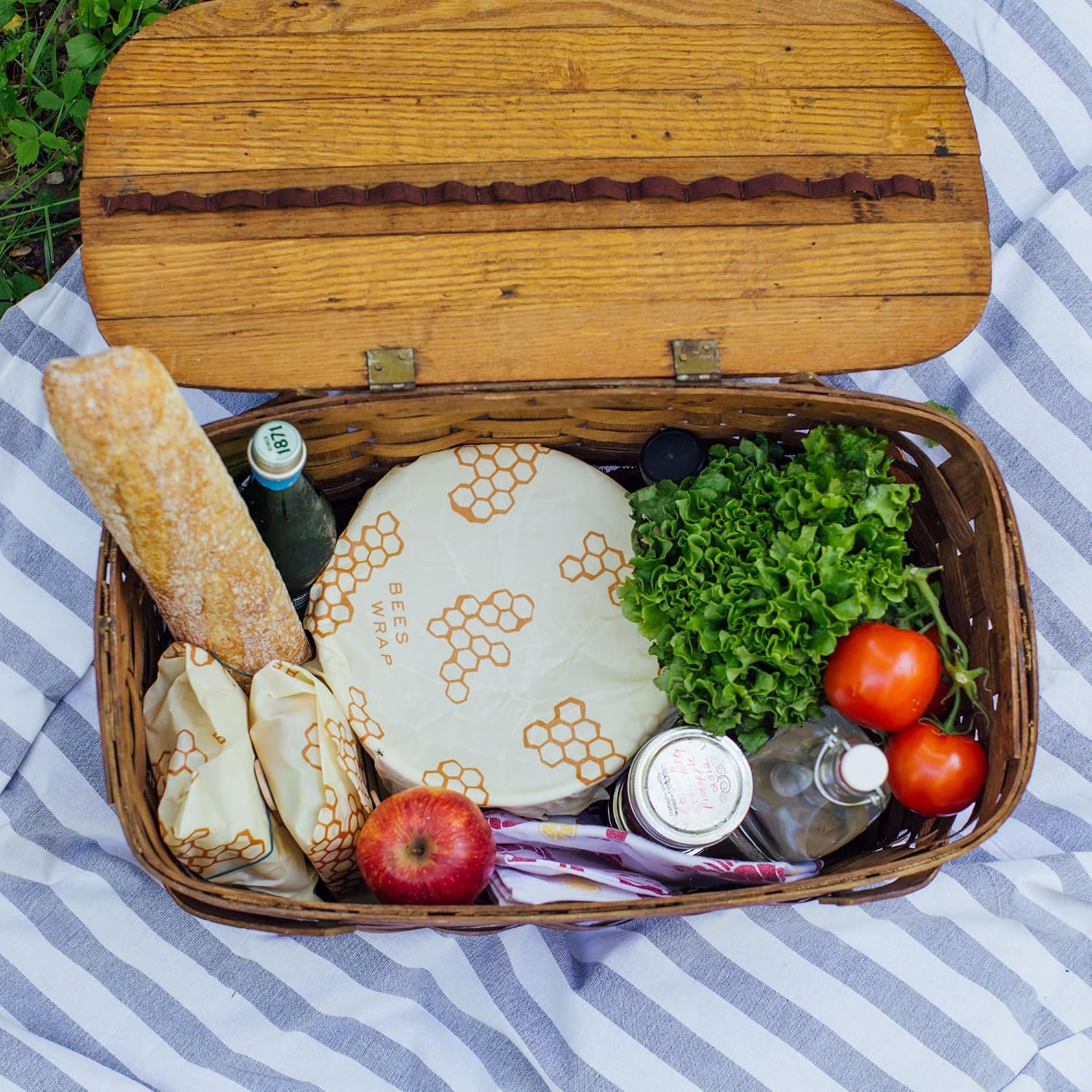
After a big dinner, you inevitably have leftovers. Covering bowls, wrapping up extra portions – this is where the versatility of an assorted pack really matters. Having a mix of small, medium, and large reusable food wraps at the ready helps. The larger wraps from Bee’s Wrap can easily cover a pie dish or a bowl of salad, while the smaller ones handle that last sliver of onion or a piece of cut fruit. They seal with just a bit of hand pressure, creating a surprisingly snug fit that keeps things fresh without the fuss of plastic film or the bulk of rigid containers.
Common Mistakes Buyers Make with Reusable Food Wraps
Look, we all mess up sometimes. But with reusable food wraps, avoiding a few common pitfalls can save you money and frustration.
First, using hot water or harsh soap. This is probably the biggest no-no. It melts the beeswax coating right off, rendering your expensive wrap useless far too soon. You need to remember: cool water, mild dish soap, and a gentle hand. Think of it like washing a delicate garment, not scrubbing a greasy pot.
Another mistake? Wrapping raw meat or anything super oily/greasy. While beeswax wraps are fantastic for most foods, raw meat is a definite no-go. The porous nature of the wax makes it tough to sanitize properly, creating potential health hazards. And super oily foods can degrade the wax coating faster, leaving you with a sticky, less effective wrap. This isn’t a universal solution, folks.
People often expect an airtight seal like plastic film or silicone. They just don’t offer it. Beeswax wraps are designed for a breathable, pliable seal, which is better for many foods. Expecting liquid-tight performance will only lead to disappointment (and maybe a spill in your fridge). Know their limitations.
Finally, not paying attention to sizing. Buying a multi-pack of all small wraps when you mostly cover large bowls is just bad planning. Assess your typical storage needs before you buy. An assorted pack, like the Bee’s Wrap 3-pack, is often the smartest move for beginners because it covers more bases. Don’t get stuck with a bunch of wraps you can’t actually use. It’s a waste.
Why/How/What of Reusable Food Wraps
Why bother with reusable food wraps in the first place?
You bother because single-use plastic film is a genuine environmental nuisance, accumulating in landfills and oceans for centuries. Making the switch to options like Bee’s Wrap Beeswax Food Wraps significantly reduces your household’s plastic footprint, contributing to a healthier planet. It’s a small change, but one that adds up big time.
How do you make beeswax wraps actually cling?
It’s all about body heat. You simply mold the beeswax wraps around your bowl, food item, or sandwich with the warmth of your hands. The beeswax softens slightly, creating a pliable seal that hardens as it cools, maintaining its shape and holding things snug. Takes a second.
What foods are best for beeswax wraps?
These wraps are particularly excellent for anything that benefits from a bit of breathability. Think cheese, cut fruits and vegetables (like that half avocado or bell pepper), herbs, baked goods (especially crusty bread), and covering bowls of leftovers. Essentially, if it doesn’t need to be liquid-tight, a beeswax wrap will probably do the job beautifully.
FAQ
Are reusable food wraps truly effective at keeping food fresh?
Yes, for many foods, they’re surprisingly effective. Beeswax wraps, in particular, offer a breathable barrier that prevents moisture buildup while still protecting food, often keeping produce crisper and cheese fresher than traditional plastic. It’s a different kind of fresh, mind you.
How long do Bee’s Wrap Beeswax Food Wraps last?
With proper care – meaning gentle hand washing in cool water and mild soap – Bee’s Wrap typically lasts about a year or even longer. Their lifespan depends on how frequently you use and wash them, but they’re built for durability.
Can I wrap hot food with beeswax wraps?
Nope, not a good idea. Hot food or hot water will melt the beeswax coating, potentially damaging the wrap and making it sticky in ways you don’t want. Let food cool completely before wrapping it up.
Are these wraps really plastic-free?
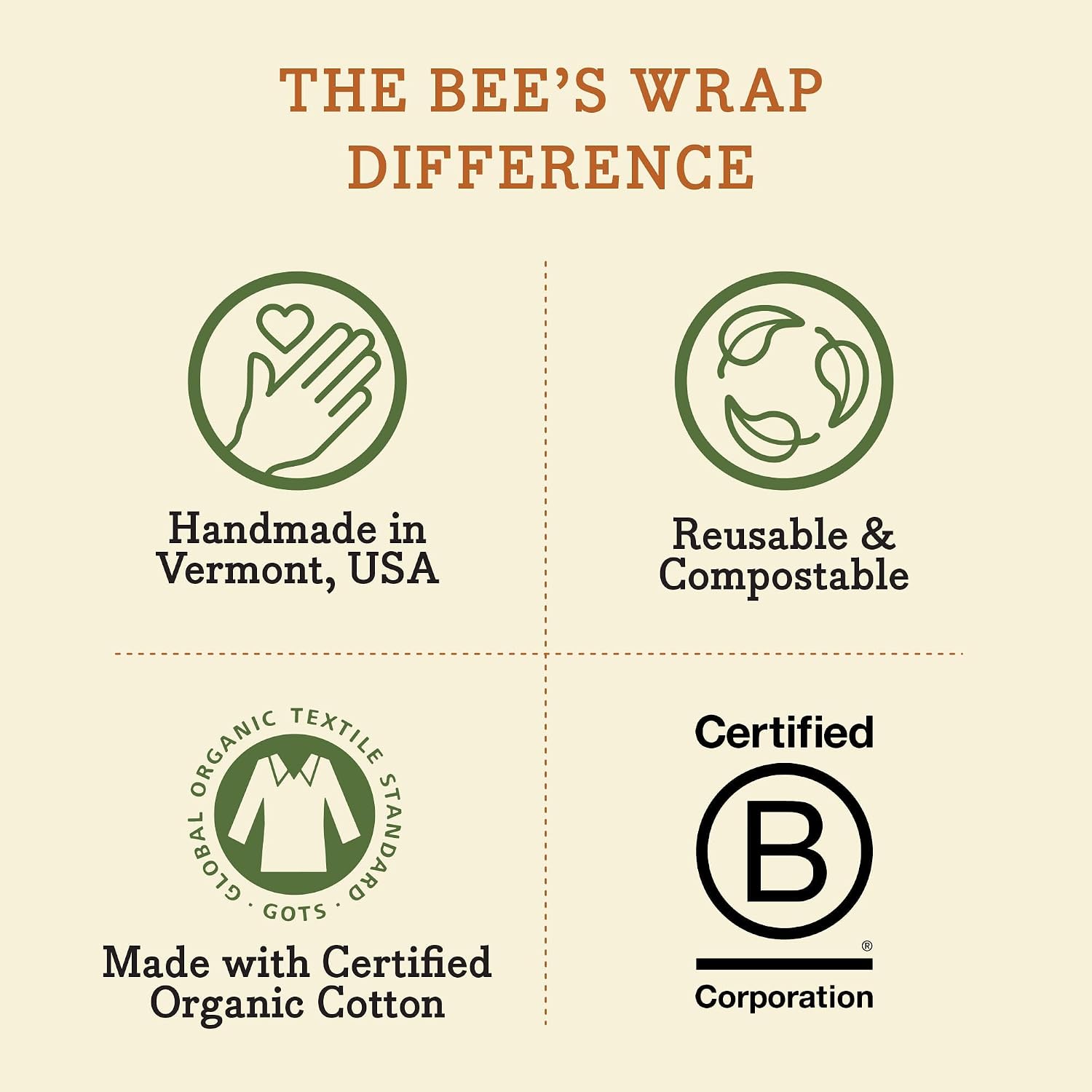
Absolutely. High-quality beeswax wraps, like Bee’s Wrap, are made from natural materials such as organic cotton, beeswax, tree resin, and jojoba oil. They are designed as a direct, sustainable alternative to synthetic plastic films. It’s the whole point.
What should I do when my beeswax wrap loses its stickiness?
When your reusable food wraps start losing their cling, it means the beeswax coating is thinning out. You can sometimes “re-wax” them at home with beeswax pellets, or more simply, consider composting them and replacing them with a new set. They had a good run.
Can I wash reusable food wraps in the dishwasher?
Definitely not. Dishwashers use hot water and harsh detergents, which are exactly what will ruin your beeswax wraps quickly. Stick to gentle hand washing with cool water. It’s a non-negotiable.
Are there any foods I shouldn’t wrap with beeswax wraps?
Avoid raw meat, poultry, and fish because they’re hard to clean and sanitize from the porous wax. Also, very oily or greasy foods can degrade the wax coating over time. Stick to produce, cheese, bread, and cooked leftovers.
Final Recommendation
So, is a premium option like Bee’s Wrap Beeswax Food Wraps worth the extra cost? For anyone genuinely committed to a plastic-free lifestyle and wanting a reliable, high-performing solution for everyday food storage, absolutely. The initial outlay might sting a little, but the consistent performance, superior breathability for perishables like produce and cheese, and their relative longevity make them a smart investment. You’re getting a quality product crafted from organic materials, designed to work.
If you’re just dipping your toes into the world of reusable food wraps, or if budget is your absolute top priority, starting with a generic brand might be tempting. But honestly? You risk a poorer experience that could turn you off the whole concept. For a dependable, eco-conscious step forward, the Bee’s Wrap 3-pack assorted sizes (honeycomb, or whatever pattern you fancy) provides the versatility and quality needed to genuinely replace plastic film in your kitchen. It’s a workhorse. Sometimes, paying a little more upfront saves you frustration—and money—down the line.
#Bees #Wrap #Beeswax #Food #Wraps #Pack #Assorted #Honeycomb #Organic #Beeswax #Wraps #Small #Medium #Large #Plastic #Free #Reusable #Food #Storage #Cheese #Produce #USA